
The landscape of modern media is currently undergoing a paradoxical transformation. At a time when 8K resolution, high-dynamic-range (HDR) mastering, and artificial intelligence-driven post-production are more accessible than ever, the world’s largest content creators and consumers are making a concerted effort to look backward. From streaming giants like Netflix to Hollywood auteurs like Christopher Nolan, the industry is increasingly investing in "degraded" aesthetics, physical film, and tactile hardware. This shift is not merely a fleeting moment of nostalgia; it represents a significant shift in audience psychology and a rebellion against the clinical perfection of the digital age.
The Engineering of Imperfection: Netflix’s VHS Experiment
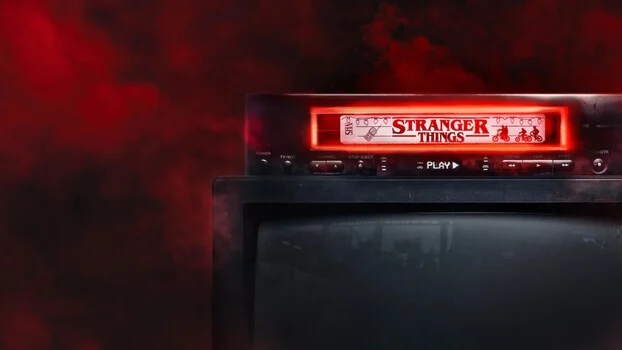
In a move that surprised both tech analysts and cinephiles, Netflix recently devoted significant engineering resources to intentionally lowering the visual quality of its flagship series. To commemorate the 10th anniversary of Stranger Things, the streaming service quietly released "Stranger Things: VHS Special Edition." This was not a simple filter applied over the existing footage; it was a comprehensive retro pass of the entire first season.
The technical overhaul included a 4:3 "pan-and-scan" crop, which mimics the way widescreen films were adapted for square-shaped cathode-ray tube (CRT) televisions in the 1980s and 90s. Beyond the aspect ratio, the engineers simulated tracking glitches, tape grain, and the specific color bleed associated with magnetic tape. The Duffer Brothers, creators of the series, noted that if the show had existed during the era in which it was set, it would have lived on a shelf at a rental store like Family Video. By recreating that specific aesthetic, Netflix is leaning into the "texture" of the past to enhance the immersion of its period-piece storytelling.
This decision is telling because it prioritizes atmosphere over technical fidelity. For a company that has spent a decade pushing the boundaries of bitrates and resolution, the choice to offer an intentionally "worse" version of its most valuable intellectual property suggests that for modern audiences, "better" no longer means "sharper."
High-Stakes Celluloid: Christopher Nolan and the IMAX Revival
While Netflix experiments with digital emulation of analog flaws, director Christopher Nolan continues to push the boundaries of physical media. His latest blockbuster, The Odyssey, made headlines this summer as the first feature film ever shot entirely on IMAX film cameras. This was a massive undertaking that required the IMAX Corporation to develop entirely new, quieter camera technology to allow for the recording of dialogue—a feat previously thought impossible due to the immense mechanical noise of 15-perforation 70mm film movement.
The production of The Odyssey involved a $250 million budget, a significant portion of which was dedicated to the logistics of shooting, developing, and projecting physical film. Nolan’s commitment to the format is rooted in the belief that film possesses a depth, color science, and "soul" that digital sensors have yet to replicate. This "analog bet" paid off at the box office, signaling that even in the era of streaming, audiences are willing to pay a premium for the specific visual texture and prestige associated with traditional filmmaking.
The Gen Z Camcorder Renaissance and the Search for Authenticity
The movement toward analog is not limited to high-budget studio productions. A grassroots revival is taking place among younger creators, specifically within Gen Z. Over the past year, demand for vintage camcorders—such as Sony Handycams, JVC units, and Panasonic models from the late 1990s and early 2000s—has skyrocketed.
On platforms like TikTok and Instagram, "lo-fi" content is increasingly viewed as more authentic than the polished, filtered output of the latest smartphones. Musicians like Sabrina Carpenter and PinkPantheress have integrated camcorder-style footage into their music videos and social media presence, driving a secondhand market where once-obsolete technology now commands prices ranging from $100 to $500.
Data from market researchers indicates that this trend is a reaction to the "uncanny valley" of modern smartphone photography. Today’s phones use aggressive computational photography to sharpen images, smooth skin, and balance lighting. The result is often a photo or video that looks "perfect" but feels "fake." In contrast, the grainy, blown-out highlights and motion blur of an old CCD sensor provide a sense of tangible reality. For a generation that has grown up entirely in a digital world, these "glitches" are perceived as a hallmark of human presence and historical weight.
The Economic Resurgence of Film and Instant Photography
The financial data supporting the analog comeback is staggering. Fujifilm recently announced that it has sold over 100 million Instax cameras and printers since the brand’s inception in 1998. More importantly, the Instax line now accounts for more than half of Fujifilm’s entire imaging division revenue, outperforming its high-end digital camera sales in terms of volume and growth.
In the professional and enthusiast photography sectors, the demand for 35mm and medium-format film has led to a manufacturing revival. Harman, the parent company of Ilford, recently made its largest investment in film machinery since the 1990s to double its production capacity. Similarly, Ricoh/Pentax released the Pentax 17 in 2024, the company’s first new film camera in two decades. The camera was designed specifically to appeal to younger users, featuring a half-frame format that allows photographers to get 72 shots out of a standard 36-exposure roll—a practical solution to the rising cost of film.
The price of film itself reflects this high demand. Between 2019 and 2025, the cost of popular stocks like Kodak Portra 400 and Ektar 100 rose by more than 60% and 130%, respectively. Despite these price hikes, the market continues to expand. According to Fortune, 35% of the world’s 42 million active film photographers are now between the ages of 18 and 30, proving that the medium has successfully skipped a generation to find a new, younger audience.
Audio’s "Warm" Revolution: Ribbon Mics and Vacuum Tubes
The visual arts are not the only field seeing a return to vintage standards. The professional audio industry is experiencing a similar pivot toward "warmth" over "clarity." In recording studios, engineers are increasingly passing over modern, ultra-sensitive digital condenser microphones in favor of vintage ribbon microphones and tube-based equipment.
The Royer R-121 ribbon microphone has become a "desert island" tool for modern producers, prized for its ability to soften the "analytical" and often harsh nature of digital recording. Similarly, companies like Warm Audio have built a successful business model by creating affordable reproductions of legendary vintage gear, such as the Neumann U47 and Telefunken ELA M251E. These tools introduce subtle harmonic distortion and "color" to the sound—qualities that were once considered technical limitations but are now highly sought after for their musicality.
Even the Shure SM7B, a dynamic microphone originally released in the 1970s, has become the undisputed standard for podcasting and streaming. Its popularity is due in part to its "forgiving" nature; it rolls off high frequencies in a way that makes voices sound rich and authoritative, providing a stark contrast to the thin, bright sound of cheap USB microphones.
Physical Media: Vinyl and Cassettes Defy Digital Dominance
The most visible sign of the analog revival is the continued growth of physical music formats. The RIAA’s 2025 year-end report revealed that vinyl revenue exceeded $1 billion for the first time in the modern era, marking the 19th consecutive year of growth. Vinyl now outsells CDs by a significant margin, with 46.8 million units sold compared to 29.5 million for compact discs.
Perhaps more surprising is the resurgence of the cassette tape. Once considered the most inferior of all formats, US cassette sales grew by 17.5% in 2025. Major pop stars, including Taylor Swift and Chappell Roan, now routinely release their albums on cassette. This has spurred a new market for hardware; the French startup "We Are Rewind" has found success selling high-quality, aluminum-bodied portable cassette players that mimic the aesthetic of the original Sony Walkman but include modern features like Bluetooth connectivity.
Analysis: Adaptive Regression and the Future of Media
Psychotherapists and cultural critics have begun to categorize this trend as "adaptive regression." In an age of constant digital overstimulation, where every piece of media is instantly accessible and perfectly rendered, consumers are seeking out "friction." The act of threading a film camera, flipping a vinyl record, or even dealing with the tracking errors of a VHS tape provides a tactile, single-purpose experience that digital platforms cannot replicate.
For professional photographers, videographers, and creators, the implications are clear. The "arms race" for more megapixels and higher frame rates is no longer the only path to success. There is a massive, growing market for work that feels unpolished, human, and textured.
This does not mean that digital technology is obsolete; rather, it suggests that digital tools are being used more frequently to chase an analog soul. Whether it is through the use of vintage lenses on modern cinema cameras or the application of film-emulation software in post-production, the goal is the same: to reintroduce the "beautiful flaws" that make media feel real. As the industry moves further into the era of AI-generated content, the value of these physical, human-centric imperfections is only likely to increase. The analog revival is not just a look back at where we have been; it is a roadmap for how creators can maintain a connection with their audience in an increasingly virtual world.