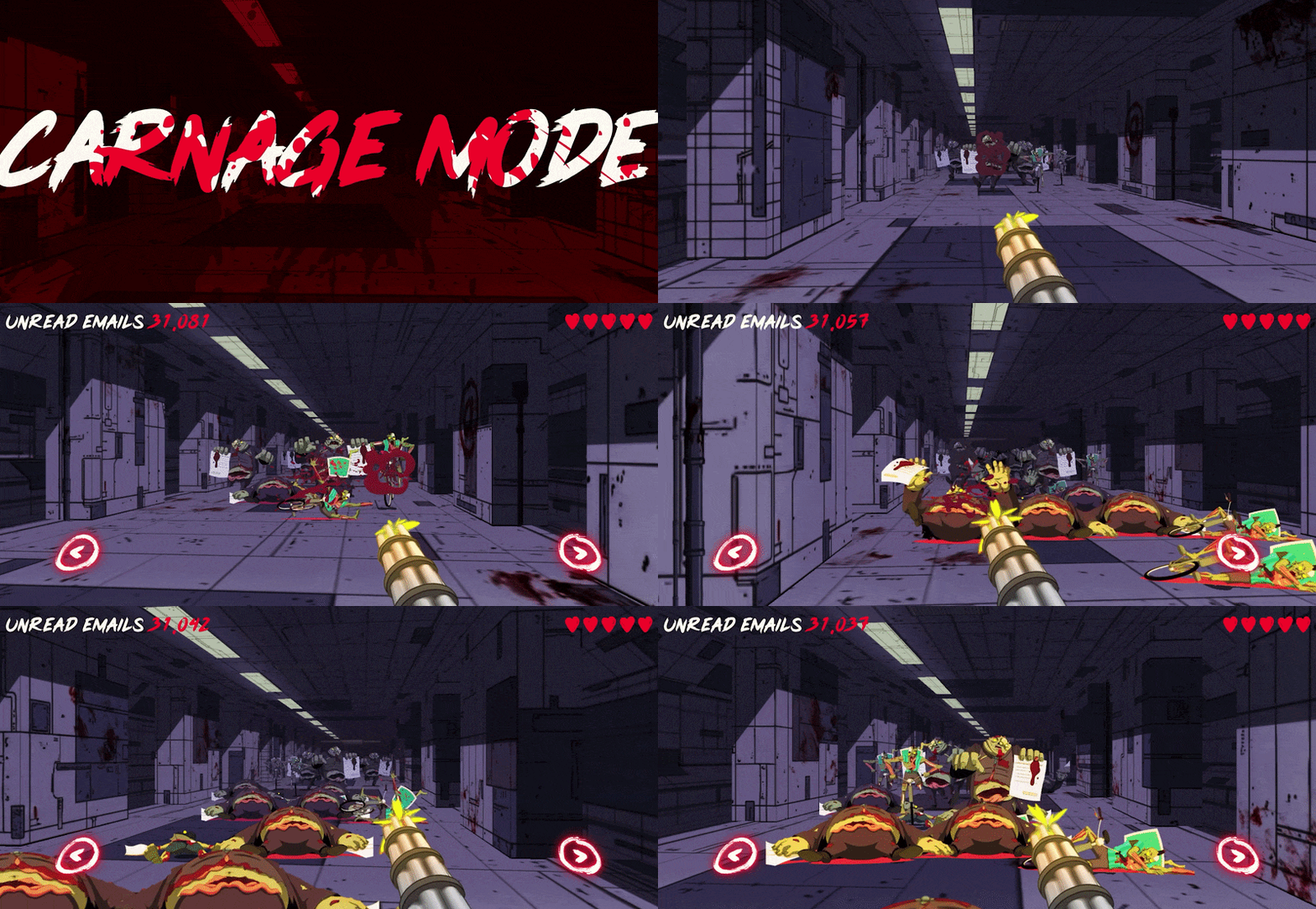

Digital clutter has officially crossed over from a minor inconvenience into a full-scale psychological burden for the modern workforce. As inboxes swell with promotional newsletters, unread notifications, and relentless corporate updates, the sheer volume of digital correspondence has sparked a new wave of innovative countermeasures. Addressing this growing phenomenon head-on, renowned creative agency Uncommon Creative Studio, in collaboration with digital studio Resn, has launched an unconventional browser-based application titled The Unread. Released on October 24, 2026, the platform transforms the traditionally tedious chore of inbox management into a visceral, arcade-style zombie-slaying experience, merging high-octane horror gaming with live email deletion.
The Genesis of Digital Clutter and the Evolution of Productivity Tools
The modern professional ecosystem is defined by hyper-connectivity. Since the widespread adoption of corporate email in the late 20th and early 21st centuries, the volume of digital mail has expanded exponentially. Initially perceived as a breakthrough in rapid communication, email has devolved into a relentless generator of cognitive fatigue. Industry research highlights that the average individual currently navigates daily life while harboring more than 1,000 unread emails. Furthermore, data indicates that a mere 24% of all received correspondence is categorized as genuinely important, leaving a staggering 76% classified as irrelevant, low-priority, or outright spam.
Despite their low utility, these unwanted messages demand an equal share of mental processing power. Every notification triggers micro-decisions, slowly eroding focus and contributing to digital burnout. The problem compounds significantly during absences from the workplace; returning from a standard two-week holiday often exposes employees to upwards of 1,200 unread messages—a quantitative reality that rivals the terrifying scenarios found in traditional horror fiction. Compounding the issue further, global email traffic estimates suggest that roughly 45% of all transmitted digital mail consists of unsolicited spam.
Traditional responses to this deluge have historically relied on cold efficiency. Software developers have continuously rolled out automated filters, folder categorization systems, and artificial intelligence-driven summarizers designed to quietly sweep unwanted messages out of sight. While these utilities undoubtedly save time, they often strip the user experience of emotional resonance, treating inbox management as an administrative chore to be minimized rather than an interaction to be engaged with. The Unread disrupts this paradigm by introducing play, humor, and visceral engagement into a space traditionally dominated by clinical software design.
Inside The Unread: Gamifying the Inbox Extermination Process
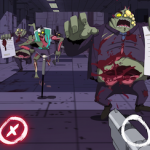
Hosted on the web at www.the-unread.com, The Unread operates as a free, browser-based slasher game that interfaces directly with a user’s Gmail account. The core mechanic is deceptively straightforward yet brilliantly disruptive: unread emails are graphically transformed into hordes of the undead, and the player’s objective is to blast them out of existence. Each successful elimination within the game triggers a corresponding action in the real world, permanently deleting the unwanted email associated with that specific digital zombie.
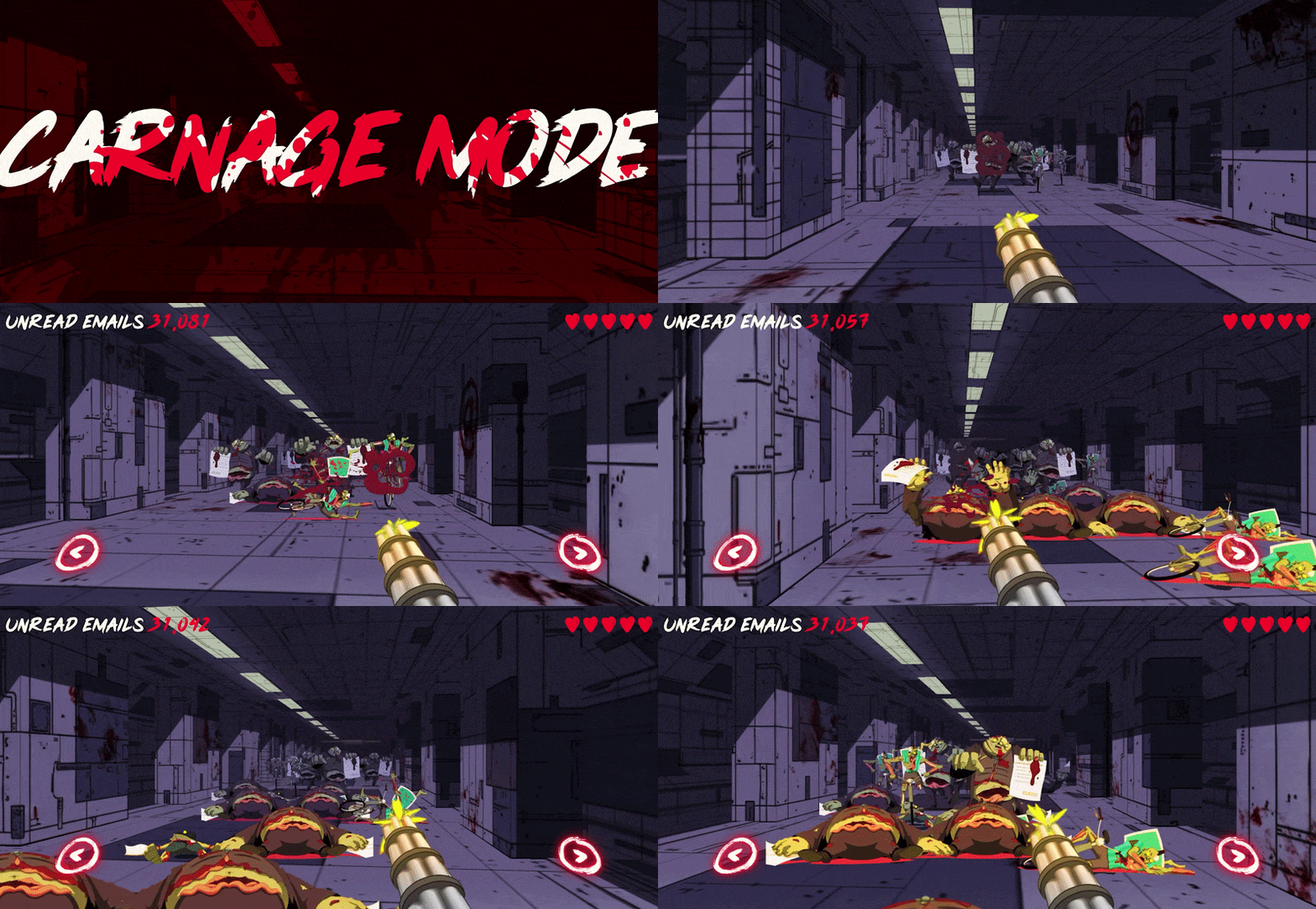
The platform was engineered to deliver the look and feel of a legitimate, high-end gaming experience rather than a superficial productivity gimmick. It seamlessly blends classic horror-game mechanics, absurd visual storytelling, and live database interactions. Players navigate frantic survival scenarios where the impending horde serves as a direct, physical manifestation of their neglected administrative duties. By weaponizing the universal human urge to procrastinate, the platform transforms what is typically a source of profound dread into an activity that users might actively anticipate.
Chronology and Development of the Project
The conceptualization and rollout of The Unread represent months of cross-disciplinary collaboration between Uncommon Creative Studio and Resn. Development focused heavily on bridging the gap between entertaining media and functional utility.
- Early 2025 to Mid-2026: Initial ideation phases centered on addressing digital fatigue not through standard technological automation, but through behavioral psychology and entertainment. Creative teams analyzed data regarding email overload, noting the severe psychological toll exacted by post-vacation inbox accumulation.
- Late Summer 2026: Technical integration commenced, focusing on secure API connections with major email clients—specifically Gmail—to ensure that gameplay actions translated instantly and accurately into permanent mailbox deletions.
- October 24, 2026: The Unread officially launched to the public as a free browser utility, accompanied by promotional case studies and gameplay trailers demonstrating its visceral, tongue-in-cheek approach to digital hygiene.
Leadership Perspectives on Behavioral Design
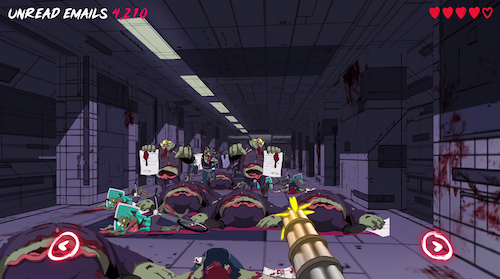
The leadership teams behind the project have emphasized that the application is as much a philosophical statement on modern software design as it is a functional tool.
Nils Leonard, co-founder of Uncommon Creative Studio, elaborated on the psychological motivations steering the project’s development. "Most tools designed to ‘fix’ our digital lives remove emotion from the experience," Leonard noted. "We wanted to do the opposite. The Unread is intentionally visceral, silly, cathartic, and entertaining. It’s a utility disguised as a game—or maybe a game disguised as a utility. It prompts us to think: what if automation isn’t the only answer to digital overload? Perhaps play, humor, and interaction can be just as effective at motivating behavior."
Rik Campbell, CEO of Resn, echoed these sentiments, highlighting the project’s clever exploitation of human behavioral patterns. "Everyone wants to make tedious jobs more efficient," Campbell stated. "Pero what if you just made them fun? The Unread weaponizes the instinct to procrastinate and makes clearing out your inbox something to look forward to."
Broader Implications and the Future of Digital Utility
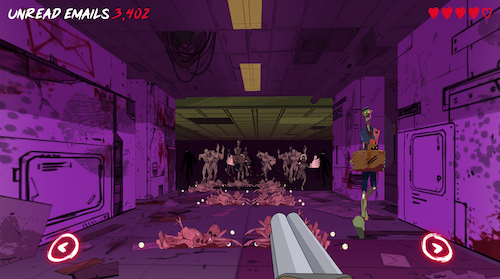
The launch of The Unread arrives at a critical juncture in the evolution of workplace technology. As artificial intelligence and algorithmic automation threaten to sterilize professional software interfaces by removing human touchpoints entirely, projects like The Unread suggest an alternative path forward. By leaning into gamification, developers can leverage intrinsic human motivations—such as the desire for challenge, narrative engagement, and cathartic release—to solve mundane administrative crises.
While the game’s gory visual style and tongue-in-cheek humor are overtly playful, they address a very serious modern malady. Information overload and digital anxiety are recognized public health concerns in many corporate environments, contributing to chronic stress and decreased productivity. By converting a symbol of workplace dread into a target for virtual eradication, Uncommon and Resn have provided a novel framework for mental decompression.
Whether The Unread will spark a broader trend of "edutainment" or gamified utility software across the tech industry remains to be seen. However, its release proves that creative problem-solving can successfully subvert conventional software design. By treating inbox management as an interactive battlefield rather than a filing cabinet, the creators have opened a new frontier in how humans interact with their digital environments, demonstrating that sometimes the best way to conquer a mountain of work is to pick up a virtual weapon and blast it to pieces.