On May 1, 2002, a digital experiment named Typographica quietly launched on the Blogger platform, marking a pivotal moment in the history of online design discourse. Two decades later, the site has achieved a milestone that, in the fast-paced ecosystem of the internet, is equivalent to a centennial. Founded by Sacramento-based graphic designer and printing history enthusiast Joshua Lurie-Terrell, the site emerged during a period of relative isolation for typographic specialists. Before its inception, deep-dive discussions regarding letterforms, type history, and industry developments were largely confined to obscure Usenet newsgroups and specialized email lists, which were often difficult to navigate and lacked the archival permanence of a dedicated web portal.

The Pre-Digital Landscape of Type Discourse
To understand the significance of Typographica, one must examine the state of the internet at the turn of the millennium. In the late 1990s, the "typographic chatter" of the era was fragmented. The launch of Typophile in 2000 provided a necessary forum for designers to gather, yet it functioned more as a community message board than a curated editorial outlet. Alongside Typophile, only a handful of blogs maintained a consistent focus on the medium, most notably David John Earls’ Typographer (1999–2009) and Andy Crewdson’s Lines & Splines (2000–2002).
Lurie-Terrell recognized that while individual voices existed, there was a distinct lack of a collaborative, centralized hub for the global design community. Borrowing the name from the seminal mid-century journal published by Herbert Spencer, Lurie-Terrell launched the site with an open-access model, inviting contributors from across the field to share their perspectives. This democratic approach to content creation was revolutionary for the time, transforming a personal blog into a collective voice for the profession.

A Chronology of the Digital Frontier
The evolution of Typographica can be viewed through several distinct phases, each reflecting the changing nature of the World Wide Web:
- 2002: The Blogger Era. The initial iteration of the site relied on the rudimentary tools of early blogging. Posts were concise, text-heavy, and heavily reliant on external links. This period functioned as a pre-cursor to modern social media, where the site acted as a central aggregator for news that would otherwise take weeks to appear in print media.
- 2003–2004: Technical Maturation. The site transitioned to the Movable Type platform, which offered greater control over archives and metadata. This transition allowed for the systematic documentation of typographic developments that persists today.
- 2004–Present: The Curated Archive. As the site grew, it shifted from a daily link-stream to a more refined editorial focus, providing long-form reviews and critical analysis of typefaces, a tradition it maintains under the stewardship of Stephen Coles.
The Architecture of Influence
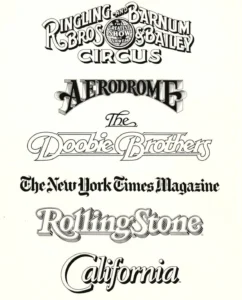
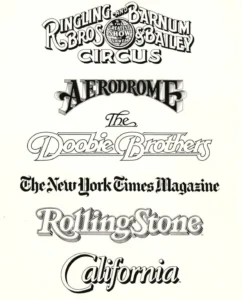
Typographica’s influence extends beyond its written content. A key feature of its identity has been its visual branding. Throughout its twenty-year history, the site has commissioned custom nameplates from some of the most influential figures in the type industry, including Miguel Hernandez, Erik van Blokland, Tiffany Wardle, Angus R. Shamal, Mark Simonson, Harsh Patel, and Graham Hicks. These nameplates served not merely as logos, but as functional exhibits of typographic craftsmanship, reinforcing the site’s commitment to its subject matter.

The technical infrastructure also evolved alongside industry standards. By moving from simple blogging templates to a custom-developed content management system, the site ensured that its deep archive of reviews remained accessible and searchable. This accessibility has made it an indispensable resource for design students, historians, and practitioners, bridging the gap between historical printing methods and modern digital font production.
Analysis: The Shift in Online Engagement
The trajectory of Typographica highlights a fundamental shift in how professionals interact online. In its early years, the internet was defined by the "beauty of HTML"—a web of interconnected sites where outbound links were encouraged, fostering a sense of shared intellectual property. Today, that landscape has been fundamentally altered by the rise of social media silos.

Current analysis suggests that platforms such as Instagram and X (formerly Twitter) have discouraged the collaborative spirit of the early web. These platforms prioritize "engagement" metrics—likes, shares, and algorithmic visibility—over the substantive, link-heavy discourse that defined the early 2000s. The siloed nature of these platforms makes it difficult for creators to maintain control over their intellectual output, as content is often locked within proprietary ecosystems that discourage users from leaving the platform.
Stephen Coles, the current lead of Typographica, has noted the irony of this development: while information is more abundant than ever, the quality of sustained, community-driven conversation has struggled to keep pace with the demands of algorithmic feeds. This has led to a renewed interest in independent publishing, with organizations like Alphabettes demonstrating that there is still a significant audience for decentralized, expert-led platforms.

Broader Impact and Industry Reception
The success of Typographica provides a blueprint for professional niche publishing in the digital age. By refusing to chase fleeting trends, the site has managed to retain its authority. Its impact is evidenced by its longevity; while many of its contemporaries from the early 2000s have disappeared, leaving only broken links in their wake, Typographica has successfully migrated its archive through multiple iterations of web technology.
The site’s longevity is a testament to the dedication of its contributors. Figures such as Matthew Bardram, Patric King, Jenny Pfafflin, and Graham Hicks played critical roles in the site’s early development, providing the intellectual labor necessary to sustain a consistent editorial calendar. Their efforts ensured that the site was not dependent on a single individual, a common failure point for many independent media projects.

The Future of Independent Type Publishing
As Typographica enters its third decade, the broader design community faces a period of reassessment. The proliferation of digital tools has made type design more accessible than ever, yet the sheer volume of new releases has created a need for the kind of rigorous, critical filtering that Typographica provides.
The site’s endurance serves as a critique of the "fast content" model. By choosing to prioritize depth over frequency, it has maintained a level of prestige that few other digital outlets can claim. The industry’s reliance on such archives underscores a critical truth: in a world of transient digital noise, there is immense value in the deliberate, long-term preservation of specialized knowledge.

Ultimately, the history of Typographica is the history of the web’s transition from a hobbyist’s playground to a professionalized, global marketplace. That the site remains a central pillar of this industry is a testament to the enduring power of the written word and the necessity of independent, expert-driven voices. Whether the future of the internet will see a return to the open-blogging era remains to be seen, but the survival of projects like Typographica offers a roadmap for those seeking to build sustainable, meaningful spaces for professional discourse in an increasingly fragmented digital landscape.