

In the digital landscape, where the average lifespan of a website is often measured in months, reaching a twenty-year milestone is a rare achievement akin to a centennial. Typographica, the seminal online resource dedicated to the review of typefaces and the exploration of typography, officially marked its twentieth anniversary on May 1, 2022. Since its inception in 2002, the platform has evolved from a nascent, collaborative blogging experiment into a central pillar of design discourse, documenting the transition of typography from an obscure, specialist trade to a core component of modern digital literacy.

The Genesis of a Digital Archive
The inception of Typographica occurred at a pivotal moment in the history of the World Wide Web. By early 2002, the internet was transitioning from a chaotic frontier into a more structured, though still decentralized, ecosystem. Prior to the rise of social media giants—platforms that would eventually consolidate internet traffic into walled gardens—the primary mode of digital communication was the blogosphere.
Before Typographica, deep-dive discussions on letterforms were largely confined to isolated, high-friction environments. During the 1990s, typographic enthusiasts relied on Usenet newsgroups and email mailing lists, which often suffered from poor discoverability and a lack of visual archival capability. The landscape began to shift in 2000 with the launch of Typophile, a dedicated forum that provided a centralized space for type designers to congregate. However, the editorial landscape remained sparse. Only two primary blogs were consistently documenting the field at the time: David John Earls’ Typographer (1999–2009) and Andy Crewdson’s Lines & Splines (2000–2002).

Recognizing the absence of a collaborative, editorialized space for the craft, Joshua Lurie-Terrell, a graphic designer and printing history enthusiast based in Sacramento, launched the original Typographica on the Blogger platform. Taking its name from the influential mid-century journal edited by Herbert Spencer, the project was designed to be open-access, inviting contributions from professionals across the industry.
Chronology of an Evolving Platform
The trajectory of Typographica reflects the broader maturation of web design and content management.

- 2002 (Founding): Launched on May 1, the blog initially functioned as a daily link-stream. It was, in many ways, the "Twitter of typography," providing a real-time feed of industry news, project showcases, and critical observations that predated mainstream print media coverage by weeks.
- 2003–2004 (Platform Migration): As the site’s ambition grew, the infrastructure transitioned from the basic Blogger architecture to the more robust Movable Type content management system. This allowed for better organization and the development of the site’s own permanent archive, which dates back to 2004.
- 2005–2010 (The Professionalization Phase): As typography became a vital component of user interface design, Typographica shifted its focus toward comprehensive reviews, interviews with type designers, and deep analysis of typographic standards.
- 2011–Present: The platform settled into its role as an authoritative, independent archive, fostering a community that prioritizes long-form analysis over fleeting social media engagement.
The Landscape of Digital Typography
The significance of Typographica lies in its role as a record-keeper for a rapidly changing craft. In 2002, the digital font market was significantly different than it is today. The transition from physical typesetting to digital rendering was largely complete, but the infrastructure for distributing high-quality web typography was still in its infancy.
Supporting data from the period suggests that the number of independent type foundries exploded between 2005 and 2015, facilitated by the advent of web-font delivery services and improved browser rendering. During this decade, Typographica served as a filter, helping designers navigate an increasing volume of new typefaces by providing critical reviews that prioritized legibility, technical quality, and design intent. By maintaining a database of reviews, the site provided a necessary counterpoint to the "churn and burn" culture of rapid content consumption.

Analysis: The Shift from Community Blogs to Social Media
The current digital environment, dominated by platforms such as Instagram and X (formerly Twitter), presents a distinct set of challenges for specialized fields like typography. The original intent behind Typographica was to create a "freewheeling" conversation space—a goal that is increasingly difficult to achieve in an algorithmic economy.
Current analysis of web traffic patterns indicates that specialized, long-form content often struggles to gain visibility in feeds optimized for high-frequency, visual-only engagement. Unlike the early blog era, where outbound linking was the primary currency of the web, modern social platforms are engineered to keep users within their ecosystems. This "siloing" effect discourages the type of cross-pollination that defined the early days of Typographica, where a blog post would spark a dialogue that spanned multiple websites and forums.

The implications for the design industry are significant. When discourse is reduced to "likes" and short-form commentary, the nuance of technical typography—kerning, weight distribution, and screen-rendering compatibility—can be lost. The sustained success of independent platforms like Typographica and their counterparts, such as Alphabettes, serves as a testament to the enduring value of decentralized, expert-led publishing.
Industry Impact and Official Responses
Throughout its history, Typographica has maintained a unique position of influence by keeping its editorial content independent of foundry marketing. By avoiding the pressures of corporate sponsorship, the platform has preserved its ability to provide objective assessments of new releases.

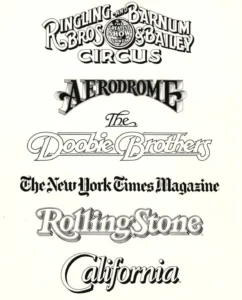
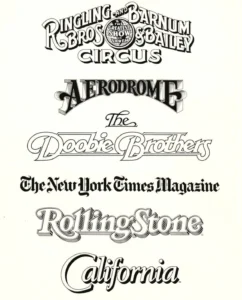
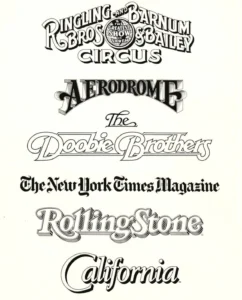
Industry figures have frequently cited the site’s archives as a primary reference point for students and practitioners alike. The platform’s practice of commissioning unique nameplates—designed by luminaries such as Miguel Hernandez, Erik van Blokland, and Mark Simonson—transformed the site from a utility into a design object in its own right. These visual markers reinforced the site’s identity as a publication that respects the very craft it covers.
Looking back, the contributors who helped shepherd the site through its first two iterations—including Matthew Bardram, Patric King, Jenny Pfafflin, and Graham Hicks—note that the goal was never to scale the platform into a massive media entity. Rather, the intent was to provide a sustainable space where typographic discourse could be preserved.

The Future of Independent Publishing
As Typographica enters its third decade, the broader landscape of digital publishing is showing signs of a "return to center." There is a documented trend of creators moving away from social media conglomerates and back toward independent newsletters, personal blogs, and private community servers.
The success of this twenty-year experiment proves that there is a persistent demand for high-quality, long-form professional critique. As the digital world continues to grapple with the limitations of algorithmic content delivery, the history of Typographica serves as a template for those looking to build resilient, independent, and historically conscious digital spaces. The pendulum is swinging back; the magic of the blog, once considered a relic of the early web, is being rediscovered as a necessary tool for genuine intellectual engagement in an age of digital noise.