
You can maintain an impeccably designed website, curate high-quality content, and provide a seamless user experience, yet still find your brand effectively invisible to search engines and AI-driven discovery tools. In the current digital landscape, Google’s algorithms and Large Language Models (LLMs) like ChatGPT operate beyond the confines of a single domain. They function as reputation engines, analyzing the external web to determine who you are, what you offer, and whether your brand deserves to be ranked or recommended to users.
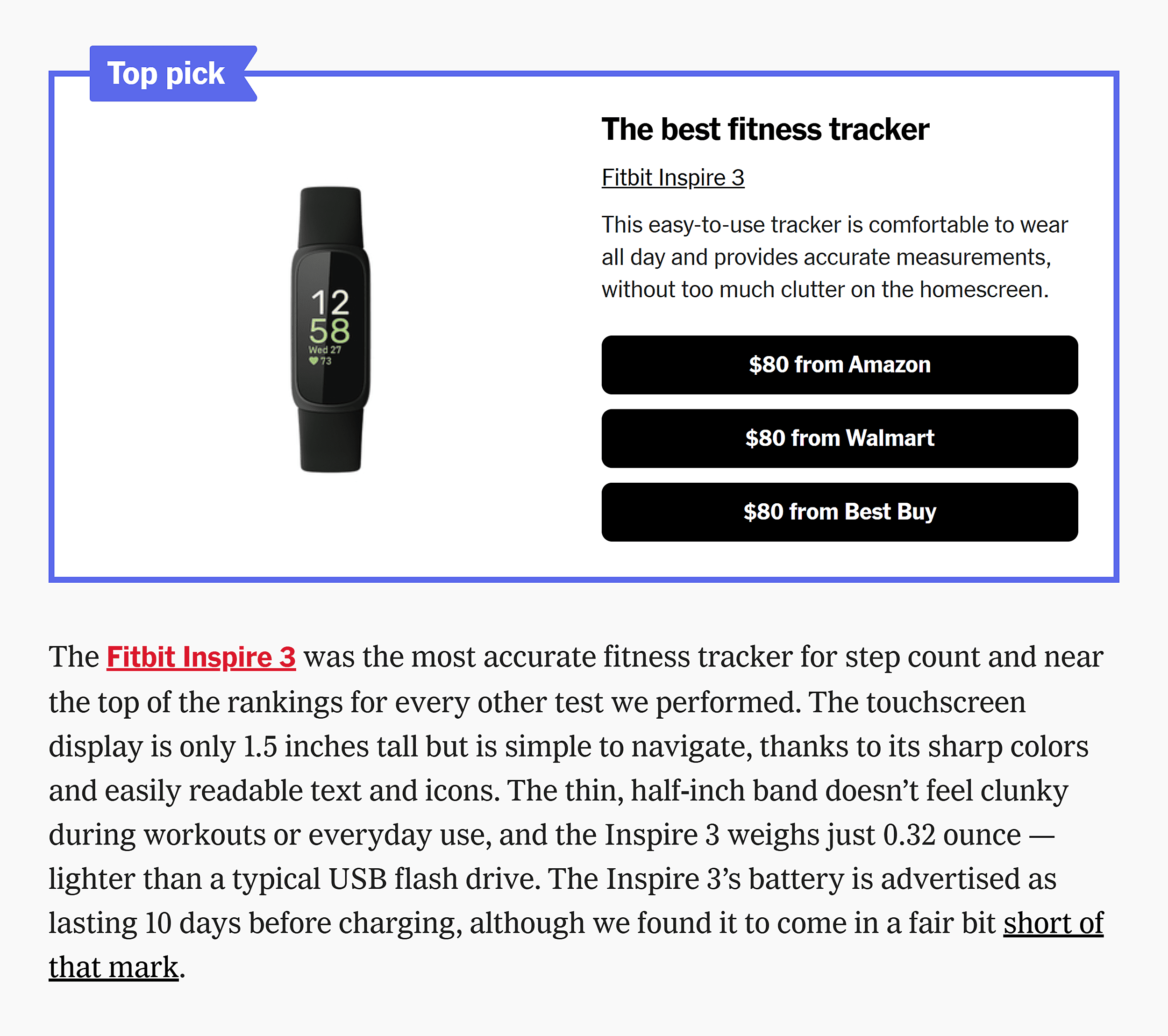
Every mention of your brand within a credible publication, industry community, or by a verified expert serves as a digital vote of confidence. These references act as essential trust signals that help search engines build and refine their "entity-level" understanding of your business. As search evolves toward AI-integrated experiences, earning high-value brand mentions has transitioned from a supplementary marketing tactic to a fundamental requirement for online visibility.
Defining the Ecosystem of Brand Mentions
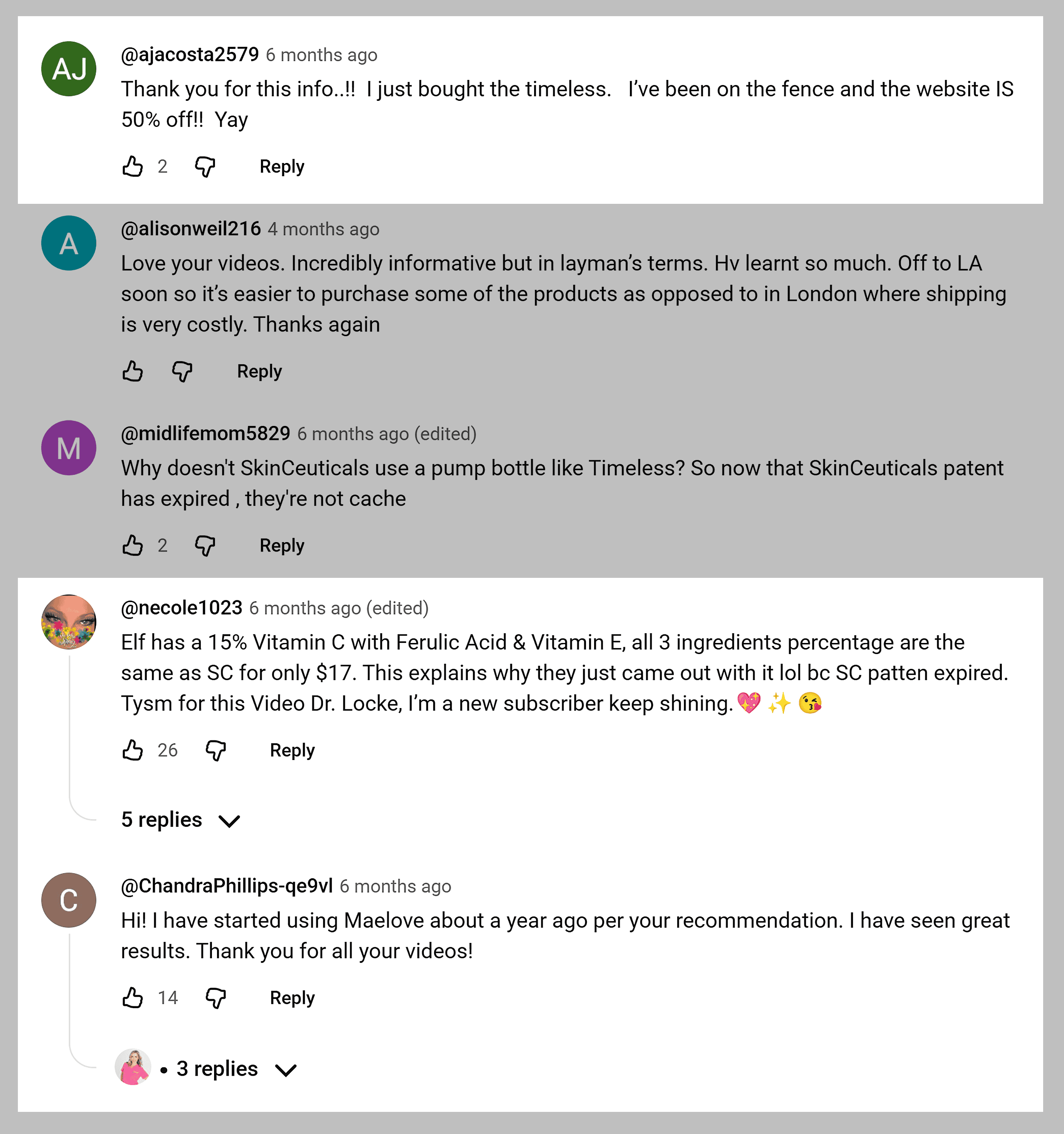
A brand mention is any third-party reference to your business, whether in a formal news article, a community discussion thread, a YouTube video, or a podcast. These references generally fall into two categories: linked and unlinked.
Linked mentions provide a direct, clickable path to your website, serving as both a trust signal and a driver of referral traffic. Conversely, unlinked mentions—often appearing in social media or casual discourse—lack a direct hyperlink but are increasingly vital for establishing brand context. While unlinked mentions do not pass "link juice" in the traditional SEO sense, they provide search engines with the semantic evidence required to associate your brand with specific topics, industries, and products.

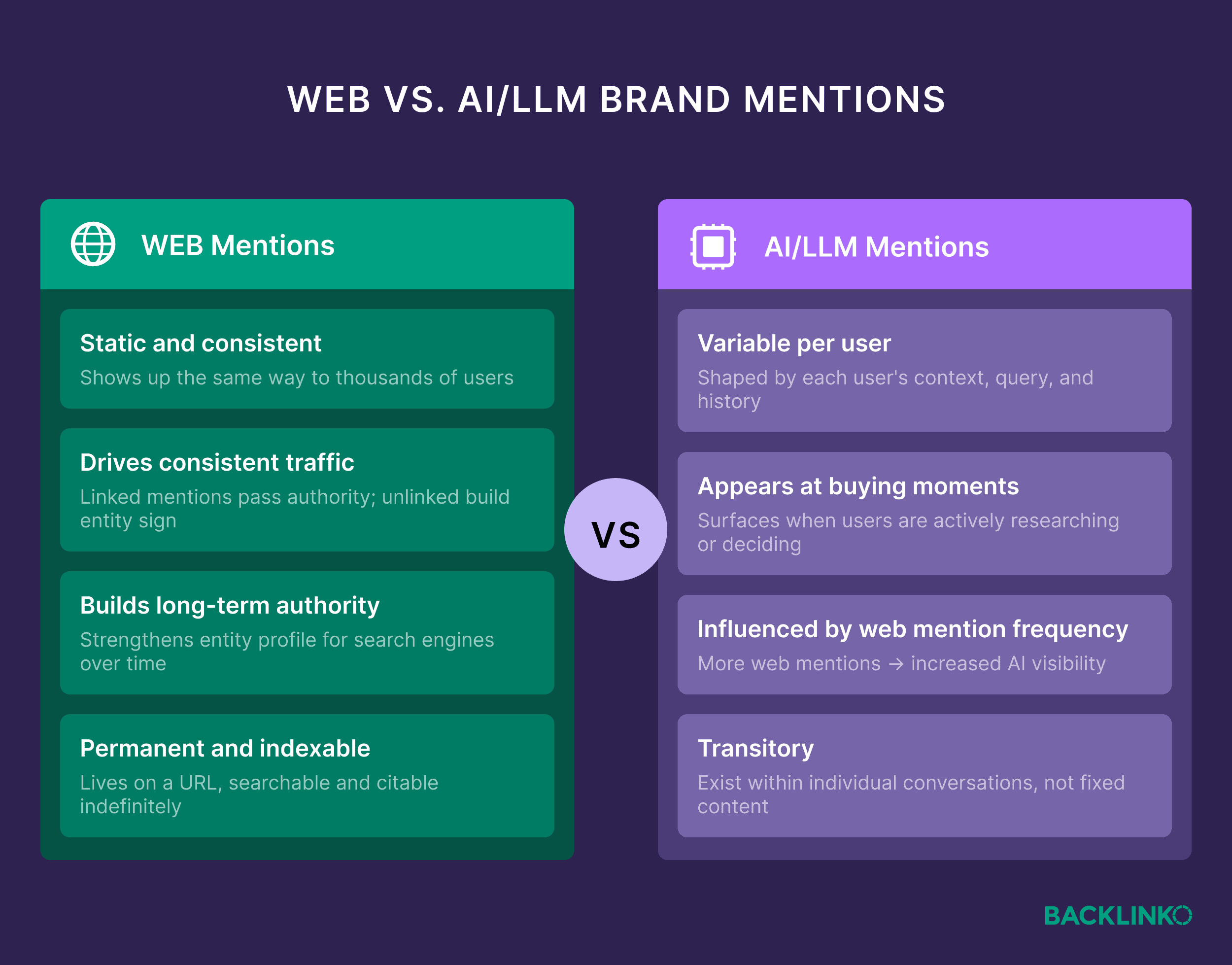
The shift toward AI-integrated search has changed the objective of these mentions. When a user asks an AI tool for a recommendation, the model draws upon its vast training data, which is heavily weighted toward reputable, widely cited mentions found across the web. A static web mention in a major publication provides a consistent signal to thousands of users, whereas an AI response is a dynamic, personalized output that acts as the ultimate validation of your brand’s relevance.
Why Authority, Relevance, and Specificity Drive Results
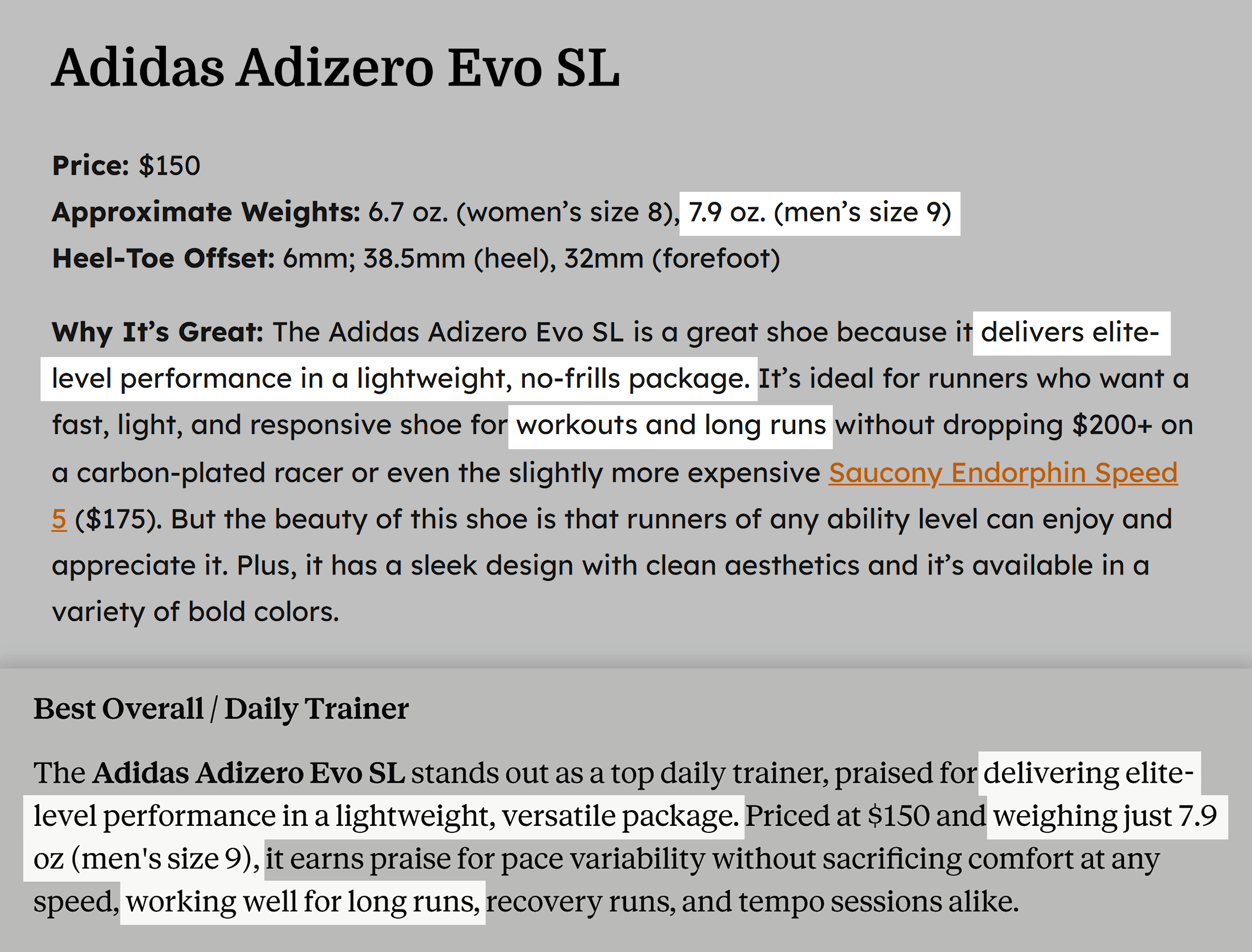
Not all brand mentions are created equal. The efficacy of a mention is determined by three core pillars: authority, relevance, and specificity.
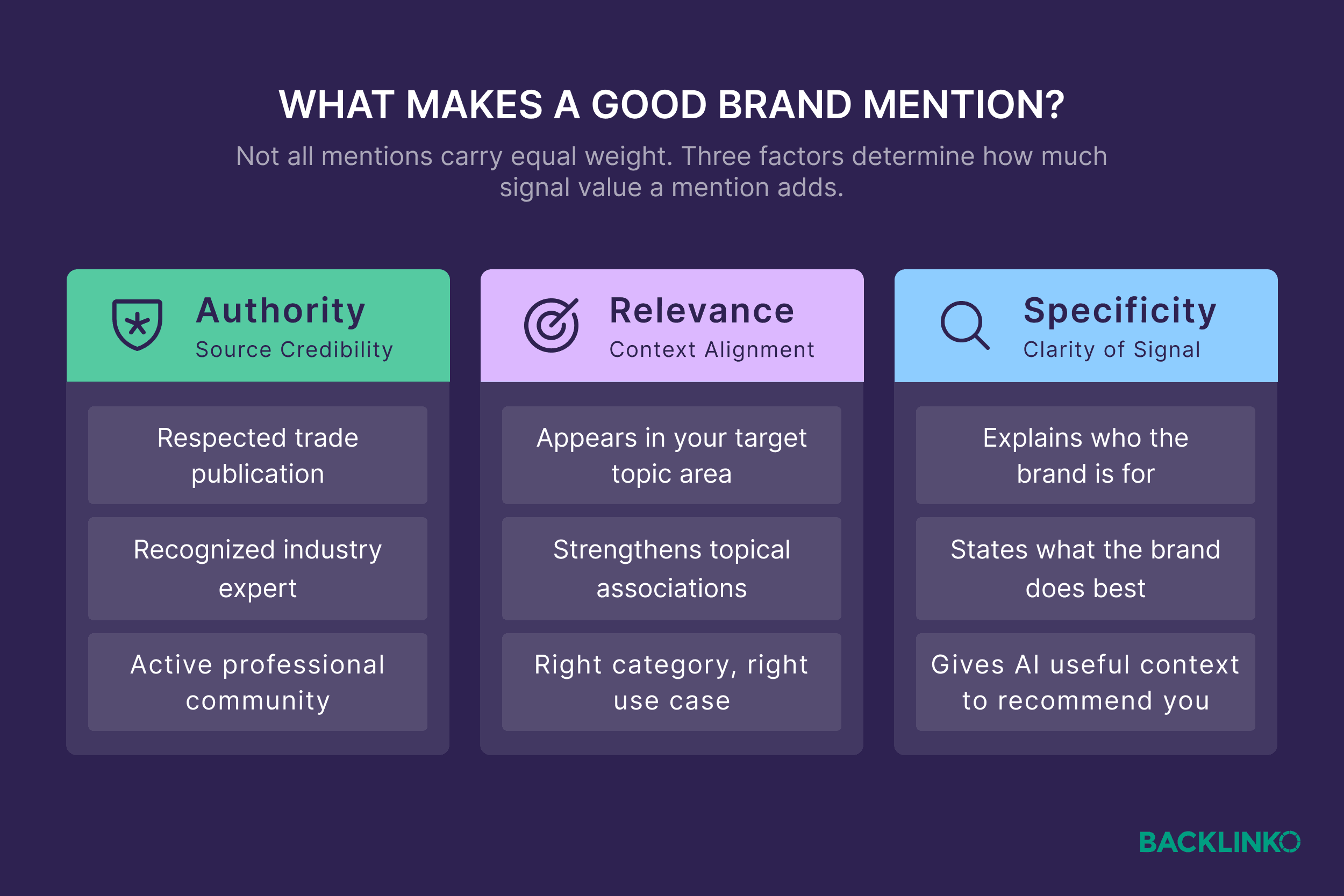
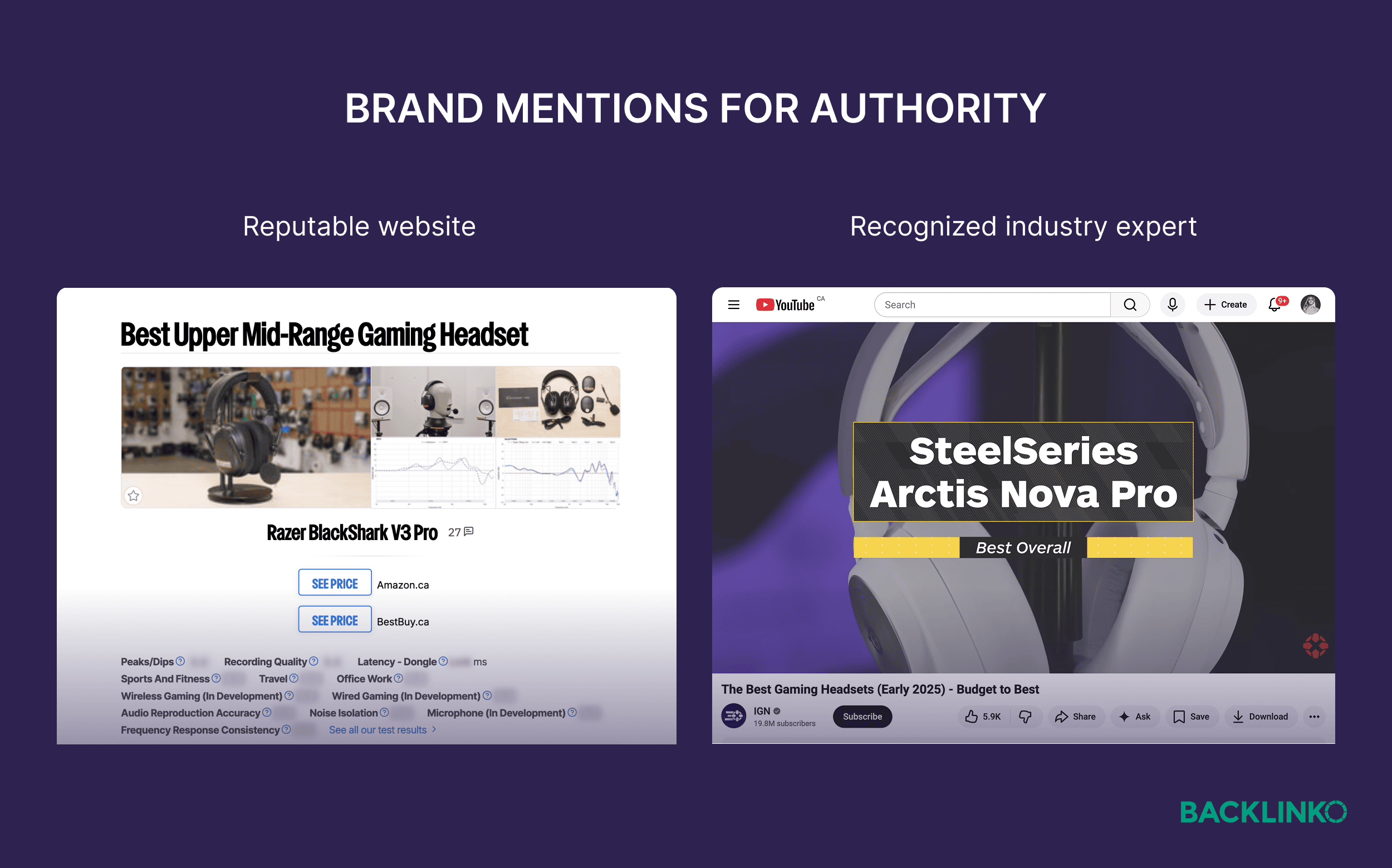
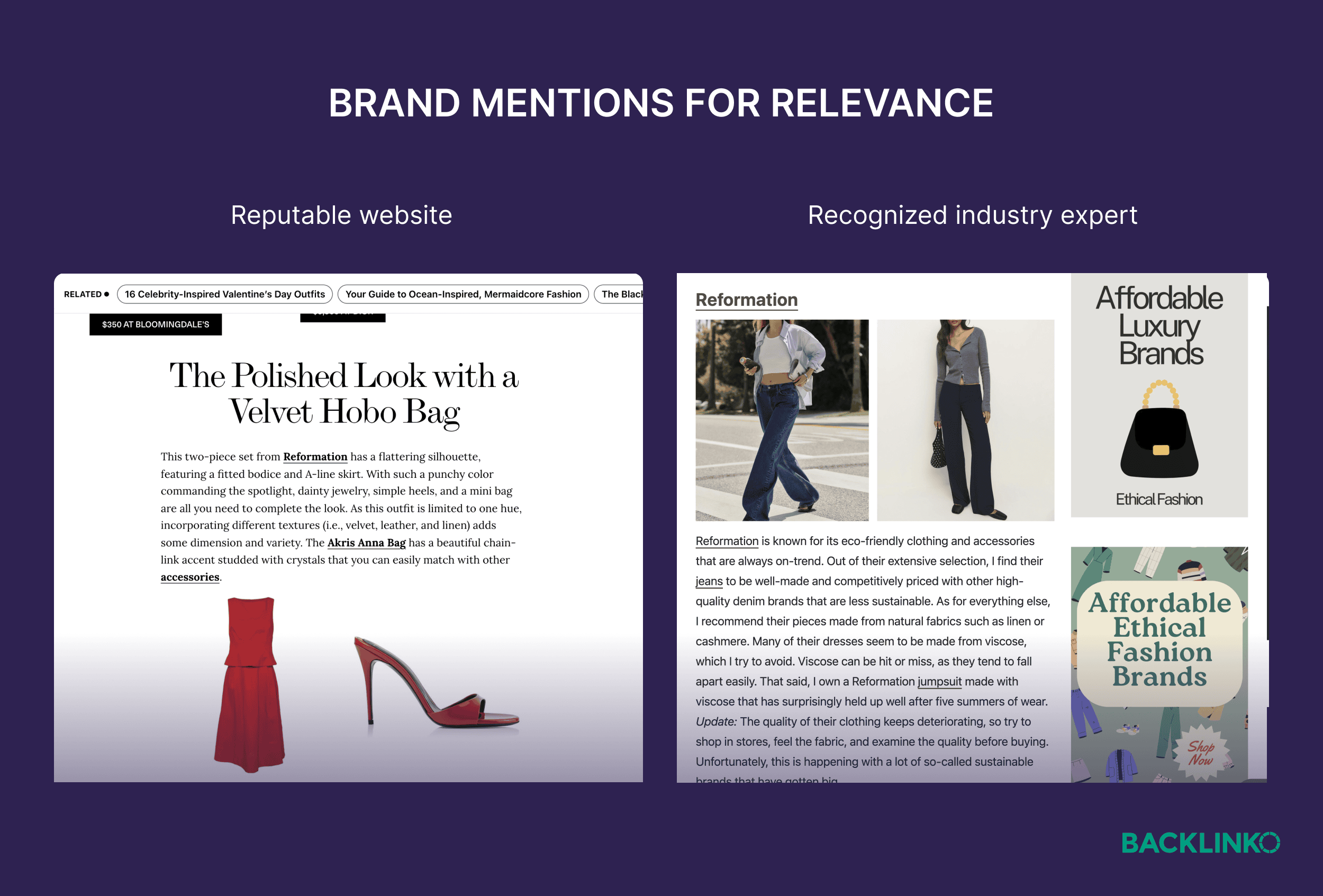
Authority refers to the credibility of the source. A feature in a high-traffic, respected industry publication provides a significantly stronger signal to search engines than a fleeting mention on an obscure, low-traffic blog. Relevance, meanwhile, operates on two levels: topical and industrial. If a brand is mentioned in an article covering a subject they wish to own—such as sustainable fashion or high-performance gaming—it bolsters their topical authority. When the publication itself is also deeply entrenched in that specific industry, the signal is amplified.
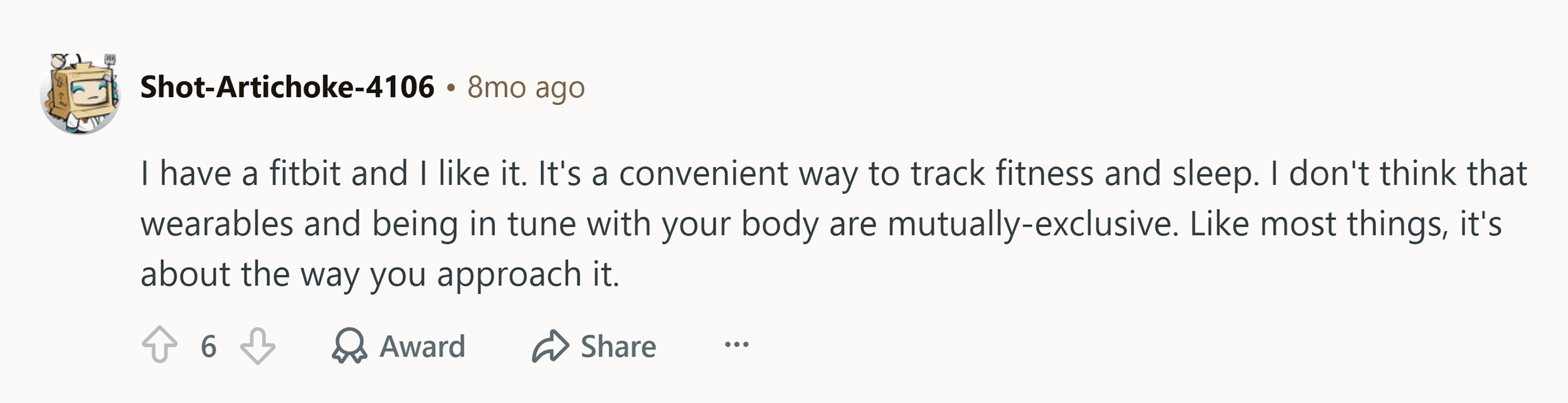
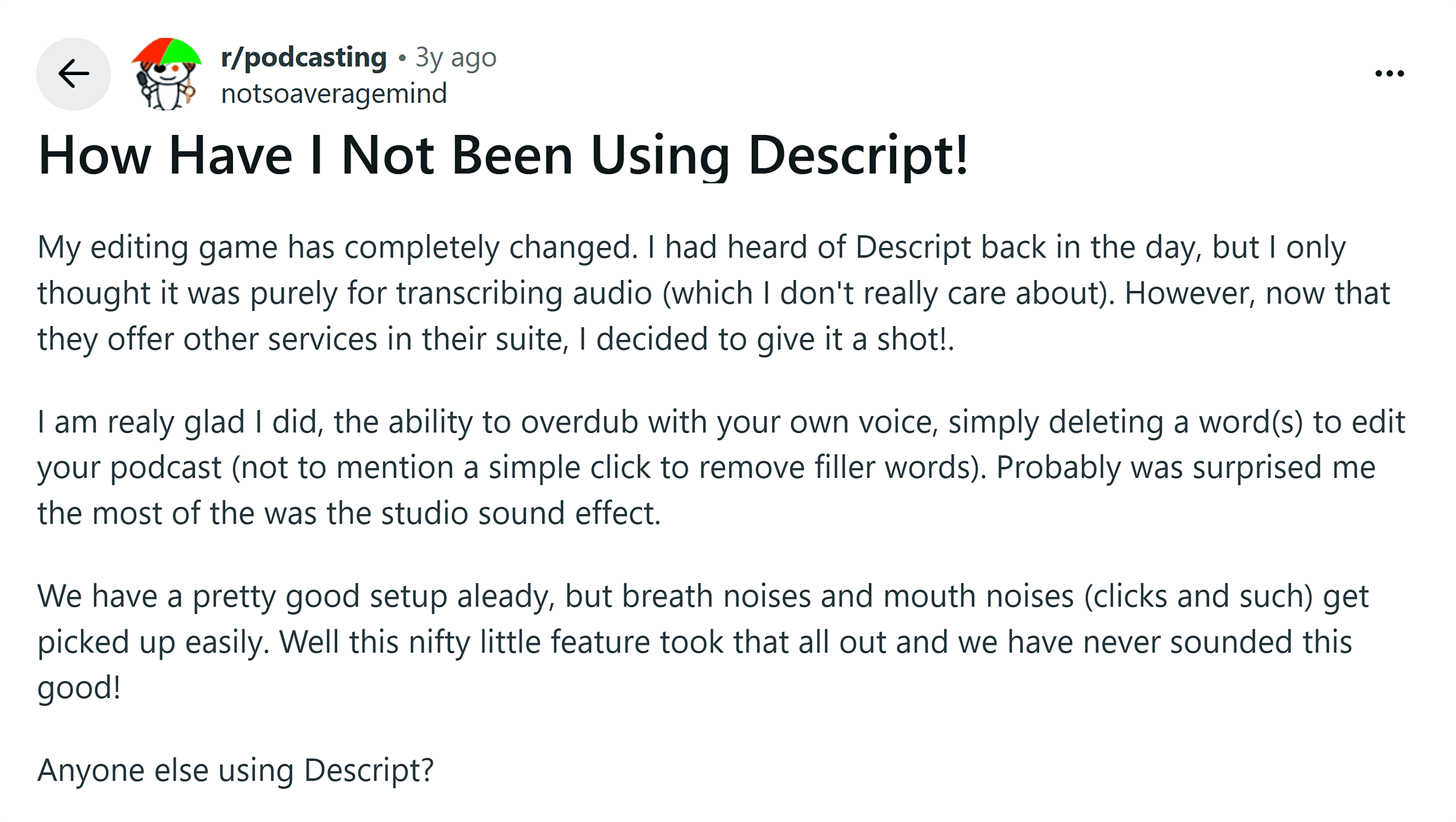
Finally, specificity is the engine of utility. A generic mention that lacks context does little to help an algorithm understand your brand’s unique value proposition. Conversely, mentions that highlight specific use cases, solve particular problems, or offer unique insights—such as a Reddit user detailing exactly why a specific video editing tool improved their workflow—provide search engines with actionable data. These specific signals dictate when and where a brand should be recommended.
Strategies for Earning Sustainable Brand Mentions
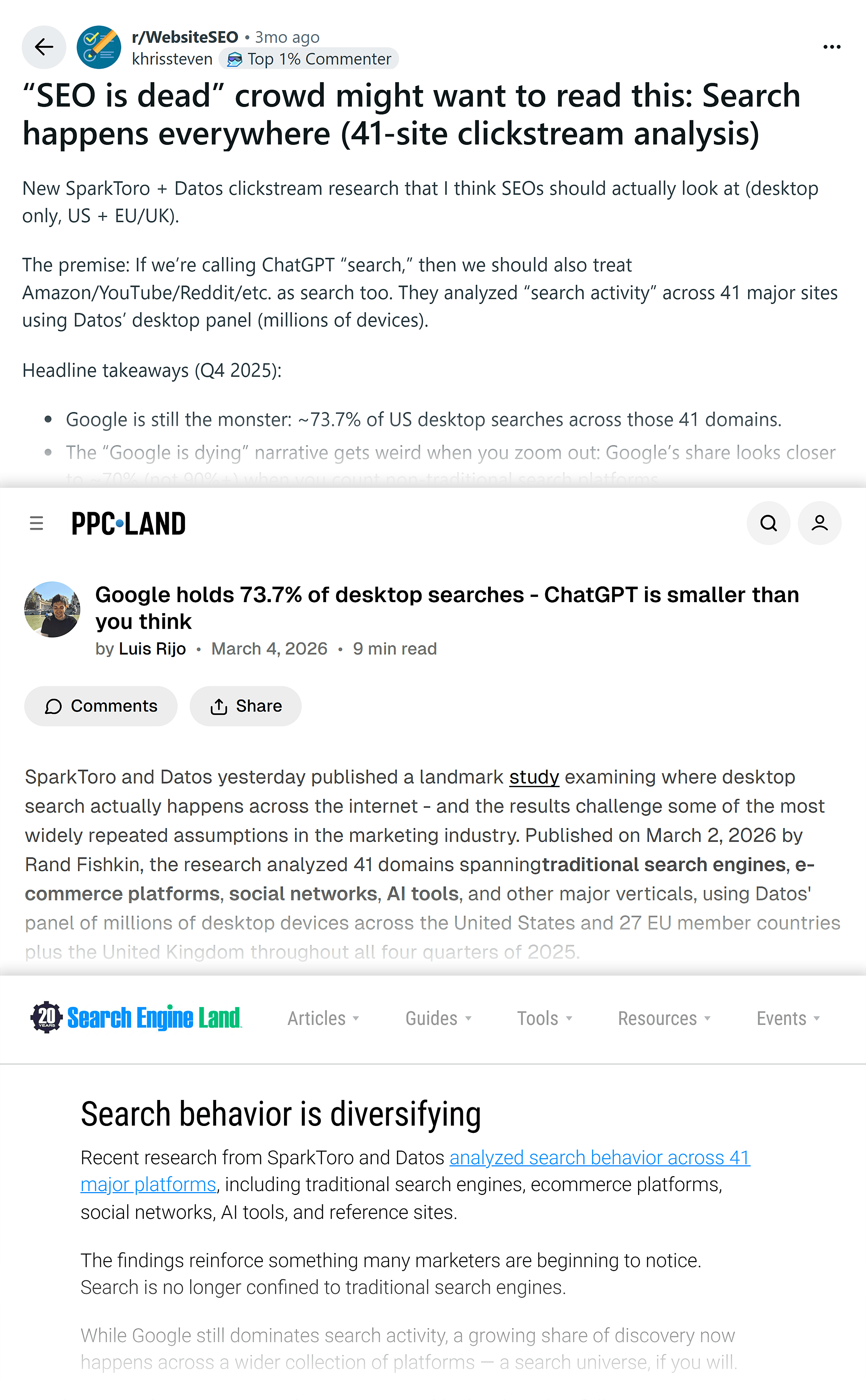
Building a consistent profile of brand mentions requires a proactive, strategic approach. One of the most effective methods is the development of data-driven, citable content. When a brand conducts original research that answers a question currently being debated within its industry, it effectively becomes the primary source for that information. This forces other content creators to mention the brand by name when citing the findings.
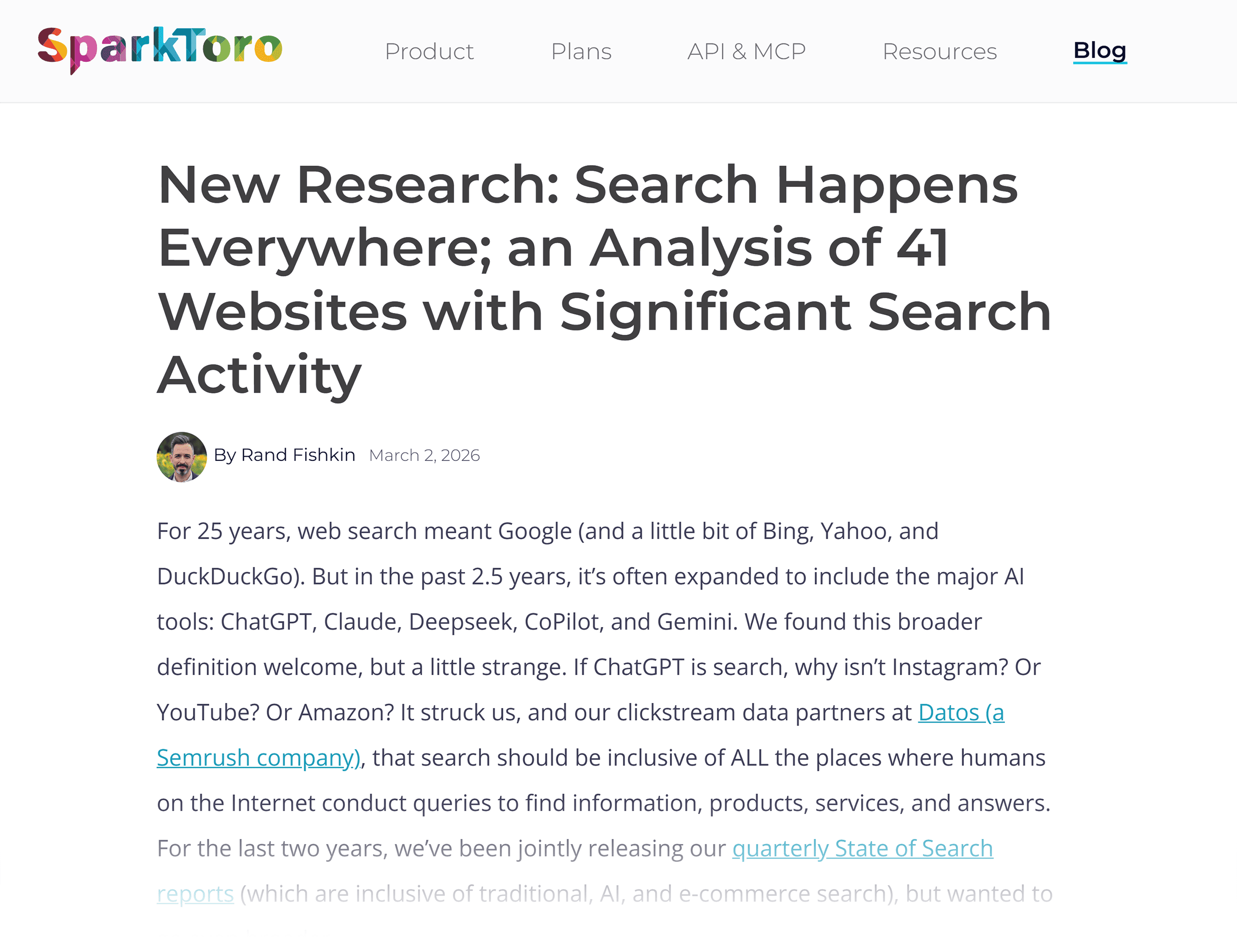
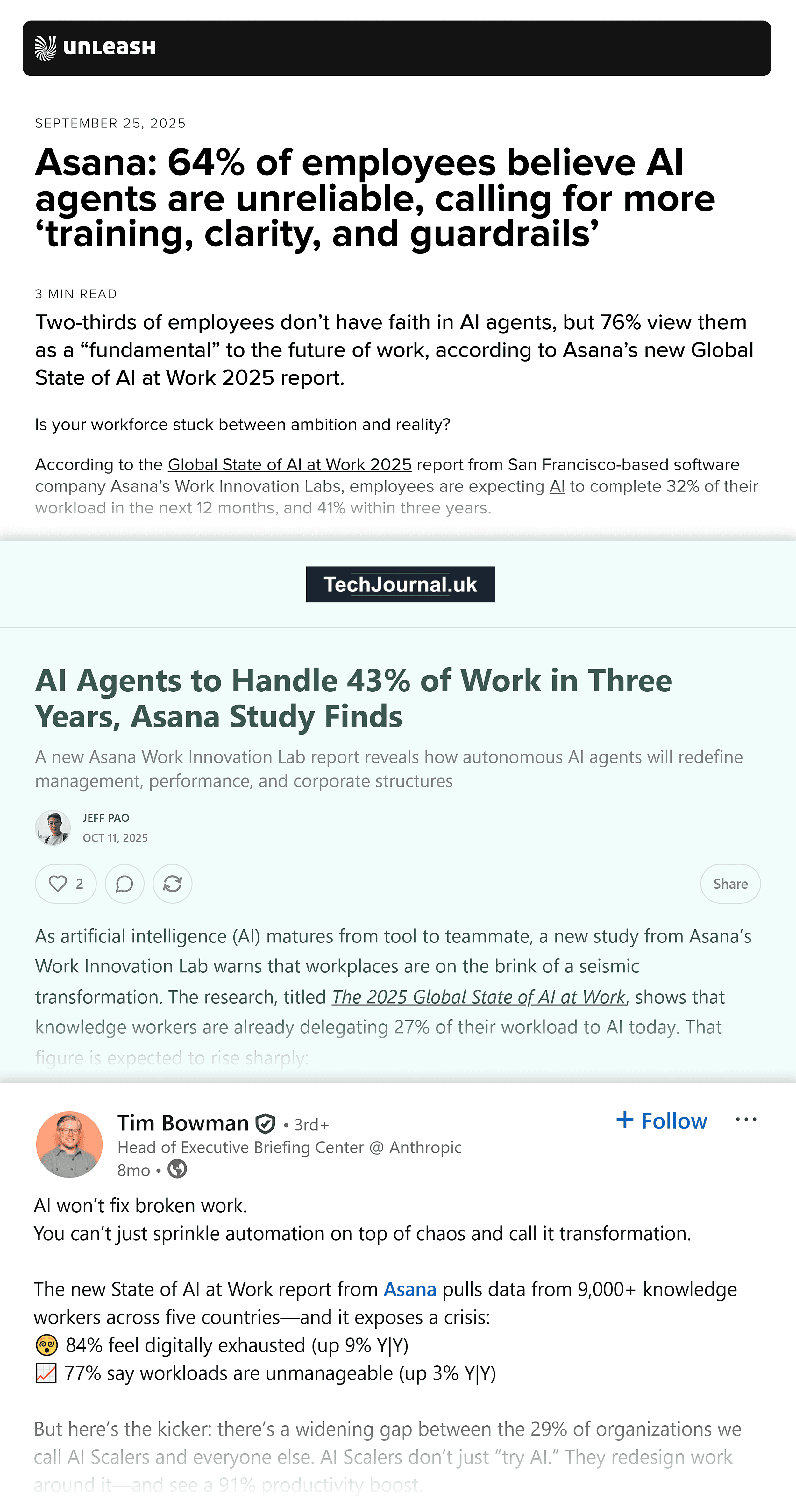
For instance, companies that utilize internal data to produce "State of the Industry" reports often see a surge in high-authority mentions. By structuring this content to be easily referenceable—using clear charts, executive summaries, and downloadable assets—the brand lowers the barrier for journalists and bloggers to cite them.
Another powerful tactic is the pursuit of co-created assets with complementary brands. When two non-competing companies in the same sector collaborate on a campaign or event, their brands are repeatedly mentioned in tandem across diverse sources. This creates a powerful "co-occurrence" effect. As these brands are linked together in the public consciousness, LLMs and search engines begin to associate them with the same thematic clusters, increasing the likelihood of the brand being featured in related AI recommendations.
Additionally, the strategy of featuring outside experts and influencers within your own content creates a reciprocal loop of visibility. By inviting industry leaders to provide commentary on a benchmark report or an interview series, you provide them with a compelling reason to share your content with their established audiences. This taps into new communities that were previously inaccessible, generating brand mentions that carry the weight of the expert’s own reputation.
Tracking ROI and Reporting to Leadership
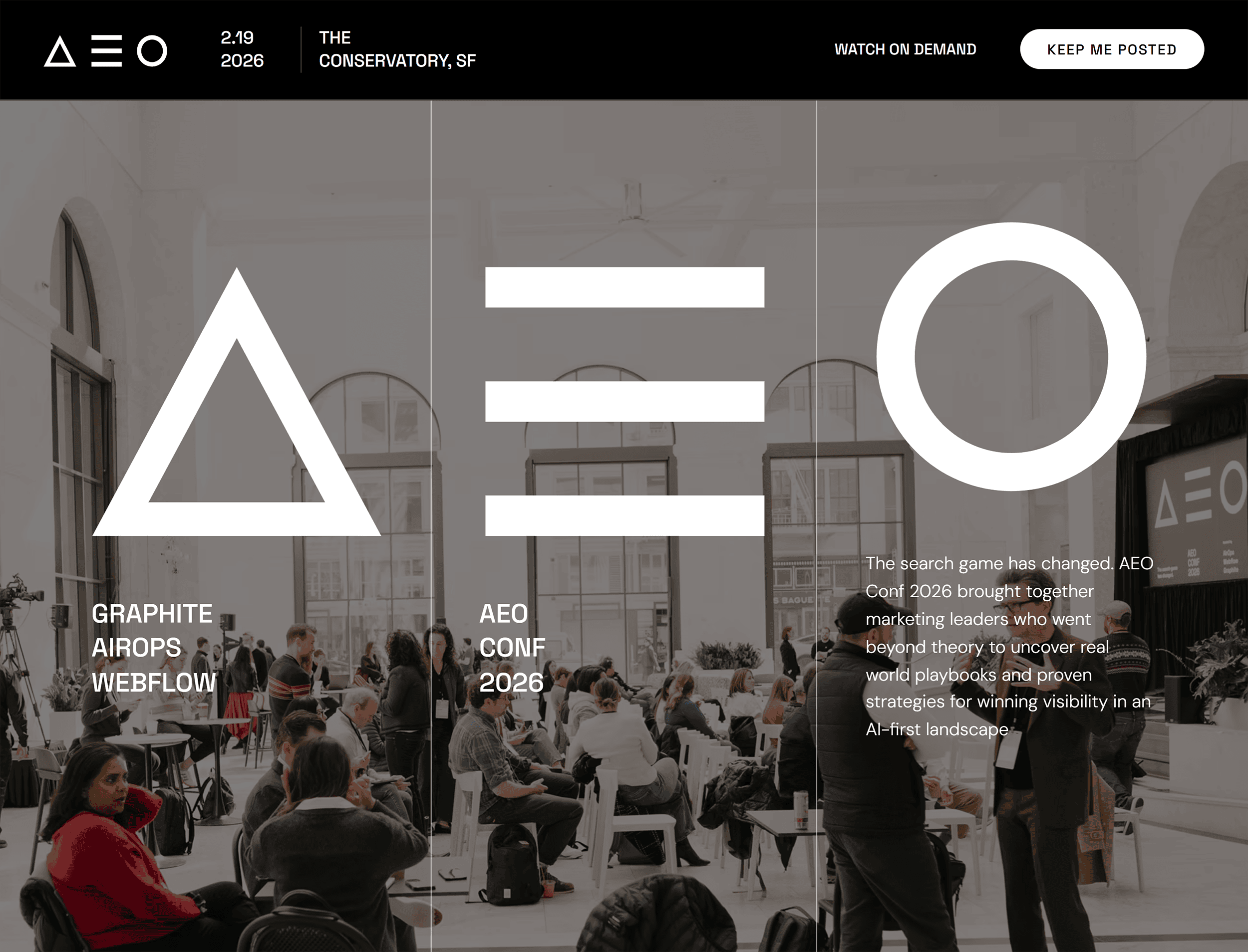
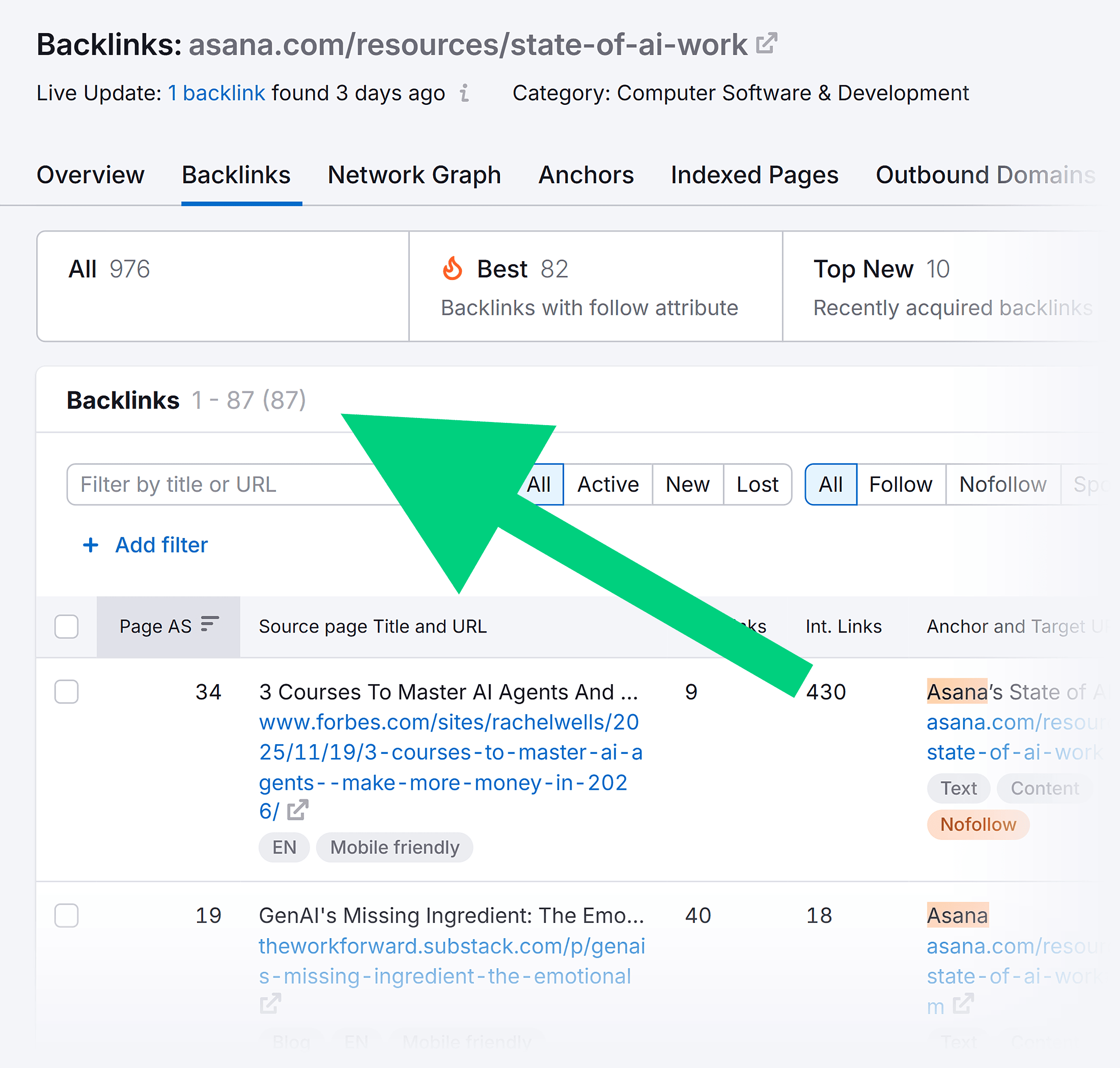
To justify the resources invested in these strategies, marketing teams must track the impact of their efforts with precision. While free tools like Google Alerts offer a baseline for monitoring, they are often insufficient for tracking the full scope of online discourse. Comprehensive social listening platforms and backlink analysis tools are essential for capturing the nuance of sentiment and the breadth of mentions across social networks, forums, and niche publications.
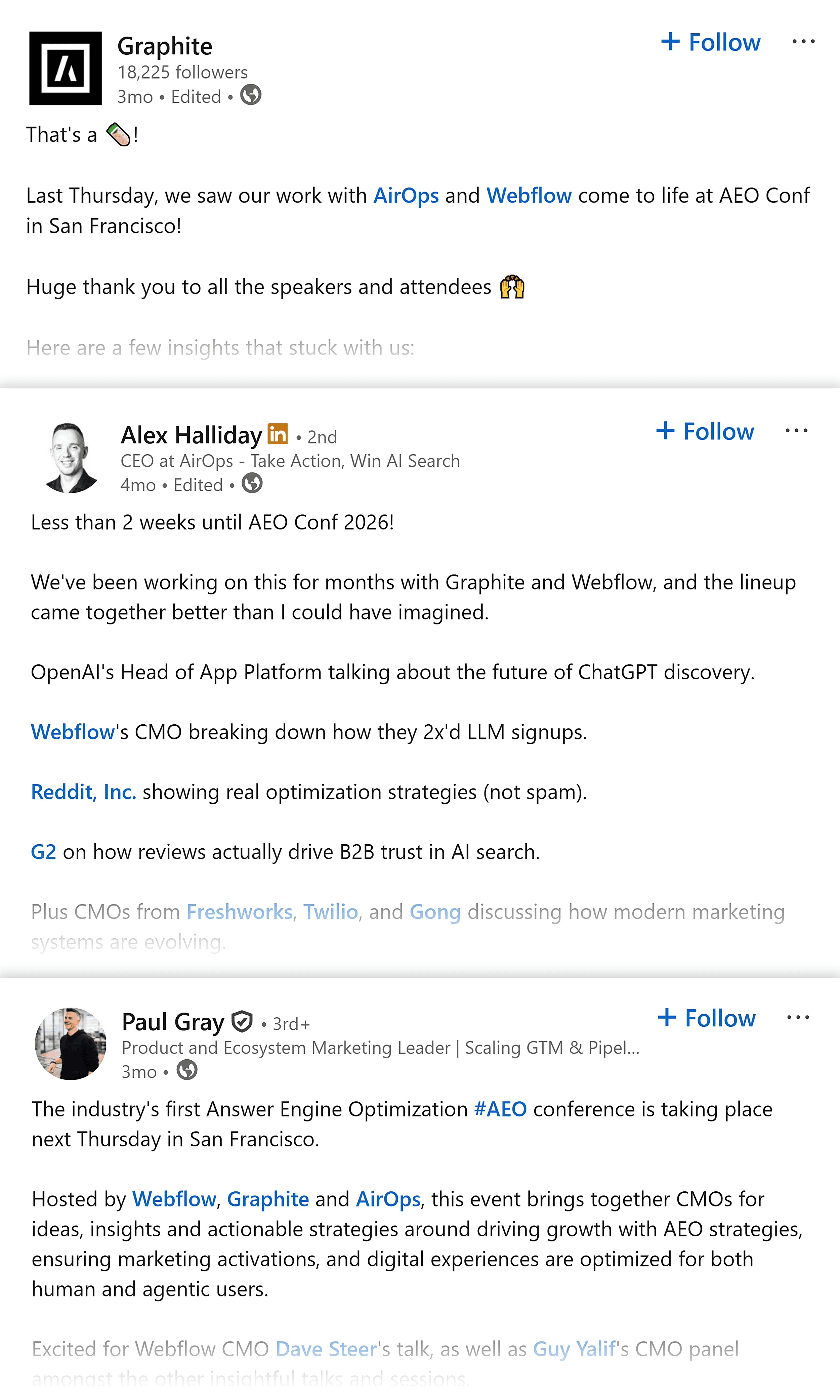
When reporting these findings to leadership, it is crucial to move beyond simple volume counts. A more effective report focuses on the quality and context of the mentions. Stakeholders are better served by summaries that highlight the number of mentions earned across unique, high-authority domains and whether the sentiment of those mentions is trending positively. By demonstrating that the brand is becoming an integral part of industry-wide conversations, marketing teams can effectively link brand mention activity to long-term search engine visibility and, ultimately, business growth.
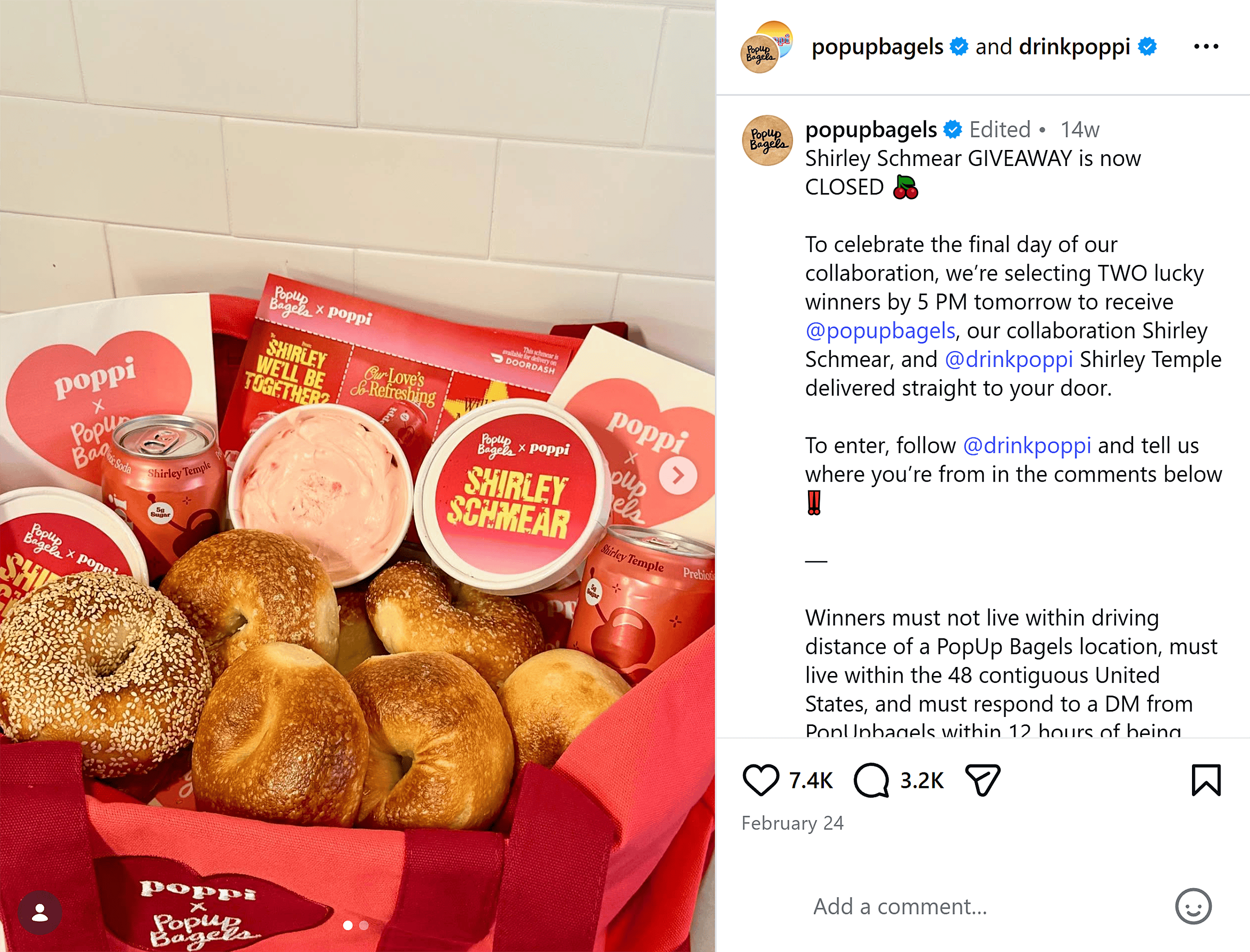
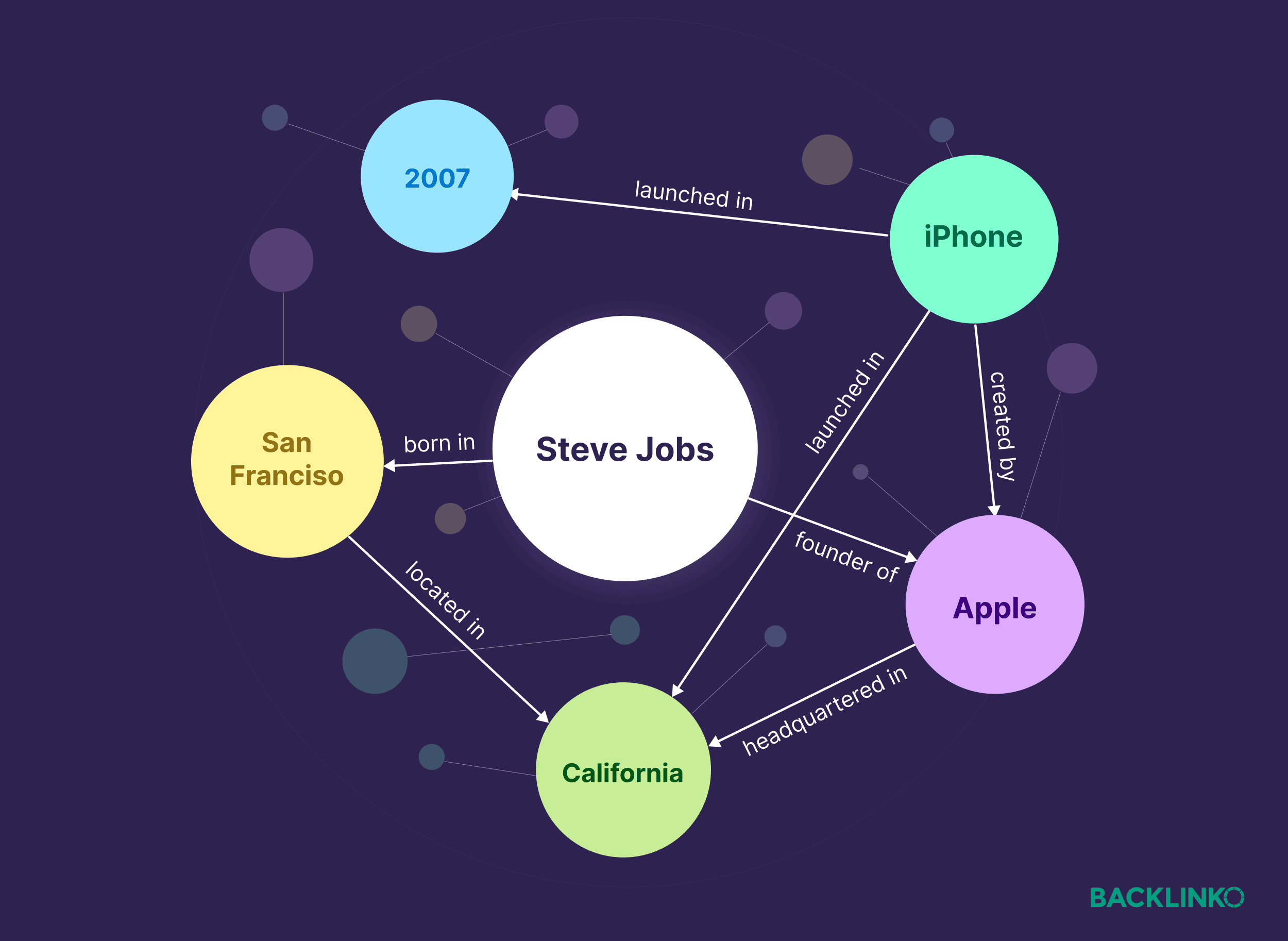
In the era of AI-driven discovery, the web has become a massive, interconnected entity graph. Brands that position themselves as primary, authoritative sources within that graph—through persistent, relevant, and specific mentions—will be the ones that thrive as search becomes increasingly automated and recommendation-based.