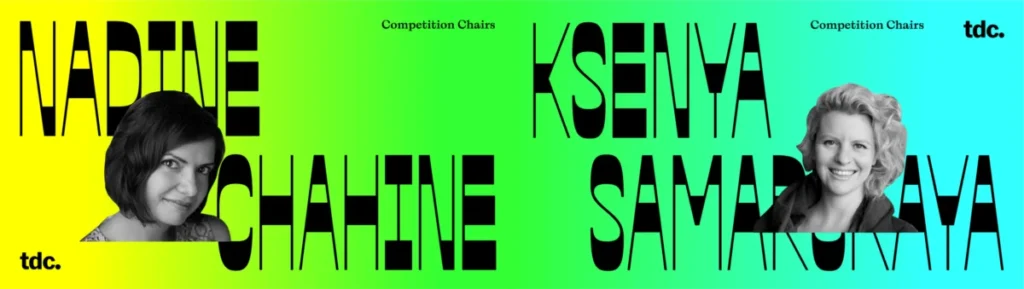

The Type Directors Club (TDC) is undergoing a significant institutional transformation, marked by the strategic expansion of its 25th annual Typeface Design Competition. As the organization pivots away from historical models of Western-centric evaluation, it is implementing a more inclusive framework designed to better accommodate the rapid growth and diversification of global script development. Under the leadership of co-chairs Nadine Chahine and Ksenya Samarskaya, the TDC is moving to institutionalize expertise in non-Latin scripts, signaling a broader effort to decentralize the industry’s standards of excellence.
Historical Context and Institutional Reckoning
Founded in 1946, the New York-based TDC has long served as a prestigious arbiter of typographic quality. However, the organization faced intense scrutiny in 2020 following allegations of systemic racism and subsequent financial instability. This period of crisis forced the TDC to undergo a critical internal audit, resulting in the implementation of an Anti-Racism Pledge and a commitment to radical transparency.

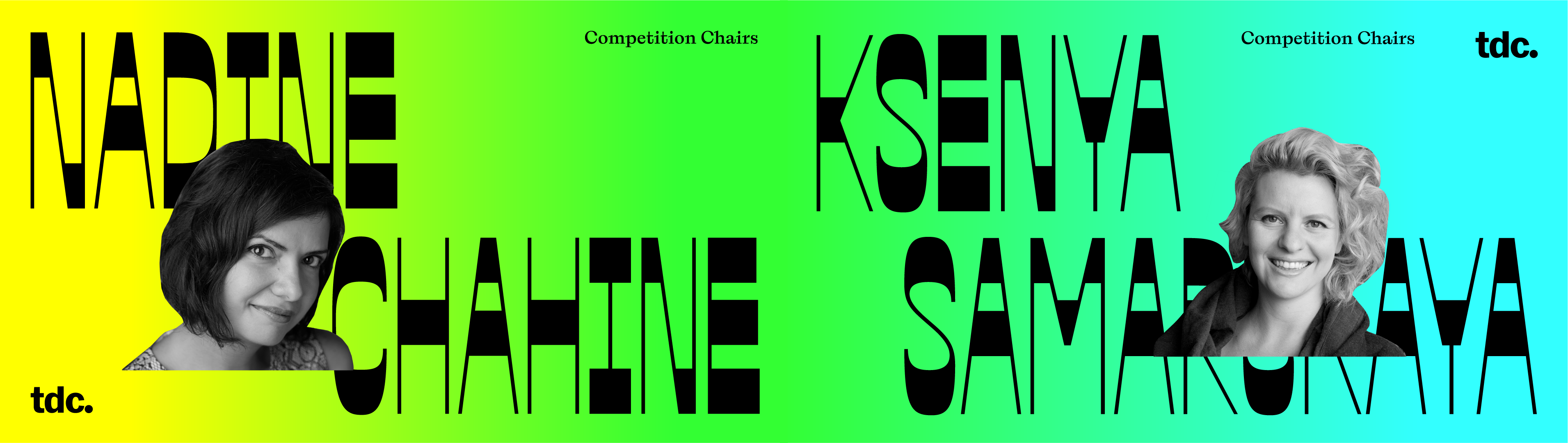
While the current changes to the competition are framed by leadership as a natural evolution of the industry rather than a reactionary measure, the timing coincides with a period of intense self-reflection within the global design community. The competition, which historically favored Latin-based designs, struggled to address the nuances of complex script systems like Arabic, Indic, and CJK (Chinese, Japanese, and Korean) effectively. Previously, these scripts were evaluated via an advisory system that often felt peripheral to the core judging process. By elevating these scripts into dedicated, specialized categories, the TDC is shifting its operational philosophy to prioritize cultural representation alongside technical proficiency.
A New Framework for Evaluation
The core of this year’s structural change is the introduction of dedicated judging panels for world scripts. The decision to move beyond a "one-size-fits-all" approach reflects a recognition that expertise in one script does not automatically translate to an understanding of another’s historical and technical requirements.
Nadine Chahine, a noted expert in Arabic typography, emphasizes that this is not merely a logistical change but a recognition of the "renaissance" occurring in non-Latin type design. "The place where we are today in Arabic type design is very different from how it was twenty years ago," Chahine noted. By providing specialized categories, the TDC is creating a space for "cutting-edge" innovation rather than defaulting to the "safe," traditional designs that often dominate when judges lack specific script expertise.
Data and Accessibility in a Globalized Market
To ensure the competition remains relevant on a global scale, the TDC has implemented several measures to lower barriers to entry. Data from 2020 showed that the competition received entries from 54 countries, with 49 of those nations represented among the winners. Despite this global reach, the organization acknowledged that economic disparities created an uneven playing field.
In response, the TDC has restructured its fee system. Students now pay a flat, subsidized fee of $35, while designers in approximately 138 countries—classified based on per capita GDP—receive a 50% discount on entry fees. Furthermore, the organization has eliminated the "hanging fee," a previous financial hurdle that required winners to pay additional costs for the exhibition of their work. By digitizing the submission process, the TDC has also removed the logistical and financial burdens associated with shipping physical specimens to New York.
The Role of the Competition in Industry Growth
Beyond the accolades, the TDC competition serves as a critical bridge between independent designers and potential global clients. For many, a TDC Certificate of Excellence acts as a vetted seal of quality that is highly regarded by risk-averse, large-scale corporations. Ksenya Samarskaya argues that for designers in emerging markets, such recognition is a vital instrument for professional mobility. "Getting recognized by the TDC gets the designer seen by potential clients, while assuring the often risk-averse corporation that their work is vetted," Samarskaya stated.

This institutional validation is particularly important in an era where independent, high-quality type foundries are increasingly competing with massive corporate entities like Monotype. By functioning as a non-profit, member-driven organization, the TDC aims to provide an alternative to the commercially driven "best-of" lists often published by corporate entities or algorithm-driven content creators.
Looking Toward the Future of Variable Fonts
As the industry shifts toward variable font technology—a format that allows for infinite weight and width variations within a single file—the TDC is also contemplating how to future-proof its evaluation methods. While current judging focuses on the quality of the drawing and the coherence of the system, leadership acknowledges that the exhibition of these fonts may require new media formats, such as dynamic digital displays or animations, to fully capture the potential of the work.
However, the organization maintains that the fundamentals of type design remain unchanged. "At the heart of it, you are still designing masters," Chahine noted, explaining that while the delivery method is technological, the core design principles—legibility, cultural expression, and functional harmony—remain the primary criteria for excellence.

Institutional Implications and Ongoing Challenges
The TDC’s pivot is not without challenges. The organization remains primarily volunteer-run, with only one paid executive director. This structure limits the institution’s ability to act as a global entity without deep, localized engagement. The success of the "travelling exhibit," for example, relies heavily on local partnerships and the initiative of members in specific regions.
The organization’s leadership is clear: the TDC cannot force globalization from New York. Instead, they are encouraging designers in regions like India, the Middle East, and Sub-Saharan Africa to take ownership of the platform. "The validation of a great community starts from itself," Chahine observed.
By diversifying its board and its judging panels, the TDC is effectively decentralizing its decision-making power. The presence of board members from countries including Afghanistan, Zimbabwe, and various nations across South America and Europe suggests a move toward a more representative governance model.
As the 25th Typeface Design Competition proceeds, the industry will be watching closely to see if these structural changes lead to a more diverse, equitable, and rigorous standard of global typography. The shift from a Western-centric "club" to a globally integrated organization represents a significant, if difficult, transition. For the TDC, the goal is to transform from an institution that dictates the terms of excellence to one that facilitates a global dialogue, ensuring that the next 25 years of typography reflect the true breadth of the world’s visual languages.