
In March 2010, the Museum of Modern Art (MoMA) in New York sent shockwaves through the curatorial world by announcing the acquisition of a seemingly impossible object: the @ symbol. This decision, spearheaded by Senior Curator Paola Antonelli, represented a radical departure from the museum’s traditional mission of housing tangible artifacts. While the museum had long been a sanctuary for chairs, clocks, and paintings, the @ symbol possessed no physical form, no manufacturing origin, and no single owner. The acquisition was not a purchase of a material item but a conceptual claiming of a functional piece of digital infrastructure. As Antonelli famously noted, the acquisition forced the museum to confront the definition of a "thing" in an increasingly virtual world. The move, however, was merely the beginning of a broader, systemic shift in how cultural institutions grapple with the acquisition of digital design.

A Chronology of Digital Accession
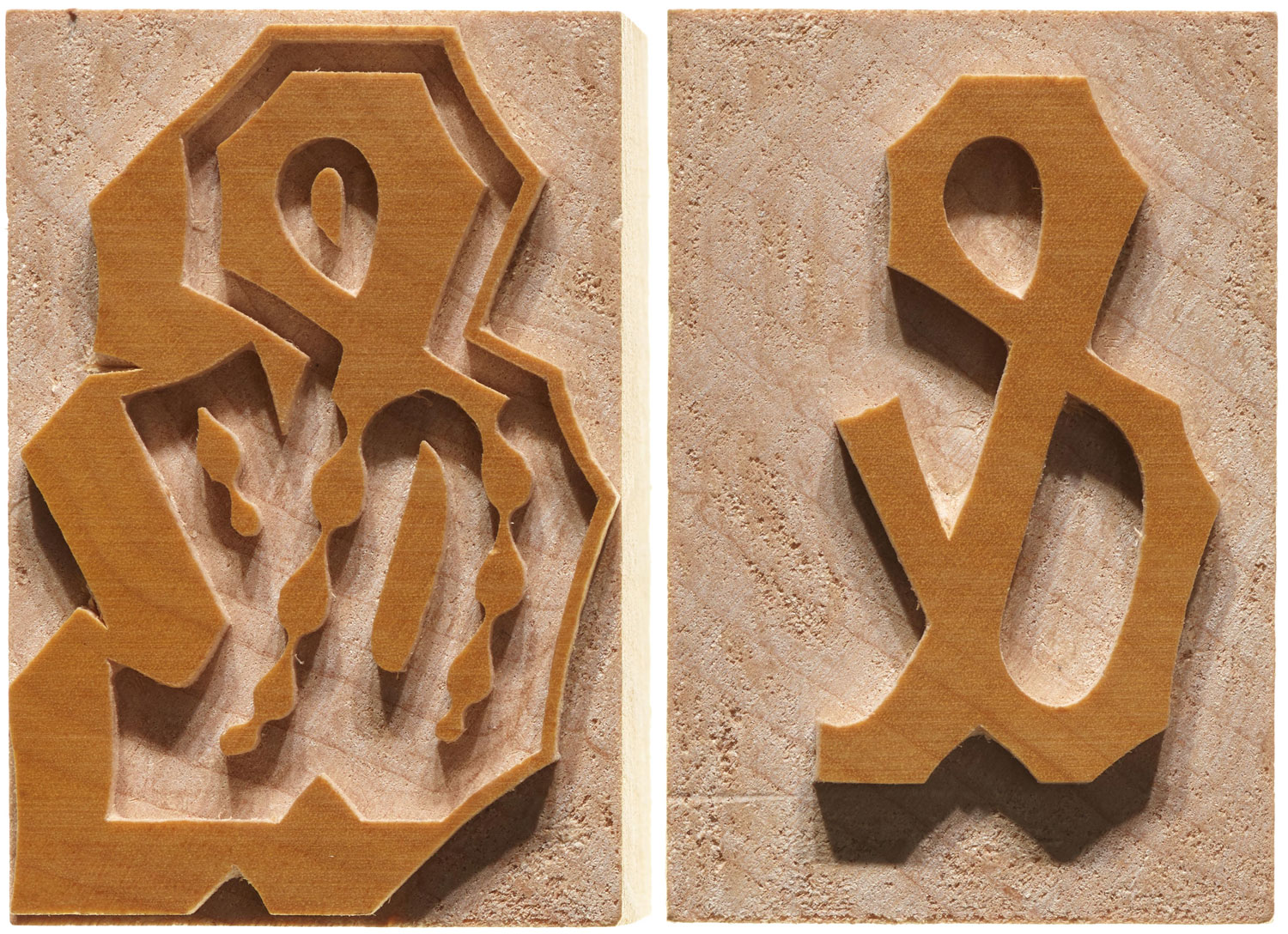
The timeline of MoMA’s transition into the digital realm is marked by several landmark moments that challenged the institution’s internal policies. In 2007, the museum acquired its first piece of typographic hardware: a metal font of 36-point Helvetica Bold. This acquisition followed standard museological practices, as the font was a tangible, physical entity made of lead and wood.
The shift began in earnest on March 22, 2010, when the museum publicly announced the acquisition of the @ symbol, crediting Ray Tomlinson, the electrical engineer who pioneered the use of the character in email addresses in 1971. The public response was largely skeptical, with many dismissing the move as an early April Fool’s joke. This prompted a clarification from the museum, outlining the criteria for modern acquisitions: form, function, innovation, cultural impact, process, and necessity.

Less than a year later, in early 2011, MoMA expanded its scope further by acquiring twenty-three digital typefaces. This marked the first time the museum had formally brought digital font software into its permanent collection. The accession was celebrated in the 2011–2012 exhibition titled "Standard Deviations: Types and Families in Contemporary Design," which displayed these digital creations by applying them directly to the gallery walls, highlighting their role in shaping modern visual communication.
The Progressive Dematerialization of Type
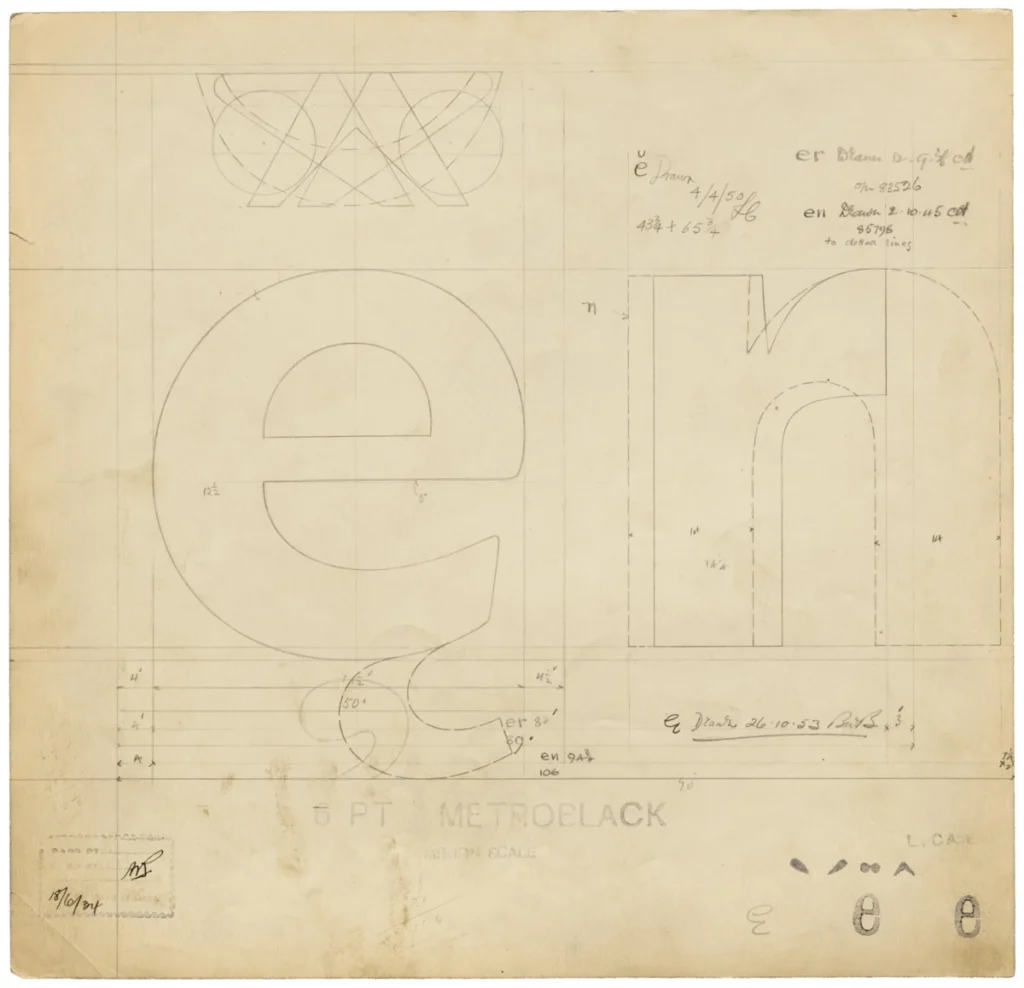
To understand the significance of these acquisitions, one must examine the evolution of type production, which has undergone a centuries-long process of dematerialization. This history can be categorized into five distinct technological phases:

- Foundry Era (15th–19th Century): Type was physically cast in metal using hand-carved punches and matrices. The physical object was the end goal, and the process was inherently tied to the material constraints of lead and steel.
- Pantographic Era (19th Century): The invention of the pantograph allowed for the scaling of designs, breaking the link between the craftsman’s specific touch and the final size of the metal sort.
- Hot-Metal Era (Early 20th Century): Machines like the Linotype and Monotype cast type on-site, rendering the type ephemeral—it was melted down and recast after use.
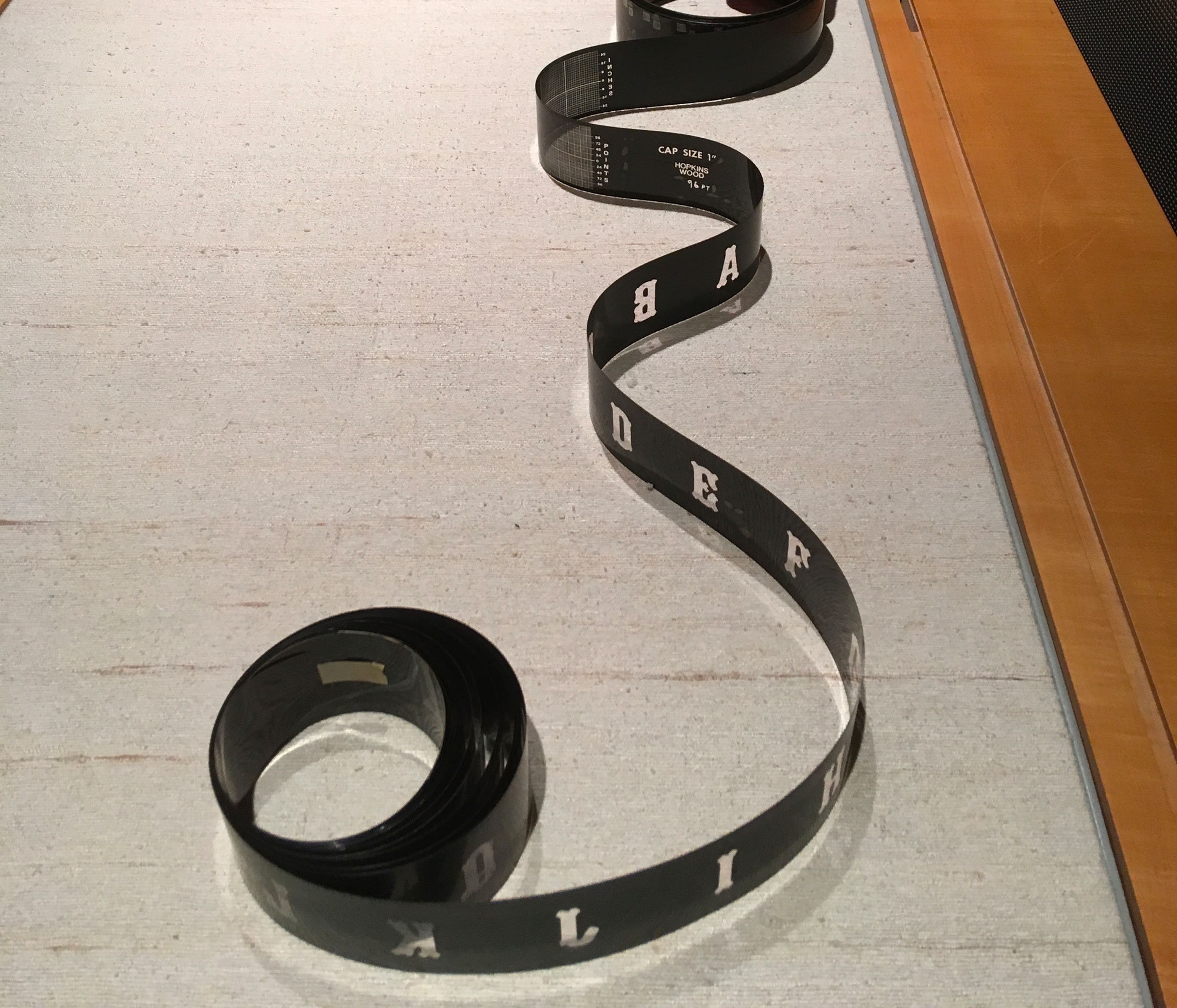
- Phototypesetting (Mid-20th Century): Type became a two-dimensional image on film strips, exposed by light. The physical, three-dimensional weight of lead was removed, leaving behind a scalable visual image.
- Digital Era (Late 20th Century–Present): Type is now code—a set of computer instructions rendered on screens or printers. There is no physical artifact, only software and binary data.
By the time MoMA acquired these digital typefaces, the very definition of a "type design" had shifted from a collection of physical objects to a set of algorithmic instructions. This transition poses a significant challenge for curators, as the "object" being acquired exists in a state of constant, fluid reproducibility.
The Problem of Ownership and Intellectual Property
The primary conflict in acquiring digital assets lies in the divergence between standard museological requirements and the reality of intellectual property (IP). Traditionally, museums demand "clear title" to an object, ensuring they legally own the artifact. However, in the world of digital software, a "purchase" is rarely a transfer of ownership; it is almost always a license.

The digital typeface acquisition required MoMA to navigate complex legal hurdles. Because standard End User License Agreements (EULAs) typically allow for the revocation of usage rights by the developer, the museum could not simply "buy" a font in the way a consumer would. Instead, the museum had to negotiate bespoke, permanent, and irrevocable licenses with designers and publishers. For instance, the acquisition of Matthew Carter’s "Walker" typeface—a design exclusive to the Walker Art Center—required the consent of both the designer and the institution holding the exclusive rights. This underscores a vital reality: the museum does not own the IP of these fonts; it owns a perpetual, non-revocable right to display and preserve them.
Institutional Implications and Preservation
Critics often question the utility of "acquiring" something that is infinitely reproducible and freely available for download. Why does the museum need to "own" a file that exists on thousands of computers worldwide?
The answer lies in the museum’s role as a steward of cultural history. The danger of digital assets is not the loss of the physical form, but rather the threat of technical obsolescence. As file formats, operating systems, and hardware evolve, digital files risk becoming unreadable. By formally accessioning these files, MoMA commits to the long-term preservation of the software, ensuring that future generations can access and render these designs long after their original environments have disappeared. As designer Jonathan Hoefler observed, digital damage—specifically the damage caused by technological neglect—is just as destructive to a work of art as environmental damage is to a canvas.
The Shifting Definition of a Museum
The broader implication of these acquisitions is a fundamental reevaluation of what a museum is. For over a century, the International Council of Museums (ICOM) defined a museum as an institution that guards "material evidence" of human history. However, the 2007 revision to this definition, which began to include "intangible heritage," reflects the reality of the modern era.
By tagging the @ symbol, the radiation trefoil, or the recycling symbol with accession numbers, MoMA is asserting that the museum’s role is no longer limited to the curation of physical remnants. Instead, it is becoming a repository of human ingenuity and cultural impact. While the language of "acquisition" may feel imprecise or even metaphorical when applied to symbols and software, it serves a critical function: it elevates these immaterial concepts to the same level of importance as the physical masterworks of the past.
Ultimately, the acquisition of digital typefaces and symbols is a pragmatic response to a digital-first reality. It acknowledges that the most significant design work of the 21st century is not being produced in foundries or woodshops, but in the virtual space of design software. By codifying these works into its collection, the museum ensures that the history of design remains relevant, providing a roadmap for how future institutions might handle the increasingly immaterial nature of human creativity. The "object-oriented" epistemology of the past is slowly giving way to a more fluid, context-oriented approach, ensuring that the museum remains a vital, living record of human innovation.