On May 1, 2002, a digital publication launched that would fundamentally alter how the design community engaged with typography, history, and industry criticism. Two decades later, Typographica—a name famously borrowed from Herbert Spencer’s seminal mid-century journal—stands as a testament to the longevity of independent publishing. In an era where digital content is often ephemeral and platform-dependent, reaching a twenty-year milestone in the fast-paced world of web development is an achievement equivalent to a centennial in traditional media terms.

The Digital Landscape of the Early 2000s
To understand the significance of Typographica’s inception, one must look at the state of the internet at the turn of the millennium. Before the rise of algorithmic social media platforms, the web was a decentralized network of interconnected blogs and forums. Professional discourse regarding typeface design and printing history was largely relegated to obscure Usenet newsgroups and specialized email lists, which lacked the visual documentation and archival capabilities required for serious design critique.
The launch of Typophile in 2000 marked the first significant step toward a dedicated online community for typographers. However, the space for editorialized, blog-based content remained thin. Only two primary sources existed for regular updates on the field: David John Earls’ Typographer (1999–2009) and Andy Crewdson’s Lines & Splines (2000–2002). Recognizing a void in collaborative, long-form critique, Sacramento-based graphic designer and printing history enthusiast Joshua Lurie-Terrell launched Typographica via the Blogger platform. By opening the doors to a variety of contributors, the site transformed from a personal blog into a collective voice for the international typography community.

Chronology of an Independent Institution
The evolution of Typographica serves as a microcosm for the evolution of the web itself.
- May 1, 2002: The launch of Typographica on the Blogger platform. The site functions as a daily stream of industry links, observations, and design commentary.
- 2002–2004: Early iterations of the site rely on manual HTML coding and basic blogging tools, establishing the site as the "Twitter of its time"—a rapid-response hub for breaking news before it reached print media.
- 2004: The platform shifts to more robust content management systems, including Movable Type, allowing for better organization and archiving.
- 2012–2022: Under the editorial leadership of Stephen Coles, the site matures into a comprehensive resource featuring in-depth reviews, interviews with foundry leaders, and critical analysis of global typographic trends.
- July 12, 2022: The publication celebrates its 20th anniversary, reflecting on its role as a steward of design discourse.
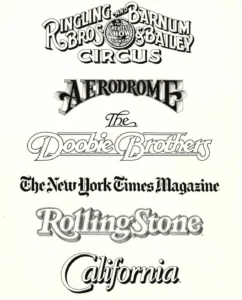
Throughout these years, the site maintained a unique identity, marked by its tradition of commissioning custom nameplates from prominent designers such as Miguel Hernandez, Erik van Blokland, and Mark Simonson. These visual marks underscored the publication’s commitment to the craft it championed.

A Shift in the Digital Ecosystem
The transition from the open-web blogosphere to the closed-loop environment of social media has significantly impacted how design discourse is conducted. A factual analysis of current trends reveals a decline in "link-driven" publishing. Modern platforms like Instagram and Twitter prioritize internal engagement, discourage external linking, and utilize algorithms that favor visual speed over deep-dive analysis.
In contrast, Typographica’s historical model prioritized the "open web." This model allowed for cross-pollination of ideas across independent domains. Experts argue that the modern reliance on social media silos has created a "silo effect," where individual designers struggle to maintain ownership of their content and influence. By contrast, an independent publication like Typographica remains a searchable, permanent, and author-controlled repository of knowledge.

Perspectives on Independent Publishing
The longevity of the site has been supported by a rotating cast of contributors. Figures such as Matthew Bardram, Patric King, Jenny Pfafflin, and Graham Hicks were instrumental in the early years of the project. Their collective efforts ensured that the site remained objective and diverse in its coverage.
Industry experts note that the endurance of such platforms is vital for historical preservation. While social media posts vanish into the void of an endless scroll, a dedicated website allows for the documentation of typeface releases, industry shifts, and design trends that might otherwise be lost to history. This archival value is why sites like Alphabettes have followed a similar path, emphasizing independent, community-driven publication over the fleeting nature of social media engagement.

Analysis of Broader Implications
The twenty-year history of Typographica serves as a case study for the sustainability of digital intellectual property. As users grow increasingly weary of the limitations imposed by centralized platforms, there is a perceptible, if slow, trend toward a "return to the blog." The site’s ability to remain relevant while adhering to its original mission—providing critical, well-researched content on typography—demonstrates that there is still a robust appetite for long-form, expert-driven commentary.
The implication for the design industry is clear: platforms that prioritize longevity, ownership, and cross-platform connectivity will ultimately be more influential than those that prioritize short-term engagement. As Typographica enters its third decade, it serves as a beacon for other creative professionals who seek to establish sustainable, independent voices online.

The Future of Digital Typography Critique
Looking ahead, the challenges facing such publications are significant. The constant evolution of web standards, the costs associated with server hosting and maintenance, and the competition for user attention in an increasingly saturated digital environment require constant innovation. However, the data provided by the site’s own history—showing a transition from simple blogging to a sophisticated, archive-heavy model—suggests that adaptability is key.
The site’s archives, now bolstered by the Internet Archive’s Wayback Machine, offer a chronological map of how typography went from a niche, print-focused interest to a central element of the modern digital user interface. The transition from physical type casting to digital font foundries is well-documented within the site’s pages, providing a unique look at the history of the industry as it unfolded in real-time.

As the industry looks toward the next generation of digital design, the lessons from Typographica’s twenty-year run are invaluable. By fostering a community that values deep thought over "empty praise" and ownership over platform dependency, the site has managed to remain not just a survivor of the early web, but a leader in the contemporary design conversation. Whether the "pendulum swings back" to independent blogging as hoped remains to be seen, but the foundation laid by these early pioneers remains a vital pillar for the future of digital discourse.