

The Bát Tràng Museum, situated in the historic Bát Tràng ceramic village on the outskirts of Hanoi, Vietnam, represents a significant milestone in the preservation of national artistic heritage. As the first private museum in the region officially sanctioned by the Vietnamese government, the institution serves as a vessel for the life’s work of National Artist Vũ Đức Thắng. By bridging the gap between centuries-old artisanal traditions and modern curatorial practices, the museum has transformed from a local repository of pottery into a sophisticated cultural landmark. The recent rebranding effort, led by design firm M — N Associates, has further solidified its status by creating a visual language that reflects the complexity of Thắng’s technical mastery.

The Legacy of National Artist Vũ Đức Thắng
The genesis of the museum is inseparable from the creative journey of Vũ Đức Thắng. Originally conceptualized under the name "Hồn Đất Việt" (The Soul of Vietnam’s Earth), the museum was established to archive and exhibit the diverse range of ceramics produced in the Bát Tràng region.
Thắng gained national and international prominence for his unparalleled technical innovation. Perhaps his most iconic contribution to the field was the 2013 creation of 12 hyper-realistic pottery boots. These works, which garnered a Guinness World Record, challenged the traditional boundaries of ceramic sculpture, demonstrating a level of detail previously thought unattainable in the medium. Beyond this specific feat, Thắng pioneered two distinct technical approaches: color-changing ceramic glaze and advanced three-dimensional sculpting. These techniques require a deep understanding of kiln chemistry and material physics, positioning Thắng as a visionary who sought to push the limits of his craft.

Chronology of Development and Modernization
The evolution of the Bát Tràng Museum can be categorized into three distinct phases:
- Foundational Period (Early 2000s): Following the recognition of Bát Tràng as a center of excellence, local artisans sought to formalize their heritage. Thắng began his private collection during this time, focusing on the preservation of traditional Bát Tràng styles while simultaneously developing his own experimental pieces.
- Institutionalization (2010–2015): The museum received official government authorization, becoming the first private entity of its kind in the village. This era was marked by the Guinness record achievement in 2013, which brought international attention to the village and necessitated a more structured approach to visitor management and display.
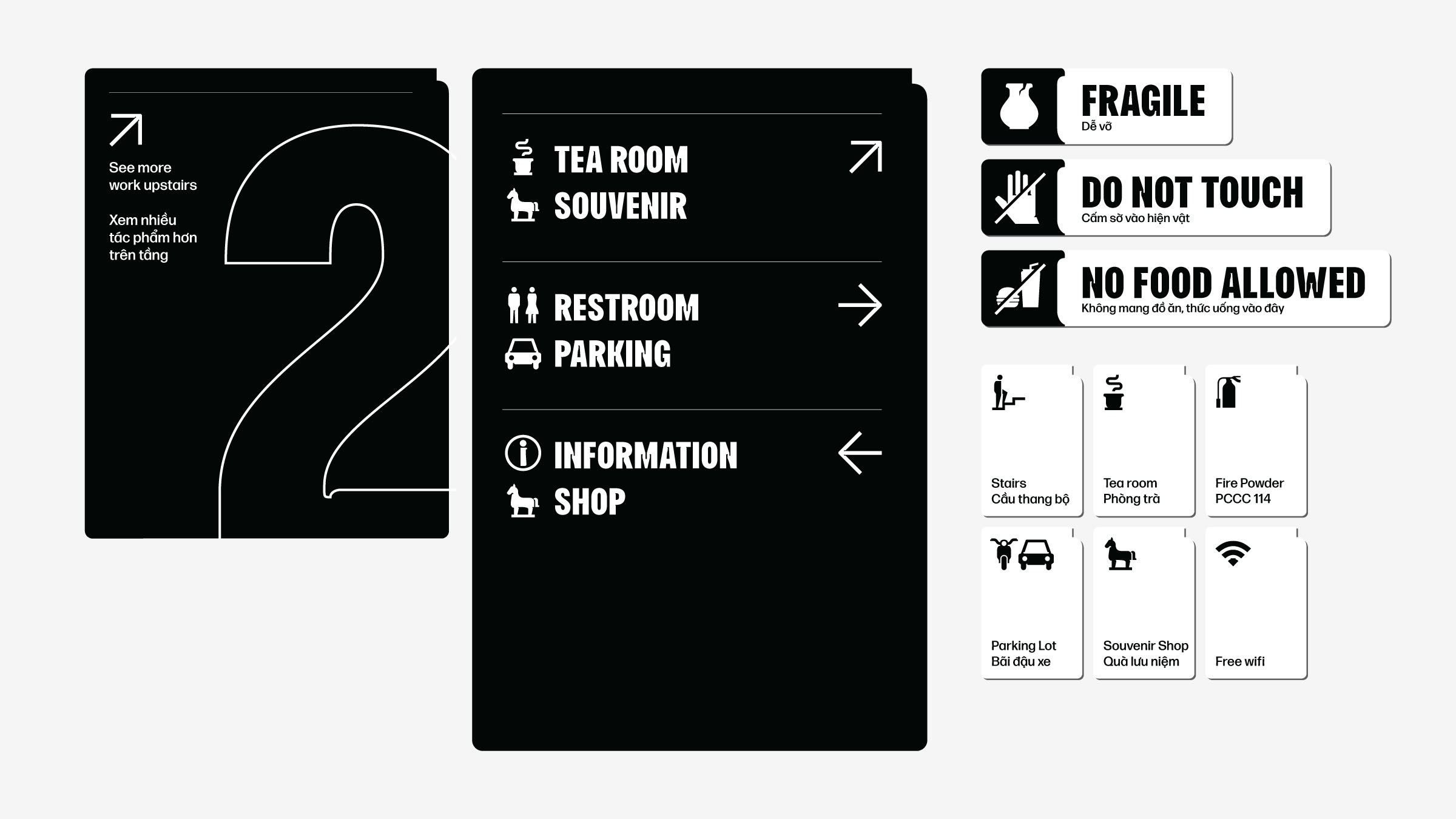
- Rebranding and Contemporary Integration (2020–Present): To ensure the museum remained relevant to a younger generation and international tourists, the administration commissioned a comprehensive rebranding. This phase focused on creating a cohesive visual identity that could translate the "soul" of the ceramics into a modern digital and physical signage system.
The Design Philosophy: Integrating Pottery into Typography
The recent collaboration with M — N Associates was not merely a cosmetic update but a fundamental rethinking of how the museum communicates its identity. The design team conducted an exhaustive study of Thắng’s artistic methodology to inform the new visual system.

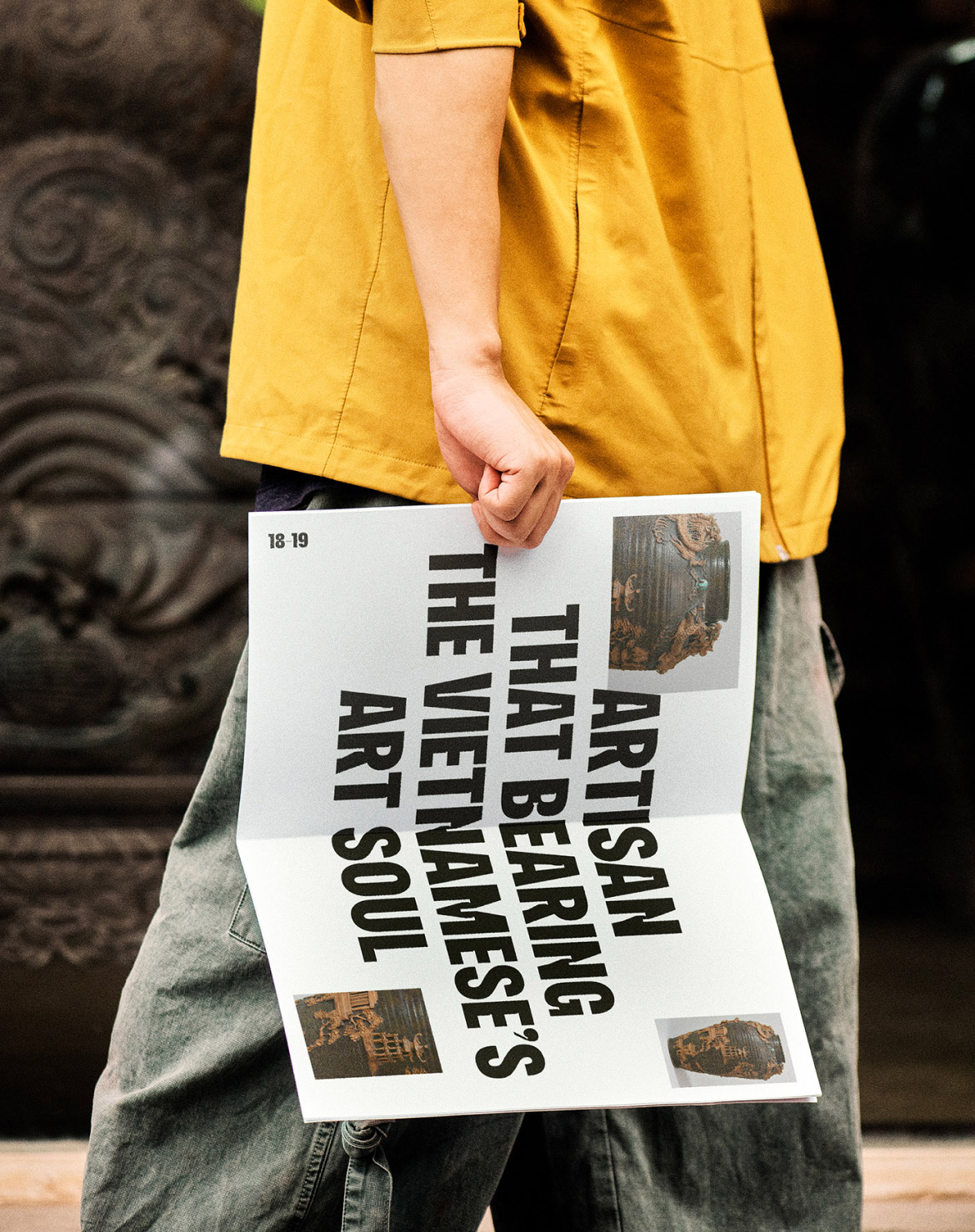
The core of this branding initiative is the custom typeface, MN Vũ Thắng. This font incorporates "inktrap" touches inspired by the "pottery-shoes-soul" aesthetic of the artist’s most famous works. In typography, inktraps are small notches or cutouts that compensate for ink spread during printing, but here, they serve a semiotic function, linking the literal physical form of the pottery to the language used to describe it. This detail allows the brand identity to feel organic and hand-hewn, mirroring the tactile nature of ceramic production.
Furthermore, the design team implemented a strict grid system inspired by the museum’s three-part floor plan. This structure ensures that every element of the museum’s communication—from wayfinding signage to digital marketing collateral—remains grounded in the architectural logic of the space itself.
Supporting Data and Material Analysis
The Bát Tràng ceramic industry is a cornerstone of the Vietnamese craft sector. Data from the local trade association indicates that the village is home to over 200 ceramic enterprises, contributing significantly to the regional GDP of the Gia Lâm district. The museum serves as the cultural anchor for this economy, attracting tens of thousands of visitors annually.
The museum’s current curation strategy emphasizes a "clean" photography style, which serves to document the archives with precision. By simplifying the color palette of the branding to act as a neutral backdrop, the museum allows the vivid, unpredictable textures of the color-changing glazes to remain the focal point. This is a critical curatorial decision; the visual complexity of the ceramic pieces, which often feature multi-layered glazing and intricate sculptural reliefs, requires a minimalist environment to prevent sensory overload.
Official Perspectives on Cultural Preservation
While the museum is a private entity, its influence on the broader cultural policy of Vietnam is substantial. Observers from the Vietnamese Ministry of Culture, Sports and Tourism have previously noted that private museums play an essential role in decentralizing historical preservation. By empowering individual artists like Vũ Đức Thắng, the state provides a framework for heritage that is more responsive to local artisan communities than centralized, bureaucratic institutions.
The transition to a contemporary brand identity has been met with positive reception from the design and museum communities. Critics note that the project succeeds because it avoids "modernizing" the art itself, instead choosing to modernize the framework through which the public interacts with that art.

Broader Impact and Global Implications
The successful integration of traditional craft with modern, systemic design at the Bát Tràng Museum offers a blueprint for other cultural institutions in Southeast Asia. In an era of globalization, where local crafts are often commodified or stripped of their historical context, the Bát Tràng approach provides a sustainable alternative.
The implications are twofold:

- Economic Sustainability: By rebranding, the museum increases its appeal to global tourists, thereby securing long-term funding for the preservation of its extensive collection.
- Cultural Integrity: The use of a custom typeface and a grid system derived from the museum’s own architecture demonstrates that modern design does not have to be a Western-centric imposition. Instead, it can be a tool for articulating local, indigenous histories in a language that the contemporary world understands.
As the museum continues to grow, it faces the challenge of balancing the preservation of the past with the demands of a modern, digital-first audience. However, by grounding its brand identity in the physical and technical realities of Vũ Đức Thắng’s work, the institution ensures that its heritage is not merely displayed, but actively communicated.
The transformation of the Bát Tràng Museum serves as a poignant reminder that while techniques may evolve, the "soul" of the craft—the connection between the artisan, the earth, and the final fired piece—remains the true center of gravity for cultural institutions. The museum stands as a testament to the resilience of Vietnamese artistry and the power of thoughtful, intentional design to elevate historical artifacts into the realm of modern cultural discourse.