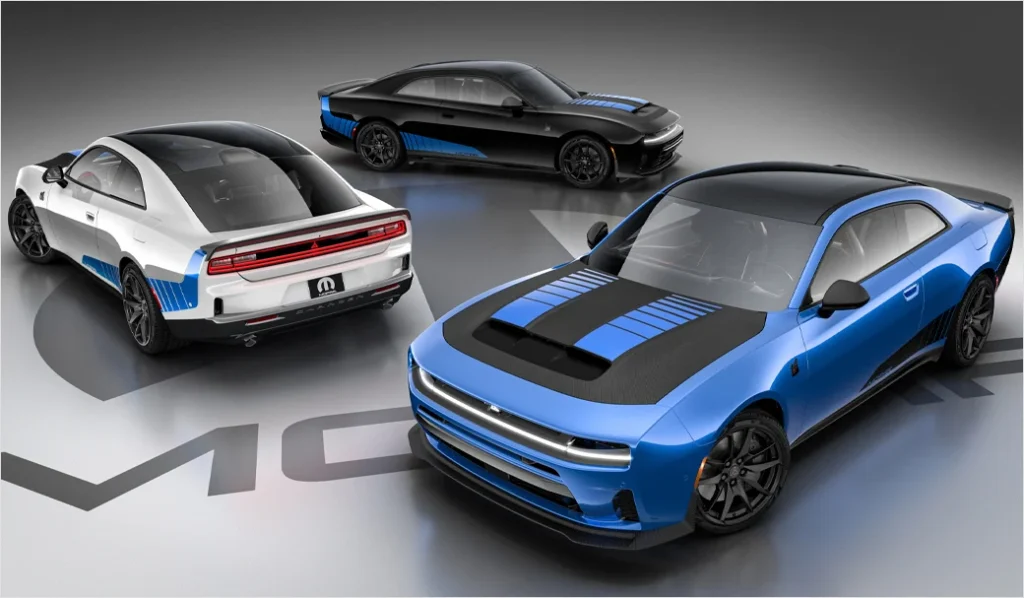

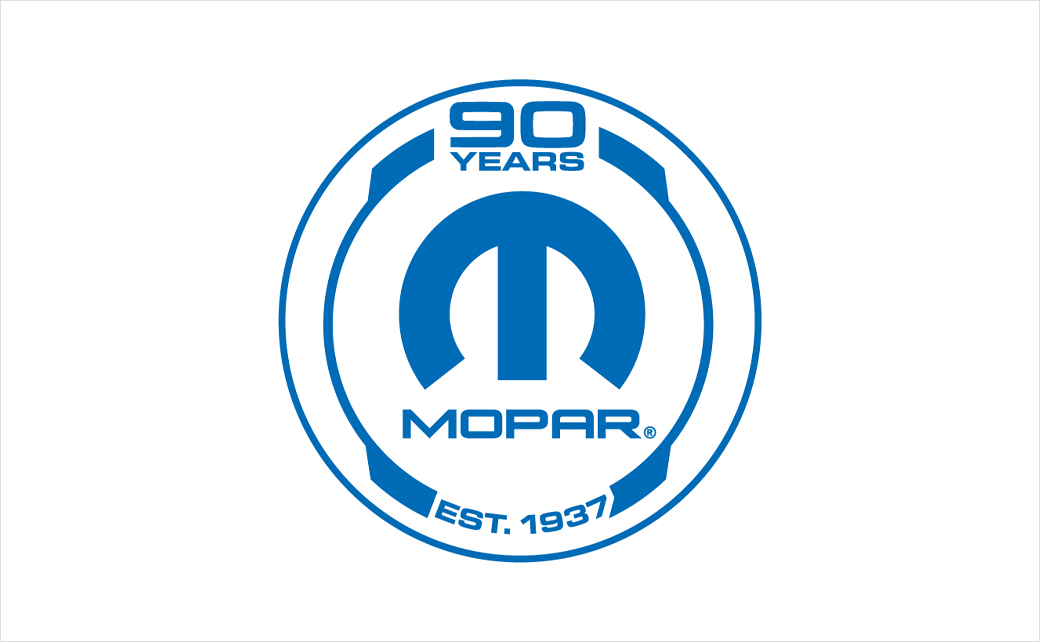
Mopar, the iconic American automotive parts, service, and customer-care brand operating under the Stellantis corporate umbrella, has officially unveiled a special anniversary logo to commemorate its milestone 90th year of operations. Known historically for fueling the high-performance culture of American muscle cars and anchoring Chrysler’s mechanical backbone, the brand is rolling out its new commemorative emblem as part of a high-profile debut at the 2026 SEMA Show in Las Vegas. The new logo represents not only a nod to nearly a century of automotive heritage but also underscores the enduring legacy of a brand born from a simple portmanteau of "motor" and "parts."
Main Facts Surrounding the 90th Anniversary Launch
The centerpiece of the 90th-anniversary celebration is a specially curated, limited-edition vehicle: the "Mopar ’27 Dodge Charger." Rather than featuring on the vehicle’s primary exterior badges, the newly designed anniversary logo will be prominently displayed on a numbered, under-bonnet plaque affixed directly to the radiator of each model. This physical stamping serves as a bridge between Mopar’s historical roots in mechanical engineering and its modern-day performance offerings.
The unveiling is scheduled to take place at the Specialty Equipment Market Association (SEMA) Show in Las Vegas, an annual gathering that draws automotive enthusiasts, aftermarket manufacturers, and industry professionals from across the globe. Darren Bradshaw, Senior Vice President of Parts and Services at Stellantis North America, emphasized the brand’s intent to highlight its motorsport DNA during the exhibition. According to company leadership, the introduction of the Mopar ’27 Dodge Charger alongside the anniversary insignia is designed to celebrate the horsepower, adrenaline, and competitive drive that have defined the marque for generations.
Chronology and Historical Evolution of Mopar
To understand the weight of Mopar’s 90-year history, one must trace its evolution through distinct eras of American industrial and automotive history. The timeline of the brand reflects its adaptability, transitioning from a corporate division to a cultural phenomenon:
- The 1920s: Chrysler establishes its dedicated parts division, laying the foundational framework for what would eventually become a globally recognized automotive brand.
- 1937: The "Mopar" name officially makes its commercial debut as the designated brand name for Chrysler’s proprietary automotive antifreeze product.
- The 1940s: During the Second World War, the operational capabilities behind the Mopar name pivot to support the war effort, manufacturing vital combat weapons and military vehicles.
- The Post-War Era: The brand expands its catalog significantly to supply replacement parts and mechanical components for other growing Chrysler marques, including Dodge and Plymouth.
- The 1960s Golden Age: The muscle car boom thrusts Mopar into the spotlight. The brand enters the profitable aftermarket sector with high-performance engines, chassis components, and styling kits. Factory-supported racing initiatives cement its dominance in NASCAR and NHRA drag racing.
- Late 1960s: George Robinson, a marketing manager and trained industrial designer, introduces the iconic "rolling M" logo, cementing the brand’s visual identity in the minds of consumers.
- The Modern Era: Under the stewardship of automotive conglomerate Stellantis, the Mopar name serves as the global umbrella for service, parts, and customer care, while continuing to produce exclusive, low-volume performance vehicles.
- 2026: Mopar celebrates its 90th anniversary with the debut of the Mopar ’27 Dodge Charger and a specialized commemorative logo at the SEMA Show.
The 1960s Muscle Car Boom and Cultural Impact
While Mopar spent its first few decades quietly supplying mechanical necessities, the 1960s transformed the brand into a household name among automotive enthusiasts. As American culture embraced high-displacement engines and straight-line speed, Mopar capitalized on the movement by offering factory-backed performance parts that allowed everyday buyers to build track-ready machines.
During this era, vehicles like the Dodge Charger, Dodge Challenger, and Plymouth Barracuda became legendary on both suburban streets and professional dragstrips. Mopar’s involvement in drag racing and stock car racing was absolute; the brand provided specialized parts kits—ranging from lightweight body panels to high-output V8 engine blocks—that gave racers a competitive edge. The association was so profound that enthusiasts stopped referring to their vehicles simply by their make and model, proudly adopting the moniker "Mopar cars." It was also during this golden era that industrial designer George Robinson crafted the legendary "rolling M" logo, giving a visual face to the mechanical muscle that powered Chrysler’s most celebrated vehicles.
Corporate Evolution Under Stellantis
In the decades following the muscle car era, the automotive landscape shifted dramatically through corporate mergers, economic fluctuations, and changing consumer demands. Chrysler transitioned through various ownership structures, eventually becoming part of Fiat Chrysler Automobiles (FCA) before merging with the French Groupe PSA in 2021 to form Stellantis, one of the world’s largest automotive conglomerates.
Despite these sweeping corporate reorganizations, the Mopar brand retained its distinct identity. Today, Stellantis leverages the name across a broad spectrum of operations. Beyond its historical roots in high-performance parts, Mopar functions as the official service, parts, and customer-care provider for Stellantis brands worldwide. Furthermore, the division periodically releases exclusive, limited-production vehicles—such as the upcoming Mopar ’27 Dodge Charger—that pay homage to the brand’s high-performance heritage while incorporating modern automotive technologies.
Official Responses and Industry Perspectives
The reveal of the 90th-anniversary logo and the accompanying Mopar ’27 Dodge Charger has drawn significant attention from automotive analysts and industry leaders alike. Stellantis executives have framed the milestone not just as a retrospective celebration, but as a reaffirmation of the brand’s ongoing commitment to enthusiast-driven automotive culture.
Darren Bradshaw noted that the brand’s presence at the SEMA Show is intended to remind consumers of Mopar’s enduring relevance in an era rapidly transitioning toward electrification and alternative propulsion. "Race fans will be the first to get up close to our new limited-edition Mopar ’27 Dodge Charger before the action heats up on the track," Bradshaw stated, emphasizing that the values of high horsepower and competitive drive remain central to the brand’s corporate identity.
Industry observers point out that limited-edition heritage models serve a vital marketing function for legacy automotive brands. By tethering modern engineering to historical nostalgia, manufacturers can successfully engage loyal consumer bases while commanding premium price points for collector-oriented vehicles. The inclusion of a unique, numbered under-bonnet plaque featuring the 90th-anniversary logo directly addresses the collector market, ensuring that each vehicle carries tangible provenance.
Broader Impact and Implications for the Aftermarket Sector
The celebration of Mopar’s 90th anniversary arrives at a fascinating juncture for the automotive aftermarket and performance parts industry. As global regulatory standards increasingly push toward stricter emissions and the gradual electrification of consumer fleets, traditional internal combustion engine (ICE) performance brands face unique operational challenges.
However, the enduring popularity of heritage brands demonstrates that the cultural attachment to mechanical performance remains intensely strong. By celebrating nine decades of history, Mopar reinforces its position as a cornerstone of American automotive culture. The brand’s ability to pivot between traditional muscle car restoration parts, modern performance upgrades, and global customer service logistics highlights the versatility required to survive in a rapidly evolving global market.
Furthermore, the introduction of the Mopar ’27 Dodge Charger at SEMA illustrates how legacy manufacturers continue to utilize niche, enthusiast-focused vehicles to maintain brand equity. These vehicles act as rolling billboards for the broader parts and accessories catalog, driving consumer engagement and reinforcing the mechanical loyalty that built the brand during the 1960s muscle car boom.
As Mopar looks toward its centennial decade, the 90th-anniversary logo serves as a visual reminder of a long, unbroken lineage rooted in engineering, competition, and automotive passion. Whether stamped onto a commemorative radiator plaque in Las Vegas or utilized across global service centers, the emblem encapsulates a 90-year journey from a simple corporate parts division to a defining pillar of automotive history.