
Crewe, England – Bentley, the venerable British marque synonymous with ultra-luxury and performance, has officially unveiled the name of its groundbreaking first all-electric vehicle: the "Torcal." The announcement, made by the company on July 6, 2026, marks a pivotal moment in Bentley’s 107-year history as it embarks on a significant electrification strategy. The Torcal is slated for a full reveal in September of this year, promising to redefine the electric luxury SUV segment.
A New Era for Bentley: The Torcal Takes Shape
The introduction of the Torcal signifies Bentley’s definitive step into a fully electrified future. This new model will join Bentley’s esteemed lineup, which currently comprises the iconic Continental GT, the opulent Flying Spur sedan, and the commanding Bentayga SUV. The Torcal’s designation as the brand’s inaugural electric car underscores a strategic shift aimed at meeting evolving global automotive trends and increasingly stringent environmental regulations, while remaining true to Bentley’s core values of craftsmanship, performance, and unparalleled luxury.
The Genesis of a Name: El Torcal and the Essence of Torque
The nomenclature for Bentley’s pioneering electric vehicle draws inspiration from the natural world, a tradition the brand has upheld for several of its recent special editions and models. The name "Torcal" is derived from El Torcal de Antequera, a stunning geological formation located in Andalusia, Spain. This unique landscape, characterized by its dramatic limestone formations sculpted by millennia of erosion, evokes a sense of power, resilience, and natural artistry – qualities Bentley aims to imbue in its new electric offering.
Beyond its geographical connection, the name "Torcal" also carries a deeper linguistic significance. It is rooted in the Latin word "torquere," meaning "to twist." This etymological link directly connects to the modern automotive term "torque," a fundamental measure of rotational force that is paramount to a vehicle’s acceleration and performance. Bentley itself elaborates on this connection, stating, "Torcal therefore also implies effortless progression, another hallmark of every Bentley from across the last 107 years." This naming choice is a deliberate effort to bridge the brand’s heritage of potent performance with its future of sustainable power.
Design Cues and Anticipated Features
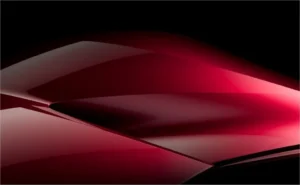
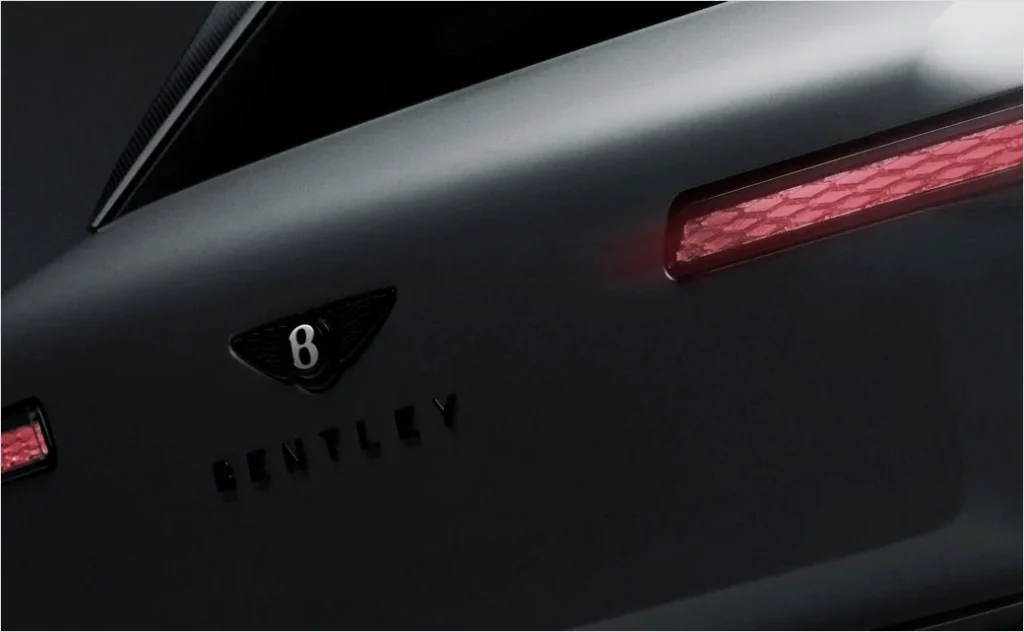
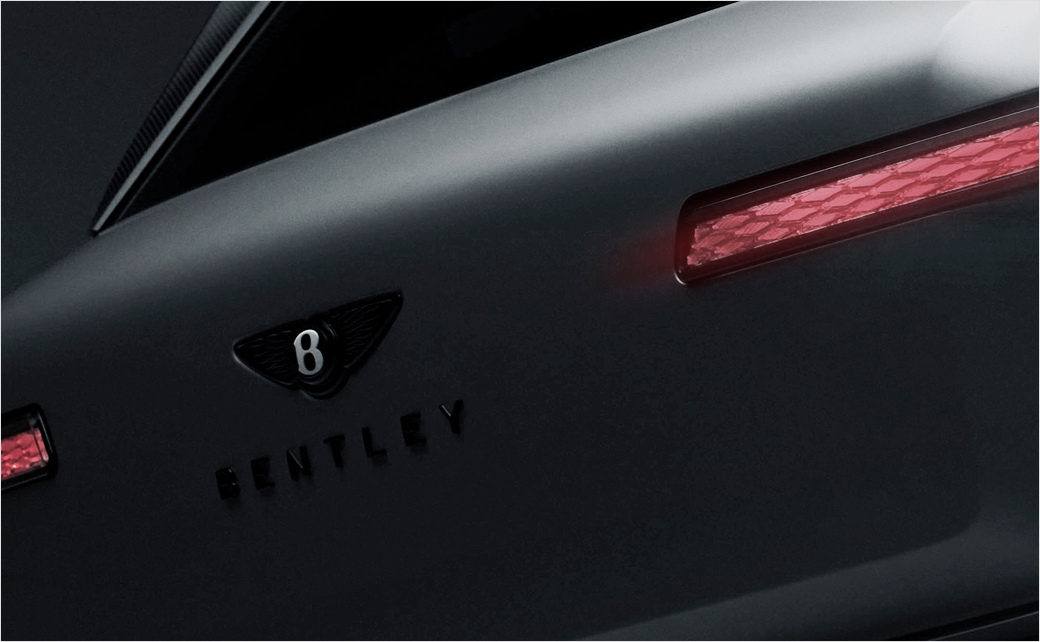
While Bentley has remained largely reserved regarding specific design details of the Torcal, a teaser image released alongside the name announcement strongly suggests that the vehicle will adopt an SUV body style. This aligns with the burgeoning popularity of luxury electric SUVs and Bentley’s current success with the Bentayga. Industry observers anticipate that the Torcal will blend the imposing presence and elegant lines characteristic of Bentley designs with aerodynamic enhancements essential for maximizing electric range and efficiency.
The interior is expected to uphold Bentley’s reputation for bespoke craftsmanship, utilizing sustainable materials without compromising on opulence. Expect meticulously hand-stitched leather, ethically sourced wood veneers, and advanced technological integration, all tailored to the discerning tastes of Bentley clientele. The powertrain, while not yet detailed, is anticipated to deliver the exhilarating performance that Bentley is renowned for, coupled with significant electric range and rapid charging capabilities, addressing common consumer concerns regarding electric vehicle adoption.
Strategic Implications and Market Positioning
The introduction of the Torcal is a cornerstone of Bentley’s ambitious "Beyond100" strategic plan, which outlines the company’s transition towards a fully electrified and carbon-neutral future by 2030. This plan involves substantial investment in battery technology, electric powertrains, and sustainable manufacturing processes. The Torcal is not merely a new model; it represents Bentley’s commitment to innovation and its adaptation to a rapidly evolving automotive landscape.
By venturing into the electric vehicle market, Bentley aims to capture a new generation of environmentally conscious luxury consumers, as well as retain its existing customer base by offering a compelling electric alternative that doesn’t sacrifice the brand’s inherent DNA. The luxury electric SUV segment is experiencing robust growth, with competitors like Tesla, Audi, Porsche, and Mercedes-Benz already establishing a strong presence. Bentley’s entry with the Torcal is poised to challenge these established players, offering a unique blend of performance, luxury, and heritage.
A Timeline of Electrification
Bentley’s journey towards electrification has been a gradual yet deliberate process. The company first introduced hybrid variants of its existing models, such as the Bentayga Hybrid and the Flying Spur Hybrid, signaling its intent to integrate electric powertrains into its portfolio. These hybrid models have served as crucial learning grounds, allowing Bentley to refine its understanding of electric drivetrain integration, battery management, and customer preferences in the context of luxury vehicles.
- 2018: Bentley introduces the Bentayga Hybrid, its first plug-in hybrid model, marking an initial step towards electrification.
- 2020: The Flying Spur Hybrid is launched, expanding Bentley’s hybrid offerings and demonstrating its commitment to offering electrified options across its model range.
- 2021: Bentley unveils its "Beyond100" strategy, outlining a clear roadmap for electrification and carbon neutrality by 2030. This strategy includes plans for full electrification of its model range.
- 2026 (July 6): Bentley officially announces the name of its first all-electric vehicle: the Torcal.
- 2026 (September): The full reveal of the Bentley Torcal is anticipated, providing comprehensive details on its design, specifications, and performance.
The forthcoming reveal of the Torcal in September 2026 will undoubtedly be a highly anticipated event in the automotive world, offering a glimpse into the future of ultra-luxury motoring.
Supporting Data and Industry Context
The automotive industry is undergoing a profound transformation driven by environmental concerns, government regulations, and technological advancements. Global sales of electric vehicles (EVs) have seen exponential growth in recent years. According to the International Energy Agency (IEA), global electric car sales surpassed 10 million in 2022, representing a significant increase from previous years. This trend is projected to continue, with EVs expected to constitute a substantial portion of the automotive market in the coming decade.
Bentley’s move towards electrification is not an isolated decision but a response to these broader industry shifts. The luxury segment, in particular, is seeing increased demand for sustainable yet high-performance vehicles. Brands like Porsche with its Taycan, Audi with its e-tron GT, and Mercedes-Benz with its EQS have already demonstrated the viability and desirability of electric luxury cars. Bentley’s entry with the Torcal is expected to further intensify competition and innovation within this lucrative niche.
The investment required for such a transition is considerable. Bentley, as part of the Volkswagen Group, benefits from shared resources and technological expertise, particularly from Porsche, which has extensive experience in developing high-performance electric vehicles. This synergy is crucial for Bentley to deliver a product that meets the exacting standards of its clientele and the competitive demands of the market.
Anticipated Reactions and Future Outlook
The announcement of the Torcal is likely to be met with considerable enthusiasm from Bentley enthusiasts and the wider automotive press. The prospect of an all-electric Bentley, embodying the brand’s signature blend of luxury and performance, is a compelling proposition. Industry analysts will be closely scrutinizing the Torcal’s specifications, range, charging capabilities, and pricing to assess its competitive positioning.
There may also be commentary from environmental advocacy groups, who will likely welcome Bentley’s commitment to electrification as a positive step towards reducing the carbon footprint of luxury vehicles. The company’s focus on sustainable materials and ethical sourcing within the Torcal’s development will also be a key point of interest.
Looking ahead, the Torcal is expected to pave the way for further electrification within Bentley’s portfolio. The brand has indicated that it aims to offer exclusively battery-electric vehicles by 2030. This implies that the future generations of the Continental GT, Flying Spur, and Bentayga will also transition to electric powertrains, potentially with the Torcal serving as a platform for shared technologies and design philosophies.
The success of the Torcal will be critical in shaping Bentley’s trajectory in the coming years. It represents not just a new car, but a bold declaration of intent, signaling that even the most traditional luxury brands are embracing the electric revolution with determination and a commitment to preserving their heritage while forging a sustainable future. The "twist" that the name Torcal implies is not just about mechanical force, but also about the fundamental shift Bentley is undertaking in its very identity.