
The landscape of social media engagement has undergone a seismic shift as we move through 2026, with TikTok solidifying its position as the primary engine for digital culture and consumer influence. For content creators, digital marketers, and small business owners, the platform’s algorithm remains a complex puzzle where timing often serves as the critical piece for achieving "For You Page" (FYP) saturation. A comprehensive new study conducted by Buffer, which analyzed more than 7.1 million individual posts—including videos, carousels, photos, and text-based content—has revealed definitive patterns in user engagement. The findings suggest that while high-quality content is the baseline for success, the hour of publication acts as a catalyst that can either propel a video to viral status or leave it languishing in digital obscurity.
The Mechanics of Engagement: Why Timing Dictates Reach
To understand why specific posting windows matter, one must look at the technical architecture of the TikTok algorithm in 2026. Unlike chronological feeds, TikTok utilizes a multi-layered recommendation system. When a post is published, it is initially distributed to a small, diverse "test group" of users. The algorithm monitors this group’s interactions—specifically watch time, completion rates, shares, and comments—within the first few minutes of publication. If the initial engagement is high, the platform identifies the content as valuable and pushes it to a broader audience.
Posting during peak activity periods ensures that this initial test group is active and ready to engage. In 2026, the platform has become increasingly sensitive to "active attention" metrics. Because TikTok is a high-bandwidth, sound-on medium, its usage peaks during times when users are not distracted by professional or academic obligations. This differentiates it from text-heavy platforms like X (formerly Twitter) or LinkedIn, which see steady "micro-scrolling" throughout the workday.
The 2026 Engagement Heatmap: Key Findings
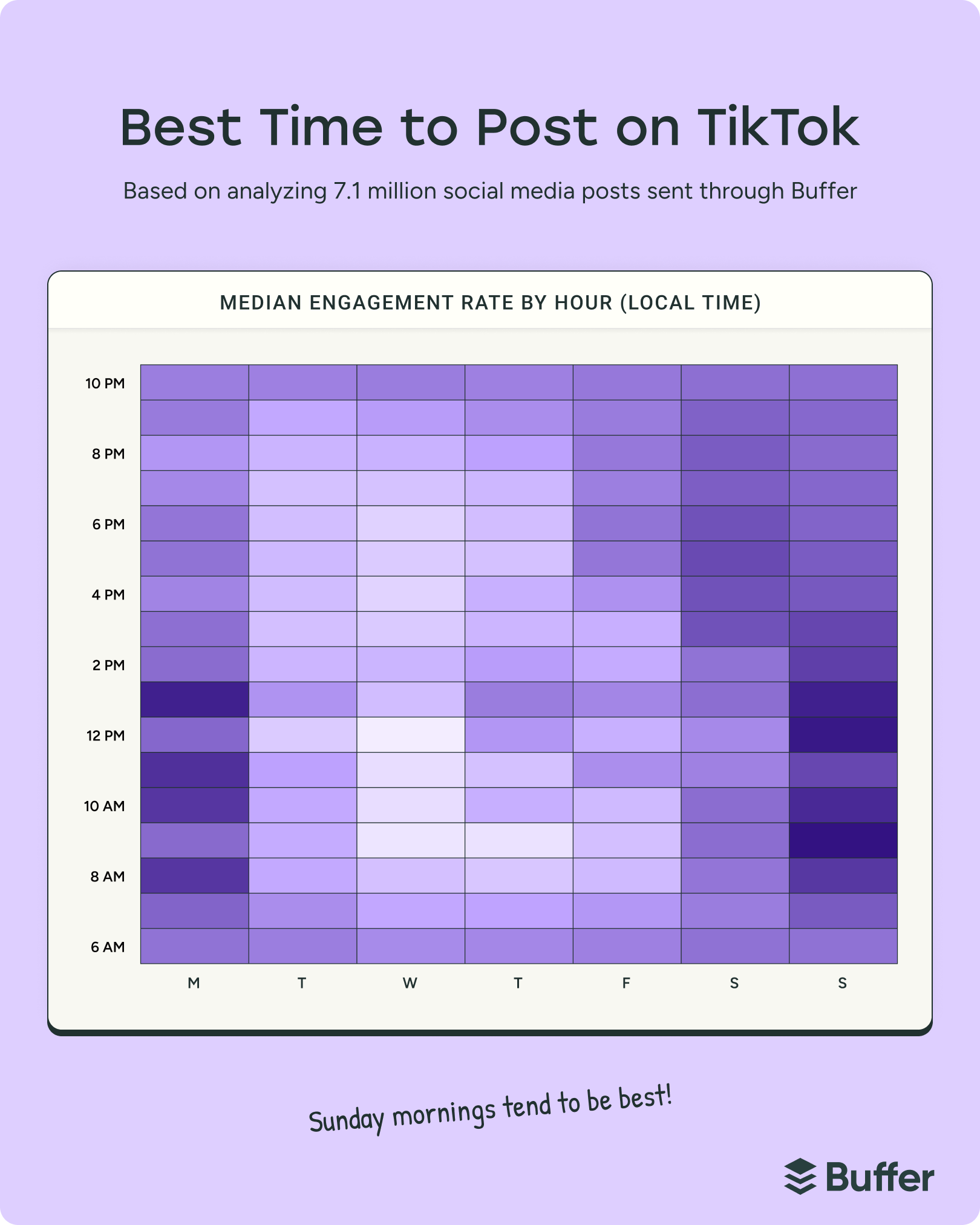
The data science team at Buffer utilized a median engagement rate metric across 7.1 million posts to eliminate outliers and provide a realistic snapshot of performance. The results indicate that Sunday morning has emerged as the most lucrative window for creators. Specifically, Sunday at 9:00 a.m. is the single highest-performing time slot of the week. This is followed closely by Monday at 1:00 p.m. and a secondary Sunday peak at 1:00 p.m.
The data reveals a broader trend: engagement typically surges in the evening hours, specifically between 6:00 p.m. and 11:00 p.m. Conversely, the "afternoon slump" between 12:00 p.m. and 5:00 p.m. remains a period of lower engagement for most weekdays, with the notable exception of the lunch hour.
Daily Breakdown of Optimal Posting Windows
The following chronology of peak performance times provides a strategic roadmap for 2026:
- Monday: The primary peak occurs at 1:00 p.m., as users check their feeds during lunch breaks. Secondary windows appear at 11:00 a.m. and 8:00 a.m. Monday is currently ranked as the second strongest day for overall engagement.
- Tuesday: An unusual early-morning spike occurs at 6:00 a.m., likely driven by users checking their phones immediately upon waking. A late-night secondary peak occurs at 10:00 p.m.
- Wednesday: Mid-week engagement tends to be lower overall. The best performance is found late at night, specifically at 10:00 p.m., followed by a 6:00 a.m. early-morning window.
- Thursday: Similar to Monday, the 1:00 p.m. slot is the strongest, with 10:00 p.m. and 6:00 a.m. serving as viable alternatives.
- Friday: Engagement shifts toward the evening as the weekend begins. The 6:00 p.m. slot is dominant, followed by 10:00 p.m. and 8:00 p.m.
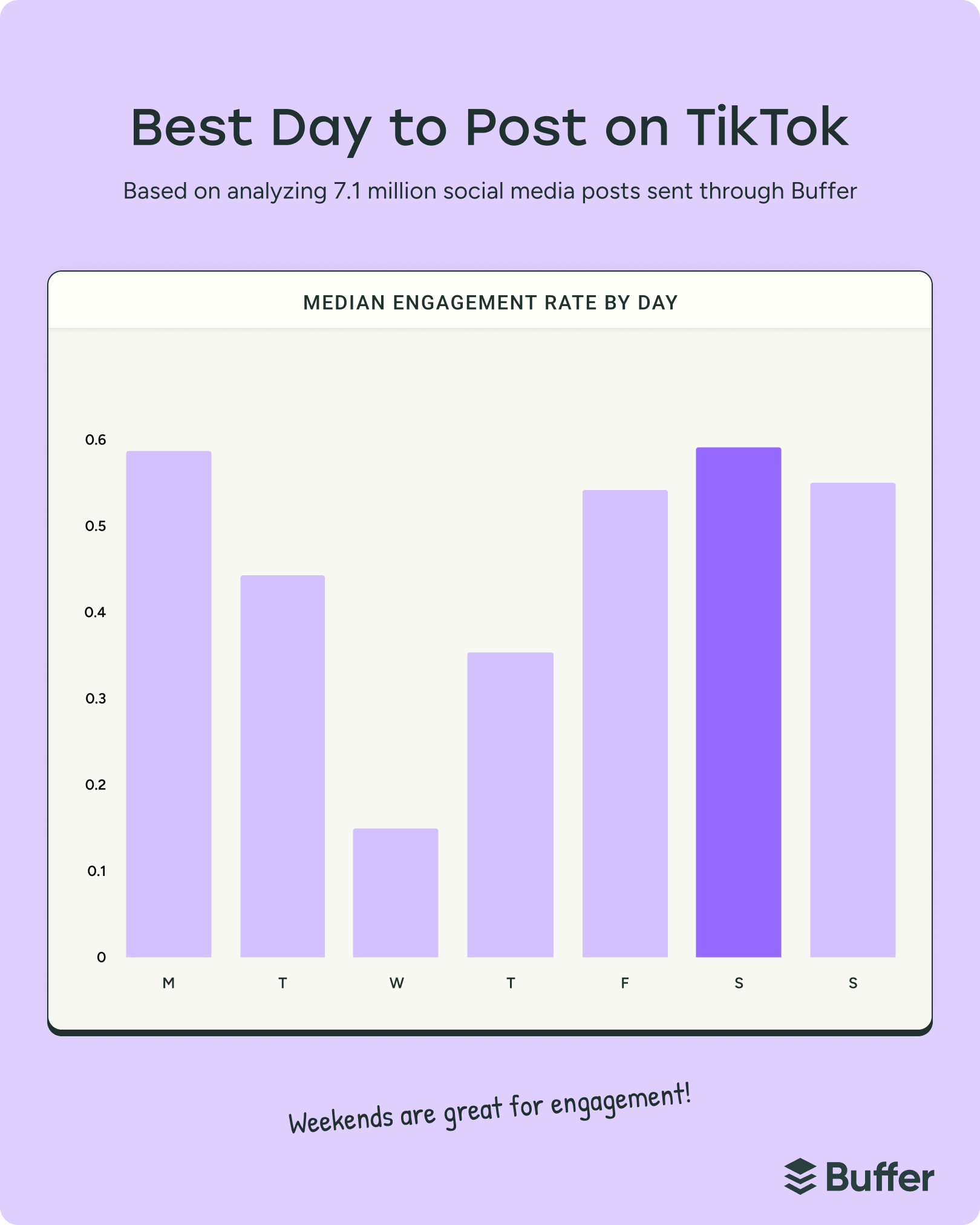
- Saturday: Saturday is the highest-performing day of the week for TikTok engagement. The optimal window is between 3:00 p.m. and 5:00 p.m., a time when users are typically unwinding.
- Sunday: Sunday hosts the "Golden Hour" of 9:00 a.m., which outperforms every other time slot in the week. Lunchtime (12:00 p.m. to 1:00 p.m.) also sees significant traffic.
The Saturday Dominance and the Weekend Shift
One of the most significant takeaways from the 2026 data is the overwhelming strength of the weekend. Saturday has surpassed all other days as the most active period on the platform. Analysts suggest this is due to the "lean-back" nature of TikTok consumption in 2026; users are increasingly using the platform as a primary entertainment source, akin to traditional television, rather than a social networking tool.
The Sunday 9:00 a.m. phenomenon is particularly noteworthy. Industry experts believe this reflects a "digital ritual" where users spend their Sunday mornings scrolling through the FYP before starting their day. For brands, this represents a high-intent window where users are more likely to watch longer-form videos and carousels.
Industry Reactions and Strategic Adjustments
Social media managers have responded to this data by shifting their "batch-creation" schedules. The consensus among digital strategists is that the "spray and pray" method of posting at random intervals is no longer viable in a saturated market.
"The 2026 data confirms what many of us suspected: the weekend is no longer a ‘dead zone’ for professional content," says a senior social media strategist at a leading digital agency. "In fact, if you aren’t posting on Saturday and Sunday morning, you are missing your highest potential for organic reach. We are seeing brands move away from traditional ‘9-to-5’ posting schedules to align with these consumer behavior shifts."
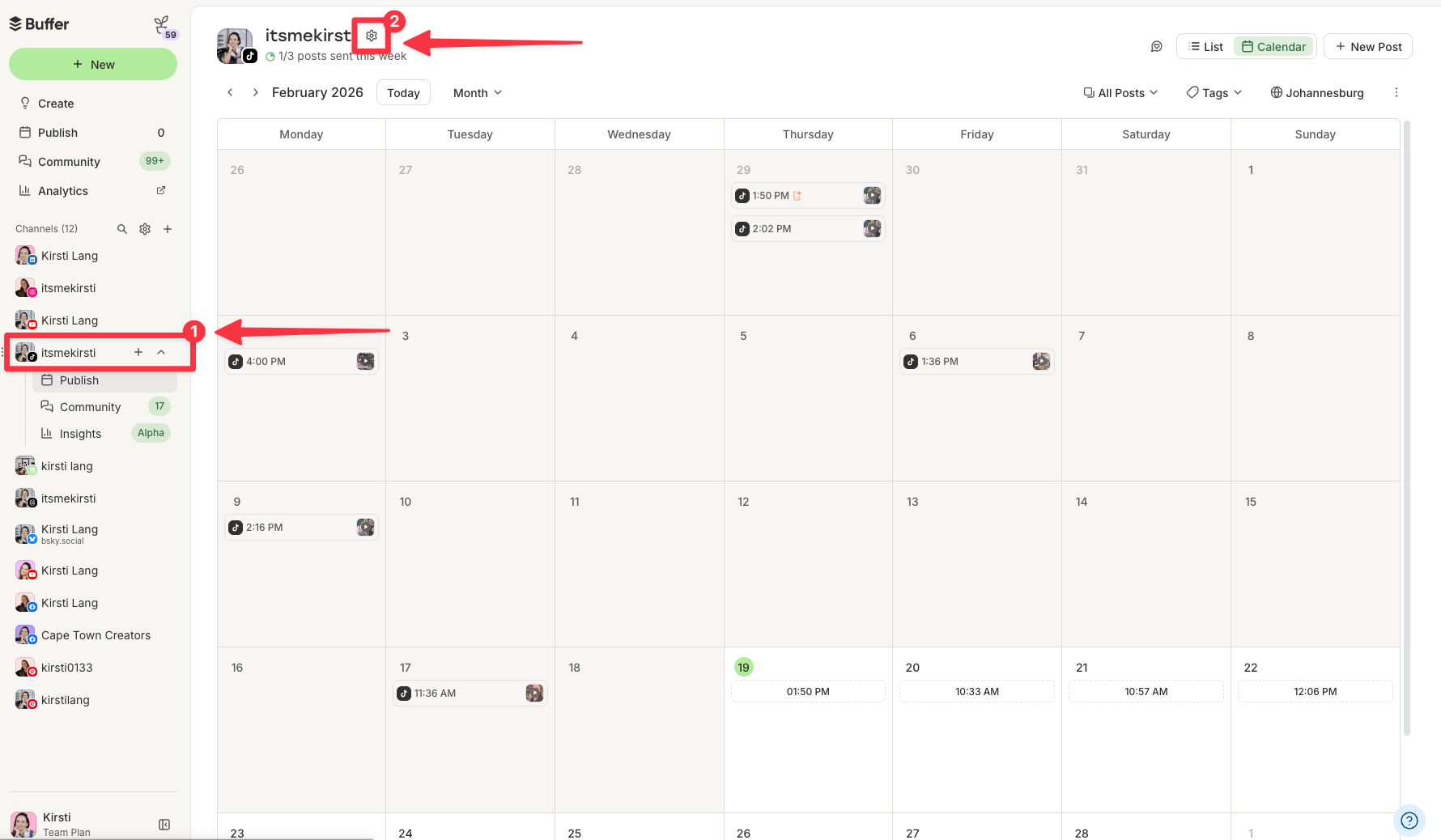
Furthermore, the rise of scheduling tools has allowed creators to hit these peak windows—such as Sunday at 9:00 a.m.—without being tethered to their devices. The integration of AI-driven analytics within these tools now allows for "timezone-agnostic" publishing, where the software identifies the location of the majority of a creator’s followers and adjusts the 9:00 a.m. slot accordingly.
Beyond the Clock: The Three-Second Rule and Quality Metrics
While timing provides the "running start," the Buffer report emphasizes that it cannot compensate for poor content. In 2026, the "Three-Second Rule" remains the industry standard. This rule dictates that a video must capture a viewer’s attention within the first three seconds to prevent them from scrolling.
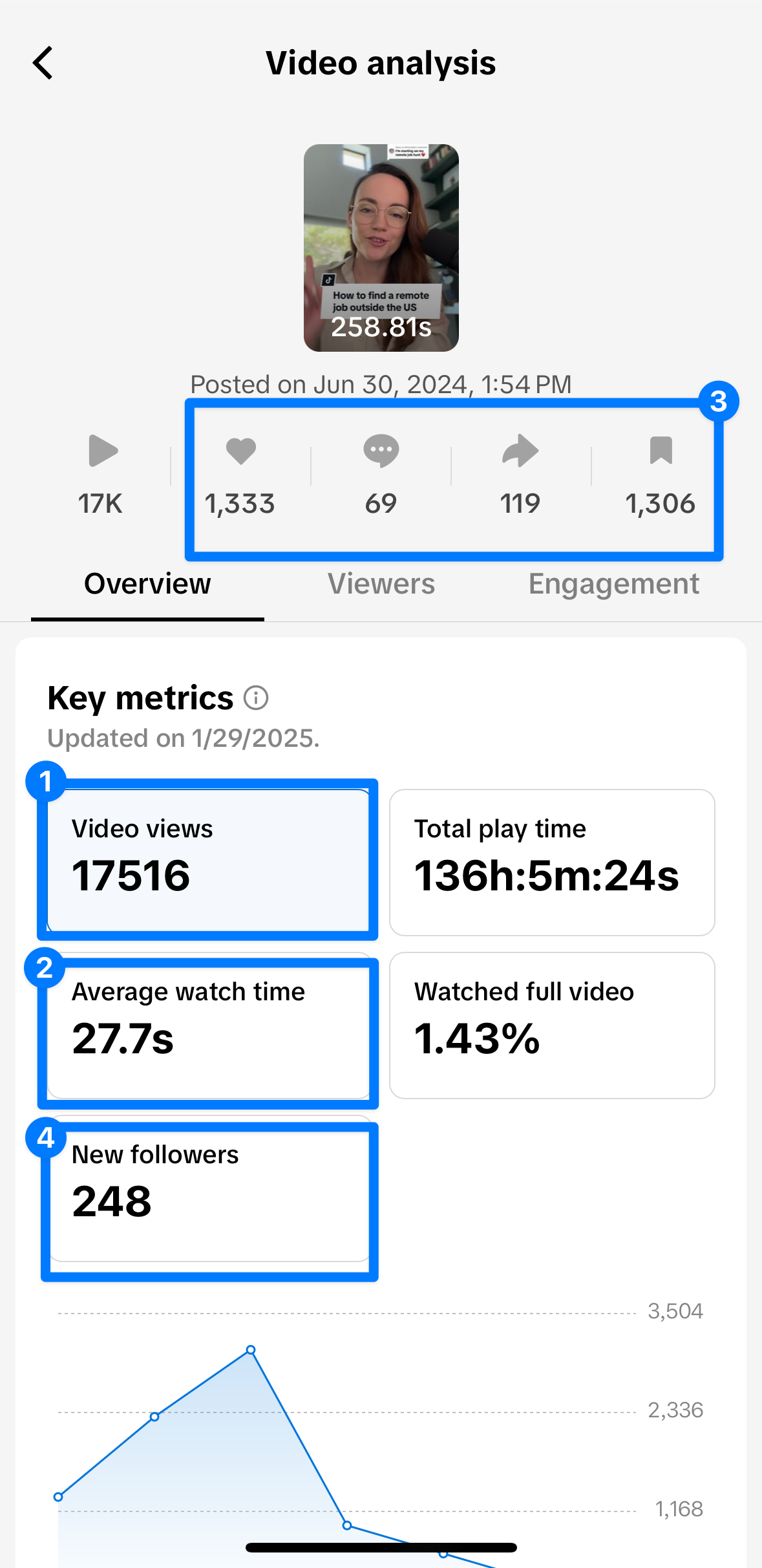
The algorithm also prioritizes "Watch Time" over "Likes." A video that is watched to completion, or rewatched, sends a much stronger signal to the TikTok recommendation engine than a video that receives a high volume of likes but low completion rates. Therefore, creators are advised to use the peak posting times as a delivery mechanism for content that is paced specifically to retain viewers.
Broader Implications for the Creator Economy
The findings of this 7.1-million-post analysis have broader implications for the global creator economy, which is projected to reach record valuations by the end of 2026. As TikTok evolves into a "search and discovery" platform, the timing of posts also influences how content is indexed. Content posted during high-traffic periods often receives a higher volume of search queries within the app, further boosting its longevity.
Additionally, the data highlights the importance of "niche-specific" testing. While the general peaks are Sunday morning and Saturday afternoon, an educational creator might find more success during weekday mornings when students and professionals are in a "learning mindset." Conversely, entertainment and lifestyle accounts should lean heavily into the identified evening and weekend peaks.
Conclusion: Data-Driven Consistency
As TikTok continues to dominate the short-form video space, the margin for error for creators and businesses has narrowed. The 2026 analysis provides a clear data-backed framework: target the weekends, prioritize Sunday mornings, and utilize the evening windows during the work week.
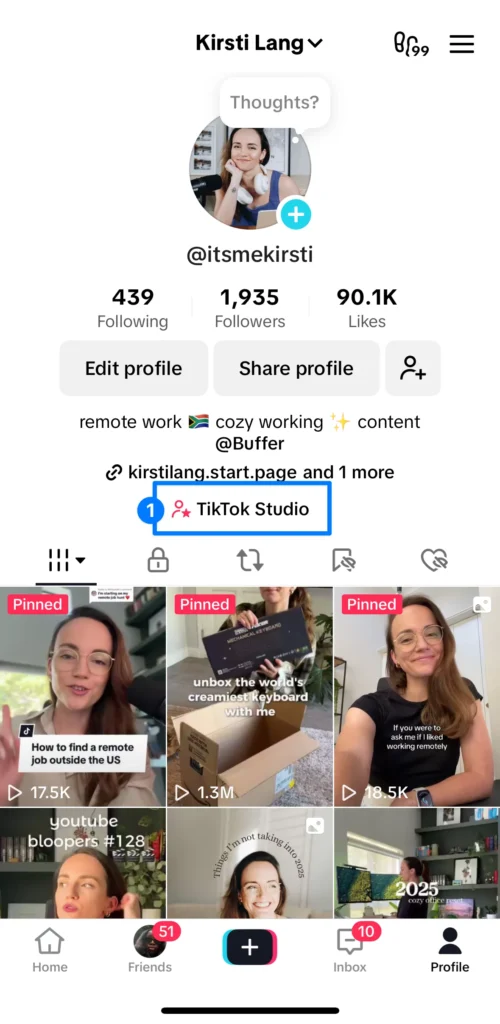
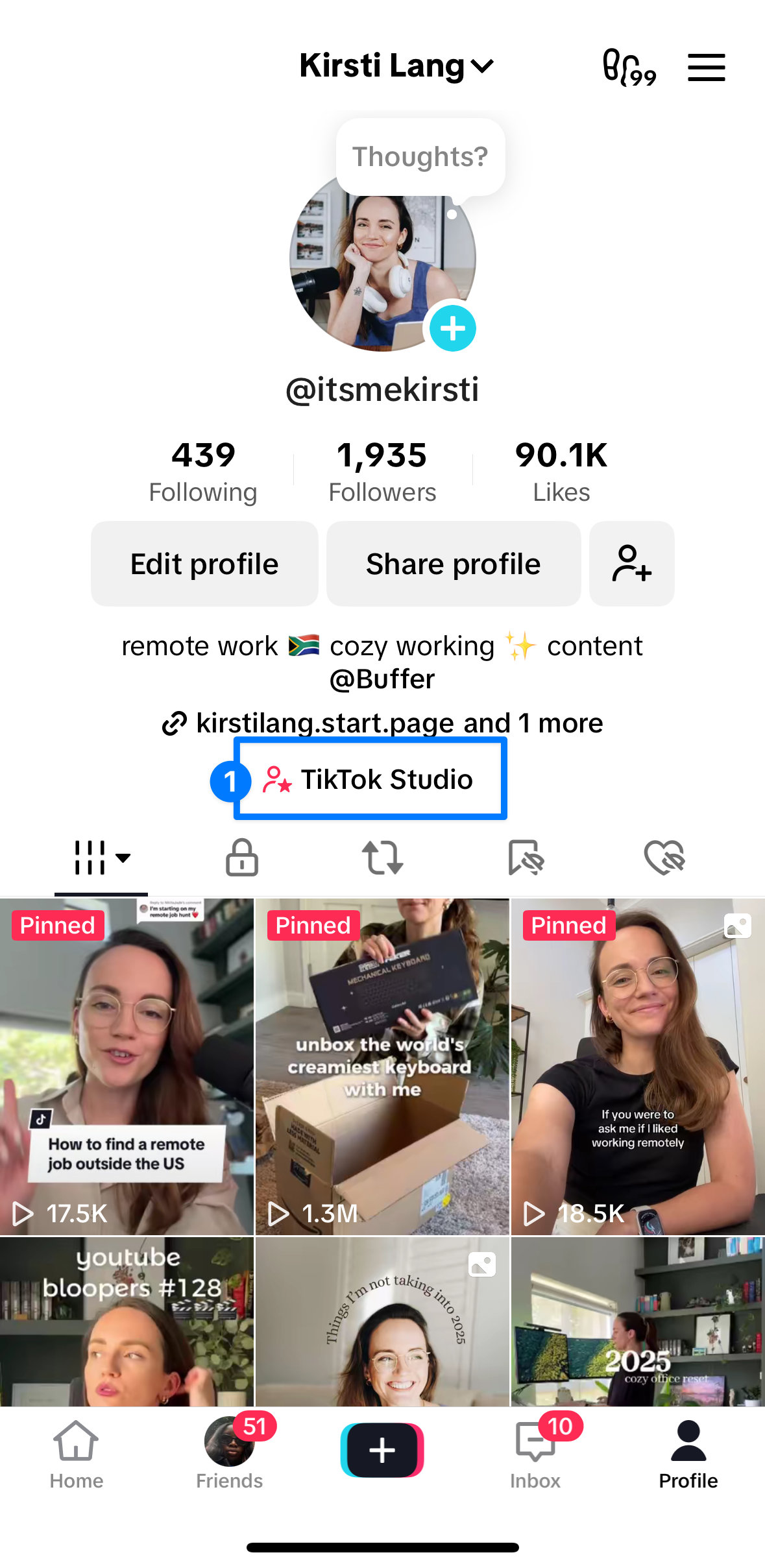
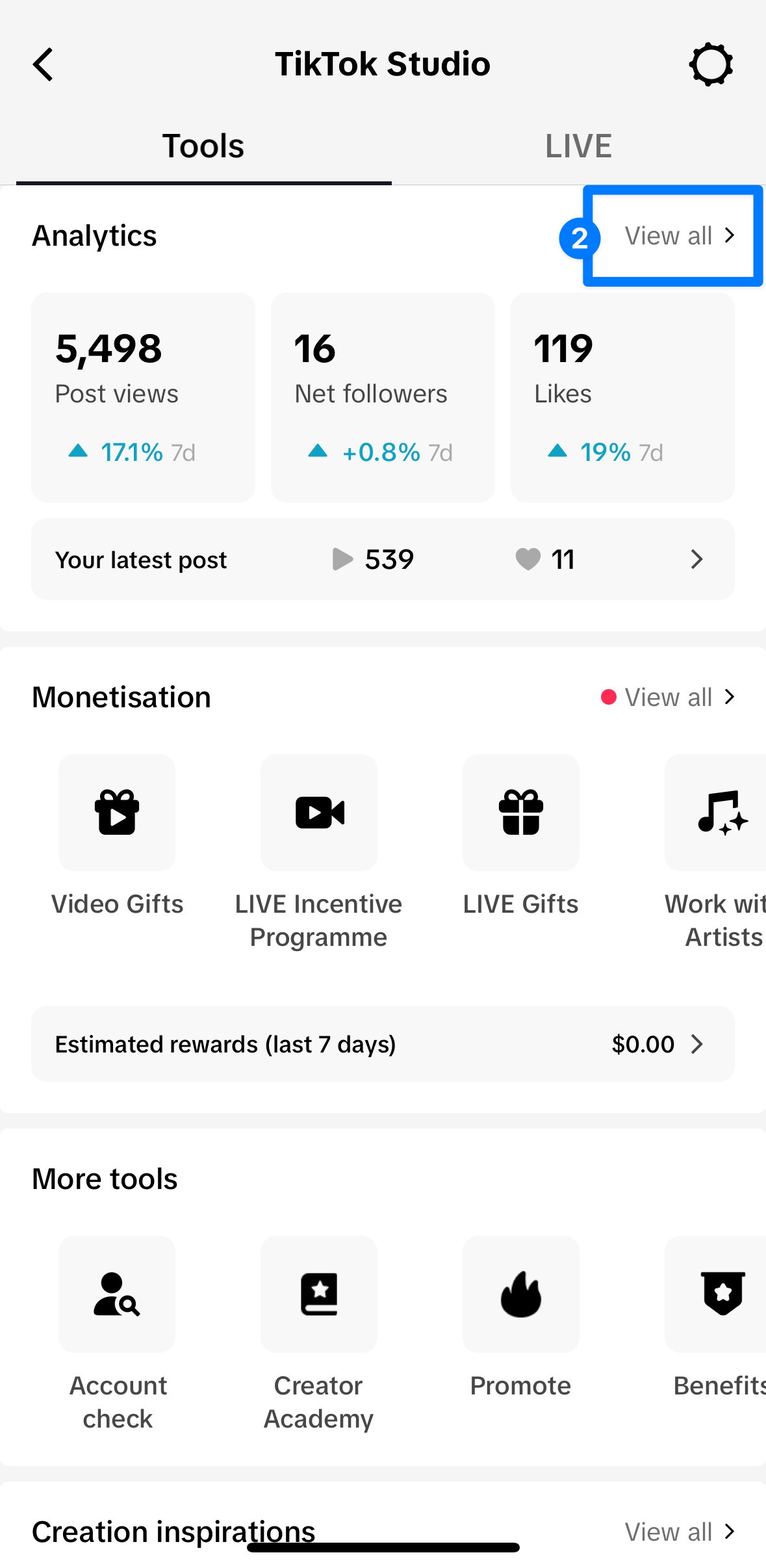
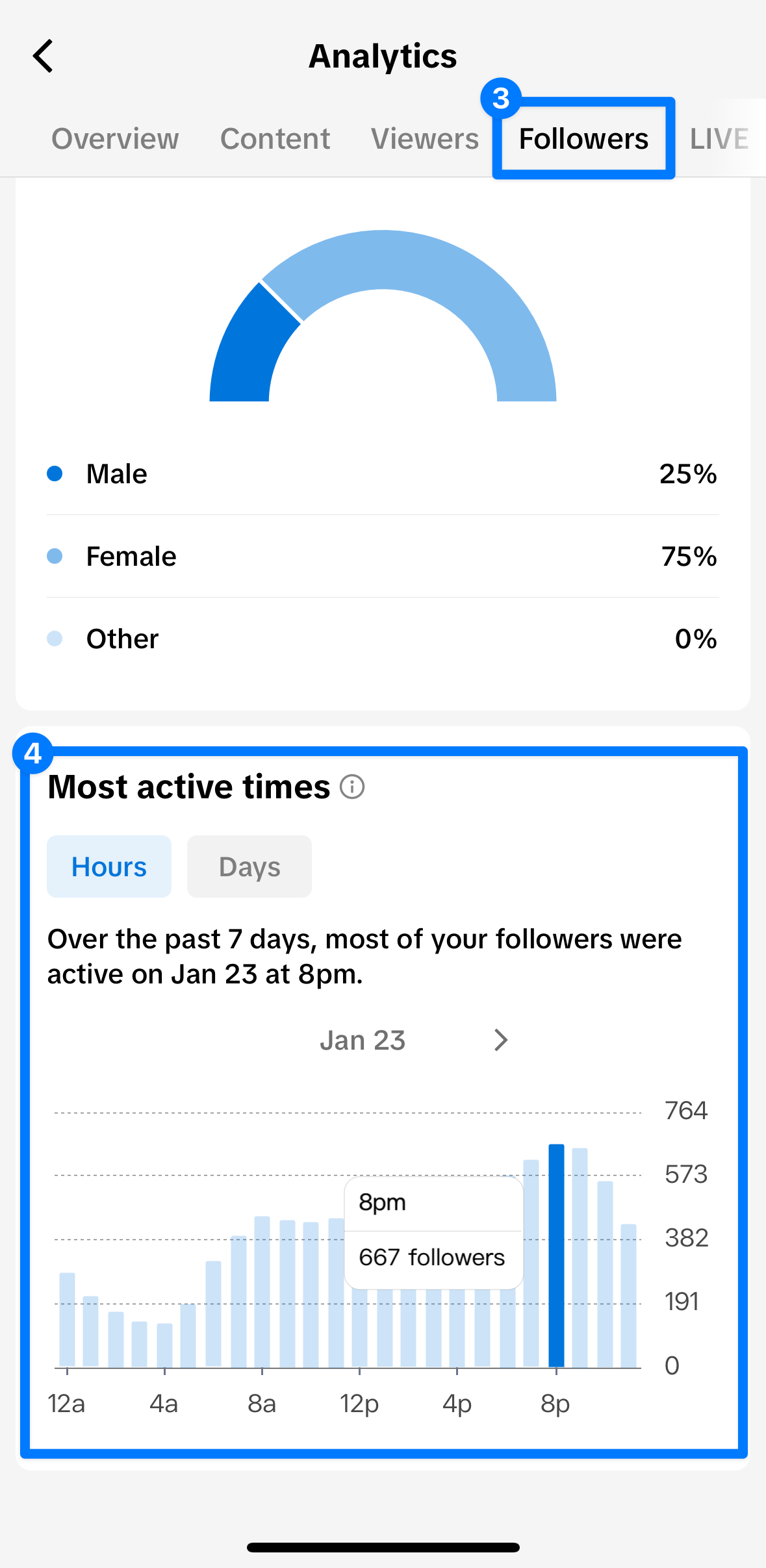
However, the ultimate strategy involves a combination of these global benchmarks and individual account analytics. By using the Buffer data as a foundational starting point and then refining based on specific follower behavior—visible through TikTok Studio Analytics—creators can maximize their odds of breaking through the noise. In a digital environment where attention is the most valuable currency, knowing exactly when to "hit publish" is no longer just a tactical advantage—it is a fundamental requirement for growth.