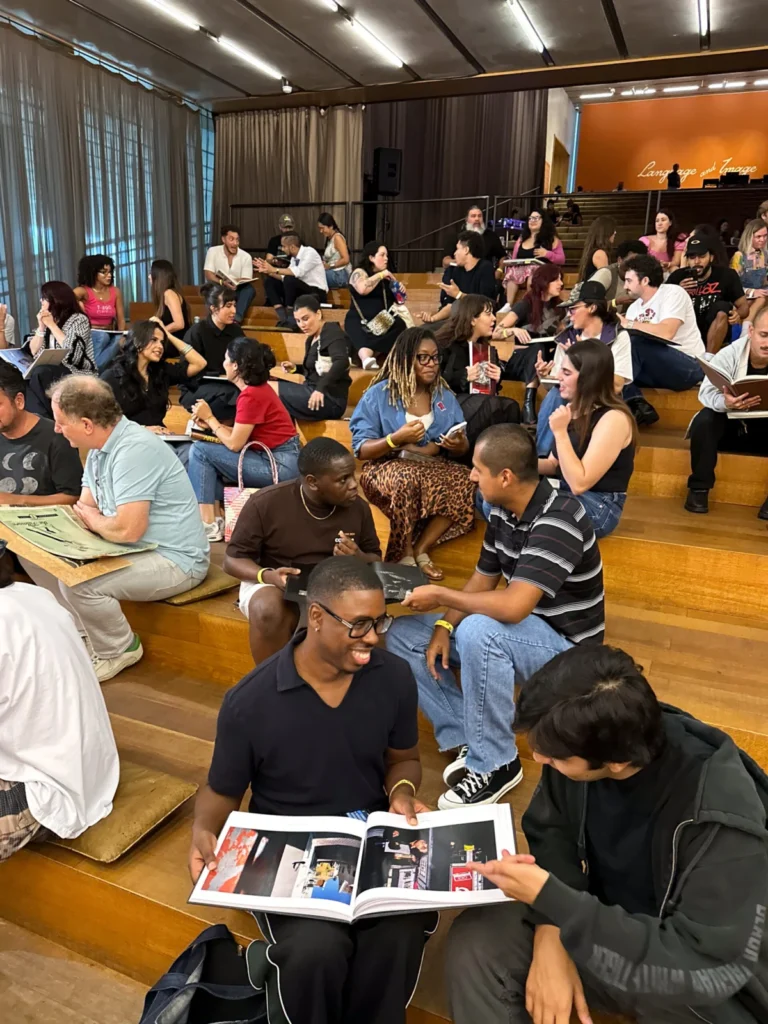

In an era increasingly dominated by algorithmic curation, artificial intelligence, and digital isolation, contemporary artists and cultural organizers are spearheading a countermovement centered on tactile, real-world engagement. Among the most innovative initiatives bridging the gap between artistic community-building and interpersonal connection is the Photo Book Speed Date, a participatory public program conceived by Miami-based photographer Josh Aronson. Designed to democratize cultural institutions and foster deep, unmediated dialogues, the project transforms the traditional gallery or museum space into a dynamic arena where strangers connect over the shared physical experience of photography books.
Origins and Conceptual Framework
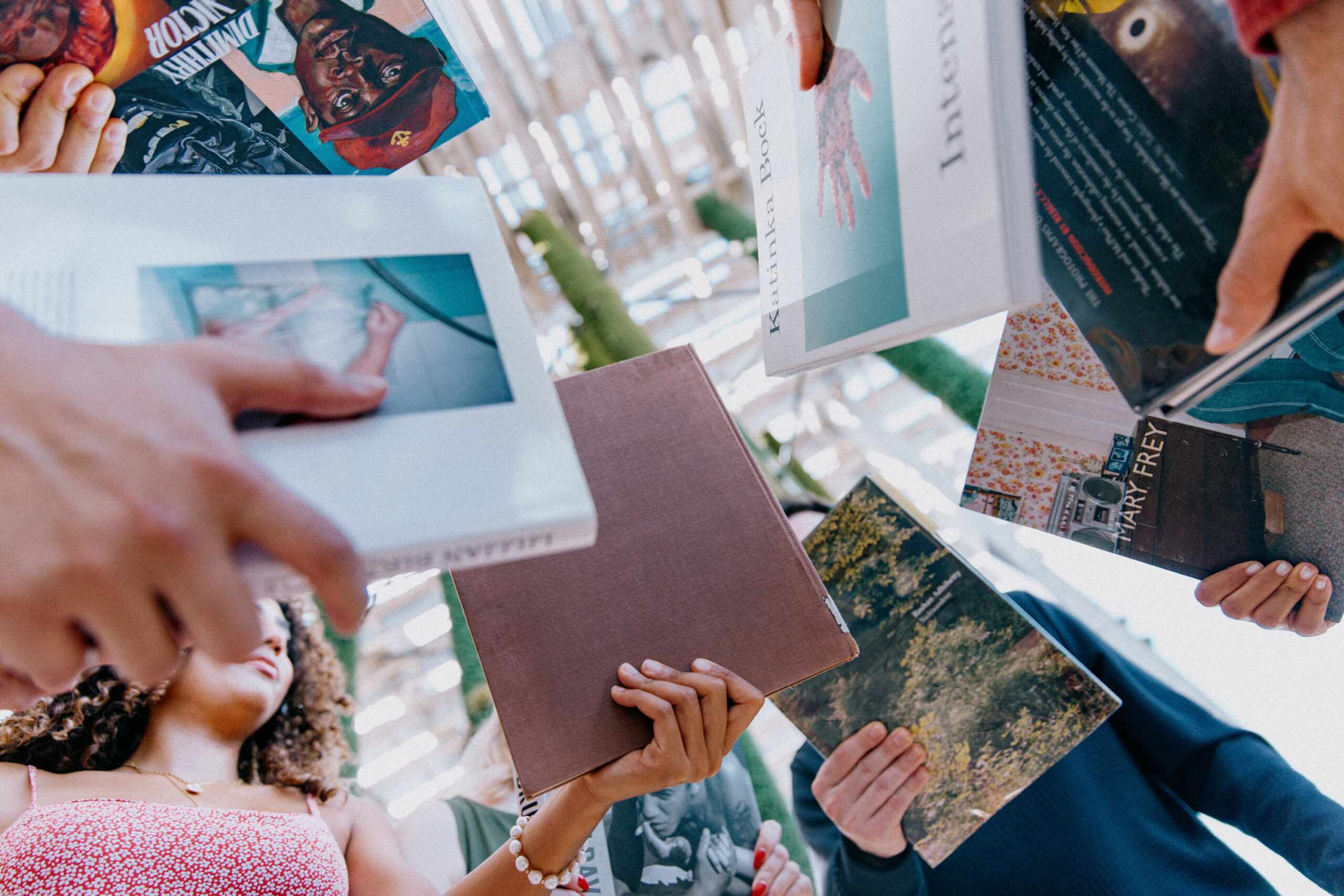
The genesis of the Photo Book Speed Date dates back to 2022, when Aronson was preparing for a solo exhibition at a commercial art gallery. Seeking a way to attract visitors that avoided the traditional, often insular format of the artist talk—which Aronson viewed as overly self-gratifying—he resolved to design an event that placed the audience on equal footing with creators. The conceptual seed was planted during a visit to a speed-dating-style photography night in New York City hosted by artist Shaniqwa Jarvis.
Aronson adapted this concept by introducing a participatory element rooted in a ubiquitous cultural object: the photo book. Operating on the premise that most photography enthusiasts and practitioners maintain at least one foundational book on their shelves that holds personal or creative significance, Aronson invited attendees to bring these volumes to share in structured, timed rotations.
What began as an experimental, low-stakes gathering during a rainy Wednesday evening the week of Thanksgiving quickly transcended expectations. The inaugural event filled the gallery to capacity, quickly exhausting the available seating as participants eagerly rotated through rapid-fire discussions centered on their chosen texts. The resounding success of this initial iteration laid the groundwork for an ongoing initiative that has since expanded into major cultural institutions, including the Pérez Art Museum Miami (PAMM).

Structure and Mechanics of the Event
The mechanics of the Photo Book Speed Date rely on intentional minimalism, eschewing heavy technology and large budgets in favor of direct human interaction. Participants are arranged in rows of seating facing one another across tables or open gallery floors. Armed with a single photography book of personal importance, attendees engage in timed conversations—typically lasting between five and ten minutes per round—before rotating to a new partner.
The conversational prompts are deceptively simple yet psychologically revealing: Why was this specific book chosen? What does it mean to the bearer? How does it influence their perspective or creative practice? According to Aronson, these constraints cultivate an atmosphere of intense focus and generosity. The physical nature of the medium—the weight of the paper, the texture of the binding, the olfactory qualities of ink and print—serves as an immediate icebreaker, grounding the abstract nature of artistic appreciation in a tangible object.

Rather than functioning purely as an academic seminar or a networking mixer, the program operates as a leveling mechanism. Museum and gallery spaces, which can frequently feel exclusionary or intimidating to the general public, are temporarily reframed as communal living rooms where institutional boundaries dissolve.
Broader Impact on the Creative Ecosystem
While the fast-paced format might suggest a superficial exchange, the long-term outcomes of the Photo Book Speed Date point to deep and lasting community integration. Over successive iterations, the program has catalyzed numerous professional collaborations, creative partnerships, and personal relationships. Photographers have utilized the space to connect with peers, publishers, and curators, while everyday art lovers have found access points into local creative ecosystems that might otherwise have remained inaccessible.

Sociologically, the initiative addresses a growing deficit in contemporary civic life. Public health data and psychological research consistently highlight a modern epidemic of loneliness, exacerbated by the shift of socialization from physical environments to digital interfaces. By reintroducing analog rituals into cultural spaces, Aronson’s project demonstrates how creative subcultures can actively combat digital fatigue.
Furthermore, the event serves as a living archive of contemporary artistic influences. By examining the books that practitioners hold dear, participants gain insight into the lineages of inspiration that shape modern photography. This mirrors a traditional studio mentorship model—studying the favorite artists of one’s peers—and scales it up into a public, inclusive forum.
Future Expansion and Global Outlook

Building on its success in Florida, the Photo Book Speed Date is entering a broader phase of institutional expansion. Organizers have mapped out an ambitious itinerary for upcoming editions, slated to reach major cultural hubs across the United States.
The program’s trajectory includes its official West Coast debut in California, return engagements in New York City, and specialized pop-ups in Miami centered around institutions deeply embedded in the local literary and visual arts infrastructure. This scaling process reflects a growing appetite within the global arts community for programming that prioritizes slow, deliberate human interaction over digital scale.
As cultural institutions grapple with declining in-person attendance and the omnipresence of AI-generated imagery, initiatives like the Photo Book Speed Date offer a compelling blueprint for the future. By anchoring community engagement in physical books and face-to-face dialogue, Josh Aronson’s project underscores an enduring truth: while technology may alter how images are distributed, the fundamental human need for shared spaces of appreciation and connection remains unchanged.