
In a strategic shift designed to address widespread digital fatigue among younger demographics, dating platform Bumble has launched a high-profile marketing campaign featuring social media megastar Alix Earle and comedian-actor Pete Davidson. The two-minute commercial leans heavily into self-awareness, acknowledging the prevailing cultural disillusionment with modern romance applications while positioning Bumble as a renewed alternative for Gen Z users. Released in November 2026, the campaign marks a departure from traditional tech advertising by directly confronting consumer skepticism, utilizing the heavily publicized dating histories of its celebrity endorsers to foster authenticity.
The Main Facts of the Campaign
The central narrative of the campaign revolves around Alix Earle—who boasts a massive following of 8.7 million on TikTok and 6 million on Instagram—publicly reconciling her well-documented disdain for dating apps with her partnership with Bumble. Star power is further amplified by the inclusion of Pete Davidson, an intentional casting choice given both figures’ frequent placement in tabloid headlines regarding high-profile, tumultuous relationships.
The campaign’s flagship two-minute film depicts a disastrous first date between Earle and Davidson. Throughout the dinner sequence, Davidson exhibits classic red flags: he subtly diminishes Earle’s career as a content creator, boasts excessively about his automobile, and ultimately fails to open the car door for her—a narrative nod to modern dating standards and hyper-specific pickiness.
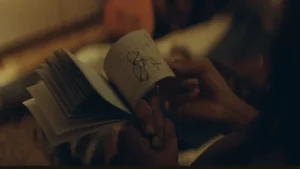
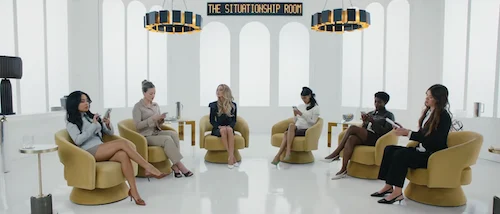
Following this failed interaction, the scene transitions to a "Situation Room" environment where Earle and a panel of female friends dissect their dating frustrations. Seeking a fresh approach to romance, the group humorously turns to historical texts for "old solutions," ultimately unearthing Bumble as a vintage relic of hope. The campaign rolled out across YouTube and Instagram, with complementary placements spanning television, digital banners, and out-of-home (OOH) billboards in major metropolitan hubs including New York and Miami.
Background Context: The Evolution of Gen Z Dating Culture
To understand the strategic rationale behind Bumble’s latest marketing maneuver, one must examine the broader socio-cultural shift regarding how younger generations approach digital courtship. Over the past several years, market researchers have documented a phenomenon known as "dating app fatigue" or "swipe burnout."

For millennials and early Gen Z users, apps like Tinder, Bumble, and Hinge revolutionized romance in the 2010s by gamifying the mating process. However, by the mid-2020s, the constant swiping, superficial interactions, ghosting, and paradoxical abundance of choice led to widespread mental exhaustion. Studies from various sociological and consumer research firms indicate that Gen Z, in particular, is increasingly seeking organic, offline connections or retreating from algorithmic matchmaking altogether.
Recognizing this existential threat to their user acquisition models, major dating conglomerates have been forced to pivot. Rather than attempting to convince consumers that their algorithms are magical or that swiping is inherently fun—a narrative that no longer resonates—smart platforms are choosing radical transparency. By partnering with Alix Earle, a creator famous for her unfiltered, confessional "Get Ready With Me" (GRWM) videos, Bumble is acknowledging the elephant in the room: everyone hates dating apps, yet the underlying human desire for connection remains unchanged.
Chronology of the Partnership and Creative Execution
The genesis of the Bumble-Earle collaboration lies in months of consumer insights analysis conducted by the platform’s marketing division. Recognizing that Earle had frequently expressed exasperation with the dating app ecosystem on her various channels, Bumble’s creative team opted not to scrub her history, but rather to weaponize it for comedic and authentic effect.
- Phase One: Audience Alignment Analysis: Bumble identified that Earle’s core demographic—young women aged 18 to 28—mirrors the exact target audience the platform needs to retain and acquire to combat churn rates.
- Phase Two: Casting and Script Development: The inclusion of Pete Davidson was finalized to maximize cultural resonance. Both Earle and Davidson share a history of hyper-publicized romantic endeavors, making them ironic yet relatable mascots for modern relationship struggles. The script was intentionally laden with subtle nods to contemporary dating culture, including a tongue-in-cheek reference to Earle’s heavily discussed past association with older professional athletes, such as Tom Brady.
- Phase Three: Production of the Flagship Commercial: The two-minute narrative film was produced with a cinematic, non-traditional aesthetic specifically designed to subvert the expectations of a standard corporate advertisement. By employing natural dialogue, deadpan humor, and satirical framing, the spot was engineered to feel native to social media feeds rather than a disruptive commercial break.
- Phase Four: Omni-Channel Rollout: The campaign officially debuted in late November 2026, anchoring its digital presence on YouTube and Instagram while driving localized brand awareness via high-impact OOH placements in New York City and Miami.
Supporting Data and Demographic Reach
The commercial viability of this campaign rests heavily on the unprecedented reach and engagement metrics of its primary star. Alix Earle’s influence within the lifestyle and beauty creator economy is formidable:
- TikTok Following: Approximately 8.7 million dedicated followers, characterized by exceptionally high engagement rates on confessional content.
- Instagram Following: Approximately 6 million followers, providing a secondary visual channel for campaign assets.
- Demographic Overlap: Over 75% of Earle’s audience falls within the key 18–34 age bracket, aligning precisely with Bumble’s core user base for its core dating app and friend-finding feature, Bumble BFF.
Furthermore, industry data reflects a pressing need for such creative interventions. According to financial reports from major online dating parent companies published throughout 2024 and 2025, paid user growth across the industry has plateaued or declined slightly as younger demographics opt out of traditional monetization models. Campaigns that successfully rebrand an app from a utility tool into a cultural statement are increasingly viewed by analysts as essential for reversing these trends.
Analysis of Implications and Industry Reactions

Marketing analysts and advertising experts have widely praised Bumble’s approach as a masterclass in reverse-psychology branding. By allowing an A-list influencer to voice genuine disdain for the medium, Bumble disarms skeptical consumers who might otherwise scroll past a traditional promotional spot.
Authenticity Over Perfection
In the current media landscape, hyper-polished corporate advertising is routinely rejected by digital-native audiences who value perceived authenticity above all else. By leaning into self-deprecating humor—showcasing a terrible date and acknowledging the absurdity of modern courtship—Bumble bridges the gap between corporate entity and relatable friend.
The De-Stigmatization of Dating Apps
For years, using a dating app carried a subtle social stigma, which platforms spent millions trying to erase through tales of "happily ever afters." This campaign pivots away from fairy-tale messaging entirely. Instead, it normalizes the friction, awkwardness, and frustration of modern romance, framing the app not as a magical matchmaker, but as a pragmatic tool for those who still hold onto hope amidst the chaos.
Broader Impact on the Competitive Landscape
As dating platforms navigate a post-pandemic, algorithm-weary market, the playbook established by Bumble’s November 2026 campaign is likely to influence upcoming competitor strategies. Traditional metrics of success—such as matching algorithms and feature lists—are taking a backseat to brand narrative and cultural alignment.
By capturing the "hope springs eternal" spirit through the lens of internet royalty, Bumble has positioned itself not merely as a software utility, but as a participant in contemporary cultural dialogue. Whether this self-aware transparency will translate into sustained long-term user retention and paying subscriptions remains to be observed through upcoming quarterly earnings reports, but initial digital engagement metrics suggest the campaign has successfully dominated the industry conversation.