
Brand loyalty has long been recognized as one of the most difficult commercial assets to build and the easiest to dismantle. In today’s hyper-connected, fragmented digital marketplace, this dynamic has intensified exponentially. Consumers no longer interact with brands solely through controlled corporate channels such as official websites or brick-and-mortar storefronts. Instead, they encounter enterprises across decentralized digital ecosystems, including decentralized social media platforms, independent creator communities, peer-to-peer review sites, and messaging forums. Concurrently, the proliferation of generative artificial intelligence and digital misinformation has fundamentally altered consumer trust, introducing unprecedented skepticism into everyday purchasing decisions.
Recent market data underscores the volatility of this environment. According to Sprout Social’s Q1 2026 Pulse Survey, approximately 35% of social media users report that their overall trust in digital content has eroded over the past year. Respondents attribute this decline primarily to the spread of misinformation, cited by 30% of participants, and the unregulated expansion of AI-generated content, cited by another 20%. Furthermore, 88% of surveyed users agree that advanced AI video tools have significantly diminished their trust in the integrity of news and information encountered on social channels.
These shifting consumer attitudes create immediate operational challenges for businesses. Customer sentiment can pivot rapidly within hours, meaning traditional lagging indicators—such as quarterly sales reports, lagging customer surveys, and historical transactional metrics—often arrive too late for marketing and customer service teams to act effectively. By the time corporate departments aggregate and analyze historical data, consumer perception may have already shifted irreversibly toward a competing enterprise. Consequently, maintaining long-term brand health increasingly depends on real-time social intelligence, cross-functional data integration, and immediate responsiveness to emerging audience narratives.
Defining Brand Loyalty Versus Brand Affinity and Awareness
To address these modern engagement challenges, corporate leadership must first differentiate between key psychological metrics that govern consumer behavior: brand loyalty, brand affinity, customer loyalty, and brand awareness. While these concepts frequently overlap, they measure fundamentally distinct phenomena.
Brand loyalty is defined as a consumer’s ongoing preference for a specific enterprise over its market competitors, driven primarily by emotional connection and deep-seated trust rather than mere convenience or habit. Observable markers of brand loyalty include repeatedly choosing the same commercial provider, proactively recommending the enterprise to peers, and retaining patronage even when competitors introduce aggressive pricing or more convenient geographic alternatives.

Conversely, brand affinity reflects the emotional resonance a consumer feels toward an enterprise, typically anchored in shared cultural values, personal identity, or aligned lived experiences. Customer loyalty, meanwhile, encapsulates repeat transactional behavior driven by structural relationship elements, such as loyalty rewards programs, exceptional customer service, or localized convenience. Finally, brand awareness measures baseline recognition and familiarity with a corporate name, visual logo, or product portfolio.
Industry analysts often compare brand loyalty to a long-term personal friendship, which cannot be forged through a single positive interaction. Trust accumulates incrementally through consistent, reliable experiences that demonstrate a brand understands consumer values. Conversely, repeated operational missteps gradually erode that foundation over time.
The Structural Evolution of Consumer Skepticism
The erosion of consumer trust represents a structural shift in how modern buyers discover and evaluate products. Historically, consumer journeys followed a linear trajectory controlled largely by corporate marketing departments. Today, a prospective buyer often discovers a product via an independent content creator, evaluates mixed-sentiment commentary on Reddit, and views a critical video review on TikTok long before ever visiting the brand’s proprietary digital properties. By the time the consumer engages directly with the enterprise, their purchasing stance is frequently solidified.
This decentralized discovery model exposes corporate messaging to heightened scrutiny. Consumers scrutinize commercial interactions for authenticity. An overly polished digital testimonial can trigger immediate suspicion if buyers suspect undisclosed generative AI involvement. Similarly, vague corporate responses to public criticism can exacerbate consumer frustration, while undisclosed sponsorships with digital influencers routinely backfire if the partnership lacks transparency.
Corporate data silos further exacerbate this vulnerability. Research from the Sprout Social Social Intelligence Report indicates that 86% of corporate professionals have missed strategic business opportunities over the past two years due to consumer insights that were delayed, siloed, or underutilized within their organizations. Specifically, 33% of respondents identified reacting too slowly to structural market shifts as their most frequent operational failure. Furthermore, only 10% of surveyed organizations reported the technological capability to act upon a social insight within hours of its emergence.
The Operational Consequences of Siloed Data
The friction between corporate listening and organizational execution remains a critical vulnerability. Disconnected operational systems frequently capture disparate segments of the consumer experience. Social media teams monitor public sentiment, customer support centers track private ticketing queues, and product development divisions rely on long-term market research. When these data streams remain isolated, enterprises struggle to detect early warning signs of churn.
According to Sprout Social’s Q4 2025 Pulse Survey, 55% of consumers believe that contemporary brands excel at listening to public feedback but frequently fail to act upon what they hear. Only 31% of respondents stated that brands execute both listening and acting effectively. For modern enterprises, passive social listening is no longer sufficient; organizations must bridge real-time audience signals with transactional customer data to address operational friction before consumer dissatisfaction manifests as churn.
Strategic Frameworks for Building Enduring Brand Loyalty
To cultivate resilient brand loyalty, modern organizations are adopting proactive, integrated frameworks centered on six core strategic pillars:
-
Comprehensive Social Listening Beyond Owned Channels
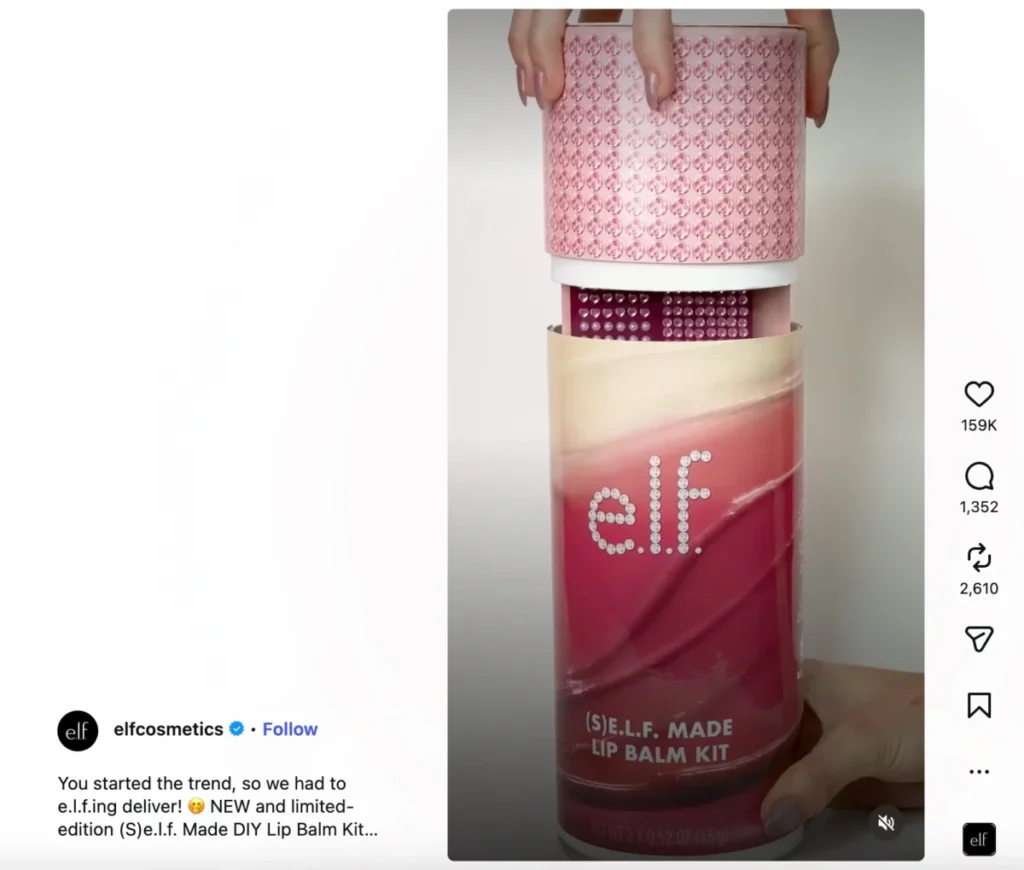
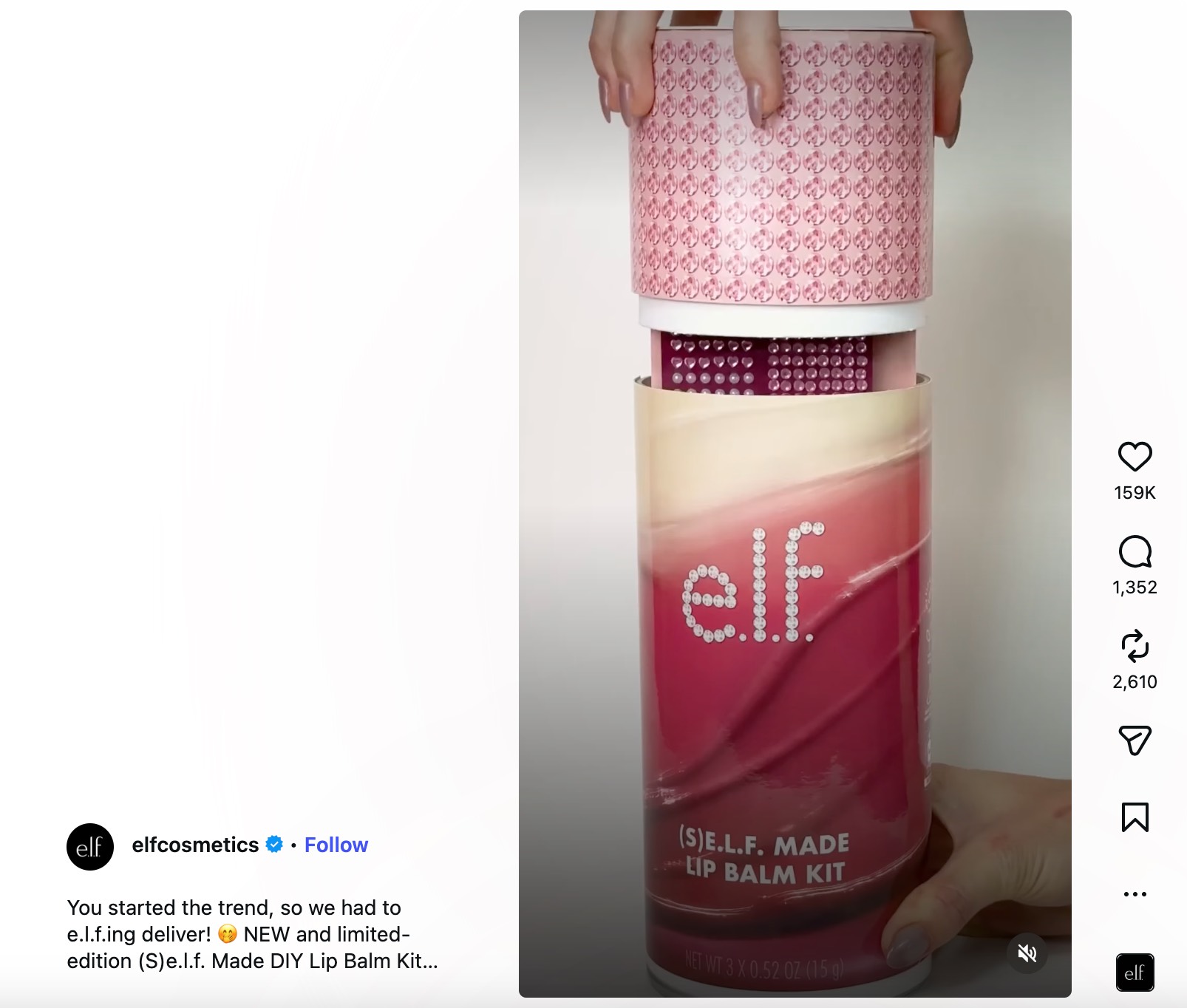
Enterprises must monitor conversations occurring outside their controlled digital properties. Tagged mentions and official post comments capture only a fraction of public discourse. Comprehensive social media listening and media intelligence enable corporate teams to track unprompted discussions across Reddit threads, independent creator comment sections, and broad industry forums. For example, beauty brand e.l.f. Cosmetics successfully leveraged social listening by identifying an emerging DIY lip gloss trend on social media and rapidly translating that organic consumer behavior into a limited-edition product release, bypassing traditional, protracted product development cycles. -
Translating Unprompted Feedback into Product Innovation
Public discourse frequently contains valuable product hacks, architectural critiques, and feature requests. Routing these unstructured comments directly to product development and research divisions converts everyday consumer chatter into actionable business intelligence. Oatly implemented this strategy during the development of its Matcha Latte product line, utilizing social data gathered from Reddit, X, and Instagram—alongside TikTok creator reviews—to validate market demand before formalizing product R&D investments. -
Demonstrating Public Accountability
Consumers respond positively when enterprises transparently acknowledge operational missteps and demonstrate how public feedback influenced corporate change. Burger King exemplified this approach through its "There’s a New King and It’s You" advertising campaign, which explicitly acknowledged historical gaps between brand promises and actual customer experiences by incorporating authentic social media commentary. By signaling that consumer perspectives directly dictate corporate adjustments, enterprises build tangible credibility.
-
Delivering Best-in-Class Digital Customer Care
Because social networks function as primary customer service channels, support interactions frequently occur in public view. Rapid, personalized responses reinforce existing relationships, whereas delayed or generic resolutions prompt consumers to evaluate alternatives. Integrating social media management platforms with enterprise CRM systems—such as Salesforce integrations—allows customer support teams to access complete consumer histories without navigating disconnected software architectures. -
Strategic Collaborations with Micro-Influencers and Everyday Creators
The proliferation of influencer marketing requires careful navigation. Industry data indicates that 57% of consumers place their trust in everyday users and micro-influencers for authentic product recommendations, compared to just 9% who trust mega-influencers. Niche creators effectively bridge the trust gap by combining broad audience visibility with peer-level relatability, enabling brands to scale reach without compromising credibility. -
Empowering Frontline Employees as Brand Advocates
Employee-generated content offers audiences an authentic, humanized perspective on corporate culture and technical expertise. Statistics show that 40% of consumers discover a product or service through employee-shared content at least monthly. Structured employee advocacy programs provide staff with compliance-approved content templates while preserving individual voices, fostering deeper audience familiarity.
Measuring and Sustaining Brand Loyalty
Because brand loyalty encompasses both behavioral and attitudinal dimensions, relying on a single metric provides an incomplete assessment. Historical behavioral data—such as repeat purchase rates, customer retention figures, and transactional frequency—offers reliable lagging indicators of past performance. However, these metrics cannot explain why loyalty fluctuates.
Integrating real-time sentiment analysis and share-of-voice tracking provides essential context, capturing current emotional resonance and shifts in public perception. A decline in repeat purchases carries heightened urgency when contemporaneous social data reveals escalating consumer frustration regarding pricing or service standards. Conversely, rising sales coupled with positive sentiment trends validate long-term brand equity growth.
As enterprises look toward the future, sustaining brand loyalty requires continuous vigilance, transparent disclosure regarding generative AI applications, and proactive risk management to address consumer fatigue. By integrating real-time social intelligence with cross-functional operational workflows, modern organizations can bridge the gap between audience listening and strategic execution, securing lasting customer relationships in an increasingly skeptical digital landscape.