
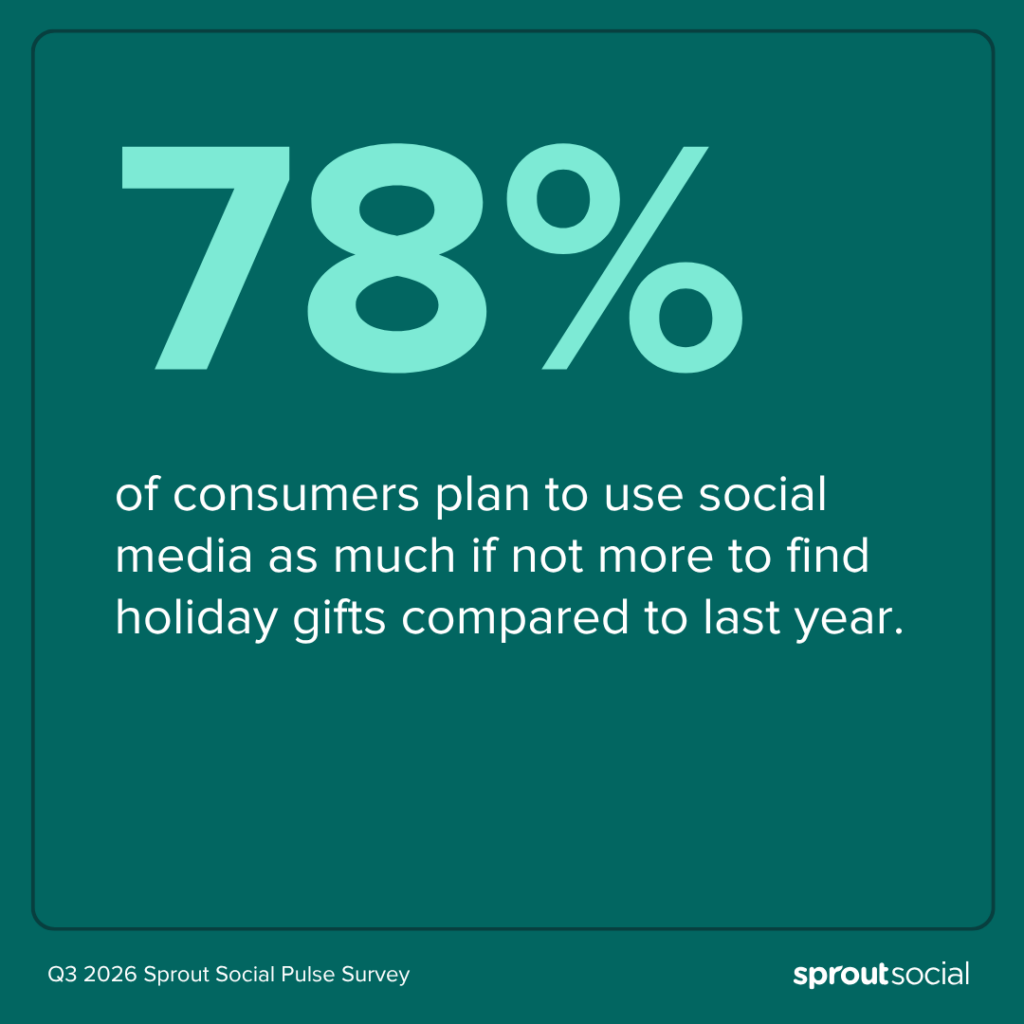
The convergence of shifting macroeconomic indicators, evolving consumer search habits, and platform-native commerce is fundamentally transforming the upcoming holiday retail season. According to data from the Q3 2026 Sprout Social Pulse Survey—which gathered insights from 2,286 consumers across the United States, the United Kingdom, and Australia—more than three-quarters (78%) of shoppers plan to utilize social media platforms as much as, or more than, they did last year to source and evaluate holiday gifts. This reliance underscores a broader structural shift: social media has transcended its origins as a top-of-funnel discovery tool to become an integrated, end-to-end retail ecosystem encompassing product research, price comparison, transaction execution, and post-purchase customer service.
The data reveals a complex retail environment shaped by lingering supply chain adjustments, tariff-related price anxieties, and a tightening consumer wallet. As brands prepare for the critical fourth-quarter sales window, understanding these behavioral dynamics is essential for navigating market volatility and meeting heightened consumer expectations for value and responsiveness.

The Disconnect Between Campaign Timing and Consumer Intent
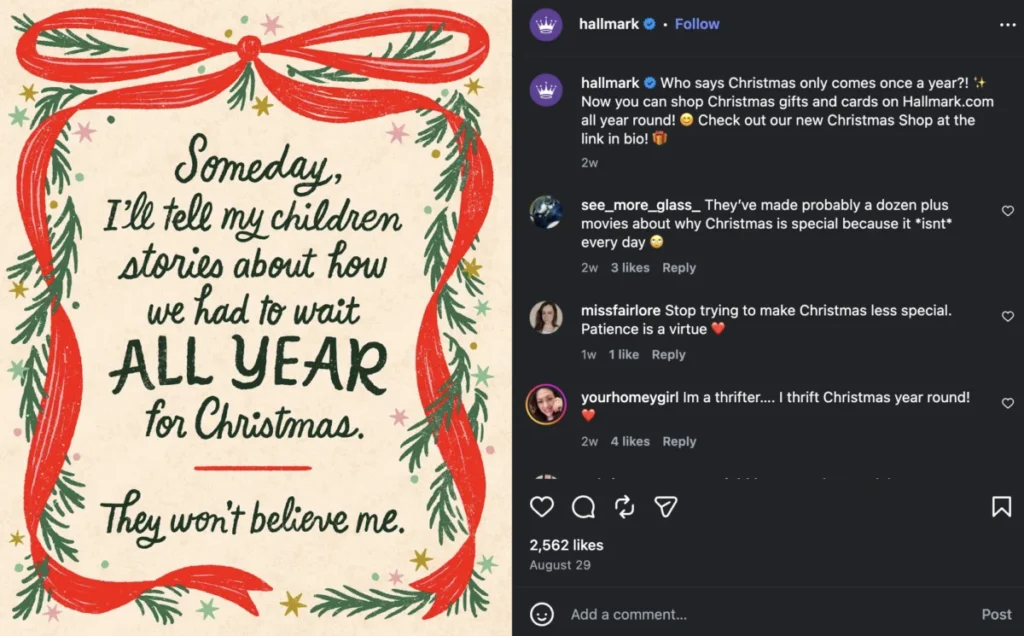
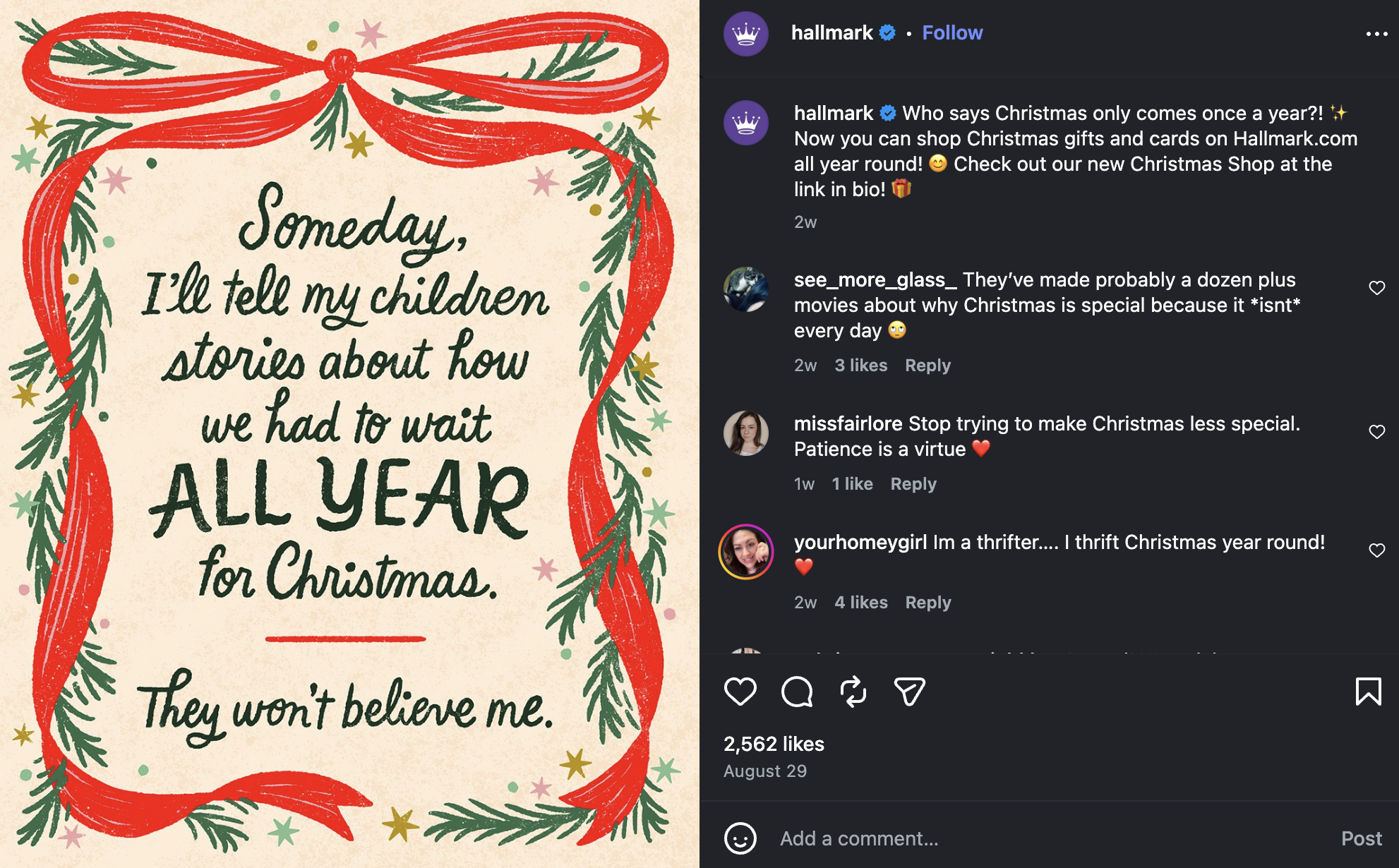
The timeline for holiday marketing has historically crept earlier into the calendar year, driven by brands seeking to capture early-bird spending and mitigate fourth-quarter logistics congestion. In mid-2026, marketplace phenomena such as "Summerween" celebrations in June, early pumpkin spice rollouts by major coffee chains in August, and pre-season holiday inventory showcases by traditional retailers like Hallmark exemplified this accelerated schedule.
However, consumer sentiment regarding these early rollouts reveals a distinct paradox. According to the survey data, 50% of consumers believe brands should initiate holiday advertising campaigns in October, reflecting a preference for a more traditional timeline compared to the August and September preferences recorded in 2025.
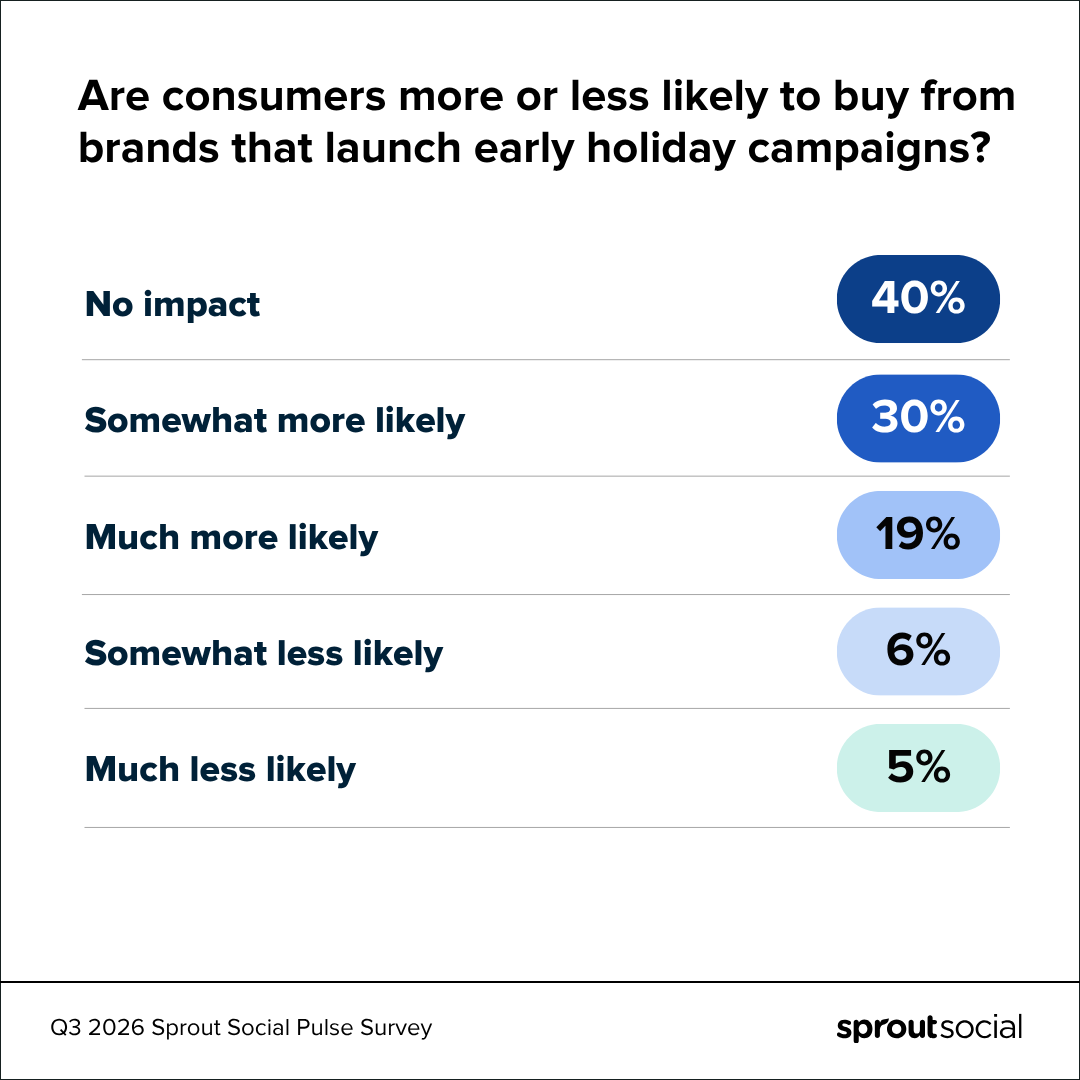
Despite this stated preference for later campaigns, actual purchasing behavior tells a different story. Forty percent of respondents reported that holiday campaigns launching as early as August have no impact on their purchasing decisions, while nearly 50% indicated they are either somewhat more likely or much more likely to buy from a brand that advertises in August. This divergence demonstrates that campaign timing is rarely a primary deterrent or motivator for the modern shopper. Instead of debating the calendar month for campaign deployment, retail strategists are advised to concentrate resources on message resonance, product utility, and clear value propositions.
Economic Pressures, Tariffs, and the Acceleration of Shopping Timelines
While campaign launch dates exert minimal influence over conversion rates, macroeconomic pressures are heavily dictating holiday shopping habits in 2026. Ongoing discussions surrounding tariffs and inflationary pressures have created a widespread climate of financial caution among consumers.
The survey data highlights these economic headwinds: 69% of consumers expressed concern regarding potential price increases driven by tariffs, and 56% stated an intention to reduce their overall holiday spending compared to previous years. Consequently, 36% of shoppers plan to initiate their holiday purchases significantly earlier than usual, bypassing campaign timing preferences entirely in favor of budget preservation and avoiding anticipated future price hikes.
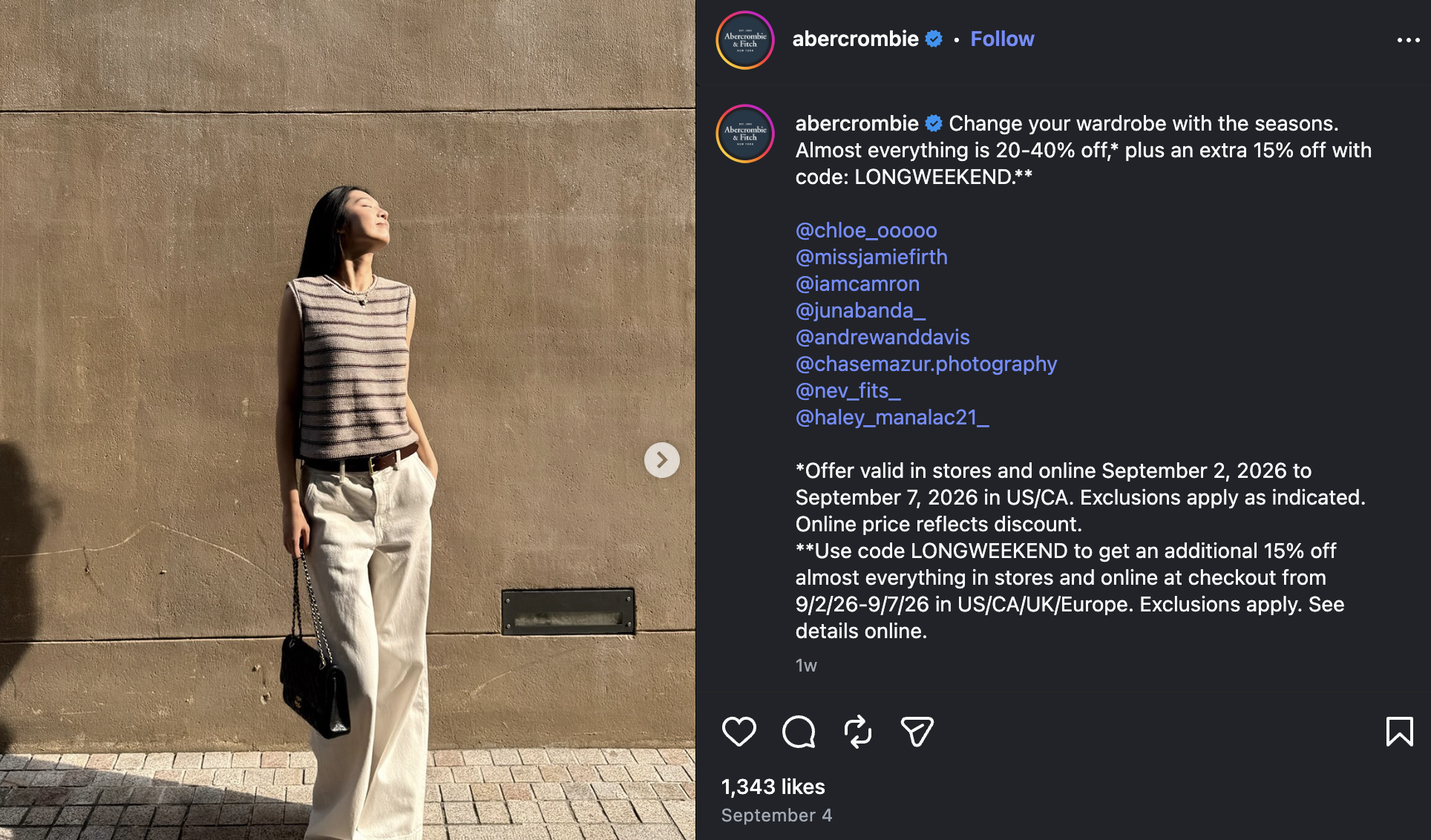
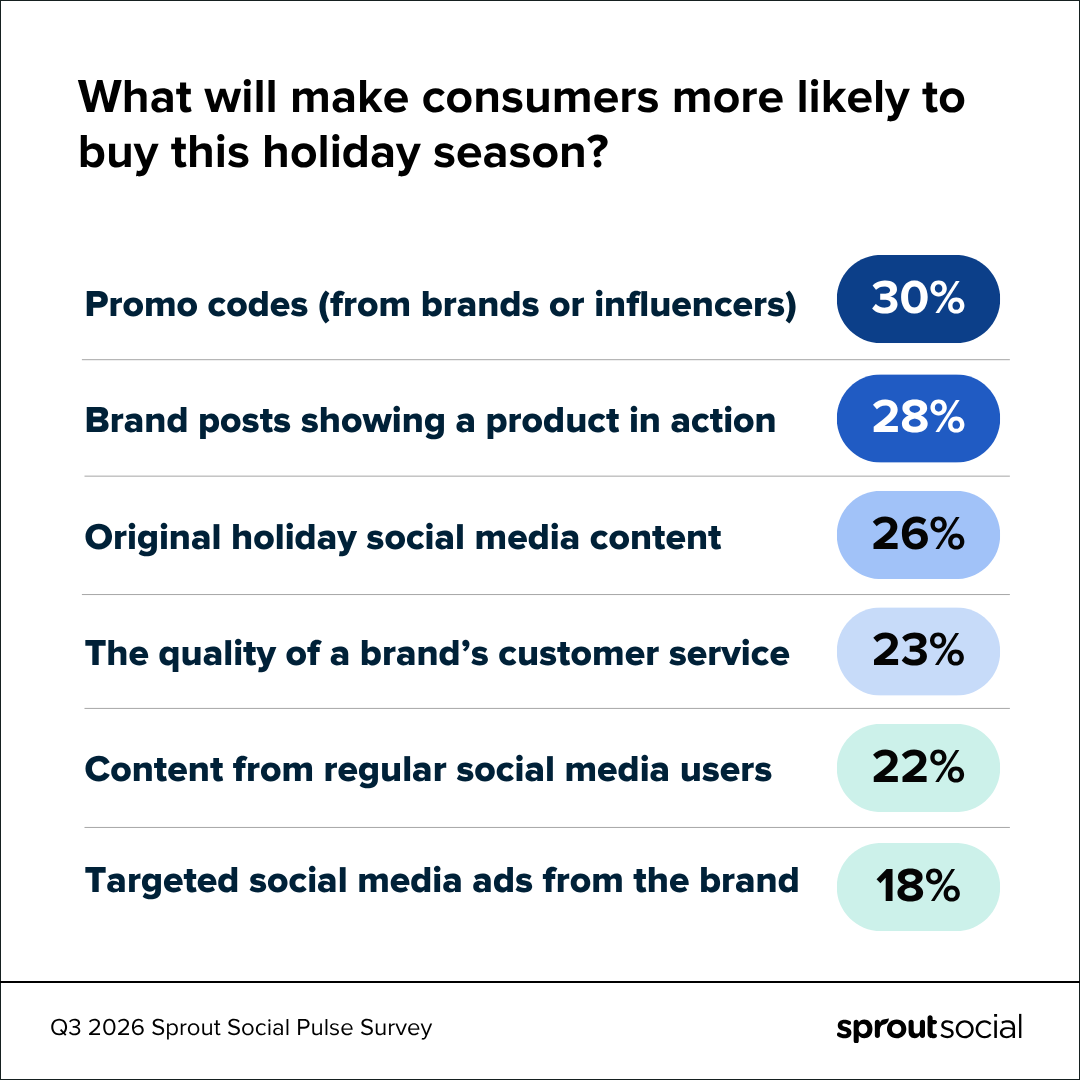
To secure conversions within this constrained economic climate, brands must adapt their promotional strategies. Thirty percent of consumers identified promotional codes—whether sourced directly from brands or through influencer partnerships—as the single most persuasive tactic to drive purchasing decisions. This emphasizes the critical need for transparent discounting, bundled offerings, and value-driven messaging throughout the holiday sales cycle. Furthermore, 28% of consumers look for brands to demonstrate product functionality in action, while 23% prioritize original, holiday-specific creative content. These figures mark a pivot from 2025 trends, where customer service responsiveness and user-generated content held primary influence over purchase intent.
Social Media as the Primary Discovery and Transaction Engine
The evolution of social media into a primary search engine has accelerated significantly over the past year. Earlier findings from Sprout’s Q2 2026 research demonstrated that consumers increasingly prefer social search over traditional search engines for experiential, highly visual, or peer-reviewed information, such as local dining recommendations or product reviews.
During the holiday season, this behavior scales dramatically. Social media has tied with physical retail stores as the premier destination for holiday gift discovery, with 46% of consumers turning to social platforms for ideas. Among younger demographics—specifically Gen Z and Millennials—social media claims the undisputed top spot, with at least half of these cohorts relying on social feeds to determine their gift purchases.
Crucially, discovery is no longer decoupled from transaction. Over half of surveyed consumers reported openness to completing purchases directly within social media applications. The expansion of native commerce features, such as TikTok Shop, Facebook Shops, and Instagram Checkout, provides brands with a frictionless pathway from inspiration to conversion, effectively shortening the sales funnel and capturing high-intent traffic at the moment of discovery.
The Escalating Demand for Social Customer Service and the Integration of AI
As social platforms absorb a larger share of the retail journey, the volume of customer service inquiries directed through social channels is experiencing a corresponding surge. Eighty-six percent of users plan to use social media as much as, or more than, last year to resolve customer service queries during the 2026 holiday season.
Platform preferences for customer service span multiple channels, led by TikTok (50%), Facebook (46%), and Instagram (44%), with secondary volume occurring on platforms like X (28%) and WhatsApp (17%). Direct messaging remains the preferred communication method for 55% of consumers across all generations; however, public comment sections are emerging as a significant touchpoint, with 31% of users stating they will seek assistance directly within public comments.
This public visibility raises the stakes for brand reputation management. Speed is paramount in social customer service: 70% of consumers expect a response from a brand within 24 hours of reaching out, and 89% state that response time directly influences their perception of the brand. Given that public comment interactions are visible to prospective buyers, delayed or mishandled inquiries carry immediate brand equity risks.
To manage the anticipated influx of holiday support tickets without compromising response times, many retailers are turning to artificial intelligence. AI tools capable of prioritizing incoming messages, analyzing sentiment, and drafting initial responses offer a viable solution to resource constraints. Consumer acceptance of these technologies is notably high, with 70% of shoppers expressing comfort with brands utilizing AI to expedite customer service tasks—a figure that rises to 77% among Gen Z.
Industry analysts emphasize that while AI can effectively streamline backend routing and triage, maintaining a human-in-the-loop framework is vital to preserve the personalization and empathy that consumers expect during high-stress shopping periods. Brands that pair automated efficiency with robust self-help resources, updated FAQs, and trained support teams are positioned to protect their reputation and maximize customer retention through the new year.
Broader Implications and Strategic Outlook for Retailers
The 2026 holiday shopping season is defined by a distinct convergence of financial prudence and digital-first consumer behavior. As economic pressures and tariff concerns drive shoppers to prioritize value, seek out promotional discounts, and initiate purchases earlier than traditional schedules dictate, brands must respond with agility.
The evidence from the Q3 2026 Sprout Social Pulse Survey indicates that success this season will not hinge on adhering to rigid campaign launch calendars, but rather on executing cohesive, value-driven journeys across social platforms. By leveraging influencer partnerships for authentic product demonstrations, optimizing content for social search, embracing native checkout integrations, and maintaining responsive, AI-assisted customer care, retailers can effectively navigate economic headwinds and convert high-intent social traffic into long-term customer relationships.