
The contemporary digital landscape is undergoing a profound structural reckoning, characterized by widespread audience fatigue and professional burnout among digital marketers. With more than 5.5 billion individuals actively participating in social networks worldwide—dedicating an average of two hours and twenty minutes daily to these platforms—the sheer volume of digital communication has officially eclipsed human cognitive processing capacity. Modern consumers are perpetually connected yet profoundly disengaged, navigating feeds dictated by opaque algorithmic curation rather than genuine interpersonal connections. This hyper-accelerated cycle of transient trend cultures, fleeting memes, and an unprecedented deluge of synthetic artificial intelligence content has imposed a hard ceiling on the cognitive and emotional bandwidth available to audiences.
The Anatomy of Peak Social Media Saturation
The primary driver of this modern saturation crisis is an relentless, compounding volume of corporate and user-generated output. According to empirical data compiled in industry benchmarks, corporate entities published an average of 9.5 posts per day across various networks throughout 2024, a figure that frequently doubles or quadruples within consumer-facing and high-velocity media sectors.
This relentless production schedule stands in stark contrast to shrinking human attention spans. Scientific research indicates that the average human attention span on a digital screen plummeted from 2.5 minutes in 2004 to a mere 47 seconds by 2023. Paradoxically, as trends accelerate and consumer migration toward short-form video formats intensifies, marketing teams face mounting institutional pressure to amplify their posting frequencies. This counterproductive cycle exacerbates the digital cacophony, compelling 87% of marketers to expand their footprints onto nascent platforms in desperate bids to capture dwindling engagement rates. Instead of fostering connection, this scattershot methodology merely contributes to systemic noise.
Compounding this human-driven output is the explosive integration of generative artificial intelligence into daily workflows. Between December 2025 and August 2026, social listening metrics identified over 10.8 million distinct mentions of terms like "slop" and "AI slop" across public digital discourses, signaling deep consumer resentment toward automated, low-effort content. Major platforms have begun responding directly to this shift; notably, professional networking giant LinkedIn introduced a dedicated flagging mechanism for low-quality automated material that garnered over one million user reports within its first month of deployment. This proliferation of synthetic content introduces severe brand safety challenges, forcing communications teams to simultaneously manage their internal publishing calendars while actively monitoring feeds for corporate misinformation and algorithmic degradation.
Chronology and Platform Fragmentation
The destabilization of the digital ecosystem is further accelerated by chronic platform fragmentation. Over the past decade, the social media paradigm has evolved from a concentrated duopoly of legacy networks into a fractured archipelago of specialized applications featuring distinct algorithmic parameters and demographic behaviors.
Chronologically, the landscape experienced a period of relative stability in the early 2010s, followed by hyper-growth and rapid feature convergence in the subsequent decade. The period between 2022 and 2026 witnessed a dramatic acceleration of this volatility. The sudden rise and subsequent decline of alternative networks like BeReal highlighted the ephemeral nature of consumer loyalty, while the steady maturation of decentralized or alternative protocols—such as Meta’s Threads, Bluesky, and Mastodon—fractured audience attention even further. Concurrently, legacy platforms continuously overhauled their algorithmic delivery systems, pivoting aggressively toward interest-based recommendation graphs rather than chronological, social-graph-based feeds. This structural volatility has left digital strategists grappling with profound uncertainty regarding which content formats will achieve viability today versus tomorrow.

Case Study: Insight-Led Storytelling in Practice
To combat diminishing returns, industry leaders are increasingly abandoning high-frequency, low-yield publishing models in favor of precision storytelling rooted in audience intelligence. A prominent example of this strategic pivot involves enterprise software leader BMC, which utilized advanced social data analytics to overhaul its digital communications framework.
Historically, BMC maintained a standard corporate cadence of daily promotional messaging. However, deep-dive social listening analyses revealed a distinct behavioral trend: while promotional product assets yielded negligible engagement, the brand’s thought leadership content consistently drove meaningful audience interaction. Metrics indicated that when corporate messaging successfully bridged broad industry macro-trends with specific customer pain points and distinct brand viewpoints, audience resonance spiked dramatically.
Acting upon these empirical insights, BMC executed a comprehensive strategy reset. The organization curtailed its high-frequency daily posting schedule and consolidated its narrative efforts into a flagship editorial vehicle entitled The BMC Briefing. Distributed as a monthly newsletter format, this initiative successfully integrated product education, authentic customer narratives, and high-level industry perspectives. By prioritizing editorial depth over algorithmic frequency, BMC transformed its digital presence from a source of ambient noise into a trusted resource for its professional community.
Strategic Imperatives for Modern Brands
Overcoming the systemic hurdles of social media saturation requires a fundamental recalibration of corporate marketing playbooks. Organizations seeking to preserve brand equity and capture meaningful attention must adopt specific, evidence-based operational rituals.
Investment in Hyper-Original Content
In an era saturated by automated text and synthetic media, originality has emerged as the premier currency of digital distinction. Recent consumer surveys indicate that the perceived originality of a brand’s content ranks second only to core product and service quality as the primary determinant of brand loyalty on social media.
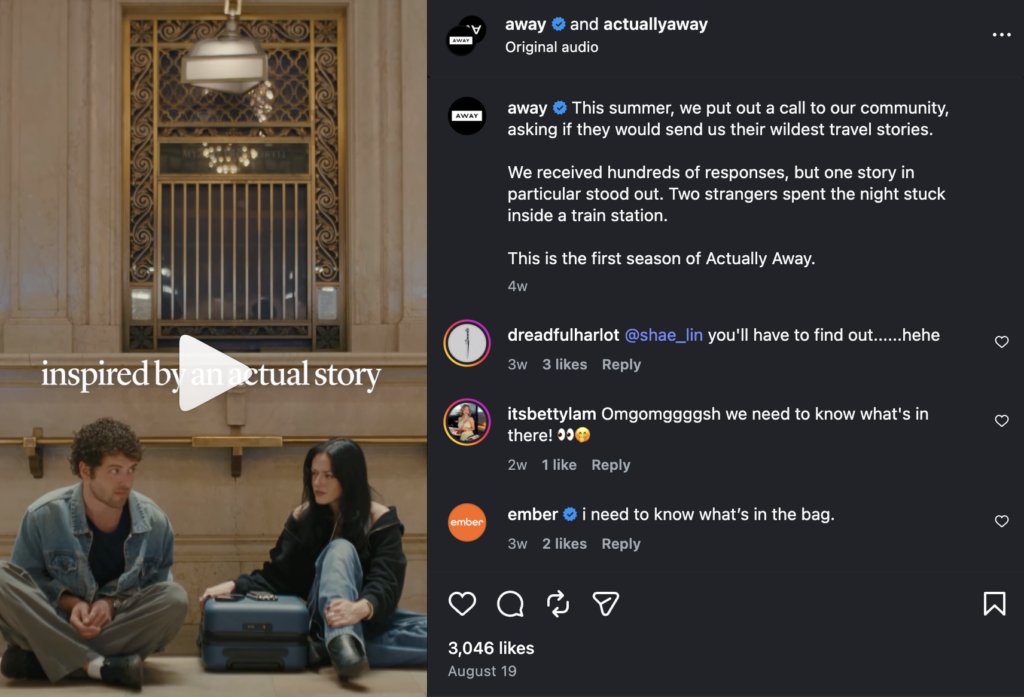
Forward-thinking enterprises are actively countering generic feeds by deploying highly stylized, original formats. Companies such as travel brand Away and apparel retailer Nuuly have pioneered the use of serialized microdramas on platforms like Instagram and YouTube Shorts. These narrative-driven assets serve a dual purpose: they subtly contextualize product utility while providing genuine creative escapism for consumers fatigued by homogenized corporate advertising. Brands must rigorously identify and leverage their unique organizational differentiators to produce assets that competitors cannot easily replicate.
Granular Audience Calibration
Capturing consumer attention necessitates an intimate, data-driven understanding of consumption preferences across distinct demographic segments and platform environments. With virtually all major networks offering robust video ecosystems, social media teams must exercise surgical precision regarding content length, framing, and contextual placement.
Empirical data illustrates stark generational divides in video consumption habits. For instance, when presented with video content exceeding one minute within standard feeds, Generation Z audiences exhibit remarkably low immediate-skip rates (14%), whereas Baby Boomers demonstrate the highest propensity to immediately swipe away (33%). Crucially, however, broad aggregate data reveals that 44% of all consumers remain willing to consume extended video content provided the opening five seconds establish immediate value. Across all demographics, foundational demands for education and entertainment—popularized as "edutainment"—remain dominant, underscoring the necessity of aligning format investments with precise audience habits.
Data-Driven Cultural Alignment
The ongoing debate surrounding corporate participation in viral culture and trendjacking has reached a definitive consensus: cultural relevance remains vital, provided it is executed with rigorous restraint. Comprehensive digital pulse data indicates that 84% of consumers consider it important for corporate social media channels to reflect contemporary online culture.
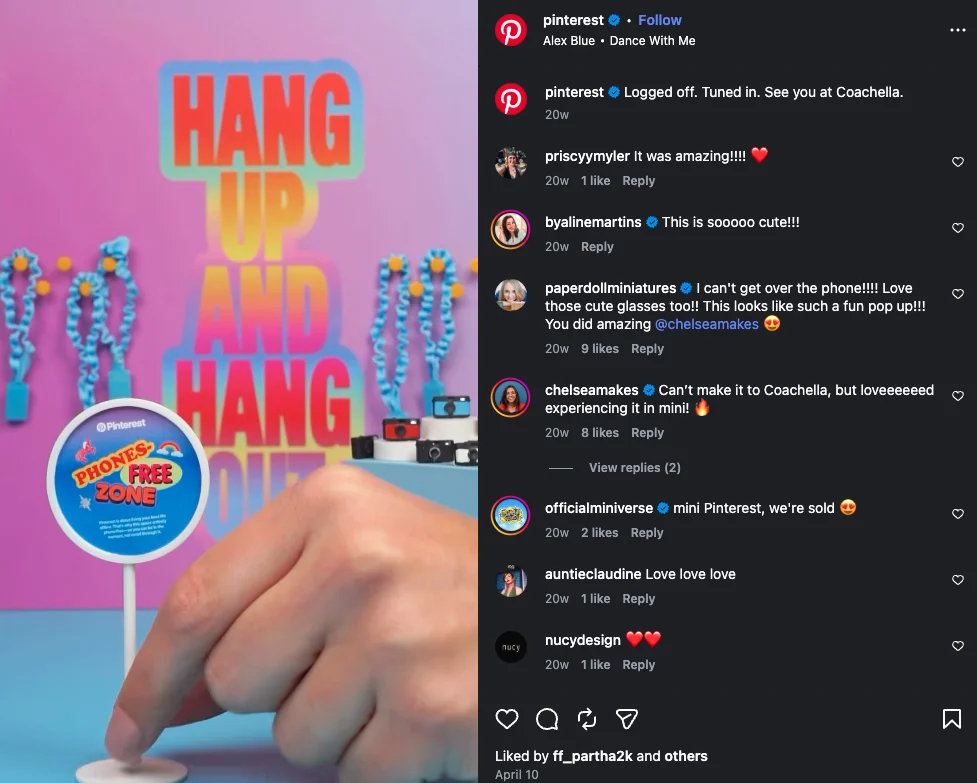
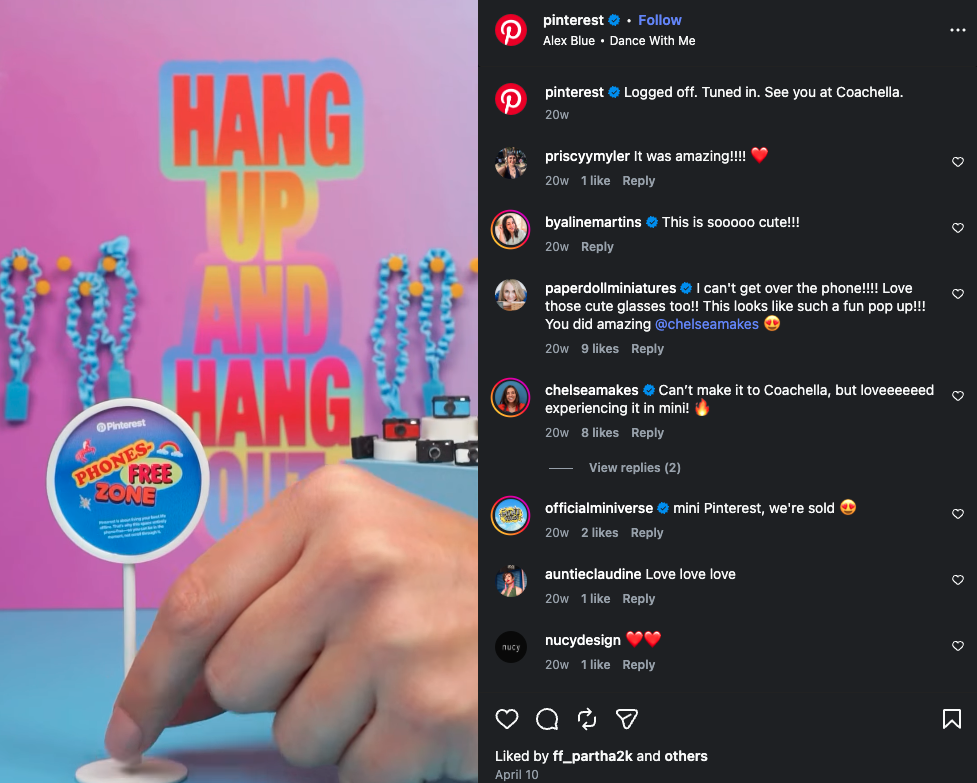
However, indiscriminate trendjacking contributes directly to the volume of digital slop. Successful brands utilize social intelligence platforms to evaluate whether a cultural moment genuinely aligns with their core brand identity before committing resources. A notable illustration of this disciplined approach involves Pinterest’s physical activation at the Coachella Valley Music and Arts Festival. Rather than deploying a purely digital or augmented reality experience, Pinterest leveraged internal search data revealing a 260% surge in platform searches for an "analog aesthetic." Translating this insight into the physical realm, the brand engineered a phone-free, analog activation featuring custom charm-making and junk journaling. By grounding a cultural moment in authentic platform data, Pinterest delivered a culturally resonant experience tailored specifically to its community values.
Reformation of Success Metrics
As legacy distribution models strain under the weight of algorithmic saturation, forward-looking marketing organizations are aggressively advocating for the retirement of vanity metrics—such as raw impressions and top-line reach—in favor of deeper engagement indicators. Industry indices demonstrate that leading marketers consistently prioritize qualitative metrics, including comments, shares, and direct community interactions.
This metric evolution reflects a fundamental economic reality: a passive impression holds negligible commercial value compared to an interaction that compels a user to actively share or discuss content within their personal network. Social media professionals are increasingly utilizing the current saturation crisis to establish targeted community growth and resonance goals, shifting institutional focus away from empty volume and toward sustainable engagement.
Implications for the Future of Digital Communications
The persistence of social media saturation marks the end of an era defined by unchecked publishing volume and algorithmic exploitation. While the proliferation of generative artificial intelligence and platform fragmentation introduces complex operational hurdles, these exact pressures are forcing a long-overdue professional maturation within the digital marketing industry.
Brands that successfully navigate this environment will be those willing to experiment with reduced production volumes, elevated creative originality, and rigorous audience alignment. Ultimately, while social networks operate via complex mathematical algorithms, achieving enduring connection in a crowded digital world remains a distinctly human enterprise. Organizations that master the art of intentionality will not only survive the saturation crisis but will redefine the standards of modern brand storytelling.
Frequently Asked Questions
What is social media saturation?
Social media saturation represents the tipping point where the volume of content published across digital networks permanently outpaces the cognitive capacity and willingness of audiences to consume it. This dynamic results in increased content production, diminished attention spans per individual post, and rapidly declining return on investment for high-frequency publishing strategies.
Is social media marketing saturated?
Yes, organic social media channels are heavily oversaturated from a per-post return perspective. Across nearly every major network, organic engagement rates have experienced prolonged declines while aggregate publishing volumes have remained elevated or increased. However, oversaturation does not equate to a lack of effectiveness; rather, it signifies that the baseline cost of securing consumer attention has risen exponentially, rendering undifferentiated content obsolete.
How much content are brands publishing on social media?
According to comprehensive industry benchmarks, corporate brands publish an average of 9.5 posts per day across their collective network portfolios. Consumer-facing brands and enterprise media organizations frequently exceed this baseline significantly, with specific publishing entities averaging upward of 64 posts daily.
How can brands overcome social media saturation?
Brands can successfully navigate saturation by abandoning volume-based publishing models in favor of specificity and strategic depth. Effective methodologies include reducing overall output while increasing content originality, utilizing serialized storytelling featuring recognizable personalities, fostering genuine two-way community dialogue, and anchoring performance measurement in qualitative resonance rather than raw reach.