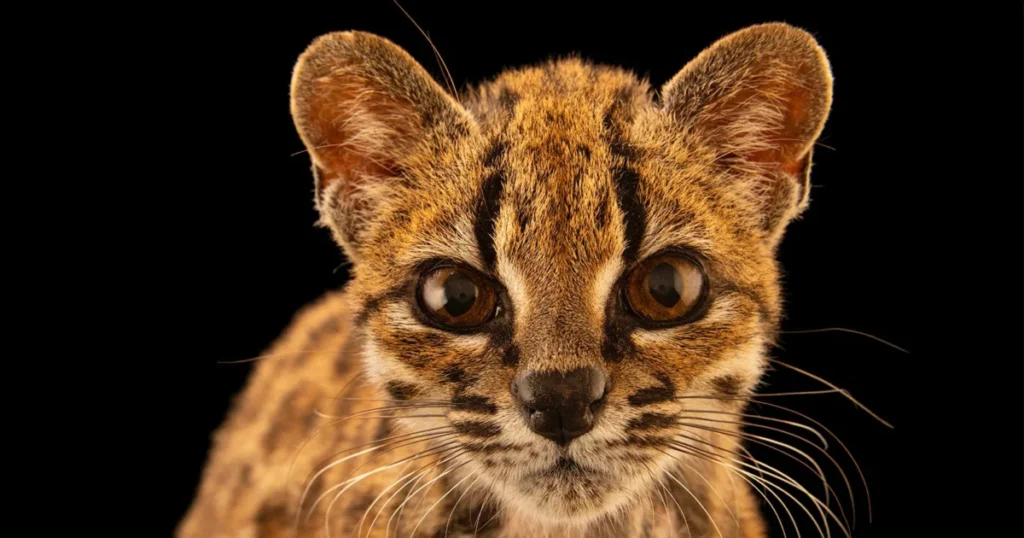

In a landmark achievement for zoology and biodiversity conservation, researchers have officially identified a new species of wild cat, the Leopardus tilcayo. The formal description of this elusive feline, published today in the journal Current Biology, represents the first time in over 100 years that a new living cat species has been formally classified. This discovery not only adds a unique branch to the felid family tree but also serves as a poignant reminder of the vast, undocumented biological diversity still hiding within remote ecosystems.
The identification process for Leopardus tilcayo spans a decade, beginning in 2016 when biologist and National Geographic Explorer Paola Nogales-Ascarrunz received a tip from the Senda Verde wildlife sanctuary in Coroico, Bolivia. The facility had taken in an unidentified kitten, found abandoned on a forest road. Initially, the local man who rescued the animal mistook it for a domestic cat. However, as the animal matured, it became clear that its morphology—ranging from its distinct facial structure to its wild temperament—did not align with any known domestic or local wild feline species.
A Chronology of Scientific Discovery
The journey from a "weird cat" in a sanctuary to a recognized species involved a meticulous, years-long investigative process. When Nogales-Ascarrunz first encountered the kitten at Senda Verde, she was immediately struck by its unique physical traits. "I took a hundred pictures of it," she recalled. "I was so fascinated." Despite her initial intuition that the animal was something extraordinary, she initially categorized it as a member of Leopardus tigrinus, a small, elusive species known as the oncilla or tiger cat, which inhabits various regions across South America.
The turning point occurred in 2019. While compiling data for an educational booklet on the wild felids of Bolivia, Nogales-Ascarrunz revisited her 2016 field photographs. Upon closer inspection, the anatomical discrepancies between the Senda Verde specimen and the standard Leopardus tigrinus became impossible to ignore. The realization that her classification was incorrect prompted a shift in her research focus.
The subsequent years were dedicated to rigorous genetic analysis. Recognizing the complexity of such a claim, Nogales-Ascarrunz formed an international research consortium, partnering with renowned geneticist Eduardo Eizirik of the Pontifical Catholic University of Rio Grande do Sul (PUCRS) and biologist Jonas Lescroart of the University of Antwerp. By comparing the genome of the Senda Verde cat against existing databases of Neotropical felids, the team confirmed that the animal was not merely a subspecies or a variant, but a distinct evolutionary lineage. This genetic validation provided the definitive proof required to formally propose Leopardus tilcayo as a new species.
Morphological and Biological Characteristics
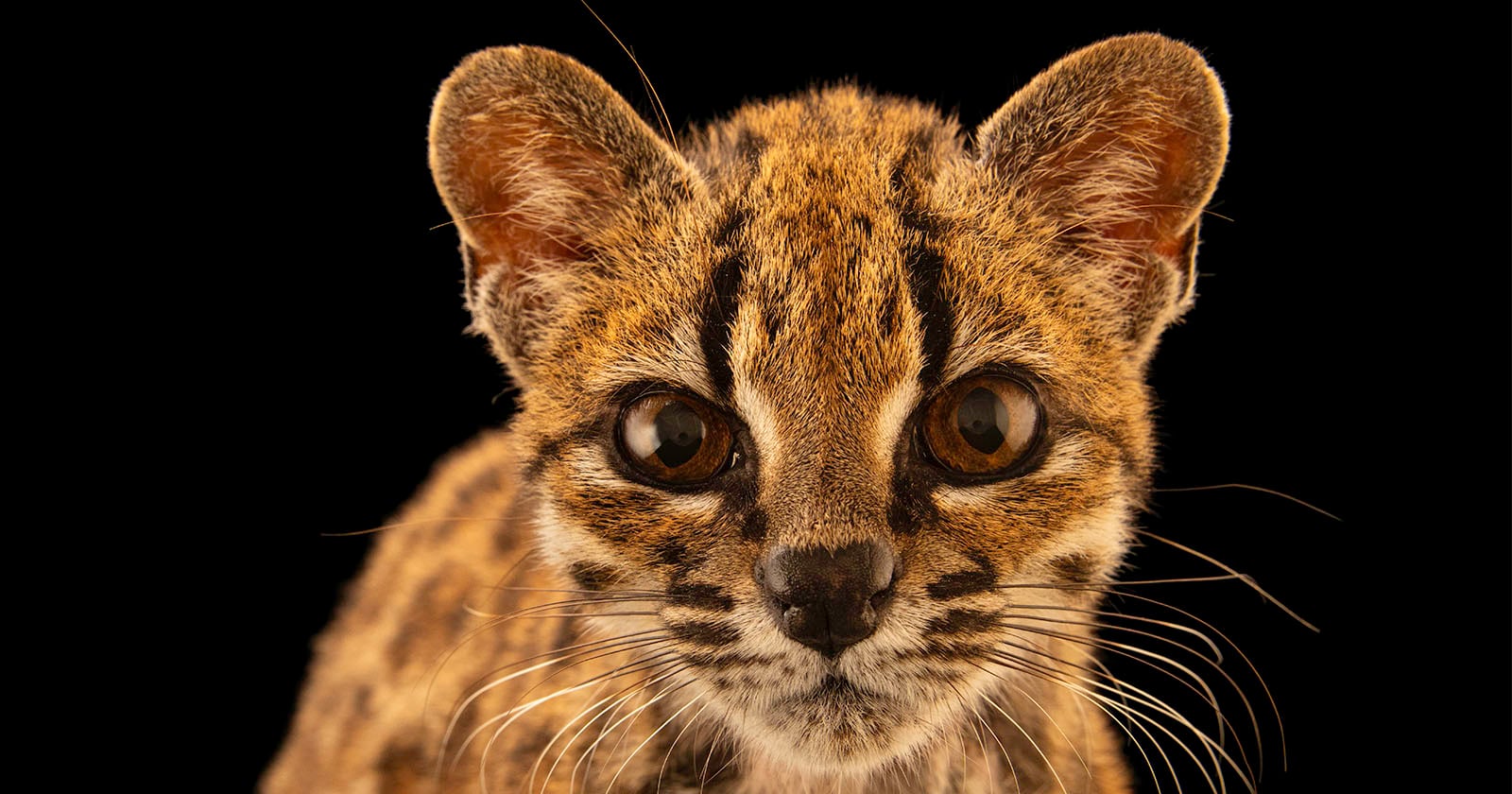
The Leopardus tilcayo is physically distinct from its close relatives, such as the oncilla or the Geoffroy’s cat. It is a small-statured feline, weighing only a few pounds—noticeably smaller than the average domestic cat. Its appearance is characterized by a "scrunched-up" facial structure, notably shorter, rounded ears, and exceptionally long whiskers that likely aid in navigation through dense, high-altitude Andean forests.
Perhaps its most striking feature is its coat, which features deep, leopard-like spots. While these patterns are common among small wild cats, the density and arrangement of the markings on Leopardus tilcayo are unique to the species. Despite these visual descriptors, the scientific community emphasizes that much of the animal’s biology remains a mystery. Because the species was identified through a captive individual, researchers have yet to conduct comprehensive field studies on their dietary habits, reproductive cycles, social behaviors, or natural predator-prey dynamics in the wild.
The Role of Genetic Analysis in Modern Taxonomy
The classification of Leopardus tilcayo underscores the increasing importance of genomic sequencing in contemporary taxonomy. For decades, traditional morphological study—the observation of physical features—was the primary tool for identifying new species. However, as genetic tools have become more accessible and precise, researchers have been able to distinguish between species that appear phenotypically similar but are genetically divergent.
Dr. Eduardo Eizirik, a co-author of the Current Biology study, noted that the discovery is a significant milestone that challenges the assumption that the world’s major mammal groups have been fully cataloged. "Showing the general public that even in a flagship group such as cats, there are still new species to be discovered may transmit an important message," Eizirik stated. "There are many undiscovered species out there in the world, and they are at risk of disappearing before we even discover them."
The delay between the initial finding and the formal announcement is not an anomaly; rather, it is the standard for robust scientific taxonomy. The process requires peer review, comparative genetic analysis across multiple populations, and the accumulation of evidence that survives the scrutiny of the global scientific community.
Conservation Implications and Biodiversity
The identification of Leopardus tilcayo serves as a critical call to action for conservationists. Many regions of the Andes, particularly in Bolivia, remain under-studied, and the presence of a previously unknown feline species suggests that these habitats may harbor other undocumented species.
However, the reality of environmental degradation means that these animals are likely under pressure from habitat loss, climate change, and human encroachment before they are even fully understood. The Senda Verde sanctuary, which has served as a sanctuary for the holotype of the species, highlights the essential role that local wildlife centers play in biodiversity preservation. By providing a safe haven for rescued animals, these institutions often provide the raw data necessary for scientists to conduct ground-breaking research.
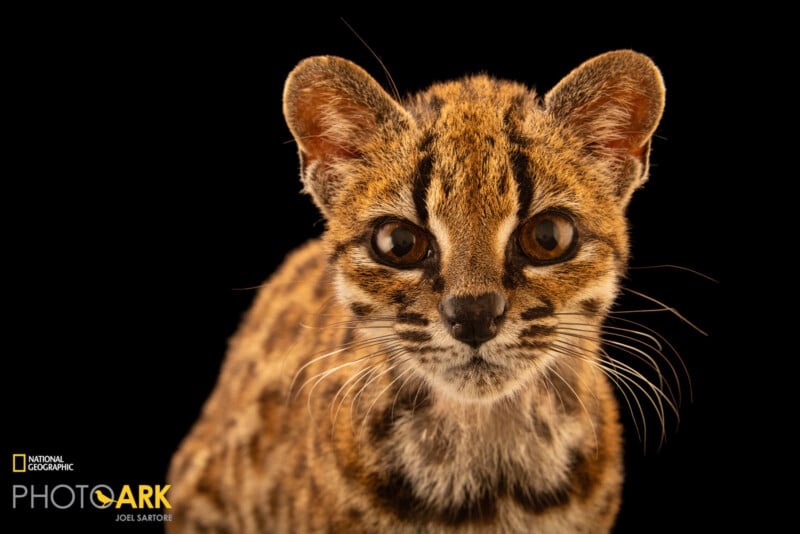
The Leopardus tilcayo has also been featured in the National Geographic Photo Ark, a multi-year project led by photographer Joel Sartore, who seeks to document every animal species in human care. Sartore’s high-resolution imagery of the Senda Verde cat provides the public with a rare, intimate look at a creature that has lived hidden in plain sight for centuries.
Future Research Directions
With the species now formally recognized, the scientific community is shifting its attention to field conservation. The immediate priorities for researchers include:
- Field Surveys: Establishing camera trap networks in the regions surrounding the original finding to determine the population size, range, and habitat requirements of Leopardus tilcayo.
- Ecological Niche Modeling: Using climate and geographical data to predict where these cats might live and how they might be affected by shifting environmental conditions.
- Dietary Analysis: Using scat analysis and stable isotope studies to understand what these cats consume, which will clarify their role in the Andean food web.
- Threat Assessment: Working with local authorities to assess whether the species is currently threatened by poaching, habitat destruction, or competition with domestic animals.
The discovery of Leopardus tilcayo is a testament to the persistence of explorers like Nogales-Ascarrunz and the power of international scientific collaboration. It reminds the global community that nature remains a frontier, and that the protection of biodiversity is not just about saving known species, but about preserving the integrity of ecosystems that have yet to reveal all their secrets. As the scientific community begins the next phase of its work—observing these cats in their natural habitat—the world watches with renewed interest in the hidden wonders of the Bolivian Andes.