
The Evolution of the Web Platform: May 2026 Overview
The releases occurring in May 2026 represent a deliberate effort by the web standards community to minimize the "compatibility gap" that historically hindered cross-browser development. As of the end of the month, the industry standard for "Baseline"—a term used to describe features that are supported across all major browser engines—saw a marked increase in adoption. This synchronization is not accidental; it is the result of years of coordination between the W3C, the WebKit team, Mozilla, and Google’s Chrome engineering group.
For developers, these updates represent a transition from "polyfilling" functionality to relying on native browser capabilities. By reducing reliance on external JavaScript libraries, these updates contribute to smaller bundle sizes and improved Core Web Vitals, which remain the industry benchmark for site performance.
Key CSS Advancements and Baseline Status
Perhaps the most notable development this month is the standardization of the :open CSS pseudo-class. With Safari 26.5 finally incorporating this feature, developers now have a unified way to target elements in an "open" state, such as <details>, <dialog>, and active <select> interfaces. Historically, developers relied on attribute selectors like [open], which lacked the semantic clarity and flexibility of a native pseudo-class. The shift to :open allows for cleaner, more maintainable stylesheets that reduce the risk of selector specificity conflicts.
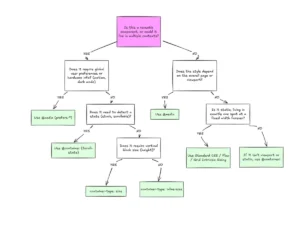
Simultaneously, CSS Container Queries have reached a new milestone. With Chrome 148, name-only container queries are now officially Baseline. This is a transformative shift in responsive design. Previously, developers were forced to define container-type and specific size constraints to trigger responsive logic. The ability to query an ancestor simply by name without pre-defining its sizing behavior allows for modular component architecture that is significantly more lightweight.
In parallel, Firefox 151 has cemented the role of Container Style Queries for custom properties. This allows developers to apply conditional styling based on the state of CSS variables—such as a --theme variable—rather than just the physical dimensions of the container. This decoupling of layout and design state is expected to simplify the creation of complex UI systems where components must adapt to different themes or application states without redundant media queries.
Performance and Media Optimization
A critical focus for the browser vendors in May 2026 was the optimization of multimedia loading. The introduction of native loading="lazy" support for <video> and <audio> elements in Chrome 148 is a major win for developers managing bandwidth-heavy applications.
Data from recent performance audits indicates that media files account for nearly 60% of total page weight on average. By allowing the browser to defer the loading of these assets until they approach the viewport, developers can drastically reduce initial page load times and data consumption for users on slower networks. This feature mirrors the successful implementation of lazy loading for images and iframes, completing the native support for deferred media loading across the HTML standard.
Expanded API Capabilities and User Experience
The Document Picture-in-Picture API, which gained support in Firefox 151, addresses a growing demand for multi-tasking interfaces. Unlike standard Picture-in-Picture, which is strictly limited to video streams, this API allows developers to pop out arbitrary HTML content into an always-on-top window. This has immediate applications for professional-grade web applications, such as video conferencing grids, real-time financial dashboards, and persistent productivity timers.

Furthermore, the Web Serial API continues its march toward universal availability. With Firefox 151 adding desktop support and Chrome 148 extending compatibility to Android, the web is becoming increasingly capable of interfacing with local hardware. From 3D printers and microcontrollers to specialized laboratory equipment, the ability for a web browser to communicate directly with serial peripherals lowers the barrier to entry for hardware-focused web applications. Security remains paramount; Firefox’s implementation requires a synthetic site permission add-on, a design choice intended to prevent malicious hardware access while maintaining user control.
Beta Releases and Future Projections
Looking ahead, the Beta releases of Chrome 149 and Firefox 152 provide a roadmap for the remainder of the second quarter of 2026. Chrome 149 is set to introduce CSS gap decorations, a feature that will simplify the styling of whitespace in grid and flexbox layouts. Additionally, the update promises to bring programmatic scroll methods—such as scrollTo() and scrollIntoView()—into the modern era by returning Promises that resolve upon the completion of smooth scrolling. This will eliminate the need for complex setTimeout hacks or manual event listeners to detect when a scroll animation has finished.
Firefox 152 beta, meanwhile, is focusing on form ergonomics. The new field-sizing property will allow input fields to resize automatically to match their content, a subtle but vital improvement for user interface consistency.
Broader Implications and Industry Analysis
The industry-wide move toward these features suggests a trend of "platform consolidation." By aligning on these specific APIs and CSS properties, browser vendors are effectively raising the floor for web performance and accessibility.
The economic implications are clear: reduced development time. When a feature is supported across all browsers as "Baseline," engineering teams no longer need to allocate budget for cross-browser testing of those specific components. This shift not only accelerates the production of web applications but also improves the overall consistency of the user experience across the internet.
However, challenges remain. As web capabilities expand—particularly with APIs like Web Serial—the surface area for potential security vulnerabilities increases. The collaborative approach taken by the W3C and browser vendors in establishing these standards suggests that security is being treated as a foundational requirement rather than an afterthought.
Conclusion: A New Standard for the Web
As of May 29, 2026, the web platform stands in a stronger position than it did at the start of the year. The combination of CSS refinements, native performance optimizations, and expanded hardware connectivity APIs provides developers with a robust toolkit. As these features move from Beta to stable release in the coming months, the industry is expected to see a shift toward more responsive, performance-conscious, and hardware-aware web applications.
The consistent release cadence of the major browsers remains the engine driving this progress. For developers, the message is clear: the modern web platform is no longer just a document-viewing medium, but a full-fledged application environment capable of rivaling native software in both complexity and capability. Following the updates throughout May 2026, the focus will now shift to how these tools are utilized by the broader community to build the next generation of web-native experiences.