
In a move signaling a strategic pivot toward hardware-integrated artificial intelligence, OpenAI has reportedly acquired Glass Imaging, a specialized startup recognized for its cutting-edge neural image signal processing (ISP) technology. According to reports from The Wall Street Journal, the deal is valued at approximately $300 million. While neither company has issued an official press release confirming the transaction, the acquisition represents a significant premium for the startup, which was valued at roughly $100 million during its most recent funding round in 2025.
The acquisition marks a pivotal shift for Glass Imaging, a company that had previously established itself as a leader in the computational photography sector by addressing the physical limitations of mobile camera hardware. By leveraging proprietary neural networks, Glass Imaging developed software that allows smartphone sensors to produce image fidelity that rivals professional-grade photography equipment, effectively bridging the gap between compact mobile hardware and high-end, large-sensor cameras.
A Chronology of Innovation and Growth
Glass Imaging first captured the attention of the photography and technology sectors in 2024, when it began demonstrating its "GlassAI" technology on the Qualcomm Snapdragon 8 Elite mobile platform. These early demonstrations served as a proof-of-concept, showcasing how AI could reconstruct image data at the RAW sensor level to enhance resolution, dynamic range, and color accuracy in real-time.
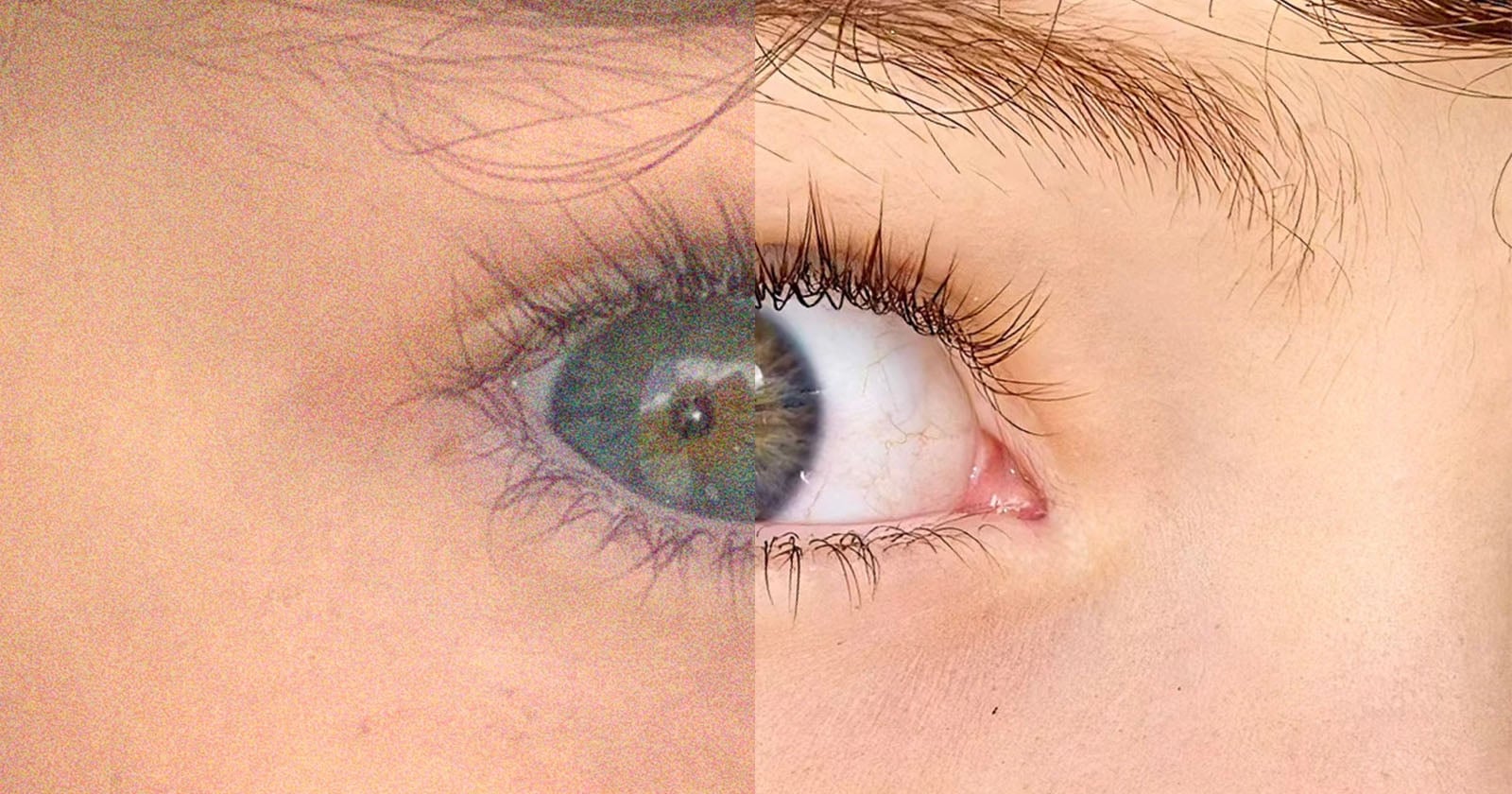
By mid-2025, the industry began to witness the practical application of this technology. The most notable milestone occurred in June 2026, when Glass Imaging’s neural ISP was successfully integrated into the Honor 600 smartphone. The implementation demonstrated a marked improvement in high-zoom performance, providing a level of sharpness and detail previously thought impossible for the device’s physical lens assembly. This success cemented the startup’s reputation as a critical player in the mobile imaging ecosystem, drawing the interest of venture capital firms and, ultimately, major AI developers.
Technical Foundations: How GlassAI Works
Unlike conventional post-processing filters that apply effects after an image is captured, Glass Imaging’s approach operates at the foundational level of the image signal processor (ISP). The technology utilizes neural networks trained on the physical characteristics of lenses and sensors to perform "optical-aware" de-mosaicing and noise reduction.
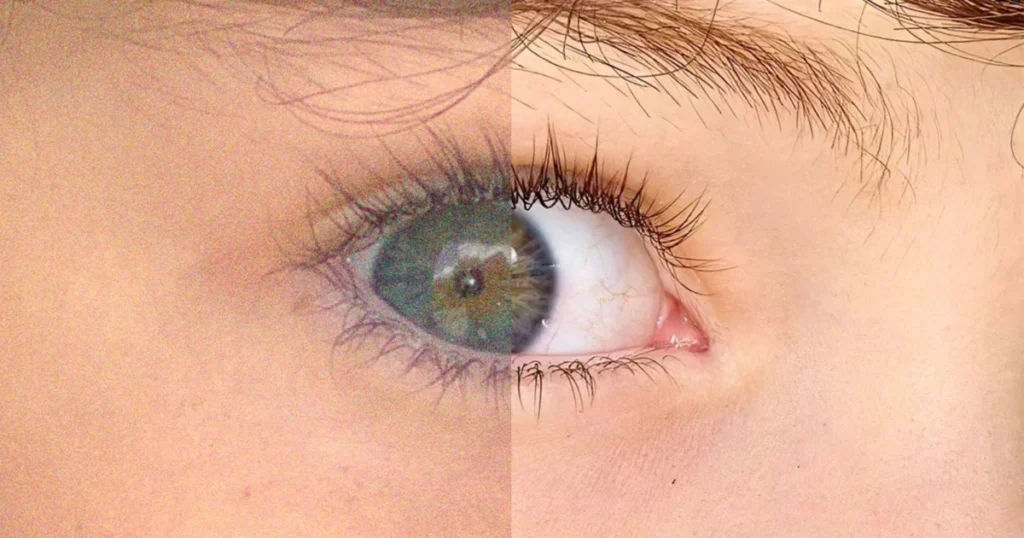
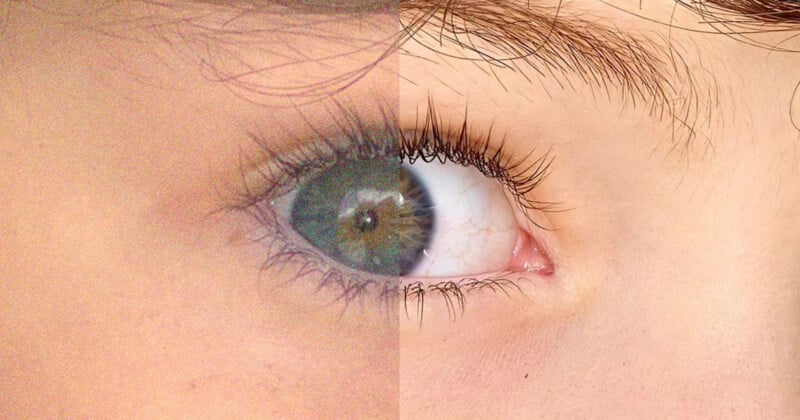
By interpreting raw sensor data through the lens of physics-based AI, the system compensates for common smartphone camera limitations, such as diffraction, chromatic aberration, and low-light sensor noise. In comparative tests conducted by industry analysts, smartphones utilizing Glass Imaging’s software frequently demonstrated superior edge-to-edge sharpness and texture rendering when placed side-by-side with industry-standard flagships. This capability to "upscale" image quality without the reliance on larger, heavier optics made the company a highly attractive asset for firms interested in compact, high-performance computing hardware.
Strategic Rationale for OpenAI
The acquisition of Glass Imaging is widely viewed as a component of OpenAI’s broader ambitions beyond software-based LLMs (Large Language Models). In May 2025, OpenAI made headlines by acquiring a secretive AI hardware startup co-founded by design icon Jony Ive. The $6.5 billion valuation of that deal underscored OpenAI’s desire to create a proprietary hardware ecosystem.
Integrating Glass Imaging’s technology into a future OpenAI device provides a clear roadmap for how such a product could function. An AI-powered hardware device—likely a wearable or a specialized communication tool—would require sophisticated "visual intelligence" to perform its tasks. Whether for real-time scene analysis, augmented reality applications, or advanced data collection, the ability to process high-fidelity visual information is paramount. By owning the full stack of image processing, OpenAI gains the ability to optimize its visual models for specific, proprietary hardware, potentially creating a significant competitive advantage over rivals who rely on off-the-shelf camera modules.
Industry Implications and Market Impact
The $300 million valuation reflects both the scarcity of specialized computer vision talent and the perceived value of neural ISP technology in the era of generative AI. Analysts suggest that the acquisition could signal a consolidation phase for similar startups. As smartphone manufacturers like Apple, Samsung, and Google continue to lean heavily on computational photography to sell new handsets, the value of independent firms providing high-quality image processing pipelines has surged.
However, the acquisition raises questions regarding the future of Glass Imaging’s existing partnerships. With the company now under the OpenAI umbrella, its technology is likely to be pulled from the open market, effectively ending its ongoing collaborations with smartphone OEMs like Honor. For the broader industry, this means that a key source of innovation in smartphone photography is being internalized, potentially stifling competition and forcing other device manufacturers to either develop their own proprietary neural ISPs or rely on the limited capabilities offered by chipset providers.
Future Outlook and Uncertainties
While the deal appears to be closed, the integration of Glass Imaging into OpenAI’s organizational structure remains the subject of industry speculation. Employees from Glass Imaging are expected to transition into OpenAI’s hardware and vision-focused divisions, where they will likely assist in training large-scale multimodal models.

The immediate cessation of Glass Imaging’s public-facing projects is seen by many in the photography community as a loss for the consumer market. The technology had democratized high-end imaging, allowing mid-range devices to perform at the level of flagship models. Whether this "transformative" technology will eventually emerge in an OpenAI-branded consumer product remains to be seen.
For now, the move serves as a testament to the fact that AI is no longer just about text and code. As machines gain the capacity to "see" and interpret the physical world with ever-increasing clarity, the companies that control the underlying visual processing technology will hold the keys to the next generation of human-computer interaction. As OpenAI continues to expand its footprint from software to physical devices, the acquisition of Glass Imaging stands as a critical pillar in its strategy to build a truly intelligent, vision-capable hardware ecosystem.
Industry observers will be watching closely to see if the technology appears in a future iteration of an OpenAI device, or if the assets will be repurposed strictly for the company’s internal AI training pipelines. Regardless of the specific application, the move underscores a growing trend: the hardware that captures our world is becoming just as important as the intelligence that interprets it.