
Small businesses today face an increasingly competitive digital landscape, where maintaining a strong online presence is paramount for survival and growth. While an abundance of Search Engine Optimization (SEO) tools exists, the challenge for resource-constrained small enterprises lies in identifying a cost-effective yet comprehensive tech stack capable of delivering a competitive edge in search results without overextending limited budgets. This strategic imperative is underscored by recent data, with HubSpot’s State of Marketing report indicating that 50% of small businesses view their website, blog, and SEO as their most leveraged marketing channels, making organic search a critical driver of growth.

The Evolving Landscape of Small Business SEO
The digital economy has fundamentally transformed how consumers discover and engage with businesses. For small businesses, organic search is not merely a traffic source; it is often the primary gateway for new customer acquisition, brand visibility, and lead generation. The sheer volume of online competition, coupled with the dynamic nature of search engine algorithms, means that an effective SEO strategy is no longer optional but a strategic imperative. However, navigating the complexities of keyword research, managing technical website health, crafting compelling content, building authoritative backlinks, and adapting to emerging trends like AI search requires specialized tools and expertise.
The initial investment in these tools, along with the need for specialized skills to utilize them effectively, often presents a significant hurdle for smaller organizations operating with lean teams and tight budgets. Industry analysts consistently highlight that an uninformed approach to SEO tool selection can lead to wasted expenditure, inefficient workflows, and, crucially, missed opportunities for growth. This underscores the critical need for a structured and informed decision-making process when building an SEO tech stack.
Strategic Framework for Tool Selection
Selecting the right SEO software is not a one-size-fits-all endeavor. It demands a clear understanding of a business’s unique growth goals, current resource allocation, and the existing expertise within the team. Establishing a robust framework to evaluate potential tools ensures alignment with overarching business objectives and maximizes the return on investment.
1. Define Growth Goals: The immediate objectives of a business heavily influence the type of SEO tools required.
- Launching a New Website: Prioritize foundational auditing tools to benchmark the site and identify initial growth opportunities.
- Driving More Conversions from Organic Traffic: Focus on advanced keyword research and content optimization tools to refine targeting and on-page elements.
- Fixing Visibility or Ranking Drops: A technical SEO audit tool becomes essential to diagnose and rectify underlying issues.
- Competing Locally: Specialized local SEO and Google Business Profile management tools are critical.
- Proving ROI to Stakeholders: Robust analytics and reporting tools are indispensable for demonstrating value.
2. Categorize Tool Functionality: SEO encompasses several critical pillars: on-page optimization, technical SEO, and off-page (backlinking). Understanding which tools excel in specific categories, and more crucially, which offer integrated functionalities across multiple domains, can significantly optimize budget and streamline workflows. A single, versatile platform can often be more cost-effective than acquiring multiple niche tools. The major tool categories include: Keyword Research, Technical SEO, Content Optimization, Backlink Research, Rank Tracking, Local SEO, and Analytics & Reporting.
3. Evaluate Ease of Use and Integration: The most powerful tool is rendered ineffective if it’s not adopted by the team. User-friendliness, intuitive interfaces, and seamless integration with existing marketing and CRM systems (like HubSpot) are vital for maximizing tool utilization and operational efficiency. Look for tools with:
- Intuitive user interfaces
- Integration with existing platforms (CRM, CMS, analytics)
- Strong customer support and training resources
4. Budgetary Considerations: Financial constraints are often the primary filter for small businesses. While many excellent free tools provide a strong starting point, scaling operations or requiring advanced features often necessitates investment in paid solutions. The decision to upgrade should align with the point where free tools become a limitation rather than an enabler of growth, considering factors like data depth, automation capabilities, and the need for guided recommendations. Before investing, always check for overlap with your existing tech stack to avoid redundant expenses.
Core Pillars of an Effective SEO Tech Stack
A well-rounded SEO strategy for a small business typically involves tools addressing several key areas, from foundational research to performance monitoring.

Foundation: Keyword Research & Content Strategy
Identifying what target audiences are searching for is the bedrock of any successful SEO campaign, guiding content creation and overall strategy.
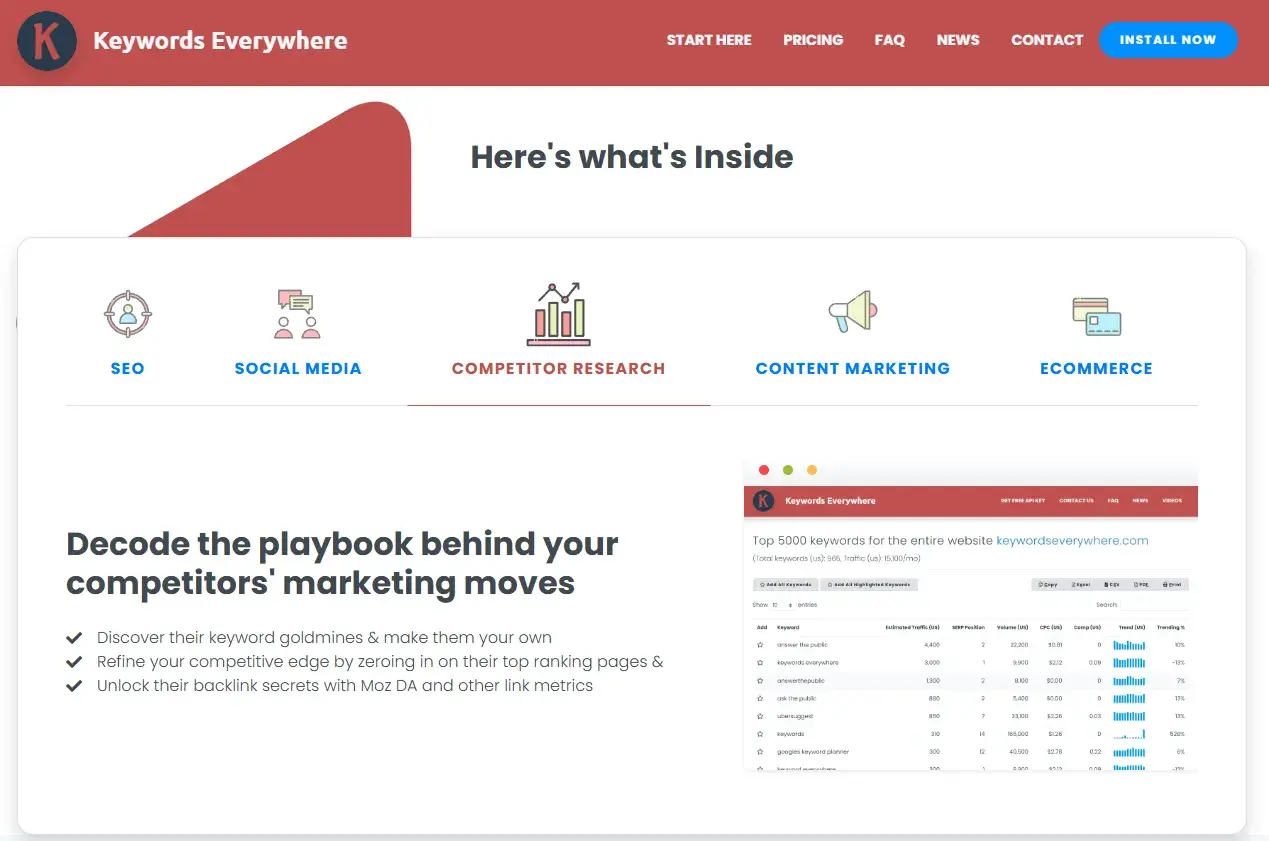
- Keywords Everywhere: This lightweight browser extension offers real-time keyword insights directly within Google search results. Priced affordably (starting at $7/month), it’s an immediate value-add for daily browsing and quick topic discovery, removing the need to switch between tools. It provides quick overviews of page rankings and related keyword ideas.
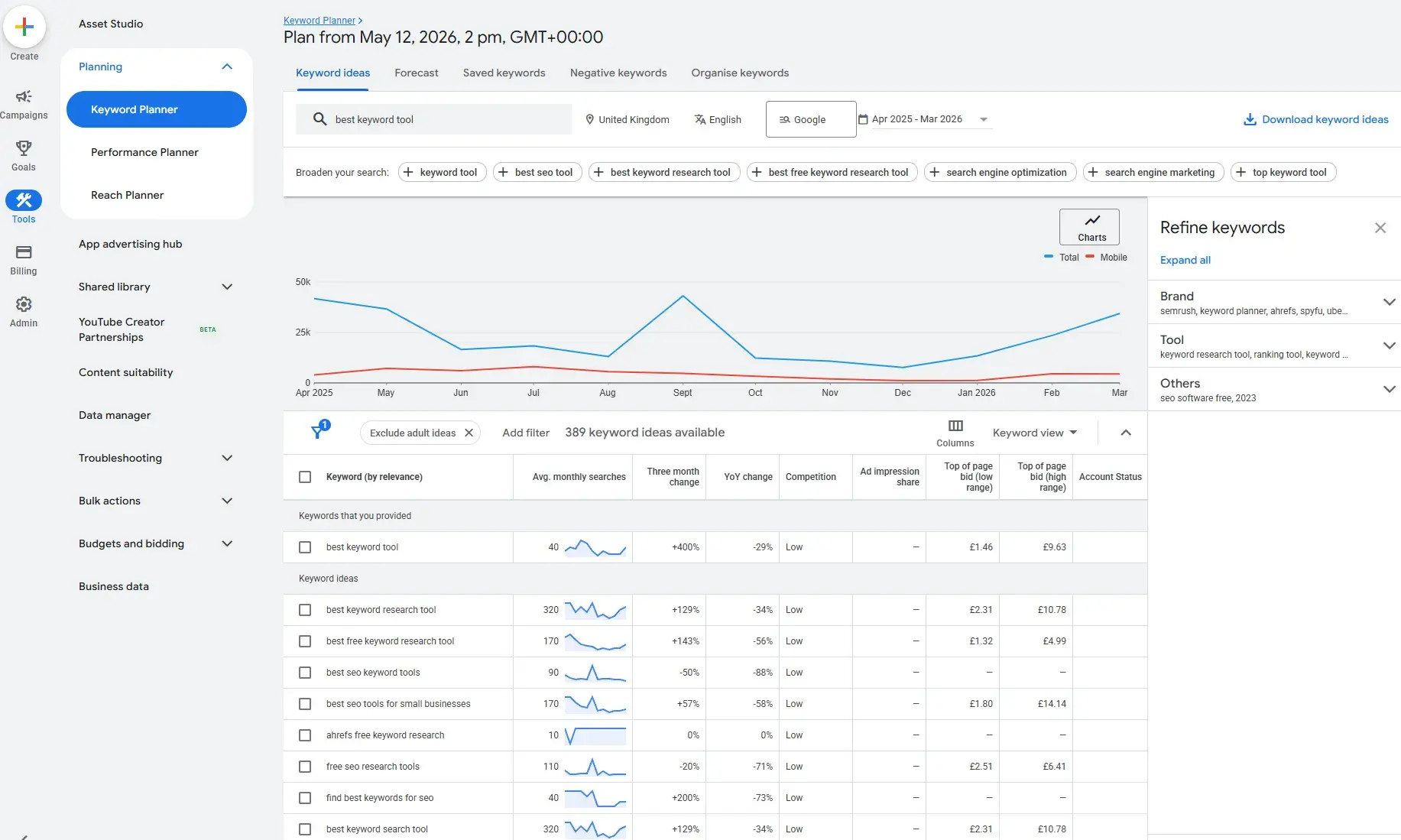
- Google Keyword Planner: A free tool integrated within Google Ads, it offers foundational keyword ideas, estimated monthly search volumes, and competition levels sourced directly from Google. While designed for paid search, its data is invaluable for organic strategy, serving as an excellent no-cost starting point for businesses with or planning a Google Ads account.
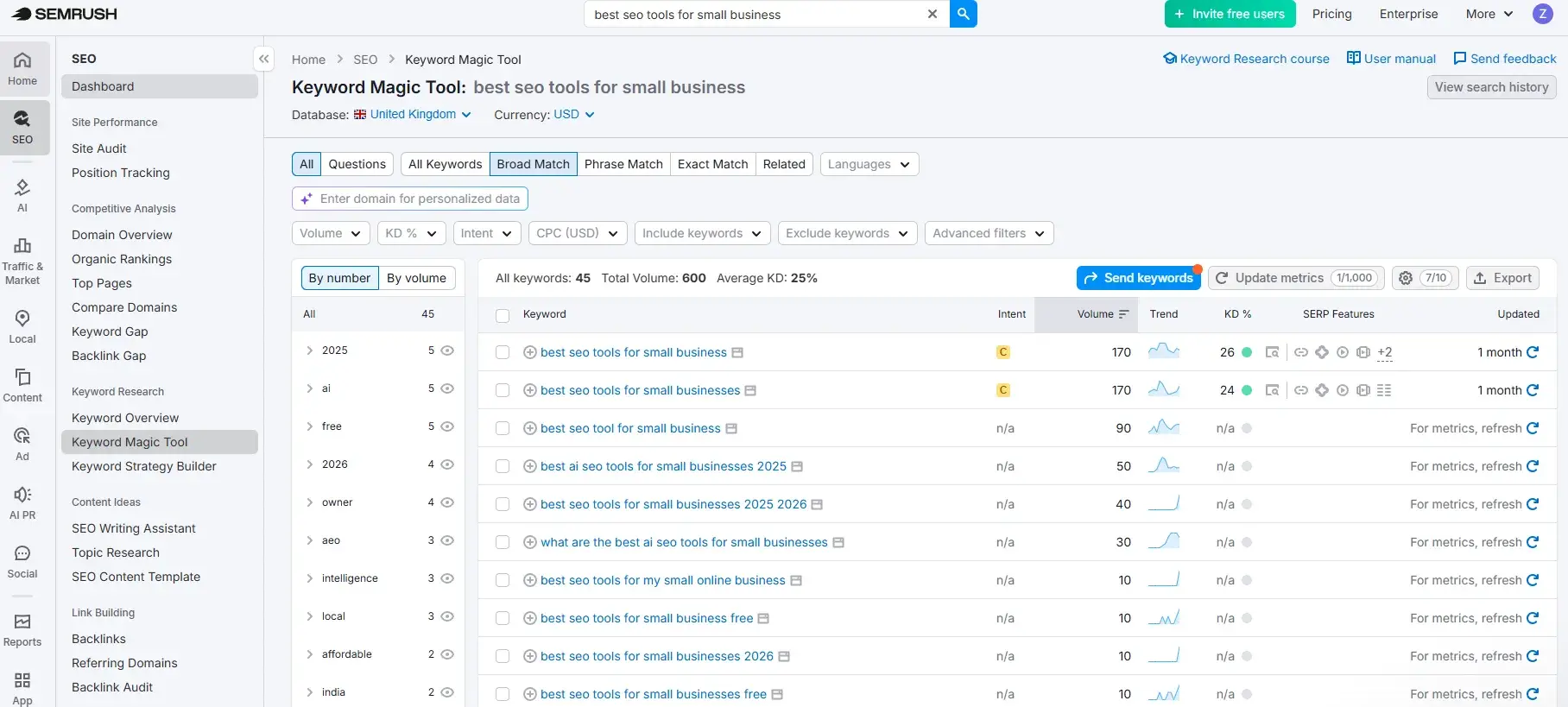
- Semrush: As a comprehensive, all-in-one platform, Semrush’s Keyword Magic Tool stands out for its extensive database of over 25 billion keywords. It allows for advanced keyword segmentation, intent filtering, and competitive analysis, making it ideal for businesses ready to develop sophisticated content strategies. While it offers a free version with limited searches, its paid plans (starting at $139.95/month) unlock robust capabilities for in-depth research, site auditing, and competitor intelligence. Semrush is highly valued for its intuitive interface and comprehensive data.
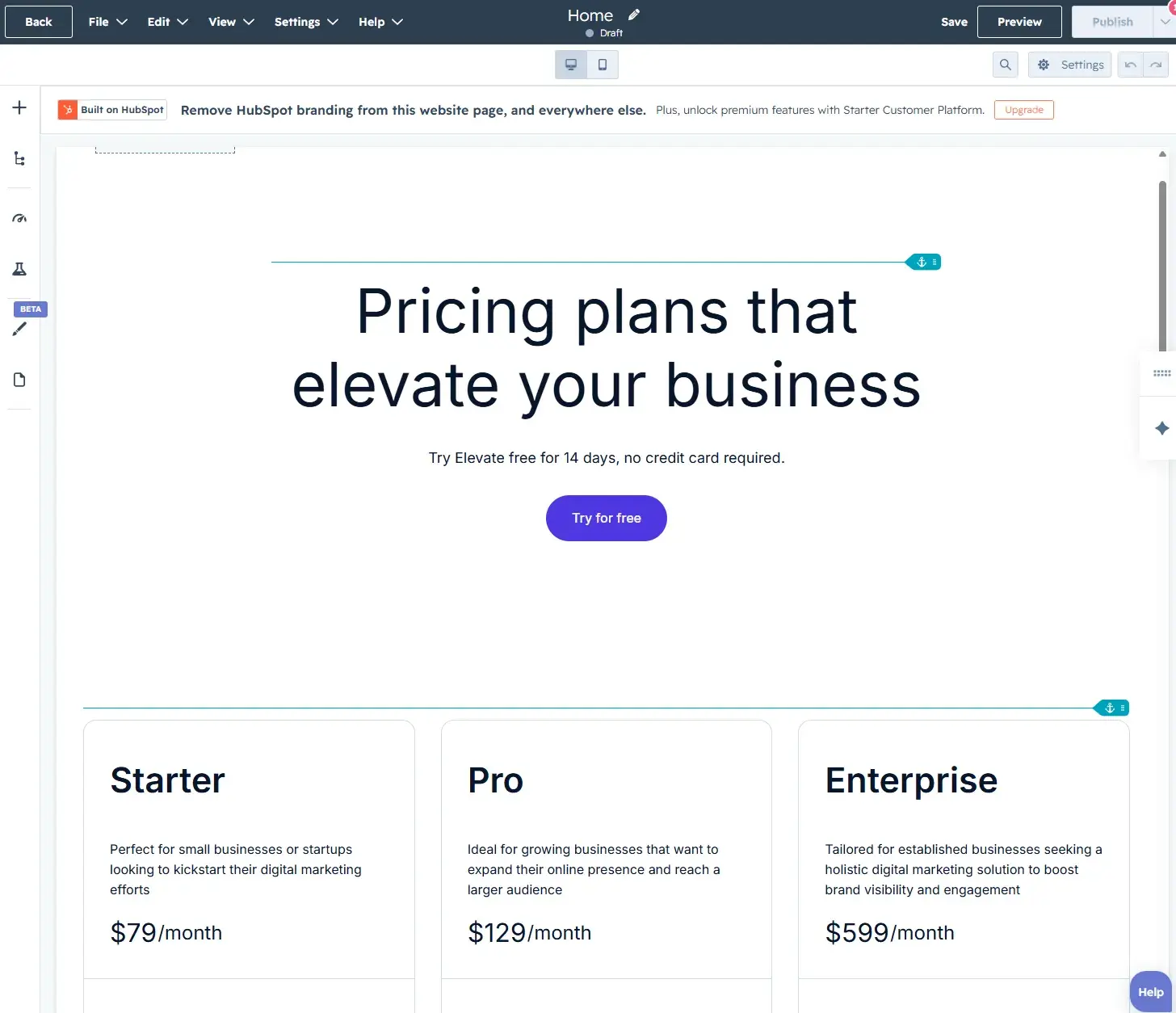
- HubSpot Content Hub: This platform integrates content creation, optimization, and performance tracking within a single environment. For HubSpot users, it connects directly to CRM data, allowing businesses to align content strategy with lead generation and revenue attribution. Its AI-assisted content creation tools and topic cluster management empower lean teams to produce high-quality, SEO-optimized content consistently. Pricing starts with a free version, with paid plans from $20/month, offering seamless page design and development through templates.
Ensuring Technical Health: Site Audit & Optimization
A technically sound website is crucial for search engine crawlability and indexing. Technical issues can silently undermine content and keyword efforts, leading to suppressed rankings without obvious symptoms until traffic declines.
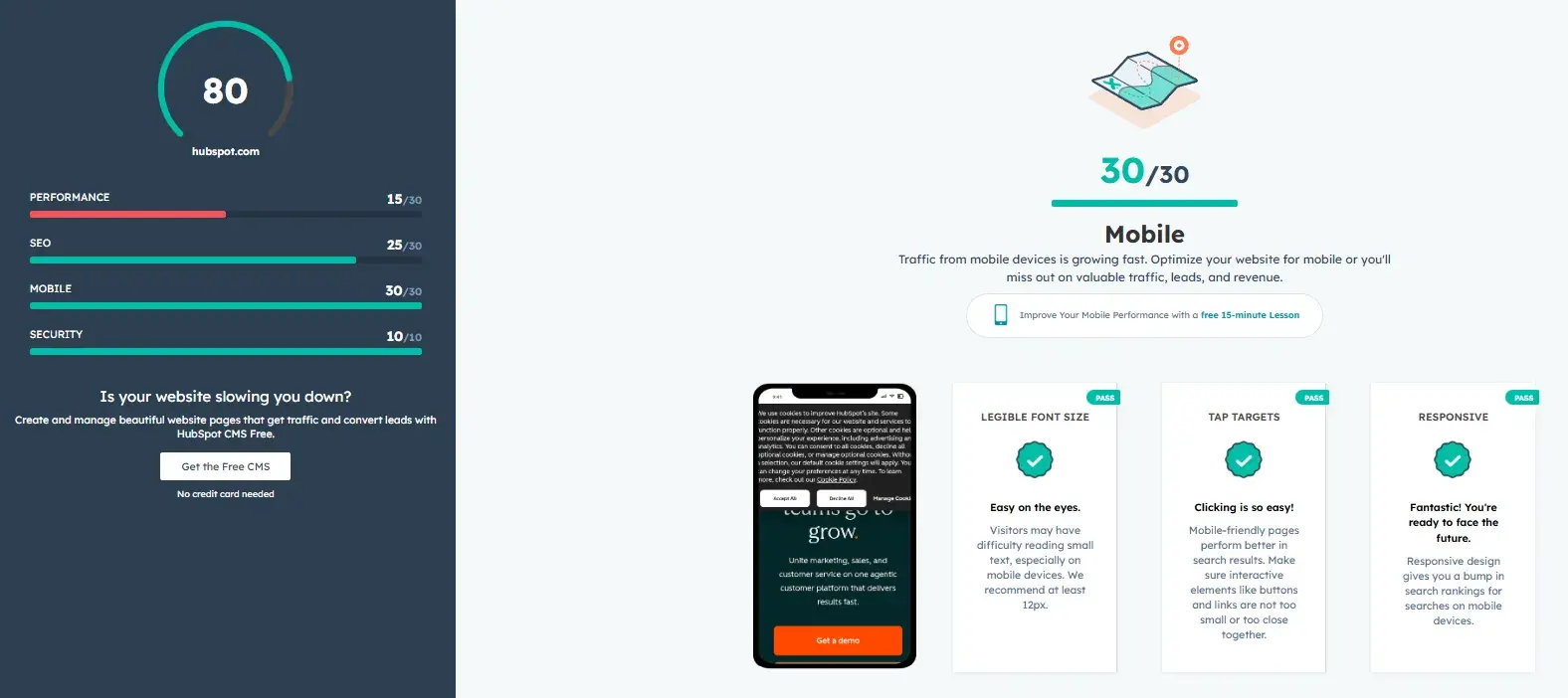
- HubSpot Website Grader: A free, accessible tool that provides a jargon-free snapshot of website performance, SEO, mobile readiness, and security. It offers actionable recommendations, making it an excellent starting point for initial audits or for presenting a clear case for SEO investment internally. No account is required, and its reports are designed for immediate action.
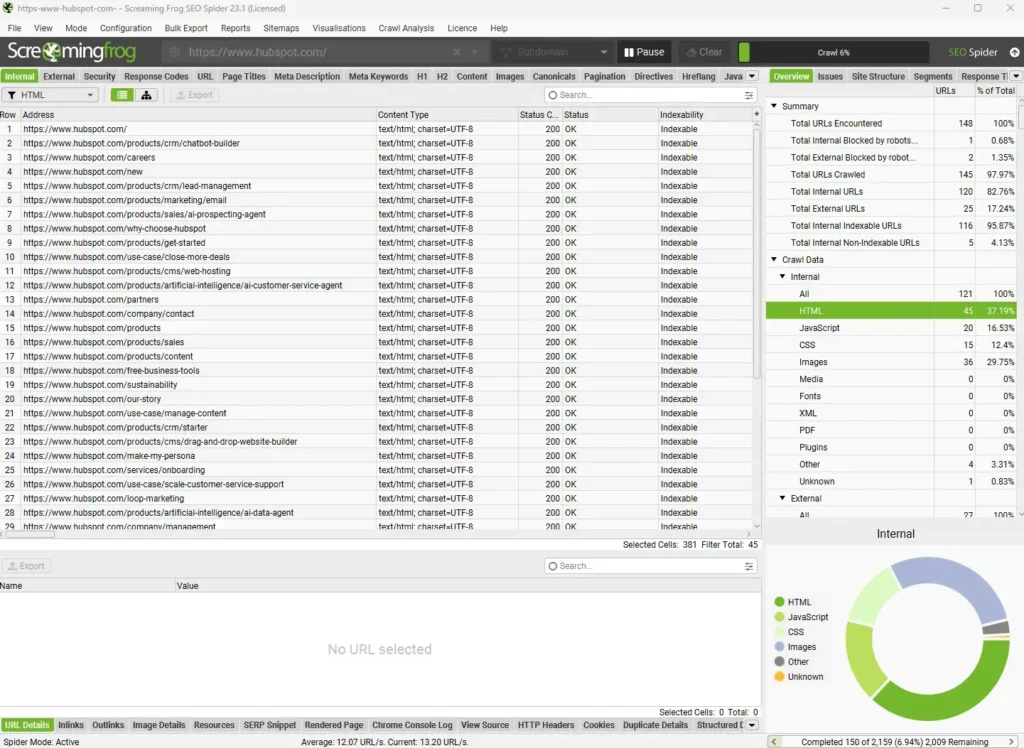
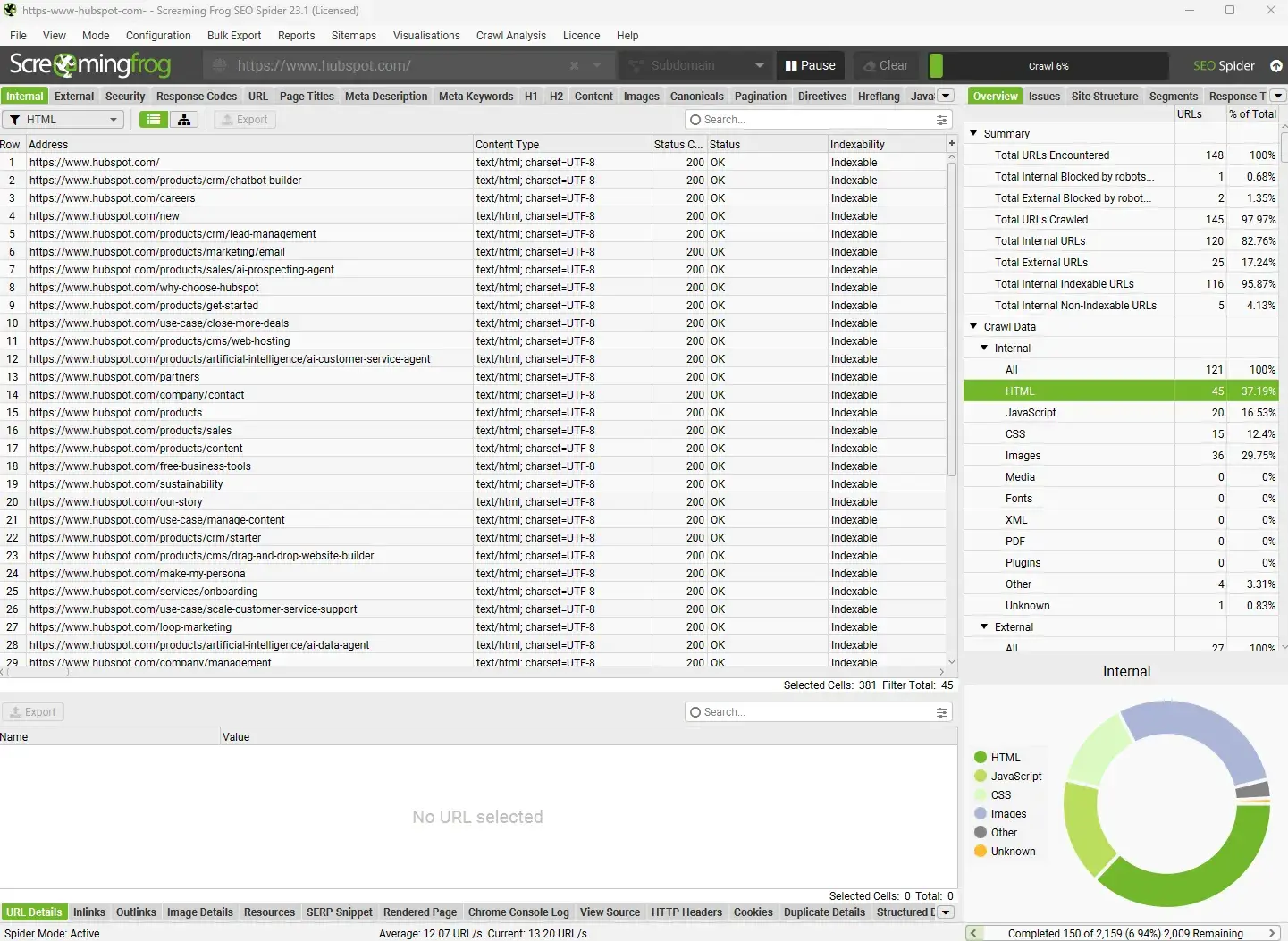
- Screaming Frog SEO Spider: A powerful desktop-based crawler that provides a detailed technical picture of an entire site, identifying issues like broken links, duplicate content, server errors, and metadata problems. Its free version supports up to 500 URLs, with a paid license ($279/year) unlocking unlimited crawls and integrations with Google Analytics and Search Console. This tool is best suited for users comfortable with structured data and technical SEO intricacies, offering a holistic view of website health when combined with other data sources.
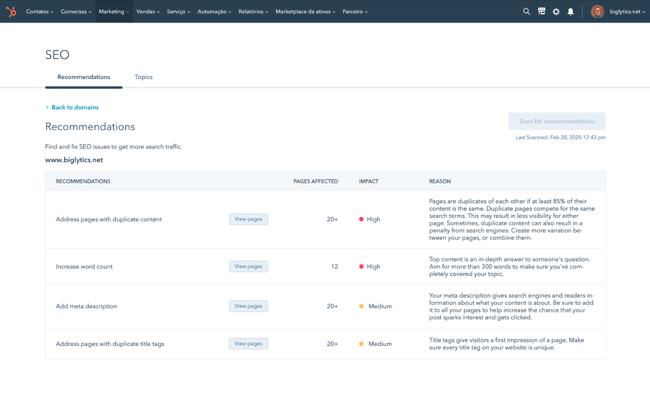
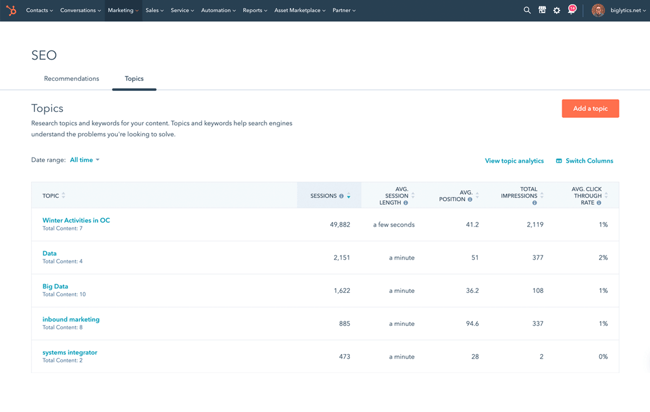
- HubSpot SEO Recommendations: Integrated within HubSpot Marketing Hub, this feature offers guided technical SEO recommendations, prioritizing issues by impact and difficulty. It provides dynamic updates as content evolves, ensuring continuous improvement in site health. Available across all HubSpot plans, including the free edition, it offers an intuitive workflow for teams that may lack deep technical SEO expertise, by presenting actionable insights directly within the platform.
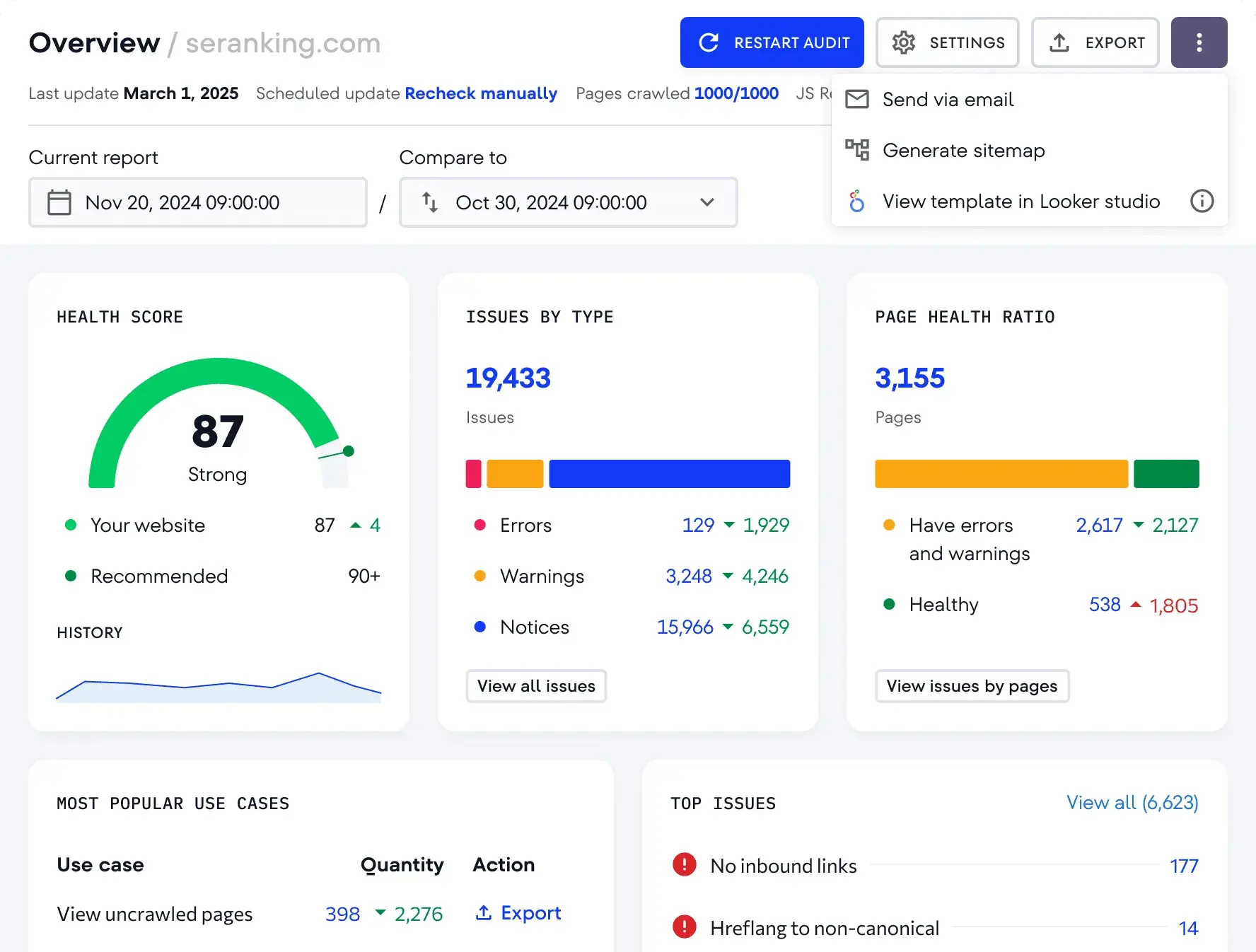
- SE Ranking: An affordable all-in-one SEO platform (starting at $103/month) that includes a robust site audit tool. It scores websites and groups issues by severity, providing clear direction for optimization efforts. It’s a strong alternative for lean teams seeking comprehensive functionality at a lower price point than some competitors, offering valuable insights for managing multiple domains and scaling SEO operations.
Building Authority: Backlink Analysis
Backlinks remain a critical ranking factor, signaling a website’s authority and trustworthiness to search engines. Understanding and actively managing a backlink profile is vital for competitive SEO.
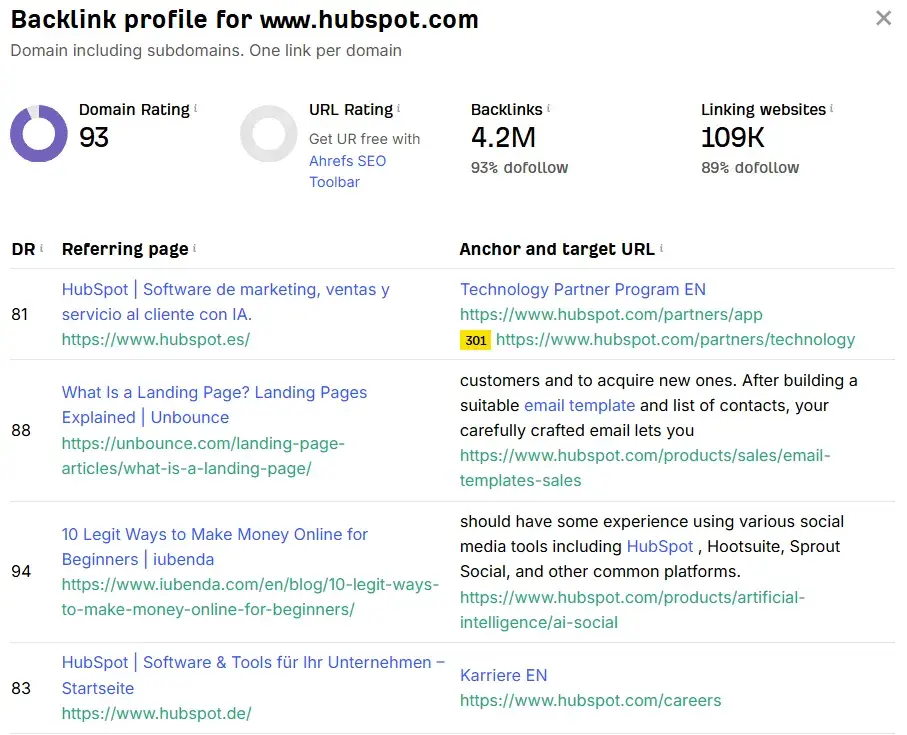
- Ahrefs: Renowned for one of the largest and most frequently updated backlink databases, Ahrefs provides deep insights into link profiles, competitor backlinks, and link building opportunities. It’s essential for businesses serious about scalable link building strategies. A free backlink checker is available, with comprehensive plans starting from $129/month, alongside a more limited $29/month starter package. Ahrefs is known for its ability to quickly identify valuable link targets and analyze competitor strategies.
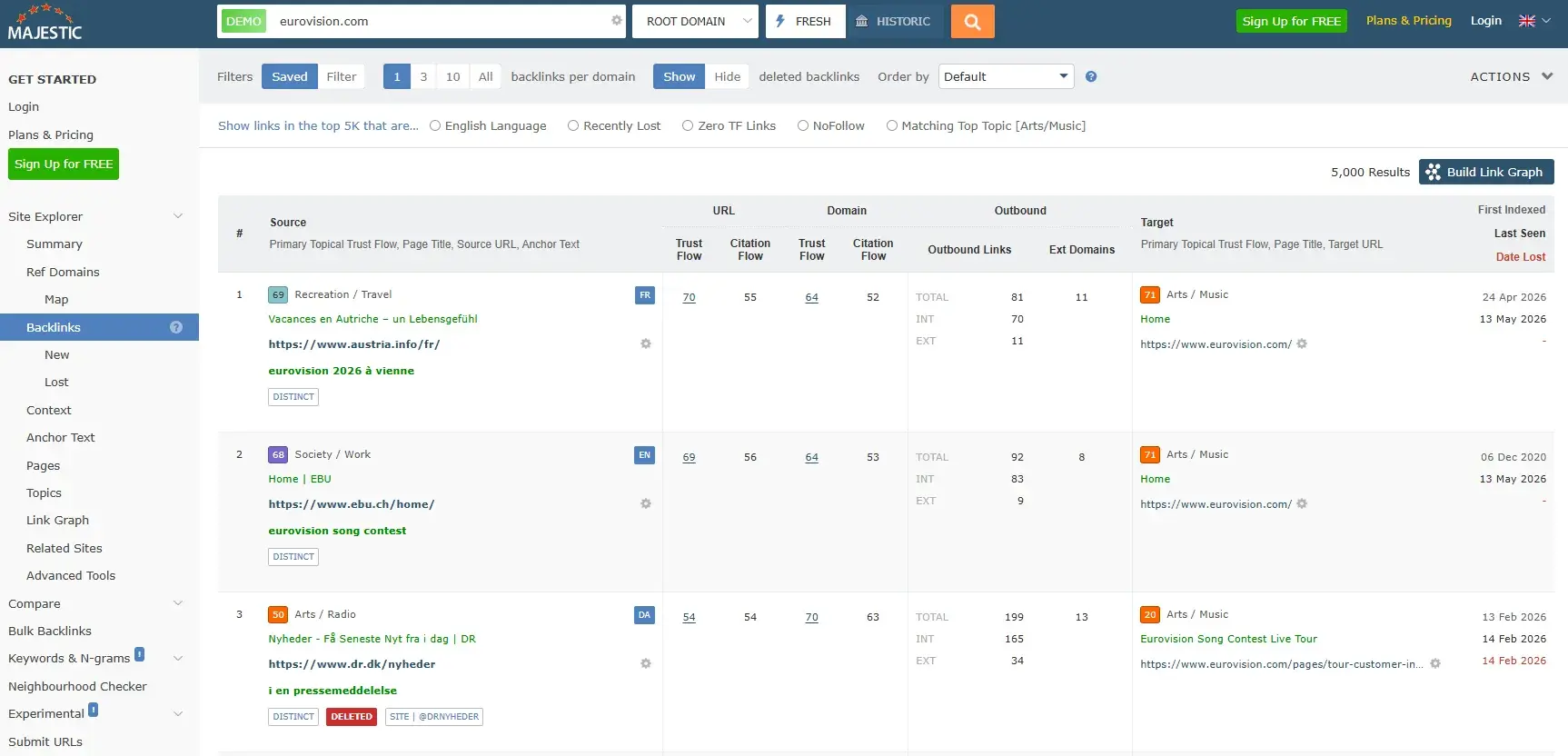
- Majestic: A specialist backlink tool focusing exclusively on link data. It offers unique metrics like Trust Flow and Citation Flow to assess link quality, providing granular analysis without the overhead of an all-in-one platform. Plans start at $49.99/month, making it a valuable option for focused backlink intelligence. Majestic has a long-standing reputation for reliable link analysis and offers excellent support for SEO teams needing specialized assistance.
Performance Monitoring: Rank Tracking & Analytics
Understanding how a website performs in search results and how users interact with the site is crucial for iterative improvement and demonstrating SEO’s tangible impact.
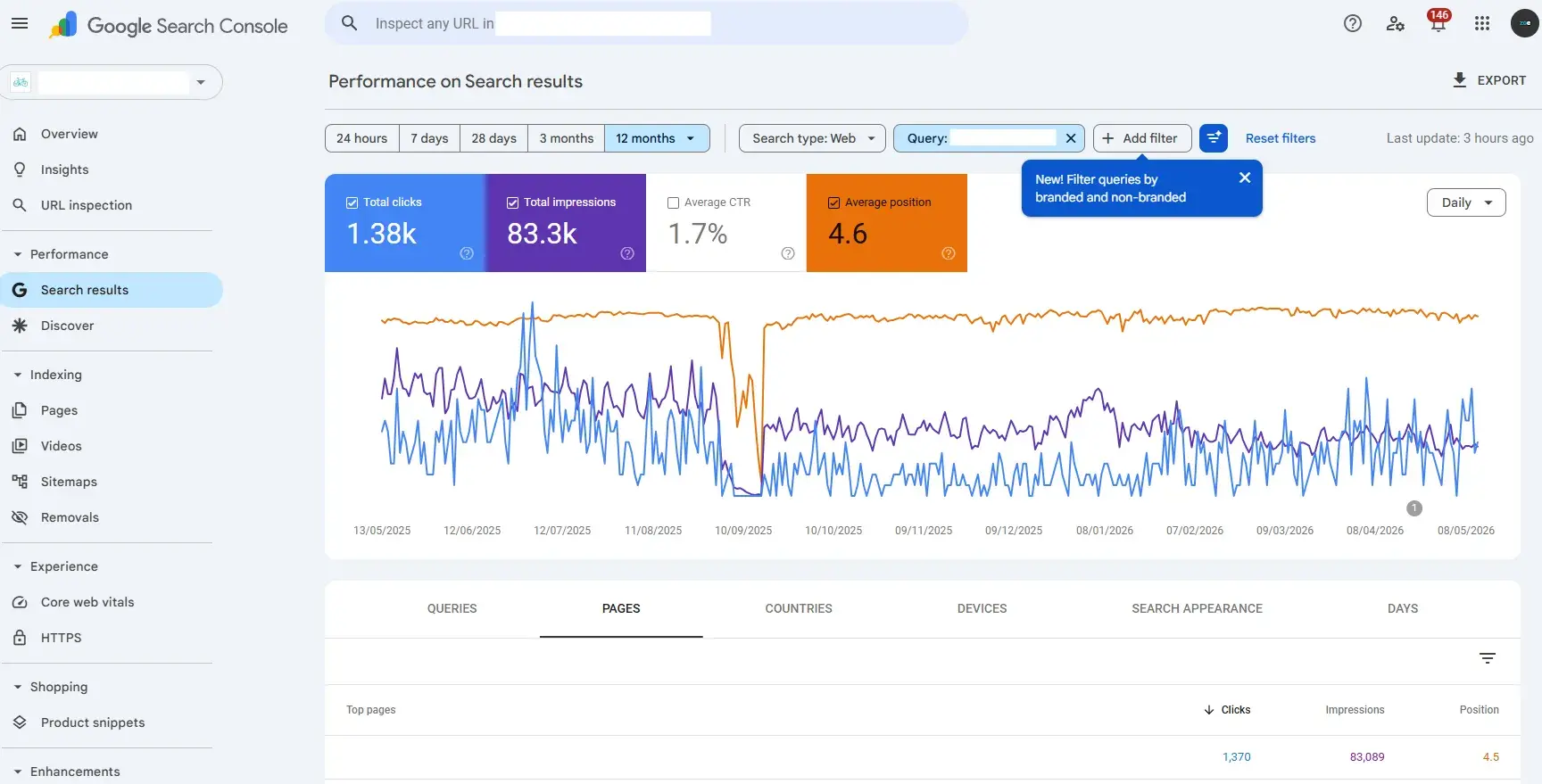
- Google Search Console (GSC): An indispensable, free tool directly from Google, providing first-party data on search queries, indexing status, and site performance. Its Performance report offers insights into keyword positions and traffic trends, serving as a foundational rank tracker for all businesses. GSC is a must-have for all businesses, providing raw, unfiltered data essential for daily SEO analysis.
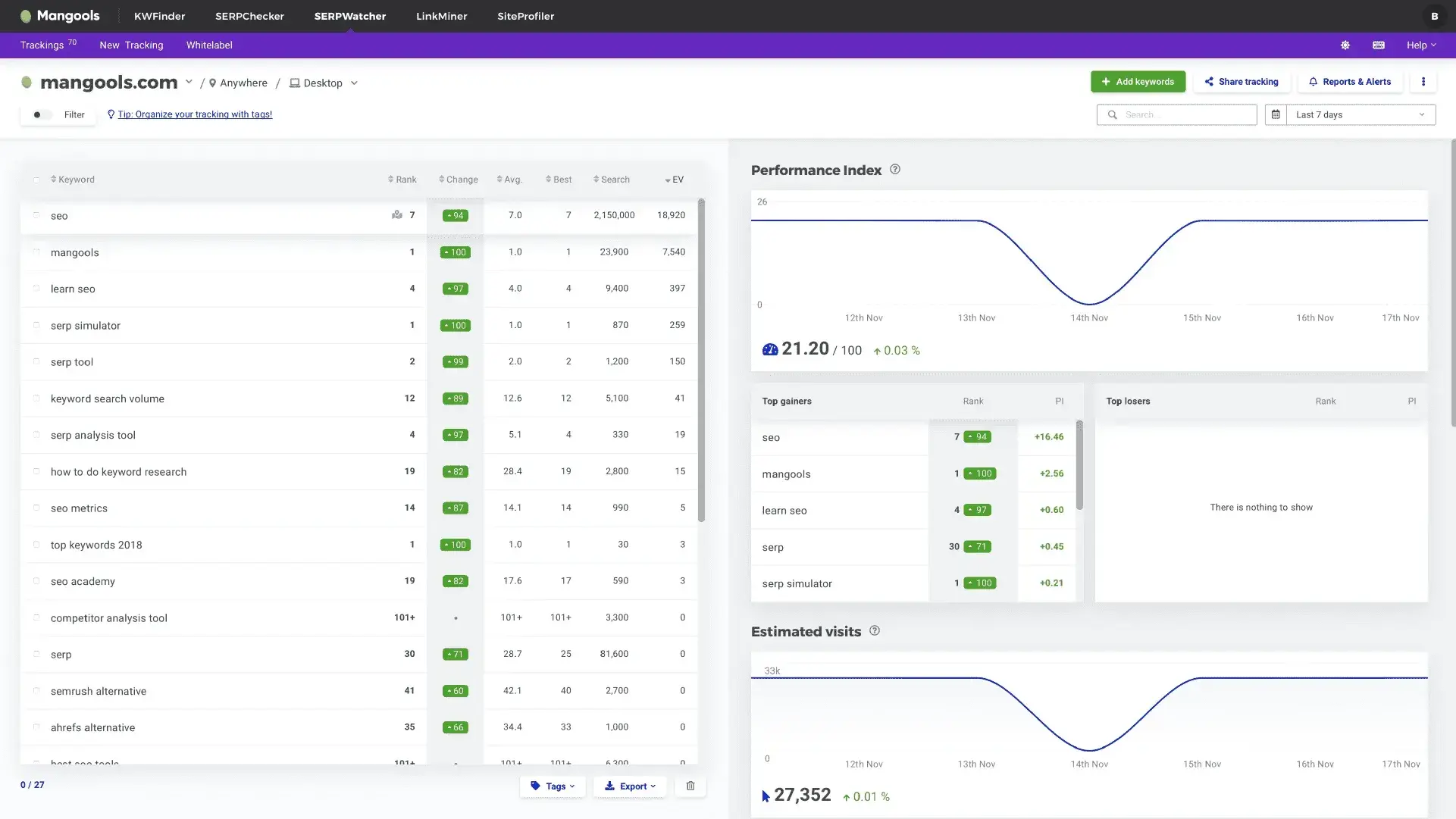
- SERPWatcher by Mangools: A dedicated, user-friendly rank tracking tool that provides daily position updates and clear trend visualization for specific target keywords. Starting at $37.70/month, it offers more granular, continuous monitoring than GSC alone, simplifying the process of tracking multiple keywords over time.
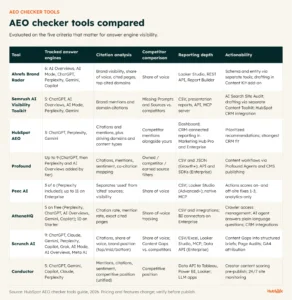
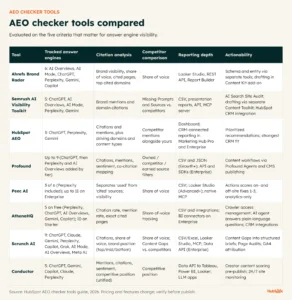
- HubSpot AEO (Answer Engine Optimization): This innovative tool evaluates brand visibility in AI search results, tracking presence in AI Overviews, chatbots like ChatGPT, and Perplexity AI. It offers a "Brand Visibility Score," CRM-powered prompt suggestions, citation analysis, and sentiment analysis. It’s included in Marketing Hub Pro/Enterprise or available standalone for $50/month, positioning businesses to adapt to the evolving AI search landscape and monitor their presence in AI-driven answers.
- Google Analytics 4 (GA4): The standard for website analytics, GA4 tracks user behavior, traffic sources, and conversions with a focus on event-based data. It’s a free, foundational tool for understanding how organic search traffic interacts with a website and is essential for all businesses to understand page views, engagement, and conversion events.
- Looker Studio (formerly Data Studio): A free data visualization and reporting tool that integrates data from GA4, GSC, HubSpot, Semrush, and other sources to create customizable, shareable dashboards. It’s ideal for presenting clear, real-time SEO performance reports to stakeholders and clients, automating data updates and streamlining reporting workflows.
- HubSpot Marketing Hub Analytics: This platform connects page visits to individual contacts and revenue, offering full-funnel attribution. It shows which content drives leads, influences deals, and contributes to pipeline growth, providing a direct link between SEO performance and business outcomes. Basic analytics are free, with advanced attribution and custom dashboards in Professional plans (from $890/month), offering contact-level visibility that transforms how businesses think about content and SEO investment.
Local Dominance: Geo-Targeted Solutions
For businesses serving local communities, optimizing for local search is critical for driving foot traffic, localized online engagement, and direct customer acquisition.
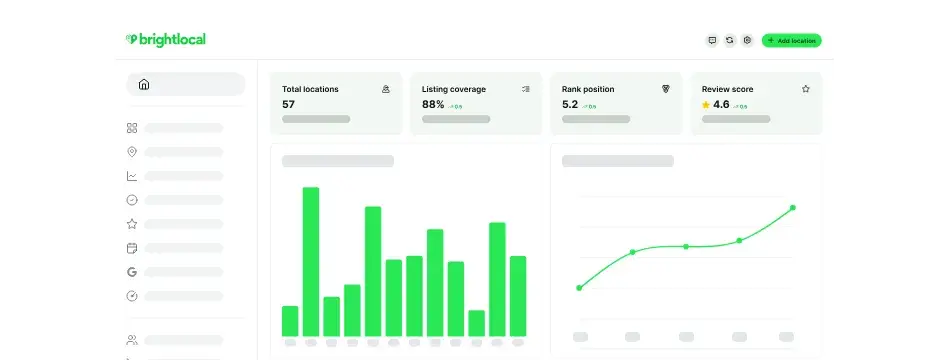
- BrightLocal: A dedicated local SEO platform offering citation management, review monitoring, and local rank tracking for multi-location businesses. It helps ensure listing accuracy and manage online reputation, directly impacting local search rankings. Plans start at $29/month, with a free trial available. BrightLocal is highly effective at identifying and rectifying listing inconsistencies, a common local SEO issue.
- Nightwatch: A rank tracking and SEO analytics tool with a standout granular location-based rank tracker. Its Search Simulator Chrome extension (free) allows for quick checks of SERPs in different countries, while paid plans (from €79/month) support tracking many keywords across multiple geographic locations. Nightwatch is praised for its ability to provide precise, location-specific rank tracking without the complexity of a full enterprise suite.
- Google Business Profile: An absolute must-have free tool for any business looking to attract local customers. It allows businesses to manage their online presence across Google Search and Maps, including business information, photos, customer reviews, and posts, directly influencing local search visibility.
The Transition from Free to Paid Solutions
While free SEO tools offer an invaluable starting point, they inevitably present limitations as a business scales and its marketing needs become more sophisticated. Common indicators that it’s time to invest in paid solutions include:
- Limited Data Access: Free tools often restrict the depth, volume, or historical range of data, hindering comprehensive analysis.
- Lack of Automation: Manual data collection and analysis become unsustainable and error-prone as operations grow.
- Absence of Competitive Insights: Understanding competitor strategies and identifying market gaps requires advanced paid features.
- Inadequate Reporting: Presenting comprehensive, professional reports with custom branding often necessitates paid dashboards and advanced analytics.
- Need for Guided Recommendations: Teams lacking deep SEO expertise benefit significantly from tools offering actionable, prioritized suggestions based on richer data.
- Managing Multiple Properties: Scaling SEO across numerous websites, products, or locations demands centralized, robust platforms.
- Integration Requirements: Connecting SEO data with CRM, sales, and broader marketing platforms often requires paid ecosystems for seamless data flow and attribution.
Integrating Tools for Holistic Growth
The true power of an SEO tech stack emerges when tools are seamlessly integrated. Connecting SEO platforms with Content Management Systems (CMS), web analytics, and Customer Relationship Management (CRM) systems (like HubSpot) transforms SEO from a siloed activity into a core component of overall business growth. This integration enables full-funnel attribution, allowing businesses to track how organic traffic contributes to leads, sales pipeline, and ultimately, revenue. Such visibility not only justifies SEO investment but also informs strategic decisions across marketing and sales, ensuring that SEO efforts are directly aligned with business outcomes. For example, knowing which specific blog posts generated new contacts and influenced active deals provides unparalleled insight into content effectiveness.
The Future: Adapting to Answer Engine Optimization (AEO)
The rise of AI-powered search experiences, such as Google AI Overviews and conversational chatbots, marks a significant evolution in how users consume information. Answer Engine Optimization (AEO) is emerging as a critical discipline, focusing on optimizing content to be accurately surfaced, summarized, and cited by these AI tools. This shift necessitates a re-evaluation of traditional SEO metrics, moving beyond mere rankings and clicks to encompass visibility within generated answers.
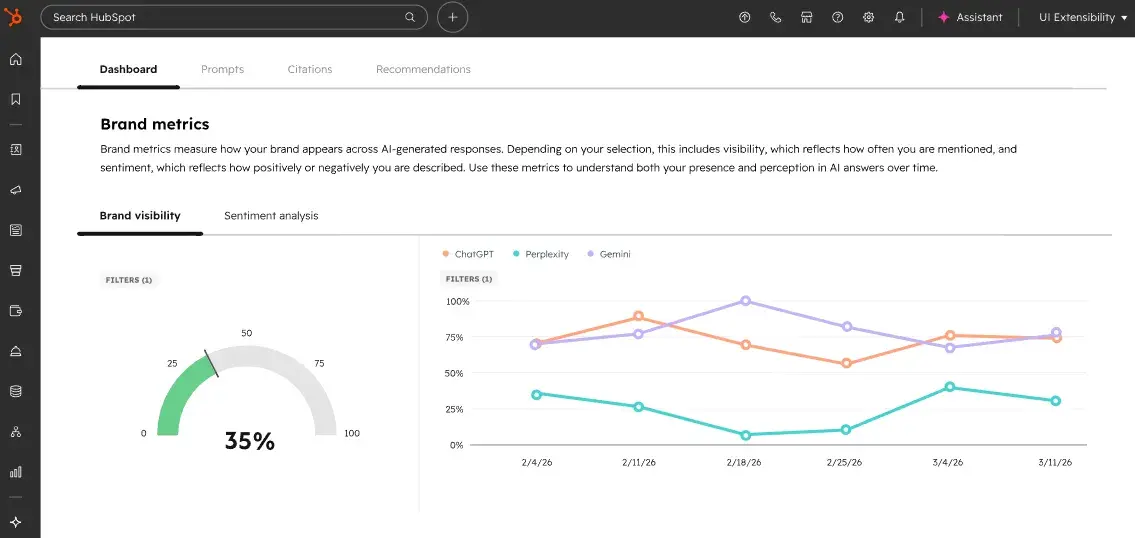
To effectively measure answer engine visibility, teams must monitor branded mentions, AI citations, query coverage, and visibility in AI Overviews alongside traditional rankings. Tools like HubSpot AEO are at the forefront, providing marketers with crucial metrics such as Brand Visibility Score, CRM-powered Prompt Tracking, Citation Analysis, and Sentiment Analysis to navigate this new landscape. Businesses that adapt their SEO tool stacks to measure both traditional search engine rankings and answer engine presence will be better positioned for future digital success, ensuring their brand remains visible and influential in an increasingly AI-driven search environment.
Conclusion
Building an effective SEO tech stack is a strategic investment for any small, growing business. The optimal selection balances immediate needs with long-term scalability, ensuring that chosen tools not only facilitate current SEO tasks but also support future growth and adaptation to evolving search paradigms. Whether opting for a comprehensive all-in-one platform or a curated suite of specialized tools, the objective remains consistent: to make SEO measurable, actionable, and demonstrably valuable to the business’s bottom line. Platforms that offer integrated solutions, connecting SEO performance directly to CRM data and revenue attribution, like HubSpot’s SEO Marketing Software and AEO tool, are increasingly vital for future-proofing small businesses against a rapidly changing digital environment, ensuring continuous growth and competitive advantage.