
LiveKit, a sophisticated software platform engineered for the seamless integration of real-time video, audio, and data, has transitioned from a specialized developer tool to a cornerstone of the modern digital infrastructure. As the demand for low-latency, high-fidelity communication grows across sectors ranging from robotics and spatial computing to enterprise-level video conferencing, LiveKit has successfully navigated the challenge of positioning itself as both a robust technical backend and a recognizable brand identity. This evolution, marked by a recent overhaul of its visual design system, underscores the company’s objective to move beyond its role as a "behind-the-scenes" utility into a globally acknowledged leader in the WebRTC space.

The Technical Foundations of LiveKit
At its core, LiveKit provides a comprehensive stack for developers to build real-time applications without the prohibitive complexity typically associated with WebRTC. By abstracting the intricacies of network traversal, media server management, and state synchronization, the platform allows engineers to focus on product-specific features rather than the underlying plumbing of real-time media.
The architecture of LiveKit is built to handle the rigorous demands of modern connectivity. Whether facilitating a multi-user video conference with hundreds of participants or managing the telemetry stream of an autonomous robot in a remote location, the platform utilizes a sophisticated set of protocols designed to minimize latency. This technical agility has made it a preferred choice for companies seeking to scale their real-time capabilities rapidly.
A Strategic Pivot in Brand Identity
Recognizing that its technical utility was becoming ubiquitous, the leadership at LiveKit initiated a comprehensive rebranding effort. The objective was to create a design system that reflected the company’s dual nature: a powerful, high-performance infrastructure provider that is also accessible and visually engaging.
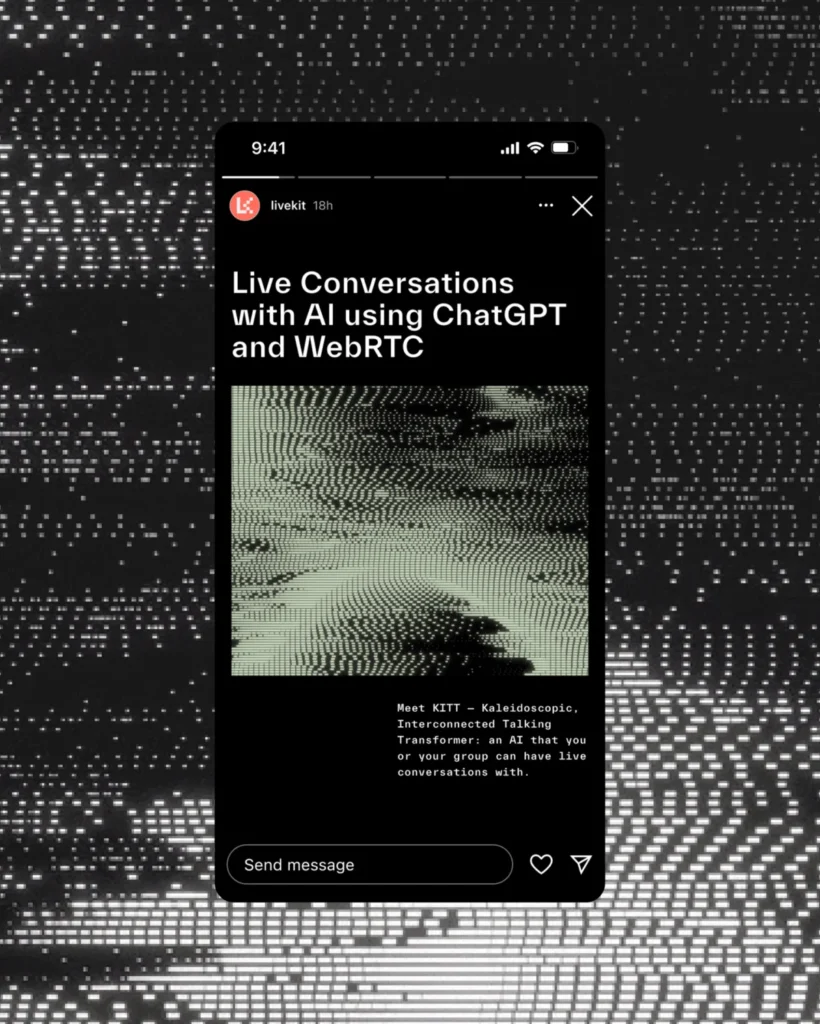
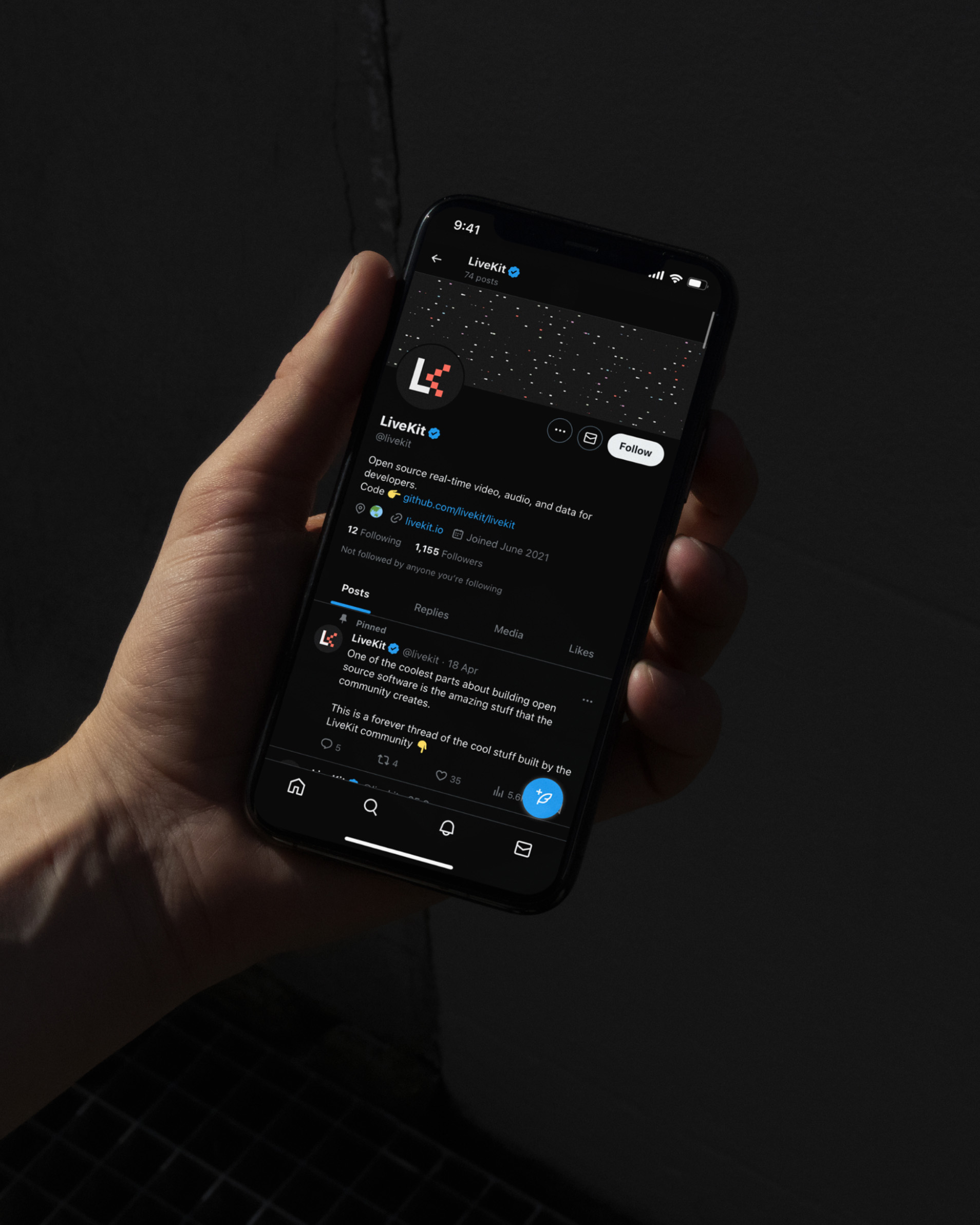
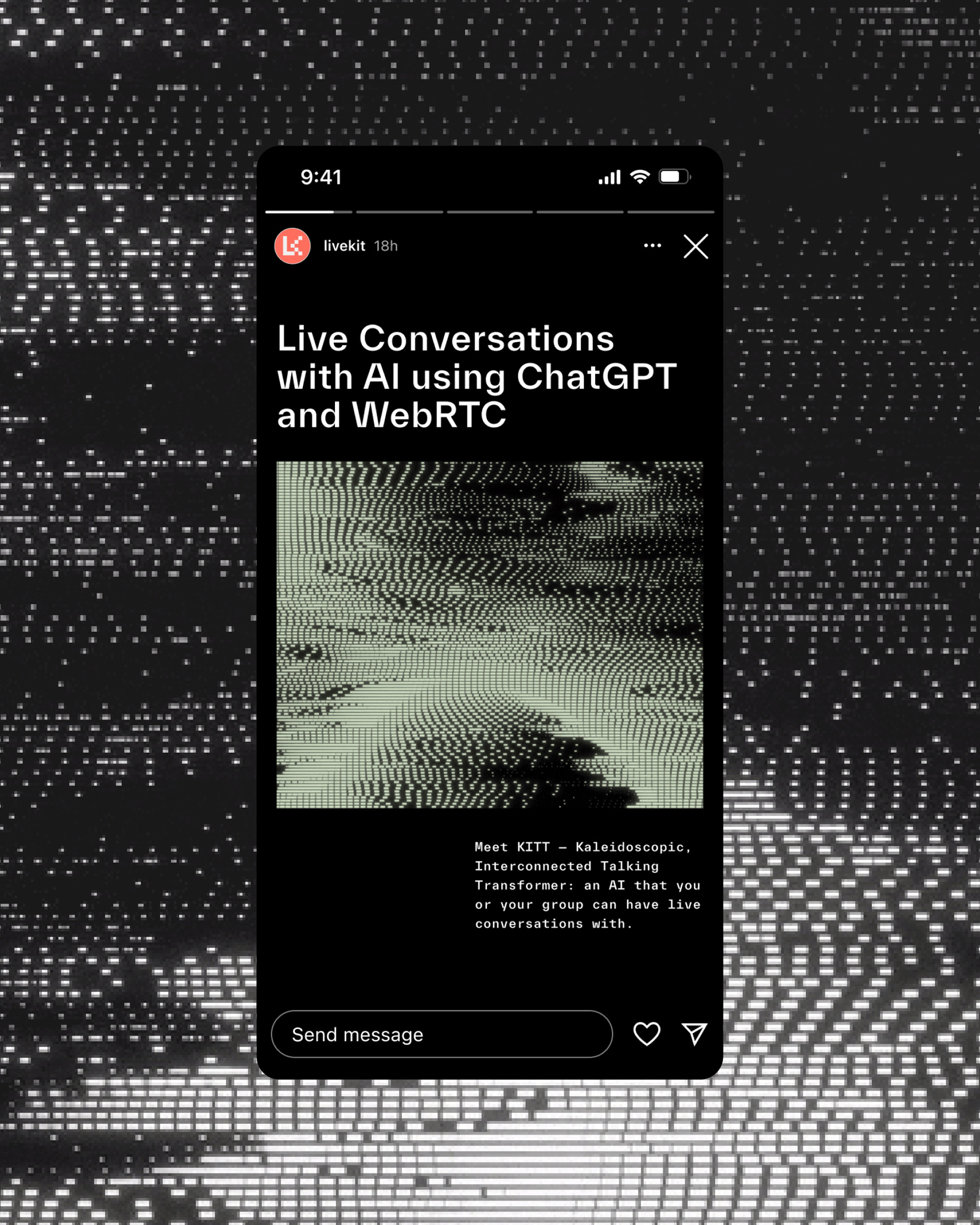
In collaboration with design partners, the company moved away from purely utilitarian aesthetics. The new identity embraces a "digital edge," characterized by a design language optimized for dark-mode environments—a nod to the developer-centric nature of its user base. By integrating nuanced color palettes and fluid animations, the brand identity achieves a balance between technical precision and human-centric design, ensuring that even the most complex dashboards remain intuitive and aesthetically pleasing.

This design philosophy is evident across the brand’s ecosystem, from the minimalist, sharp wordmark to the iconographic system that identifies its various service modules. By elevating its visual presentation, LiveKit has effectively signaled to the market that it is not merely a library of code, but a mature, full-stack product capable of supporting large-scale enterprise deployments.
Chronology of Growth and Market Recognition
The trajectory of LiveKit since its inception has been characterized by consistent, rapid expansion. The platform’s growth can be mapped against key milestones that have solidified its reputation as a leader in the cloud infrastructure sector:

- Q3 2021: LiveKit begins to gain significant traction within the developer community, leading to its recognition as one of GitHub’s Top 10 Fastest Growing Repositories. This period marked the company’s transition from an experimental project to a production-grade solution.
- Q2 2022: The platform cements its status by repeating its appearance in GitHub’s top-growth metrics, signaling sustained adoption and developer loyalty.
- Late 2022 to 2023: LiveKit expands its use cases, moving beyond standard video conferencing to support emerging fields like spatial computing and industrial automation.
- 2024: The company receives high-level industry validation, most notably being named to the Forbes Cloud 100 Rising Stars list. This honor is reserved for private companies that demonstrate exceptional growth, innovation, and potential to reshape the cloud computing landscape.
Industry Context: The WebRTC Landscape
To understand the significance of LiveKit’s rise, one must consider the broader context of real-time communication. WebRTC (Web Real-Time Communication) has been the industry standard for browser-based audio and video transmission for over a decade. However, implementing WebRTC at scale is notoriously difficult due to the complexities of NAT traversal, packet loss management, and cross-platform compatibility.
Historically, organizations were forced to build proprietary solutions or rely on legacy infrastructure that was difficult to maintain. LiveKit’s rise represents a shift toward "infrastructure-as-a-service" models, where developers consume sophisticated communication capabilities via APIs and SDKs. By providing a managed, scalable stack, LiveKit has essentially democratized real-time communication, allowing smaller startups to compete with established tech giants in terms of video quality and reliability.
Data-Driven Impact on the Developer Ecosystem
The impact of the LiveKit platform is perhaps best measured by its adoption metrics. As an open-source-first project, the platform’s growth is driven by a feedback loop between the community and the engineering team. Developers contribute to the codebase, report bugs, and suggest features, which the core team integrates into the production-ready product.
According to industry analysts, the demand for real-time video infrastructure is projected to grow at a compound annual growth rate (CAGR) of over 15% through 2030. LiveKit’s positioning at the forefront of this trend is bolstered by its compatibility with diverse frameworks, including React, Flutter, and Unity. This cross-platform reach is critical; developers working on high-latency-sensitive projects like robotics need a platform that can bridge the gap between edge hardware and cloud-based analytics.
Corporate Strategy and Future Outlook
The decision to invest heavily in brand identity is a calculated strategic move. In the B2B SaaS market, the technical prowess of a product is often the barrier to entry, but the brand’s "personality" is what drives long-term retention and developer evangelism. By crafting an identity that feels native to the modern web, LiveKit has built a sense of community that extends beyond its documentation and GitHub repository.
The company’s recent activities—including the development of a comprehensive dashboard for monitoring real-time metrics—demonstrate a focus on user experience that is often overlooked in infrastructure companies. By providing granular visibility into stream health, latency, and participant data, the dashboard serves as both a functional tool and a visual representation of the platform’s technical authority.

The Implications of Professionalized Infrastructure
The success of LiveKit carries broader implications for the future of software development. As the industry continues to move toward more specialized, modular components, companies that can successfully package complex engineering as a sleek, accessible product will define the market.
Furthermore, the integration of real-time data into non-traditional sectors like robotics and spatial computing suggests that the next generation of the internet will be characterized by persistent, high-bandwidth connections. LiveKit is not merely building a tool for Zoom-like applications; it is building the communication fabric for the next era of the internet, where real-time synchronization is a fundamental requirement rather than an optional feature.

Conclusion
LiveKit’s journey from a nascent open-source project to an industry-recognized "Rising Star" in the cloud sector is a testament to the power of balancing robust engineering with strategic design. By acknowledging that its brand identity serves as the public face of its complex backend, the company has successfully bridged the gap between raw functionality and market-leading utility.
As the company looks to the future, the challenge will be to maintain its agility while supporting an increasingly complex array of enterprise-level use cases. However, given its history of rapid growth and its commitment to both technical innovation and user-centric design, LiveKit appears well-positioned to remain a dominant force in the real-time communication sector for the foreseeable future. Through its continued focus on developer experience and high-performance infrastructure, the company is effectively setting a new standard for how real-time communication platforms are built, marketed, and maintained in the modern age.