

Bluesky has emerged as a formidable force in the social media landscape, surpassing 40 million registered users and solidifying its position as one of the fastest-growing decentralized networks globally. Originally conceived as an internal project within Twitter under the leadership of then-CEO Jack Dorsey, the platform has transitioned from an experimental initiative into a standalone Public Benefit Corporation (PBC) that challenges the traditional, centralized models of social networking. By utilizing the Authenticated Transfer Protocol (AT Protocol), Bluesky offers a unique value proposition: a social internet where users, rather than a handful of corporate entities, maintain control over their data, their identities, and their algorithmic experiences.
The Strategic Shift to Decentralization
The rapid ascent of Bluesky is inextricably linked to a broader movement toward the "fediverse" and decentralized social media. Unlike traditional platforms such as X (formerly Twitter), Facebook, or Instagram, which operate as "walled gardens," Bluesky is built on an open-source framework designed for interoperability. The platform’s mission, as articulated by its leadership, is to provide an open foundation for the social internet. This philosophy stems from the belief that social media has become a critical utility for global discourse and is too vital to be governed by the whims of individual billionaires or opaque corporate boards.

In February 2024, Bluesky reached a pivotal milestone by removing its invite-only restriction. The transition to a public-facing platform was met with an immediate surge in demand, as more than one million new users registered within the first 24 hours of the doors opening. This growth has been fueled by a "flight to quality" among users seeking refuge from the increasing volatility, bot activity, and algorithmic manipulation observed on other microblogging platforms. From scientific communities and academic circles to niche fanbases like K-pop enthusiasts, the platform has successfully cultivated a diverse ecosystem of creators.
A Chronology of Bluesky’s Development
The trajectory of Bluesky is a multi-year narrative of technical innovation and organizational independence.
- December 2019: Jack Dorsey announces the formation of an independent team to develop an open and decentralized standard for social media, initially funded by Twitter.
- August 2021: Jay Graber, a developer with deep roots in decentralized technology and the creator of Happening, is appointed as the lead for Bluesky.
- February 2022: Bluesky PBLLC is established as an independent organization, ensuring its goals remain focused on the public good rather than the profit motives of its original parent company.
- Early 2023: The platform enters a private beta phase, utilizing an invite-only system to manage growth and refine the AT Protocol.
- February 2024: Bluesky officially opens to the public, marking the end of the invite-only era and triggering massive user acquisition.
- Late 2024: The platform experiences several significant "migration waves," particularly following policy changes and legal disputes involving X in various international jurisdictions, including Brazil.
Technical Infrastructure: The AT Protocol vs. ActivityPub
Understanding Bluesky’s place in the market requires a technical comparison between the AT Protocol and ActivityPub. While both aim for decentralization, they represent different architectural philosophies. ActivityPub is the protocol powering the fediverse, including platforms like Mastodon and Meta’s Threads. It relies on a "federated" model where different servers (instances) talk to each other.
In contrast, Bluesky’s AT Protocol is designed to offer "account portability" and "algorithmic choice." On the AT Protocol, a user’s identity is not tied to a specific server. If a user is unhappy with their service provider, they can move their entire account—including followers and posts—to another provider without losing their social graph. Furthermore, Bluesky introduces the concept of custom feeds, allowing users to choose the algorithms that govern their "Following" and "Discover" tabs, rather than being forced to consume content dictated by a single corporate algorithm.
Market Adoption and the Role of Management Tools
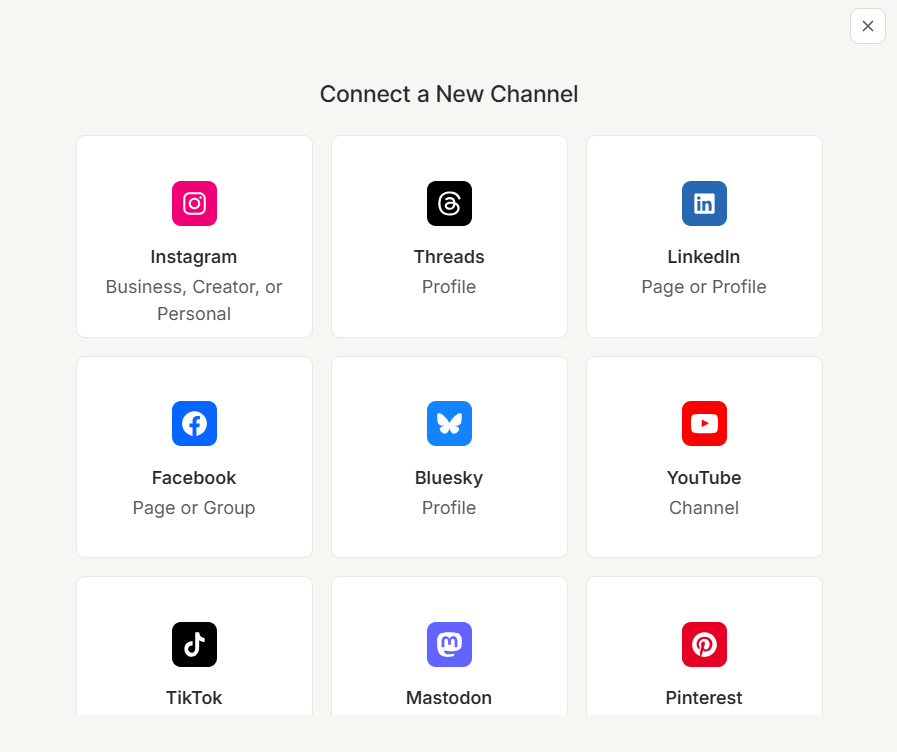
As Bluesky scales, the need for professional-grade management tools has become apparent. For creators, journalists, and brands, the decision to join a new platform is often contingent upon the ability to integrate that platform into existing workflows. Social media management platforms like Buffer have stepped in to bridge the gap between decentralized networks and established channels.
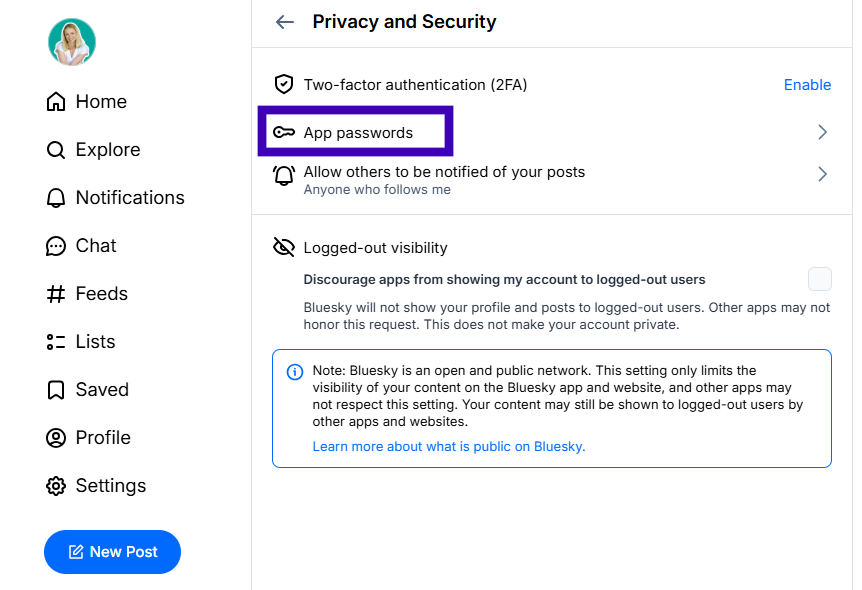
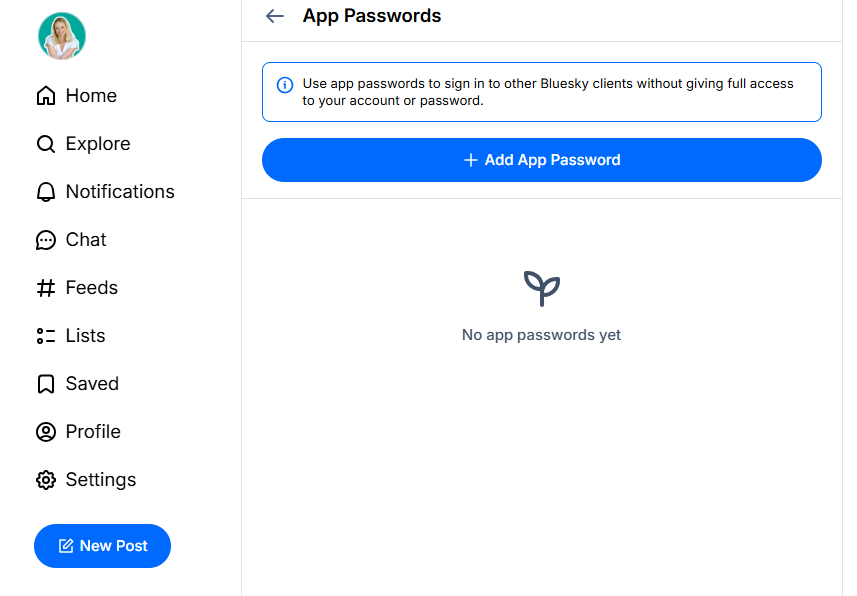
The integration of Bluesky into third-party scheduling tools addresses several logistical challenges for power users. Because Bluesky does not currently offer a native, built-in scheduling feature, third-party applications have become essential for maintaining a consistent presence. These tools allow users to:
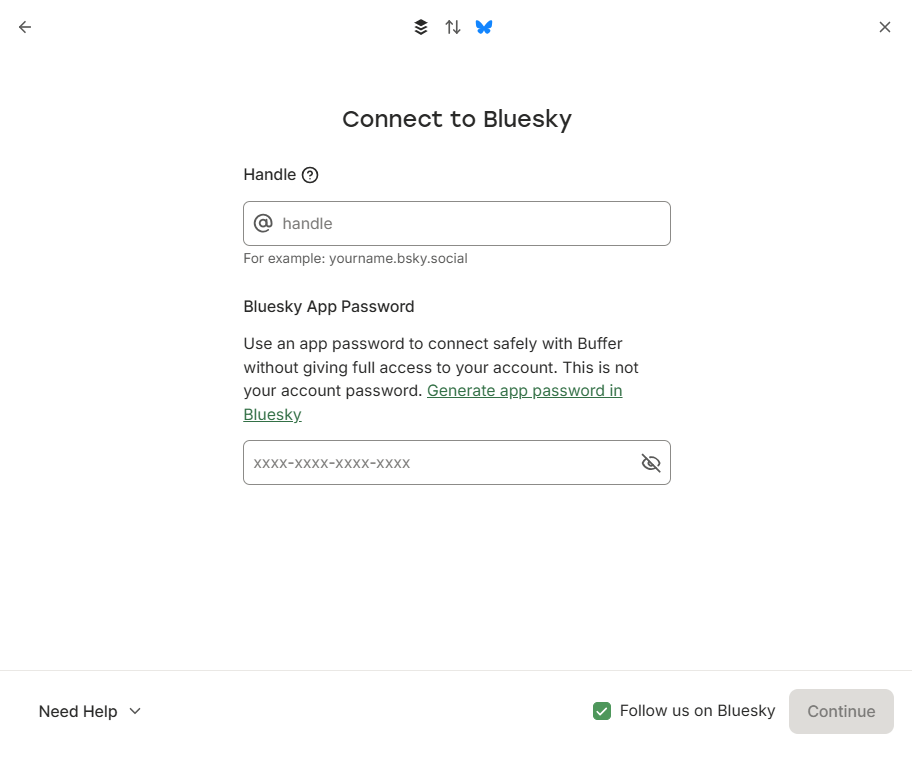
- Coordinate Multi-Platform Campaigns: Crossposting content from Bluesky to X, Threads, Mastodon, and LinkedIn ensures maximum reach without duplicative manual labor.
- Optimize Engagement Timing: Scheduling posts to go live when global audiences are most active, regardless of the creator’s time zone.
- Manage Threads: While Bluesky supports long-form "threads," creating them in real-time can be cumbersome. Scheduling tools allow for the pre-composition and timed release of multi-part narratives.
Furthermore, the decentralized nature of Bluesky allows for "self-hosting." Advanced users can run their own personal data servers (PDS), giving them total ownership of their content. Modern management tools are evolving to support these custom servers, ensuring that the benefits of decentralization do not come at the cost of professional efficiency.
Official Responses and Industry Implications
The leadership at Bluesky, led by CEO Jay Graber, has consistently emphasized that the platform is not just building a social app, but a new layer of the internet’s infrastructure. Graber has stated that the goal is to "make social media work more like email or the web," where different services can interact seamlessly.
Industry analysts view Bluesky’s growth as a significant threat to the dominance of centralized platforms. The "network effect"—the idea that a platform is only valuable if everyone is on it—is being challenged by the "protocol effect." If users can interact across different apps using the same protocol, the monopoly held by any single company is weakened.
Responses from the broader tech community have been largely positive, though some critics point to the challenges of content moderation in a decentralized environment. To address this, Bluesky has pioneered "stackable moderation," where the platform provides a baseline of safety, but users and independent organizations can create their own "labelers" or moderation filters to further customize their experience. This moves the responsibility of "censorship" away from a central authority and places it in the hands of the community.
Analysis: The Broader Impact on Global Discourse
The implications of Bluesky’s success extend beyond the tech industry. For journalists and activists, a decentralized platform offers a level of protection against arbitrary deplatforming. In regions where social media is subject to government interference, the ability to self-host data or migrate accounts provides a safeguard for freedom of expression.
From a market perspective, Bluesky’s 40-million-user milestone suggests that there is a sustainable appetite for alternatives to the "attention economy" models popularized by Silicon Valley giants. By decoupling the protocol from the application, Bluesky allows for a competitive marketplace of interfaces. If a user dislikes the official Bluesky app, they can use one of dozens of third-party clients developed by the community, all while accessing the same network.
Future Outlook and Challenges
As Bluesky moves toward the 50-million-user mark, its primary challenge will be maintaining the "small-town" feel of its community while scaling to a global audience. The platform must also navigate the complexities of monetizing a decentralized network without compromising its core values of user control and data privacy.
The success of the AT Protocol will depend on its adoption by other developers. If more applications begin to build on the protocol, Bluesky could become the "social backbone" of the next generation of the internet. For now, the platform remains a beacon for those seeking a more transparent, user-centric digital future. Whether through native use or through integrated management tools like Buffer, the way we interact with the social web is undergoing a fundamental transformation, with Bluesky at the center of the shift.