

Managing an early-stage startup requires a rigorous allocation of limited resources, with founders often forced to prioritize product development and operational logistics over marketing initiatives. Consequently, the development of a cohesive social media presence frequently becomes an afterthought. However, in an era where digital footprints serve as a primary proxy for brand legitimacy, social media has transitioned from an optional marketing channel to a strategic imperative. For startups, these platforms offer a unique opportunity to achieve market penetration and brand recognition without the prohibitive costs associated with traditional advertising. By leveraging automation and data-driven strategy, even the most resource-constrained teams can cultivate an influential presence that drives customer acquisition and long-term loyalty.
The Strategic Importance of Social Media in the Startup Lifecycle
For emerging businesses, social media management is defined as the systematic process of creating, publishing, and analyzing content to achieve specific commercial objectives. Unlike established multinational corporations that maintain brand momentum through sheer market ubiquity, startups must build visibility from a zero-baseline. This requires a nuanced approach to community engagement and trust-building. According to recent industry data, approximately 65% of consumers report feeling a significantly deeper connection to brands that maintain a robust and responsive social media presence. This connection is particularly vital for startups, as they lack the historical reputation that provides established competitors with a "trust buffer."

The role of social media extends beyond mere promotion; it serves as a critical infrastructure for the modern feedback loop. In the early stages of product-market fit, direct communication through comments and direct messages (DMs) provides founders with unvarnished insights into user pain points and feature requests. This allows for rapid iteration and pivoting, which are essential for survival in competitive sectors.
A Chronological Roadmap to Social Media Maturity
The evolution of a startup’s social media strategy typically follows a four-stage progression, moving from foundational setup to advanced data optimization.
Phase I: The Foundation (Months 1–3)
During the initial phase, the focus is on identity formation. Startups must define their brand voice—whether it be authoritative, witty, or community-centric—and establish their "content pillars." These pillars serve as the thematic foundations for all future posts, ensuring consistency. Common pillars for startups include "Founders’ Journey" (transparency), "Product Education" (utility), and "Industry Insights" (authority).

Phase II: Strategic Platform Selection and Launch (Months 3–6)
A common error among novice entrepreneurs is the attempt to maintain a presence on every available platform. Data suggests that 72% of Gen Z users are active on TikTok, while B2B decision-makers remain concentrated on LinkedIn. Startups must select two or three platforms where their target demographic is most active. During this phase, the implementation of a social media management tool becomes necessary to handle the increasing volume of interactions and to schedule posts for optimal engagement times.
Phase III: Community Building and Engagement (Months 6–12)
Once a baseline audience is established, the focus shifts to "social listening." This involves monitoring brand mentions and industry trends to participate in relevant conversations. This phase is characterized by a transition from broadcasting to dialogue. Brands like Oak & Willow have successfully used this stage to solicit honest product feedback, effectively turning their customer base into a decentralized research and development department.
Phase IV: Optimization and Scaling (Year 1 and Beyond)
In the mature stage, startups utilize advanced analytics to measure the Return on Investment (ROI) of their social efforts. This involves tracking metrics such as Customer Acquisition Cost (CAC) via social channels and the conversion rate of social traffic to lead generation.

Data-Driven Insights: Understanding Platform Nuances
To manage social media effectively, startups must understand the specific cadences required by different algorithms. The 2024 Social Media Content Strategy Report highlights that user expectations vary significantly by platform, necessitating a tailored approach to content production.
- Instagram: Success on this platform currently hinges on a mix of high-frequency "Reels" (3–5 per week) and daily "Stories" to maintain top-of-mind awareness.
- LinkedIn: For B2B startups, 2–5 posts per week are recommended. Professional audiences value "thought leadership" and long-form text posts that provide tangible industry value.
- TikTok: As a high-velocity platform, TikTok requires 2–5 videos per week. The content must feel native and unpolished to resonate with younger demographics who prioritize authenticity over high production value.
- X (formerly Twitter): This remains the primary hub for real-time engagement and news. Successful startups use it for 1–2 daily updates to stay relevant in fast-moving industry conversations.
Analysis of Common Operational Failures
Despite the clear benefits, many startups fail to realize the full potential of social media due to several recurring operational pitfalls.
The All-Platform Fallacy
The "spread thin" approach is the most frequent cause of social media burnout. When a lean team attempts to manage five or more platforms simultaneously, the quality of content inevitably suffers, and response times to customer inquiries lag. Journalistic analysis of startup failures often points to a lack of focus as a primary contributor to marketing inefficiency.
Absence of Measurable Objectives
Posting without a strategy is akin to operating without a business plan. Startups must tie social media goals to tangible business outcomes, such as increasing website traffic by 20% or generating 50 new leads per month. Without these benchmarks, social media becomes a "vanity project" rather than a growth engine.
Manual Process Overload
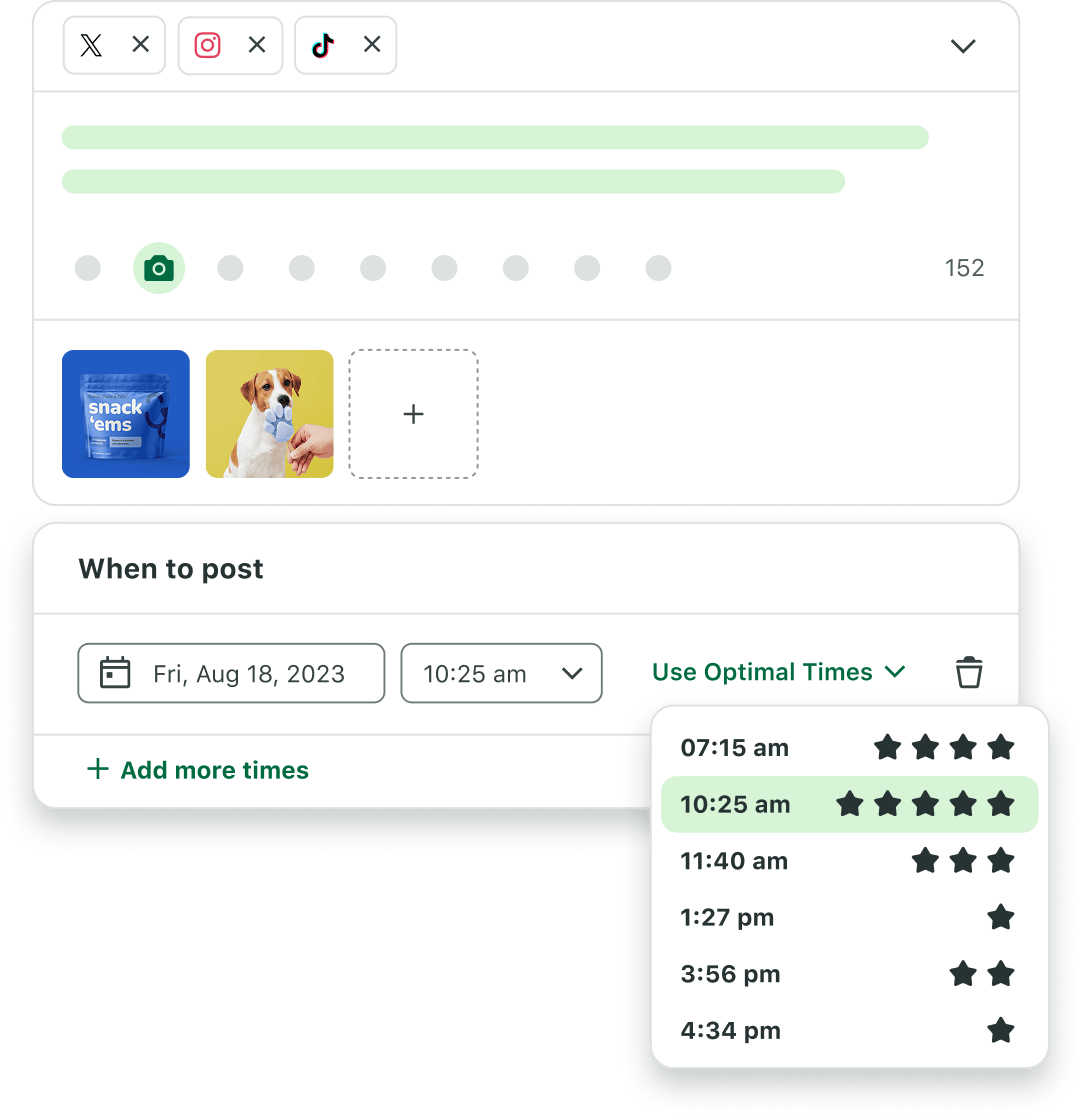
The refusal to invest in automation tools is a significant barrier to scaling. Manual posting is not only time-consuming but also prone to human error. Modern management tools provide visual calendars and "optimal send time" features that use historical data to determine when an audience is most likely to interact with a post. For a startup, the $75–$100 monthly cost of such a tool is often offset by the hours of labor saved.
Stakeholder Perspectives: The Investor and Customer View
From the perspective of venture capitalists and angel investors, a startup’s social media presence is often viewed as "social proof." A dead or erratic social media feed can signal operational instability or a lack of market traction during the due diligence process. Conversely, an engaged and growing community indicates brand resonance and a lower long-term CAC.
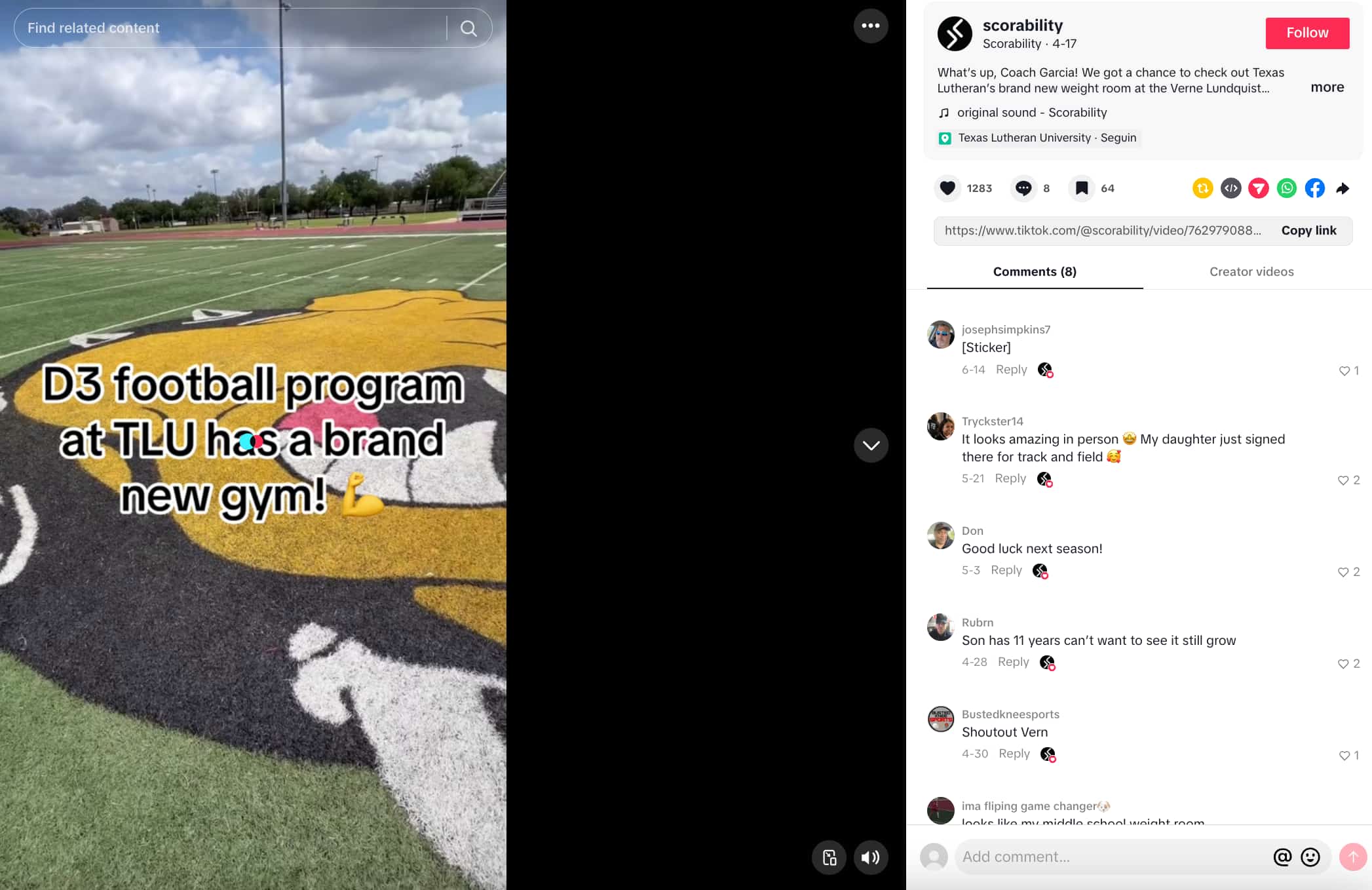
From the customer’s perspective, social media is the new "customer service desk." The modern consumer expects a response to a query within hours, not days. Startups that prioritize responsiveness build a "trust equity" that can protect them during product recalls or service outages. For example, the founder of Every Voice Co. utilizes real-life footage to demonstrate the efficacy of her communication tools, creating a level of transparency that traditional advertising cannot replicate.
Broader Economic Impact and Future Implications
The shift toward social-first marketing reflects a broader transformation in the global economy. As social commerce is projected to reach trillions of dollars in global sales by the end of the decade, startups that master these platforms early will be better positioned to capture market share. The integration of Artificial Intelligence (AI) into social media management is the next frontier, offering startups the ability to generate personalized content at scale and analyze sentiment in real-time.
In conclusion, social media management for startups is not merely about "being online." It is a sophisticated operational discipline that requires strategic platform selection, a commitment to consistency, and the intelligent use of automation. For the modern founder, the ability to navigate the social landscape is just as critical as the ability to manage a balance sheet. By treating social media as a core business function rather than a peripheral activity, startups can build the brand recognition and customer trust necessary to survive the volatile early years of business and achieve long-term commercial success.