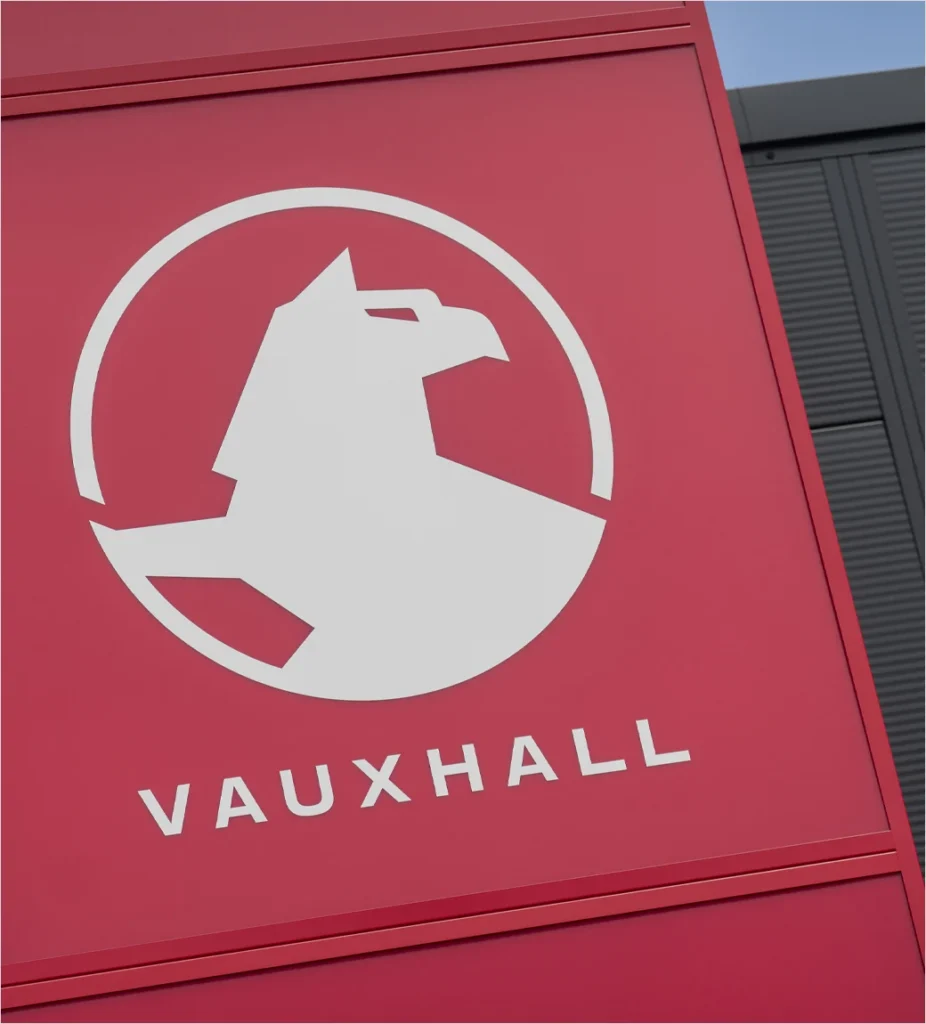

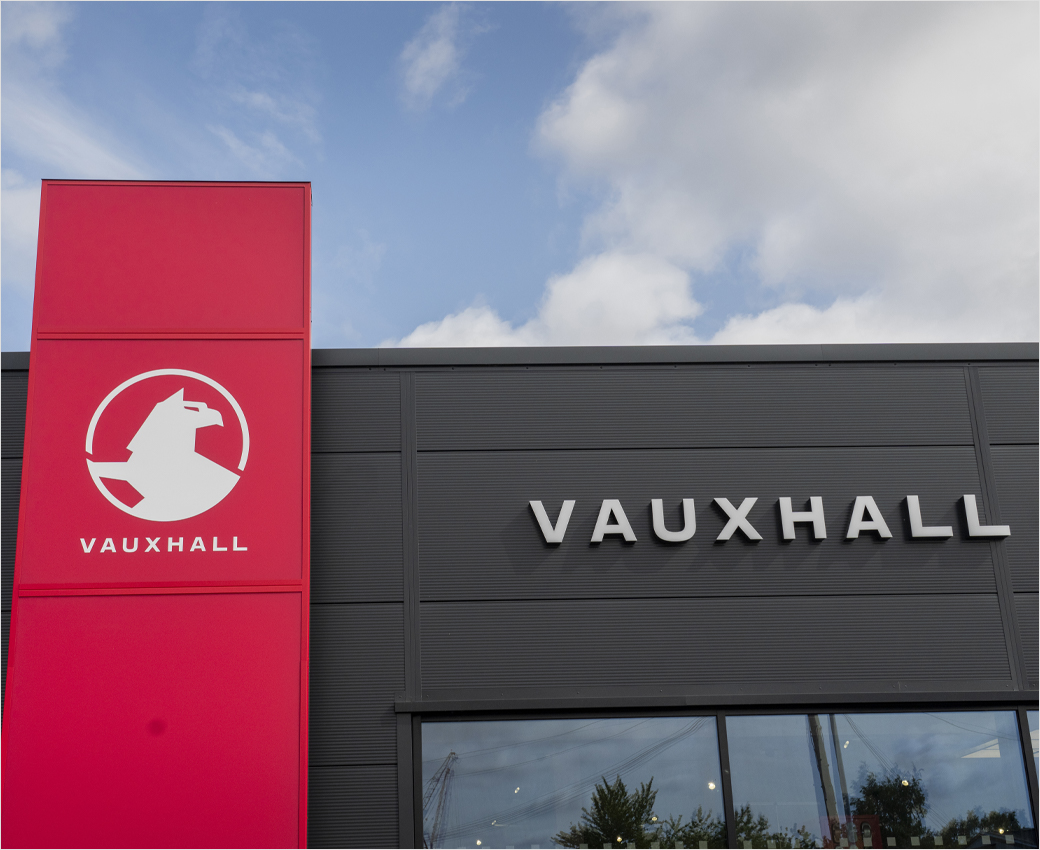
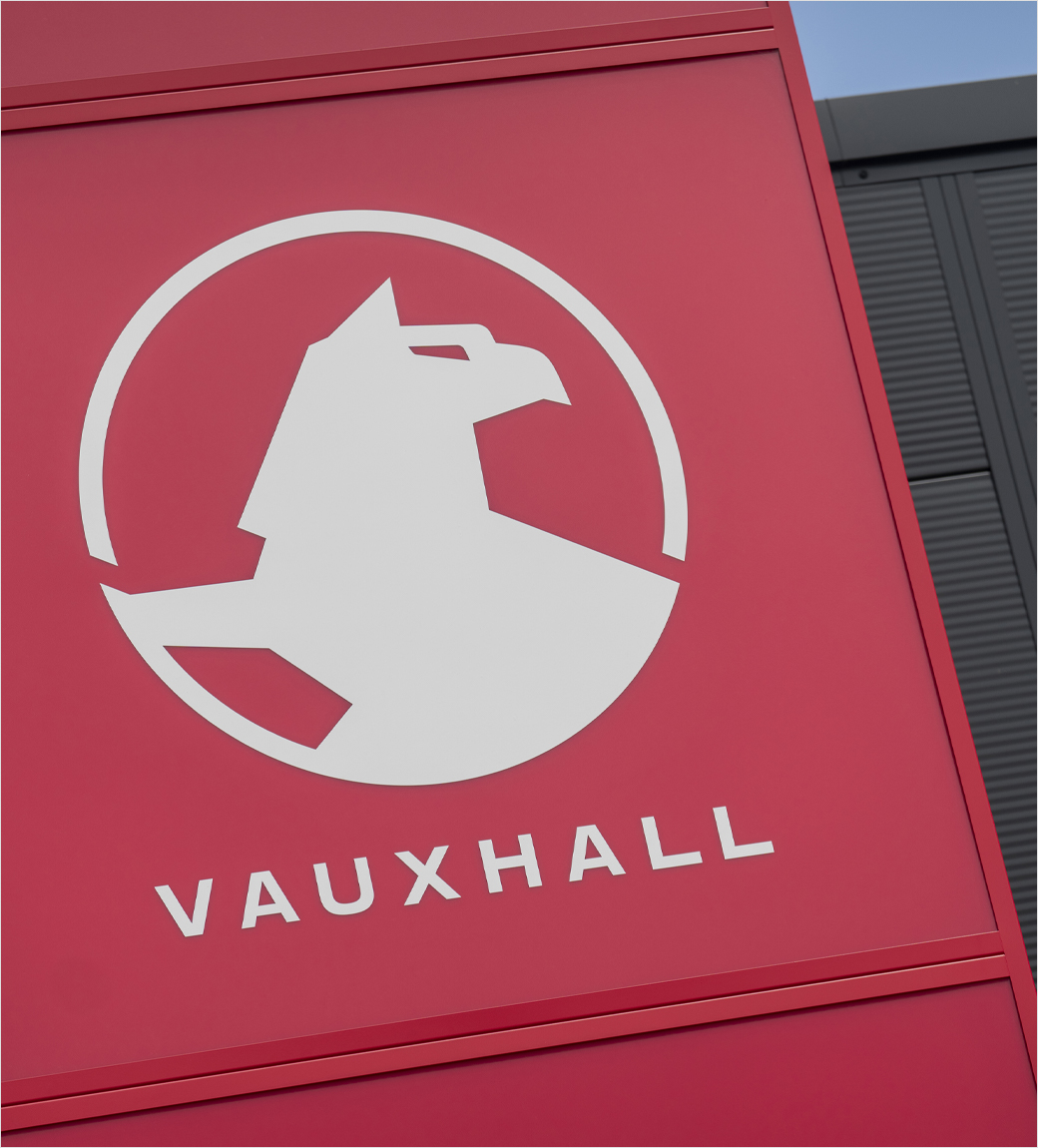
British automotive manufacturer Vauxhall has officially unveiled the thirteenth major iteration of its iconic "Griffin" corporate emblem, marking a strategic visual shift as the historic brand accelerates into the era of electrification. The newly redesigned badge features a sharper, more modern depiction of the legendary mythical creature and notably dispenses with the traditional background flag entirely. According to company executives, the minimalist aesthetic has been specifically engineered to harmonize with Vauxhall’s contemporary "Bold and Pure" design philosophy, ensuring high visual clarity and impact across its evolving lineup of next-generation vehicles.

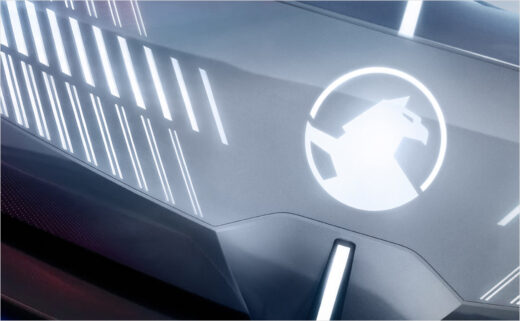
The updated insignia is optimized to stand out prominently on the brand’s signature illuminated Vizor grilles—a distinctive styling cue first previewed on the 2023 Vauxhall Experimental Concept and subsequently introduced to mass-production vehicles with the launch of the Grandland in 2024. As automotive styling increasingly transitions toward digital interfaces, illuminated front ends, and aerodynamic efficiency, legacy car manufacturers are tasked with adapting their historical insignias to meet modern technological and aesthetic demands. Vauxhall’s latest corporate redesign balances a rich heritage spanning over a century with the sleek, clean-lined requirements of modern electric vehicle (EV) engineering.
Evolution for the Electric Era
The transition to a streamlined, flag-free Griffin emblem is not merely an aesthetic choice; it is a calculated response to the technical demands of contemporary automotive lighting and digital marketing applications. In an era where vehicle front ends feature high-tech light bars, illuminated brand badges, and integrated driver-assistance sensors, overly complex logos can become distorted or lose legibility. By simplifying the lines of the legendary creature and removing extraneous background elements, Vauxhall has ensured that the emblem remains instantly recognizable, whether viewed on a physical showroom floor, an illuminated nighttime grille, or a high-resolution smartphone display.

Mark Adams, Vauxhall’s Vice President of Design, emphasized the importance of maintaining a connection to the brand’s ubiquitous presence on British roads while preparing for an electrified future. Having adorned vehicles in various configurations for more than 120 years, the Griffin remains one of the most culturally embedded symbols in the United Kingdom’s automotive landscape. The fourteenth-generation design preserves the core heraldic DNA of the creature while discarding unnecessary visual weight, yielding a sharper, cleaner identity that aligns seamlessly with the brand’s broader corporate transformation.
The new logo will make its official public debut at the upcoming Paris Motor Show, where it will be proudly displayed on an entirely new concept vehicle engineered as an "aero-efficient estate." Alongside the physical badge debut on the concept car, the company is rolling out a comprehensive refresh of its retail brand environment and launching a targeted multi-channel marketing campaign to communicate the updated identity to consumers and fleet buyers alike.

A 700-Year Heritage: From Medieval Knight to Modern Motoring
While the streamlined badge represents the bleeding edge of modern automotive design, the roots of the Vauxhall Griffin extend back more than seven centuries into medieval history. The heraldic symbol originates from the coat of arms of Sir Falkes de Bréauté (also documented in historical texts as Fulk le Bréant), an ambitious and powerful Anglo-Norman mercenary soldier who loyally served King John during the early thirteenth century.
As a reward for his military services and strategic loyalty, Falkes received significant land grants, notably including the Manor of Luton. He further consolidated his wealth and social standing through his marriage to Margaret de Redvers, a prominent and wealthy landowner whose estates extended south of the River Thames. The territory encompassing his London properties eventually became known as "Fulk’s Hall," a moniker that over centuries of linguistic evolution transformed into the modern place name "Vauxhall."
Long after Falkes de Bréauté’s era, the historic site of his former hall played host to the famous Vauxhall Pleasure Gardens, a premier eighteenth- and nineteenth-century entertainment destination that cemented the name within the cultural fabric of London. In 1857, industrialist Alexander Wilson established the Vauxhall Ironworks on a site near the original gardens, initially manufacturing marine engines and pumps before transitioning into the burgeoning automotive sector at the dawn of the twentieth century.
Interestingly, the earliest motorcars produced by Vauxhall starting in 1903 did not carry the company name or the Griffin emblem on their radiators. It was not until the adoption of standardized upright radiators in subsequent years that the company name and the early "VM" monogram began appearing on vehicle fronts.
The introduction of the Griffin into the brand’s automotive identity occurred thanks to an internal company design competition won by an ambitious apprentice named Harry Varley. Drawing inspiration from the historical heraldry of Sir Falkes de Bréauté, Varley proposed adapting the legendary creature as the corporate trademark. This led to the creation of the very first round Griffin badge, setting a precedent that has endured for over a century.
Chronology of the Griffin Emblem
Since the 1920s, the Vauxhall Griffin has undergone twelve major redesigns, morphing in tandem with shifting industrial design paradigms, corporate mergers, and evolving consumer tastes.
- 1857: Alexander Wilson founds Vauxhall Ironworks, initially producing marine machinery.
- 1903: The company manufactures its first automobiles, which initially lack the iconic badge.
- 1913: Following an internal design competition won by apprentice Harry Varley, the Griffin is officially adopted as a heraldic corporate symbol based on the coat of arms of Sir Falkes de Bréauté.
- 1920s–1990s: The badge undergoes multiple stylistic evolutions, transitioning from intricate, realistic depictions of the mythical beast to more stylized, geometric, and abstract corporate iterations.
- 2019–2020: Vauxhall introduces a modern, two-dimensional update to the emblem, focusing on clean lines for digital and print media applications.
- 2024: The illuminated Vizor grille makes its mass-production debut on the new Vauxhall Grandland, establishing the physical architecture for future glowing badges.
- 2026: Vauxhall unveils the thirteenth-generation Griffin logo, completely removing the background flag and sharpening the creature’s design to complement the brand’s upcoming aero-efficient electric estate concept at the Paris Motor Show.
Strategic Implications and Corporate Rebranding
The rollout of the thirteenth-generation Griffin logo is part of a broader, synchronized corporate strategy. Beyond the physical vehicle updates and the conceptual showcase in Paris, Vauxhall is overhauling its entire retail and visual identity network. Dealership environments, digital touchpoints, packaging, and marketing collateral are being redesigned to reflect the simplified, high-contrast aesthetic of the new badge.
Industry analysts note that corporate rebranding exercises within legacy automotive firms are rarely superficial; they serve as vital signaling tools to investors, fleet operators, and retail consumers during periods of deep industrial transition. As automotive brands across Europe phase out internal combustion engines in compliance with tightening regulatory frameworks—such as the European Union’s 2035 ban on new fossil-fuel vehicle sales and the United Kingdom’s Zero Emission Vehicle (ZEV) mandate—companies must visually separate their electrified portfolios from their historical gasoline-powered heritage.
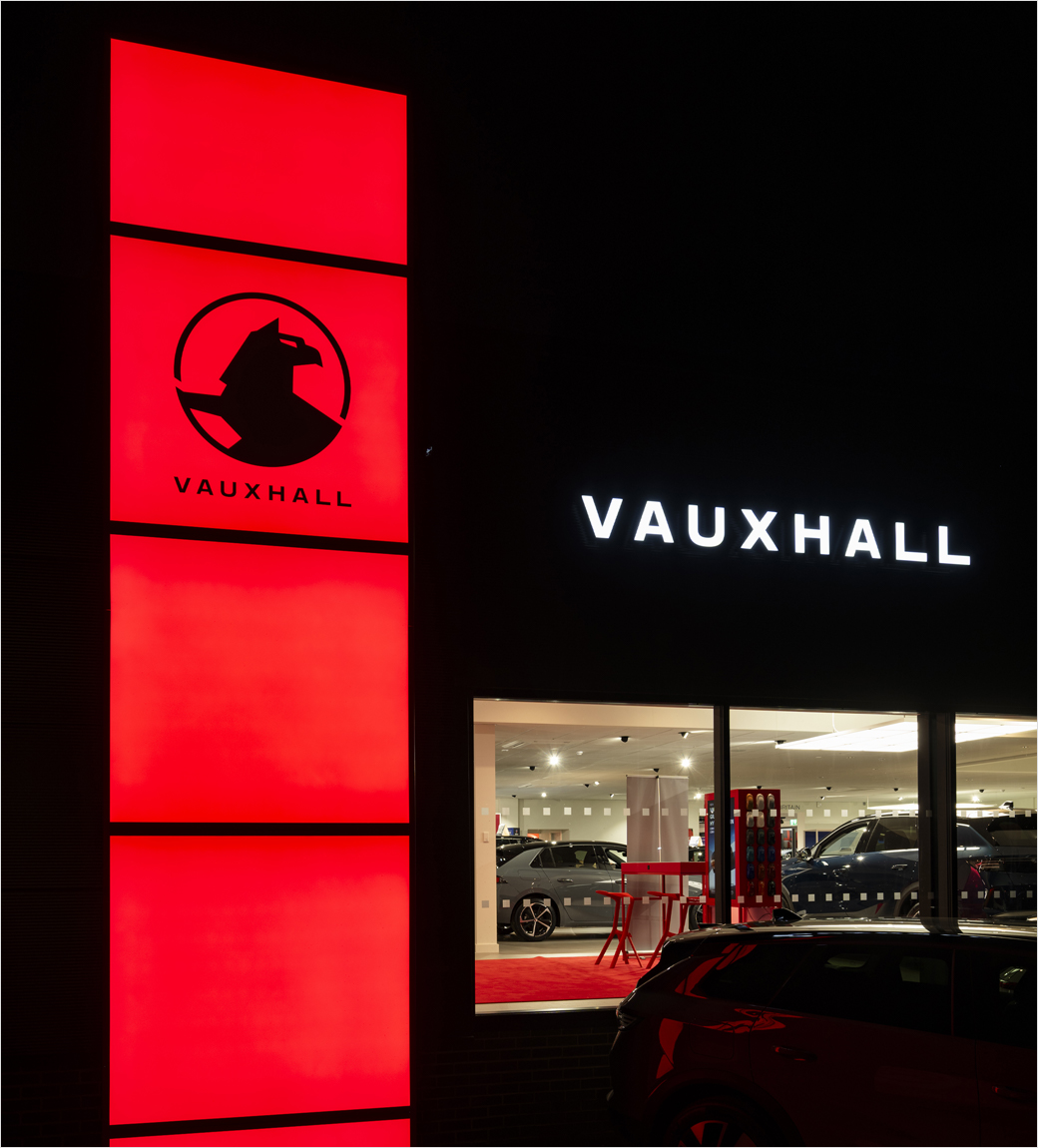
By streamlining the Griffin and integrating it seamlessly into illuminated front-end architectures, Vauxhall is reinforcing its pivot toward high-tech, battery-electric mobility. The removal of the flag rids the badge of unnecessary visual clutter, projecting a confident, forward-looking ethos.
As the new aero-efficient estate concept takes center stage at the Paris Motor Show, the updated logo will face its first major test in the court of public and media opinion. If early reactions from design professionals are any indication, Vauxhall’s calculated balance of 700 years of historical pedigree with cutting-edge minimalist styling positions the brand effectively for the next chapter of its long automotive journey.