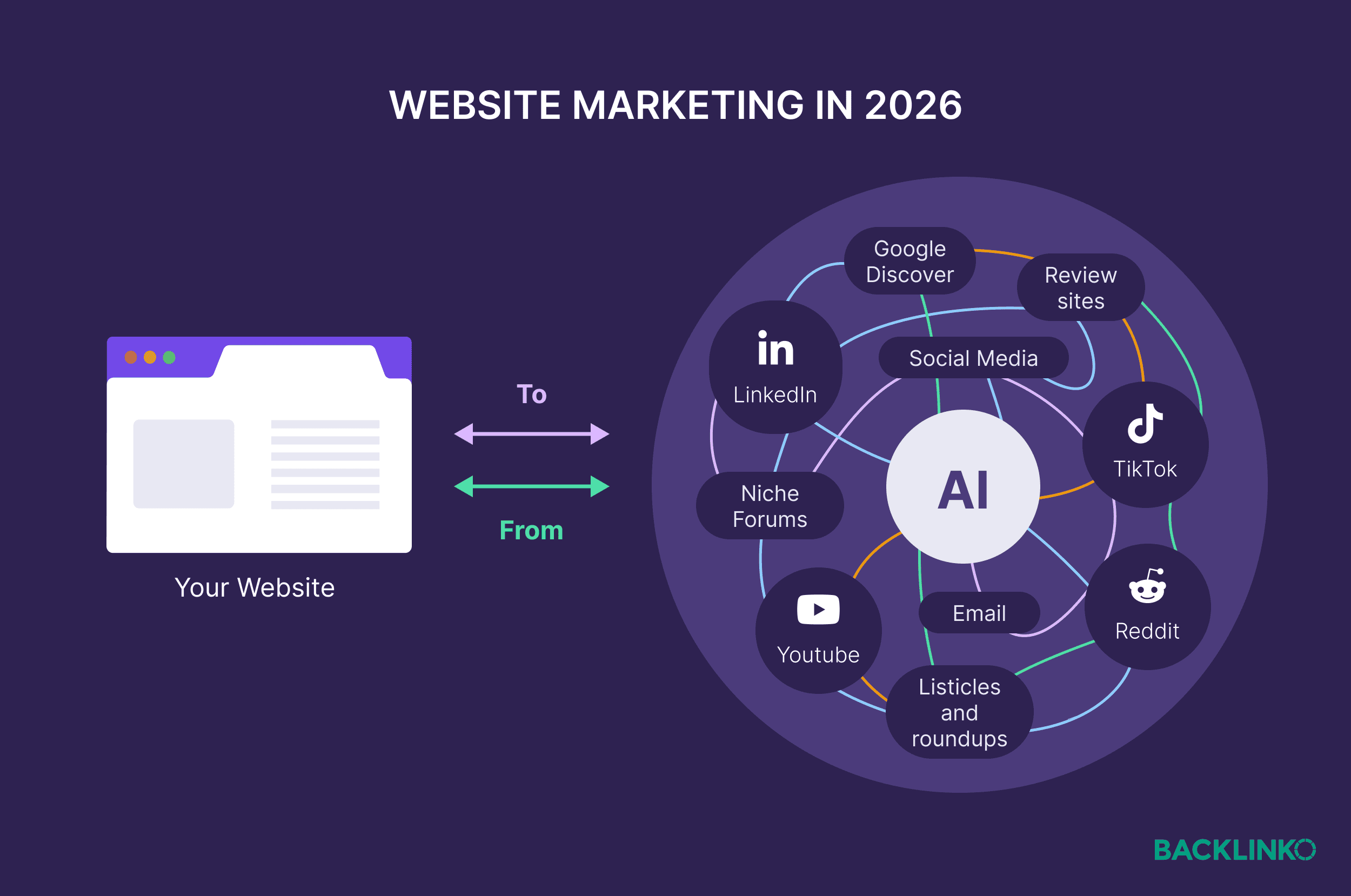
The landscape of digital marketing has undergone a fundamental transformation by 2026. For over two decades, the website functioned as the undisputed North Star of a brand’s online presence—a central hub where all roads led, and where the final conversion took place. However, the emergence of advanced artificial intelligence, decentralized social communities, and evolving search behaviors has shifted the customer journey. Today, the majority of a prospective customer’s research, evaluation, and trust-building occurs off-site, on platforms the brand does not own. This fundamental pivot means that relying solely on search engine optimization (SEO) and on-site conversion rate optimization is no longer sufficient to sustain growth. To be successful in 2026, marketers must treat the entire internet as their storefront, ensuring their brand’s credibility is firmly established long before a visitor ever clicks on their website URL.
The Shift in Buyer Behavior and AI Discovery
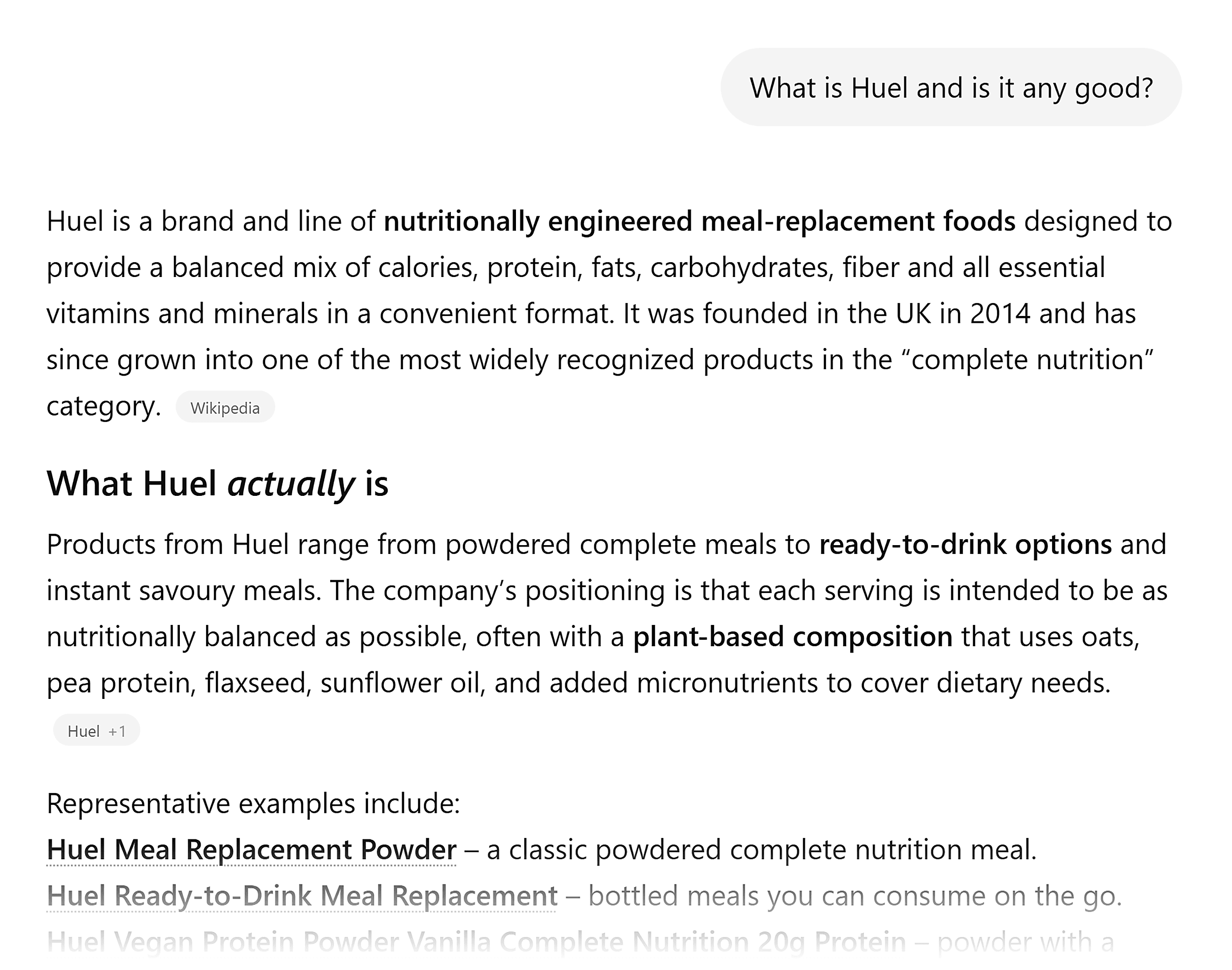
Current industry data indicates that the traditional sales funnel has been disrupted by AI-driven discovery. According to recent research from Clutch, more than 65% of modern consumers now leverage AI tools, such as large language models and intelligent search assistants, to conduct preliminary product research before visiting a company’s website. By the time a user arrives at a brand’s landing page, they have often already synthesized information from multiple sources, including peer-to-peer discussions on Reddit, influencer sentiment on social media, and aggregated data from AI summaries.
This shift presents both a challenge and an opportunity. If a brand is absent from these off-site channels, it risks being excluded from the consideration set entirely. Conversely, if a brand is present and credible in these spaces, the traffic that reaches the website is significantly more qualified. These users arrive with high intent, having already moved past the discovery phase and into the decision-making stage, which inherently drives higher conversion rates.
Engineering the Brand Narrative
To influence how the internet describes your brand, organizations must transition from a reactive posture to an active, engineering-based approach to reputation. This begins with the formalization of a brand messaging strategy. In 2026, brand guidelines are no longer just about visual aesthetics; they are about linguistic precision. A well-documented messaging framework defines the specific claims, value propositions, and problem-solution sets that a company wants associated with its identity.
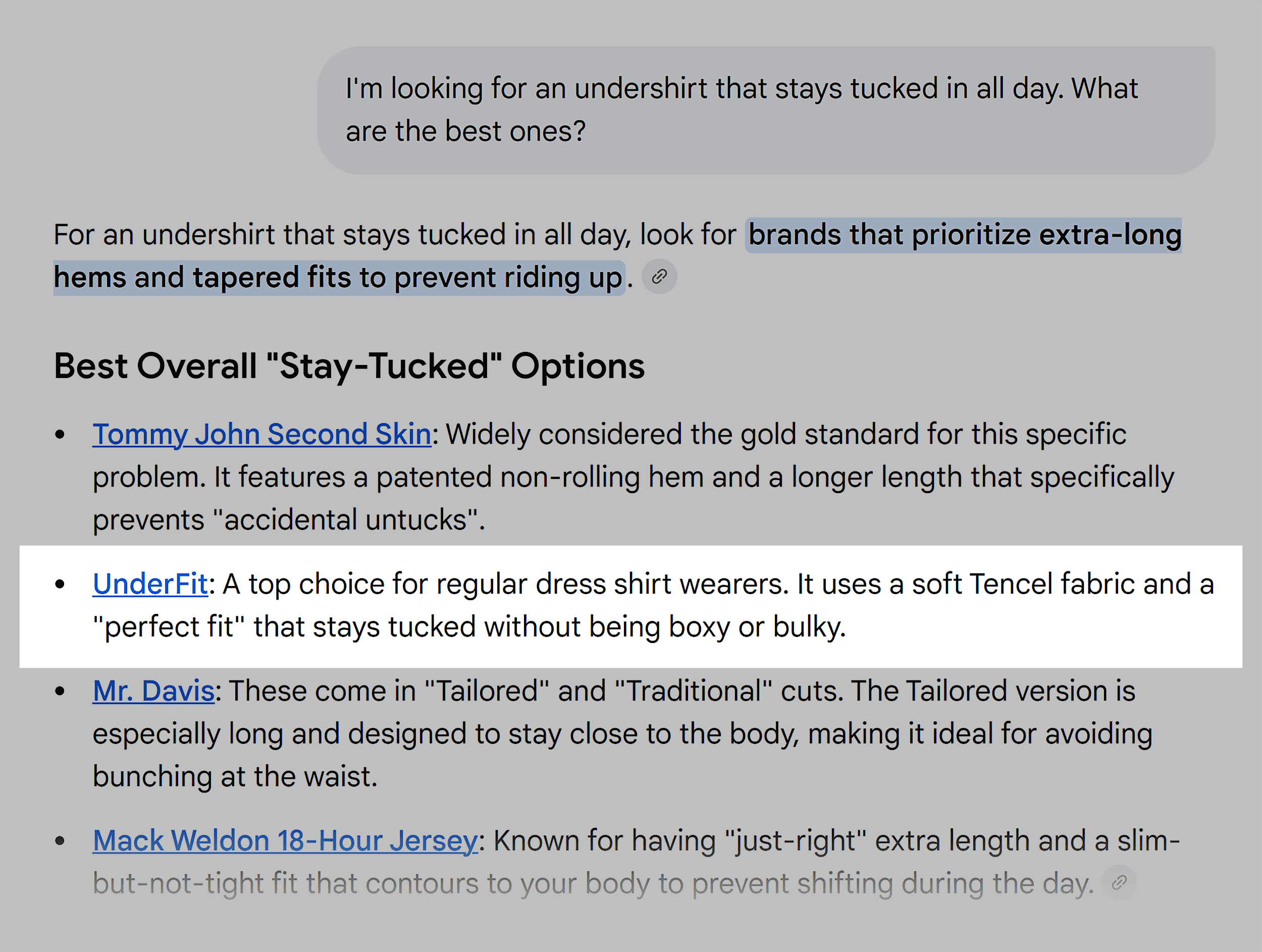
Consistency is the engine of this strategy. When a brand’s core messaging is echoed across marketing collateral, sales scripts, public relations releases, and third-party partner publications, it creates a persistent signal that is easily ingested by the algorithms driving today’s AI tools. For instance, if an e-commerce brand consistently uses the phrase "stays tucked all day" to describe its apparel, that specific association is strengthened in the training data of LLMs. When a user asks an AI assistant for recommendations, the brand is more likely to appear as a relevant result because the association has been engineered through sheer, disciplined repetition.
The Architecture of Trust: Structural Clarity
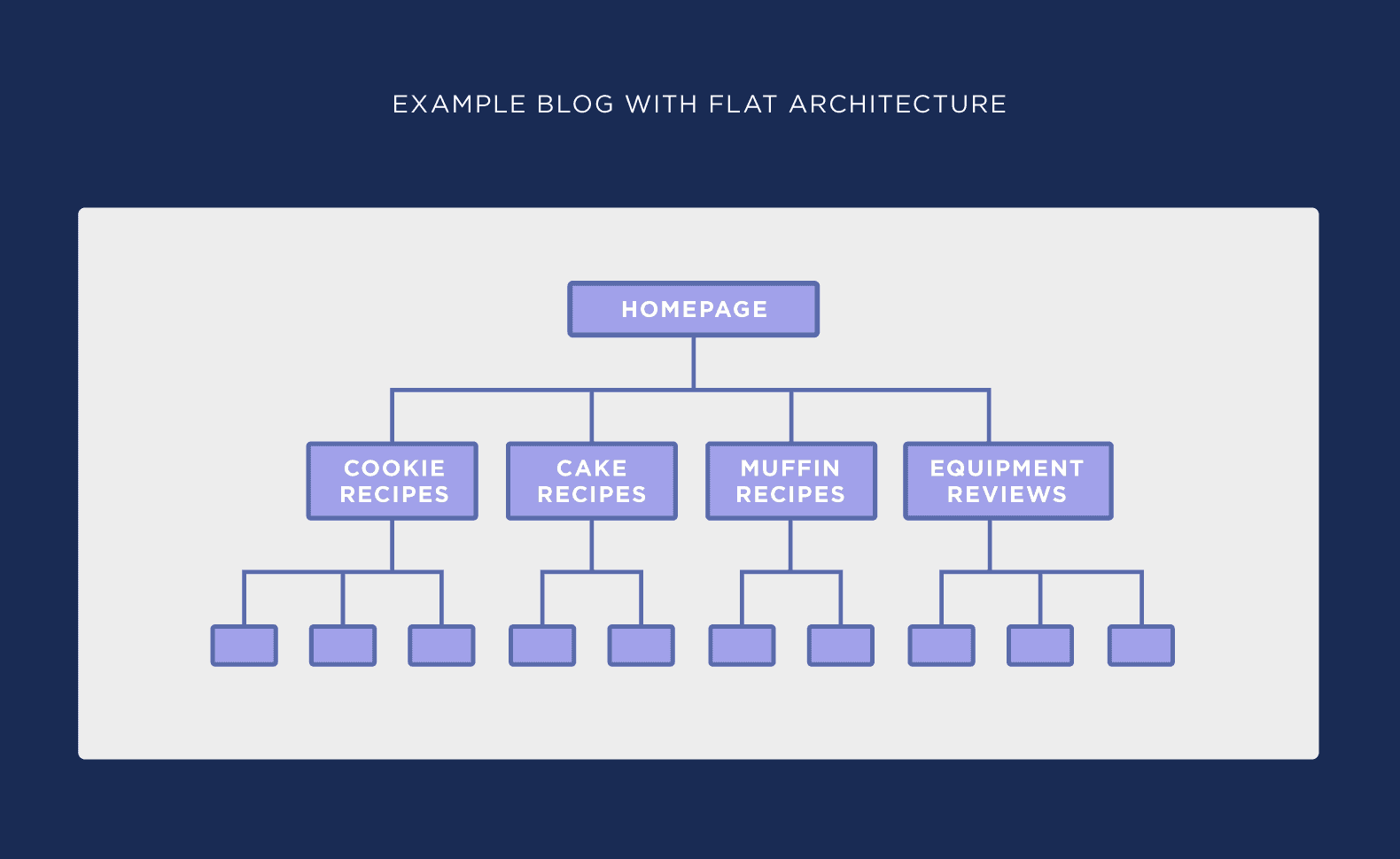
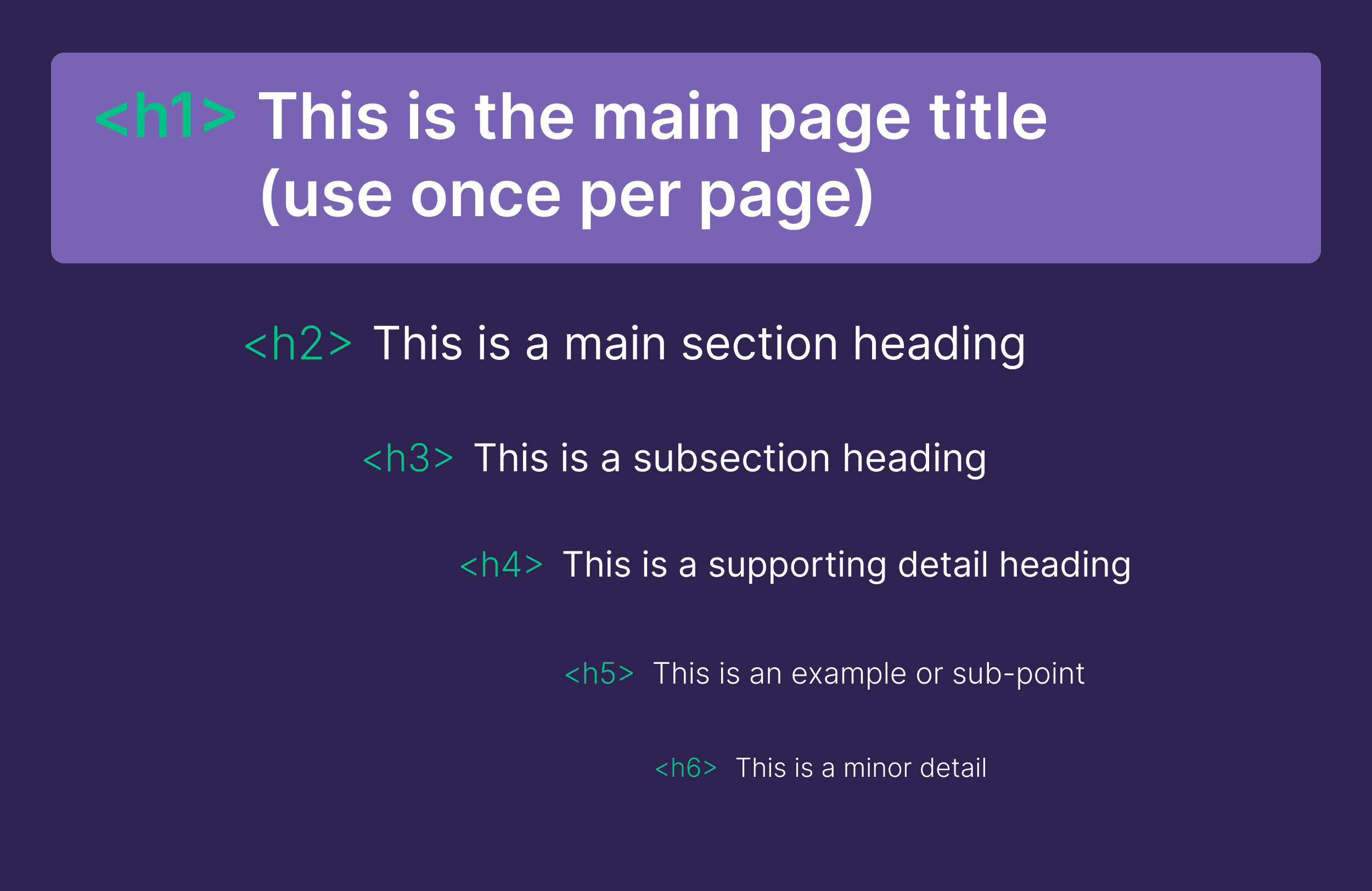
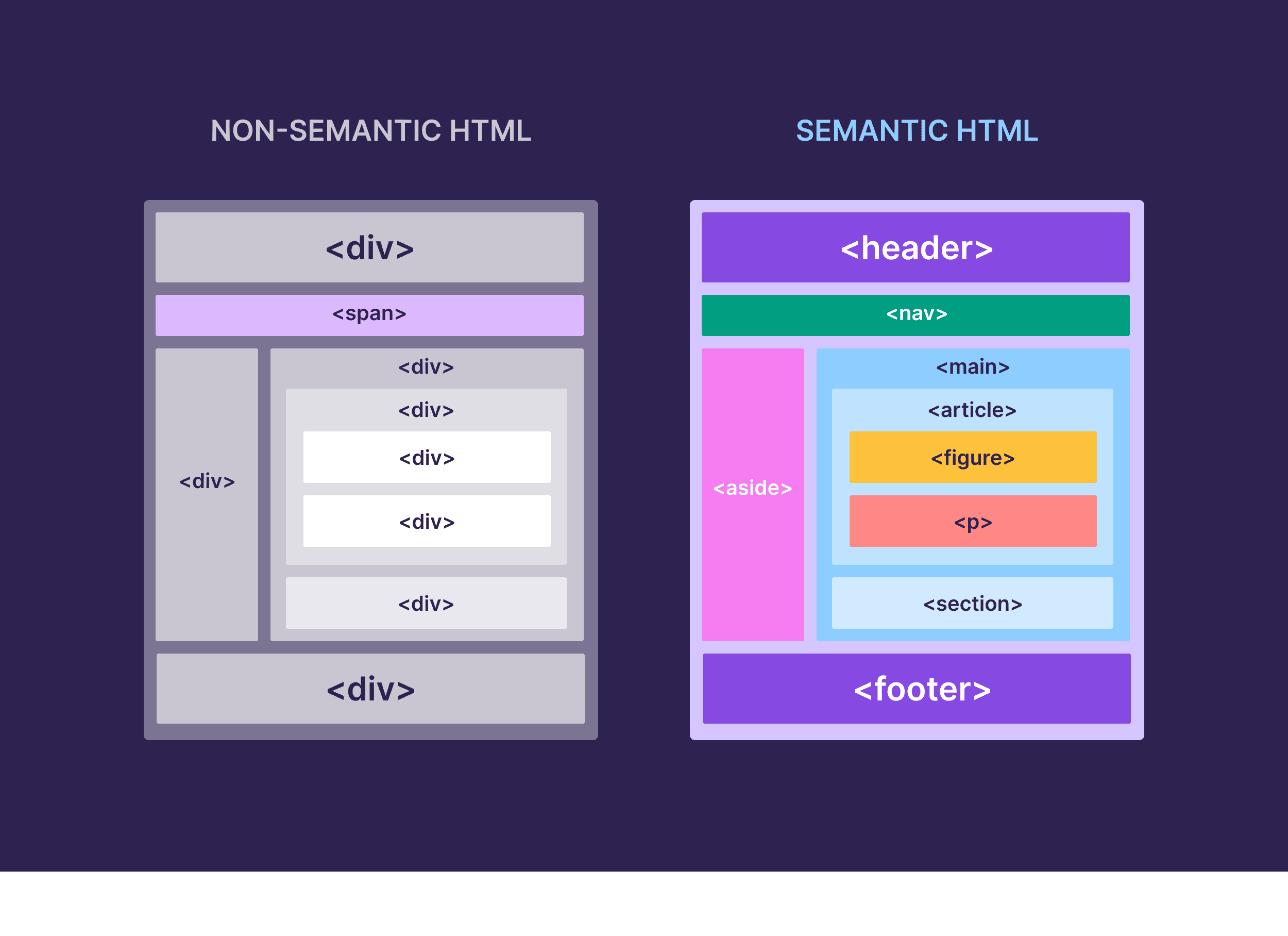
While off-site visibility is critical, it must be supported by a website architecture that is optimized for both human users and machine parsing. In 2026, technical SEO is increasingly about semantic clarity. This involves moving away from flat, keyword-stuffed pages and toward a hierarchical structure that allows AI agents to easily crawl and understand the intent behind every page.
This is achieved through the use of semantic HTML5, which uses specific tags (such as