
The landscape of digital engagement is undergoing a fundamental shift as small businesses move away from the saturated environments of traditional social media feeds and toward the intimacy of direct messaging. According to the 2026 Social Media Content Strategy Report, 46% of marketers are actively increasing their investment in WhatsApp this year, identifying it as a critical channel for capturing high-intent users. While many smaller enterprises initially utilized the application as a simple customer service inbox, the current trend indicates a transition toward using the platform to facilitate the entire customer journey, from initial product discovery to post-purchase loyalty.
The Evolution of Conversational Marketing
WhatsApp marketing involves the strategic use of the WhatsApp Business app or the WhatsApp Business Platform (API) to promote products, provide customer support, and facilitate sales through direct, one-on-one communication. As a text-first powerhouse, WhatsApp has secured its position as the second most popular network for text-driven social media, accounting for 26% of all such interactions globally. This environment is uniquely suited for conversational marketing—a model that prioritizes real-time dialogue over static broadcasting.
The platform’s utility is divided into two distinct tiers. The WhatsApp Business App is designed for local, small-scale operations, allowing for a single-user interface and basic automation. Conversely, the WhatsApp Business Platform (API) is engineered for scaling enterprises, offering multi-user access, integration with Customer Relationship Management (CRM) systems, and advanced chatbot capabilities. This dual-track approach ensures that as a small business grows, its communication infrastructure can evolve in tandem.
Global Adoption and Market Data
The decision to pivot toward WhatsApp is backed by significant consumer behavior data. WhatsApp currently ranks as the fourth most utilized social platform globally, boasting over 2 billion active users. However, its dominance is even more pronounced in specific regional markets. In the United Kingdom, for instance, it is the premier social platform with an 81% usage rate. In the United States, while the usage rate sits at approximately 52%, the platform records the highest weekly brand interaction frequency, with 85% of users engaging with businesses on a weekly basis.
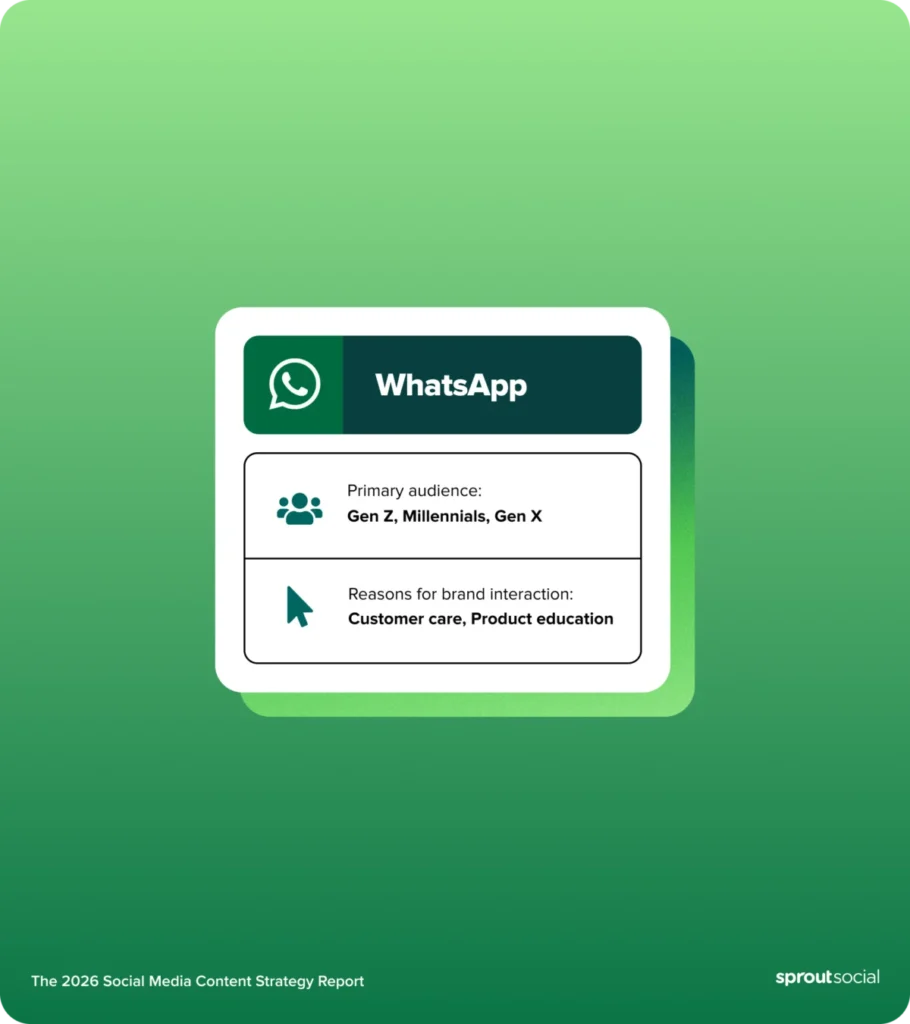
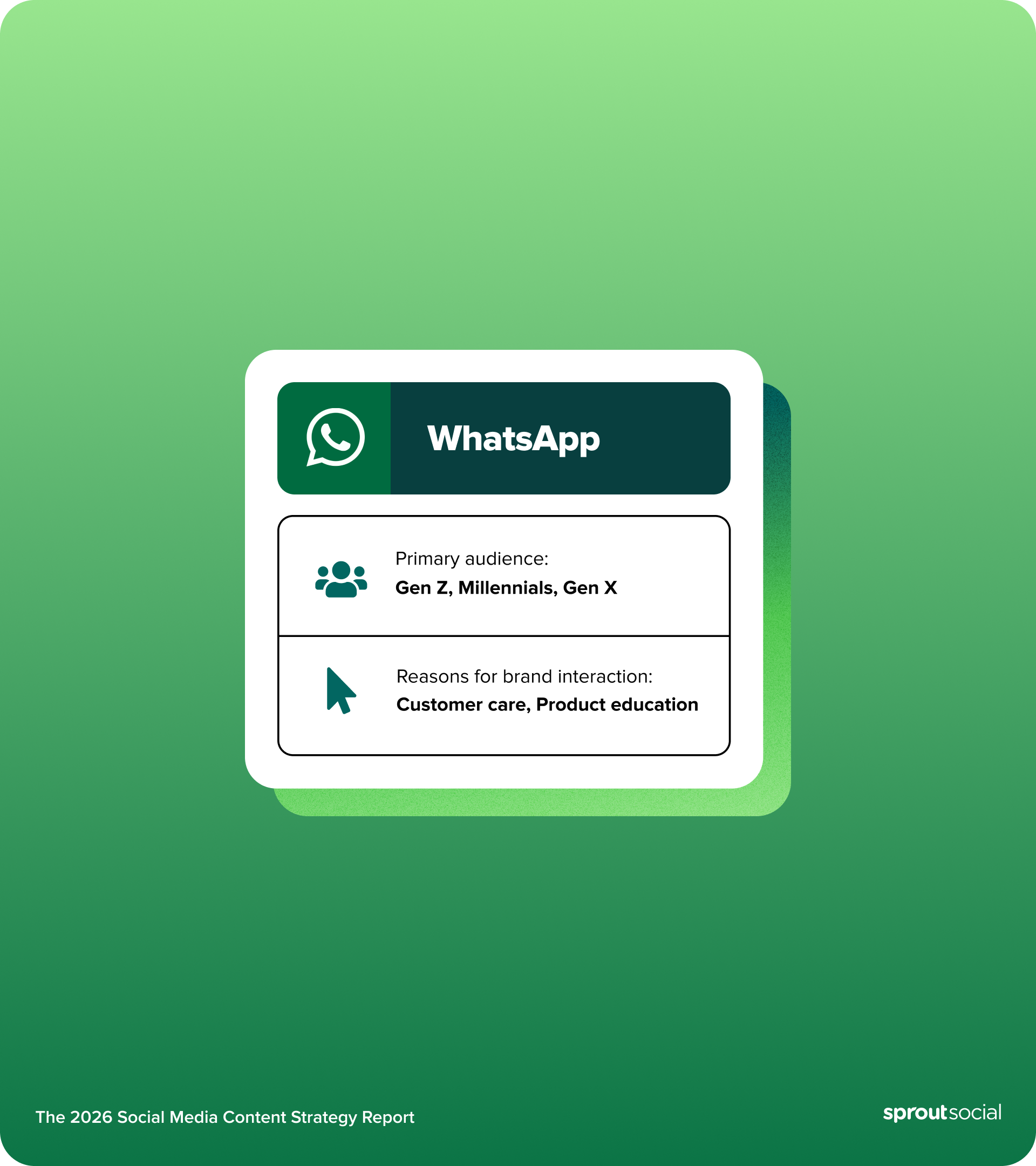
Data from the Q2 2025 Consumer Pulse Survey Analysis indicates that the platform’s primary audience consists of Gen Z, Millennials, and Gen X, representing the most economically active consumer demographics. Furthermore, 49% of global users interact with brands on the network multiple times per week. In the UK, this engagement is even more frequent; 31% of consumers report contacting brands via WhatsApp multiple times per day.
The efficiency of the platform is largely attributed to its high open rates. Unlike email marketing, which often suffers from low visibility due to spam filters and overcrowded inboxes, WhatsApp messages are typically read within minutes of delivery. This "stickiness" creates a high-trust environment where businesses can bypass algorithmic noise and reach the customer’s most personal digital space.
Operational Chronology: From Setup to Scaling
For a small business to successfully integrate WhatsApp into its marketing mix, a structured chronological approach is required to ensure compliance and brand consistency.
Phase 1: Establishing the Foundation
The initial stage involves the creation of a professional Business Profile. Unlike a personal account, a Business Profile includes essential metadata: business description, category, email address, website, and physical location. This transparency is vital for building trust. During this phase, businesses must also prepare their digital assets, such as high-quality profile photos and a synchronized product catalog.
Phase 2: Compliance and Opt-in Collection
WhatsApp maintains strict policies regarding unsolicited messaging. Businesses must establish an explicit opt-in flow before initiating promotional broadcasts. Common methods for gathering consent include adding a "Message Us" button to the company website, utilizing "Click-to-WhatsApp" ads on Facebook and Instagram, and including QR codes on physical packaging or in-store signage. Documenting these opt-ins with dates and methods is a critical step for maintaining regulatory compliance.
Phase 3: Automation and Workflow Optimization
Once the audience is established, small teams must implement automation to manage message volume. Key features include:
- Quick Replies: Pre-saved responses for frequently asked questions, such as shipping times or return policies.
- Away Messages: Automated notifications that manage customer expectations during non-business hours.
- Labels and Tags: Visual organization tools that categorize customers by status (e.g., "New Lead," "Pending Payment," or "VIP").
- Catalogs and Collections: An in-app storefront that allows customers to browse products without leaving the chat interface.
Strategic Segmentation and Campaign Management
A one-size-fits-all approach is generally ineffective on a platform as personal as WhatsApp. Successful small businesses utilize audience segmentation to ensure relevance. Data suggests that segmenting by purchase history, geographic location, and engagement level significantly improves conversion rates.
The Lifecycle of a WhatsApp Campaign
A high-impact marketing plan typically follows a defined journey:
- The Welcome Journey (Days 1–7): Introducing the brand and providing an initial incentive, such as a discount code, to drive the first purchase.
- The Abandoned Cart Sequence (2–72 Hours): Recovering lost sales by sending reminders to users who left items in their digital carts. High-intent messages sent within the first four hours have the highest recovery rates.
- The Post-Purchase Journey (Immediate – Day 14): Building trust through order tracking updates and requesting feedback or reviews.
- The Re-engagement Journey (Weeks 1–4): Winning back inactive customers with exclusive "miss you" offers or updates on new product arrivals.
Comparative Analysis: Business App vs. API
For many small teams, the choice between the free Business App and the paid API is a pivotal strategic decision. The Business App is sufficient for teams of fewer than five people and is ideal for freelancers or local startups. It requires no technical setup and offers essential tools like catalogs and broadcast lists.
However, industry analysts suggest that businesses should transition to the API when they encounter specific "friction points." These include the need for more than five team members to access the inbox simultaneously, a requirement to integrate with an existing CRM (like Salesforce or HubSpot), or the need to send high-volume broadcasts to more than 256 contacts at once. The API unlocks the ability to use "Quick Reply" buttons and interactive list messages, which significantly lower the barrier for customer response.
Measuring Return on Investment (ROI)
The success of WhatsApp marketing is measured through a combination of engagement metrics and revenue attribution.
Delivery and Read Rates
Businesses should aim for a delivery rate above 95% and a read rate exceeding 90%. A drop in these metrics often indicates "message fatigue," suggesting that the frequency of communication is too high or the content is no longer relevant to the audience.
Click-Through and Response Rates
For messages containing links, a 20–30% click-through rate (CTR) is considered the industry benchmark for product-related content. Response rates provide insight into the effectiveness of the "Call to Action" (CTA). Clear, singular instructions—such as "Reply YES to confirm"—outperform messages with multiple competing options.
Revenue Attribution
Small businesses can track the financial impact of WhatsApp through unique discount codes, UTM-tracked links, and direct sales facilitated via the in-app catalog. Beyond direct sales, the platform’s impact on customer service efficiency is a significant factor in ROI. By resolving inquiries via WhatsApp, businesses can reduce the cost of phone-based support and improve overall customer satisfaction scores (CSAT).
Broader Implications and Future Outlook
The rise of WhatsApp marketing reflects a broader shift toward "social commerce," where the boundaries between social interaction and financial transactions are increasingly blurred. For small businesses, this platform offers a leveling of the playing field, allowing them to provide a "white-glove" personalized experience that was previously the domain of luxury brands with large customer service departments.
As we move toward 2026, the integration of Artificial Intelligence (AI) within the WhatsApp Business Platform is expected to further transform the sector. Small teams will increasingly use AI-driven chatbots to handle routine inquiries, allowing human agents to focus on high-value sales conversations. Furthermore, the expansion of WhatsApp Pay in markets like Brazil and India hints at a future where the entire transaction—from discovery to payment—occurs within a single encrypted chat thread.
In conclusion, WhatsApp marketing is no longer a peripheral strategy but a central pillar of modern small business operations. By combining high-trust communication with automated efficiency, small enterprises can build lasting relationships with their customers in the space they value most. The transition from reactive messaging to a proactive, data-driven marketing engine represents the next frontier for small business growth in an increasingly digital economy.