
In the complex landscape of product development and user experience, a profound disconnect often exists between what users articulate, what they genuinely feel, and how they ultimately behave. Companies frequently operate under the illusion that they possess a clear grasp of user desires and decision-making processes, yet these perceptions are often built upon tenuous assumptions and gut feelings rather than concrete evidence. Surface-level observations and direct inquiries, while seemingly intuitive, rarely provide the comprehensive insights necessary for truly impactful design. To navigate this intricate reality, a more rigorous and multi-faceted approach is indispensable, one that delves into the hidden motivations, root causes, and diverse layers of human interaction that shape user actions.
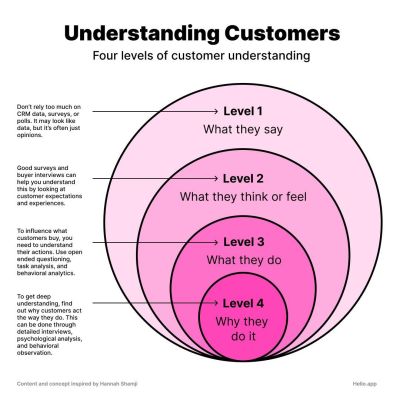
This deeper understanding is not merely an academic exercise; it is a strategic imperative for any organization aiming to create products and services that genuinely resonate with their target audience. The journey from superficial feedback to profound insight demands a methodological shift, moving away from simple validation and towards genuine diagnosis and research. This paradigm is elegantly captured by frameworks like Hannah Shamji’s "Four Levels of Customer Understanding," which advocates for triangulating data across distinct layers of reality to uncover the underlying drivers of user behavior. This framework, alongside insights from leading UX practitioners, illuminates a path towards more effective and empathetic design.
The Perilous Pitfalls of Direct Inquiry
The conventional wisdom of "just ask the user" often proves to be a misleading siren song in user research. While seemingly logical, directly questioning users about their needs, preferences, or motivations is frequently an ineffective means of eliciting actionable answers. As Erika Hall, a prominent voice in design research, cogently argues, asking a question directly can be the least reliable method for obtaining a true and useful response. This phenomenon is rooted in fundamental aspects of human psychology, where discrepancies between declared intentions, actual thoughts, and observable actions are common.
Users are often not fully aware of their true motivations, or they may struggle to articulate them accurately. Cognitive biases play a significant role here; individuals may unconsciously provide answers they believe the interviewer wants to hear (social desirability bias), or they may rationalize past behaviors rather than accurately recalling the underlying drivers. Furthermore, the act of questioning can introduce an artificial context, prompting users to speculate about hypothetical scenarios or focus on edge cases that hold little relevance to their everyday interactions with a product. They may also exaggerate their needs or preferences, prioritizing short-term desires over long-term goals or practical alternatives. For instance, a user might adamantly state a need for a "product comparison table" when their fundamental goal is simply to make an informed purchasing decision, a goal that could be achieved through alternative, potentially more intuitive, design solutions like guided filters or personalized recommendations.
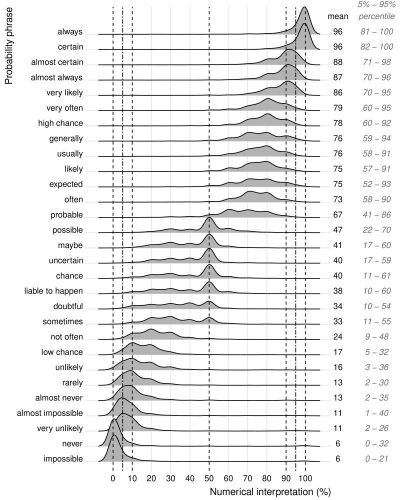
The imprecision of language further compounds the challenge. Even subtle nuances in word choice can drastically alter interpretation. Thomas D’hooge’s observations on the distinction between "possible," "plausible," and "probable" highlight this linguistic ambiguity. Research, such as a study on Dutch verbal probability terms, demonstrates a wide spread of interpretations for terms like "possible," "maybe," or "likely," indicating that relying solely on what people say can lead to significant misinterpretations. This inherent variability underscores the necessity of moving beyond verbal statements to uncover deeper truths.
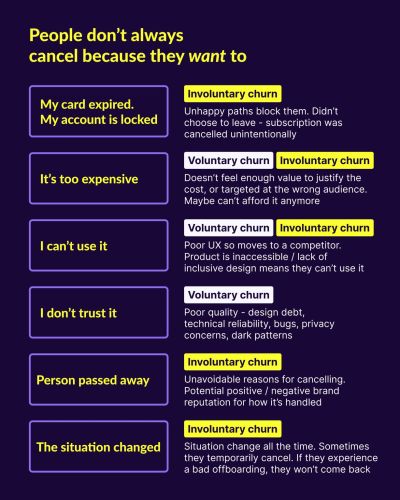
Consider the intricate reasons behind customer churn, as illustrated by Emily Anderson’s analysis. A customer might say they are canceling a subscription because it’s "too expensive." However, deeper investigation might reveal a more complex reality: perhaps they rarely used the service (lack of perceived value), encountered a frustrating bug (poor user experience), or their financial situation changed (involuntary churn). The stated reason is a symptom, not necessarily the root cause. This example powerfully demonstrates why companies often misdiagnose user problems when they rely solely on stated feedback, leading to ineffective solutions that fail to address the core issue.
Triangulating Reality: Hannah Shamji’s Four Levels of Understanding
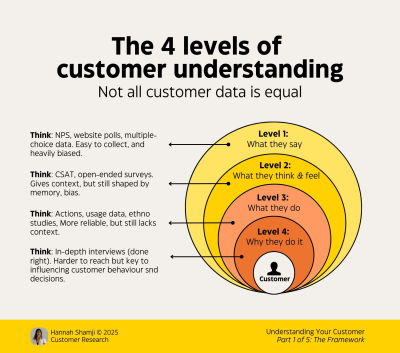
To overcome the limitations of direct questioning and gain a more holistic, less biased view of customer needs, Hannah Shamji’s "Four Levels of Customer Understanding" provides an invaluable framework. This model advocates for a triangulation approach, examining user behavior through distinct, yet interconnected, lenses:
-
What They Say (Level 1): This outermost layer captures explicit feedback through surveys, interviews, focus groups, and verbal comments. While crucial for initial data gathering and identifying overt pain points, this level is acknowledged as the most susceptible to biases, rationalizations, and linguistic imprecision. It represents the conscious, articulated thoughts of the user.
-
What They Think or Feel (Level 2): Moving deeper, this level seeks to uncover users’ internal states, their cognitive processes, emotions, beliefs, and attitudes. Techniques like attitudinal surveys, diary studies, sentiment analysis, and projective techniques can help researchers infer these internal states. While still reliant on self-reporting or interpretation, it aims to capture the underlying sentiment behind their words. For example, a user might say they are "fine" with a feature, but their tone, facial expressions, or indirect comments might reveal frustration or confusion.
-
What They Do (Level 3): This critical layer focuses on observable behaviors. It involves analyzing user actions, interactions, and navigation patterns within a product or system. Data sources include analytics, A/B testing, heatmaps, session recordings, and direct observation during usability testing. This level provides objective evidence of how users actually interact with a product, often revealing discrepancies with what they say or think. For instance, users might say they use a particular feature frequently, but analytics might show minimal engagement.
-
Why They Do It (Level 4): The innermost and most profound level seeks to uncover the fundamental motivations, goals, needs, and contexts that drive user behavior. This requires ethnographic research, contextual inquiries, in-depth interviews focusing on "jobs-to-be-done," and synthesis of data from all preceding levels. Understanding "why" provides the deepest insight, enabling designers to address root causes and create truly transformative solutions. This level moves beyond superficial problems to fundamental human needs and aspirations.
The power of this framework lies in its emphasis on triangulation. By comparing and contrasting data from all four levels, researchers can identify inconsistencies, validate hypotheses, and uncover deeper truths that would remain hidden if only one or two levels were considered. For example, if a user says they want feature X (Level 1), but does not use it when available (Level 3), and further inquiry reveals they are actually trying to achieve goal Y which feature X doesn’t quite address (Level 4), the design team gains a much clearer picture of the real problem to solve. This iterative process of gathering, analyzing, and reconciling data across mixed-method research is essential for achieving a robust understanding of user needs. It also highlights why single-metric approaches like Net Promoter Score (NPS), which primarily captures "what they say," often fall short in providing comprehensive insights into user satisfaction and loyalty.
The Art of Observation: Unlocking Unspoken Cues
Given the inherent unreliability of direct verbal feedback, observation emerges as a paramount research technique. Rather than asking users to articulate their experience in real-time, researchers can gain invaluable insights by simply observing their interactions with a product or system. This approach minimises disruption and allows for the emergence of natural behaviors and unarticulated emotional responses.
In usability testing, for instance, a refined observational protocol can significantly enhance data quality. Instead of the traditional "speak-aloud" method, where users narrate their thought process while completing tasks – a method that can be cognitively disruptive and obscure genuine emotions – a more passive observation strategy is often more revealing. Researchers can meticulously track where users tap, hover, scroll, and pause. Moments where the mouse circles without an action, or repeated attempts to click a non-interactive element, are potent signals of confusion or frustration. Subtle non-verbal cues – a furrowed brow, a sigh, a moment of hesitation, a quick glance away, or expressions of worry, joy, or confusion – often communicate more than words ever could. Only once a task is completed, or a user explicitly indicates being stuck, should questions be posed, allowing for a focused discussion on observed behaviors rather than real-time narration.
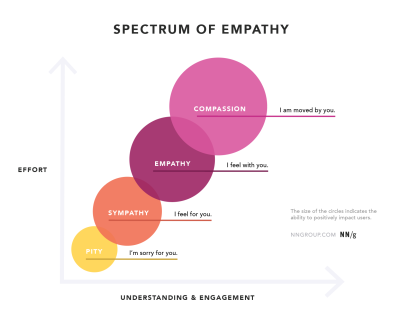
Emotions, while notoriously difficult to quantify, are crucial signals of user experience. They are more readily identifiable when people are engaged in tasks without external influence. Sarah Gibbons’ "Spectrum of Empathy" highlights the progression from pity to sympathy, then to empathy, and finally to compassion, each requiring an increasing level of understanding and engagement. Moving towards empathy and compassion allows designers to not just understand but truly feel the user’s situation, fostering a deeper connection and the ability to design more impactful solutions.
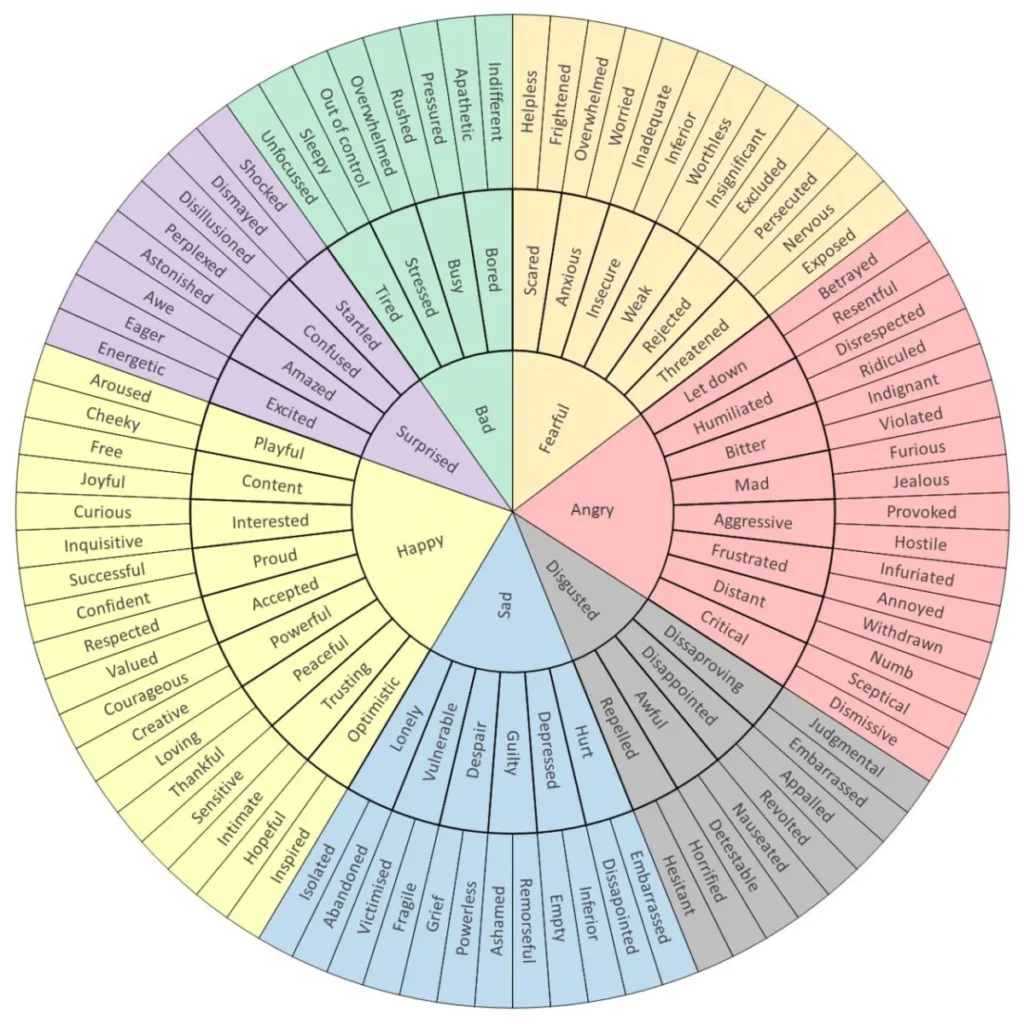
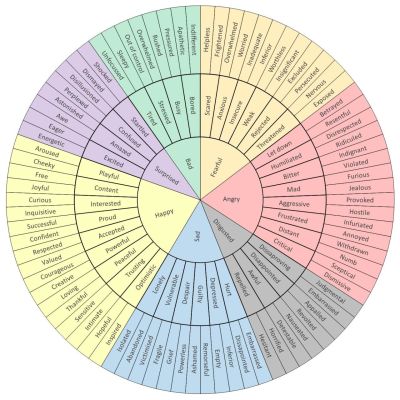
Tools like Geoffrey Roberts’ "Emotion Wheel" can be instrumental in this process. By providing a structured vocabulary for a wide range of feelings, it helps both researchers and users move beyond generic descriptors like "good" or "bad" to articulate more precise sentiments. In post-observation interviews, techniques like mirroring – repeating a user’s statement back to them – or paraphrasing questions can encourage users to elaborate, offering richer context and detail that might have been missed in initial responses. Navigating the Emotion Wheel with a user can also help them pinpoint the exact feeling they experienced during a difficult interaction, providing valuable qualitative data.
Beyond Empathy: The Imperative of Problem-Solving
While capturing emotions and fostering empathy are undeniably valuable, a nuanced perspective is essential. Alin Buda presents a compelling argument against an over-reliance on pure emotional absorption in design: "Our work is about others – their problems, their pain, their mess. Our job is to make sense of it and then do something about it. Not to emote or perform but to act on and solve it. There is a flawed belief that to build great things, you first need to emotionally fully absorb someone else’s experience."
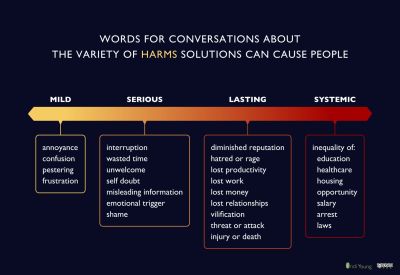
Buda’s critique serves as an important counterbalance, reminding designers that the ultimate goal is not merely to understand or empathize, but to solve problems. While emotional responses serve as vital signals, they are not the end-all-be-all. Design must translate insights into tangible solutions that improve user lives and achieve business objectives. This perspective is further bolstered by Indi Young’s work on understanding potential harms. Her framework categorizes harms (mild, serious, lasting, systemic), illustrating that design decisions can have far-reaching consequences beyond immediate emotional reactions. A product that causes systemic harm, even if users express initial satisfaction, is a profound failure. Therefore, designers must cultivate a pragmatic mindset, using emotional signals as diagnostic tools rather than becoming solely focused on emotional gratification. The aesthetic appeal of a product, for example, might evoke positive emotions, but if it fails to solve a core problem effectively, its impact will be limited. Ultimately, designers must move beyond merely acknowledging emotions to diagnosing underlying user needs and acting decisively to meet them.
From Validation to Diagnosis: A Shift in Research Philosophy
A critical shift in mindset is required when approaching user research: moving from "validation" to "diagnosis." Many companies, often driven by project deadlines or pre-conceived notions, frame user testing as a means to "validate" existing assumptions or design solutions. However, this approach carries inherent risks. Validation often implies a desire to confirm what one already believes, leading to confirmation bias where researchers inadvertently seek out evidence that supports their hypotheses while overlooking contradictory data. This can result in designs that are "validated" but ultimately fail in the real world because fundamental problems were never uncovered.
Instead, the objective of user research should be to "diagnose" existing behavior without preconceived notions or affiliations. As Nikki Anderson eloquently suggests, instead of "validate," researchers should aim to "research, understand, investigate, assess, evaluate, examine, and learn." This shift in terminology reflects a deeper commitment to unbiased inquiry, where the goal is to uncover truth, identify problems, and understand the "why" behind user actions, rather than simply confirming existing ideas. True research delves into the risks, doubts, concerns, worries, and potential harms users might encounter. It requires intellectual humility and a willingness to be proven wrong. This diagnostic approach fosters a continuous learning cycle, leading to more robust, user-centric, and ultimately successful product development.
Operationalizing Deep Understanding: Practical Strategies for Organizations
Uncovering deep user needs does not necessarily demand exorbitant budgets or complex, proprietary tools. Many effective strategies are accessible and can be integrated into existing workflows. David Travis provides a comprehensive overview of numerous practical approaches, emphasizing the creation of environments where customer struggles can be brought to light and made visible across an entire organization.
Practical initiatives include:
- Contextual Inquiries: Observing users in their natural environment to understand their daily routines, workflows, and the context in which they would use a product. This provides rich, qualitative data about their real-world challenges.
- Diary Studies: Asking users to log their experiences, thoughts, and feelings over a period of time. This captures longitudinal data and reveals patterns that might not emerge in a single session.
- Co-creation Workshops: Involving users directly in the design process, allowing them to contribute ideas and shape solutions. This fosters a sense of ownership and ensures solutions are truly user-centered.
- Journey Mapping & Service Blueprints: Visualizing the end-to-end customer experience, identifying touchpoints, pain points, and opportunities for improvement. These tools help teams understand the holistic user journey.
- Usability Testing (Observational Focus): As discussed, observing users interact with prototypes or live products without interruption, focusing on their actions and non-verbal cues.
- Analytics Review & A/B Testing: Analyzing quantitative data to understand user flows, conversion rates, drop-off points, and the effectiveness of different design variations. This provides a broad view of "what they do."
- Customer Support Call Analysis: Reviewing transcripts or recordings of customer support interactions to identify recurring issues, frustrations, and common questions. This exposes real-world pain points directly.
Beyond individual research methods, the key is to cultivate an organizational culture that prioritizes and disseminates user insights. This can be achieved through:
- Short Video Clips: Sharing compelling, anonymized video snippets of user sessions that vividly illustrate user struggles, confusion, or delight. These can be powerful empathy-building tools for cross-functional teams.
- Monthly User Insight Newsletters: A concise internal publication summarizing key learnings from recent research, highlighting user pain points, successes, and emerging needs.
- "User of the Month" Programs: Featuring a real user’s story, challenges, and aspirations to keep the human element at the forefront of team discussions.
- Design Sprints & Hackathons: Focused, time-boxed collaborative efforts to rapidly understand user problems and prototype solutions, bringing diverse team members into direct contact with user needs.
By making customer struggles visible and tangible across all departments – from marketing to engineering to sales – organizations can foster a shared understanding and collective commitment to user-centric design. This deep integration of user insights leads to numerous benefits: reduced design rework, improved product-market fit, enhanced user satisfaction, increased customer loyalty, and ultimately, a significant competitive advantage.
Conclusion and the Future of User-Centric Design
Making a genuine impact in UX design necessitates transcending superficial user feedback. It is insufficient to merely solicit opinions or review survey results; true understanding emerges from meticulously observing actual customer behaviors, fostering authentic relationships, and delving into the core motivations and goals that drive their actions. The journey to meaningful design is one of relentless inquiry, not validation.
The critical distinction lies in understanding what questions genuinely need to be answered. This is not about seeking confirmation to progress a project, but about identifying genuine knowledge gaps and committing to rigorous research to fill them. Without this foundational commitment to deep, unbiased understanding, design decisions remain rooted in hunches and assumptions – often flawed, frequently expensive, and rarely transformative.
For professionals seeking to master these advanced methodologies and demonstrate the tangible value of their UX work, specialized training can be invaluable. Programs like Vitaly Friedman’s "Measure UX & Design Impact" offer practical guidance for designers and UX leads on how to effectively track, visualize, and communicate the profound impact of user experience initiatives on business outcomes. By embracing a multi-layered, observational, and diagnostic approach to user understanding, organizations can move beyond guesswork, build products that truly resonate, and secure a sustainable competitive edge in an increasingly user-driven market.