
When faced with intricate marketing concepts, visual aids become indispensable tools for comprehension and communication. Diagrams and charts serve as powerful shortcuts, rapidly demystifying complex topics and clarifying challenging ideas. A well-designed visual can transform a confusing piece of content into something easily digestible. This article delves into a curated collection of 59 essential diagrams and charts, compiled over more than 15 years of publishing digital marketing expertise. These visuals are organized into four core thematic areas: Content Marketing, SEO and AI Search Optimization, Social Media and Influencer Marketing, Web Design and UX, and Data-Driven Marketing and Google Analytics.
The overarching philosophy behind this compilation is that effective marketing communication often hinges on clarity. As you explore these visuals, consider how they might enhance your own content strategies. A significant benefit offered is the permission to utilize these diagrams in your own marketing endeavors, provided proper attribution and a link to the original source are included. For those seeking expert commentary to complement these visuals, a direct line to the creators is available for quick contributions.
Content Marketing Diagrams: Building Bridges to Your Audience
Content marketing, at its heart, is about creating valuable material to attract and engage an audience. The diagrams in this section aim to visually represent the nuances of this discipline, ranging from research-backed data to strategic flowcharts and comparative tables.
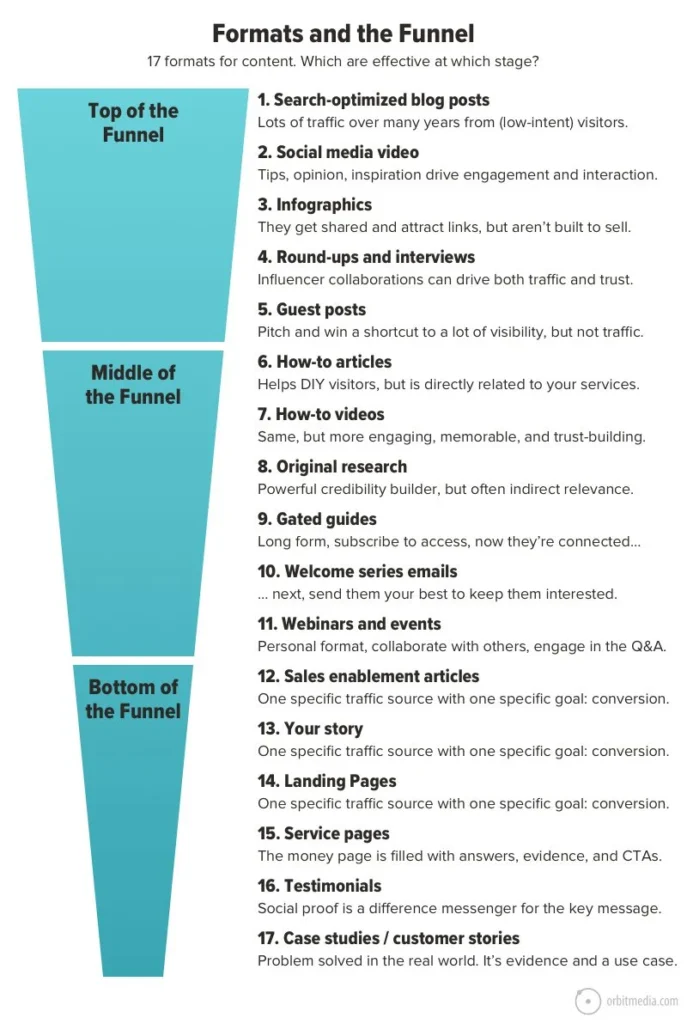
Formats and the Marketing Funnel
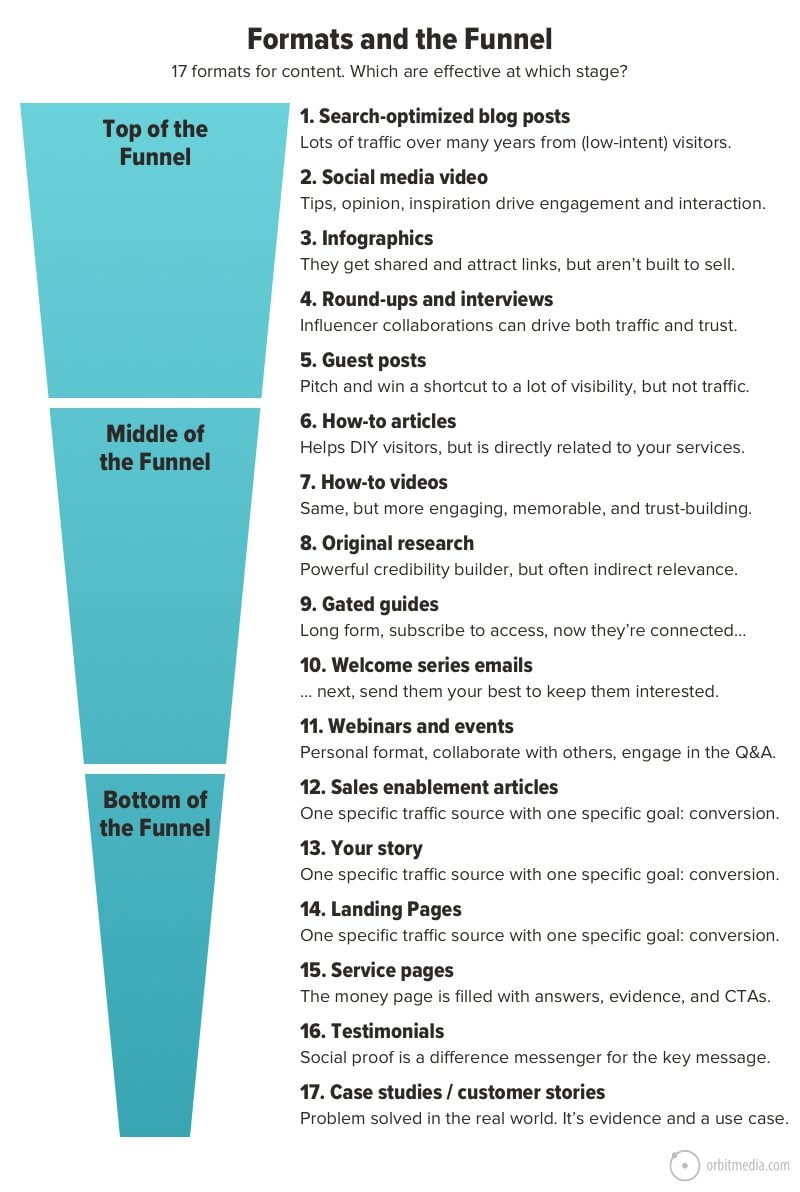
Understanding how different content formats align with various stages of the customer journey is crucial for a balanced content strategy. A key visual illustrates this alignment, demonstrating how formats like blog posts, videos, infographics, and social media updates can attract visitors and build trust at different points in the marketing funnel. By strategically integrating a diverse mix of formats, marketers can optimize their content to achieve specific objectives, from initial brand awareness to fostering customer loyalty. This approach transforms content creation from a hit-or-miss endeavor into a precisely targeted strategy.
The Investment in Blog Post Creation
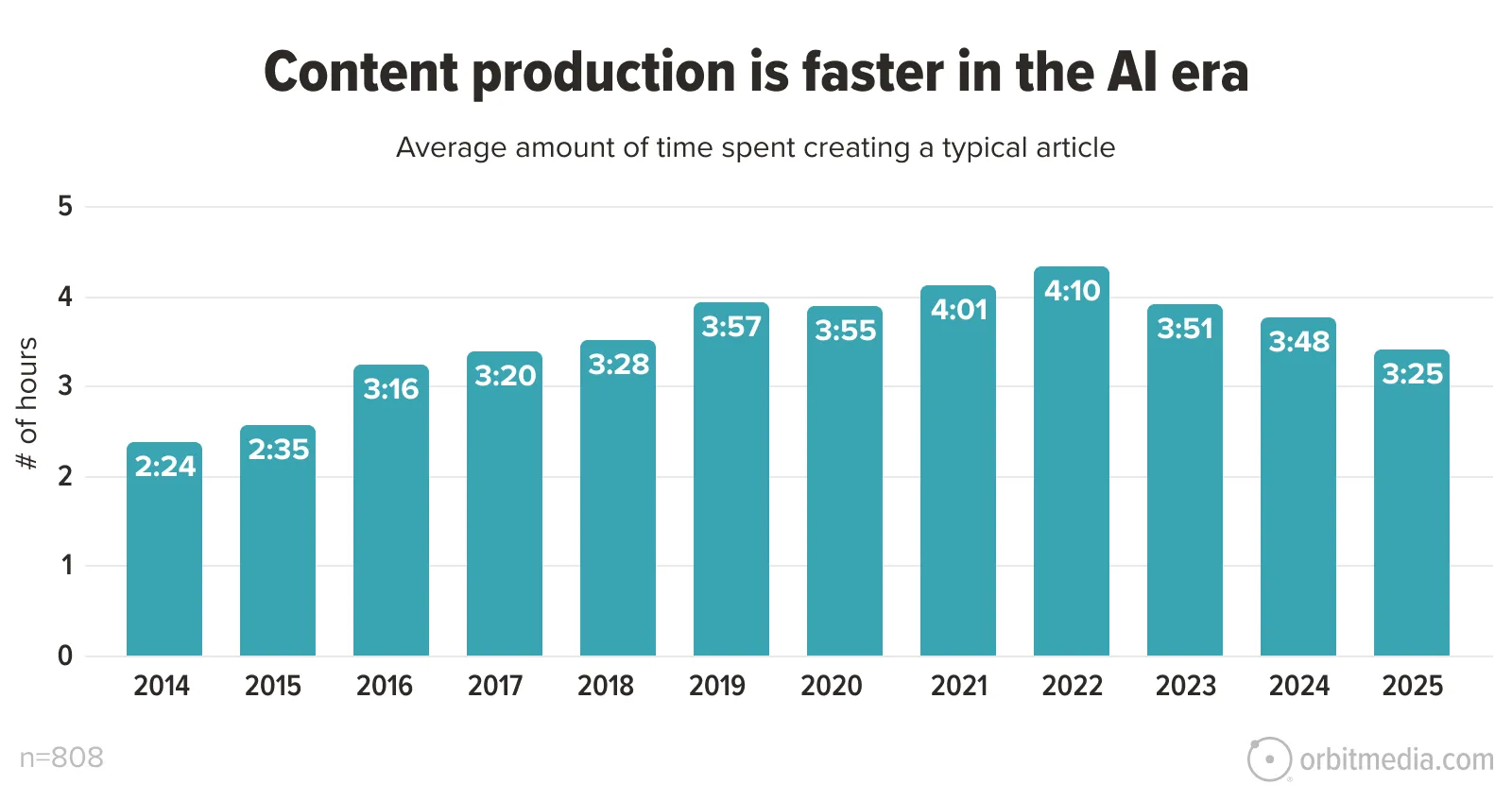
Data from annual blogger surveys reveals the significant time investment required for producing a single blog post. Over the years, the average time spent creating an article has fluctuated, peaking in recent years and showing a slight decrease in the most current projections. This trend highlights the evolving efficiency of content creation processes, potentially influenced by new tools and methodologies, while underscoring the continued dedication required for quality long-form content.
AI’s Role in Content Marketing Success
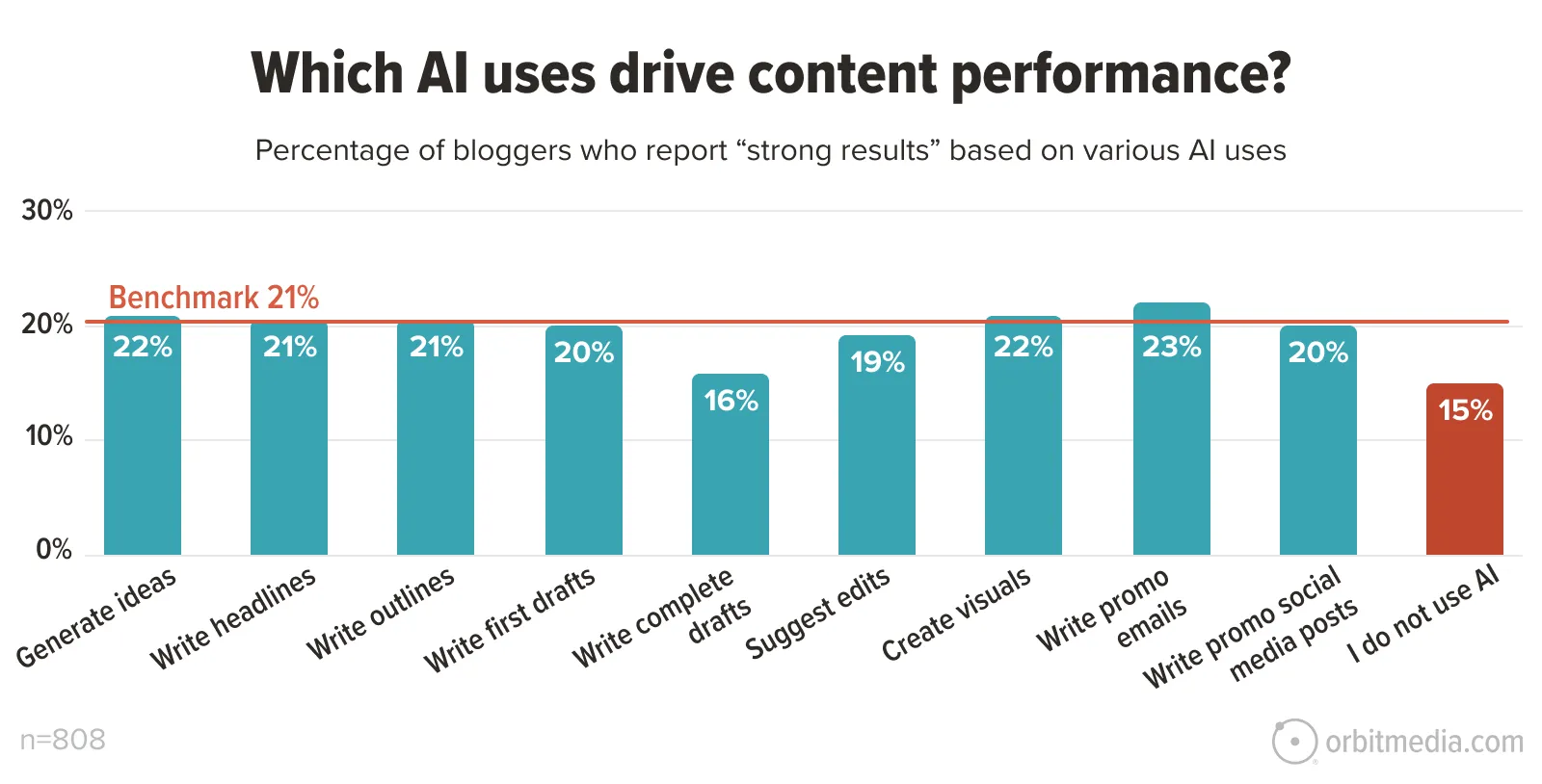
The integration of Artificial Intelligence into content marketing presents both opportunities and challenges. Research indicates a nuanced relationship between AI adoption and marketing results. Marketers who either excessively rely on AI for every task or completely shun it tend to see the least favorable outcomes. The sweet spot for driving results appears to be a balanced approach, where AI is strategically employed for specific tasks rather than as a wholesale replacement for human creativity and oversight. Analyzing which AI use cases yield the strongest results provides valuable guidance for resource allocation and strategy development.
AI Efficiency: Input vs. Output
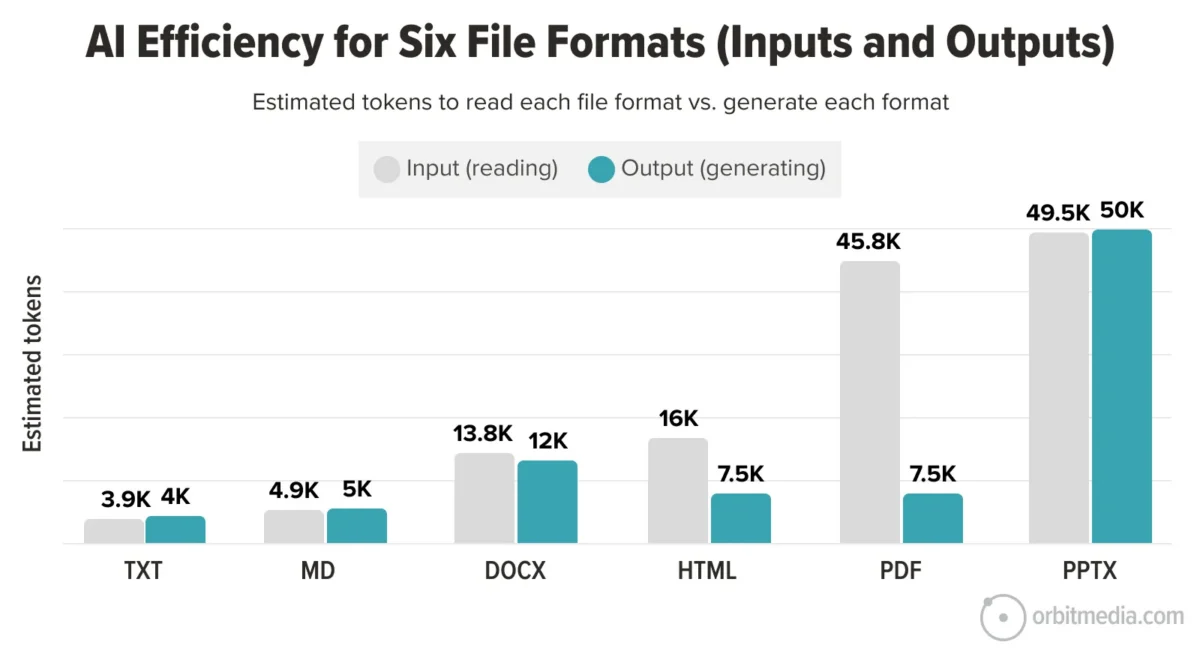
The efficiency of AI models is not uniform across all file formats. A comparative analysis reveals significant differences in the "token" (and by extension, computational) impact of uploading various file types for processing versus generating output. Understanding these discrepancies is vital for optimizing AI usage, not only for performance but also for potential environmental considerations related to energy consumption. This insight allows marketers to make informed choices about the data they feed into AI systems and the formats they request in return.
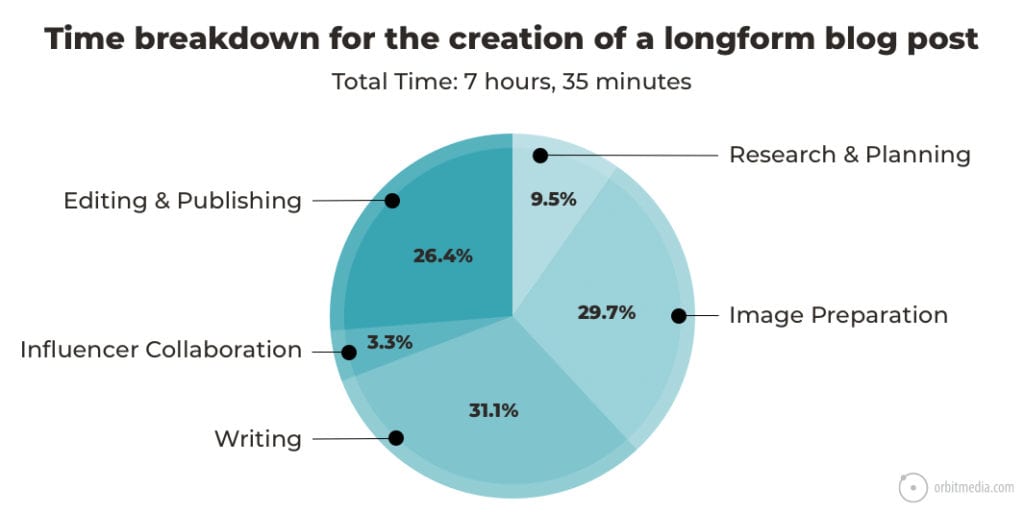
Time Breakdown in Long-Form Content Creation
A more granular examination of the time spent on content creation breaks down the process into specific categories, such as research, writing, editing, and optimization. This detailed view provides a clearer picture of where the bulk of the effort lies, enabling better project management and resource allocation for producing in-depth, search-optimized articles.
Content Promotion Channels and the Funnel
Effective content marketing is incomplete without robust promotion. This section explores how different channels—search, social media, and email marketing—strategically impact various stages of the marketing funnel. Search engines primarily drive awareness by connecting users with relevant information. Social media contributes to both awareness and consideration through visibility and user interaction. Email marketing, requiring a higher level of trust for initial subscription, then facilitates deeper consideration and action.
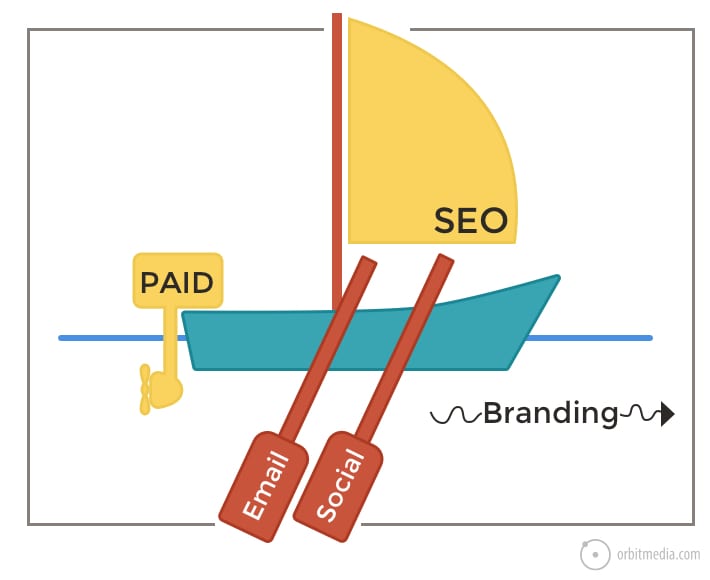
Website Traffic Sources: A Multifaceted Approach
Traffic to a website can be visualized as a combination of "oars, sails, and motors." Paid advertising provides the immediate thrust (motors), while content marketing and SEO build sustainable, long-term traffic streams (sails and oars). Email and social media require ongoing engagement to maintain momentum. The presence of direct traffic, often driven by strong brand recognition, further illustrates the diverse pathways to audience engagement.
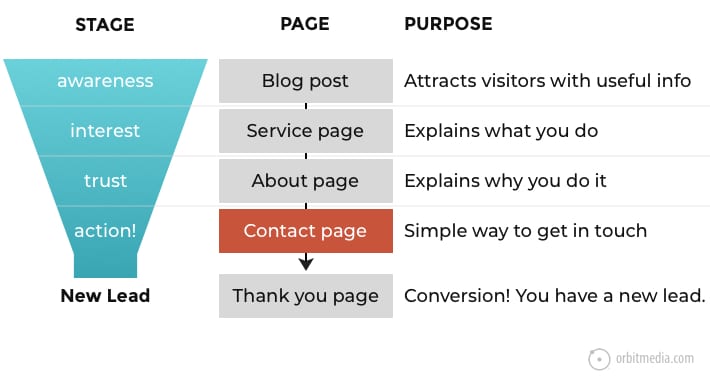
Content Alignment with Website Pages
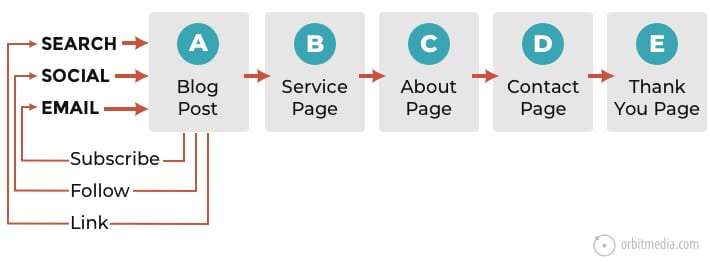
The psychological journey of a website visitor can be mapped onto the structure of a website itself. Diagrams illustrate how different pages—from homepage to product pages—align with the user’s mindset at each stage of their conversion path. This strategic alignment ensures that the content presented is relevant and persuasive, guiding visitors toward their desired actions.
The Virtuous Cycle of Blog Traffic and Demand
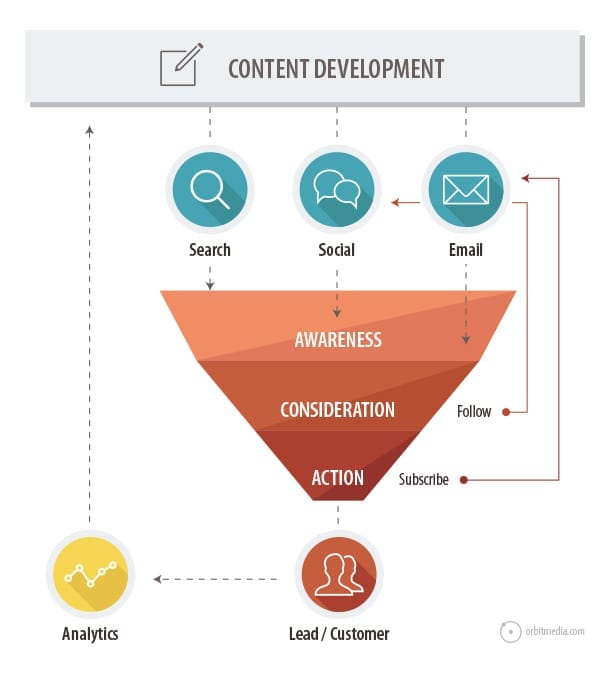
A cyclical model depicts how blog traffic can evolve into sustained engagement and eventual demand. Visitors who engage with blog content may subscribe to newsletters or follow social channels, creating opportunities for ongoing communication. This continuous interaction can lead to a deeper connection with the brand, ultimately nurturing leads and driving conversions.
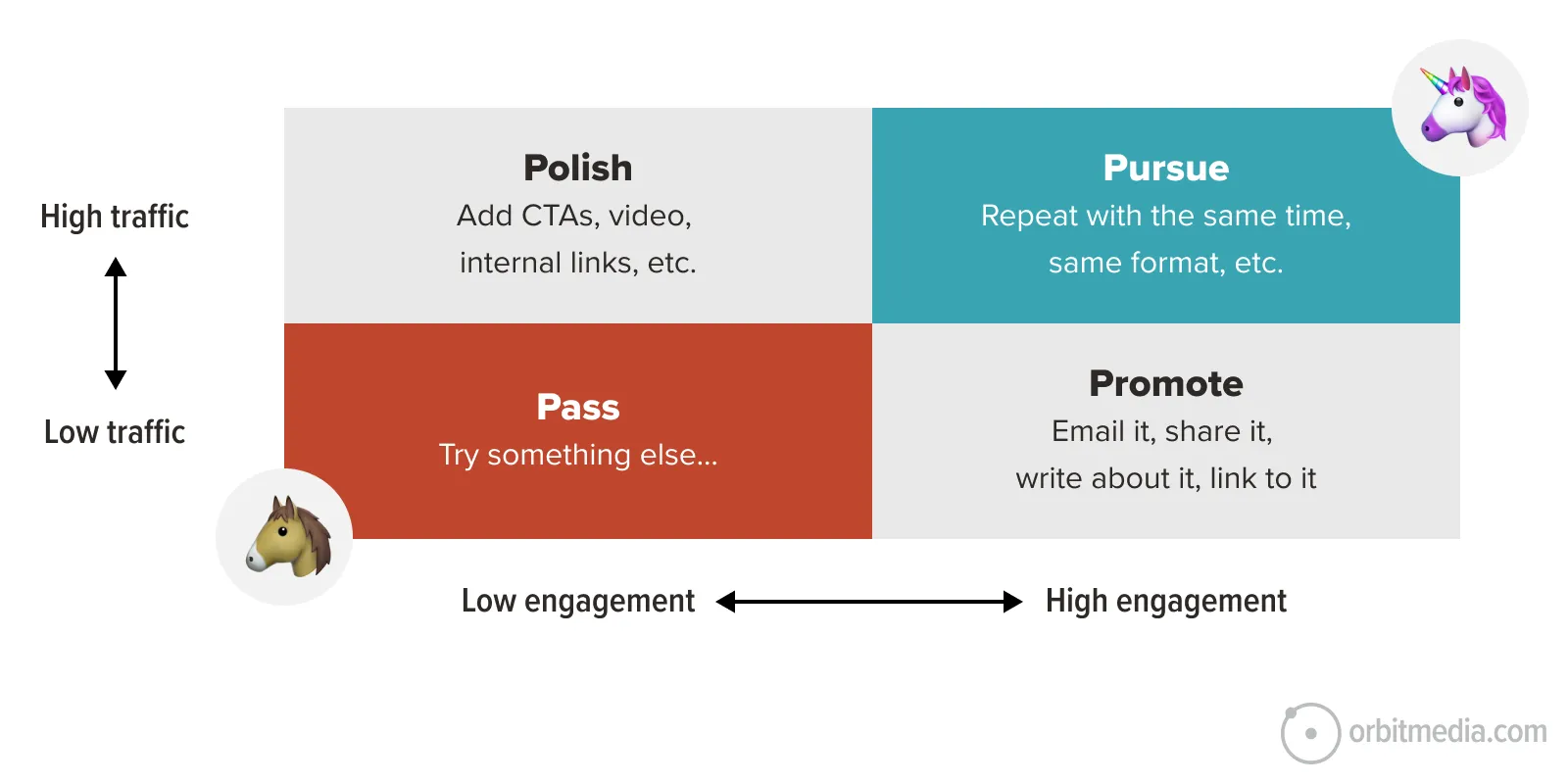
The Content Performance Matrix
To effectively manage published content, a strategic framework is essential. The Content Performance Matrix categorizes content based on its traffic and engagement levels, guiding decisions on whether to "Polish" underperforming but potentially valuable content, "Pursue" high-performing pieces, "Pass" on content that isn’t resonating, or "Promote" content that shows promise. This analytical approach ensures that content resources are allocated efficiently.
Transactional vs. Consultative Offerings
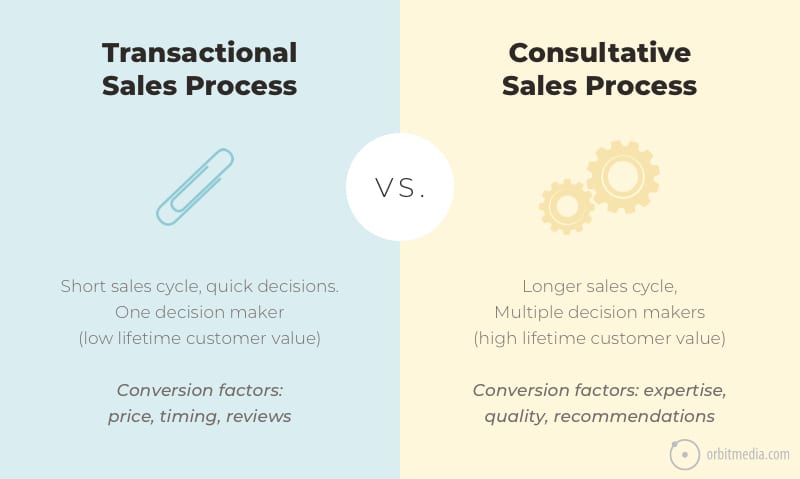
Marketing strategies must adapt to the nature of a business’s offerings. Whether a company provides transactional (e.g., direct sales) or consultative (e.g., service-based) offerings dictates the most effective marketing approaches. Understanding this distinction is key to tailoring content and calls to action that align with customer needs and buying processes.
Brand Marketing vs. Performance Marketing
A clear distinction exists between brand marketing, which focuses on long-term awareness and perception, and performance marketing, which prioritizes immediate, measurable actions. These two approaches differ in their goals, timelines, and key performance indicators. Every marketing activity can be categorized within these frameworks, alongside the media channels used (paid, earned, or owned).
The Periodic Table of Content
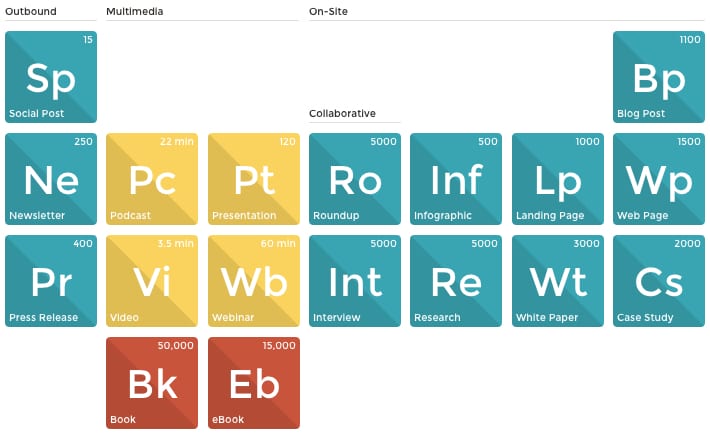
With the vast array of content formats available, the "Periodic Table of Content" offers a comprehensive overview. This visual tool categorizes various content types, serving as a valuable resource for brainstorming and identifying opportunities for content repurposing, transforming existing material into new formats to reach wider audiences.
The Three Types of Marketing Videos
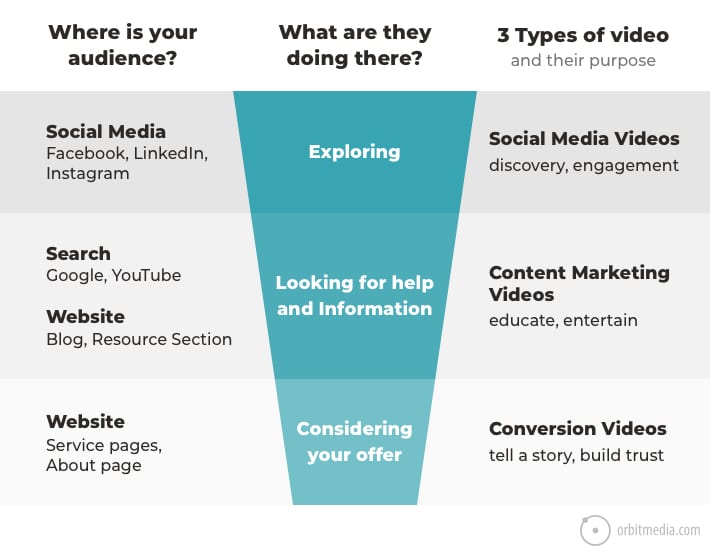
Video marketing is a powerful tool, and its effectiveness is often tied to its strategic placement within the marketing funnel. Diagrams illustrate three distinct types of marketing videos—each designed to achieve specific objectives, whether it’s capturing initial attention, educating the audience, or driving a final conversion.
The Content Marketing Promotion Cycle
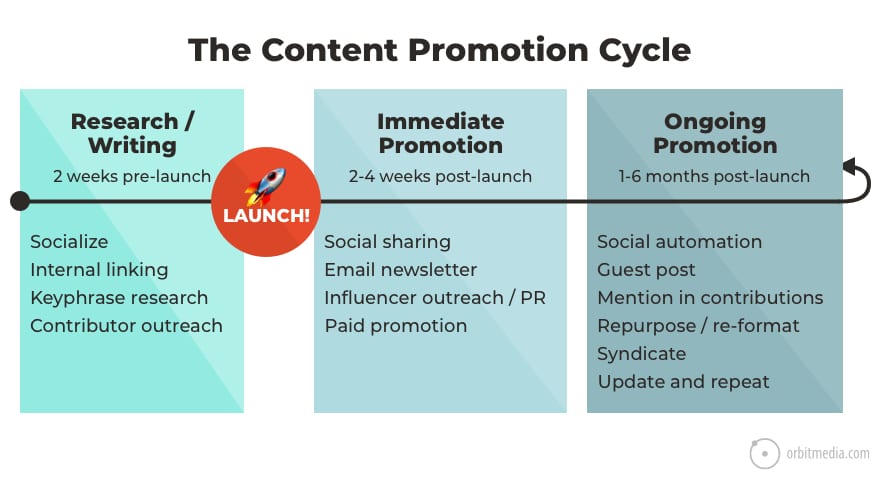
The success of content is not solely determined by its quality but also by its promotion. A visual representation of the content promotion cycle highlights the importance of a strategic, pre-publication research phase and ongoing efforts to amplify reach. This emphasizes that well-promoted content, regardless of its initial perceived quality, often outperforms less visible, albeit excellent, content.
Headline Impact on Visitor Engagement
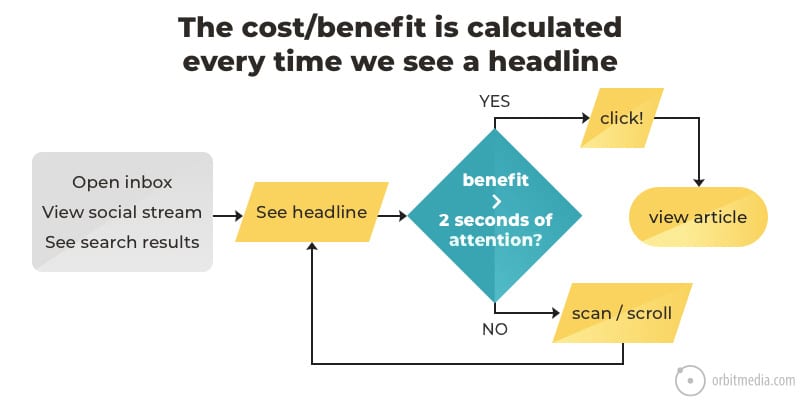
A compelling headline is the gatekeeper to content consumption. The "cost-benefit analysis" a reader performs in a split second upon seeing a headline dictates their decision to click. Diagrams illustrate how effective headlines can overcome user inertia, while weak ones can render even the most valuable content inaccessible.

The Multifaceted Nature of Headlines
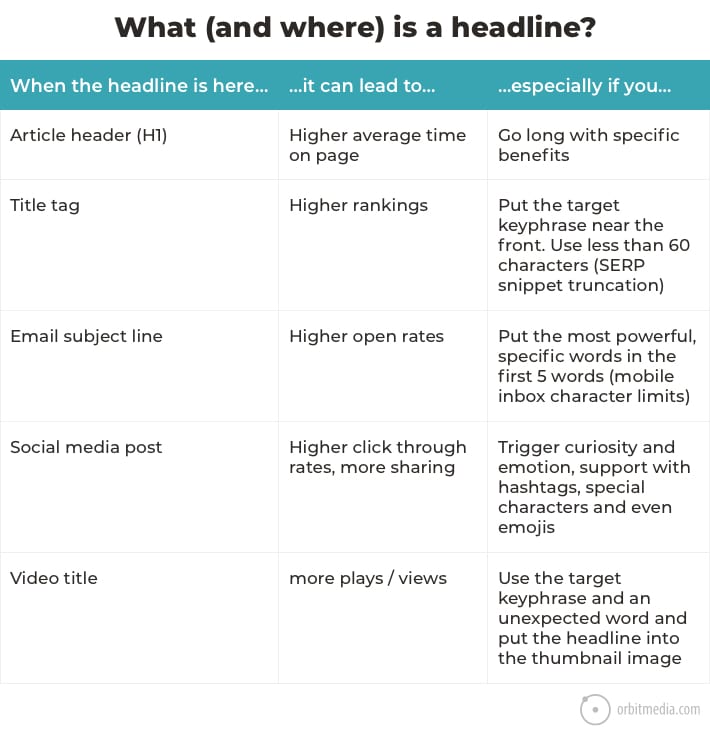
Headlines are not monolithic; their form and function vary across different digital platforms. A headline on an email subject line differs from a title tag in search results or an H1 header on a webpage. Understanding these variations and tailoring headlines to each context is critical for maximizing visibility and engagement.
Topics and Focal Distance in Content Strategy
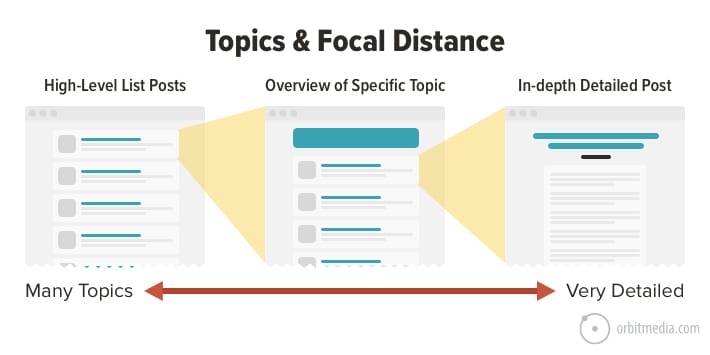
The scope of content can be visualized as a spectrum, from broad overviews to in-depth explorations. This concept of "focal distance" allows marketers to organize topics fractally, enabling the creation of both high-level, accessible content and detailed, niche-specific articles, catering to diverse audience interests and search intents.
Content Quality vs. Longevity
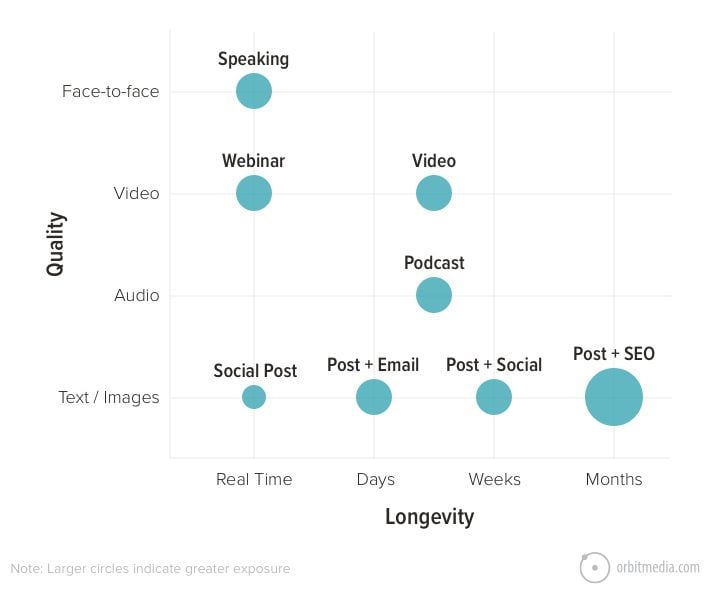
There is often a trade-off between content that makes an immediate impact and content that maintains relevance over time. Diagrams can illustrate this dynamic, helping marketers understand that while some pieces might generate a significant initial buzz, others might offer sustained value through evergreen appeal.
Solo Blogging vs. Collaborative Marketing
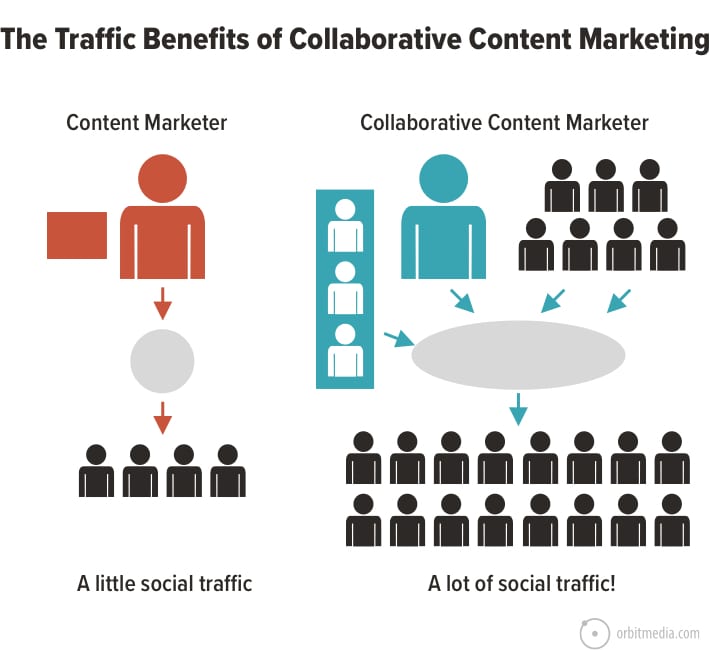
Content creation can be a solitary pursuit or a collaborative effort. The benefits of "organic influencer marketing" and content collaboration, such as incorporating expert quotes or roundups, extend beyond content enhancement to significant traffic generation. This approach leverages the networks of others to amplify reach and credibility.
Post-and-Pray vs. Zero-Waste Marketing
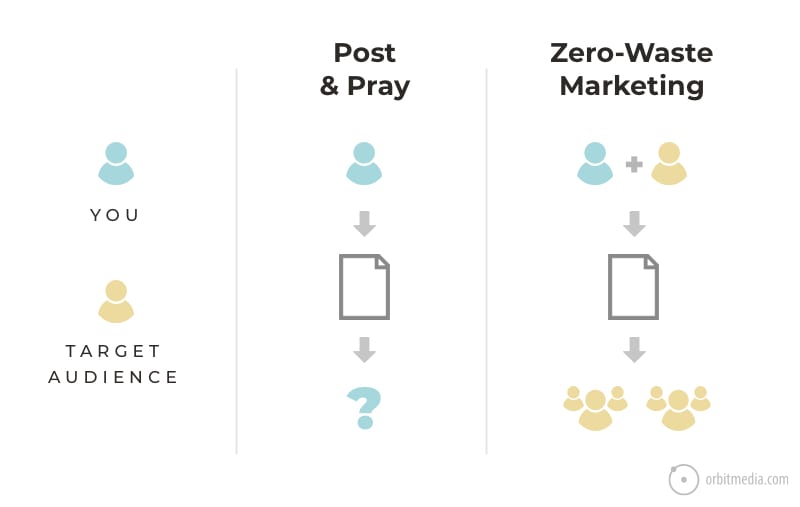
A more advanced strategy, "zero-waste marketing," involves actively engaging the audience in content creation, whether through interviews or contributor quotes. This ensures content directly addresses audience needs and interests, guaranteeing relevance and reach, a stark contrast to simply publishing content without a clear promotional strategy.
SEO and AI Search Optimization Diagrams: Navigating the Evolving Search Landscape
The realm of Search Engine Optimization (SEO) is constantly evolving, particularly with the advent of Artificial Intelligence. These diagrams aim to clarify complex SEO concepts and the significant shift occurring in search behavior.
Traditional Search vs. AI Search
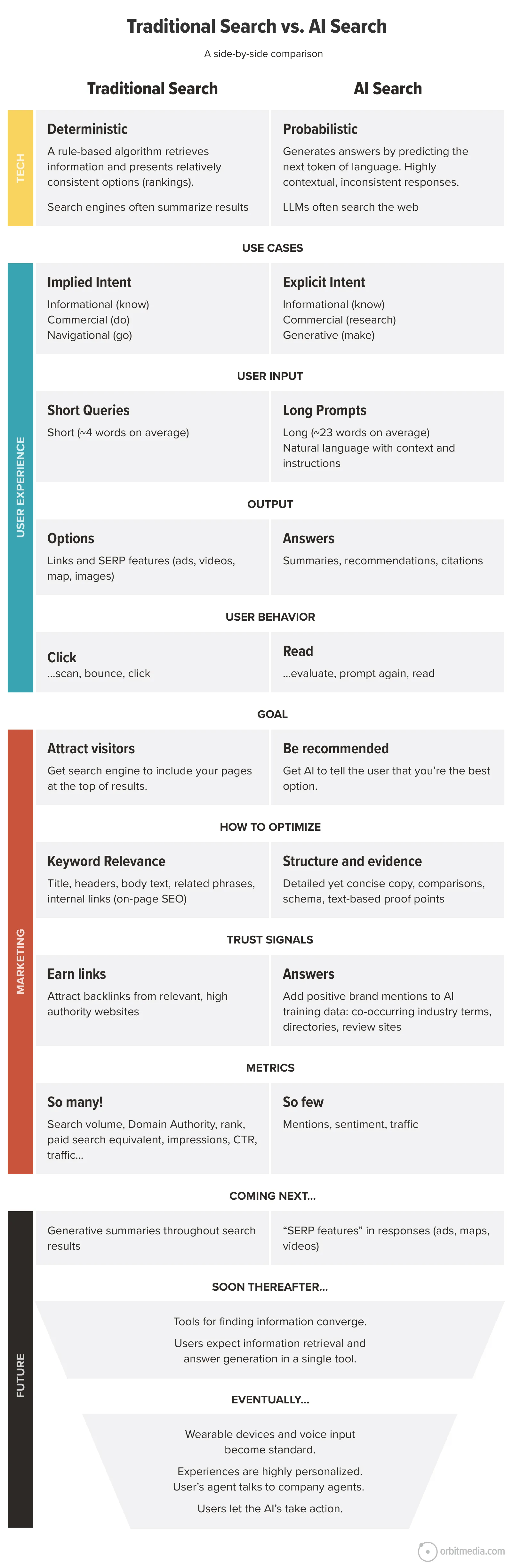
The fundamental difference between traditional search and AI-driven search lies in their core functions: ranking and clicking versus recommendation. Traditional search helps users discover options, while AI evaluates and recommends based on user context. This paradigm shift impacts visibility, trust, and optimization strategies for marketers, moving beyond simple keyword matching to a more personalized and predictive experience.
The Nomenclature of AI Search Optimization
Within the SEO community, there is a lack of consensus on the precise terminology for AI-driven search optimization. Terms like GEO (Generative Engine Optimization), AEO (AI Engine Optimization), AI SEO, and LLMO (Large Language Model Optimization) are in circulation. This chart illustrates the varied approaches to naming this emerging field, reflecting its nascent stage of development.
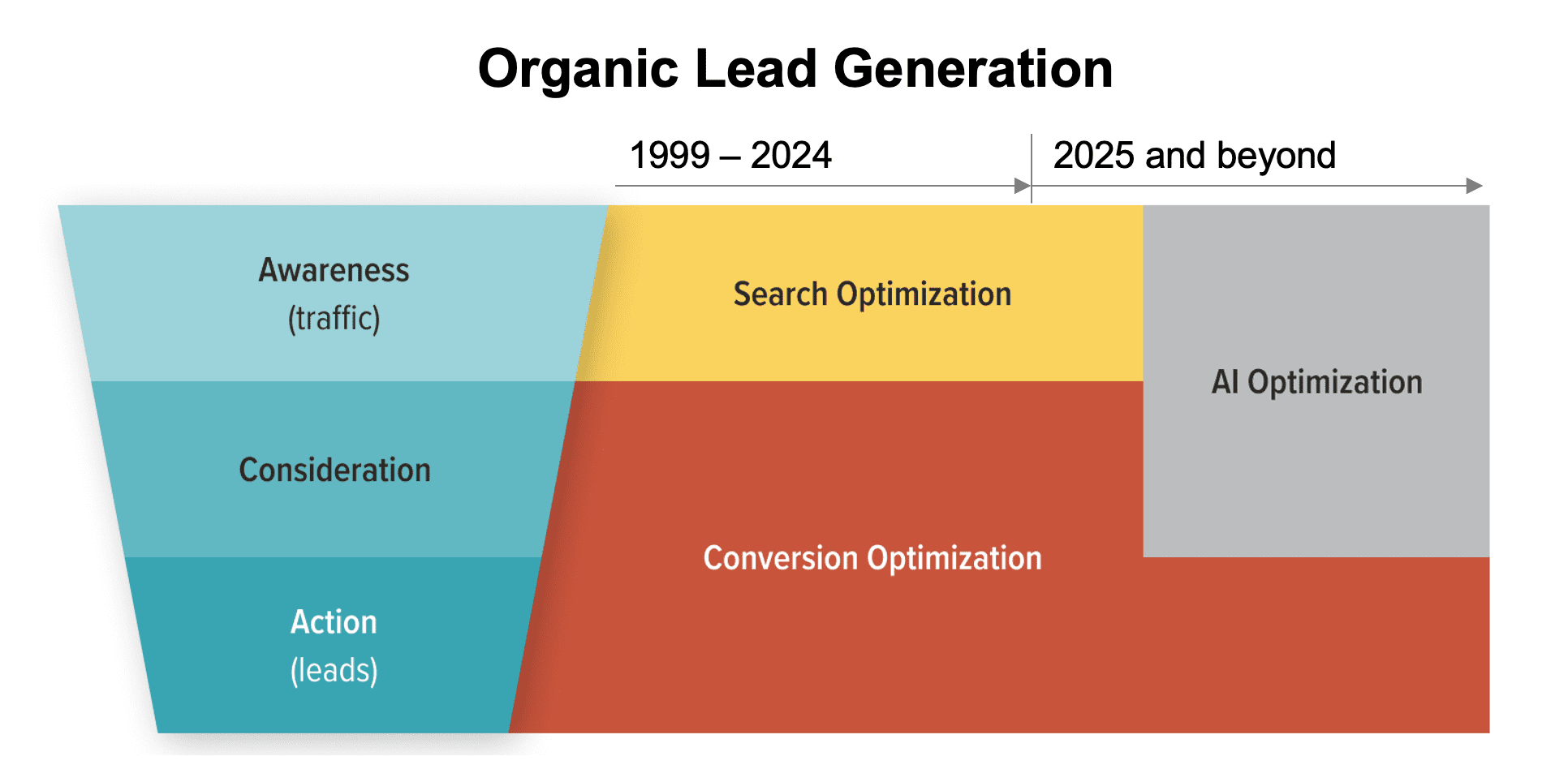
Organic Lead Generation in the AI Era
The user journey for lead generation is being reshaped by AI. Previously, users navigated the web by clicking through search results. Now, AI chatbots provide direct recommendations based on described problems and goals. This transition from providing options to offering curated solutions fundamentally alters how organic lead generation strategies must be approached, emphasizing the need for AI-native optimization.
Shifting Preferences: Search vs. AI Chat Tools
Data indicates a growing preference for AI chat tools as a starting point for research, surpassing traditional search engines for a significant portion of users. While search remains relevant, AI has emerged as a primary discovery engine, offering immediate answers and recommendations. This trend suggests a fundamental change in how users initiate their information-seeking process.
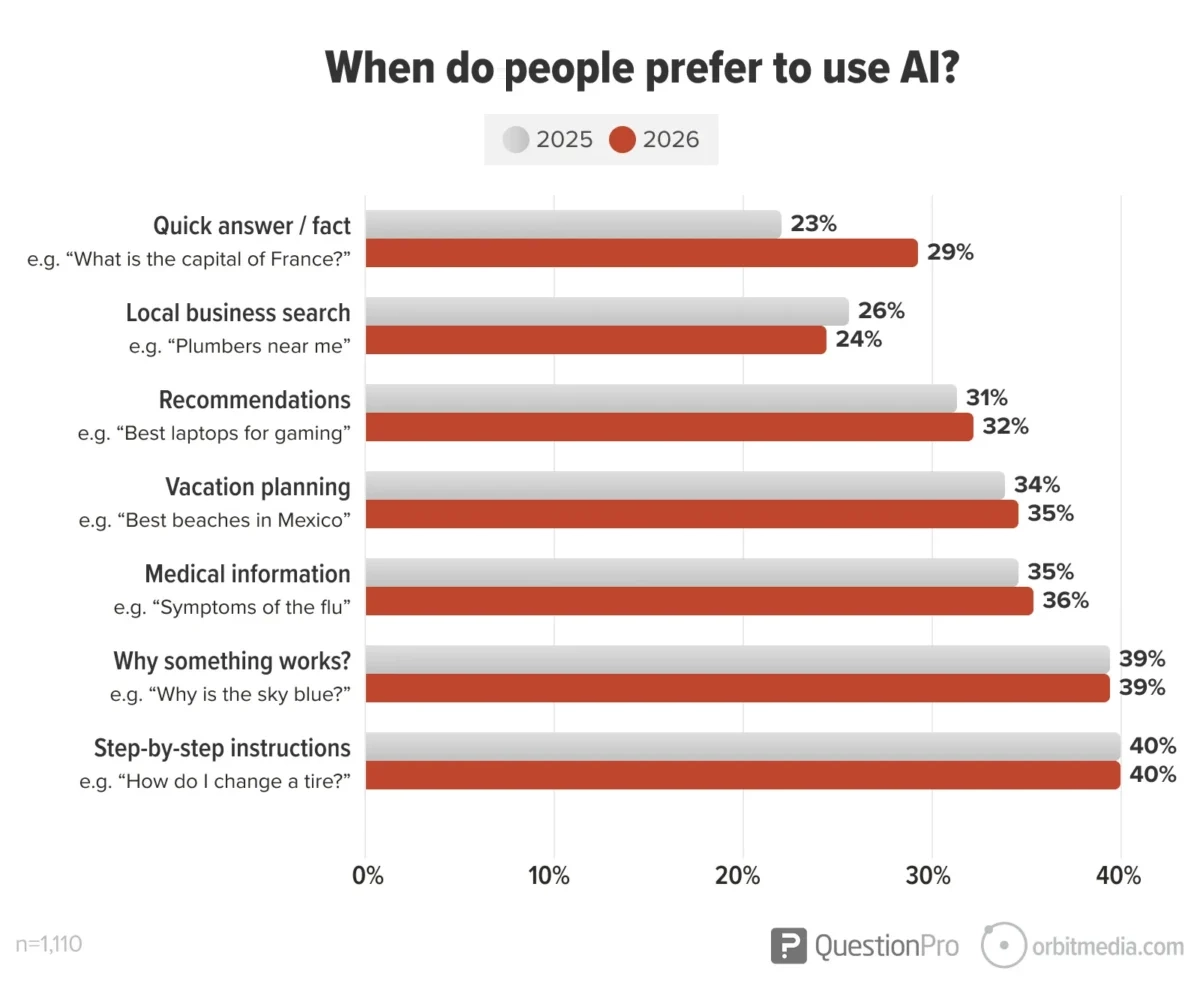
AI Preference by Query Type
AI chatbots are increasingly favored for various types of queries, with a notable exception being local search, which is still heavily reliant on traditional search engine integration with mapping services. The trend shows an upward trajectory in AI adoption across most query types, underscoring its growing role in everyday information retrieval.
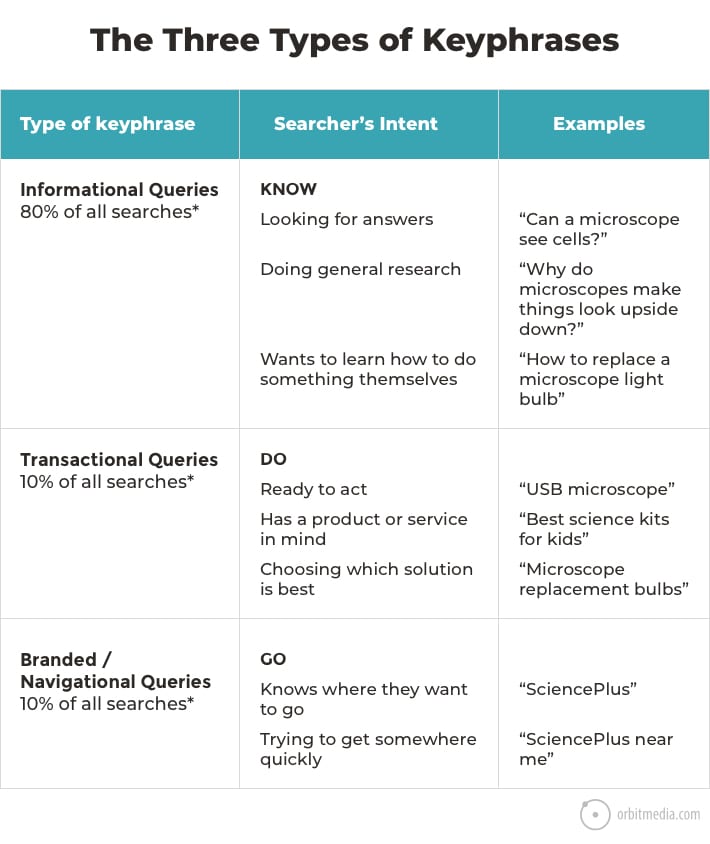
The Three Types of Keyphrases
Search intent is a critical factor in SEO. Keyphrases can be categorized by the user’s intent: "Know" (problem awareness), "Do" (solution awareness), and "Go" (brand awareness). Understanding these distinctions helps marketers create content that directly addresses user needs at different stages of their decision-making process.
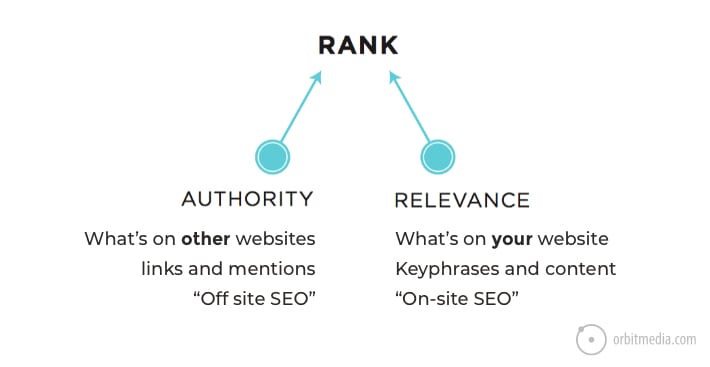
Core Search Ranking Factors
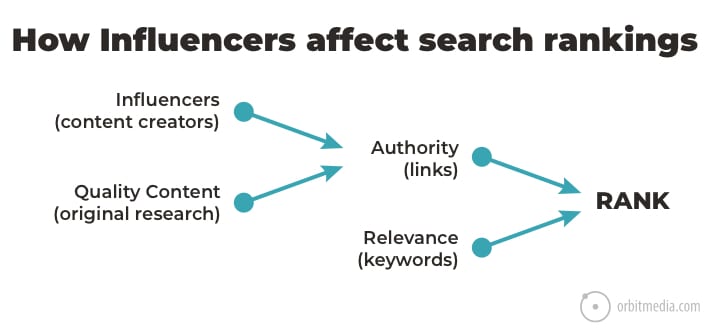
At its core, SEO hinges on two primary factors: authority and relevance. Authority is built through backlinks and domain reputation, while relevance is established by creating content that directly answers user queries. These two elements form the bedrock of search engine visibility.
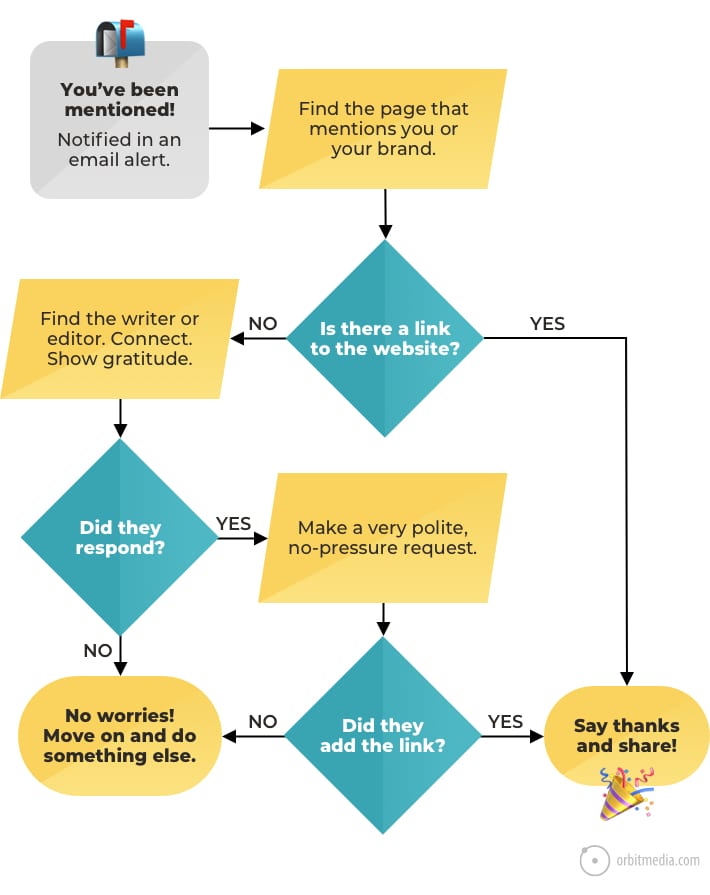
Link Reclamation Flowchart
A practical SEO tactic, link reclamation, involves identifying unlinked brand mentions and converting them into valuable backlinks. This flowchart outlines a systematic process of monitoring for mentions and executing outreach to secure these valuable connections, which contribute to website authority.
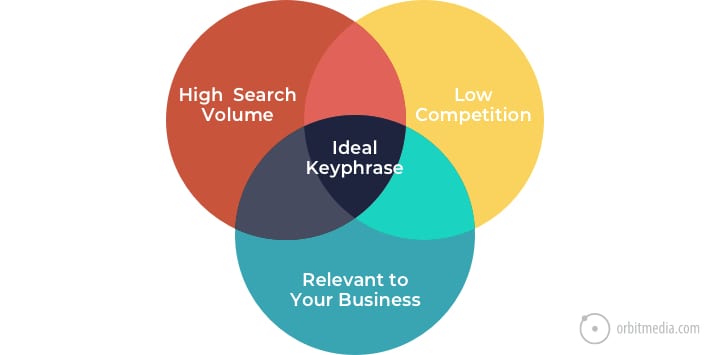
Keyphrase Selection Criteria
Effective keyphrase selection involves balancing search volume, competition, and strategic fit. A Venn diagram illustrates the three essential criteria for choosing keyphrases: discoverability (search volume), attainability (low competition), and relevance (alignment with business goals).
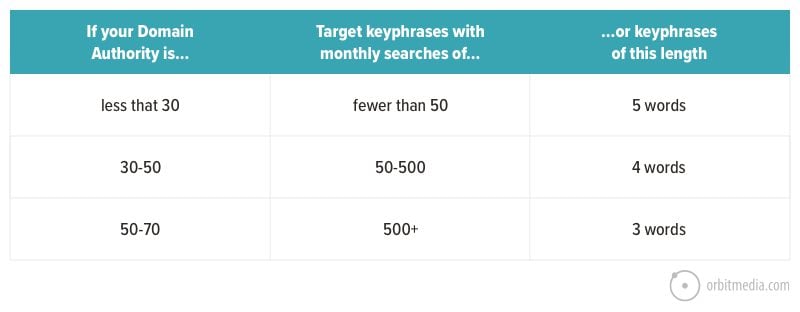
Domain Authority and Keyphrase Length
There’s a strategic advantage in targeting longer, more specific keyphrases. While less popular, these phrases often present less competition, allowing websites with lower domain authority to achieve higher rankings. This insight is crucial for keyword research, especially for newer or smaller sites.
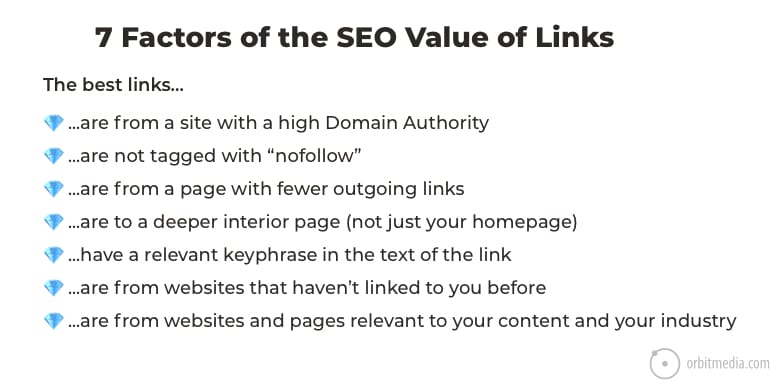
The Value of a Link
Not all links are created equal. The SEO value of a link is determined by multiple factors, including the authority of the linking domain, the relevance of the content, and the anchor text used. Understanding these seven key factors allows for a more strategic approach to link building and evaluation.

User Interaction Signals and Rankings
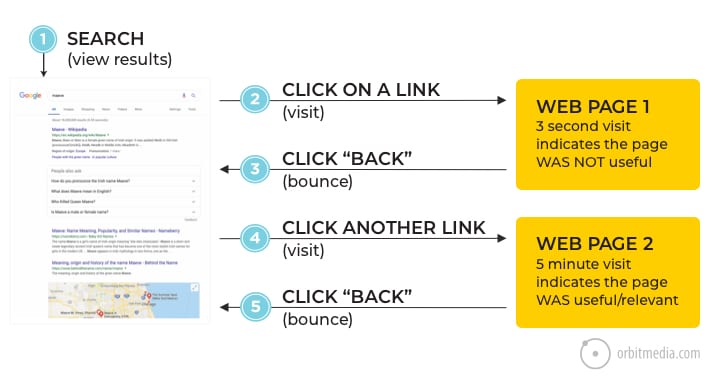
Beyond technical SEO, user behavior plays a significant role in search rankings. The "short click" (where a user quickly bounces back to search results) versus the "long click" (where a user engages deeply with a page) is a crucial indicator of content quality and relevance. This concept, often termed "pogo-sticking," directly influences a page’s perceived value by search engines.
Social Media and Influencer Marketing Diagrams: Connecting and Engaging Online
Social media platforms and influencer marketing offer unique avenues for audience engagement. These visuals explore the dynamics of these channels, from platform health to influencer identification and strategy.
Social Network Spam Prevalence
Data reveals significant disparities in the prevalence of spam across various social media networks. Platforms with higher reported spam rates can negatively impact user trust and marketing effectiveness. This information is vital for marketers choosing where to invest their social media efforts.
The Social Media "Rule of Thirds"

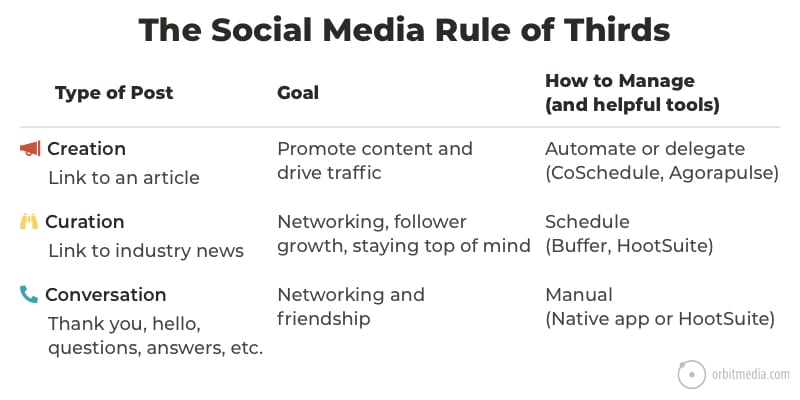
A widely adopted strategy for social media content distribution is the "Rule of Thirds." This guideline suggests balancing posts across three categories: sharing valuable content from others, promoting your own content, and engaging in direct interaction. This ensures a well-rounded and engaging social media presence.
The Five Types of Influencers
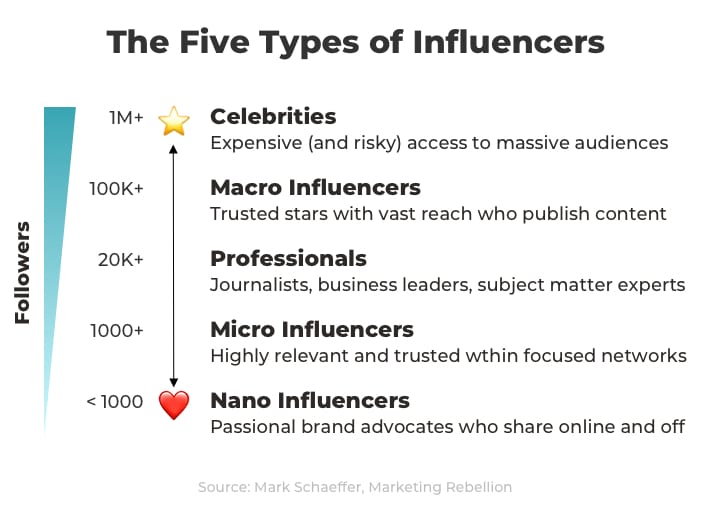
Influencer marketing encompasses a spectrum of individuals, from micro-influencers with highly engaged niche audiences to macro-influencers with broader reach. Understanding these different tiers, including the concept of "nano-influencers" and brand advocates, is crucial for developing targeted influencer campaigns.
Influencer Marketing Strategy: Formats and Outcomes
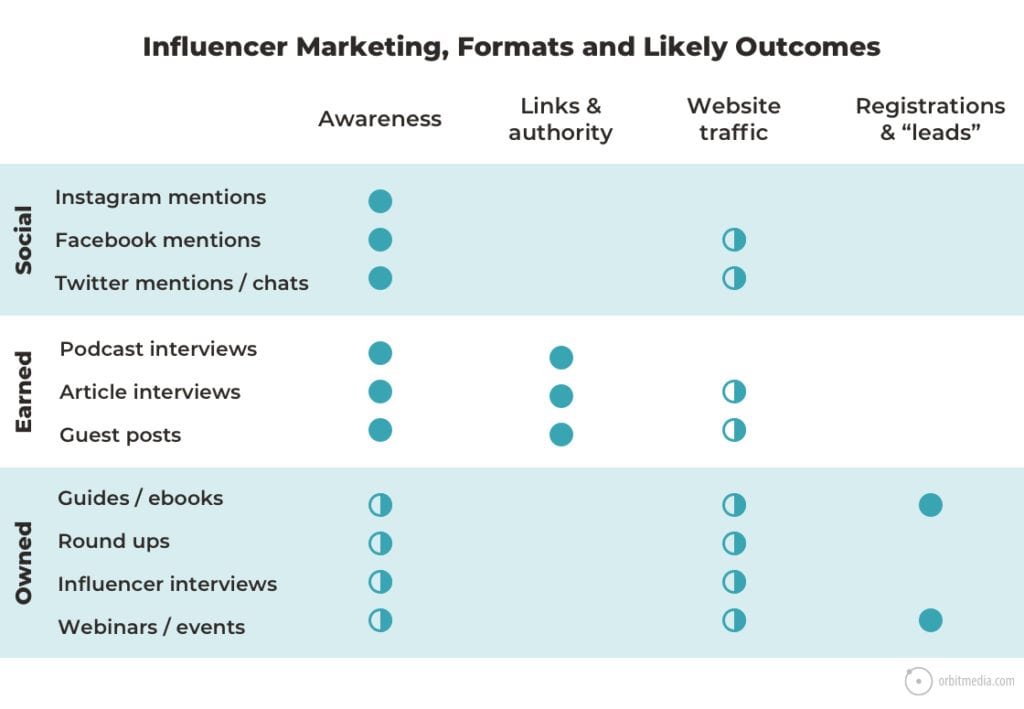
The effectiveness of influencer marketing is tied to the chosen formats and channels. Collaborations can yield varied outcomes, from increased website traffic to lead generation. This diagram illustrates how different influencer approaches align with specific marketing objectives, guiding strategy development for optimal results.
Influencer Impact on Search Engine Rankings
Influencers can indirectly boost search engine rankings by driving valuable backlinks to websites. When influencers create content that links to other pages, they contribute to building domain authority, a key SEO metric. This visual demonstrates the synergistic relationship between influencer marketing and SEO.
Profile Picture Best Practices
For professional networking platforms like LinkedIn, a well-composed profile picture is essential. Simple photographic principles, such as ensuring the subject is well-lit and positioned correctly, can significantly enhance a profile’s professional appearance and credibility.
Email Marketing Diagrams: Direct Communication Strategies
Email remains a powerful direct communication channel, allowing marketers to connect with subscribers without intermediaries. These visuals offer practical tips for optimizing email campaigns.
Key Factors for Email Open Rates
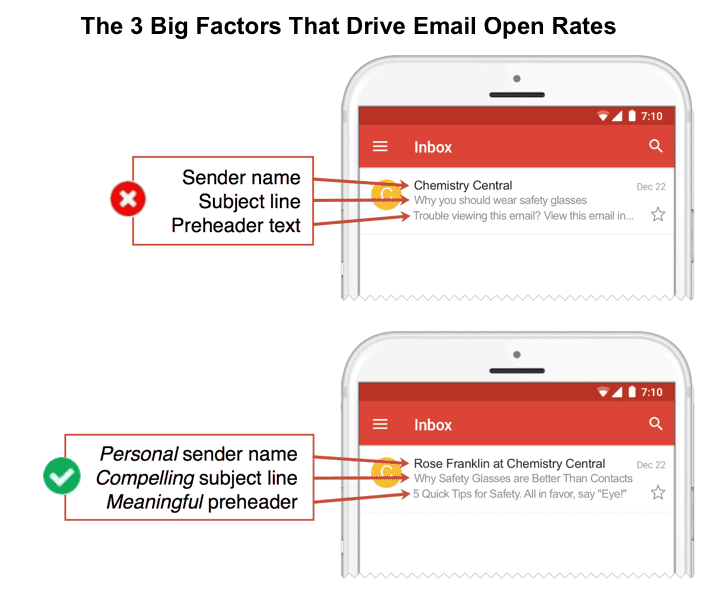
Email open rates are influenced by three primary factors: the sender’s name, the subject line, and the preheader text. Optimizing these elements, along with timing and deliverability, is crucial for capturing subscriber attention in a crowded inbox. Even small improvements in these areas can lead to significant gains in engagement.
Optimizing Email Subject Lines for Mobile
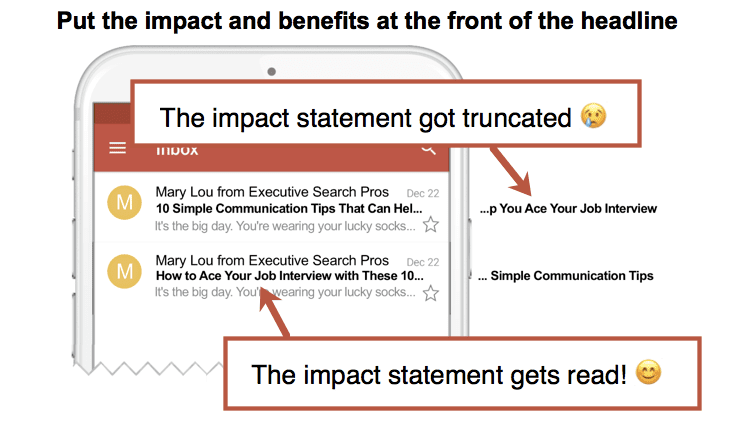
Given the prevalence of mobile email consumption, subject line length is a critical consideration. Truncation in mobile inboxes means that the most compelling information must be placed at the beginning of the subject line, typically within the first five words, to ensure it is seen and encourages opens.
Effective Email Signup Calls to Action
The design of email signup forms significantly impacts list growth. Forms that incorporate the "three P’s"—Promise, Proof, and Personalization—tend to achieve higher conversion rates. These elements provide clarity on the value of subscribing, build trust, and tailor the experience to the potential subscriber.
Connecting Email Engagement to Website Activity
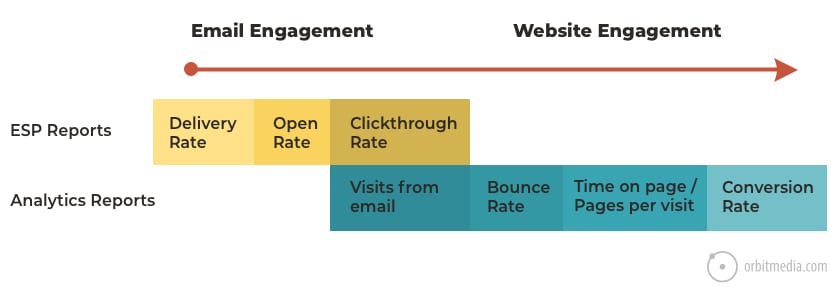
To fully understand the impact of email campaigns, it’s essential to track post-click behavior on a website. By implementing campaign tracking codes, marketers can connect email engagement metrics with website traffic, user behavior, and conversion data, providing a comprehensive view of campaign performance.
Web Design and UX Diagrams: Creating User-Centric Experiences
Effective web design and user experience (UX) are paramount for achieving marketing goals, particularly conversion. These diagrams offer insights into user psychology and best practices for website elements.
The Psychology of Conversion
Conversion rate is a critical metric, representing the percentage of visitors who take a desired action. The fundamental principle driving conversion is that a visitor’s motivation to act must outweigh the friction they encounter on the website. Diagrams visually represent this balance between clarity and confusion, highlighting the importance of a seamless user journey.
Adding Evidence to Webpages
In a crowded digital landscape, credibility is key. Websites that support their claims with tangible evidence—such as testimonials, data, awards, and certifications—are more likely to build trust and convert visitors. This visual comparison starkly contrasts unsupported claims with evidence-backed messaging.
Contact Page Best Practices
A well-designed contact page facilitates communication and builds trust. Key elements include clarity in contact options, reassurance through security indicators, and usability features that minimize friction. Comparing effective and ineffective contact page designs reveals the subtle yet significant differences that impact user experience and lead generation.
About Us Page Best Practices
The "About Us" page is an opportunity to tell a brand’s story and connect with its audience on a personal level. By addressing key questions about the company’s mission, values, and unique selling propositions, and by showcasing the people behind the brand, businesses can foster deeper engagement and build stronger relationships.

Homepage Design: Quick Communication
The primary goal of a homepage is to quickly answer the visitor’s question: "Am I in the right place?" Clear, descriptive labels and intuitive navigation are essential for establishing immediate clarity. Contrasting effective and ineffective homepage designs demonstrates how visual elements and concise messaging contribute to a positive first impression.
Service Page Design: A Comprehensive Checklist
Effective service pages should emulate a sales conversation, providing answers, evidence, and clear calls to action. A detailed checklist covers essential elements such as showcasing team members, optimizing for search engines, and using supportive visuals to create a persuasive and informative experience for potential clients.
The Anatomy of a Great Testimonial
Testimonials are powerful social proof, but their effectiveness can be amplified. Including logos, headlines, and images alongside testimonials makes them more compelling. Furthermore, incorporating keywords within testimonials can offer SEO benefits, creating a dual impact on credibility and search visibility.
Color and Visual Prominence
Color plays a crucial role in visual hierarchy, guiding a user’s eye through a webpage. The strategic use of contrasting colors, particularly complementary colors, can draw attention to key messages and calls to action, thereby enhancing user engagement and guiding them toward desired outcomes.
The Laws of Visual Hierarchy
Beyond color, several design principles contribute to visual hierarchy. Factors such as position, size, whitespace, and movement can be manipulated to align the prominence of elements with the priority of messages, ensuring that the most important information is readily perceived by the visitor.
Web Design Standards: Common Features
Understanding common web design features provides a baseline for creating user-friendly websites. Research into the prevalence of elements like search boxes, slideshows, and navigation menus helps designers make informed decisions about incorporating standard practices that users expect.
Personalizing Calls to Action with Faces
The inclusion of faces near calls to action can significantly improve click-through rates. Human faces are natural attention magnets and add a personal touch to a website. This visual demonstration highlights how personalizing CTAs can lead to increased engagement and conversions.
Data-Driven Marketing and Google Analytics Diagrams: Measuring Success
The final category focuses on measurement and analytics, crucial for understanding marketing performance and making informed decisions. These visuals aim to simplify complex data concepts.

Making Marketing Decisions Using Data
Effective data utilization transcends mere reporting; it involves analysis and action. Analytics tools should be viewed as decision support systems that help identify insights and test hypotheses. The ultimate goal is to translate data into actionable strategies that drive marketing improvements.
Hypothesis Formation in Data-Driven Marketing
A core tenet of data-driven marketing is the formation and testing of hypotheses. This flowchart illustrates a systematic approach to evaluating potential marketing improvements, distinguishing between opinion-based decisions and those grounded in empirical evidence and testable assumptions.
Sources and Quality of Marketing Insights
While Google Analytics is a primary source of marketing insights, it’s not the only one. A comprehensive approach involves gathering data from various sources, including customer feedback, market research, and social listening. Understanding the quality and relevance of each data source is crucial for accurate analysis.
The 12 Types of Marketing Research Methods
Beyond digital analytics, a wide array of user research methods exists. This chart presents a dozen distinct approaches, ranging from user interviews and surveys to usability testing and A/B testing, providing a broad overview of tools available for gathering marketing intelligence.
The Power of Visuals in Marketing

Visuals possess unique advantages over text in marketing communication. They are processed faster, aid comprehension, increase engagement, and improve retention. This inherent power makes them an indispensable asset for marketers, particularly when explaining complex ideas.
How to Use Visuals in Marketing
To maximize the impact of visuals, marketers should strategically deploy them across various channels. Diagrams illustrating the types of visuals best suited for email, social media, search, and lead generation, along with their corresponding impact on key metrics, provide a roadmap for effective visual integration.
In conclusion, the power of visual aids in demystifying complex marketing concepts cannot be overstated. This curated collection of diagrams, covering a broad spectrum of digital marketing disciplines, serves as a valuable resource for professionals seeking to enhance their understanding, communication, and strategic execution. The ability to freely use and adapt these visuals, with proper attribution, empowers marketers to elevate their content and achieve greater success in an increasingly intricate digital landscape.