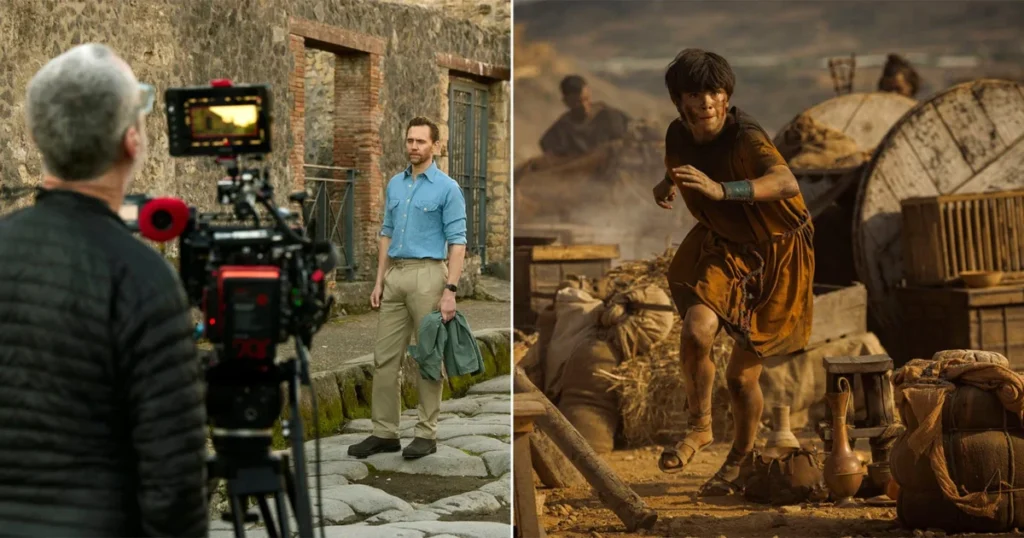

A New Vision for Historical Storytelling
The production of Pompeii: Out of Time is a collaborative effort between National Geographic and Plimsoll Productions, led by showrunner and director Tom Barbor-Might. The objective was to create a "new genre" of history programming—one that fuses archaeological evidence with a cinematic imagination. Tom McDonald, Executive Vice President of Content at National Geographic, noted that the project aimed to bring evidence and imagination together in a way that feels distinctive from previous iterations of the Pompeii story.
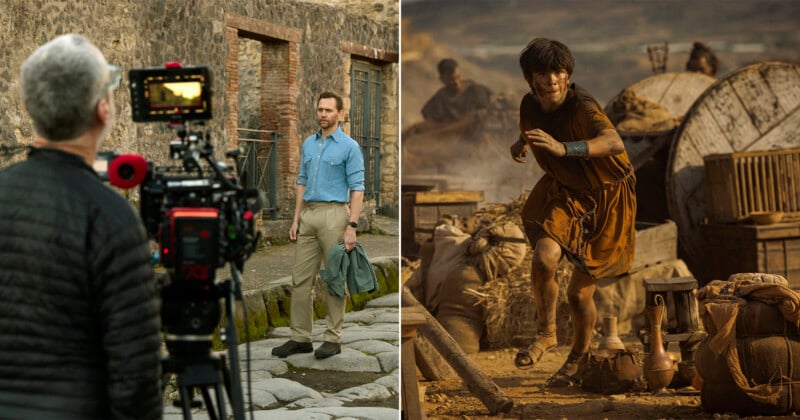
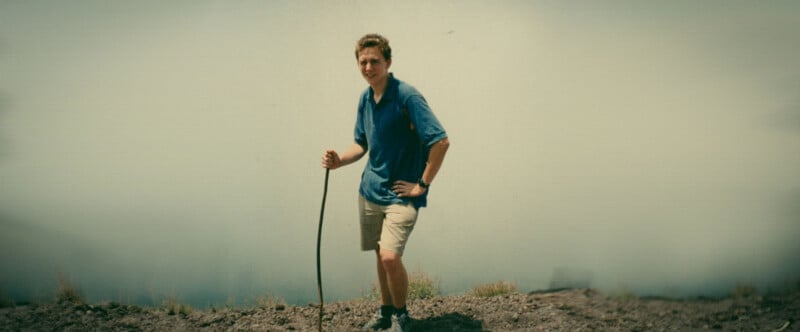
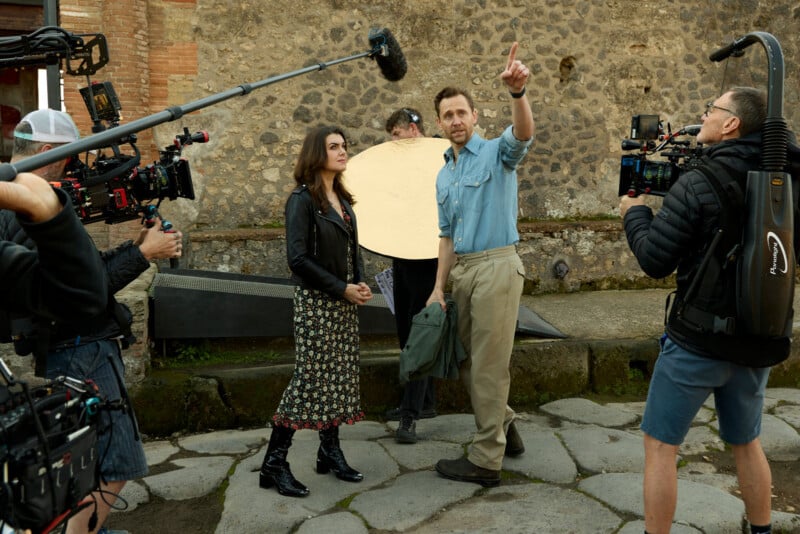
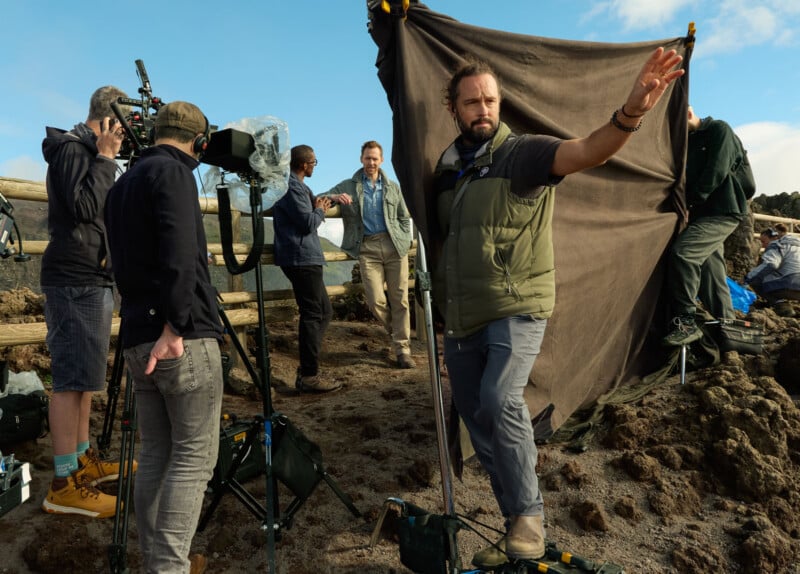
The series is anchored by Tom Hiddleston, whose involvement extends beyond the role of a traditional presenter. An avowed history enthusiast, Hiddleston’s connection to the site dates back to 1998, when he first visited Pompeii and Herculaneum at the age of 17. This personal passion for the subject matter reportedly translated into a unique on-set dynamic, particularly during interviews with archaeologists and historians. Cinematographer Jim Jolliffe observed that Hiddleston’s ability to put academic experts at ease was crucial for capturing authentic insights from individuals who are rarely accustomed to being in front of a camera.
The Technical Artistry of the Ancient World
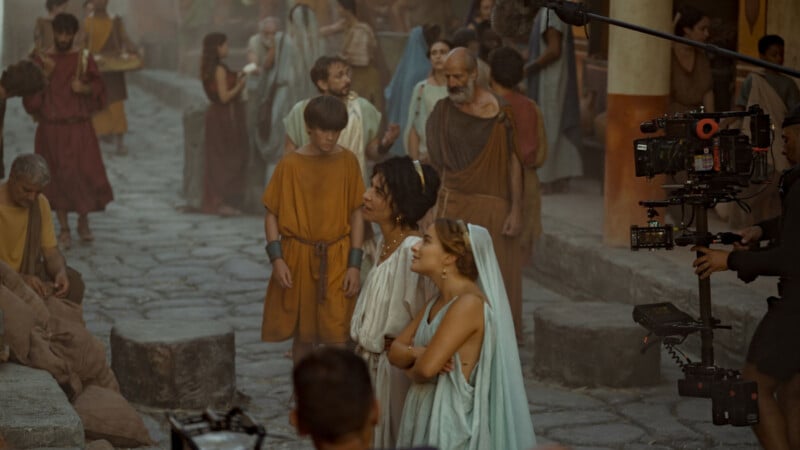
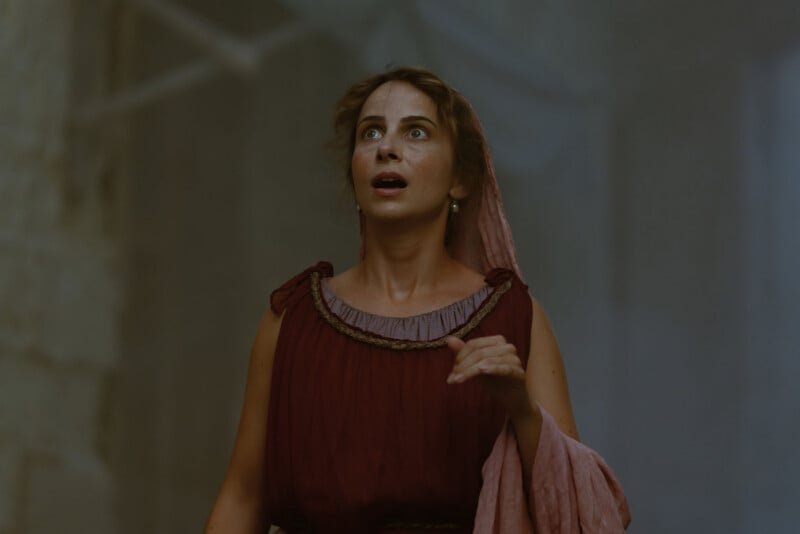
To elevate the series above the "cheesy reenactments" often associated with historical television, Jolliffe and Barbor-Might employed sophisticated filmmaking techniques typically reserved for feature films. The decision to use anamorphic lenses was central to this strategy. Specifically, the crew utilized Caldwell Chameleon 1.79x anamorphic prime lenses paired with the Arri Alexa 35, a Super35-format cinema camera renowned for its high dynamic range and color science.
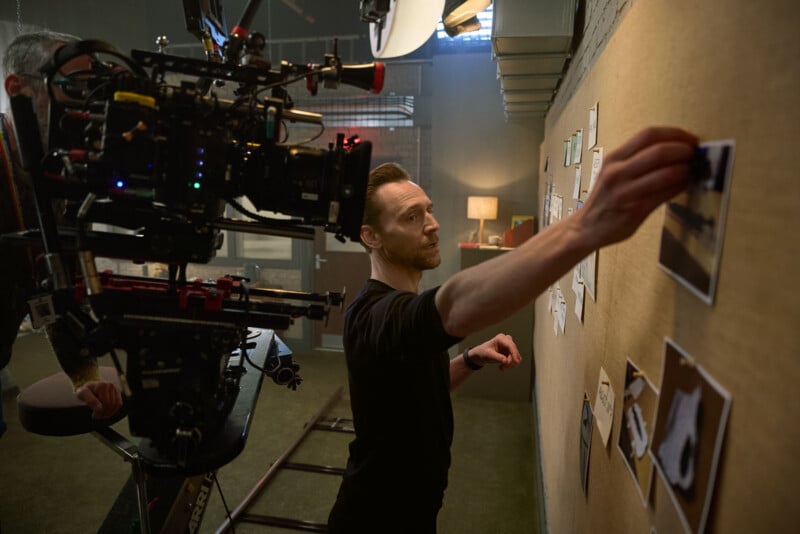
The use of anamorphic glass served a dual purpose. First, it provided the dramatic reenactments with a wide, cinematic aspect ratio and distinct bokeh that signaled a "movie-like" quality to the viewer. Second, it provided a visual bridge between the two timelines explored in the series: the ancient past and the modern-day archaeological investigations. By maintaining the same lens characteristics across both segments, the production team created a cohesive aesthetic that prevented the documentary portions from feeling disjointed from the dramatized narrative.
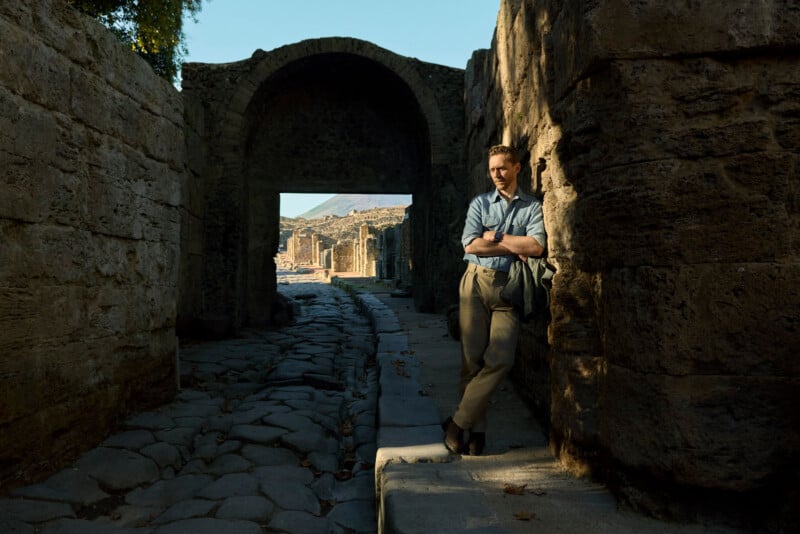
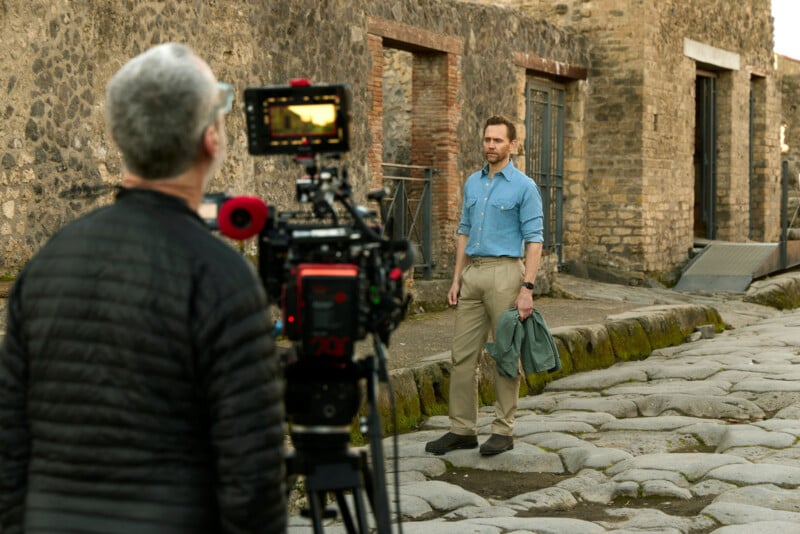
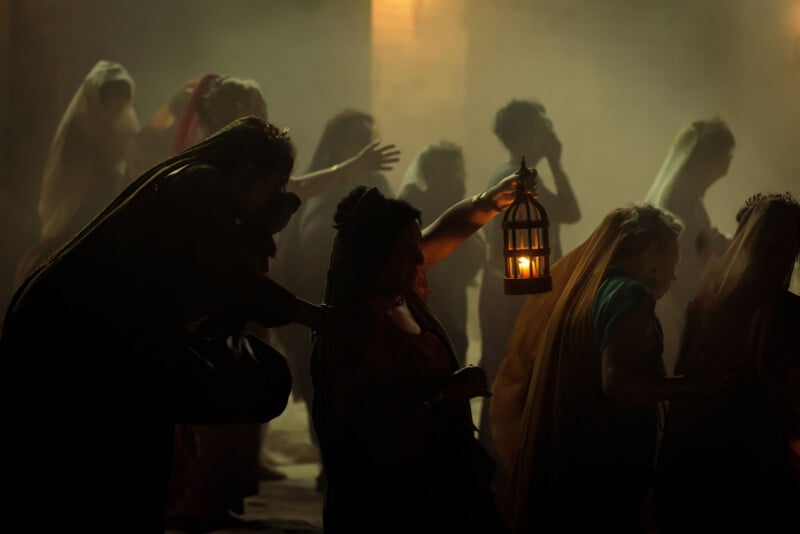
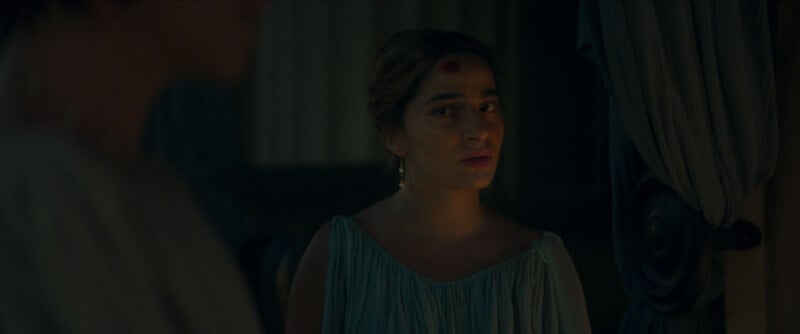
Lighting also played a pivotal role in the visual storytelling. Jolliffe opted for a naturalistic approach, relying heavily on available light and simple LED fixtures to mimic the conditions of the first century. In the historic sequences, light was often sourced from practical elements like torches and candles, creating a low-key, intimate atmosphere. In the modern-day sequences filmed within the ruins of Pompeii, the crew was forced to be agile. Due to strict preservation regulations, the team was limited to a very small footprint, often consisting of only Hiddleston, Jolliffe, Barbor-Might, and an audio technician. This forced reliance on natural light, supplemented only by bounce boards and diffusion, ensured that the modern footage shared a similar luminosity and texture with the historical recreations.
Chronology of a Catastrophe: The Vesuvius Eruption
The series meticulously reconstructs the timeline of the eruption, a disaster that remains one of the most well-documented events of the ancient world thanks to the letters of Pliny the Younger. The narrative is structured to show the progression from the initial tremors to the total devastation of the region.
The Initial Phase: Tremors and Warning Signs
For years leading up to 79 A.D., the region around Vesuvius was plagued by earthquakes, which the Romans did not yet understand as precursors to volcanic activity. The series highlights the "warm" look of this pre-eruption era, using stable camera movements and a golden color palette to evoke the prosperity and normalcy of Roman life in a bustling seaside resort.
The Eruption Column
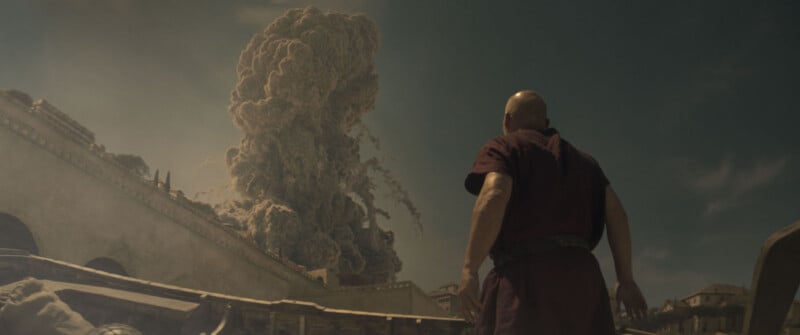
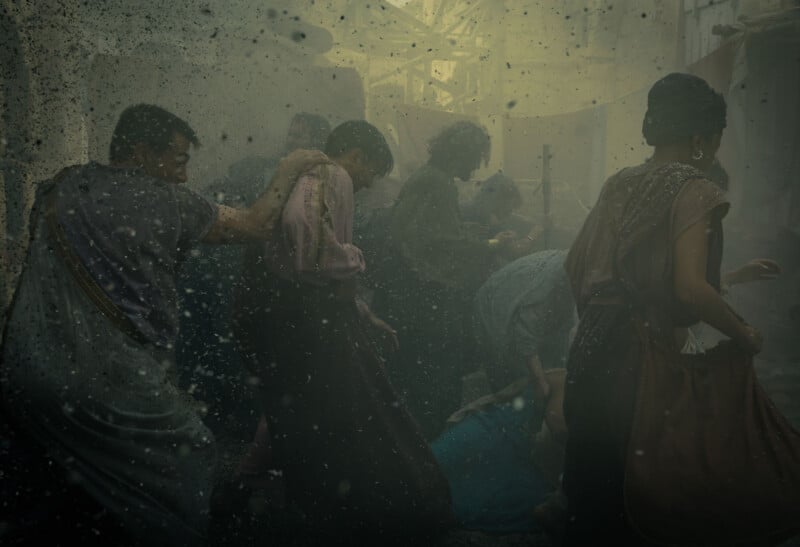
When Vesuvius finally erupted, it sent a massive column of ash, pumice, and hot gases 21 miles into the stratosphere. The series depicts the horror of the residents as the sky turned black in the middle of the day. Visually, the production shifts during this phase; the warm tones are replaced by a cooler, desaturated palette. The camera work becomes more kinetic, utilizing a "run-and-gun" style with significant camera shake to reflect the chaos and panic of the evacuation.
The Pyroclastic Surges
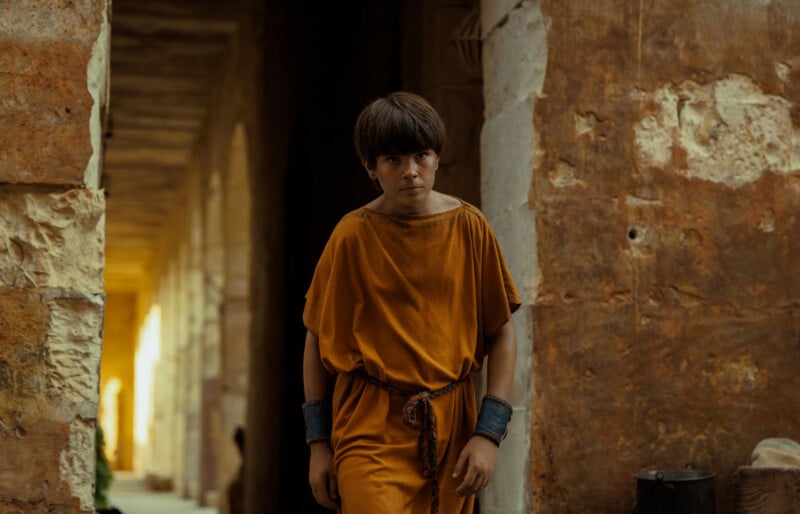
The true killers of Pompeii and Herculaneum were the pyroclastic surges—avalanches of hot ash and gas that traveled at hundreds of miles per hour. The series explores the different fates of these cities. While Pompeii was slowly buried under falling ash, Herculaneum was hit by the initial surges, which instantly carbonized organic matter and preserved the city in a different manner. The production team utilized practical effects, including throwing ash and debris around the actors, to simulate the suffocating environment of the fallout.
Supporting Data and Archaeological Context
The enduring fascination with Pompeii is supported by the sheer volume of data and artifacts recovered from the site. Since excavations began in the 18th century, approximately two-thirds of the city has been uncovered, revealing a complex urban layout with bakeries, amphitheaters, villas, and fast-food stalls (thermopolia).
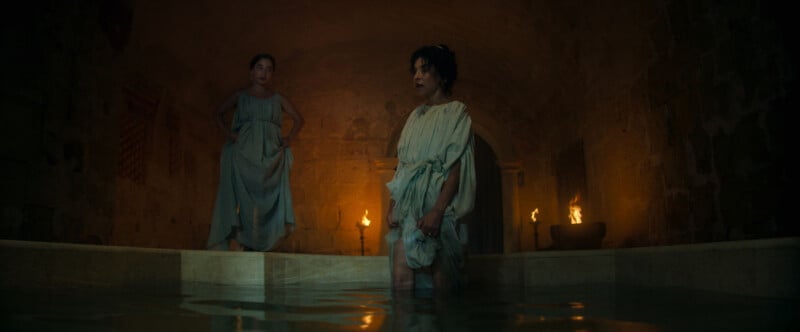
- Human Cost: It is estimated that 2,000 people died in Pompeii alone, though the total death toll for the region could be much higher. The series examines the skeletal remains and the famous plaster casts, which capture the final agonizing moments of the victims.
- Preservation: The 15 to 20 feet of ash and pumice that covered the city acted as a vacuum seal, protecting frescoes, mosaics, and even carbonized bread from decay and looting.
- Recent Discoveries: In recent years, new excavations in "Regio V" have uncovered remarkably preserved frescoes, including depictions of Leda and the Swan, as well as a snack bar that provided a glimpse into the diet of the average Roman citizen.
Pompeii: Out of Time incorporates these latest findings, ensuring that the dramatic narrative is grounded in the most current archaeological data available.
Broader Impact and Educational Implications
The release of Pompeii: Out of Time coincides with a broader push by National Geographic to revitalize historical education through multi-platform storytelling. In addition to the three-part series, the organization is publishing a major feature story in the August issue of its magazine, focusing on the three Roman cities buried by the eruption.
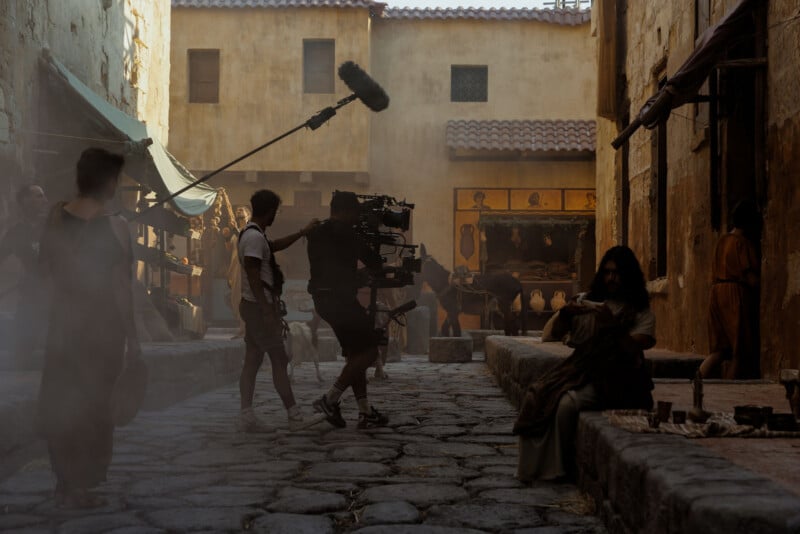
The series’ emphasis on high production values reflects a shift in the documentary landscape. As audiences become more accustomed to the visual quality of streaming "prestige TV," educational content must compete by offering a similar level of immersion. By utilizing Marvel-level talent like Hiddleston and high-end cinema tools like the Alexa 35, National Geographic is positioning historical documentaries as a form of "event television."
Furthermore, the series highlights the importance of ongoing conservation efforts. Pompeii is a fragile site, constantly threatened by weather, erosion, and the sheer volume of tourism. By bringing the city to life on screen, National Geographic fosters a global appreciation for the site, which is essential for securing the funding and political will necessary for its continued preservation.
Official Responses and Release Schedule
Industry reactions to the series have focused on its innovative blending of styles. Critics have noted that the "docudrama" format often struggles to balance accuracy with entertainment, but the involvement of respected academics like Professor Caitie Barrett suggests a commitment to historical integrity.
The rollout of the project is strategically timed across various media:
- July 21: National Geographic will publish the digital feature story detailing the latest findings from the Vesuvius eruption sites.
- July 22: The series Pompeii: Out of Time with Tom Hiddleston will premiere on the National Geographic channel at 9/8c.
- July 23: The series will become available for streaming on Disney+ and Hulu, ensuring a wide reach among younger, digital-native audiences.
As Mount Vesuvius remains an active volcano, the story of Pompeii serves not only as a window into the past but as a perennial reminder of the power of nature and the resilience of human civilization. Pompeii: Out of Time successfully captures this duality, offering a cinematic tribute to a city that was lost to the earth and found by history.