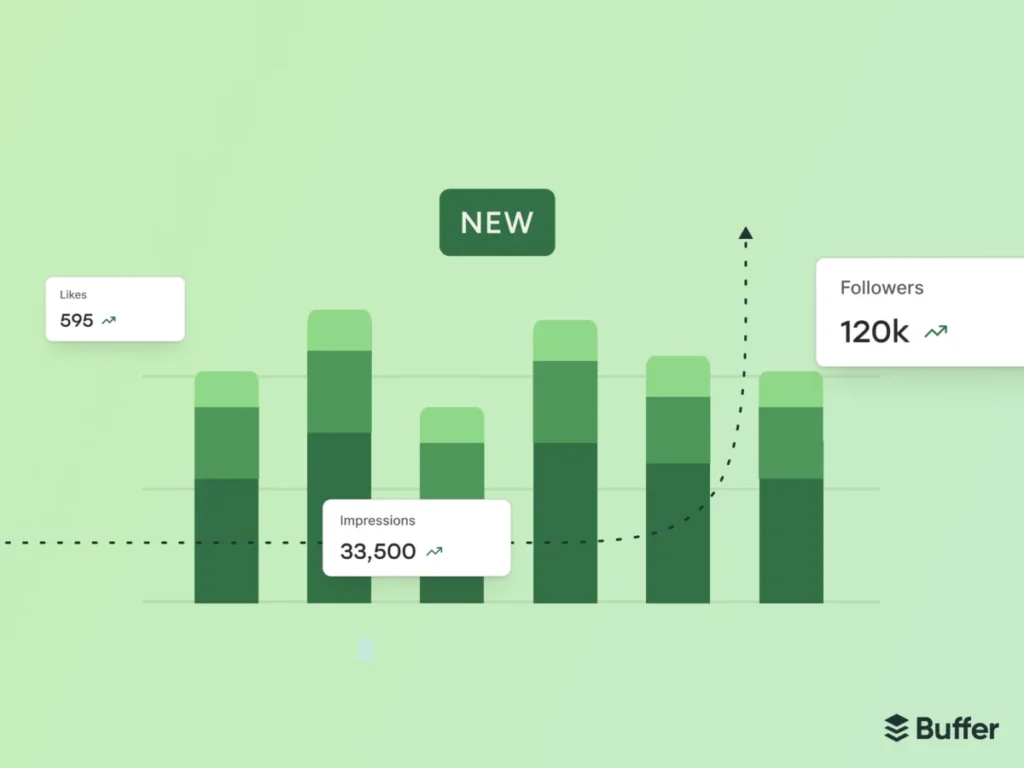

Buffer, a pioneer in social media management and scheduling, has announced the official release of Insights, a completely re-engineered analytics platform designed to bridge the gap between raw data and actionable creative strategy. The launch marks a significant pivot for the company, moving away from traditional descriptive metrics toward a more prescriptive, "data-informed" approach. By rebuilding its analytical infrastructure from the ground up, Buffer aims to solve a long-standing dilemma in the digital marketing industry: the choice between overly simplistic free tools and prohibitively expensive enterprise platforms that provide data without clarity.
The new Insights platform is structured to serve a diverse spectrum of users, ranging from individual content creators managing a single brand to large-scale agencies overseeing dozens of client portfolios. At its core, the platform is designed to answer a singular, critical question for modern marketers: "What should I do next?" This focus on forward-looking strategy, rather than retrospective reporting, positions Buffer as a central hub for the burgeoning creator economy and the evolving social media landscape.
A Strategic Rebuild in a Shifting Digital Landscape
The development of Insights comes at a time when the social media industry is undergoing a profound transformation. In recent years, the saturation of content has made it increasingly difficult for brands to achieve organic reach. According to industry benchmarks, engagement rates across major platforms like Instagram and X (formerly Twitter) have seen a steady decline as algorithms prioritize high-quality, original content over high-frequency posting.
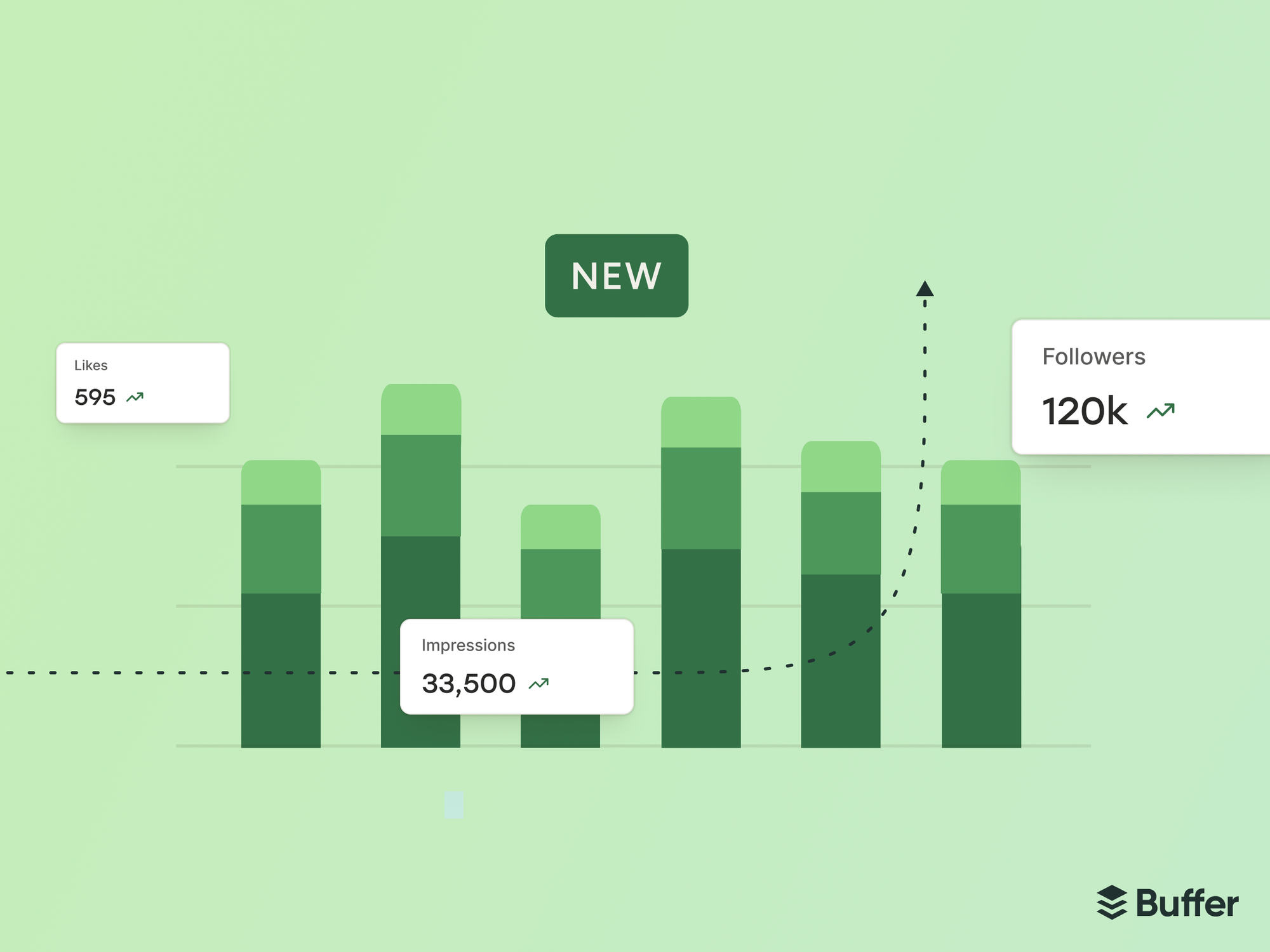
Buffer’s decision to overhaul its analytics suite was driven by the recognition that data, in its raw form, can often stifle creativity if not contextualized correctly. The company’s internal marketing philosophy—prioritizing a "data-informed" rather than "data-driven" mindset—serves as the foundation for the new tool. In this framework, data is treated as a compass rather than a pilot, allowing human creativity and originality to remain at the forefront of content production.
The launch follows a rigorous development cycle during which Buffer’s engineering team focused on modularity and speed. By integrating more deeply with the APIs of major social networks, including Meta (Facebook and Instagram), LinkedIn, and X, Buffer ensures that users have access to real-time performance metrics while maintaining the security and integrity of their accounts.
Technical Innovations: API Access and AI Integration
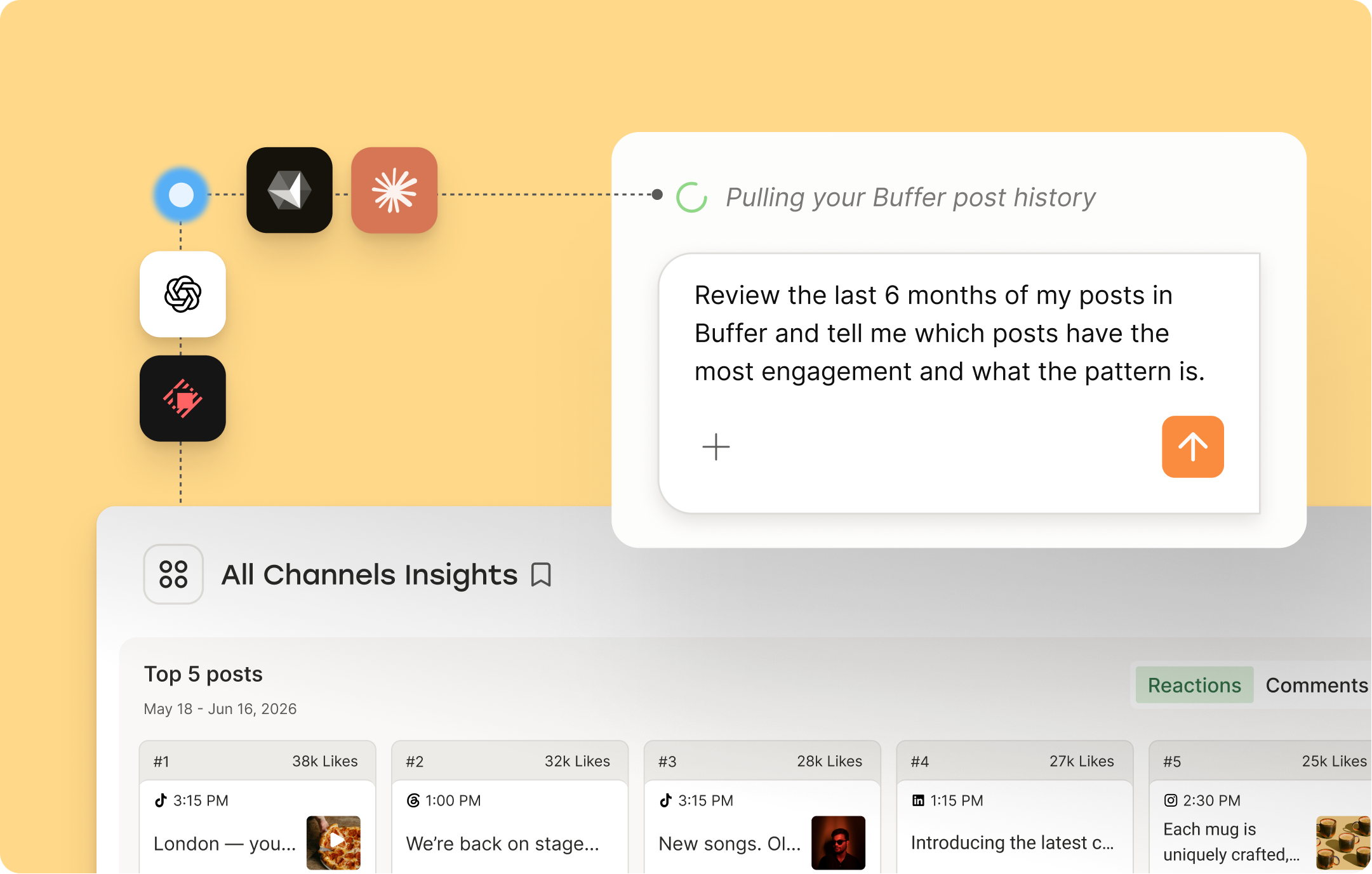
One of the most significant technical advancements included in the Insights launch is the introduction of a public API and a Model Context Protocol (MCP) server. This move signals Buffer’s transition toward an open-ecosystem model, allowing users to extract their social media data and integrate it with their existing technology stacks.
The inclusion of an MCP server is particularly noteworthy in the context of the current artificial intelligence boom. By allowing data to be queried by AI agents and large language models (LLMs), Buffer enables marketers to use tools like ChatGPT or Claude to perform heavy-duty data processing. Users can now hand over complex datasets to an AI agent to identify long-term trends, perform sentiment analysis, or generate automated reports, ensuring that valuable numbers are no longer "trapped" within a proprietary dashboard.
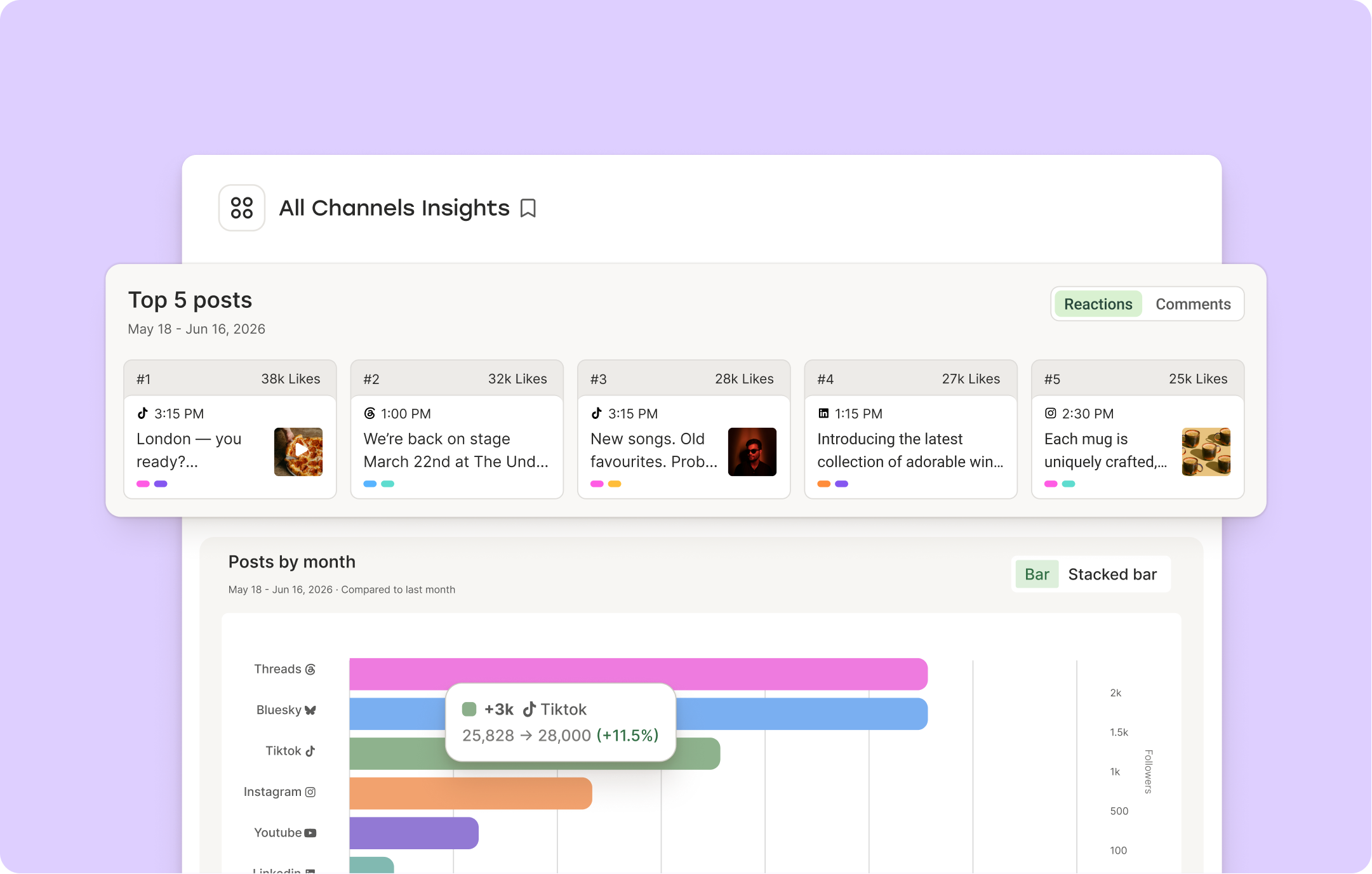
Furthermore, Buffer has integrated AI directly into the Insights interface. Unlike tools that use AI to generate generic content, Buffer’s implementation works in the background to analyze what is already working on a user’s specific channels. This "invisible" AI assistant identifies patterns in high-performing posts and offers suggestions to help elevate existing strategies, functioning as a partner to human creativity rather than a replacement for it.
Democratizing Data: The "Insights for Everyone" Initiative
A central pillar of the Insights launch is the democratization of high-level social media data. Historically, advanced analytics—such as cross-channel comparisons and deep-dive performance takeaways—were locked behind the paywalls of enterprise-grade software costing thousands of dollars per year. Buffer has disrupted this model by offering powerful, actionable insights on its free plan.
For solo creators, this means access to professional-grade data without the financial overhead of a corporate subscription. For agencies, the platform provides a scalable solution that allows for deeper reporting and multi-brand management on paid tiers. This tiered approach is designed to grow with the user, providing basic utility for beginners and sophisticated reporting for established businesses.
Industry analysts suggest that this move could put pressure on competitors to re-evaluate their pricing structures. As the "Prosumer" market—creators who operate like small businesses—continues to expand, the demand for affordable yet powerful analytical tools has reached an all-time high.
Chronology of Buffer’s Analytical Evolution
To understand the significance of the Insights launch, it is necessary to look at Buffer’s decade-long trajectory in the social media space:
- 2010–2015: The Scheduling Era. Buffer launched as a simple tool for scheduling tweets. Analytics during this period were rudimentary, focusing primarily on clicks and retweets.
- 2016–2020: Multi-Platform Expansion. As Instagram and LinkedIn rose in prominence, Buffer expanded its suite to include basic reporting across multiple networks. However, these reports remained siloed by platform.
- 2021–2023: The Rise of the Creator Economy. Recognizing the shift toward individual branding, Buffer began experimenting with more visual and accessible data representations.
- 2024: The API and AI Rebuild. Buffer announced its public API, laying the groundwork for a more interconnected data experience.
- July 2025 (Projected Launch Window): The Launch of Insights. The culmination of the rebuild, integrating AI agents, MCP servers, and a unified cross-channel dashboard.
Market Context and Supporting Data
The necessity for a tool like Insights is backed by recent shifts in global digital consumption. As of 2024, there are over 5 billion active social media users worldwide, representing more than 62% of the global population. On average, users spend approximately 2 hours and 23 minutes on social media per day.
For businesses, the stakes are higher than ever. A report by Sprout Social indicated that 80% of business leaders believe it is absolutely essential to use social media data to inform business strategy outside of the marketing department. However, the same report found that nearly half of marketers struggle to manualize data into a format that is useful for other stakeholders.
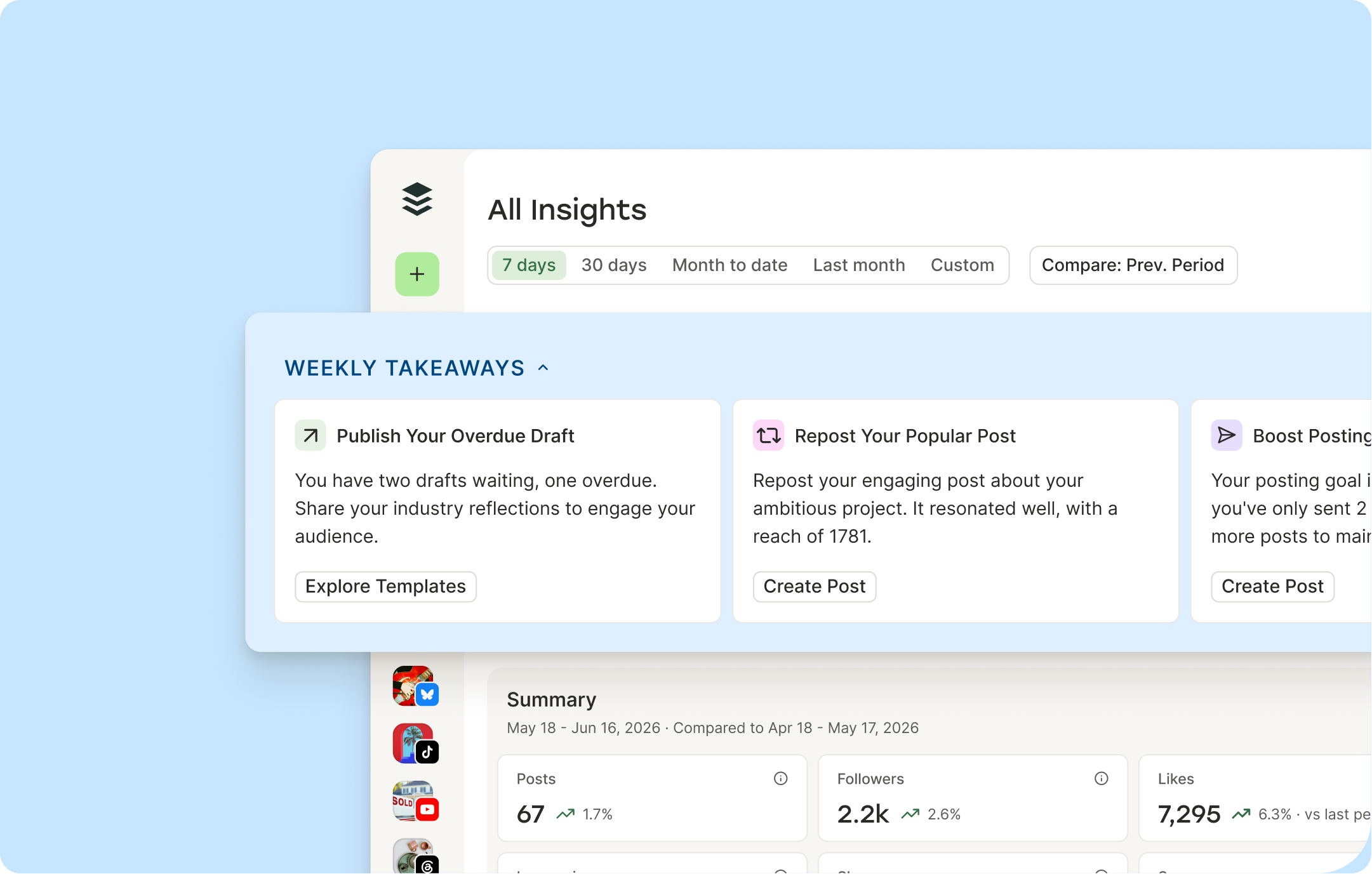
Buffer’s Insights addresses this "translation gap" by providing plain-language takeaways. Instead of requiring a user to interpret a complex scatter plot, the platform might state, "Your audience engages most with video content posted on Tuesday mornings," allowing for immediate tactical adjustments.
Official Responses and Industry Impact
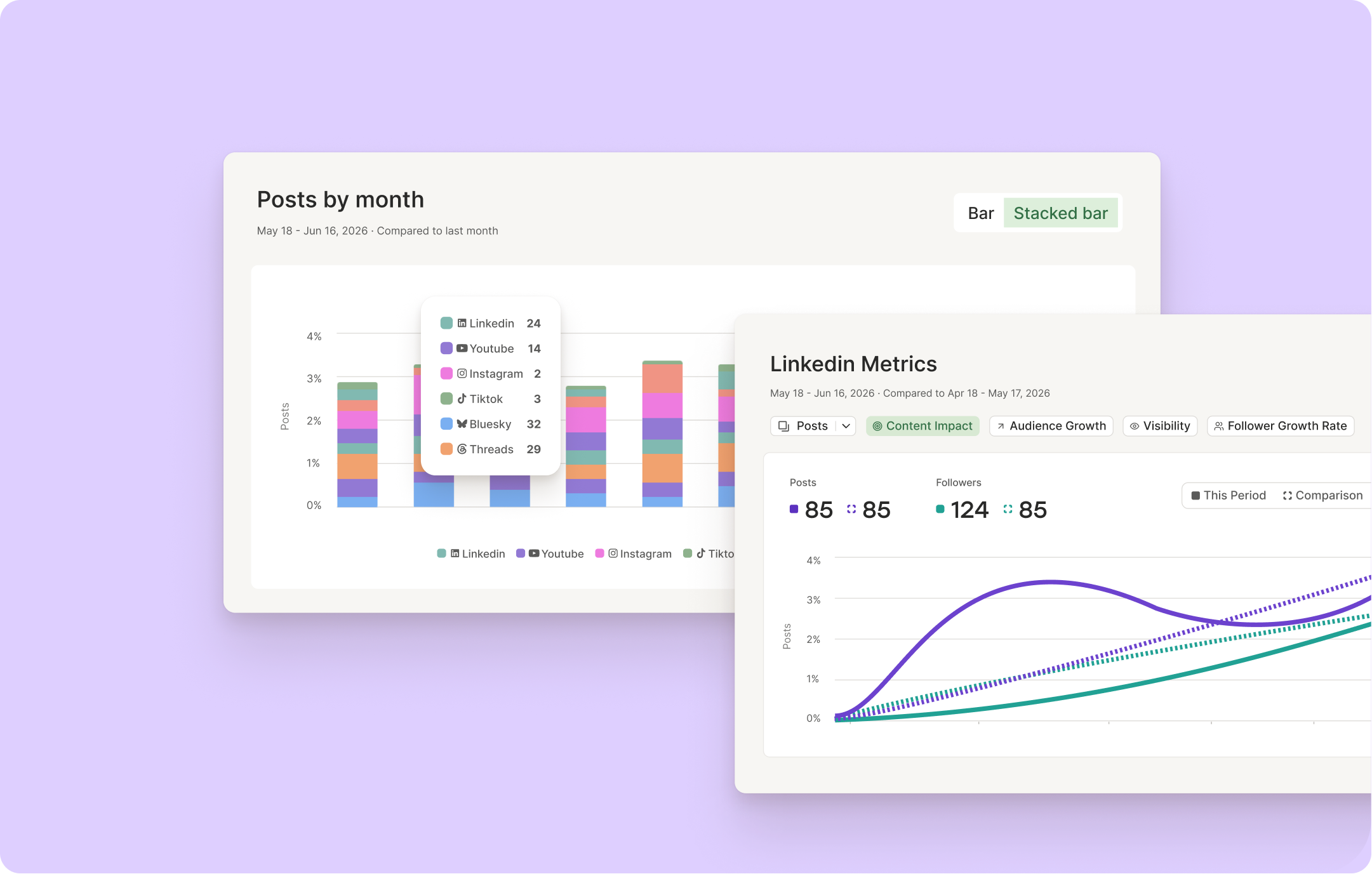
While official statements from Meta and LinkedIn emphasize their ongoing partnership with Buffer, internal reactions from the marketing community have been largely positive. Beta testers of the Insights platform have noted that the ability to compare performance across different social networks in a single view is a major efficiency gain.
"For years, agencies have had to stitch together data from five different platforms to give a client a clear picture of their ROI," noted one digital strategist involved in the early rollout. "Having a tool that synthesizes this data and provides a ‘next move’ suggestion significantly reduces the administrative burden on our account managers."
The broader implications for the industry are significant. By making data more accessible and "AI-ready," Buffer is positioning itself as a foundational layer for the next generation of marketing automation. As AI agents become more autonomous, the ability to feed them clean, structured data via Buffer’s MCP server could become a standard practice for high-growth brands.
Broader Implications for Social Media Strategy
The launch of Insights represents a shift in the perceived value of social media metrics. In the early 2010s, "vanity metrics" such as follower counts and likes were the primary focus. In the 2020s, the focus shifted to engagement rates and conversion. Moving into 2025 and beyond, the industry is moving toward "Impact Metrics"—understanding how social media presence contributes to brand longevity and creative evolution.
By focusing on "Takeaways," Buffer is encouraging a more disciplined approach to content creation. Marketers are prompted to look at the "why" behind their successes rather than just the "what." This analytical depth is expected to foster a higher standard of content across the platforms Buffer supports, as users become more attuned to the nuances of their specific audiences.
Furthermore, the emphasis on account safety through official partnerships with Meta, X, and LinkedIn remains a critical selling point. In an era of increasing concerns over data privacy and account security, Buffer’s status as a verified partner ensures that users can utilize advanced AI and API features without violating platform terms of service or risking account shadowbans.
Conclusion: A Foundation for Future Growth
Insights is more than just a software update; it is a declaration of Buffer’s future direction. By embracing open data, AI integration, and user-centric design, the company is attempting to reclaim its position as the go-to platform for the modern creator and the forward-thinking agency.
As the platform continues to roll out to its 200,000+ monthly users, the long-term impact on the social media landscape will become clearer. However, the initial launch suggests a move toward a more transparent, efficient, and creatively fueled digital marketing ecosystem. For those looking to navigate the complexities of modern social media, the numbers required to get there are now more accessible than ever.
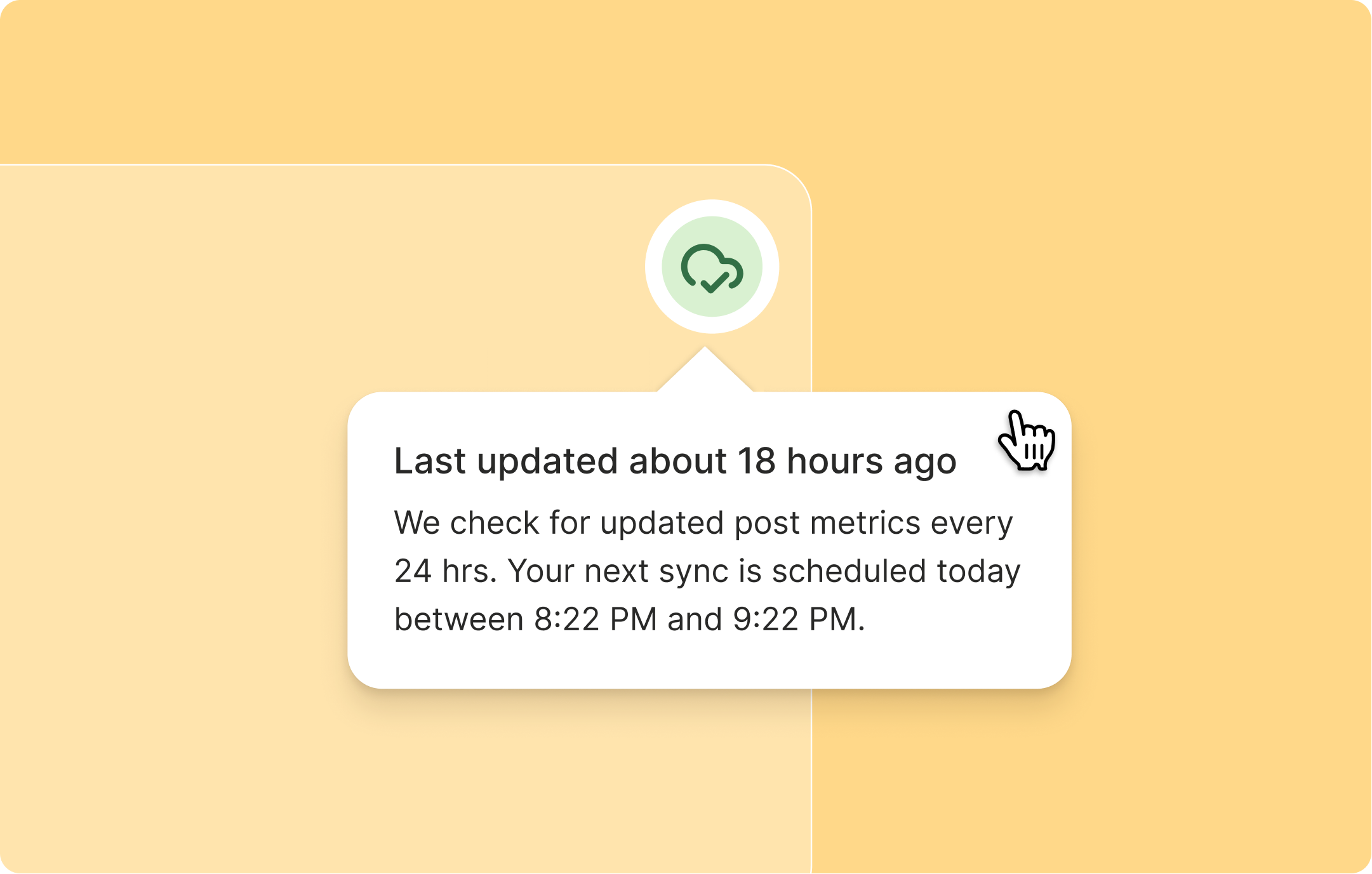
Insights is currently live and available to all new and existing Buffer users, with the public API and MCP server options ready for integration into third-party workflows and AI agents.