
In the fast-paced digital landscape, the difference between a brand that gains traction and one that fades into the noise often comes down to one element: consistency. For marketing professionals, small business owners, and independent content creators, maintaining a presence across multiple social media platforms is no longer a task that can be managed by memory alone. As platforms evolve and algorithms become increasingly sophisticated, the implementation of a structured social media content calendar has transitioned from a best practice to an operational necessity.
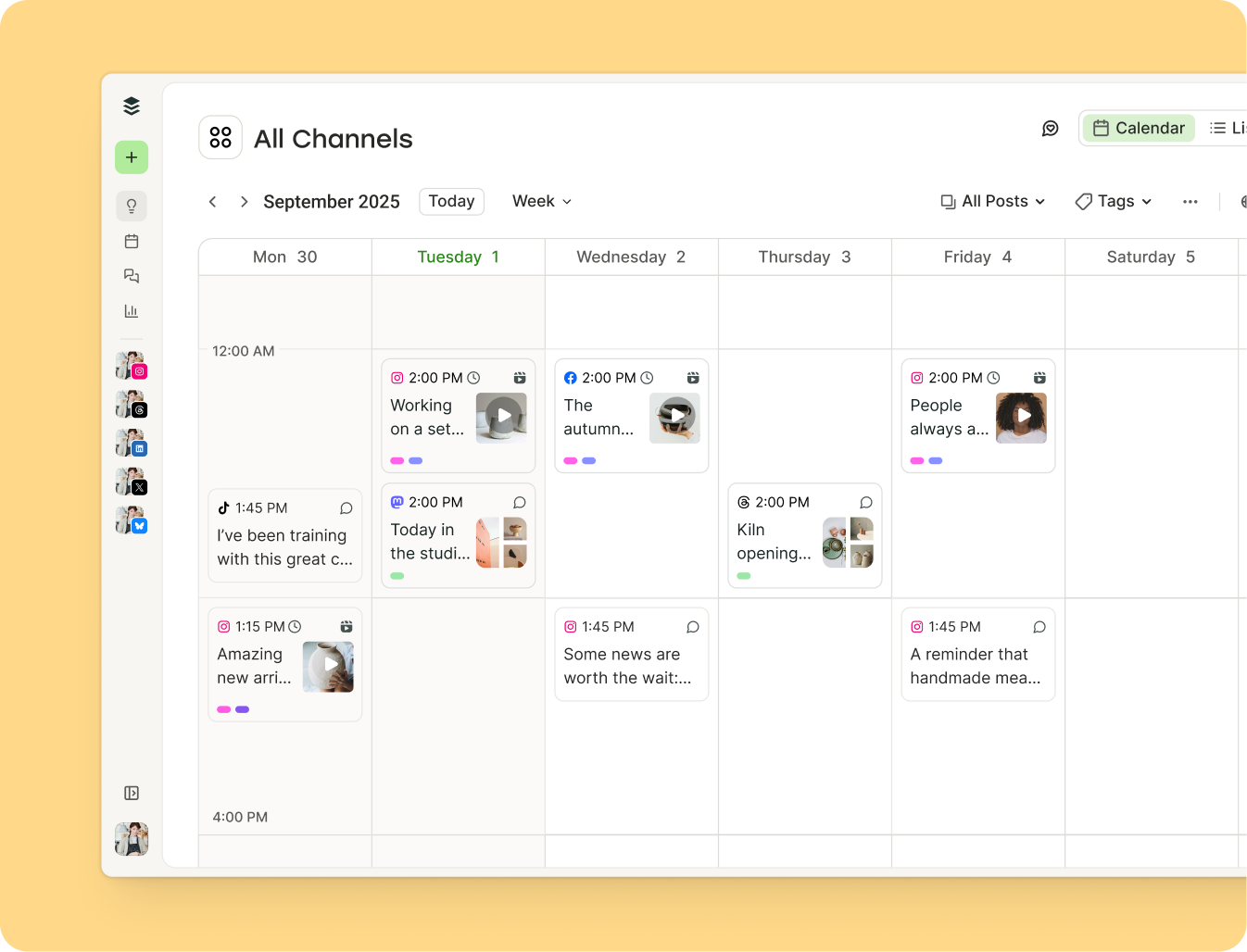
A social media content calendar is a centralized document or software interface designed to map out, organize, and schedule digital content across various platforms. By establishing a clear timeline of what will be posted, where it will appear, and when it will go live, creators can avoid the common trap of fragmented, sporadic messaging. This strategic approach allows for the alignment of social media efforts with broader business objectives, such as product launches, seasonal campaigns, and sustained audience engagement.
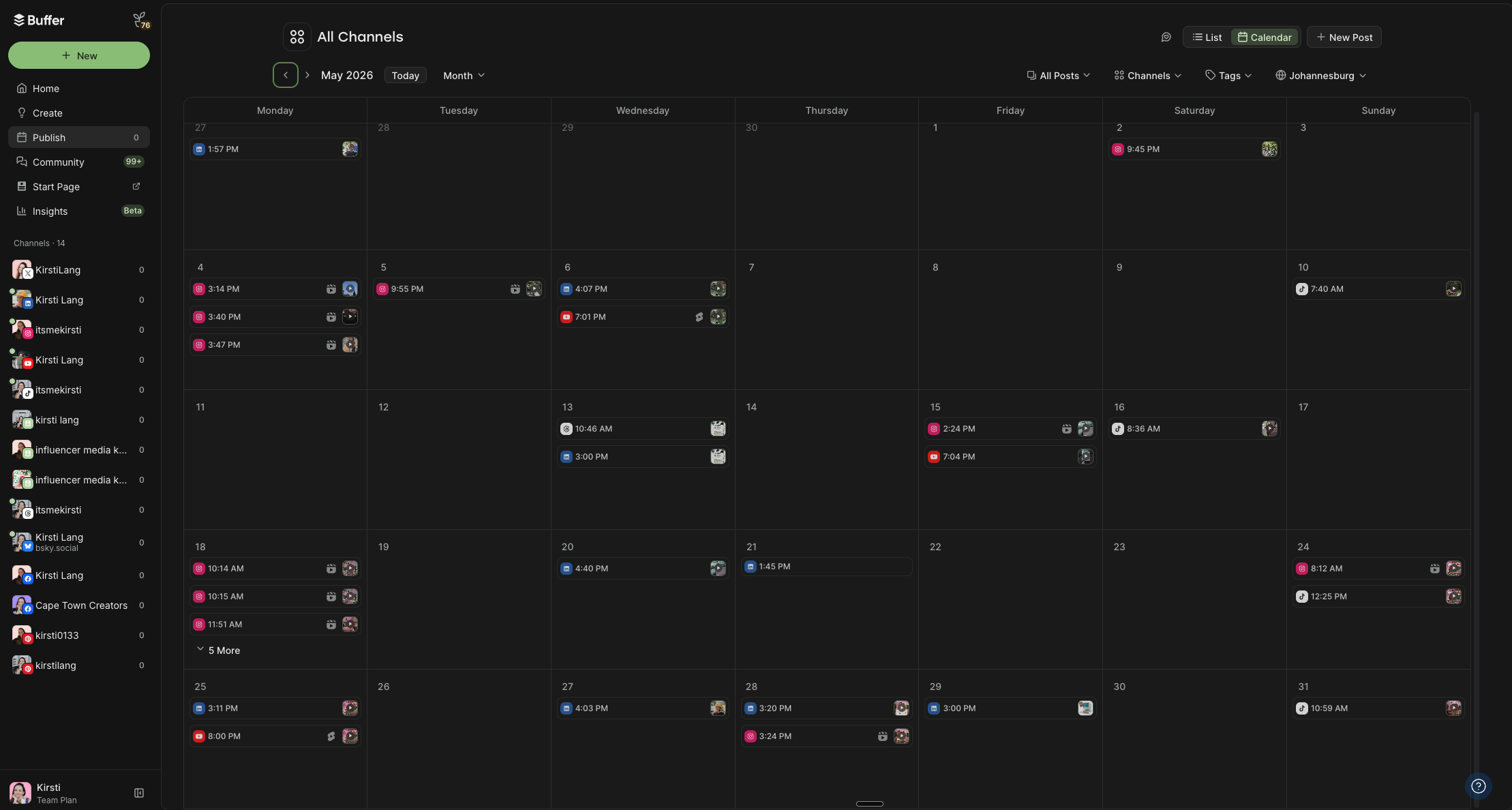
The Evolution of Content Planning: From Spreadsheets to Automation
Historically, social media planning relied heavily on manual tracking through rudimentary tools like paper agendas or static spreadsheets. While these methods offered a basic level of organization, they failed to account for the dynamic nature of modern marketing, which demands real-time adjustments, cross-platform synchronization, and deep data analysis.
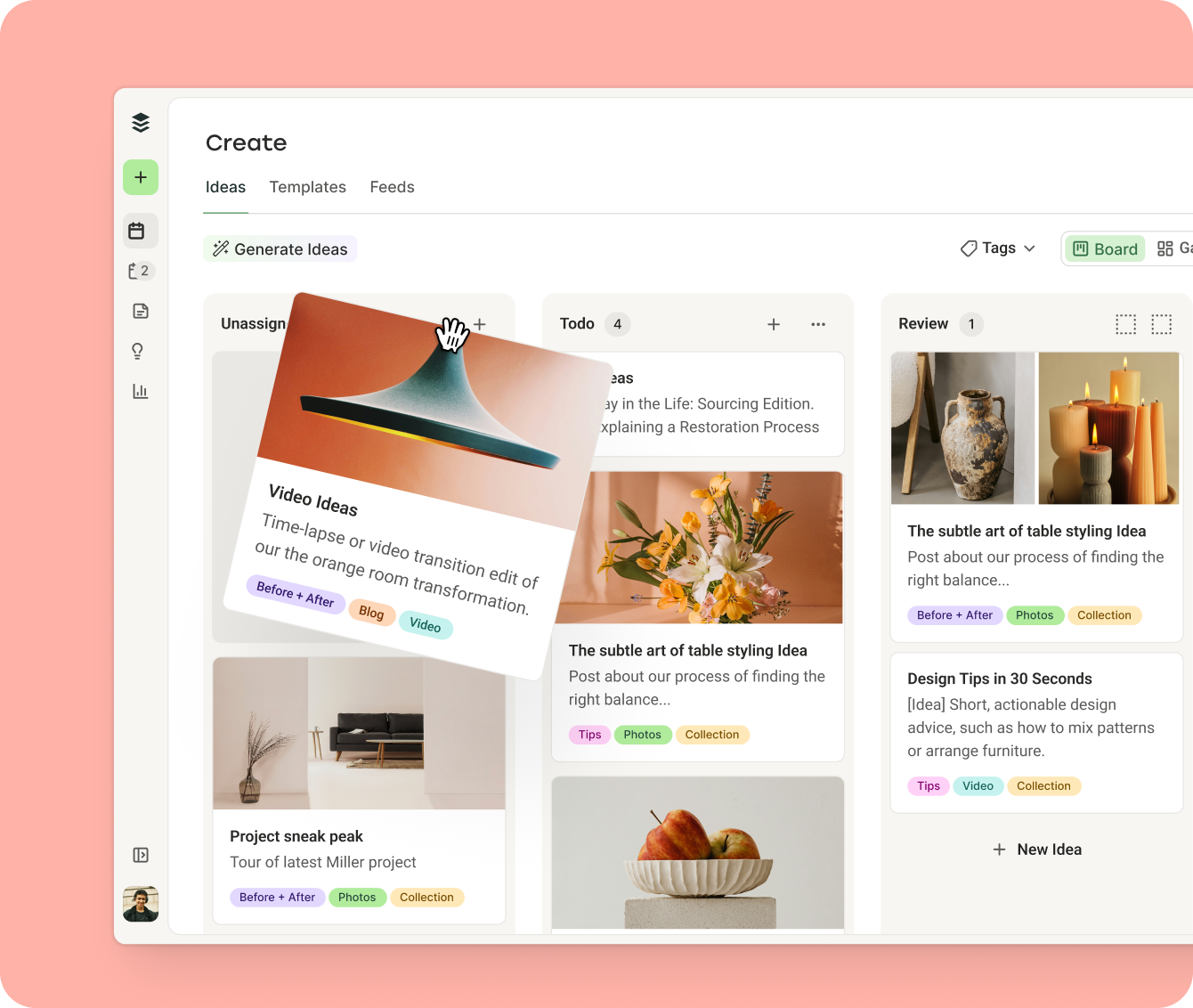
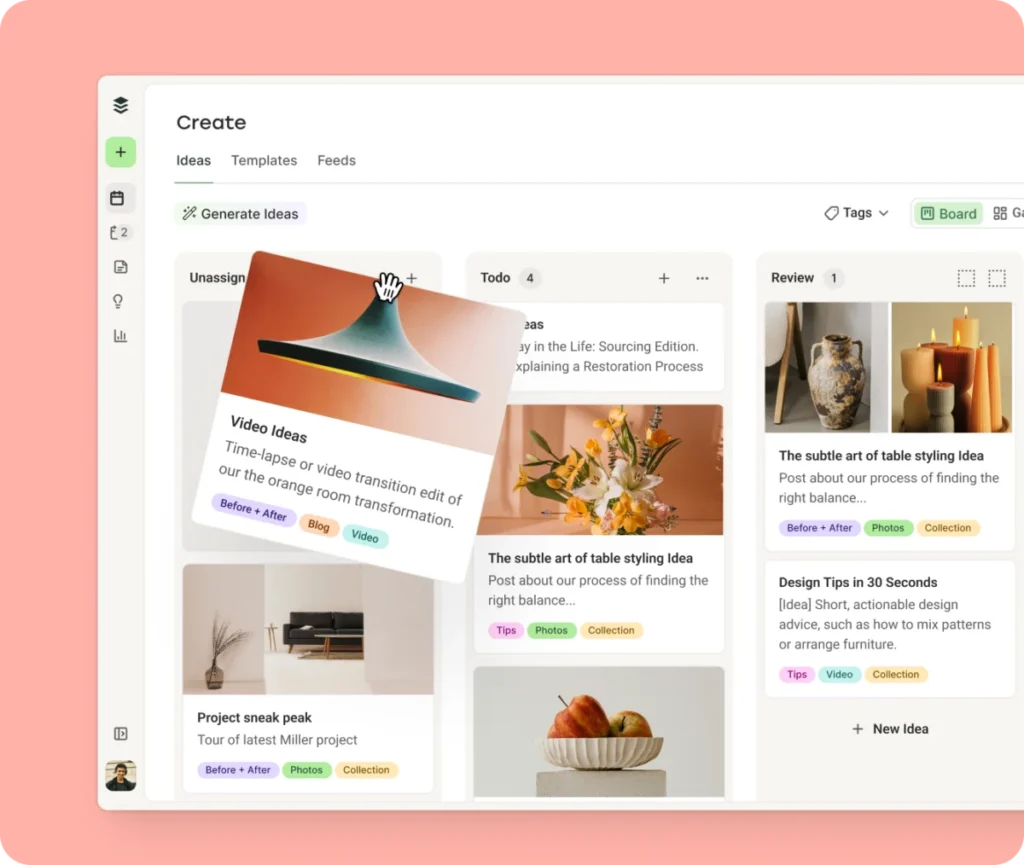
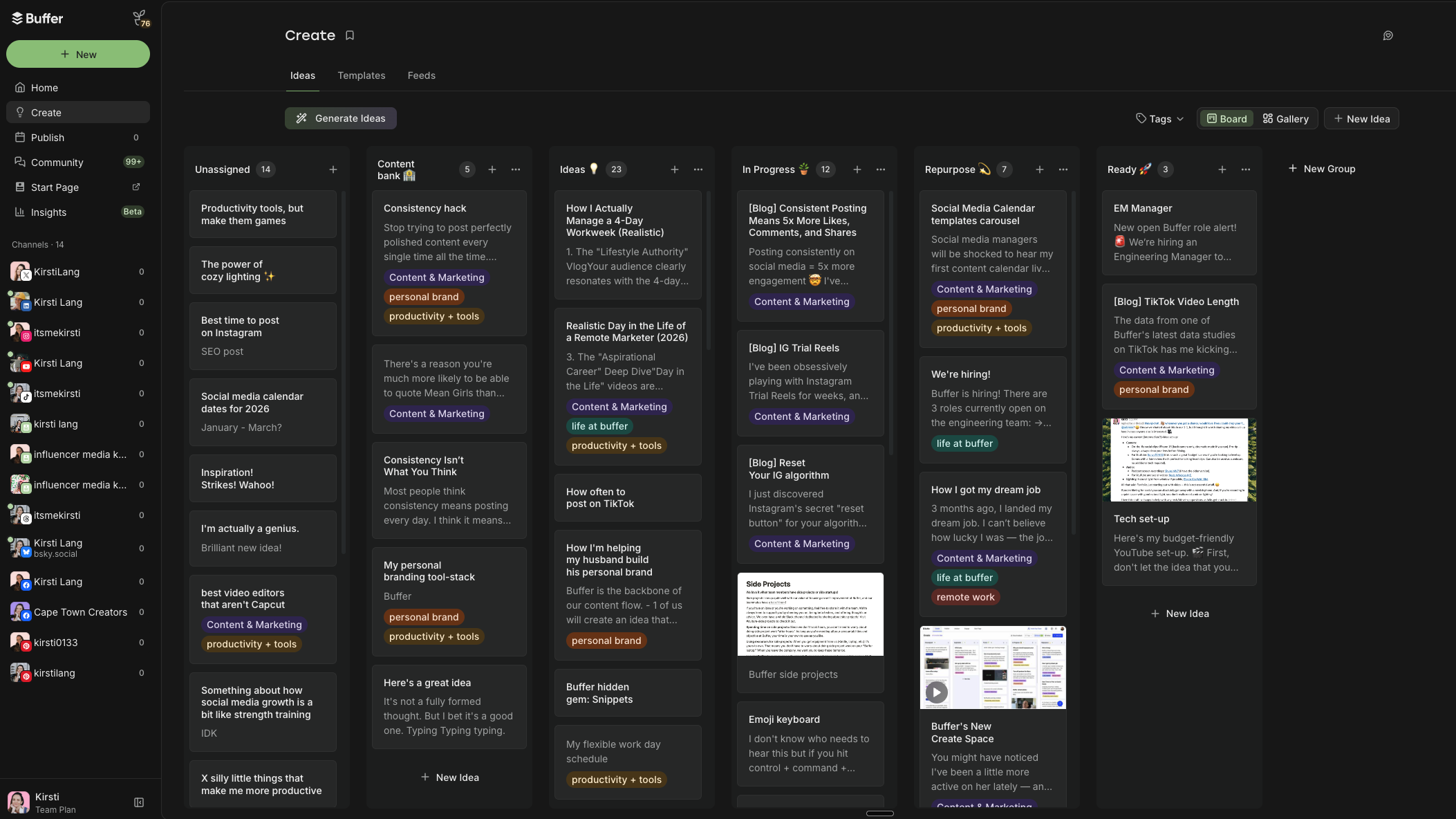
The current generation of content management tools, such as Buffer, Notion, and integrated CRM systems, represents a significant leap forward. These platforms provide a "single source of truth," allowing teams to brainstorm, collaborate on drafts, secure approvals, and execute publishing from a unified dashboard. For example, Buffer’s transition from a simple scheduling tool to a comprehensive "Create Space" illustrates the industry’s shift toward holistic content management, where ideation and execution are deeply intertwined.
Data-Driven Scheduling and the Impact on Reach
One of the most critical functions of a modern content calendar is the integration of performance data to optimize posting times. According to industry research, the timing of a post can influence engagement rates by as much as 20–30%. When content is published during peak activity windows for a specific audience segment, the likelihood of algorithmic favorability increases, resulting in higher impressions and improved conversion rates.
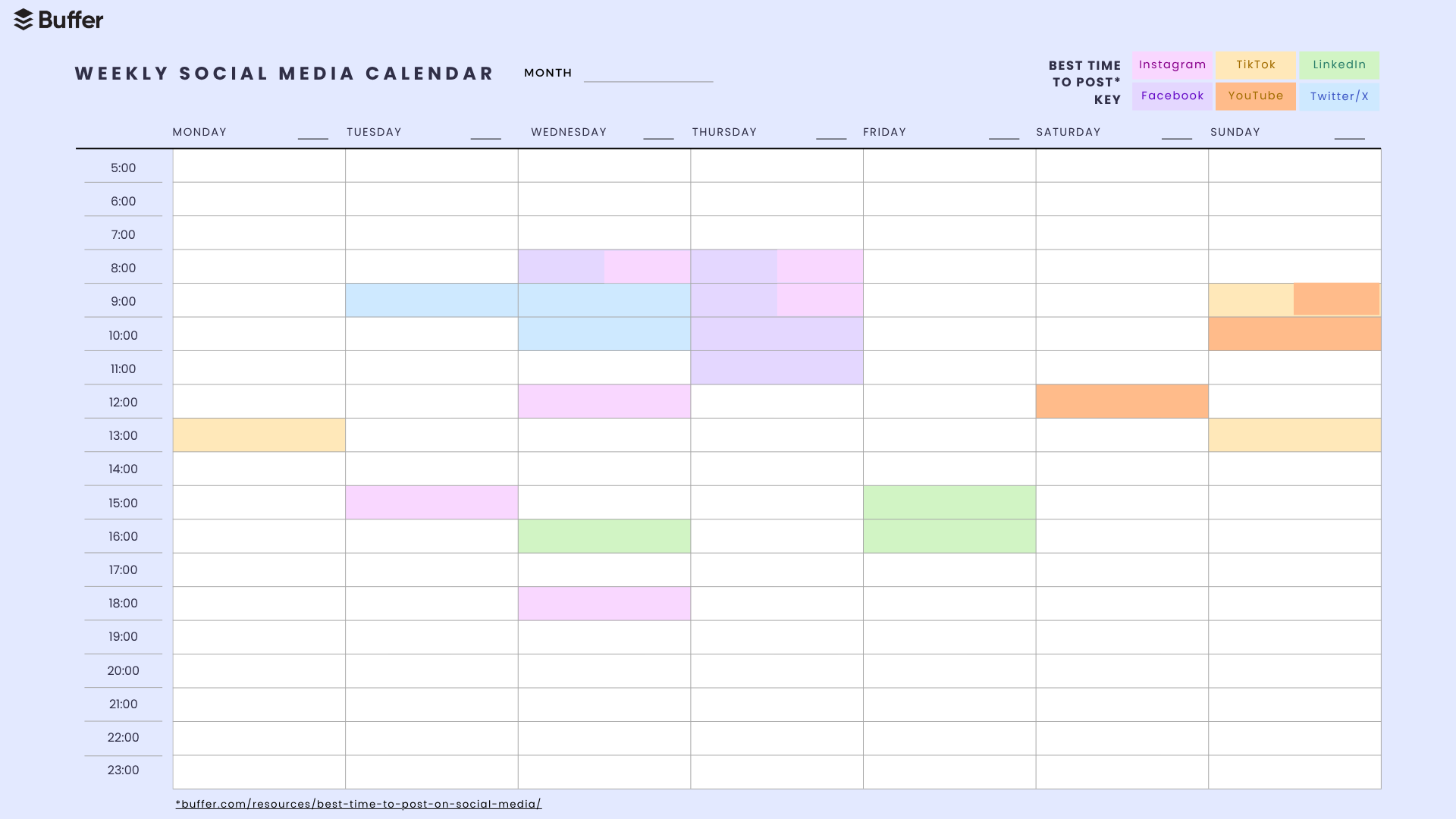
Data from over 50 million posts analyzed by social media management platforms suggest that each channel—whether it be the professional atmosphere of LinkedIn or the short-form video ecosystem of TikTok—has distinct "sweet spots" for interaction. By utilizing a calendar that highlights these windows, creators can automate their posting queues to coincide with these high-traffic periods, ensuring that effort is never wasted on "dead" hours.
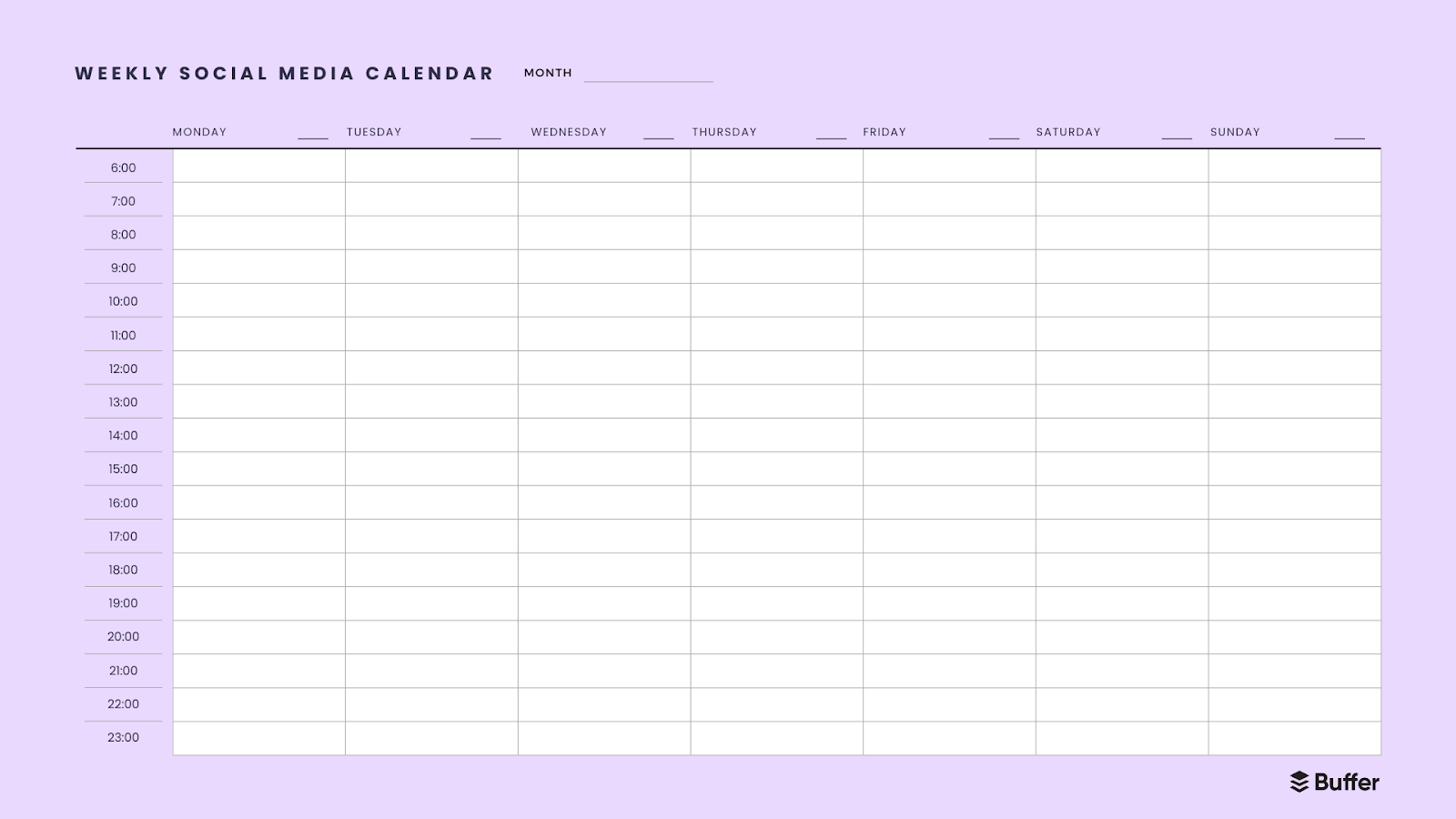
Categorizing the Tools: 11 Templates for Diverse Needs
To assist in the professionalization of content workflows, several templates have emerged as industry standards. These tools range from low-friction, analog-style planning to complex, data-heavy automation systems.
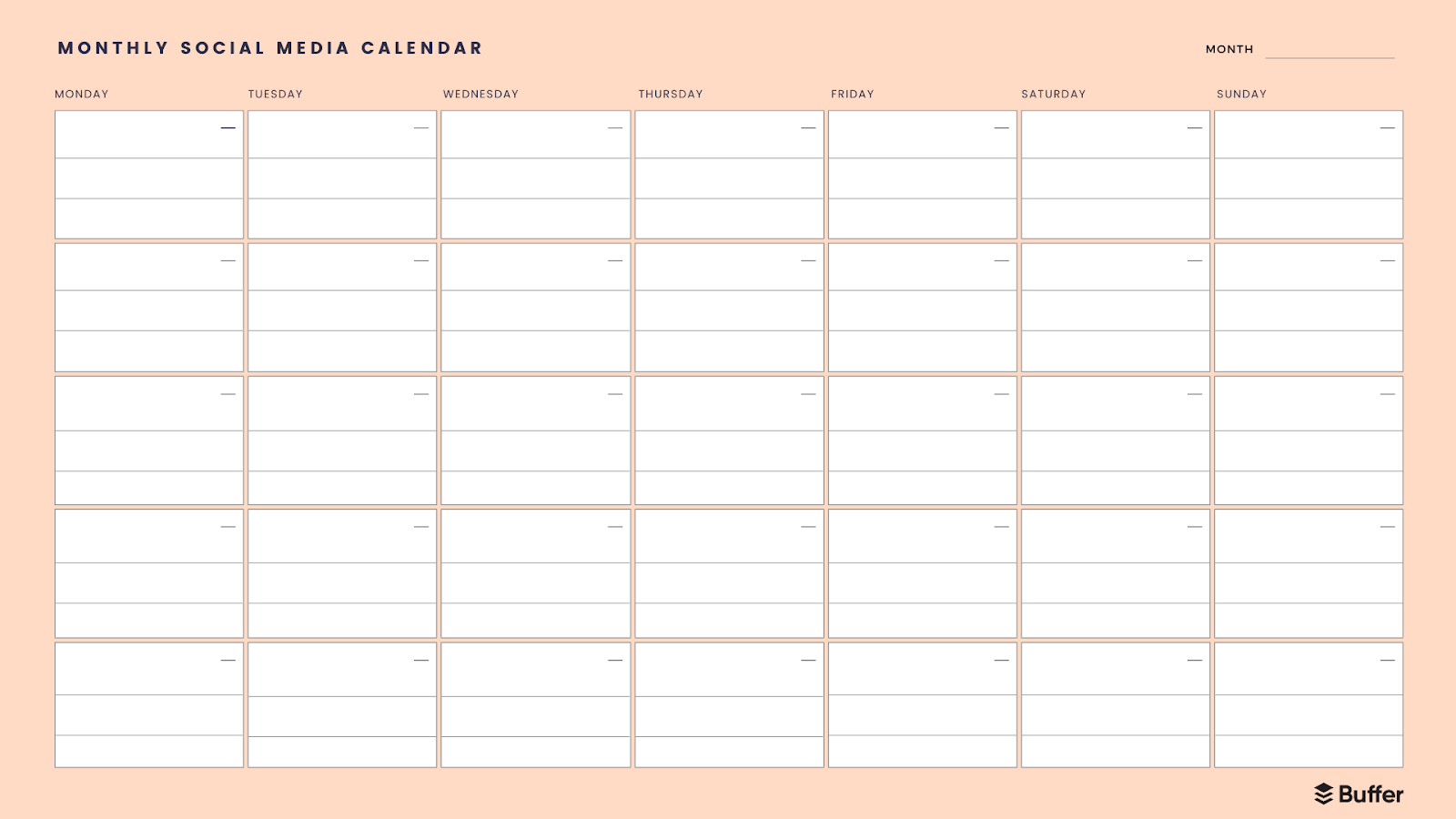
- Integrated Scheduling Tools: Platforms like Buffer serve as the primary solution for those needing to plan and publish in one environment. These tools offer drag-and-drop interfaces that allow for the seamless modification of schedules.
- Standardized PDF Planners: Useful for long-term strategic visualization, these templates provide a monthly or weekly overview. They are best suited for teams that require a bird’s-eye view of a campaign’s arc.
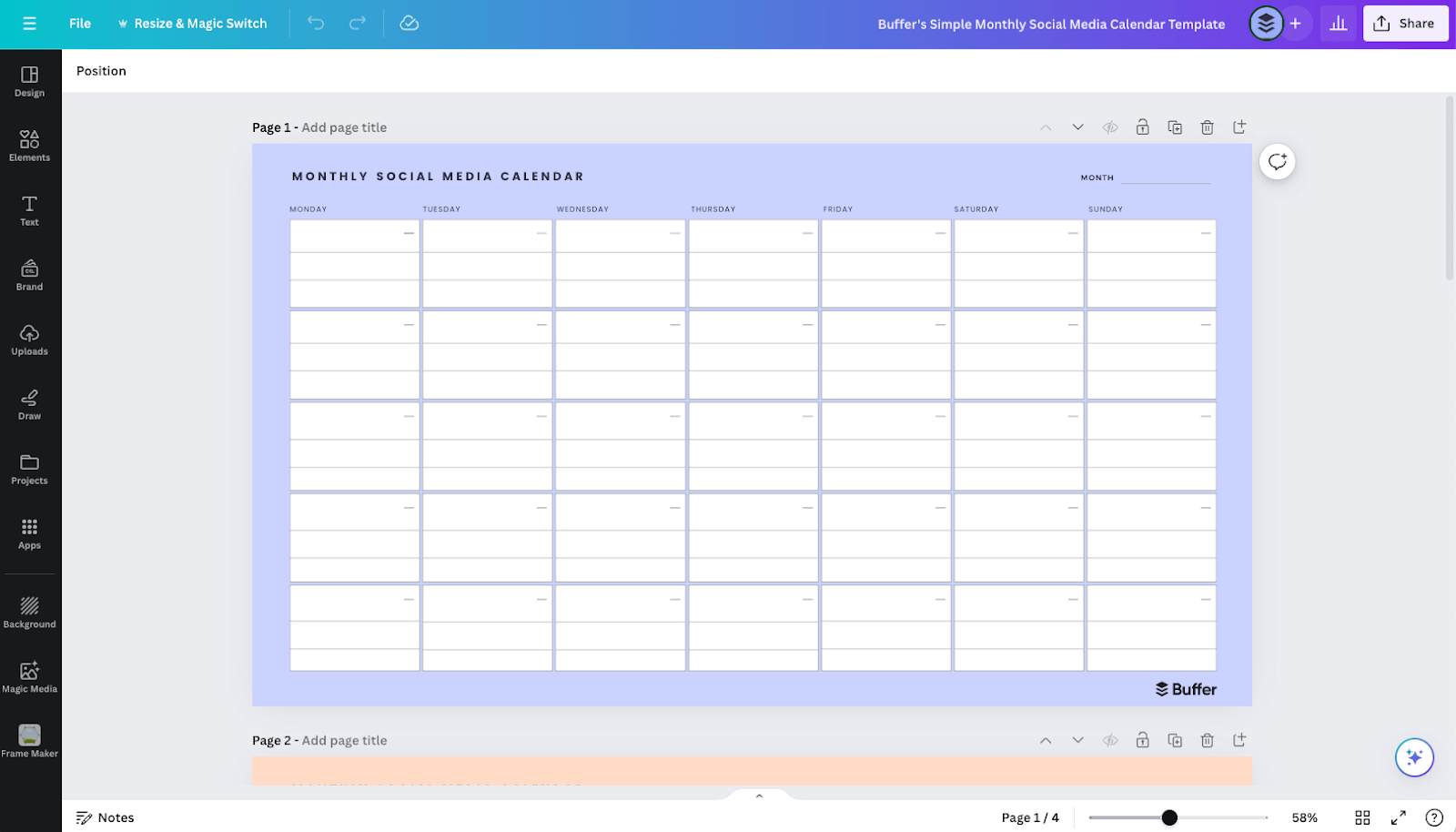
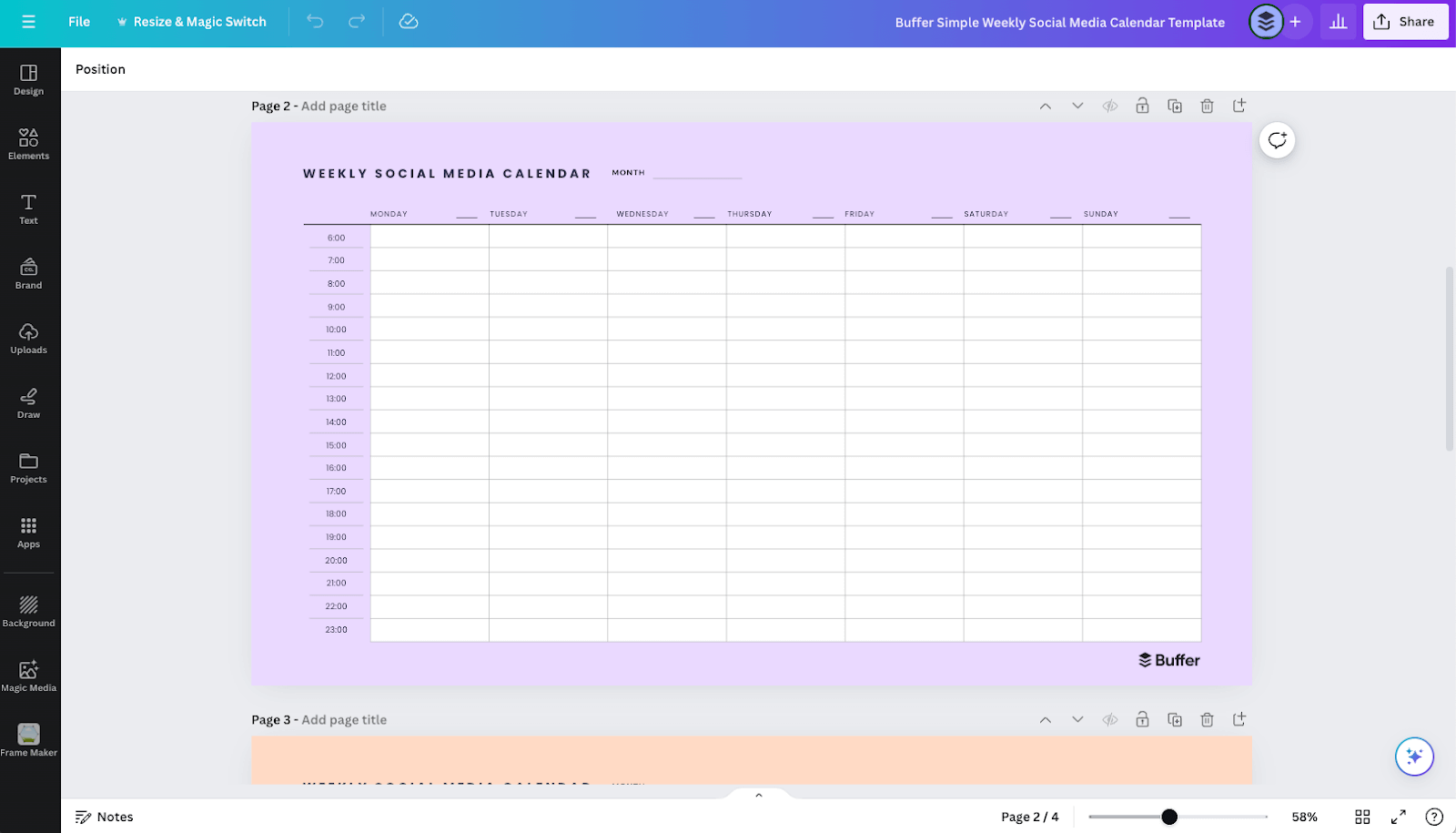
- Canva Visual Dashboards: By integrating design with planning, these templates allow for a visually cohesive content strategy, ensuring that brand aesthetics are maintained before a post even goes live.
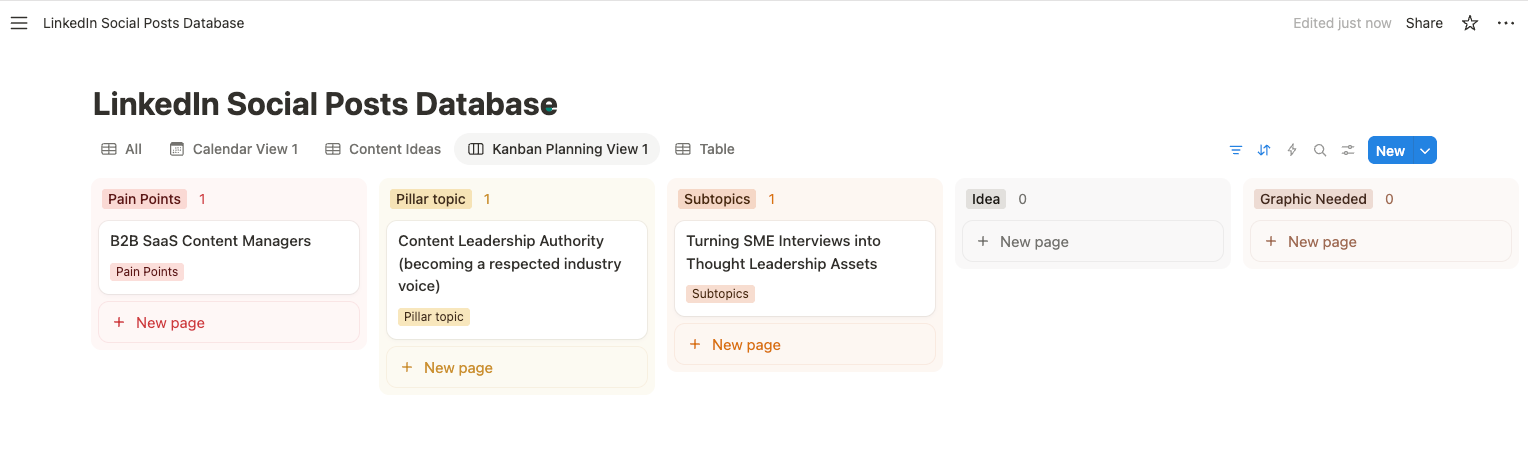
- Notion Workspaces: Favored by project managers and personal brand builders, Notion offers a highly customizable database. Users can store captions, media assets, and status updates in a single, relational view.
- Google Sheets/Excel: Despite the rise of specialized software, the spreadsheet remains the gold standard for granular customization and data manipulation, particularly for those who prefer to build bespoke formulas for tracking engagement metrics.
- Kanban-Style Boards: Inspired by Agile methodology, this approach (often used in tools like Trello or Buffer’s Create Space) moves content from "Idea" to "Drafting" to "Ready to Publish," effectively visualizing the production pipeline.
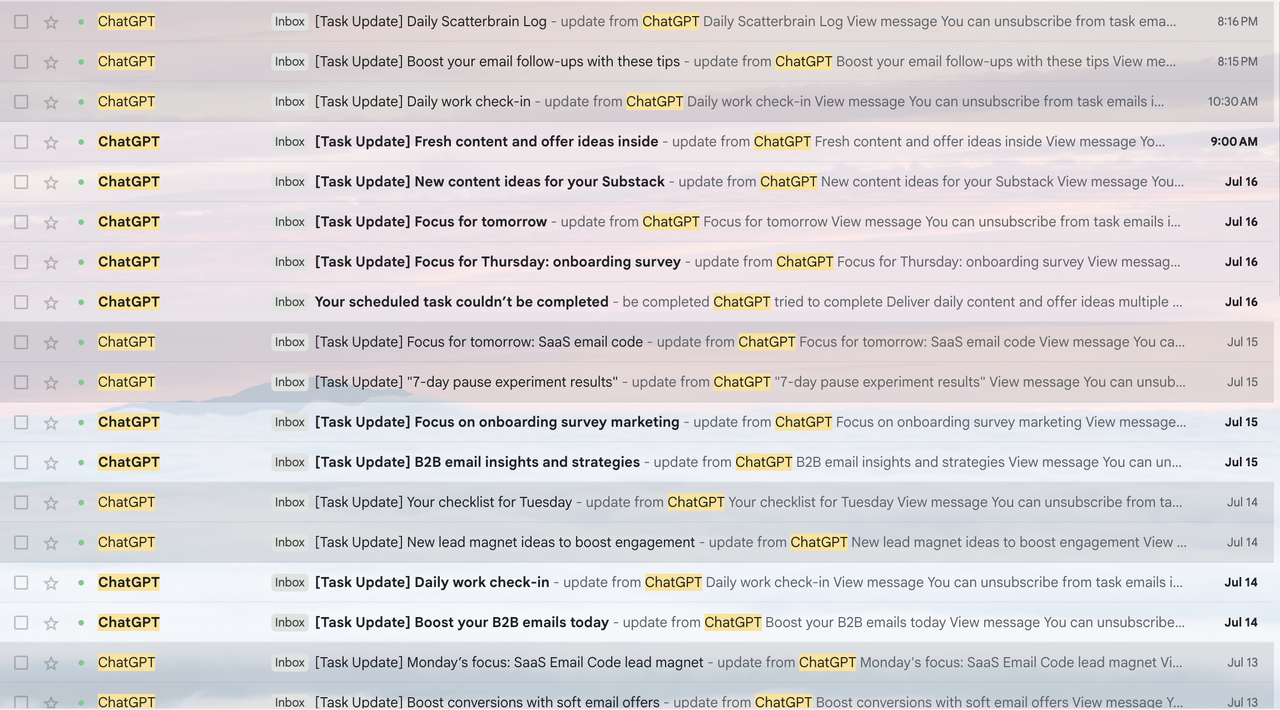
- AI-Assisted Email Calendars: An emerging trend involves using LLMs like ChatGPT to generate content prompts, which are then delivered to a user’s inbox to serve as daily creative sparks, bridging the gap between automation and human ingenuity.
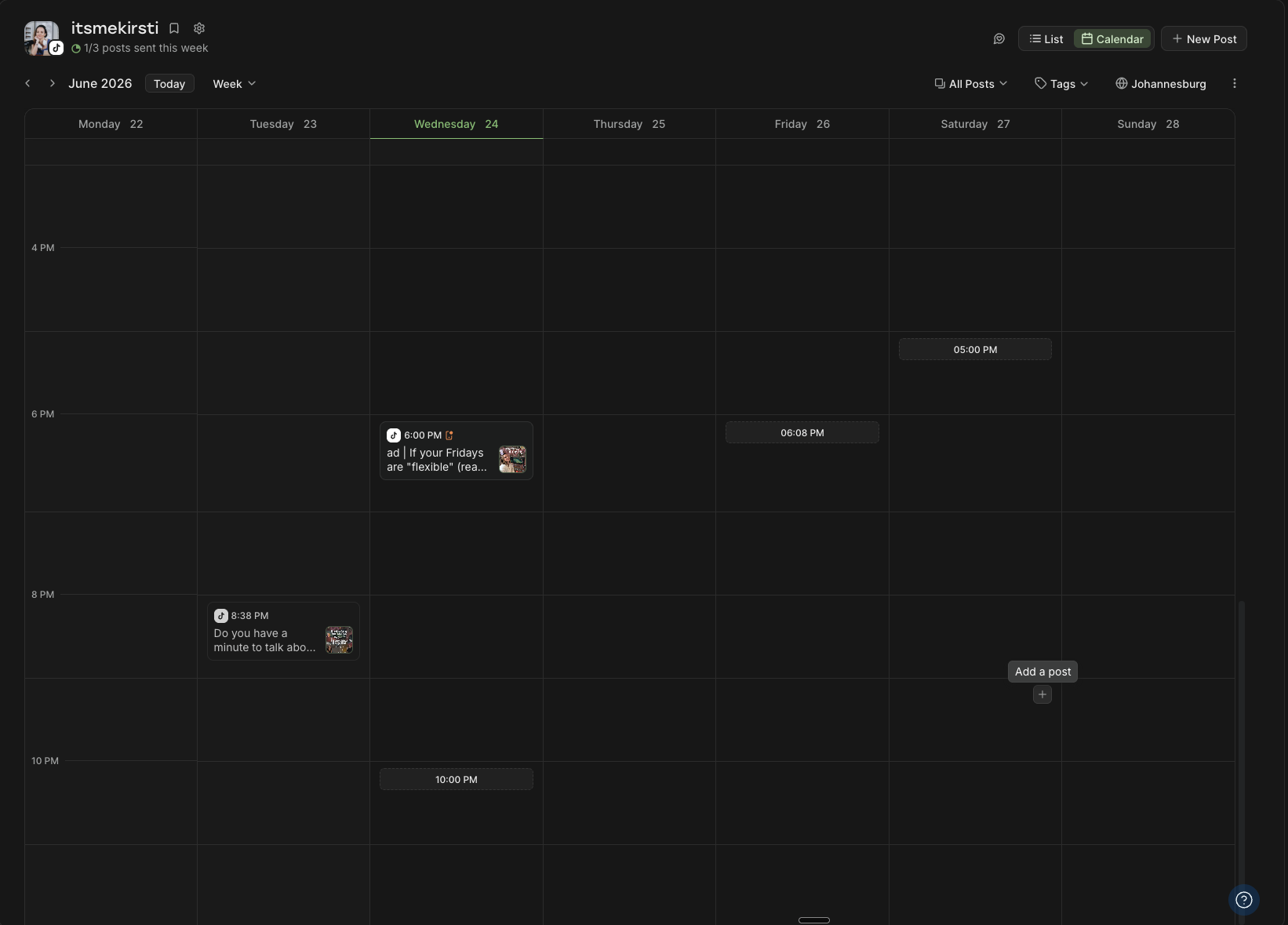
- Consistency Trackers: Specialized templates focusing on a single platform—such as a dedicated TikTok calendar—help creators maintain the daily habits necessary to satisfy platform-specific algorithms.
- Personal Brand Blueprints: Specifically designed for thought leaders, these calendars focus on content pillars and value-driven messaging rather than just promotional material.
Building a Custom Strategy: An Eight-Step Framework
For organizations looking to move beyond pre-made templates, a systematic approach to building a calendar from scratch is essential.
Phase 1: Strategic Alignment. Before a single date is selected, the strategy must be defined. This includes identifying the target audience, establishing primary and secondary content pillars, and outlining the key business outcomes expected from the content.
Phase 2: Platform Selection and Cadence. It is better to excel on two platforms than to underperform on six. A realistic cadence—perhaps three high-quality posts per week—is more sustainable and effective than a high-frequency approach that leads to burnout.
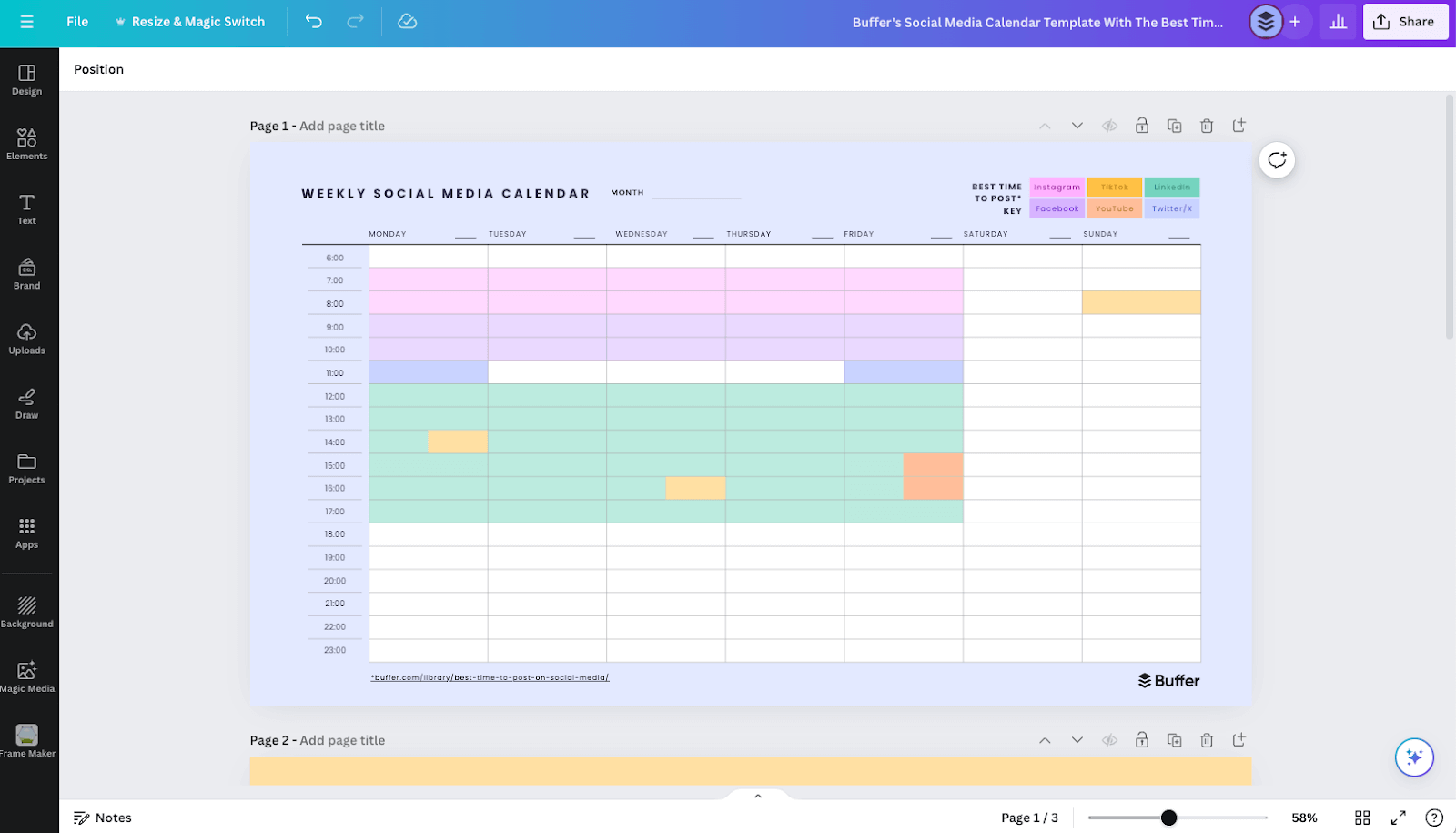
Phase 3: The Infrastructure. Select a tool that matches the team’s operational maturity. If a team requires collaborative approval workflows, a simple spreadsheet will eventually prove insufficient. Conversely, a solo creator might find enterprise-level software unnecessarily cumbersome.
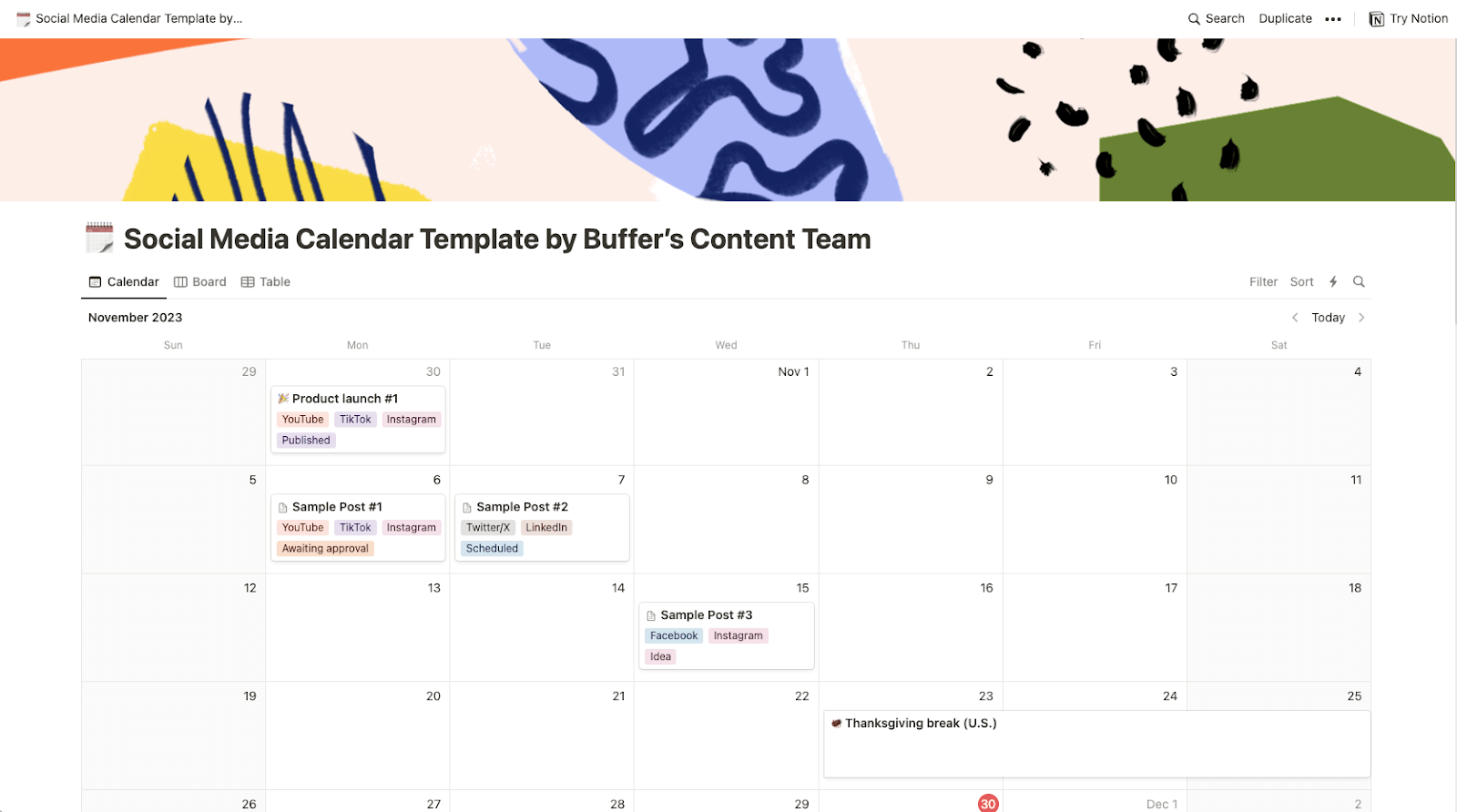
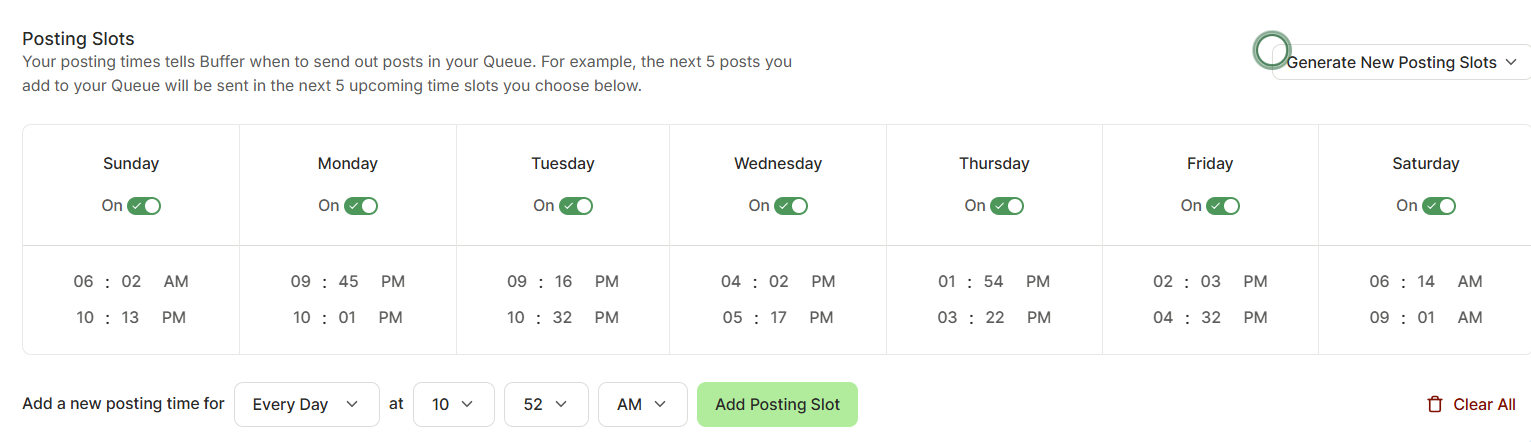
Phase 4: Skeleton Construction. Define the recurring time slots. By establishing a fixed schedule, you create a "Queue" that ensures a steady heartbeat of activity, even during busy periods.
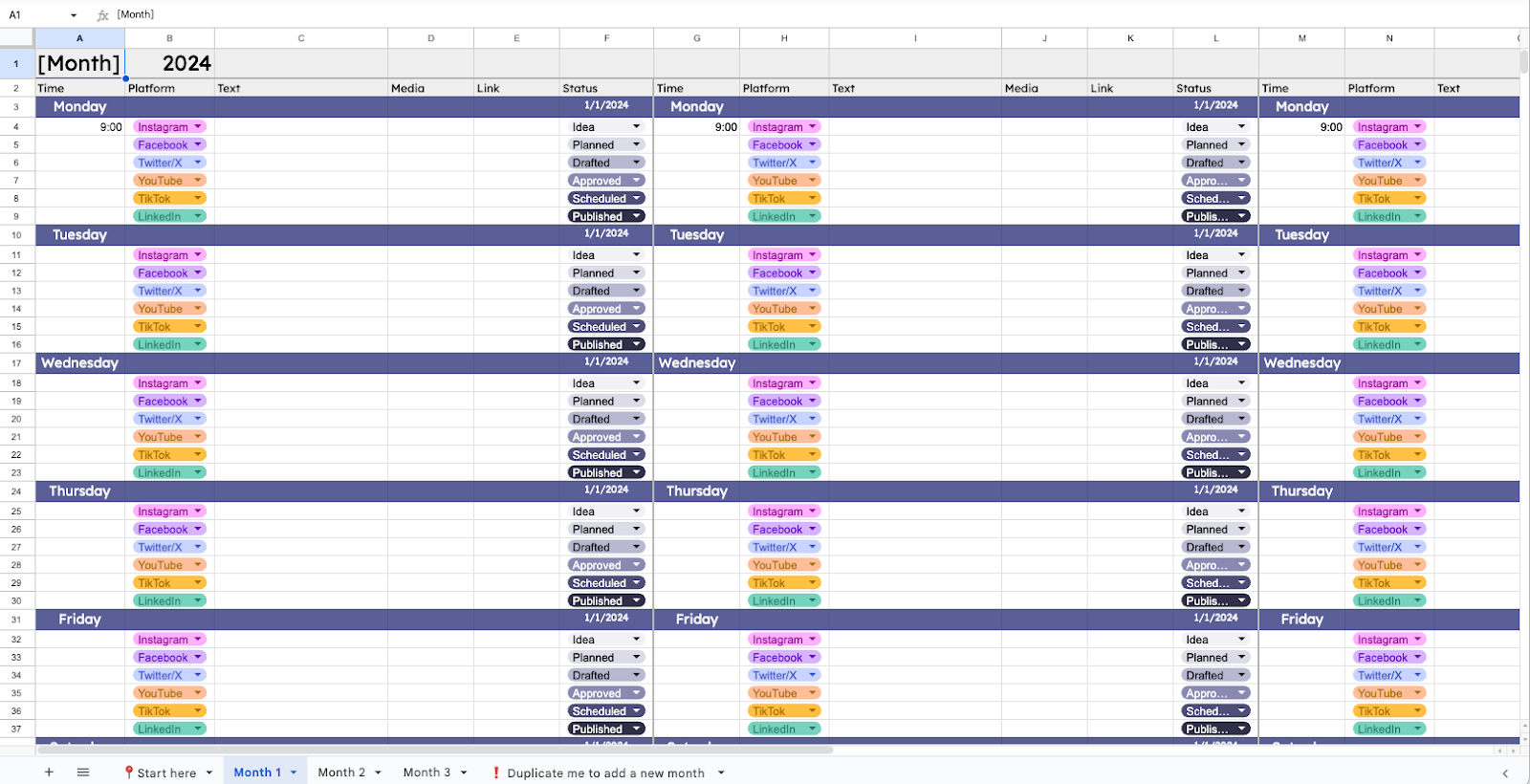
Phase 5: Content Ideation. Utilize a "Create Space" or a central repository to capture fleeting ideas. This stage is about volume, not quality. Refinement occurs during the drafting process.
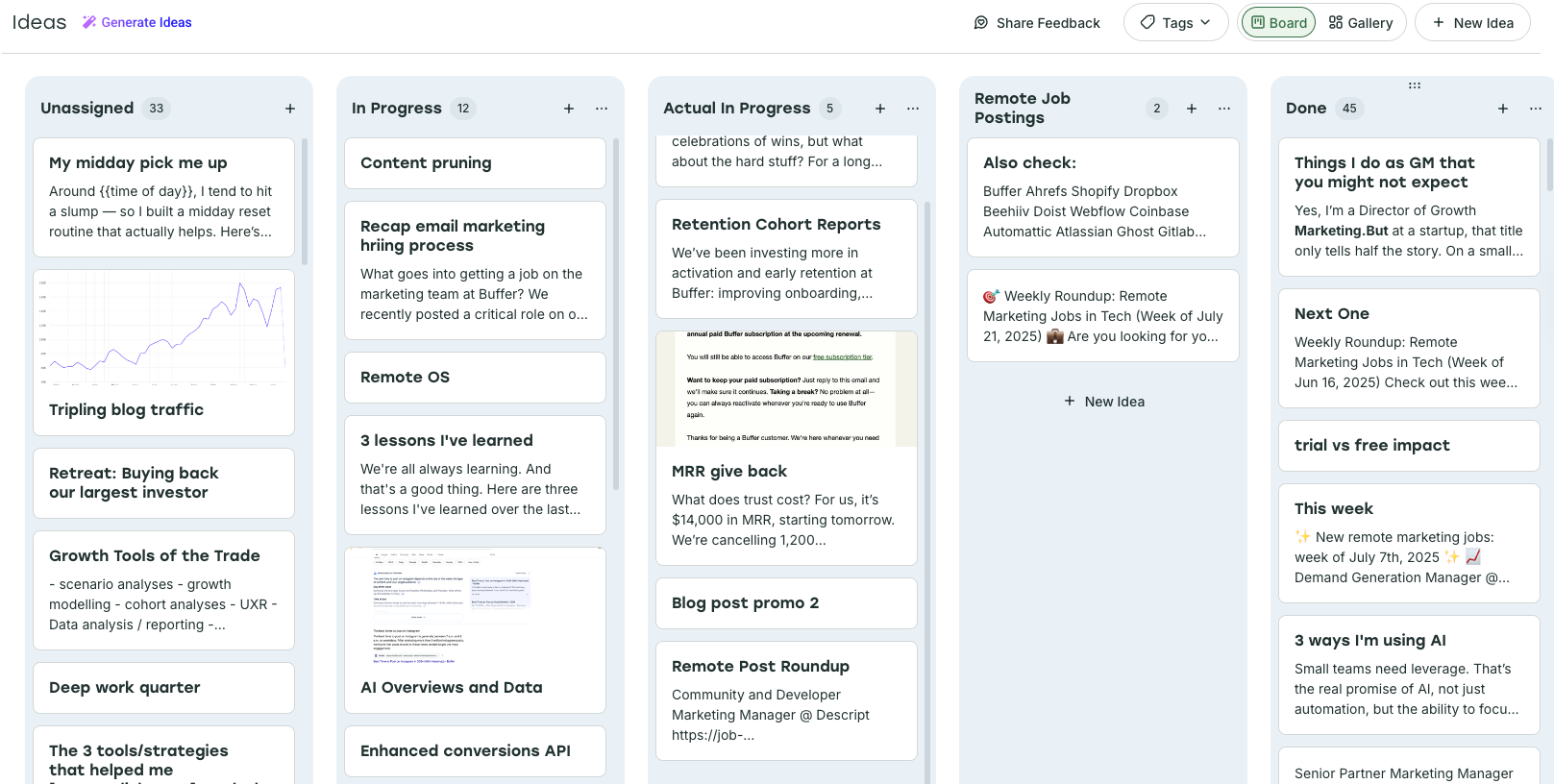
Phase 6: Organizational Tagging. Implement a tagging system based on content pillars or campaign status. This allows for post-campaign analysis, where you can identify which themes—such as "educational," "promotional," or "behind-the-scenes"—performed best.
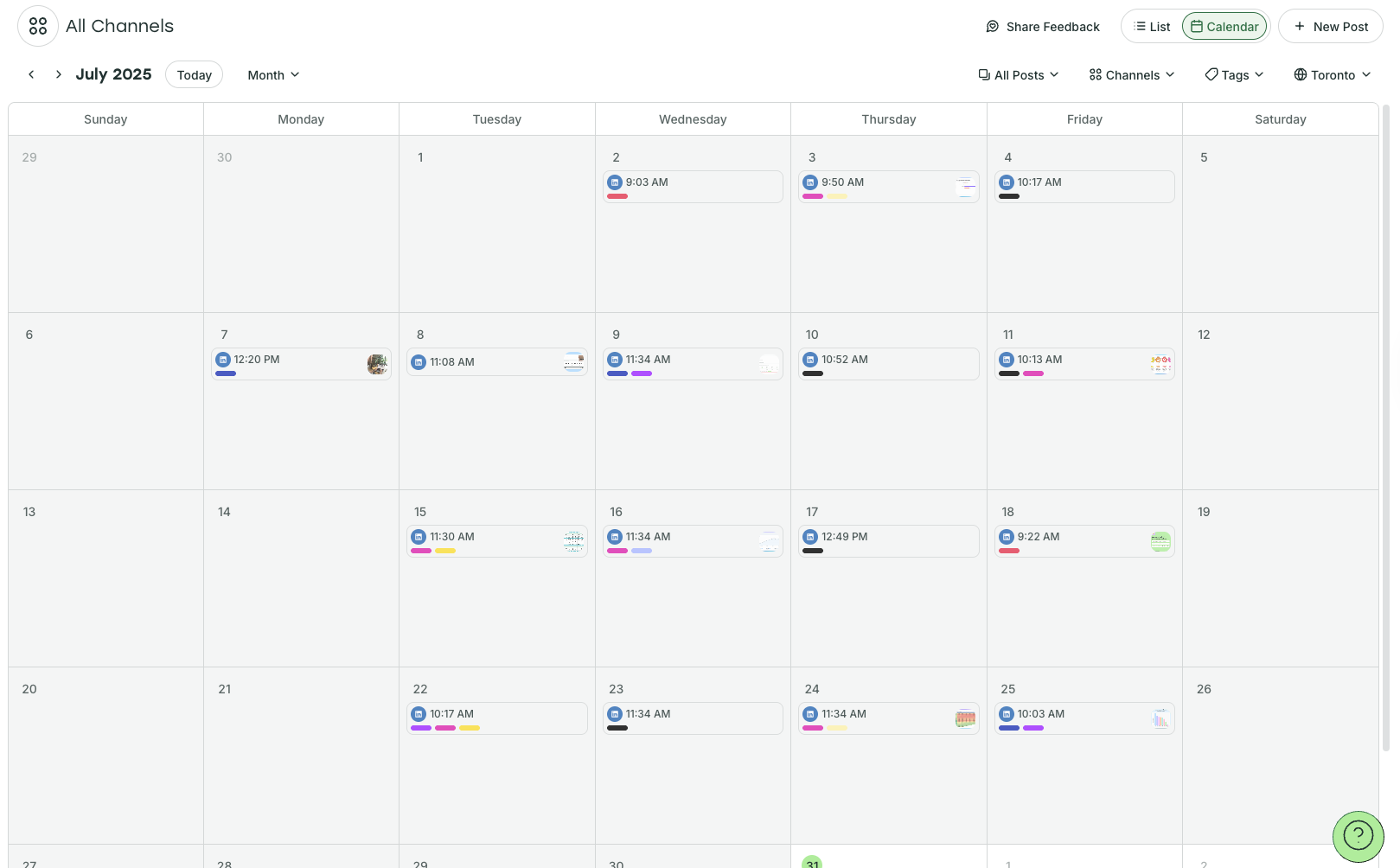
Phase 7: Execution and Scheduling. Populate the calendar. At this stage, content should be tailored to the specific nuances of each platform, including localized hashtags and platform-specific formatting.
Phase 8: Iteration. A calendar is a living document. Weekly reviews allow for the adjustment of strategy based on real-time feedback. If data shows that Tuesday mornings are underperforming, the calendar must be adjusted immediately.
Implications and Future Outlook
The broader implication of this structured approach is the professionalization of the "creator economy." As brands and individuals treat their social media output with the same rigor as traditional media publishing, the quality of content is rising. However, this also raises the bar for competition.
The move toward automated publishing and AI-assisted ideation suggests that the future of social media management lies in the "human-in-the-loop" model. In this scenario, technology handles the logistical heavy lifting—scheduling, tracking, and basic data entry—leaving creators free to focus on high-value creative tasks.
While the landscape of social media is subject to constant volatility, the core requirement remains static: consistent, intentional communication. Whether utilizing a sophisticated SaaS platform or a simple, color-coded spreadsheet, the act of planning ahead provides a competitive advantage. It transforms social media from an unpredictable, stressful necessity into a predictable, measurable engine for growth. By grounding social media activity in a rigorous calendar system, creators can ensure that their voice remains consistent, their message remains relevant, and their growth remains sustainable in an increasingly crowded digital marketplace.