

The landscape of artificial intelligence regulation in the European Union underwent a definitive shift on August 2, 2026, as comprehensive transparency obligations under the EU AI Act officially entered into force. These mandates, specifically codified under Article 50, represent a pivotal move toward establishing trust in digital ecosystems. Contrary to the initial industry panic regarding potential "drastic measures," the regulations offer a structured, albeit rigorous, framework for how businesses must disclose AI-generated content to the public. For companies operating within the EU—or serving its citizens from abroad—the directive is clear: transparency is no longer optional; it is a fundamental design requirement.
The Regulatory Chronology and Scope
The path to these requirements began with the formal adoption of the EU AI Act, the world’s first comprehensive horizontal legal framework for artificial intelligence. Following months of debate regarding the balance between innovation and consumer protection, the Commission established a clear timeline for implementation. By mid-2026, the focus shifted from broad conceptual safety to specific, enforceable interface requirements.
The scope of the regulation is expansive, echoing the jurisdictional reach of the General Data Protection Regulation (GDPR) and the European Accessibility Act (EAA). It applies to any entity—regardless of its geographic headquarters—that deploys AI systems whose outputs are accessible to individuals within the EU. Whether a company is a global software giant or a niche developer, if the end-user is an EU citizen, the compliance obligations apply. Under these rules, responsibility is shared between "providers" (the entities that build or supply the AI system) and "deployers" (the entities that integrate or use the system in a public-facing capacity). Relying on a third-party AI tool does not shield a company from liability; the entity presenting the content to the public bears the burden of disclosure.

Defining What Requires Disclosure
The primary objective of the transparency mandate is to prevent the deception of users. The law requires that any individual interacting with AI-generated or AI-manipulated content must be made aware of that fact in a "clear and distinguishable" manner. This applies specifically to:
- AI-generated content that mimics reality: This includes synthetic audio, video, or imagery that depicts real people, places, or events in a way that could reasonably be mistaken for authentic content.
- AI-generated text intended for the public: When AI is used to generate content that influences public opinion or decision-making on matters of public interest—including health, safety, politics, and the environment—disclosure is mandatory.
- Chatbot and virtual assistant interactions: Users must be informed that they are engaging with a machine rather than a human, ensuring that the nature of the communication is transparent from the onset.
Crucially, the legislation does not mandate a blanket label for every instance of AI-assisted productivity. Administrative tasks, such as using AI for spellchecking, grammar correction, or basic formatting, do not trigger disclosure requirements. The legal threshold hinges on the degree of human involvement. If a human subject-matter expert reviews, edits, and takes editorial responsibility for the output, the content is generally considered to fall outside the scope of the mandatory labeling. However, this "editorial control" must be substantive. A mere "glance" or superficial proofreading does not constitute the level of accountability required to waive the labeling obligation.

Beyond the Sparkle: Redefining Interface UX
In the early stages of the generative AI boom, the "sparkle" icon became the industry standard for indicating AI-powered features. While visually recognizable, the European Commission has signaled that this symbol is insufficient for legal compliance. Research from user experience authorities, including the Nielsen Norman Group, has consistently shown that the sparkle icon is ambiguous; it often indicates that a feature is "powered by AI" rather than explicitly stating that a specific piece of content was "generated by AI."
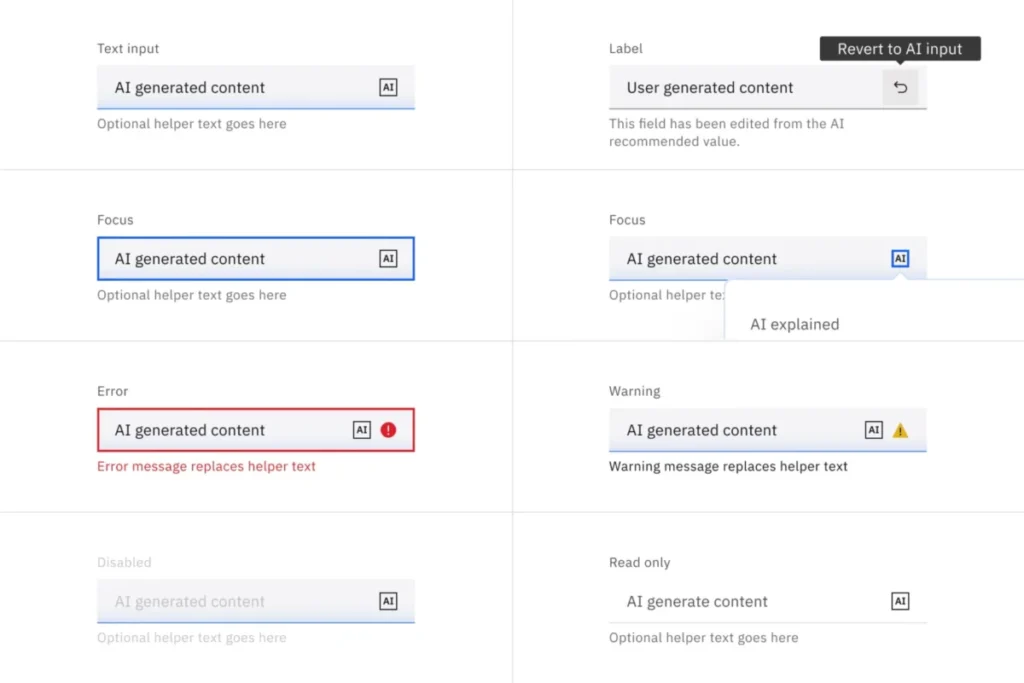
The Commission’s official guidelines now emphasize the necessity of explicit, plain-language markers. The newly published EU AI icon set provides a standardized visual language, but the Commission is clear that an icon alone is rarely sufficient. Effective compliance requires a multi-layered approach: a visible icon paired with a text-based disclosure, such as "AI-generated" or "AI-assisted." These disclosures must be persistent, meaning they should remain attached to the content even if the material is downloaded, shared, or reposted across different digital platforms.

Global Patterns and Industry Implications
The EU’s stance is not an isolated phenomenon but rather the most prominent node in a growing global network of AI governance. From the United States, where state-level regulations increasingly target synthetic performers in advertising, to similar transparency initiatives in Asia and South America, the "pattern" of regulation is clear. Companies that proactively adopt these design patterns are finding that they are not merely checking a legal box, but are actively building user trust.
For design teams and product managers, the implication is a necessary pivot in interface architecture. Designers must now incorporate "explainability panels" and clear provenance indicators as standard components of their UI kits. As the industry matures, the ability to clearly distinguish between human-authored content and synthetic output is becoming a key differentiator in the marketplace.

Fact-Based Analysis: The Risks of Non-Compliance
The fear of "drastic measures" often stems from the financial penalties associated with the AI Act, which can reach up to 7% of a company’s global annual turnover for the most serious violations. However, the regulatory focus remains on the prevention of harm. By requiring transparency, the EU is attempting to mitigate the risks of disinformation, deepfakes, and the erosion of digital provenance.
For the average business, the cost of compliance is negligible compared to the cost of potential litigation or reputation loss. Implementing standard, accessible labels is a technical hurdle that can be integrated into existing content management systems (CMS) and AI pipelines. The most successful organizations are those treating the AI Act not as an impediment, but as a framework for professionalizing their AI implementation.

Conclusion and Best Practices
As the August 2026 deadline settles into the industry standard, organizations should focus on three primary areas:
- Editorial Provenance: Establish clear internal guidelines on what constitutes "substantive human review." Maintain logs of human oversight for high-impact content.
- Persistent Labeling: Ensure that the technical metadata or visual labels embedded in AI content are preserved throughout the content’s lifecycle, including during export and third-party sharing.
- User-Centric Design: Move away from generic icons toward clear, descriptive, and accessible labels that empower the user to understand the nature of the information they are consuming.
The era of unchecked, unlabeled synthetic content is rapidly coming to a close. While the transition requires a recalibration of existing workflows, the end result—a digital environment where users can reliably distinguish between synthetic and human-authored material—is a necessary step toward the sustainable integration of artificial intelligence into the global economy. By embracing these standards, companies can ensure they remain compliant while simultaneously fostering a more transparent and trustworthy digital future. For those looking to deepen their understanding of these requirements, resources like professional training in AI interface design provide a roadmap for integrating these critical user-experience patterns into existing product roadmaps.