
The traditional boundaries between public relations (PR) and search engine optimization (SEO) have effectively dissolved in the modern digital landscape. For decades, these departments operated as distinct silos: PR focused on media relations, brand sentiment, and reputation management, while SEO concentrated on technical site health, keyword rankings, and backlink profiles. However, the emergence of Large Language Models (LLMs) and the evolution of Google’s search algorithms have created a singular requirement for brand visibility: authority derived from credible, third-party signals.
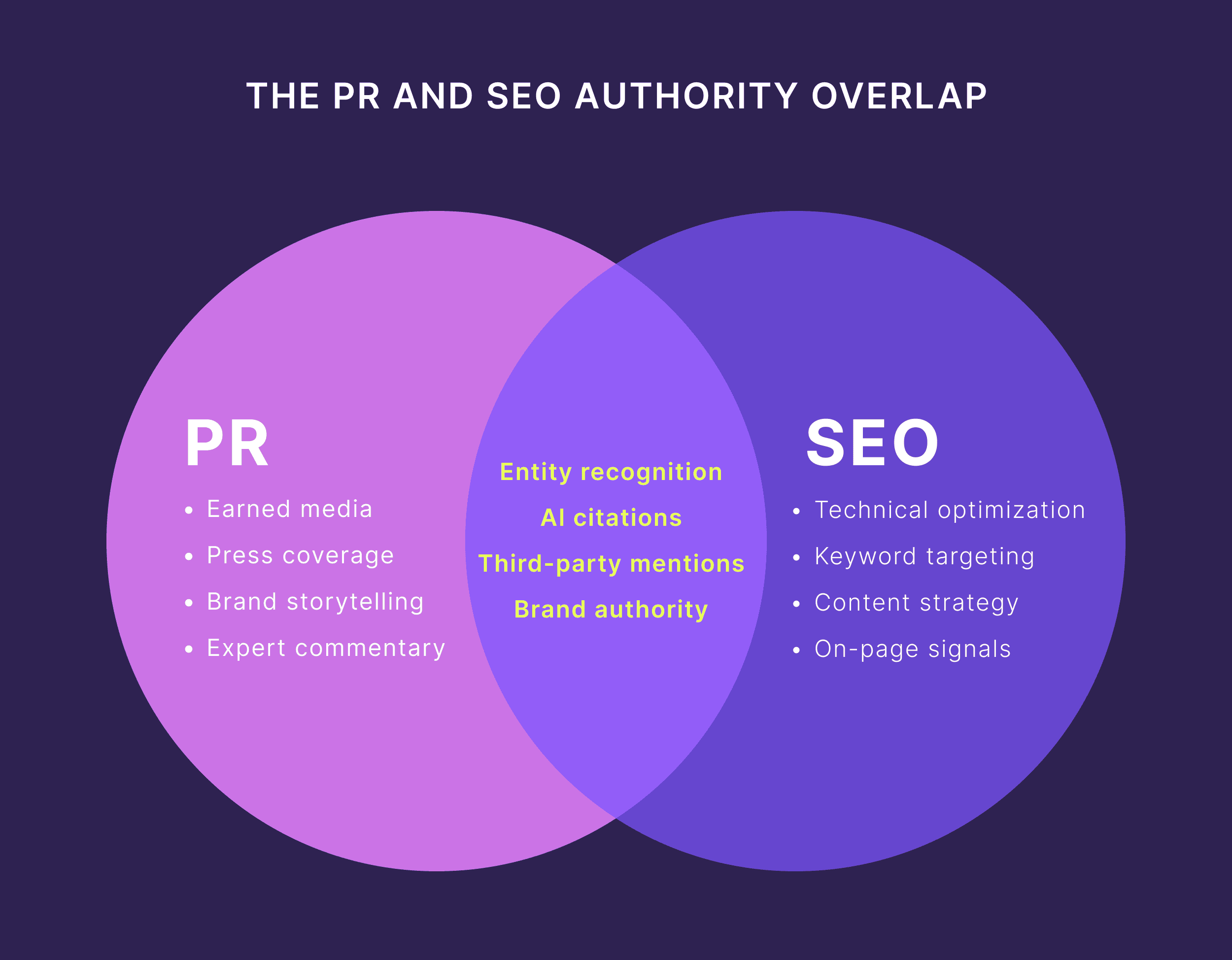
In the current ecosystem, both search engines and generative AI tools rely on a complex web of external data points—including high-authority backlinks, unlinked brand mentions, expert commentary, and coverage in legacy publications—to determine which brands are trustworthy enough to appear in top results or AI-generated answers. Despite this convergence, many corporate marketing teams continue to operate independently, leaving significant brand authority on the table. Industry experts now argue that the only way to maintain a competitive edge is to merge these disciplines into an "always-on authority engine."
The Evolution of Digital Authority and the Rise of AI Search
To understand the necessity of this integration, one must look at the chronology of search evolution. In the early 2010s, SEO was largely a technical exercise. By the late 2010s, Google’s introduction of E-E-A-T (Experience, Expertise, Authoritativeness, and Trustworthiness) guidelines began to prioritize the "human" element of content. The true turning point arrived in late 2022 with the public launch of ChatGPT and the subsequent integration of LLMs into search engines through features like Google’s Search Generative Experience (SGE).
LLMs do not merely "crawl" the web for keywords; they synthesize information from what they perceive to be authoritative sources. According to data from AirOps, brands are 6.5 times more likely to appear in AI-generated answers through third-party signals than through their own owned media. This shift means that a brand’s presence on Reddit, Wikipedia, and in the digital pages of the New York Times or industry-specific trade journals is now more influential for search visibility than many on-page SEO tactics.
Step 1: Aligning Research and Intelligence Gathering
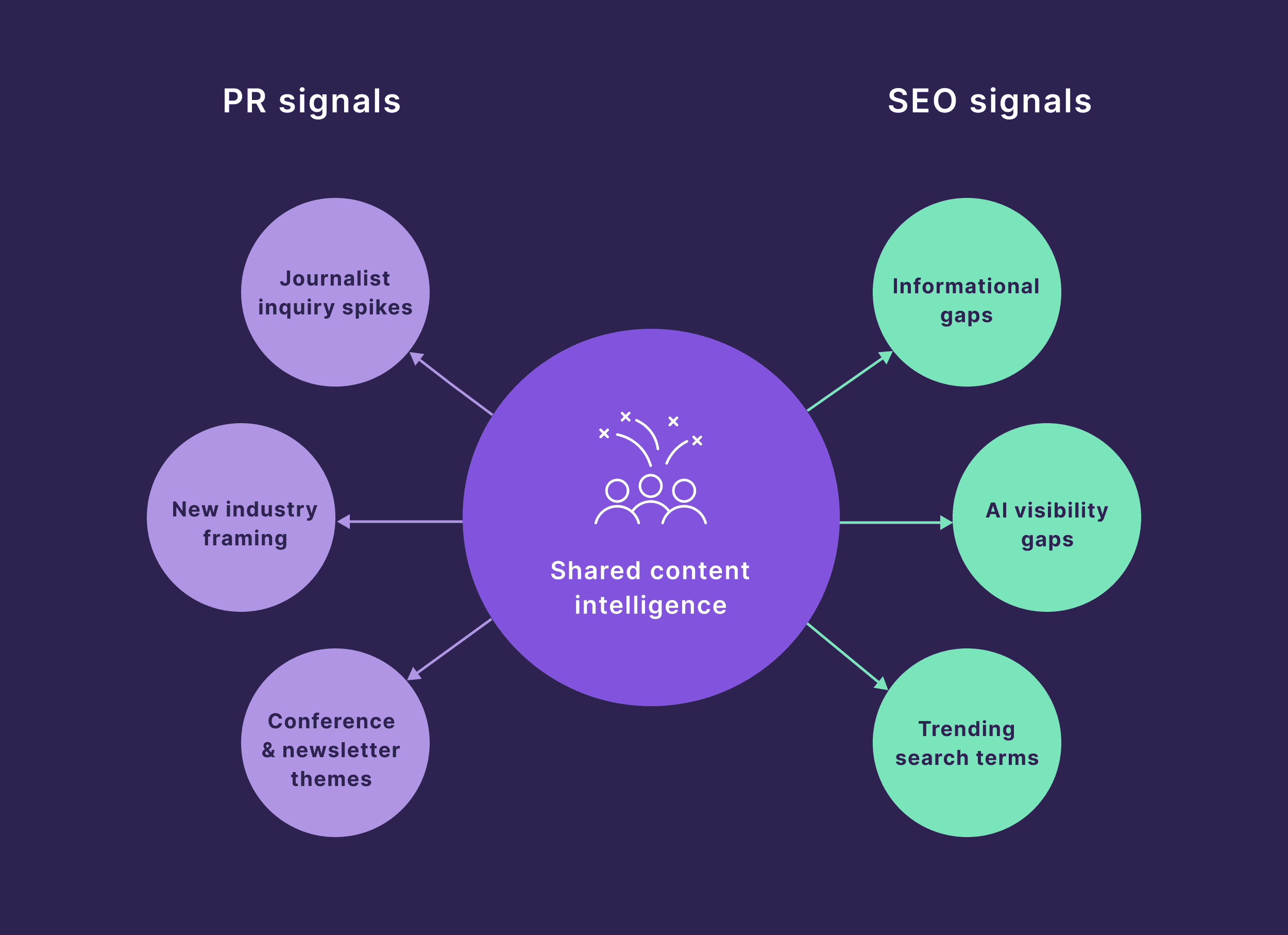
The foundation of a unified strategy is shared intelligence. Historically, SEO teams looked at historical data—what people searched for last month—while PR teams looked at the future—what journalists are talking about today. An integrated approach merges these timelines.
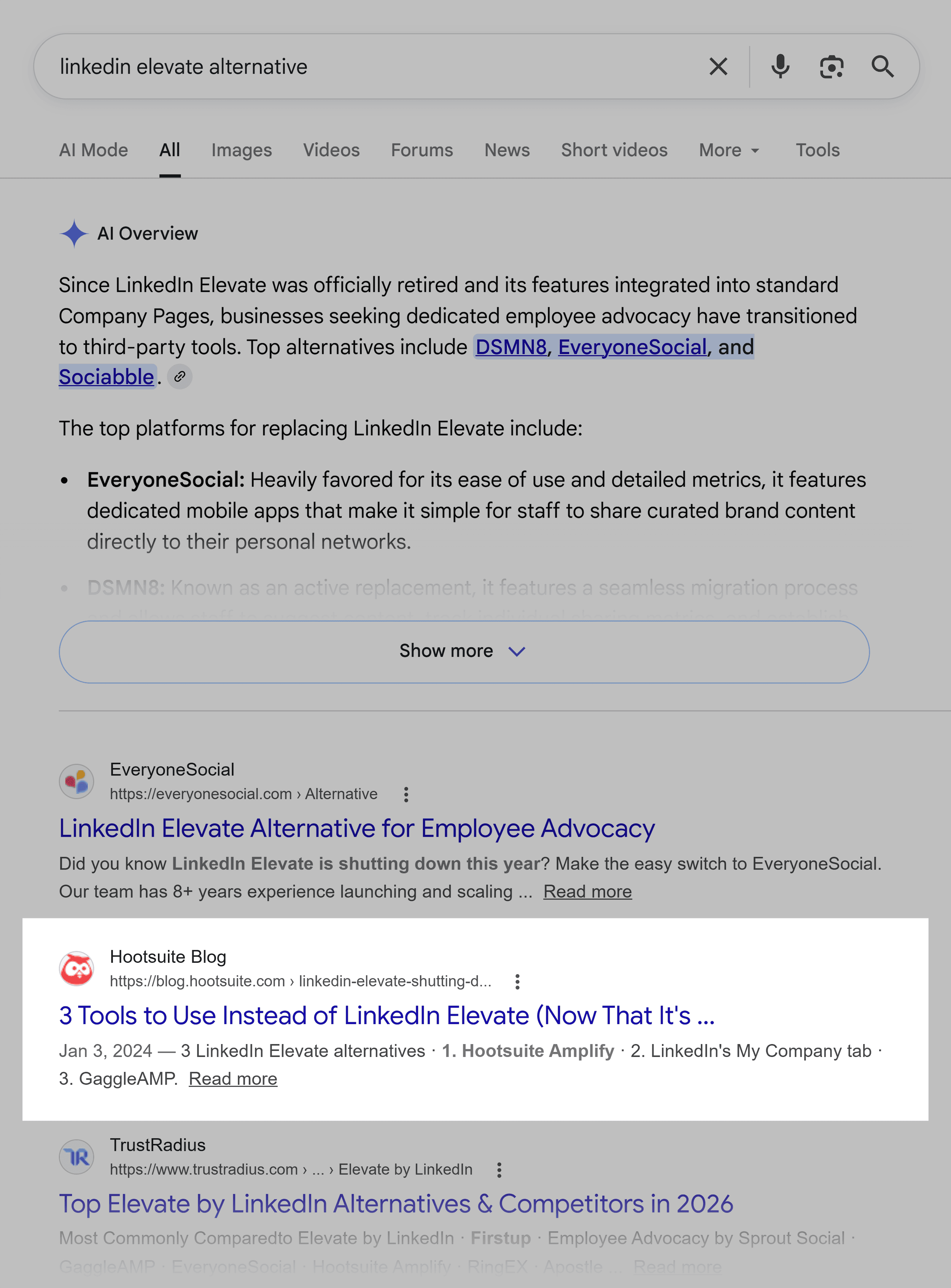
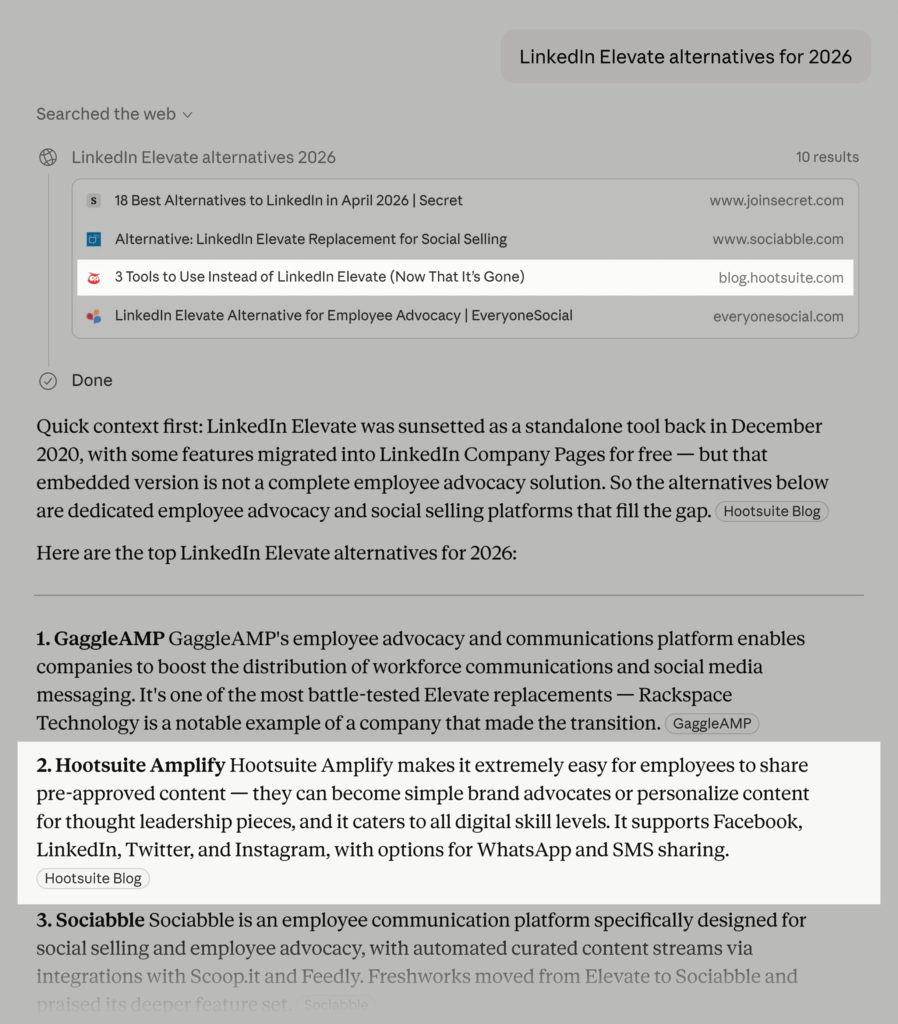
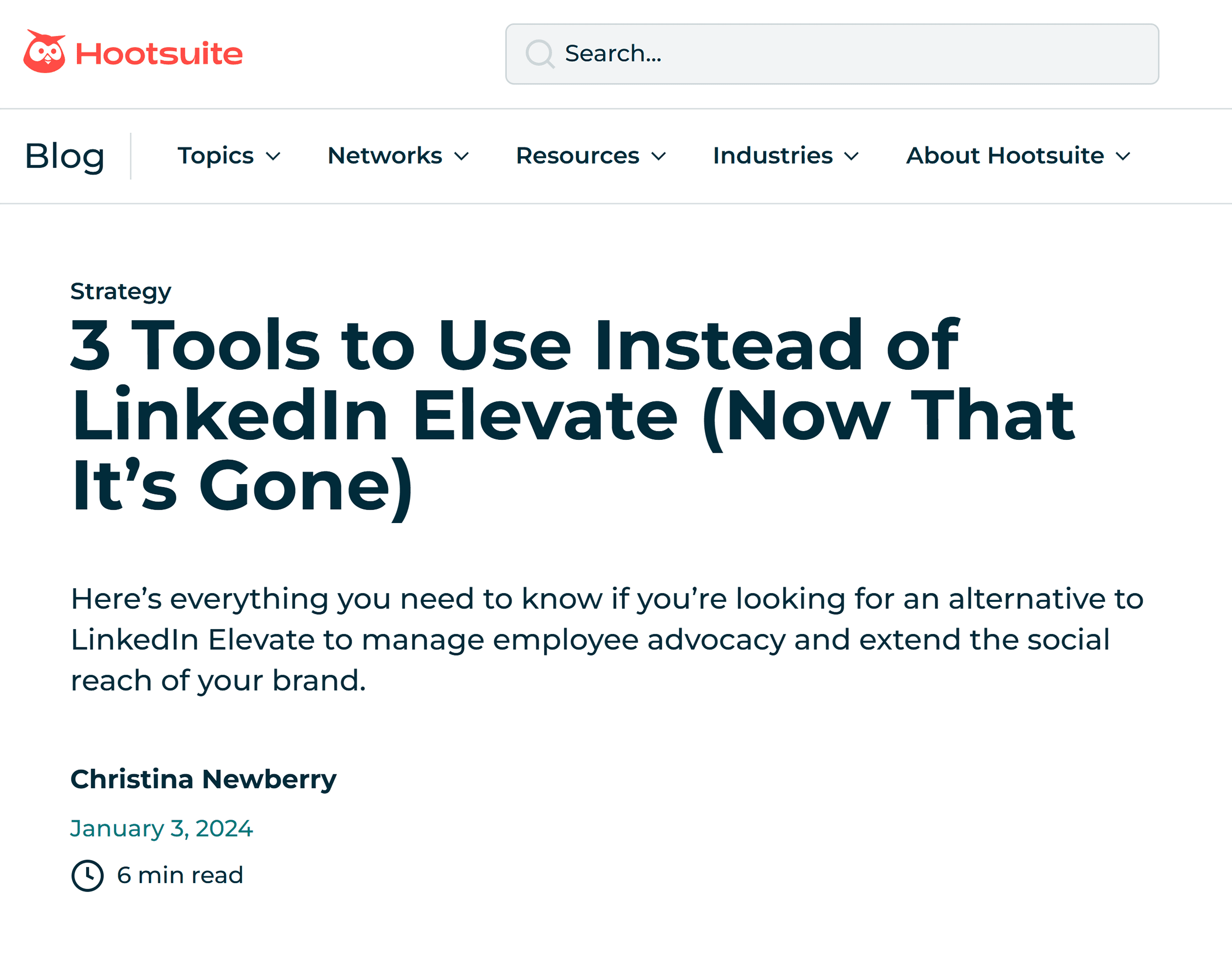
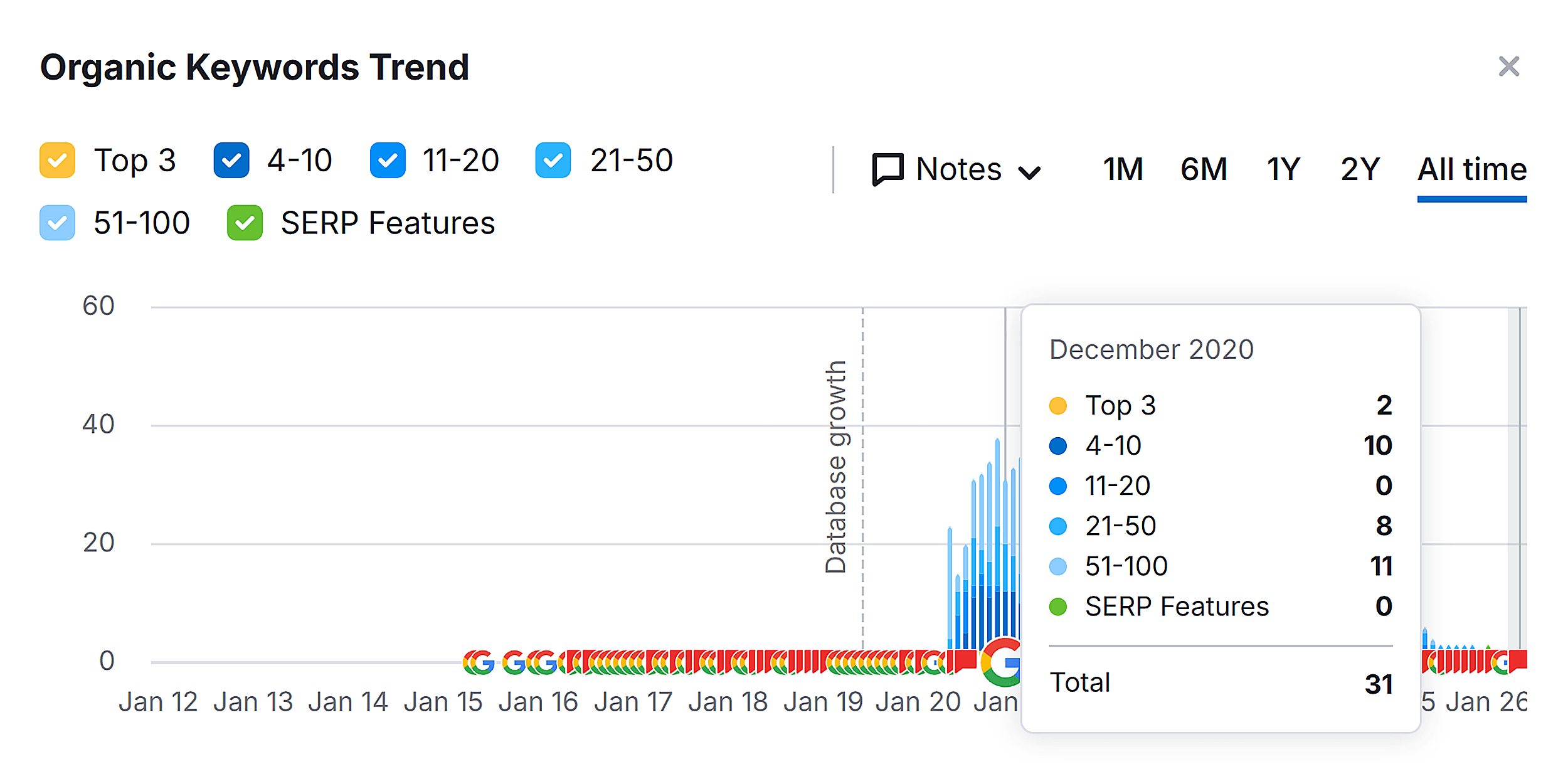
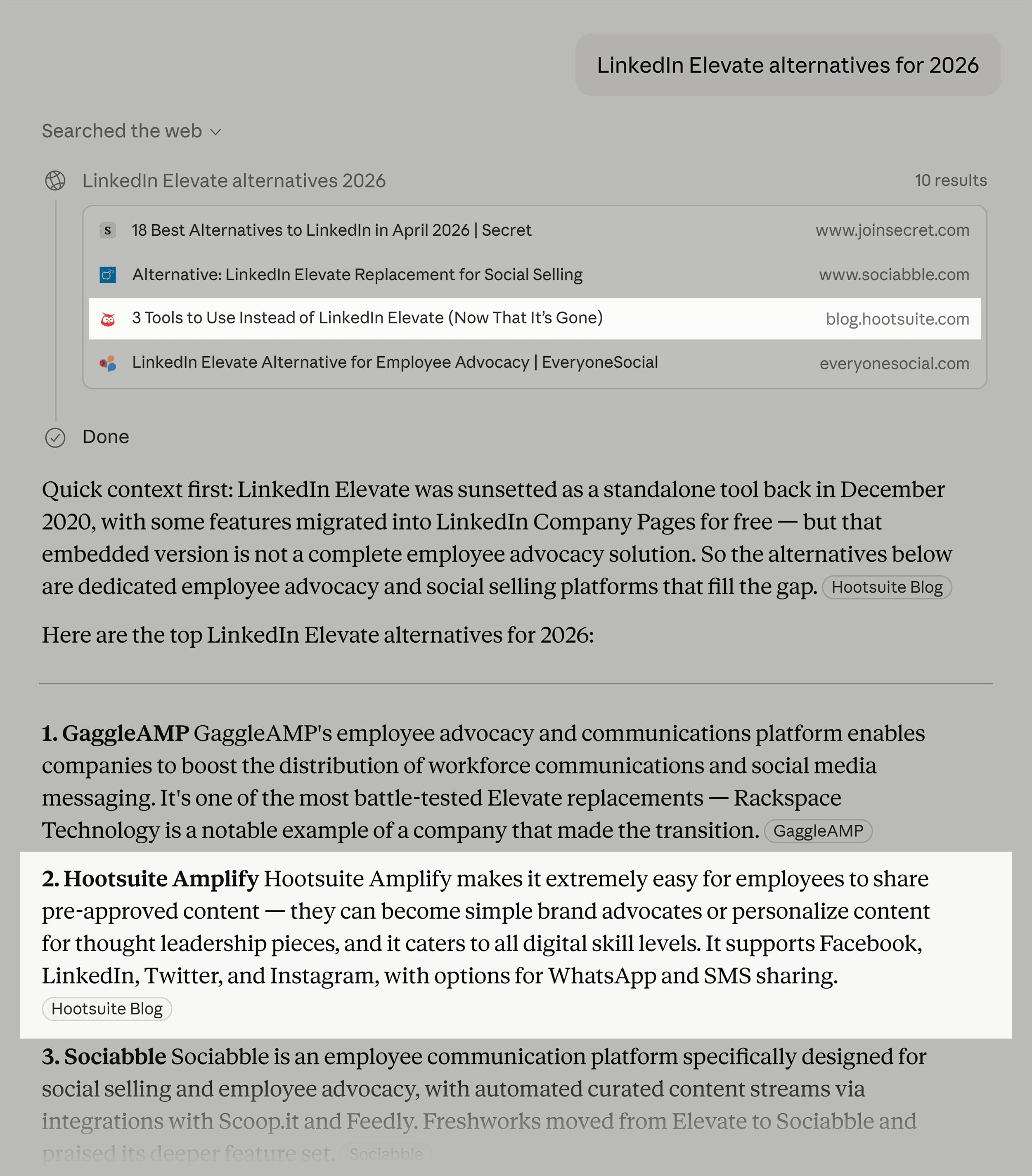
PR insights can identify emerging content opportunities before they manifest as search volume. For instance, a sudden spike in journalist inquiries regarding a specific industry regulation can tip off the SEO team to create a comprehensive guide. By the time the general public begins searching for the topic, the brand is already ranked number one. A notable example of this occurred at Hootsuite; when the PR team flagged that LinkedIn was sunsetting its "Elevate" feature, the content team produced a guide immediately. Though search volume was non-existent at the time of publication, the post captured the market early, eventually ranking first for "LinkedIn Elevate alternatives" and becoming a primary source for AI citations.
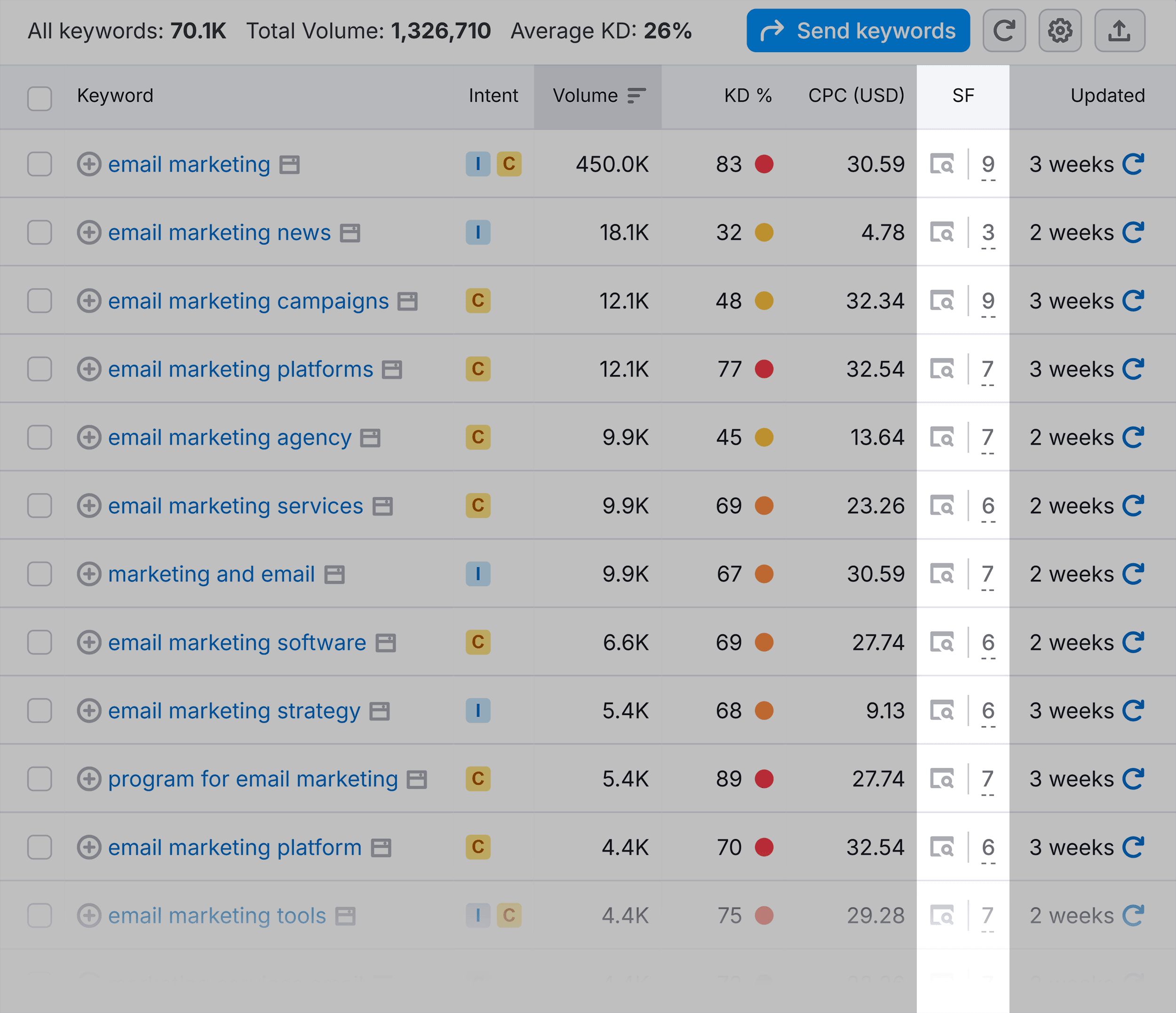
Conversely, SEO insights must inform PR content. By utilizing tools like Semrush to analyze "Top Stories" and "People Also Ask" features on Search Engine Results Pages (SERPs), PR teams can identify specific editorial gaps. If competitors are cited as authorities on a topic where your brand has a superior product or deeper expertise, that represents a strategic PR target.
Step 2: The Development of AI-Ready Assets
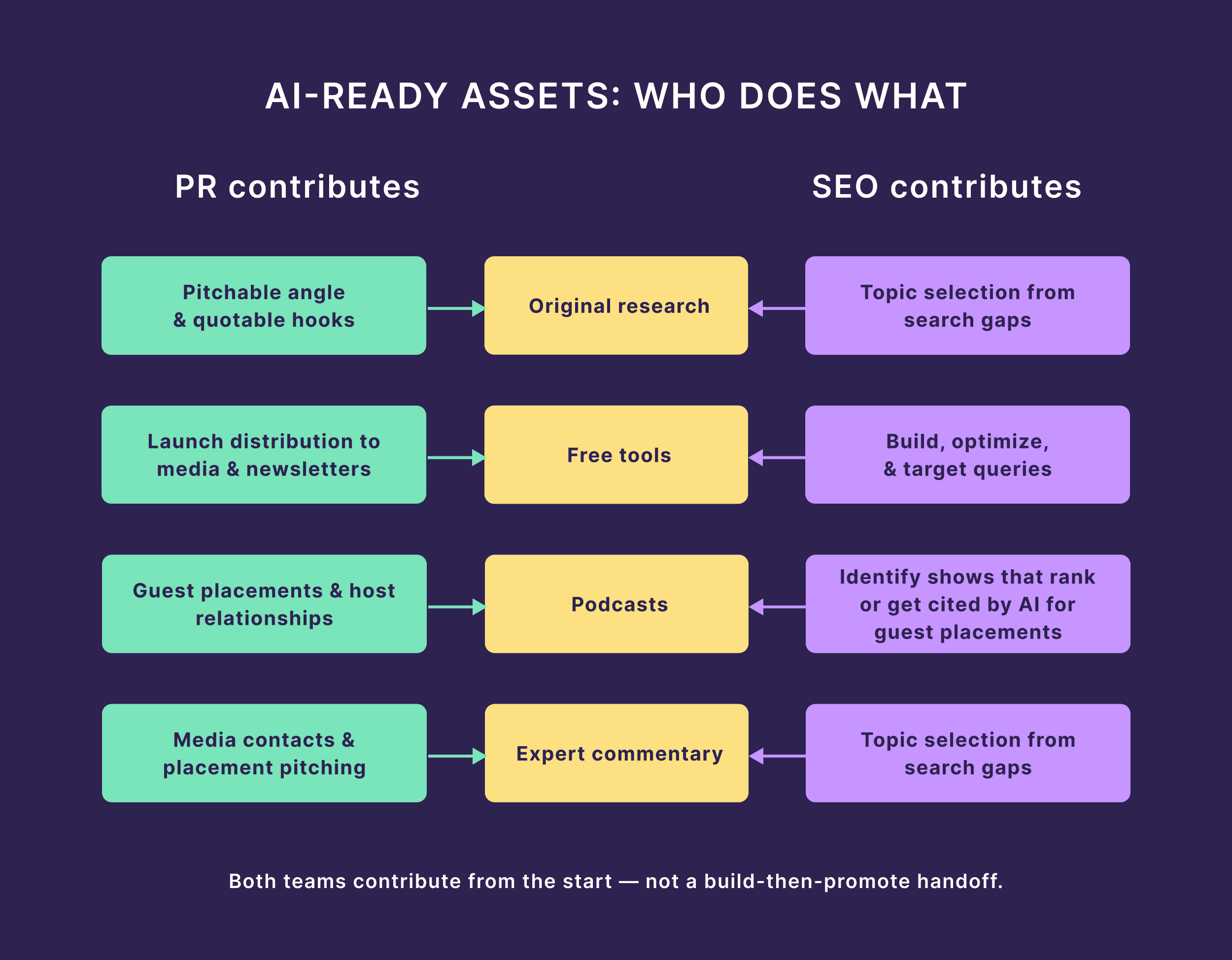
In the era of Answer Engine Optimization (AEO), content must be structured so that both humans and machines can easily parse it. This requires collaboration between PR’s storytelling capabilities and SEO’s technical structuring.

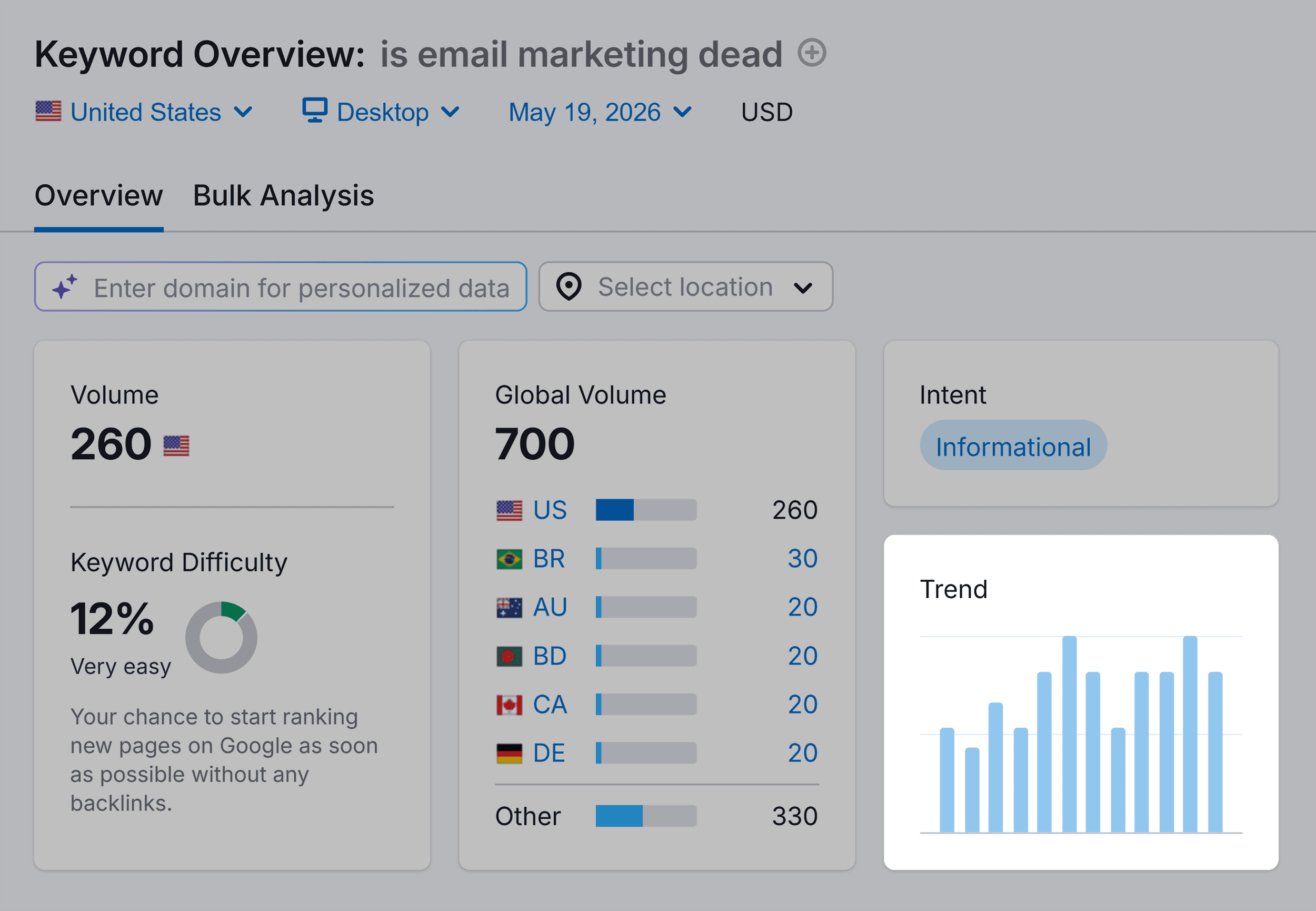
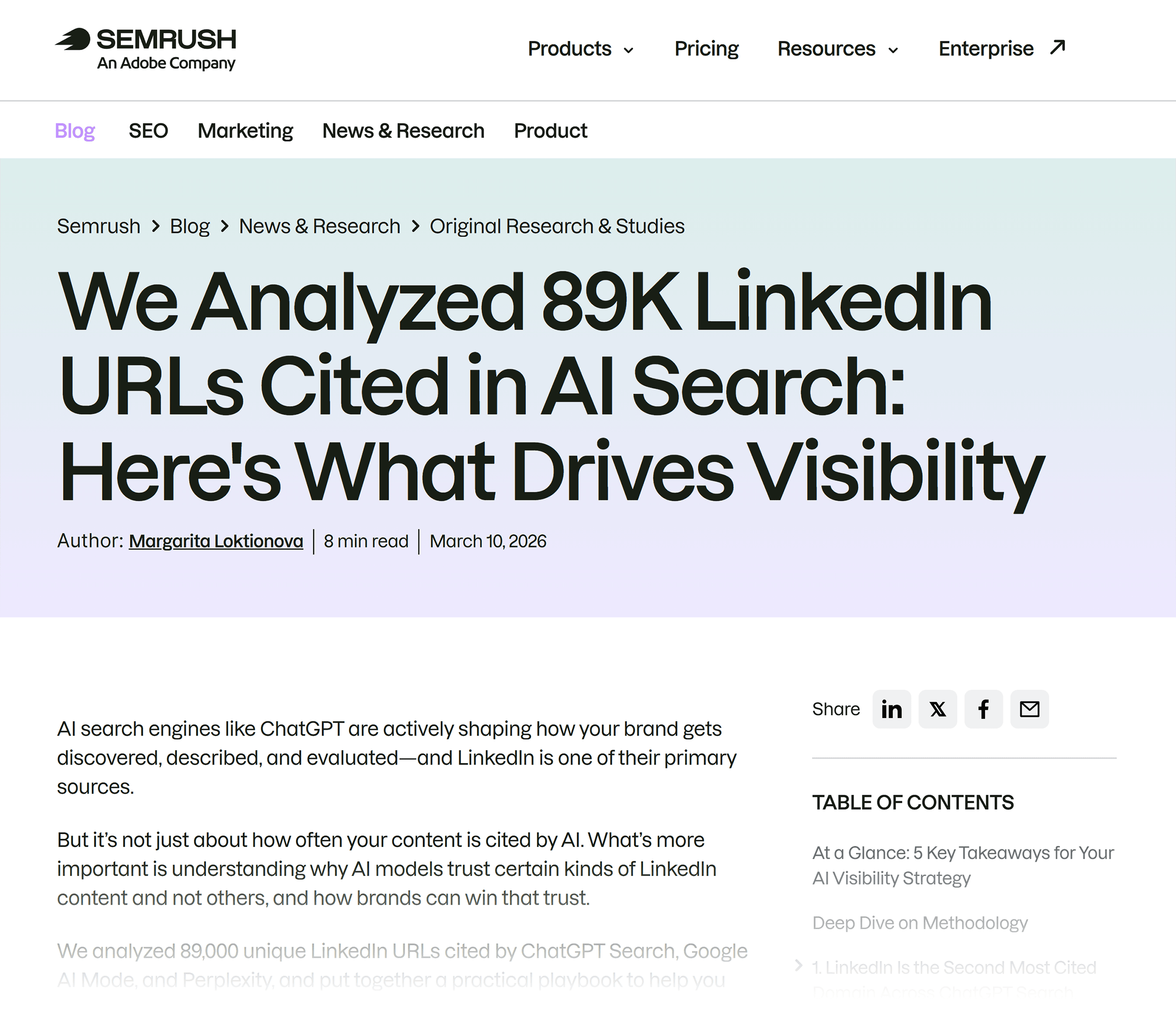
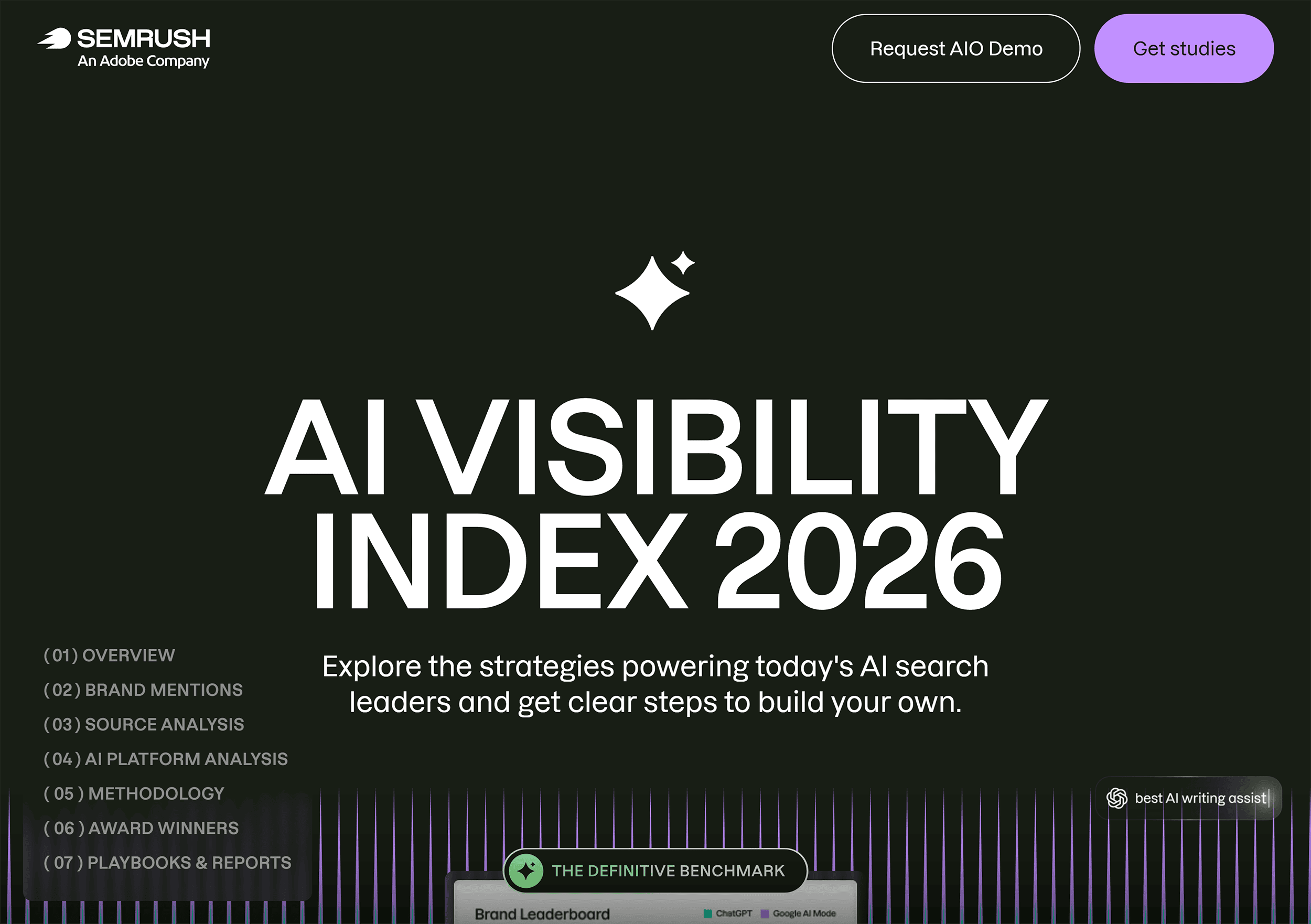
Original research and proprietary data reports are the most potent assets in this category. PR professionals know how to shape data into "hooks" that journalists want to quote, while SEO experts ensure the data is presented in a crawlable format—avoiding gated PDFs in favor of high-speed, mobile-optimized landing pages. Britt Klontz, a digital PR consultant and founder of Vada Communications, emphasizes that PR should be involved at the ideation stage of research. This ensures that the final product answers the questions journalists are currently asking, rather than just serving internal marketing goals.
Other essential AI-ready assets include:
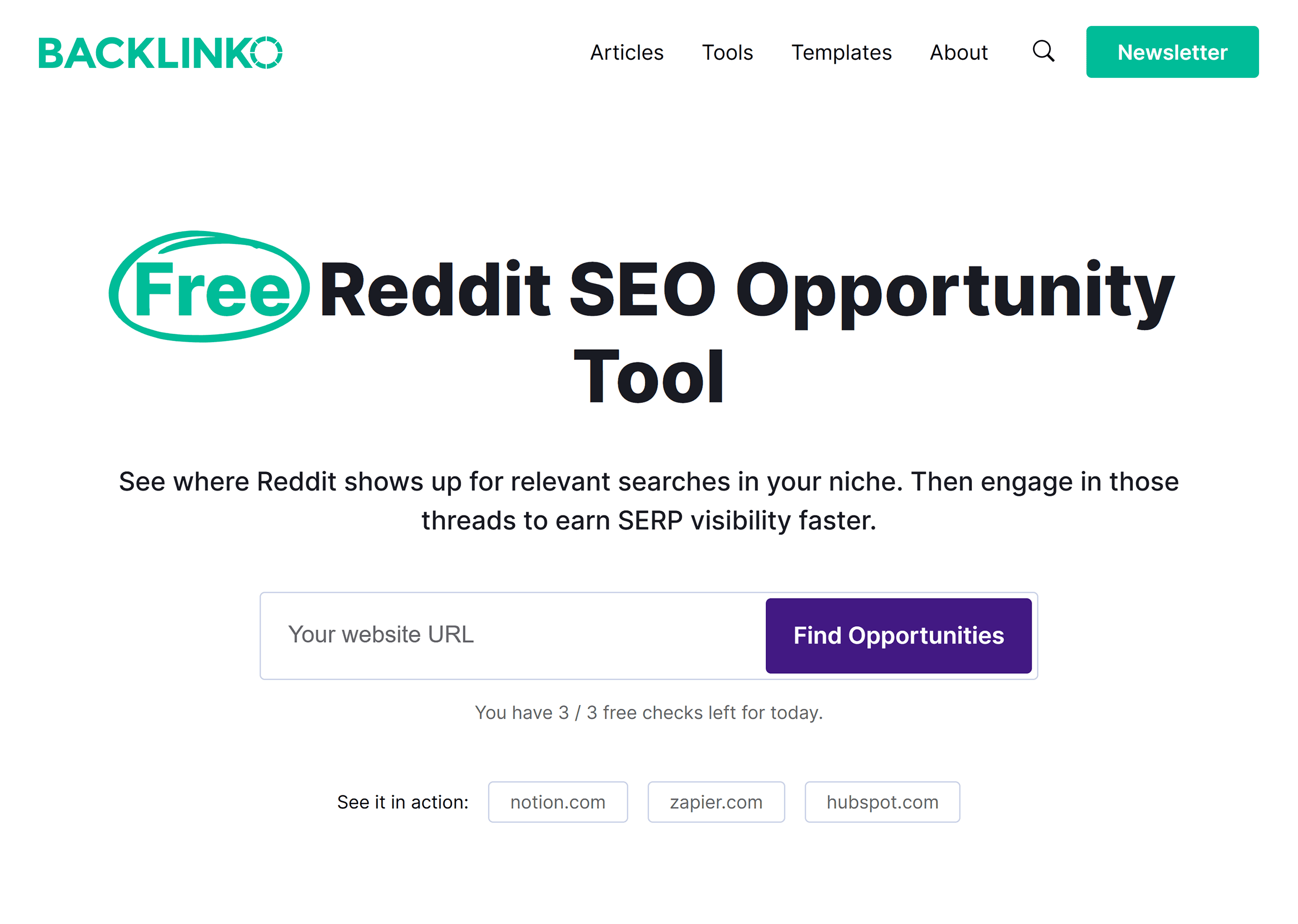
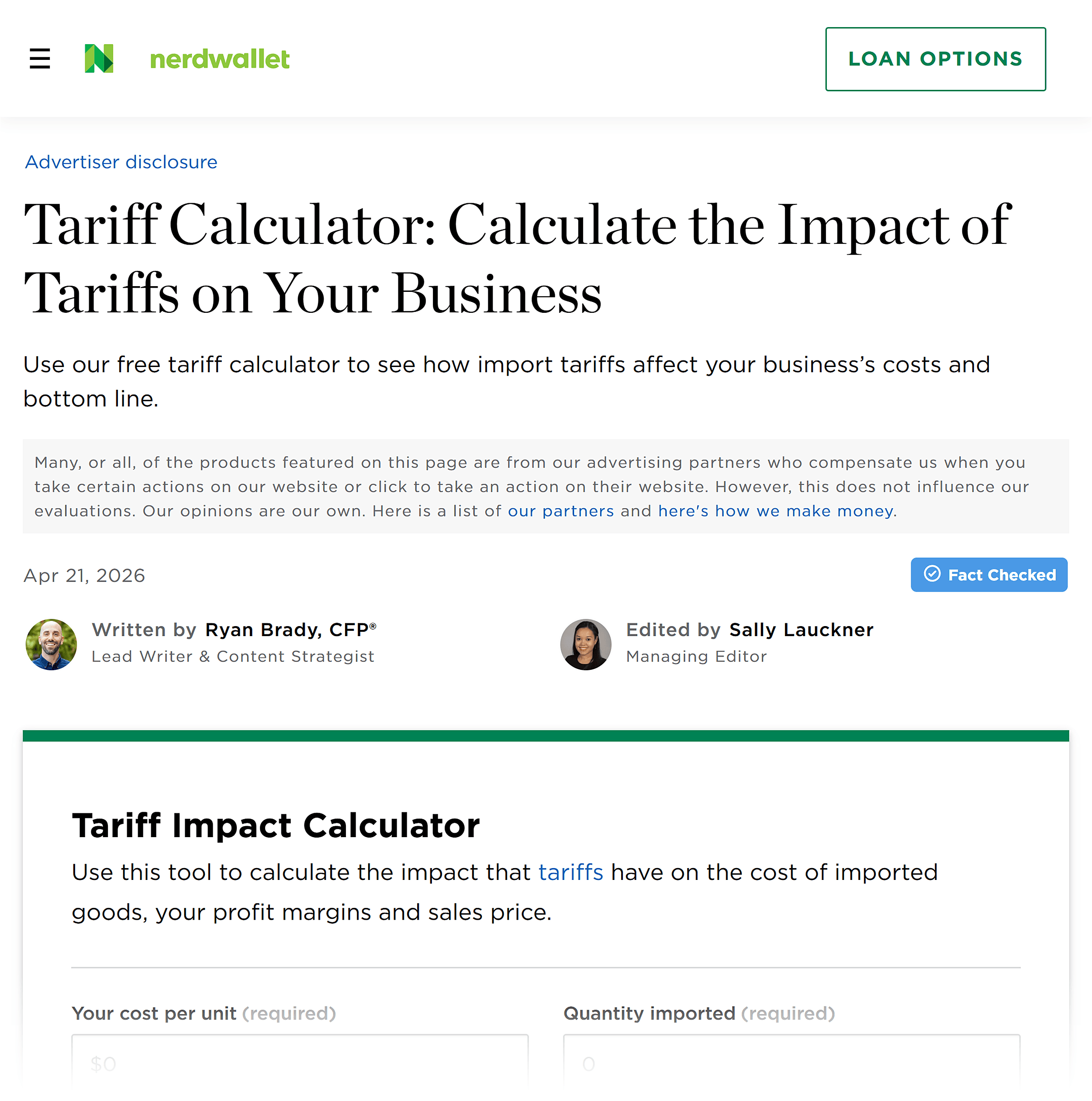
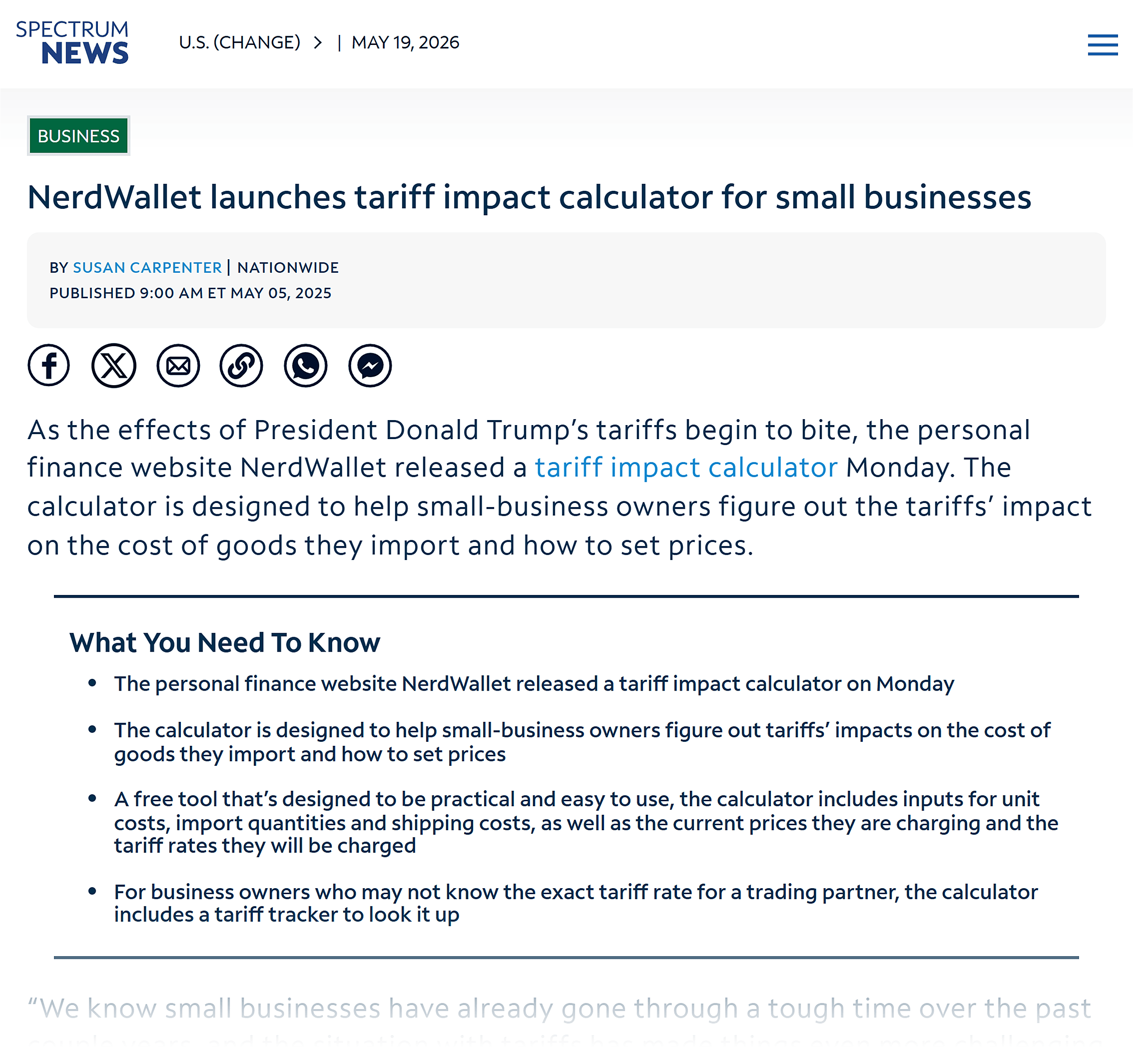
- Free Interactive Tools: Calculators and templates earn recurring visits and high-quality backlinks. NerdWallet’s tariff calculator, launched during peak news cycles regarding international trade, is a prime example of an asset that earned massive media coverage while serving a long-term SEO purpose.
- Explainers and Knowledge Bases: Simplified resources that define complex industry terms help LLMs accurately categorize a brand.
- Optimized Press Releases: Modern press releases should be viewed as crawlable assets. Between July and December 2025, press release citations in LLMs grew fivefold, according to Muck Rack data. This suggests that the on-site "Newsroom" version of a release is now a critical data source for AI training sets.
Step 3: Establishing a Third-Party Presence
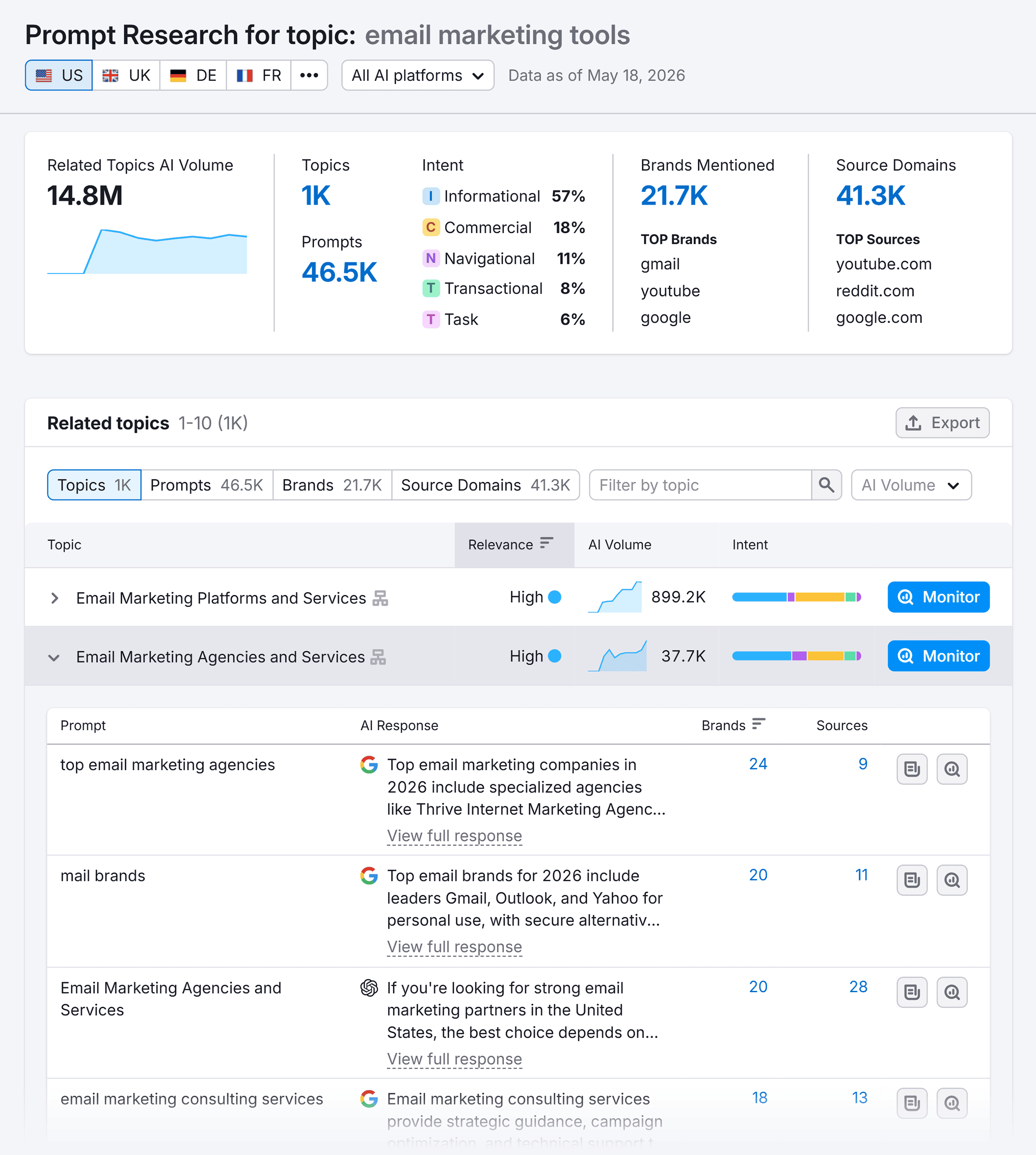
The most significant shift in digital marketing is the move away from "owned" authority toward "earned" authority. Rola Tfaili, Communications Manager for North America at Xero, notes that PR’s role has shifted from merely getting a "mention" to ensuring that the brand is part of the broader industry conversation in a way that AI models can recognize.
Expert commentary is the primary vehicle for this. When a brand’s subject matter experts (SMEs) are quoted consistently across trusted publications, search engines build an "entity association" between that individual, the brand, and the topic. This is a core component of "Entity SEO."
Furthermore, brands must actively manage their presence on review sites and forums. AI models frequently cite G2, Trustpilot, and Reddit for product recommendations because they perceive these platforms as unbiased aggregators of human experience. A unified strategy involves PR monitoring these conversations for reputation management while SEO ensures that these third-party profiles are fully optimized and linked back to the main domain.
Wikipedia also remains a cornerstone of digital authority. While Wikipedia’s strict "notability" criteria prevent brands from creating their own pages, a successful PR strategy that earns detailed coverage in "reliable, independent sources" eventually makes a Wikipedia entry possible. This, in turn, feeds into Google’s Knowledge Graph, cementing the brand’s status as a recognized entity.
Step 4: Unifying Outreach and Distribution Strategy
To maximize efficiency, PR and SEO must coordinate their outreach to avoid "pitch fatigue" among media contacts. A shared target source list allows teams to prioritize outlets that offer both high editorial value (PR) and high domain authority (SEO).
A recommended framework for splitting outreach duties includes:
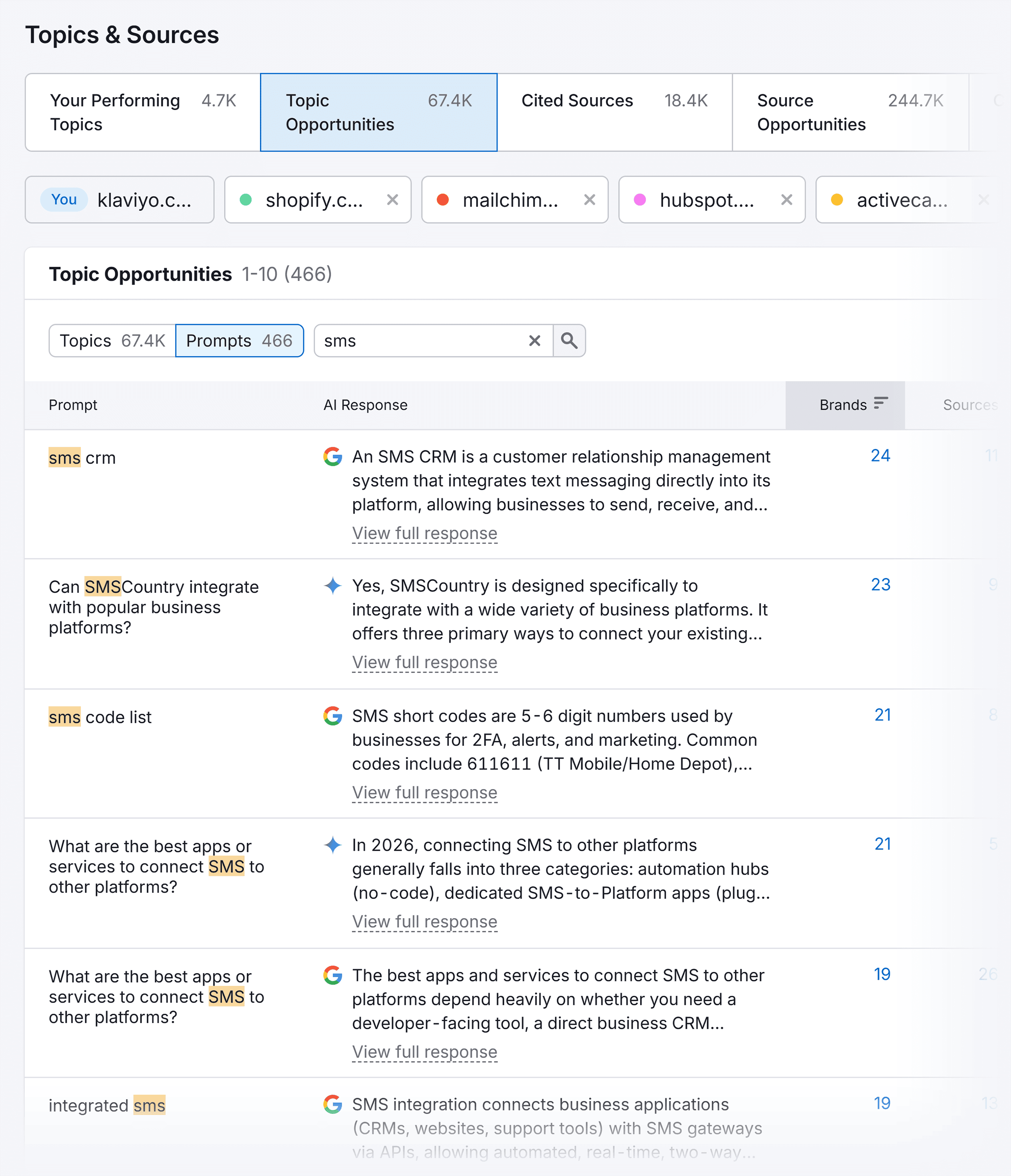
- SEO Ownership: Pitching for inclusion in industry listicles, fixing unlinked brand mentions, identifying broken link opportunities, and monitoring AI citations for new targets.
- PR Ownership: Pitching newsworthy stories to journalists, offering expert commentary for breaking news, submitting for industry awards, and briefing analysts at firms like Gartner or Forrester.
By meeting monthly or quarterly to map these outlets to specific KPIs, teams can ensure they are not duplicating efforts or, worse, sending conflicting messages to the same editor.
Step 5: Holistic Reporting and Performance Analysis
The final step in the playbook is the transition from siloed reporting to integrated performance analysis. PR metrics (mentions, sentiment, share of voice) and SEO metrics (traffic, rankings, backlinks) are two sides of the same coin.
Experts suggest evaluating every asset through three lenses:
- Visibility: Did the effort result in appearing in AI-generated answers, "Top Stories" on Google, or high-traffic media outlets?
- Authority: Did the campaign earn backlinks from new, unique referring domains? Has the brand’s overall "Authority Score" or domain trust increased?
- Demand: Did the coverage drive referral traffic or, more importantly, an increase in "branded search" queries?
Branded search—the frequency with which users search for the brand by name—is perhaps the most vital metric in the AI era. It serves as a direct indicator of brand awareness and trust. Google Search Console data can be used to correlate spikes in branded search with specific PR placements, providing a clear ROI for integrated efforts.
The Broader Impact and Strategic Implications
The convergence of PR and SEO represents a fundamental maturation of digital marketing. The organizations that successfully integrate these teams will build a "moat" of authority that is difficult for competitors to bridge through paid advertising alone.
This integration also has significant implications for budget allocation. Rather than funding separate, competing agencies or internal teams, CMOs are increasingly moving toward "Integrated Earned Media" budgets. The analysis of this trend suggests that while the initial transition requires a shift in culture and workflow, the long-term result is a more resilient brand that is optimized not just for today’s search engines, but for the future of AI-driven discovery.
As AI search continues to decrease traditional click-through rates for generic queries, the value of being the "cited authority" increases. In this new reality, PR is SEO, and SEO is PR. The "always-on authority engine" is no longer an optional luxury; it is the prerequisite for survival in the next generation of the internet.