
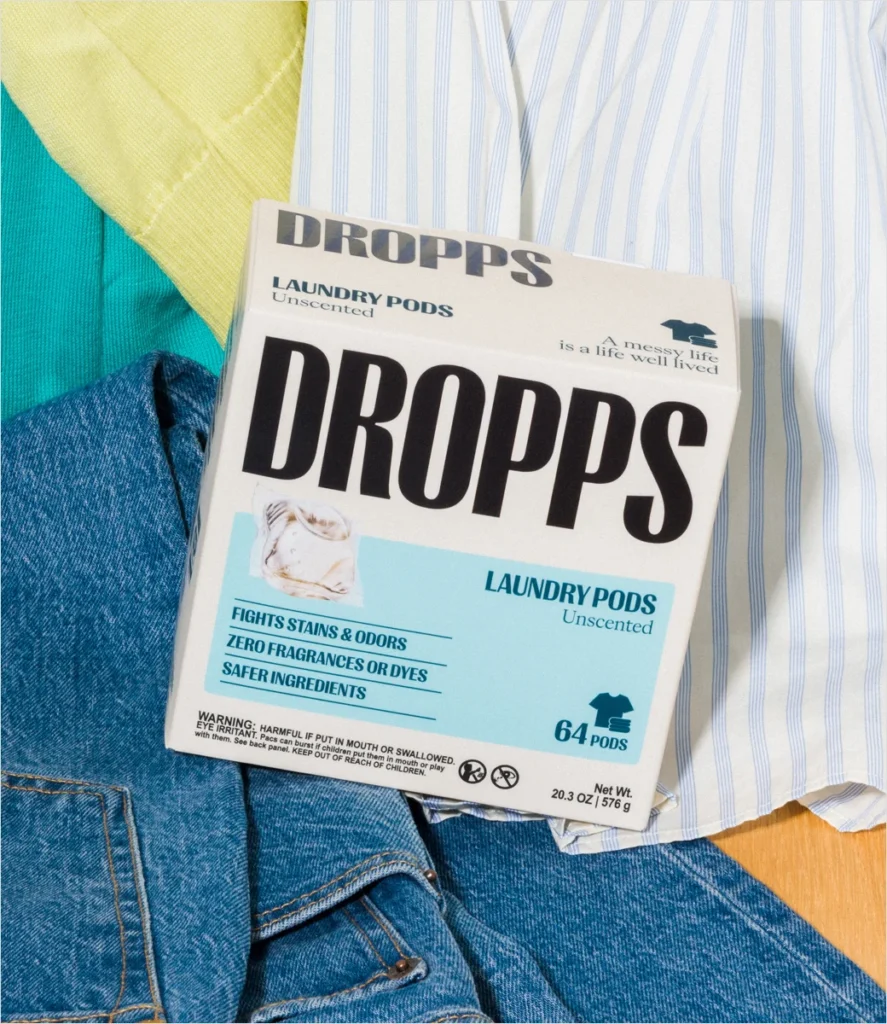

American sustainable home care pioneer Dropps has officially announced a comprehensive brand refresh, introducing a modernized logo, vibrant packaging design, an overhauled e-commerce website, and a streamlined product lineup. Headquartered in Chicago, Illinois, the company has long positioned itself as an eco-conscious alternative in the household cleaning sector, primarily known for its pioneering role in pioneering low-waste, pre-measured pod technology. This latest rebrand represents a significant strategic evolution for the enterprise as it seeks to capture a larger share of the rapidly expanding market for sustainable, wellness-oriented domestic goods.
The overarching design shift moves Dropps away from its former aesthetic, adopting a visual language described by company leadership as warmer, bolder, and more deeply rooted in everyday domestic realities. Alongside the visual changes, the brand has introduced a new overarching marketing tagline: "Messy Life. Kind Ingredients. Actually Clean." This phrase encapsulates the company’s dual commitment to high-performance cleaning efficacy and stringent environmental safety standards, addressing the modern consumer’s demand for products that do not compromise on power for the sake of sustainability.
Background Context and Evolution of the Clean Home Sector
The household cleaning industry has undergone a seismic shift over the past decade. Traditional cleaning products, historically packaged in single-use plastics and formulated with harsh petrochemicals, have faced mounting scrutiny from environmentally conscious consumers and regulatory bodies alike. Pioneers like Dropps entered the market by rethinking the fundamental delivery mechanism of laundry and dish detergents. By eliminating heavy water content from formulas and enclosing concentrated liquids or powders in water-soluble polyvinyl alcohol (PVA) pods, these brands drastically reduced shipping weight, carbon footprints, and plastic waste.
However, as sustainability has transitioned from a niche market segment to a mainstream consumer expectation, the competitive landscape has crowded considerably. Legacy brands have launched their own eco-friendly lines, while a wave of direct-to-consumer (DTC) startups has flooded the market with minimalist packaging and green-tinted marketing. In this hyper-competitive environment, brand differentiation is paramount. Dropps’ decision to refresh its identity in September 2026 is a calculated move to reinforce its market authority, modernize its shelf appeal, and re-engage a consumer base that increasingly values transparency, scientific validation, and wellness-aligned lifestyle branding.
Chronology of the Rebrand Strategy
The rollout of the new Dropps identity represents months of strategic planning, consumer research, and creative development. The phased implementation includes several critical touchpoints across digital and physical spaces:
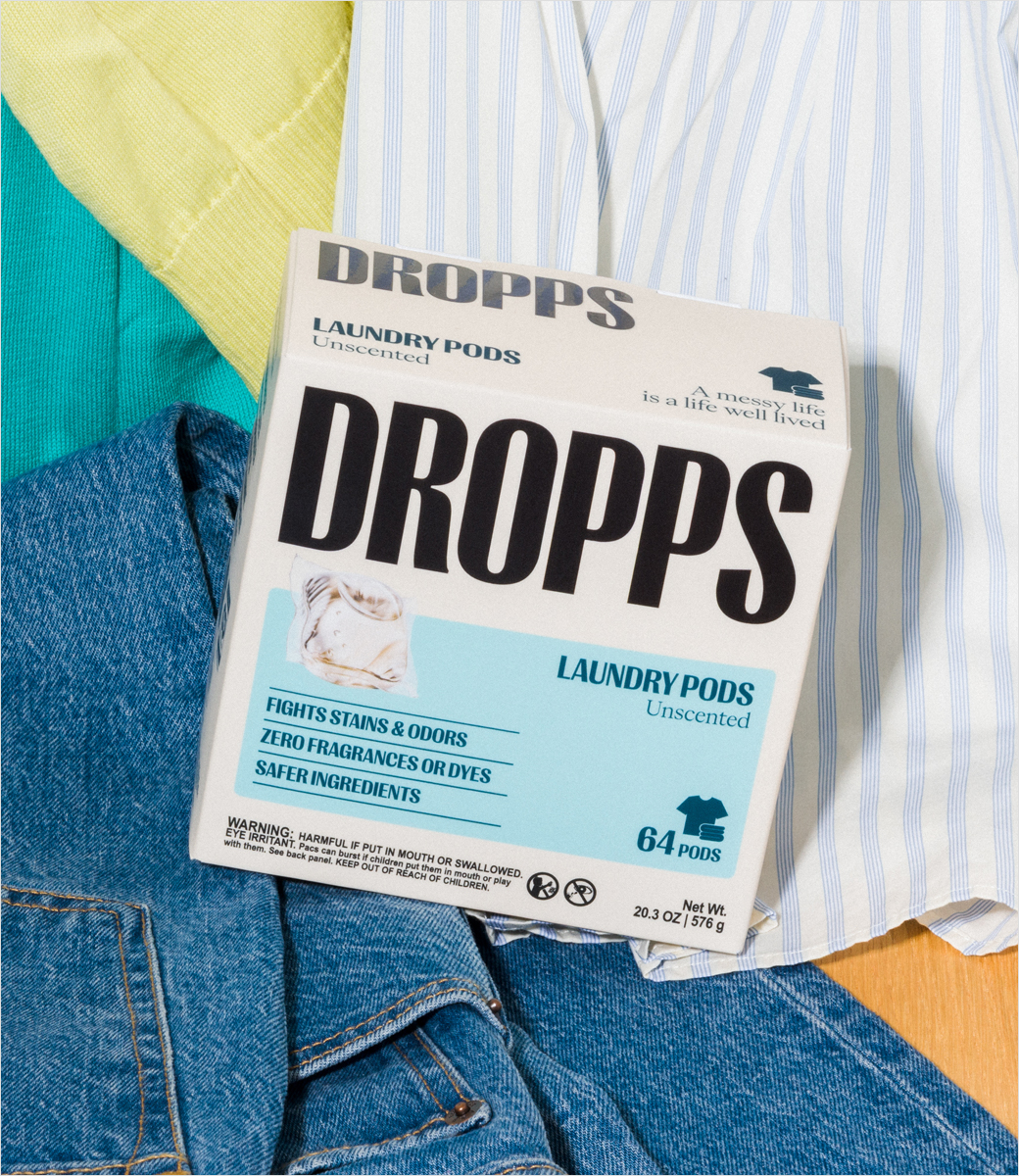
- Visual Identity Overhaul: The primary catalyst of the update is the new logo and packaging system. The visual assets transition from utilitarian, clinical green-and-white motifs toward a richer, more approachable color palette paired with bold typography.
- Product Line Rationalization: As part of the update, Dropps has streamlined its catalog to focus intensely on its core competencies: high-efficiency laundry pods and advanced dishwasher pods. By pruning fringe SKUs, the company aims to simplify the consumer decision-making process and enhance operational supply chain efficiency.
- Digital and Social Infrastructure: Concurrently with the physical packaging redesign, Dropps launched a fully redesigned website optimized for user experience and mobile commerce. Additionally, the brand rolled out a refreshed Instagram presence designed to showcase its new visual identity through lifestyle-oriented, community-driven content.
- Certification and Transparency Push: The rebrand coincides with an intensified emphasis on biobased scientific formulations and newly acquired third-party certifications, signaling a pivot toward radical transparency regarding product safety and environmental impact.
Strategic Rationale and Official Statements
The impetus behind the visual and strategic pivot stems from a desire to align Dropps’ external presentation with the evolving expectations of contemporary shoppers. Modern consumers increasingly view home care products not merely as utilitarian chores, but as extensions of personal wellness and domestic self-care routines.
Emily Culp, Chief Executive Officer of Dropps, underscored the psychological and cultural alignment of the new brand identity during the official announcement. "This new wellness-first identity matches the energy of our community and the ambition of the brand, giving us a clearer, more memorable way to show up in culture and build deeper connections with consumers," Culp stated. By framing home care through the lens of wellness, Dropps is deliberately bridging the gap between personal care products and home maintenance.
Furthermore, the brand’s creative team elaborated on the practical goals of the redesign. In official corporate communications, the Chicago-based company noted, "The new creative world is designed to feel premium and effective while remaining approachable, colourful, and rooted in the routines of real life." This philosophy directly informs the packaging choices, which utilize cheerful hues and clear typography to stand out in both digital unboxing videos and physical retail environments.
Analysis of Market Implications
The broader implications of Dropps’ brand evolution point toward several key trends in the direct-to-consumer and sustainable consumer packaged goods (CPG) sectors.
First, the emphasis on third-party certifications and biobased science reflects a maturation of the "green" market. Early sustainability branding often relied on vague, unverified claims of eco-friendliness—a phenomenon commonly known as greenwashing. Today’s consumers, armed with greater access to information and digital review platforms, demand rigorous proof of environmental and health claims. By highlighting verifiable scientific standards within its new identity, Dropps is insulating itself against consumer skepticism and establishing a benchmark for accountability.
Second, the rationalization of the product portfolio demonstrates a disciplined approach to inventory management. In an era marked by economic uncertainty and rising supply chain costs, direct-to-consumer brands are increasingly moving away from sprawling product catalogs in favor of high-performing core items. By doubling down on laundry and dishwasher pods—its foundational product categories—Dropps can optimize manufacturing yields, reduce marketing complexity, and concentrate its research and development budgets on continuous formula improvement.
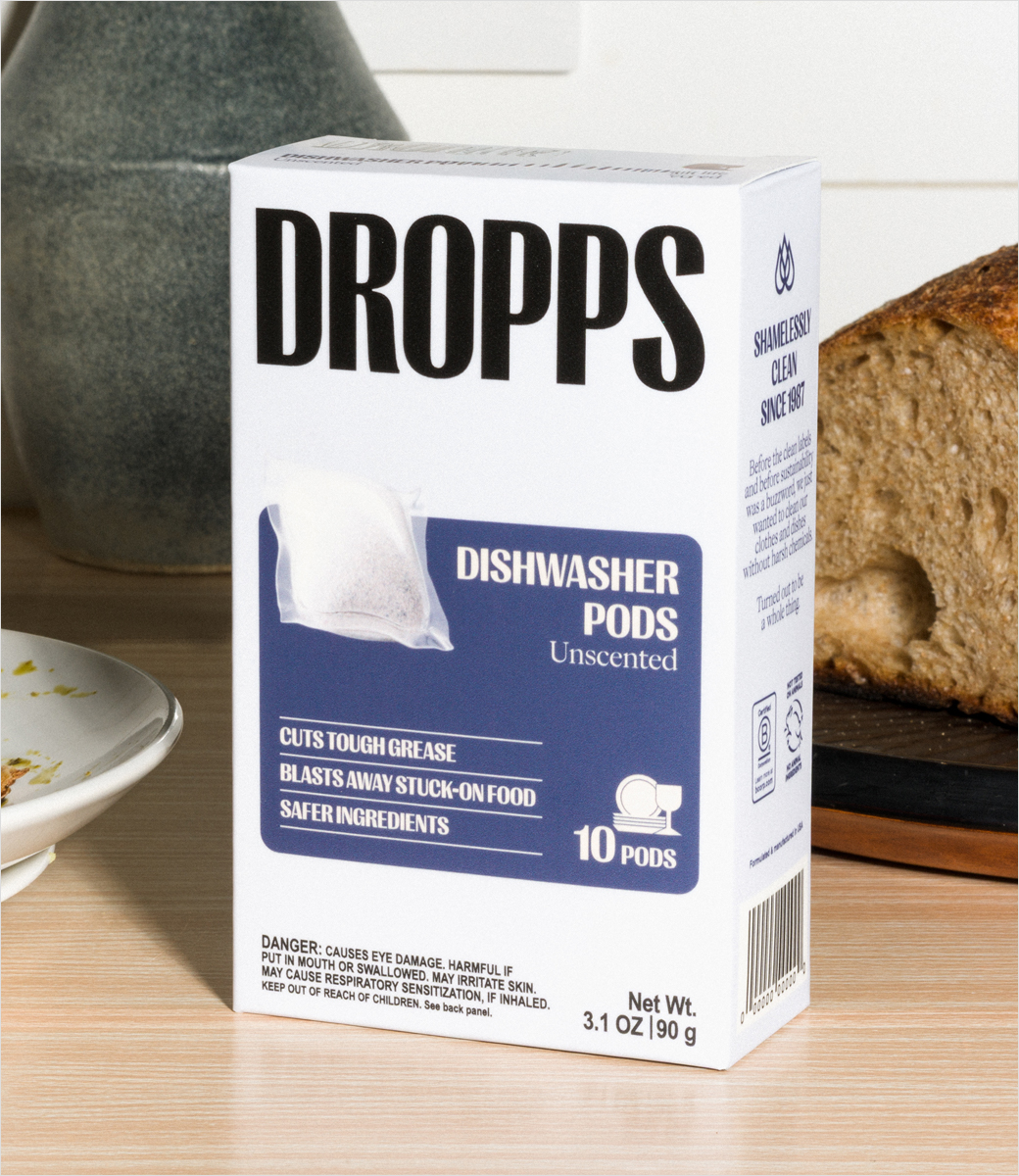
Finally, the visual transition toward a warmer, more vibrant aesthetic highlights a shift in how household brands communicate utility. Historically, cleaning products projected clinical sterility to assure buyers of germ-free efficacy. Dropps’ new strategy acknowledges that cleaning products live in domestic spaces—kitchens, laundry rooms, and bathrooms—where consumers increasingly desire objects that contribute to the home’s aesthetic rather than detract from it.
Future Outlook for Dropps
As the dust settles on the September 2026 launch, industry observers will be closely monitoring how existing loyalists and new demographic cohorts respond to the refreshed Dropps brand. The combination of a streamlined product architecture, a wellness-focused narrative, and a bolder visual identity positions the company favorably to capture market share from both conventional legacy conglomerates and emerging green competitors.
By anchoring its evolution in transparency ("Actually Clean"), scientific validation, and an empathetic understanding of domestic life ("Messy Life"), Dropps has laid a robust foundation for its next chapter of growth. Whether this bold creative bet translates into accelerated retail expansion and deeper customer loyalty will depend on execution, but the strategic direction signals a mature, forward-thinking enterprise ready to meet the demands of the modern conscious consumer.