

The landscape of social media management has undergone a profound transformation, evolving from simple scheduling interfaces into complex command centers for brand identity, audience engagement, and data-driven growth. As businesses, agencies, and independent creators increasingly juggle multiple platforms—ranging from professional networks like LinkedIn to short-form video hubs like TikTok—the selection of a management tool has become a critical operational decision. Two prominent solutions currently dominating the market, Buffer and RecurPost, offer fundamentally different approaches to content lifecycle management and team operations. Understanding the architectural differences between these platforms is essential for stakeholders looking to optimize their digital presence.
The Divergent Philosophies of Content Management
Buffer and RecurPost operate on distinct technical and strategic premises. Buffer’s architecture is centered on agility and the "fresh content" model. It is designed for users who prioritize the rapid creation, approval, and publication of new, timely material. The platform’s workflow is linear, emphasizing a seamless transition from the "Create" brainstorming space to the publishing queue. This makes it particularly effective for teams that operate in fast-paced environments where trends shift daily.
In contrast, RecurPost is built upon the "evergreen" philosophy. Its primary value proposition lies in the automation of content cycles, utilizing libraries that function on a looping basis. This system is designed to maximize the lifespan of individual posts, ensuring that high-performing content continues to circulate behind the scenes without manual intervention. While Buffer has recently introduced recurring post features, they remain secondary to its core functionality, whereas RecurPost’s library-based system is the foundational pillar of its infrastructure.

Comparative Pricing Models and Operational Costs
The financial structures of these two platforms reflect their target demographics. Buffer employs a channel-based pricing model that scales with the user’s needs, favoring transparency and predictable costs. Its "Team" plan is particularly noteworthy for including unlimited user seats, which removes the financial barrier for organizations that need to scale their workforce without increasing their software subscription overhead.
RecurPost utilizes a flat-rate plan structure supplemented by a-la-carte add-ons. This model can be highly cost-effective for smaller entities that do not require enterprise-level features. However, for organizations that require additional team members, advanced ad-boosting, or expanded AI credit usage, these costs can accumulate. For instance, while RecurPost’s base Agency plan is priced at $79 per month, the requirement for additional user seats ($20 each) and extra social profiles ($4 each) means that the "true cost" of the software is highly variable depending on the specific configuration of the agency.

A critical divergence exists in the availability of "freemium" options. Buffer maintains a permanent free-tier plan, which provides a gateway for solo creators to access essential features including analytics, basic inbox management, and API access. RecurPost does not offer a free tier, instead relying on a 14-day trial period to convert users. For the individual creator with a limited budget, this makes Buffer a more accessible entry point.
Analytical Capabilities and Reporting Standards
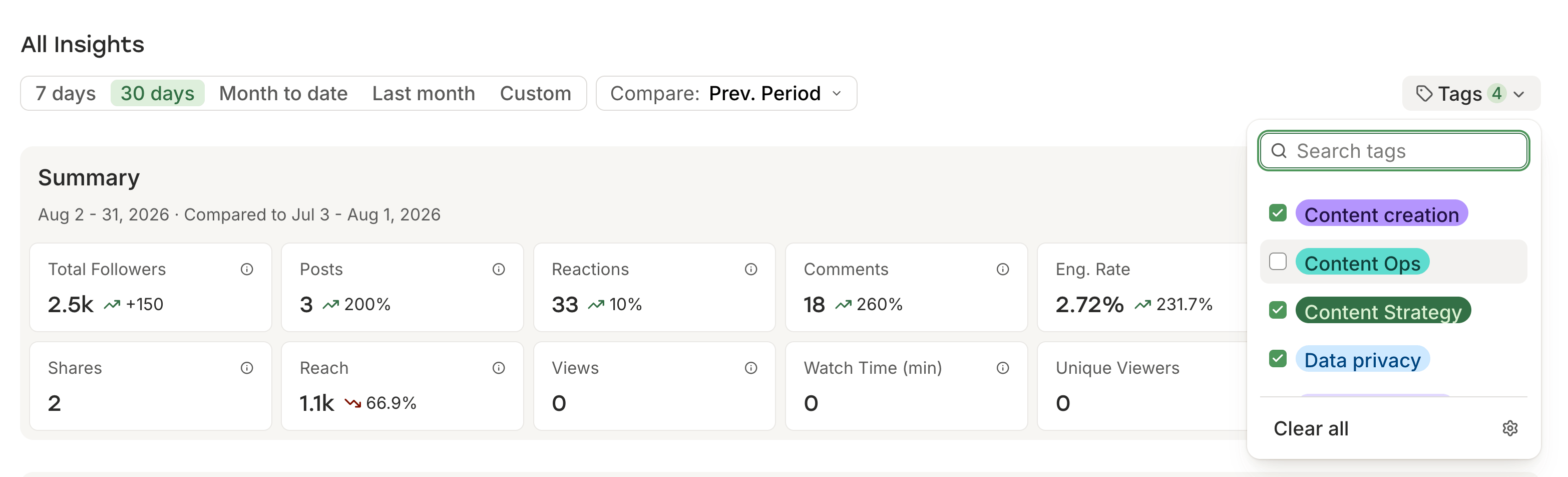
The approach to analytics further illustrates the strategic focus of each platform. Buffer’s "Insights" dashboard is engineered for quick, actionable intelligence. It provides a holistic view of social performance, allowing users to aggregate data across ten platforms. Its use of tagging—a system that allows users to categorize posts by topic or campaign—enables highly granular performance analysis. For example, a marketing manager can instantly view the performance of all content related to "Brand Awareness" versus "Direct Sales."
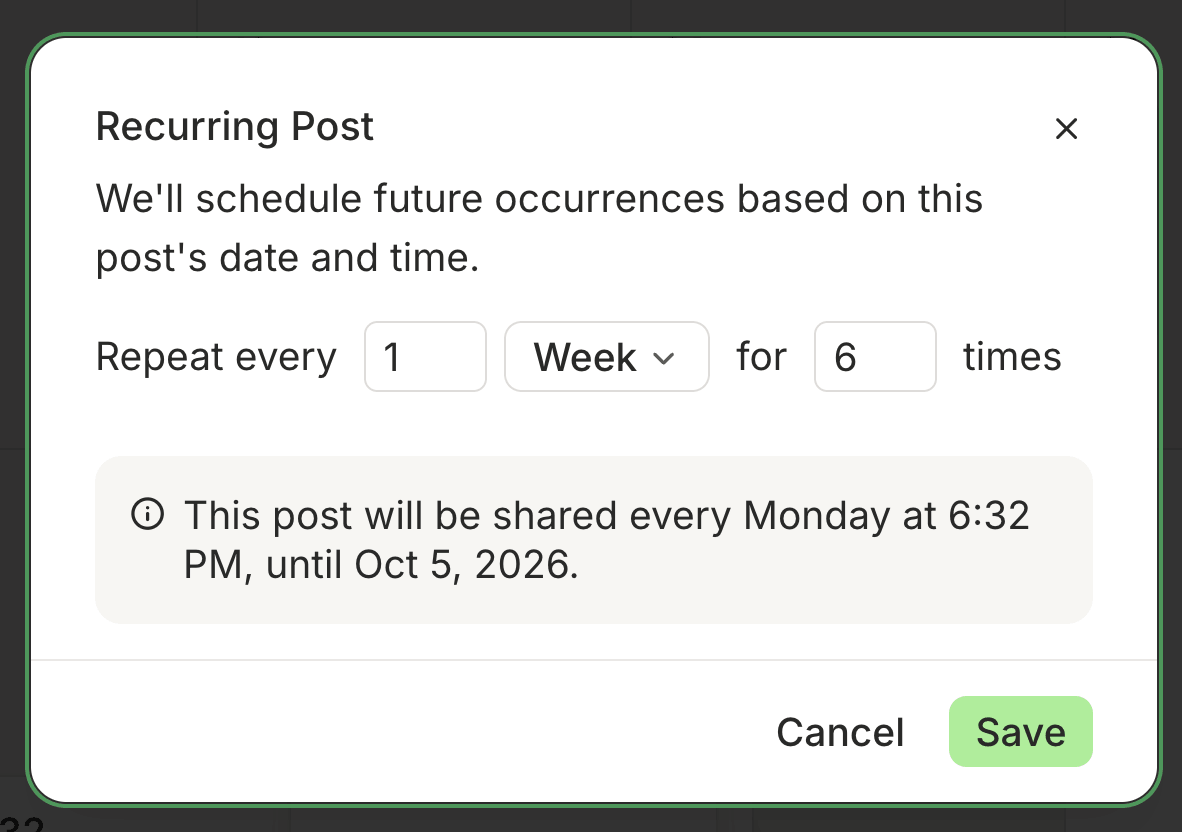
RecurPost, conversely, leans into the reporting requirements of agencies. Its analytical suite is designed for white-labeled, professional delivery, allowing users to customize charts and data visualizations to suit a client’s specific needs. The inclusion of audience demographics, publishing cadence, and deep-link click performance makes it a potent tool for agencies providing high-touch reporting services. However, the reliance on AI for data interpretation—while convenient—requires caution. As noted in performance audits, RecurPost’s AI chat sometimes provides generalized "best practice" advice when specific data points are unavailable, which may not always align with the nuanced reality of a specific client’s performance.
Team Workflow and Collaboration Dynamics
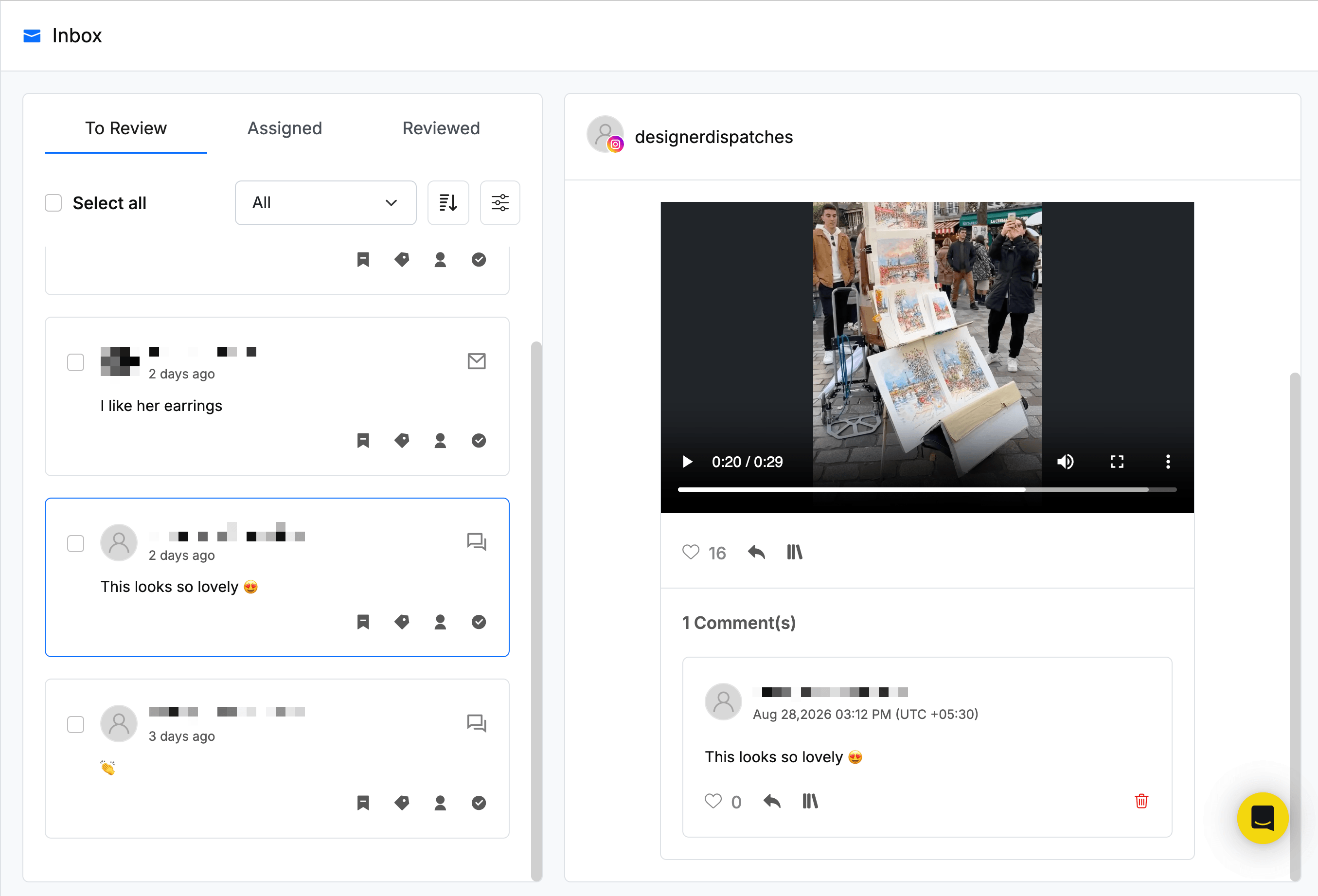
The collaboration features within these platforms reveal which is better suited for specific organizational hierarchies. Buffer’s permission-based system is robust, allowing for precise control over who can draft, edit, and approve content on a per-channel basis. This enforced approval workflow is a significant advantage for corporate or agency environments where brand safety and message consistency are paramount. Because the "Team" plan allows for unlimited users, it encourages a collaborative environment where clients or stakeholders can be given restricted access to review content without the account owner incurring additional fees.

RecurPost uses a "Workspace" model to maintain separation between clients. This is ideal for agencies that manage diverse portfolios where cross-contamination of content or data must be strictly avoided. Each workspace acts as a silo containing its own media, team members, and reports. While this structure is excellent for organization, it lacks the strict, enforced approval workflows found in Buffer. In RecurPost, once a user has access to a workspace, they typically have the autonomy to schedule or reply to messages without the "four-eyes" oversight that many enterprise-level clients demand.
The Role of Artificial Intelligence and Automation
Artificial Intelligence (AI) has become a primary differentiator in the social media management space. Buffer’s AI Assistant is deeply integrated into the creation process, offering unlimited drafting, repurposing, and refinement capabilities on all plans. The absence of a strict credit cap for publishing assistance makes it a tool that can be used extensively throughout the workday without concern for usage limits.

RecurPost offers a more diverse, albeit capped, AI suite. Its ability to generate high-quality, branded graphics directly within the platform is a significant advantage over Buffer, which lacks native image generation. RecurPost also provides specialized AI-driven templates for seasonal events. However, the presence of monthly credit caps (100 for posts, 10 for images) and the lack of a clear, persistent credit counter during sessions can introduce friction for power users.
API Access and Developer Ecosystems
For technical users or businesses looking to integrate social media data into proprietary dashboards or custom workflows, the disparity between the two platforms is clear. Buffer has invested heavily in an "open" philosophy, providing developer documentation, a dedicated Developer Advocate, and an active Discord community. The platform’s support for the Model Context Protocol (MCP) allows users to bridge their social media operations directly into tools like Claude or ChatGPT, effectively creating a custom-tailored social media engine.
RecurPost possesses an API, but it is largely undocumented and unsupported. While a skilled developer can utilize it to pull data or trigger actions, the lack of an ecosystem means that the user is essentially operating in a vacuum. For the vast majority of users, this may be irrelevant; however, for companies that prioritize automation and custom software architecture, Buffer represents a significantly more reliable partner.
Conclusion and Strategic Recommendations
The choice between Buffer and RecurPost should be dictated by the specific needs of the user. Video-first creators and agencies focused on the evergreen, automated lifecycle of content will find RecurPost’s library and Instagram-specific toolkits to be powerful assets. Its ability to handle complex video uploads and white-label reporting for clients makes it a specialist tool.
For the broader market—including solopreneurs, growing businesses, and agencies that require strict collaboration controls—Buffer is the more versatile and resilient choice. Its combination of a robust free tier, unlimited team member seats, and a well-supported developer ecosystem provides a foundation that is difficult to surpass in terms of long-term scalability and operational reliability. Potential users are encouraged to utilize the trial periods provided by both platforms to test their specific content workflows against these feature sets.