

Managing a digital presence in 2026 has evolved from a simple task of posting updates into a complex operation requiring synchronization across diverse ecosystems. As social media platforms continue to fragment, creators, small business owners, and enterprise marketing teams are increasingly reliant on centralized management software to maintain consistency. These platforms serve as the command centers for modern digital strategy, enabling users to orchestrate content calendars, manage cross-platform engagement, and derive actionable insights from massive datasets without the inefficiency of manual, per-platform logins.
The Evolution of Social Media Management
The demand for these tools has grown alongside the rising complexity of digital marketing. In the early 2010s, social media management was largely manual; today, it is an automated, data-driven discipline. According to recent market analysis, the social media management software market is projected to reach significant valuation milestones by 2027, driven by the integration of Generative AI and real-time social listening capabilities.
The current landscape is defined by a shift toward "unified commerce," where social platforms are not just channels for engagement, but endpoints for customer service and direct sales. Consequently, the tools used to navigate these spaces have shifted from simple scheduling dashboards to robust suites that incorporate Customer Relationship Management (CRM) integration, influencer tracking, and automated sentiment analysis.

Comparative Analysis of Top Management Platforms
Selecting the correct tool requires an understanding of one’s specific operational scale. The market is currently bifurcated between solutions built for individual agility and those engineered for enterprise-grade governance.
1. Buffer: The Scalable Standard for Creators
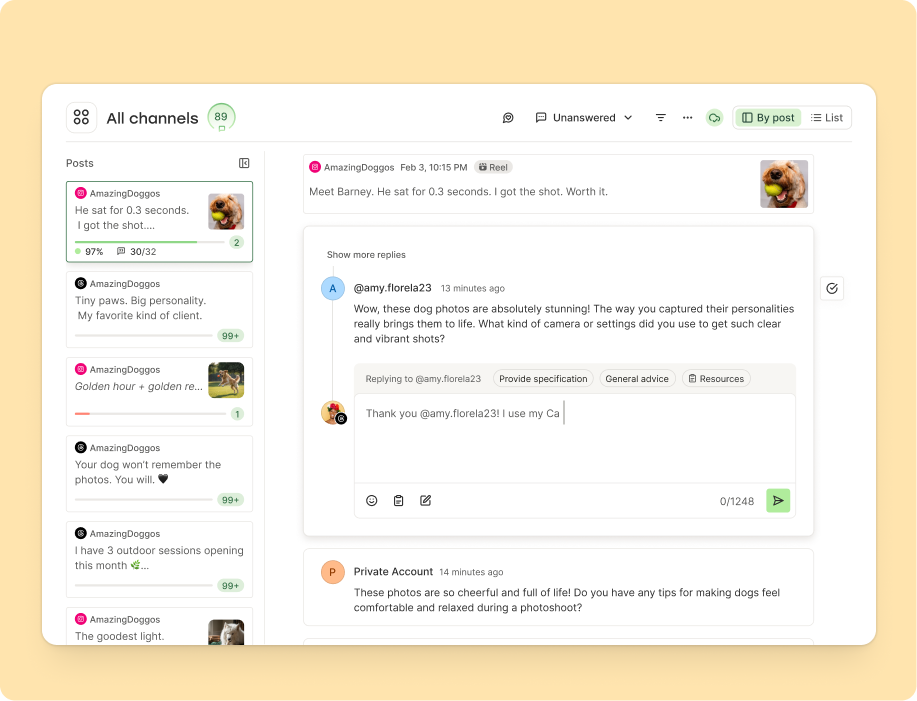
Buffer remains a primary choice for lean teams and solo creators. Its architecture is built on a "per-channel" pricing model, which provides a low barrier to entry. By offering a functional "forever-free" plan, it allows small businesses to test their digital strategy before committing to financial overhead. Its recent updates include AI-assisted post generation and a unified "Community" inbox, which significantly reduces the time spent on manual comment moderation.
2. Hootsuite: Enterprise-Grade Listening
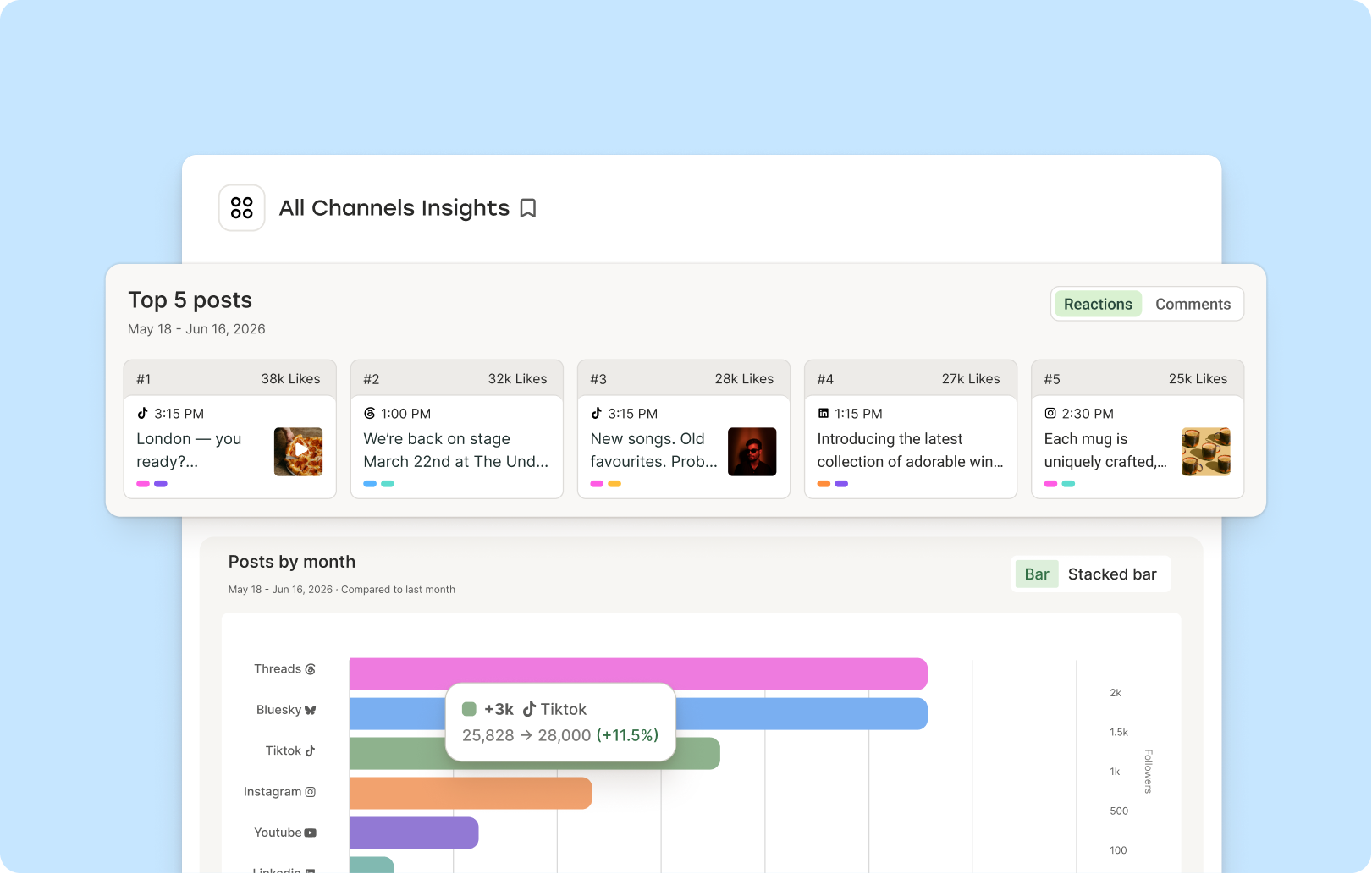
For organizations operating at scale, Hootsuite continues to leverage its acquisition of Talkwalker to offer industry-leading social listening. Unlike smaller tools, Hootsuite is designed to process high volumes of data, allowing brands to monitor global sentiment and crisis management in real-time. The $199/month starting price point positions it firmly as a tool for established marketing departments rather than independent creators.
3. Tailwind: Niche Optimization
Tailwind exemplifies the value of specialized software. By focusing exclusively on Pinterest—and to a lesser extent, Instagram—it offers a unique value proposition: automated pin design and algorithmic scheduling. Its "SmartSchedule" feature is calibrated to the specific performance metrics of Pinterest, making it an essential utility for e-commerce brands where visual discovery is the primary driver of traffic.

4. SocialPilot: The Agency Solution
SocialPilot has carved out a market share by catering to agencies. Its standout feature is the white-label client dashboard, which allows agencies to present analytics and pending content to clients under their own branding. This reduces the friction in the approval process, a perennial pain point for digital agencies managing dozens of accounts simultaneously.
5. Zoho Social: The Ecosystem Advantage
For businesses already embedded in the Zoho ecosystem, Zoho Social offers seamless connectivity. Its primary advantage is the integration with Zoho CRM and Desk. This creates a closed-loop system where a social media comment can trigger a support ticket, ensuring that marketing and customer service functions are never siloed.
Data-Driven Selection Criteria
When evaluating these tools, industry analysts recommend focusing on five key performance indicators (KPIs) to ensure long-term utility:
- Network Compatibility: The ability to support emerging platforms like Bluesky or Threads alongside established networks is essential for future-proofing a brand.
- Reporting Granularity: Basic metrics such as "likes" or "follower counts" are increasingly viewed as vanity metrics. Modern tools must provide data on conversion rates, buyer-journey attribution, and sentiment scores.
- Collaboration Architecture: For teams larger than three, granular user permissions and multi-layer approval workflows are non-negotiable to ensure brand safety and prevent unauthorized posting.
- Scalability: Costs must be assessed based on 12-to-24-month projections. Tools that charge per user can become prohibitively expensive as a team grows.
- Specialized Utility: Whether it is AI-driven image detection (Sprinklr) or DM automation (Manychat), the tool must address a specific bottleneck in the user’s existing workflow.
The Impact of Automation and AI
The integration of Artificial Intelligence into these platforms has fundamentally altered the role of the social media manager. Automation now handles 24/7 engagement through chatbots and comment-triggered workflows, while AI agents assist in repurposing long-form content into platform-specific snippets. However, this has also raised concerns regarding brand authenticity.
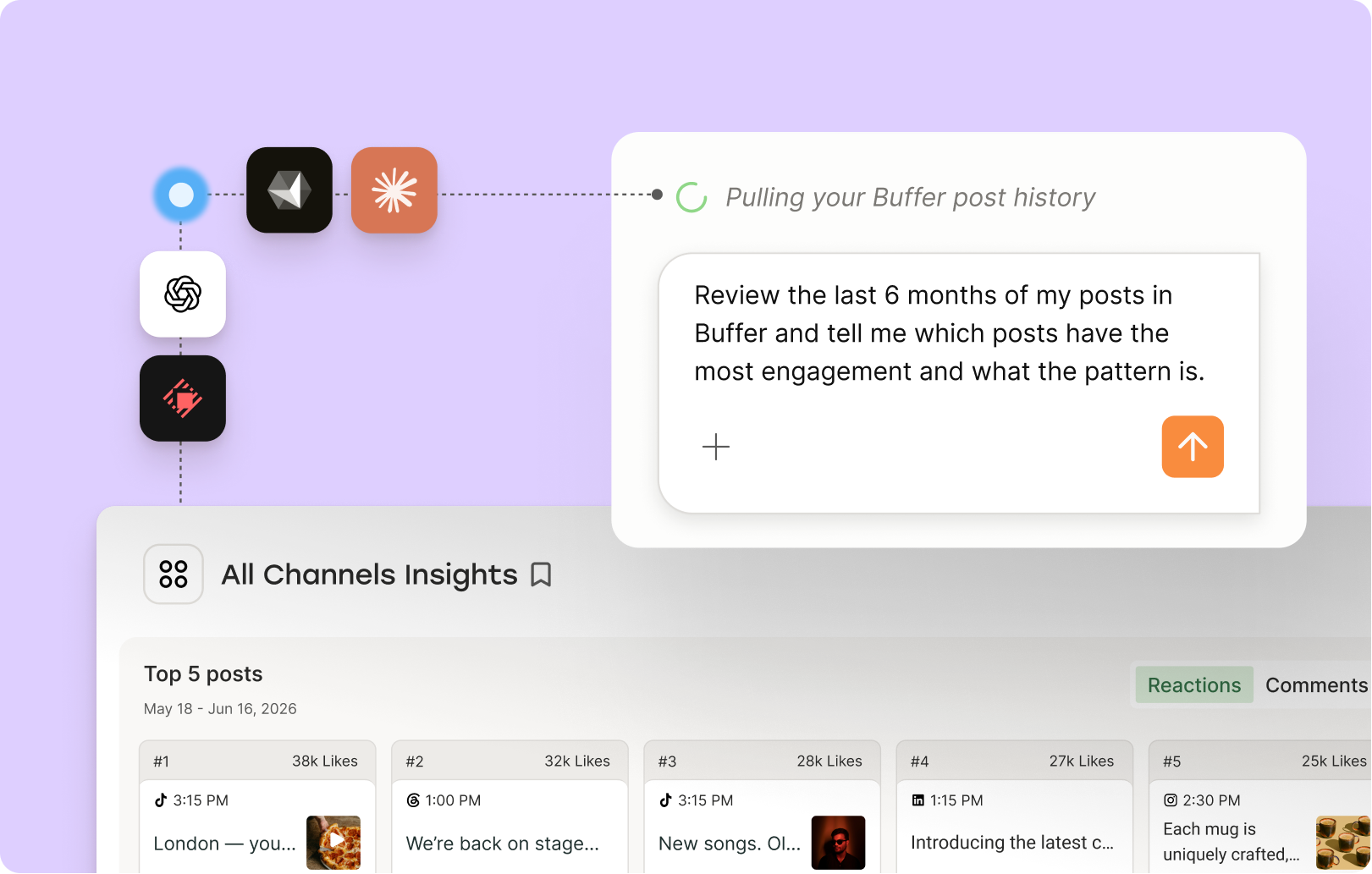
Industry experts warn that while AI can increase output, the reliance on automated content risks a loss of "human touch." Consequently, the most effective teams are those that use tools to handle the logistical heavy lifting—scheduling, reporting, and moderation—while reserving creative production for human oversight.
Broader Implications for Digital Strategy
The shift toward centralized social media management reflects a broader trend in digital marketing: the pursuit of total visibility. As the digital funnel becomes more fragmented, the ability to track a user from their first interaction on a social platform to their final purchase is the "Holy Grail" for marketing professionals.
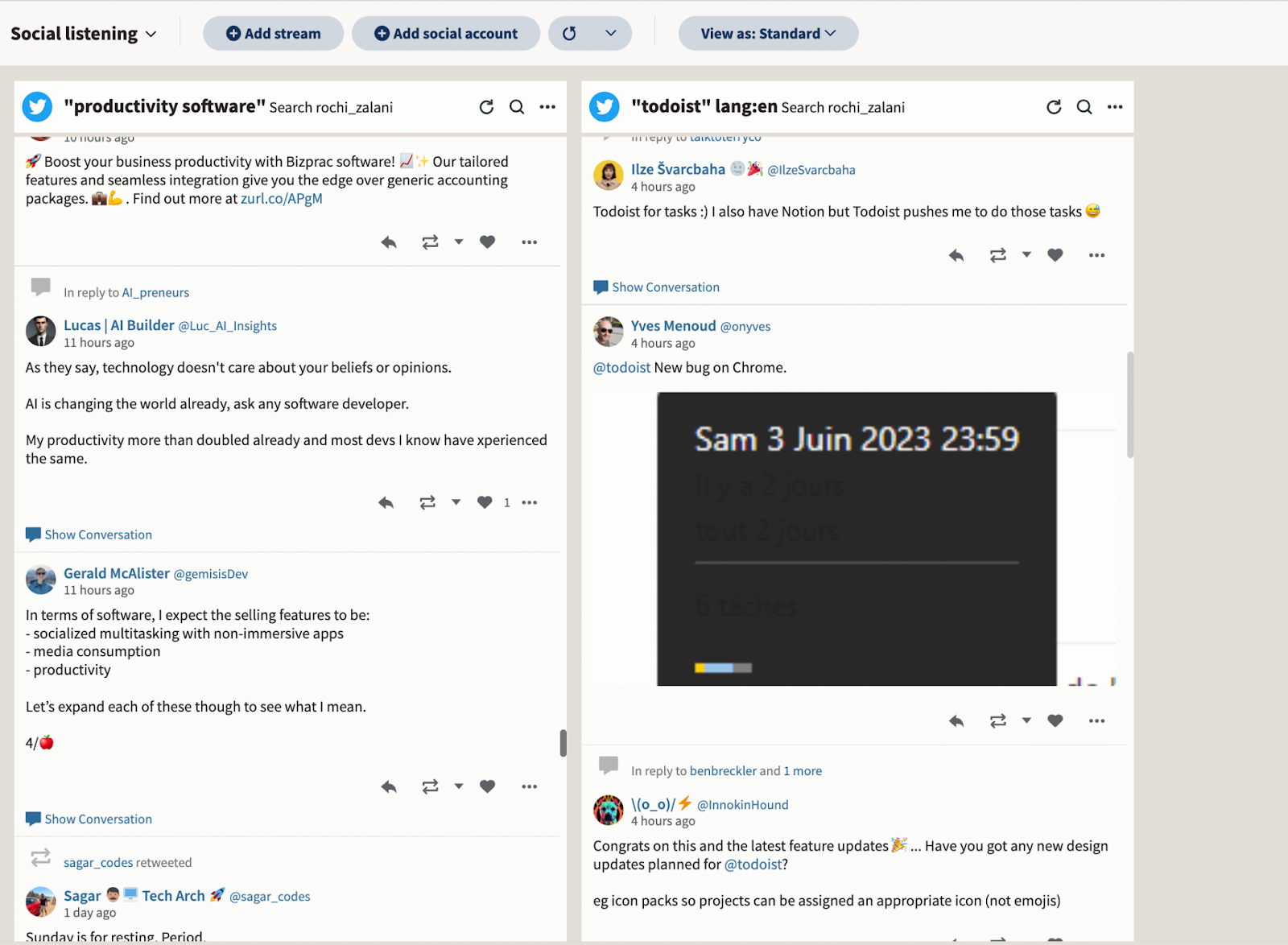
Platforms like Oktopost and Sprinklr are at the forefront of this, treating social media as a core component of the business intelligence stack. By assigning campaign tags to every post, these tools allow companies to calculate the direct Return on Investment (ROI) of their social presence, effectively ending the era of treating social media as a separate, unmeasurable expense.
Strategic Recommendations
For those currently evaluating their social media stack, the advice from industry veterans is consistent: start with your primary goal. If the objective is community growth and brand awareness, lean toward versatile, user-friendly tools like Buffer. If the goal is lead generation and complex B2B sales, prioritize platforms that offer robust CRM integration and buyer-journey tracking.
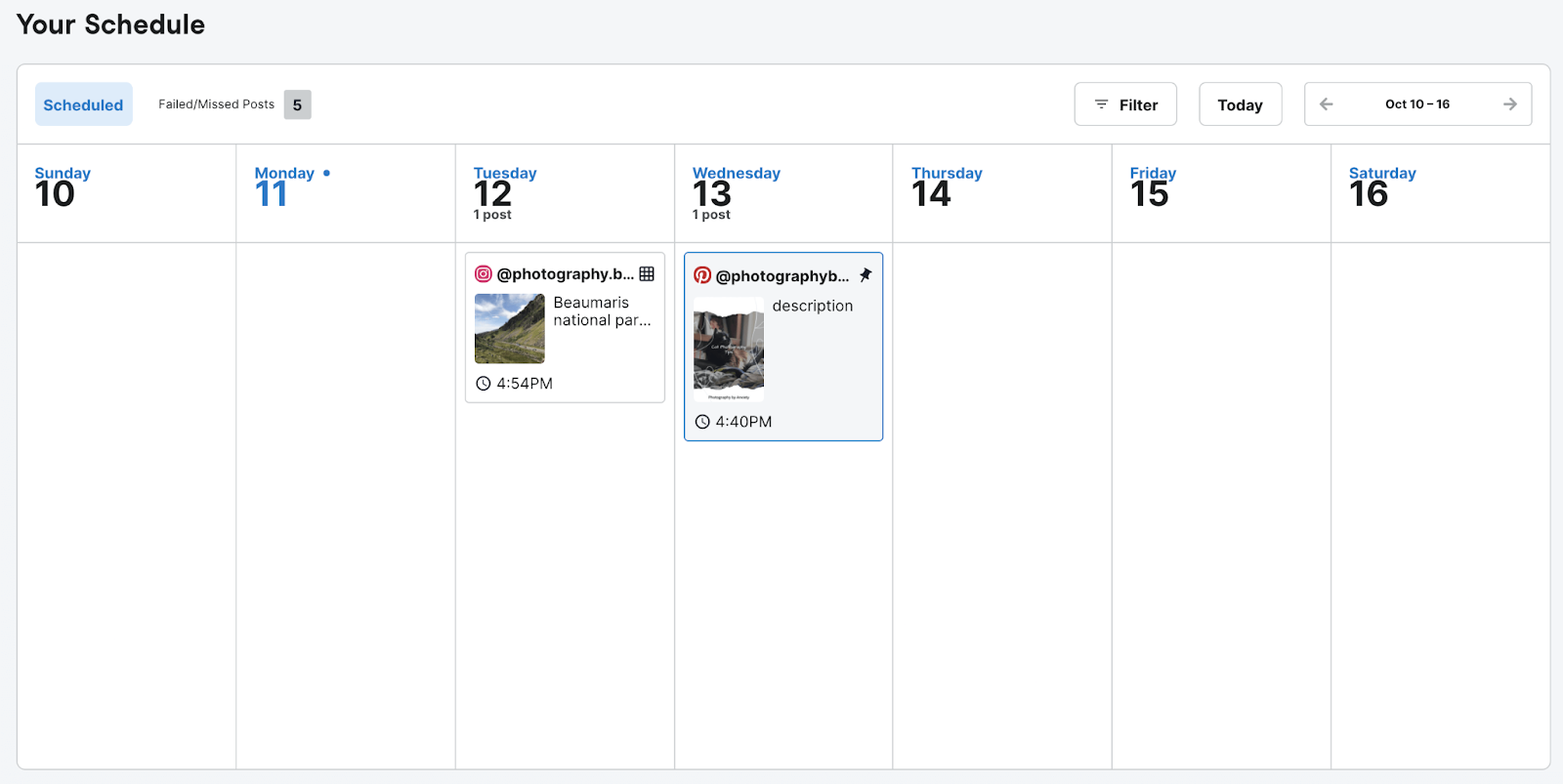
Before finalizing a subscription, organizations should utilize the 14-to-30-day free trials common among these providers. During this trial period, it is imperative to test the tool under real-world conditions: upload a full week’s worth of content, engage with the community inbox, and run a comprehensive report. If the software does not demonstrably reduce the time spent on manual administration within the first two weeks, it is likely not the right fit for the specific needs of the team.
Ultimately, the best tool is not necessarily the one with the most features, but the one that the team will use with consistency. Regular, high-quality output remains the single most significant factor in social media success, and the right management tool is simply the vehicle that enables that consistency.