

The Evolution of Search: From Ranking to Retrieval
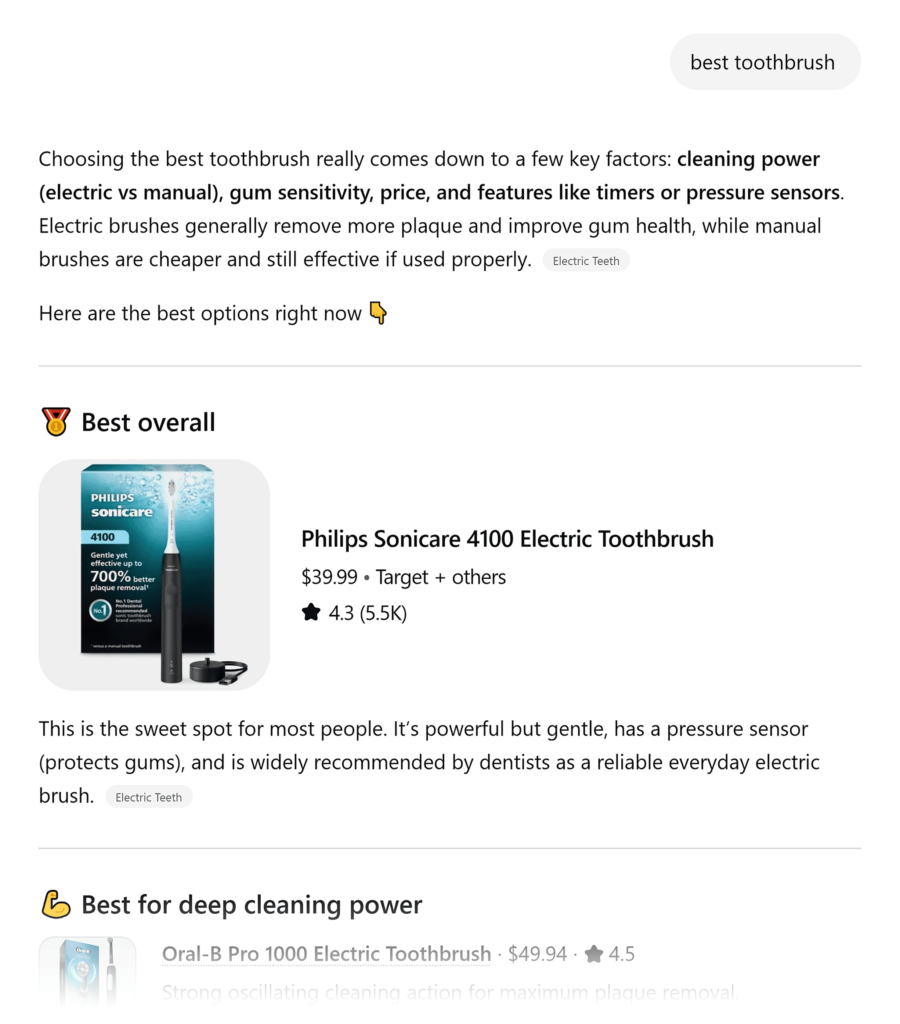
In the traditional search paradigm, a user enters a keyword, and a search engine provides a list of websites ranked by authority and relevance. In the AI search paradigm, the system does not merely point to a destination; it synthesizes a comprehensive answer. To do this accurately, AI models employ query fan-out to break a single, often vague, user prompt into a series of detailed sub-queries. This process allows the AI to "fan out" its search across the internet, pulling from editorial sites, social media threads on platforms like Reddit, technical documentation, and product comparison pages.
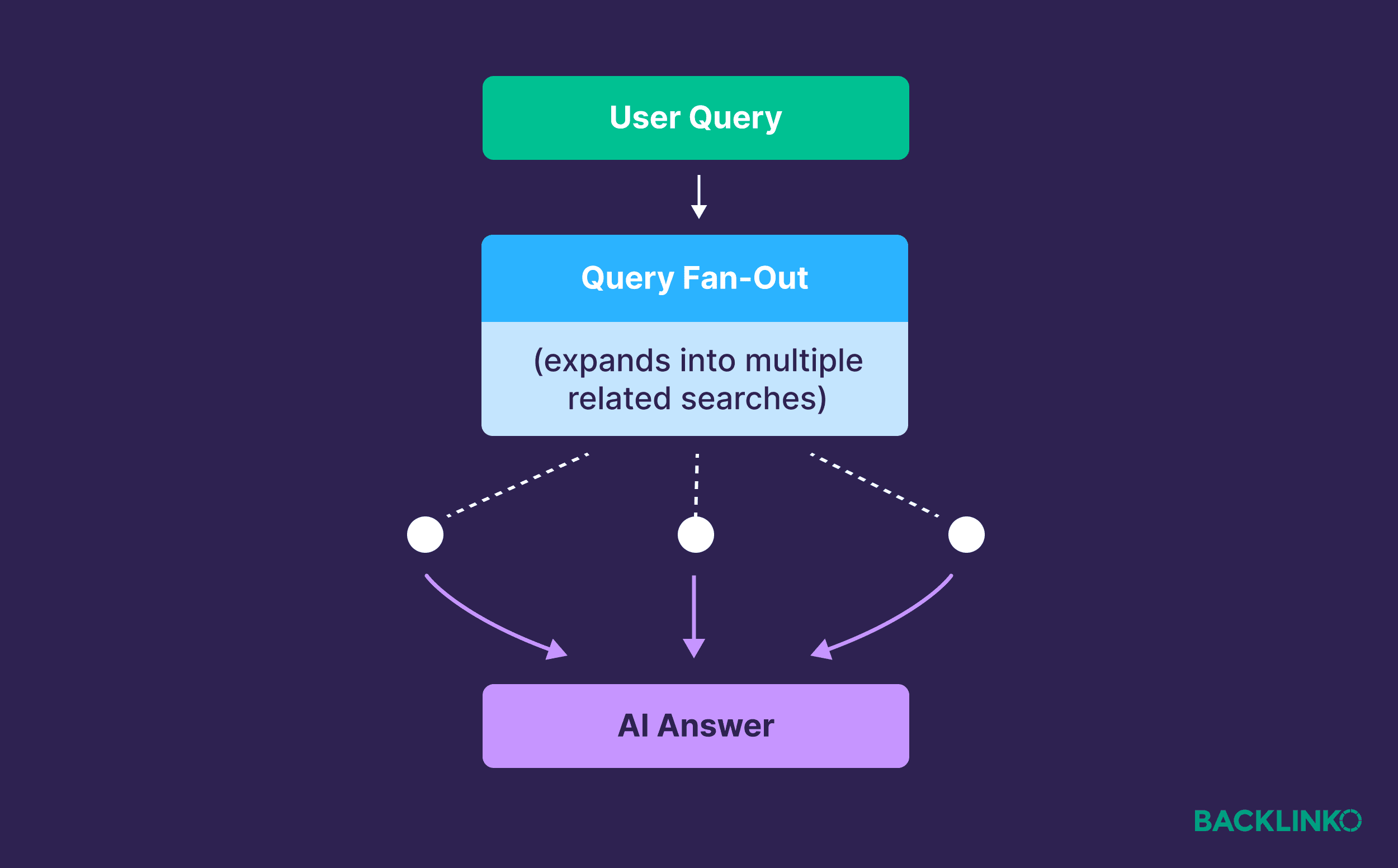
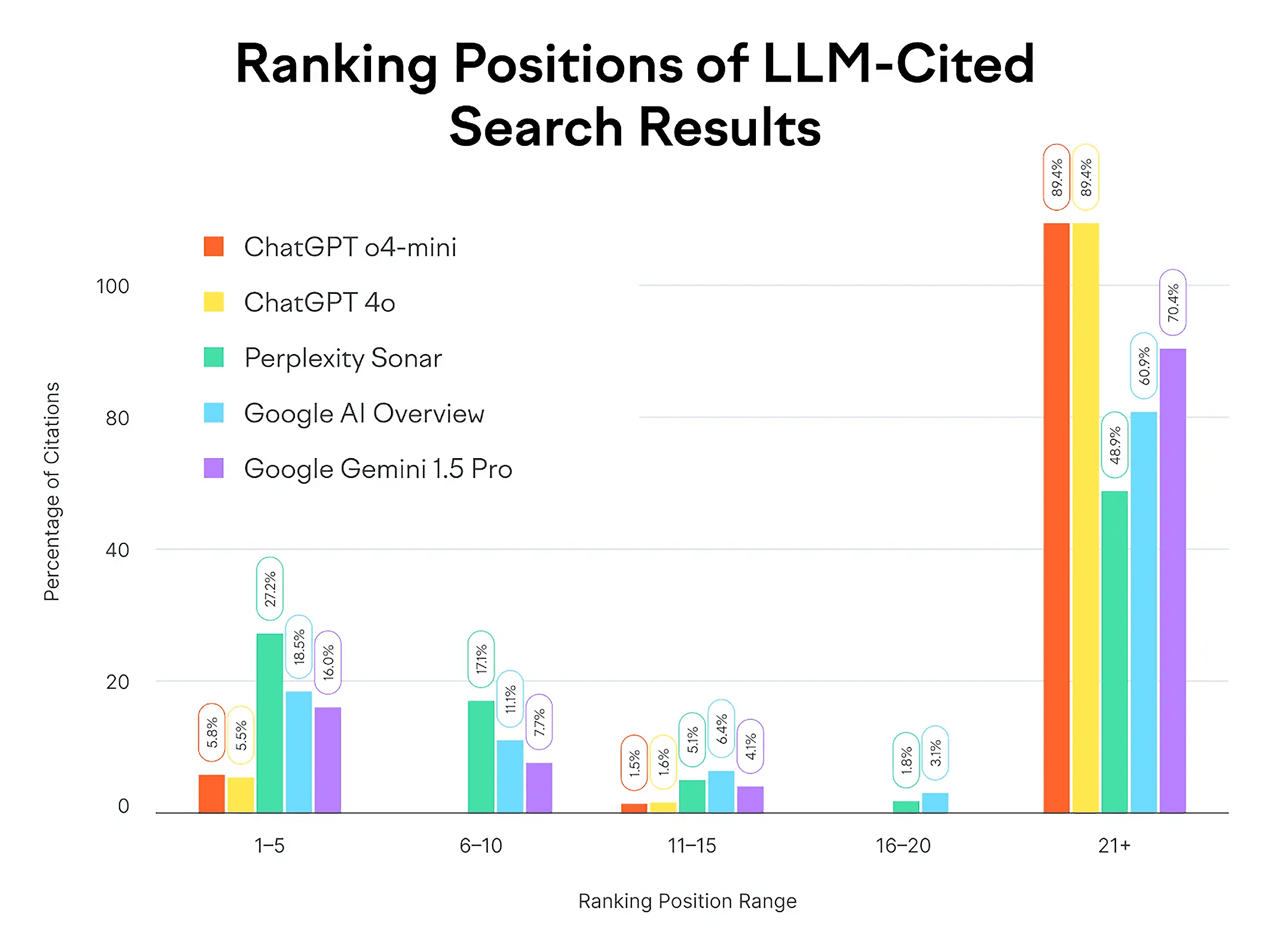
This shift has profound implications for brand visibility. According to industry studies, including research conducted by Semrush, ChatGPT cites pages in search positions 21 or lower nearly 90% of the time. This suggests that AI models prioritize the specific utility of a passage over the general authority of a domain. Consequently, a brand can dominate the first page of Google for a competitive keyword and still remain invisible to an LLM if its content is not structured to satisfy these background sub-queries.
Understanding the Mechanism of Query Fan-Out
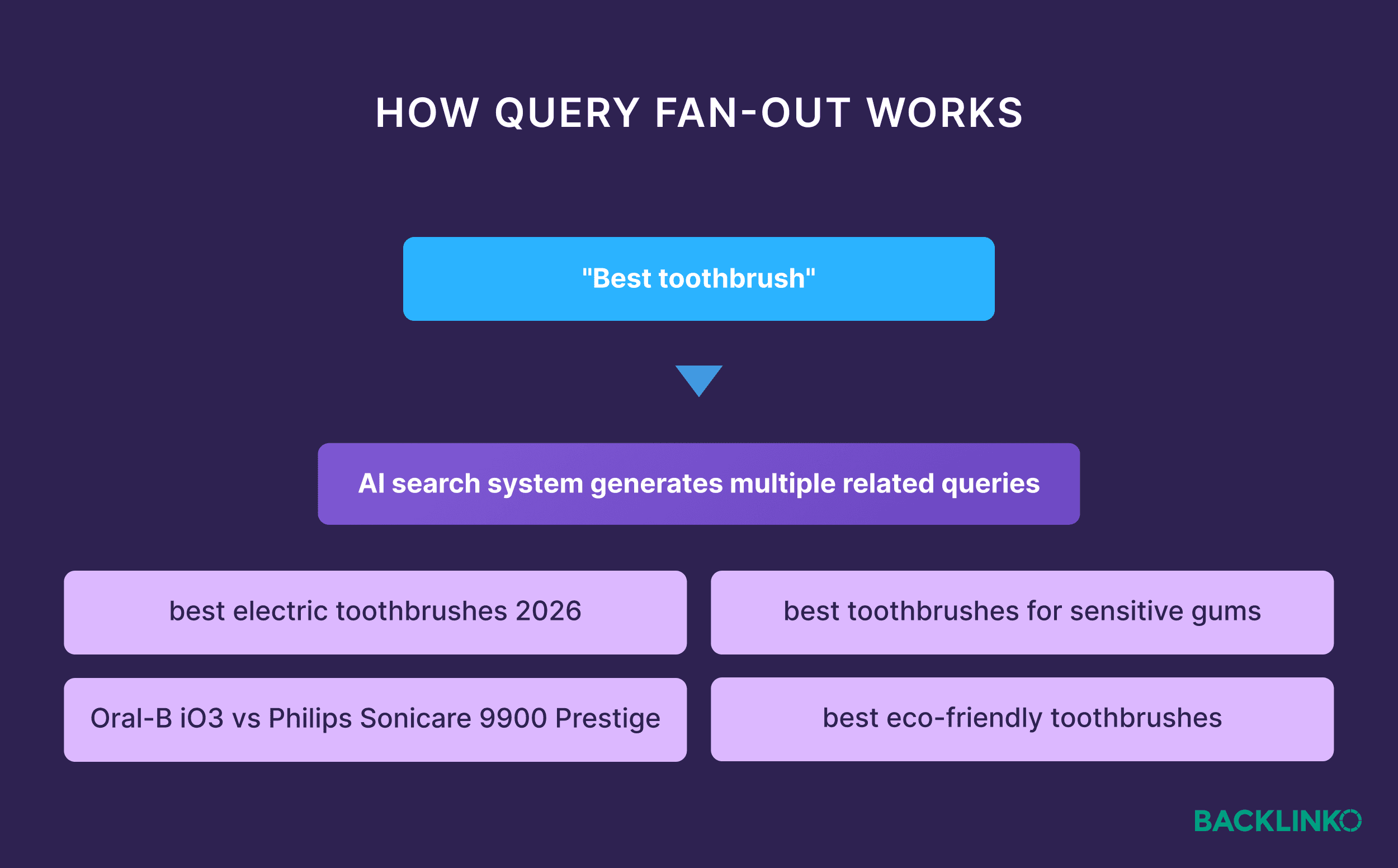
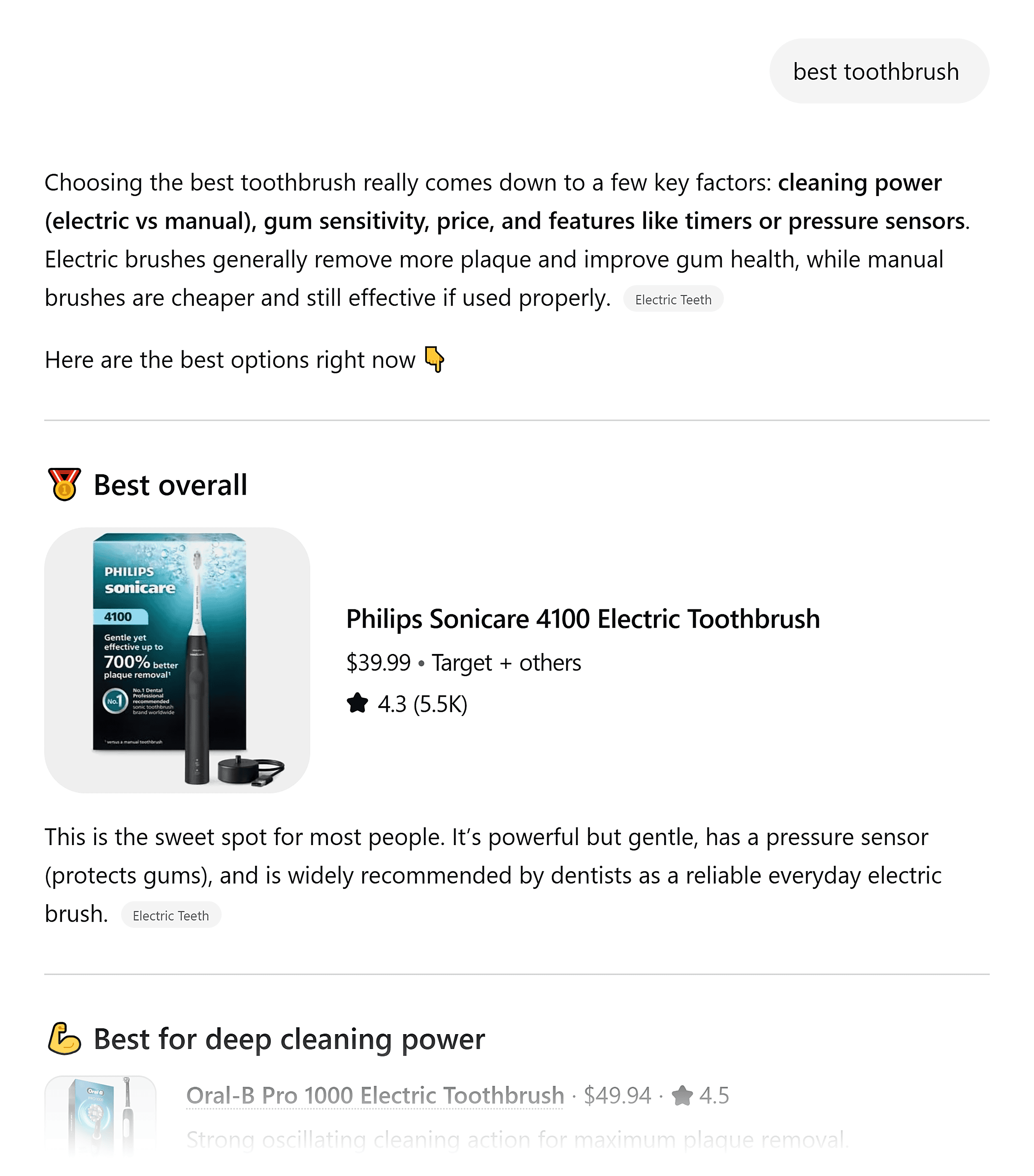
Query fan-out is essentially a multi-step research process performed by the AI in milliseconds. When a user asks a question such as "What is the best toothbrush?" the AI does not simply look for the top-ranked page for that specific string. Instead, it generates sub-queries to build a holistic view of the topic. These might include "top-rated electric toothbrushes 2024," "best toothbrushes for sensitive gums," "Oral-B vs. Philips Sonicare comparisons," and "eco-friendly toothbrush options."
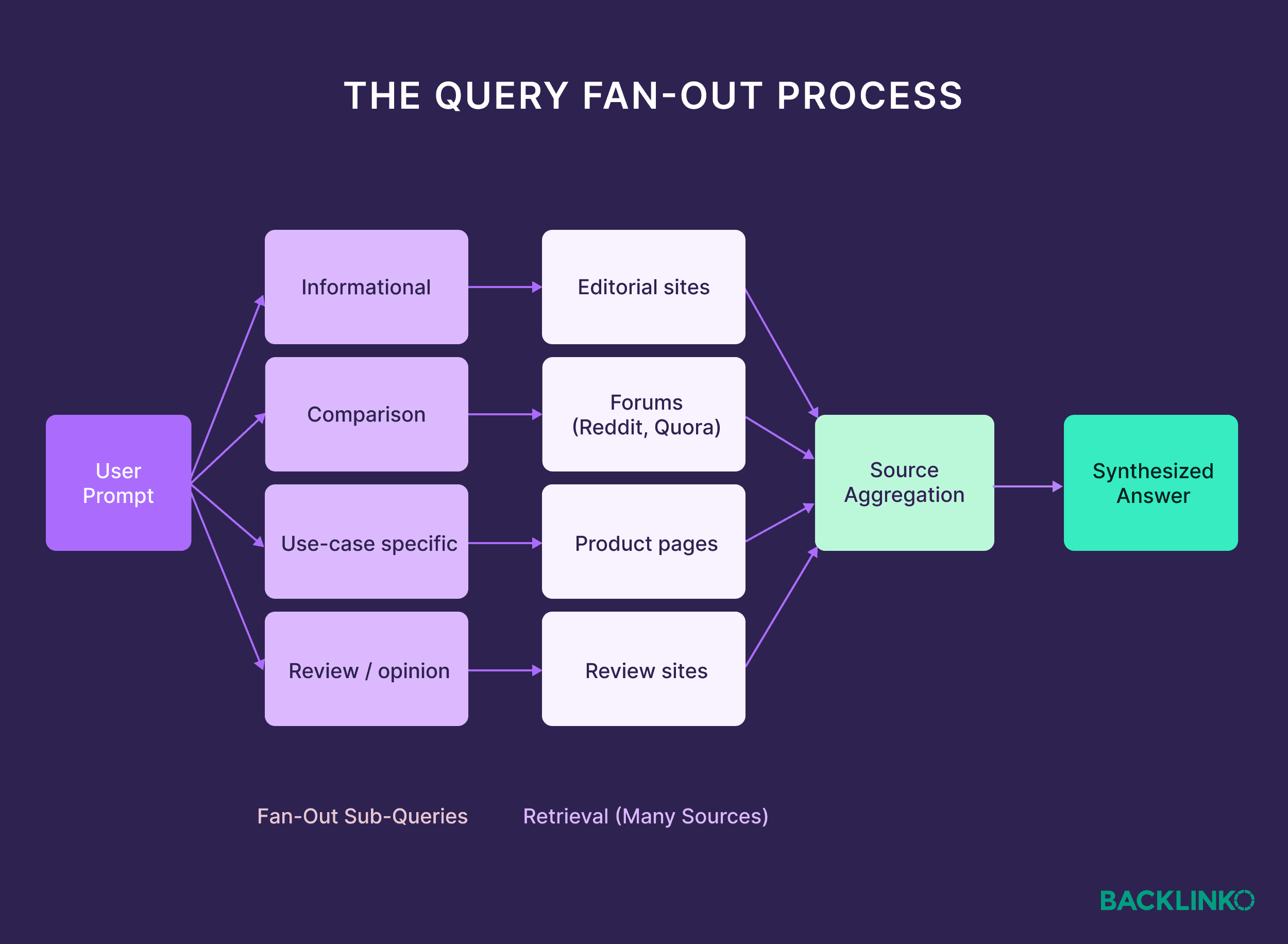
By retrieving information for each of these sub-topics, the AI can synthesize an answer that anticipates the user’s next several questions. It moves the user from the "awareness" stage to the "decision" stage in a single interaction. The AI systems use this method for three primary reasons: to clarify ambiguous intent, to provide a comprehensive overview of a topic, and to ensure the most current and reliable data is used, regardless of where that data sits in a traditional search index.
The Data Behind AI Citations and User Behavior
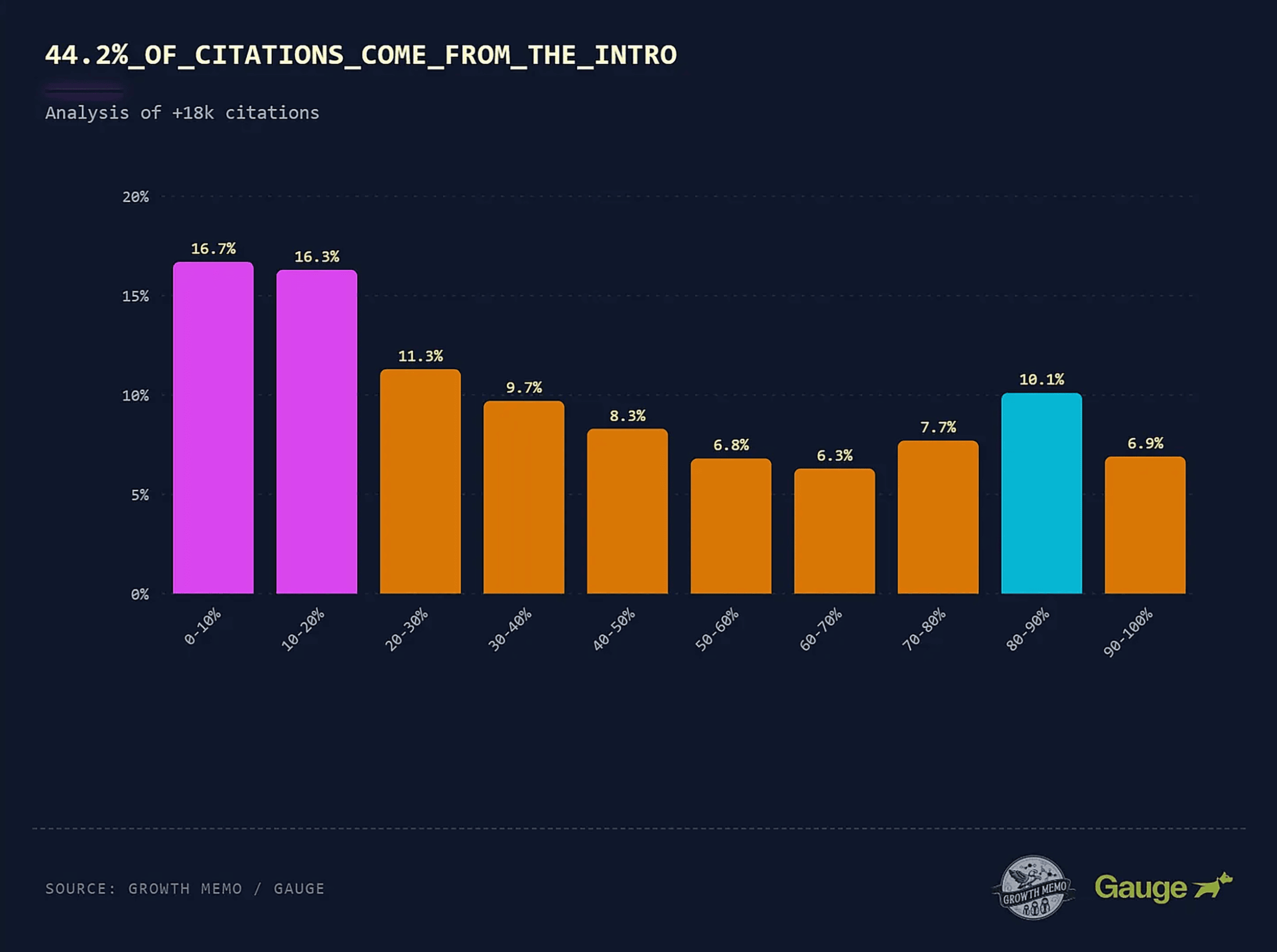
Recent analysis by growth advisor Kevin Indig, which examined over 1.2 million ChatGPT responses, provides a roadmap for how AI "consumes" content. The study found that 44.2% of citations in ChatGPT come from the first 30% of a webpage. The middle third of a page accounts for 31.1% of citations, while the final third contributes 24.7%. This data highlights the importance of "front-loading" information. AI models are designed to find the most direct answer as efficiently as possible; if a webpage buries its most valuable insights under a long introduction, the AI is likely to bypass it during the retrieval phase.
Furthermore, the "retrievability" of content is now as important as its quality. Because AI systems scan for specific passages rather than entire pages, content must be modular. A well-structured article that uses clear, descriptive subheadings and concise paragraphs is significantly more likely to be "snagged" by a query fan-out process than a long-form essay with a narrative structure.
The Strategic Framework: Optimizing for AI Visibility
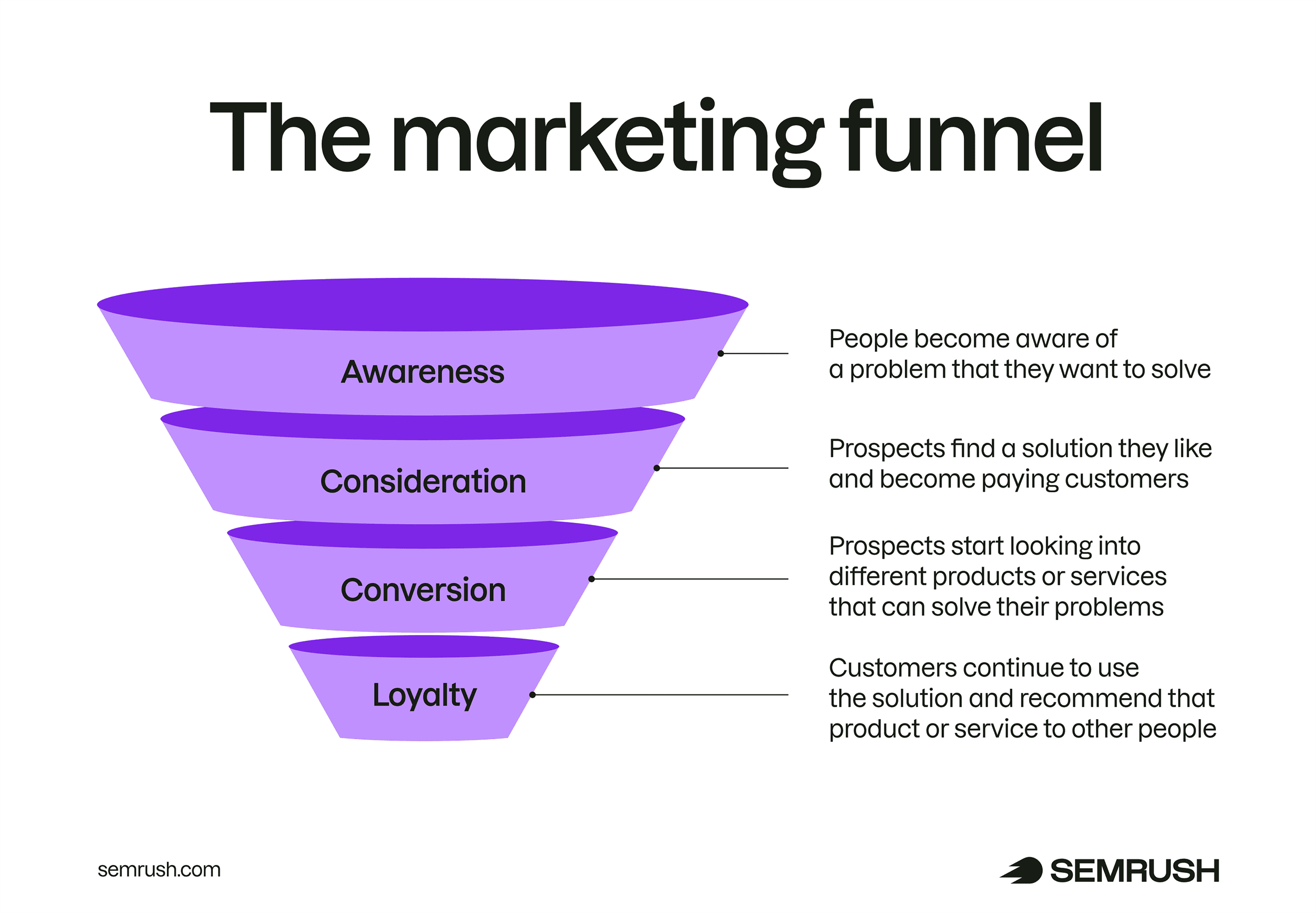
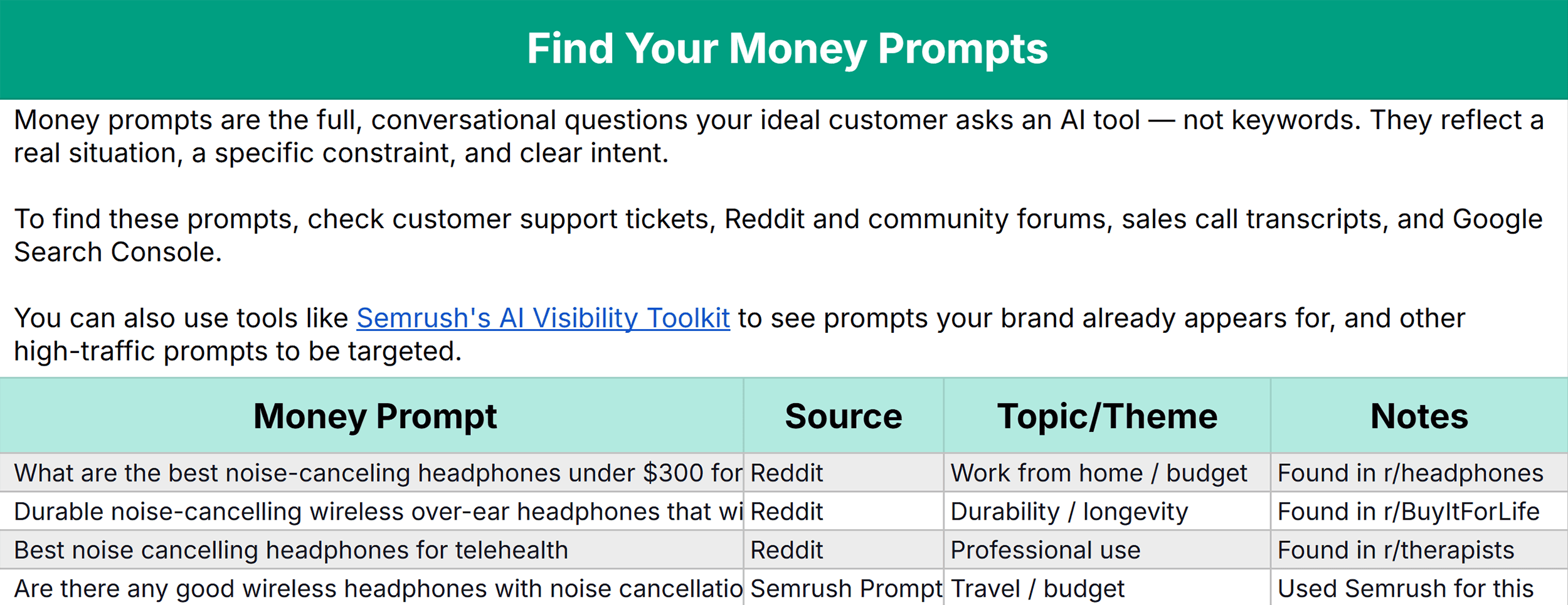
To adapt to this new reality, marketing professionals must move beyond keyword targeting and toward "Money Prompt" optimization. A Money Prompt is the conversational equivalent of a high-intent keyword—it is the specific question a customer asks an AI when they are ready to solve a problem or make a purchase.
Step 1: Identifying Money Prompts
The first step in a modern AI strategy is identifying the prompts your audience is actually using. This requires looking beyond traditional search volume and examining conversational data from forums, customer support transcripts, and AI-specific research tools. For example, instead of targeting "noise-canceling headphones," a brand might target the money prompt: "What are the most durable noise-canceling headphones for a frequent traveler under $300?"
Step 2: Generating Fan-Out Sets
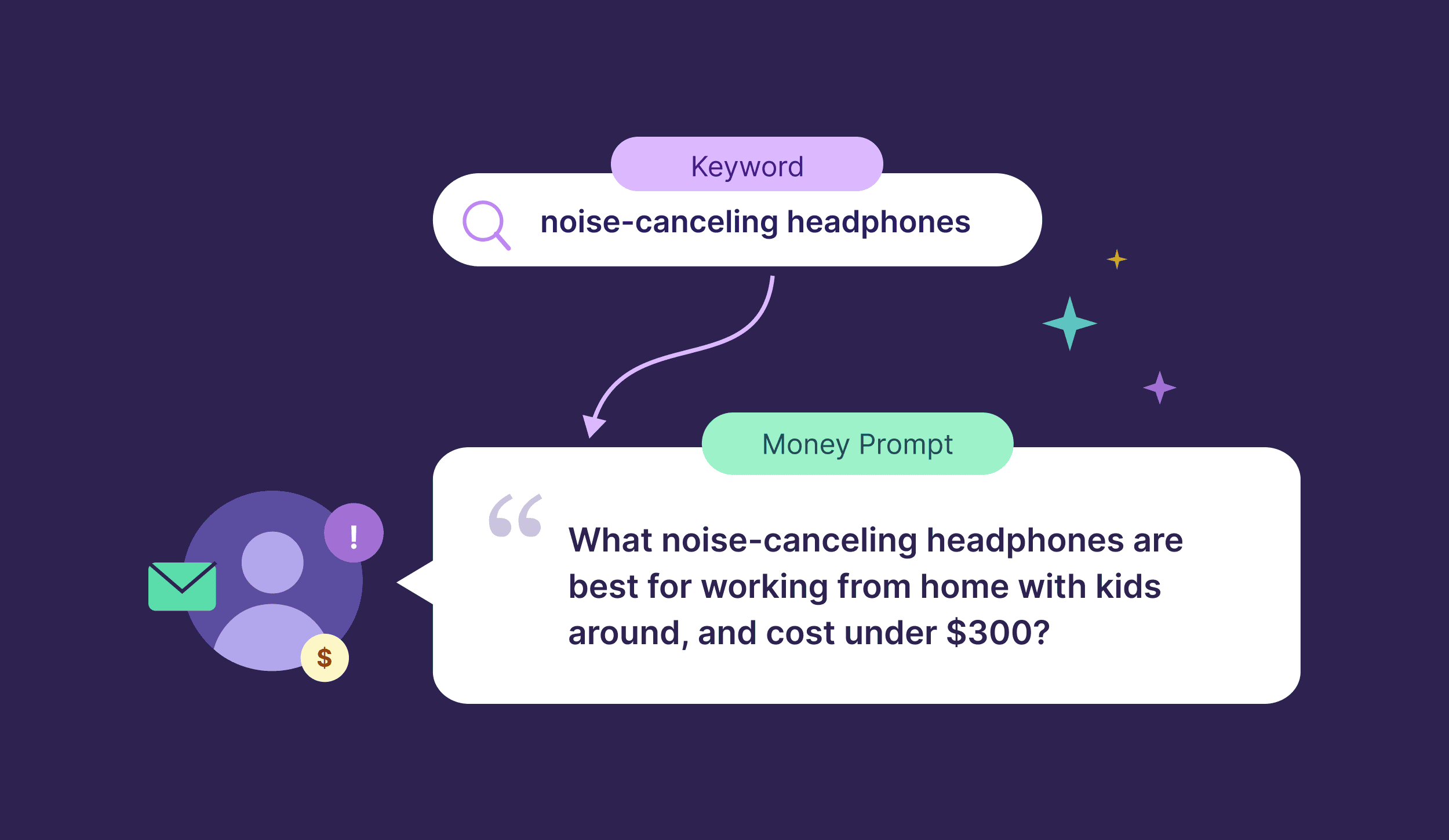
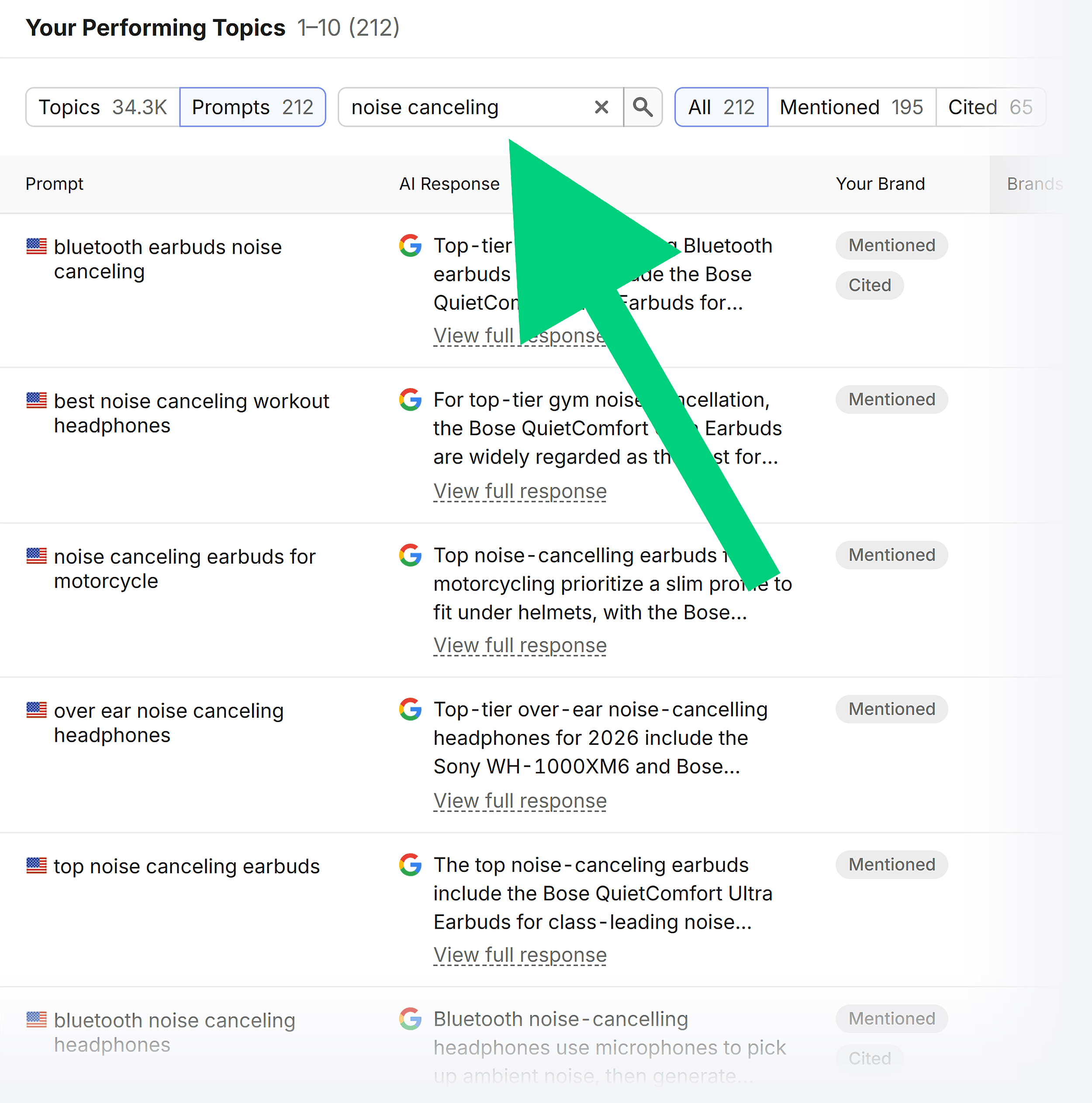
Once a Money Prompt is identified, marketers must determine how an AI will break that prompt down. This can be done by running the prompt through various LLMs and observing the sub-topics they prioritize. Tools like the ChatGPT Query Fan-Out extension or manual "thinking mode" analysis can reveal the internal search logic of these models.
Step 3: Intent Bucketing
Sub-queries generally fall into specific categories: definitions, comparisons, recommendations, troubleshooting, pricing, and social proof. By bucketing sub-queries, brands can determine what type of content they need to produce. A "comparison" bucket requires a head-to-head table, while a "troubleshooting" bucket requires a clear, step-by-step "how-to" guide.

Step 4: The Content Gap Audit
Using the "site:" operator in traditional search engines, brands can audit their own domains to see if they have content that directly addresses each sub-query in a fan-out set. If a brand finds that it mentions a topic but does not resolve it directly, that represents a "partial coverage" gap that must be filled to earn an AI citation.

Step 5: Structuring for Extraction
To ensure AI models can use the content, it must be formatted for machine readability. This includes using H2 and H3 tags that mirror common questions, utilizing bulleted lists for specifications, and ensuring that every section of a page can stand alone as a complete answer. The goal is to provide "self-contained" passages that do not require the AI to read the entire page to understand the context.
Platform-Specific Behaviors in Query Fan-Out
Not all AI platforms handle query fan-out in the same manner, and understanding these nuances is critical for a diversified strategy.
- ChatGPT: Often relies on its internal training data for general knowledge but triggers live web searches for current events, product comparisons, and specific data points. It tends to favor sources that provide high-quality editorial consensus.
- Perplexity: This platform is unique in that it runs two layers of fan-out simultaneously. It searches for real-time web data while also scanning the user’s conversation history to provide a personalized response. This makes "self-contained" content even more vital, as the AI may pair a brand’s data with a context the brand cannot predict.
- Claude: Known for its "Constitutional AI" approach, Claude often asks clarifying questions to the user before running sub-queries. This results in fewer but more highly targeted searches.
- Google AI Overviews (SGE): These summaries synthesize Google’s massive index into a condensed format. While Google does not expose its sub-queries, it is clear that AI Overviews favor content that is already optimized for featured snippets—direct, factual, and well-structured.
The Collapse of the Buying Journey
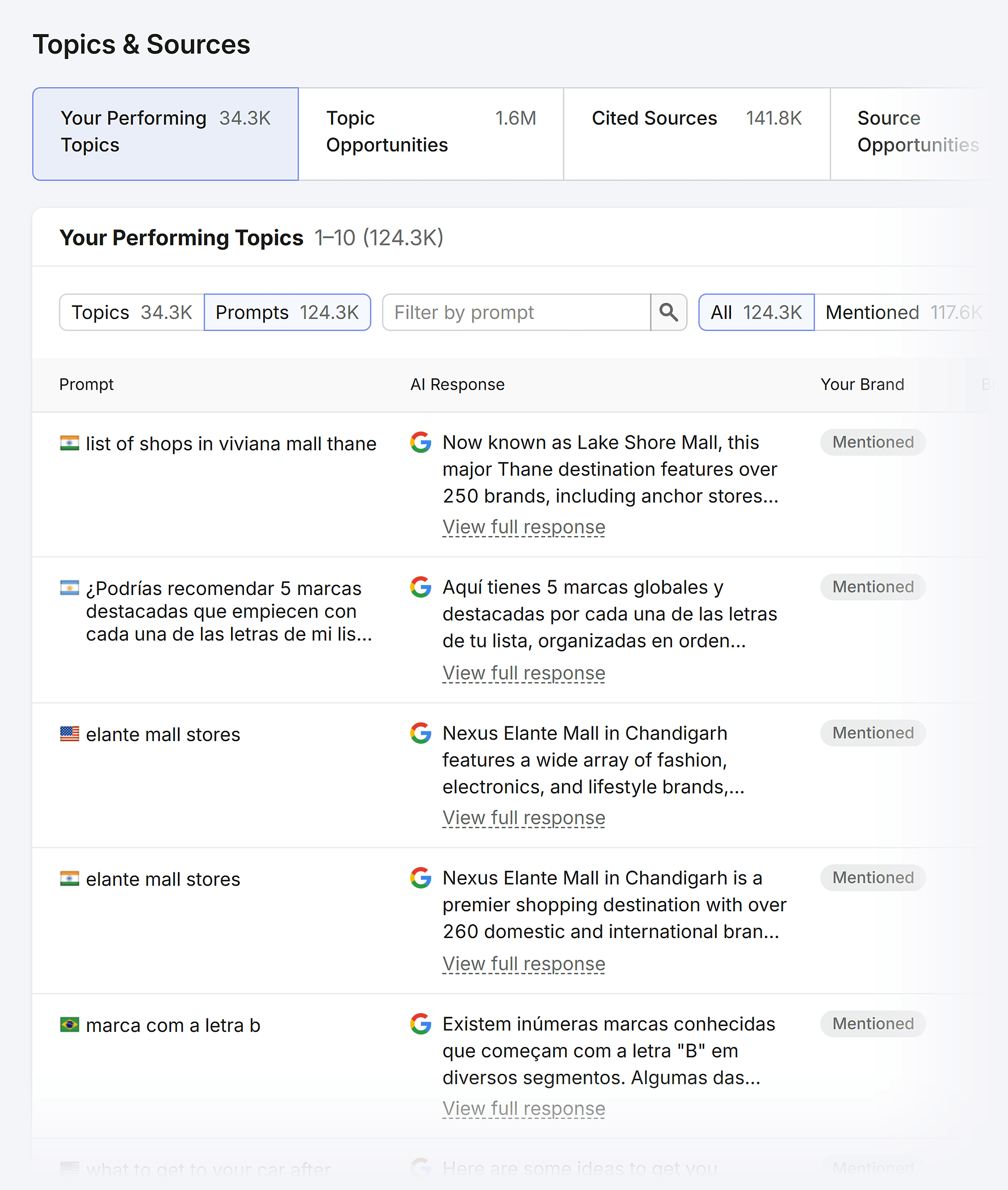
One of the most significant implications of query fan-out is the "collapse" of the traditional marketing funnel. Historically, a buyer moved linearly from awareness to consideration and finally to a decision. Marketers created different content for each stage. However, because query fan-out pulls from awareness-level context (what is this?), consideration-level data (how does it compare?), and decision-level specifics (how much does it cost?) all at once, the entire buying journey now happens in a single interaction.
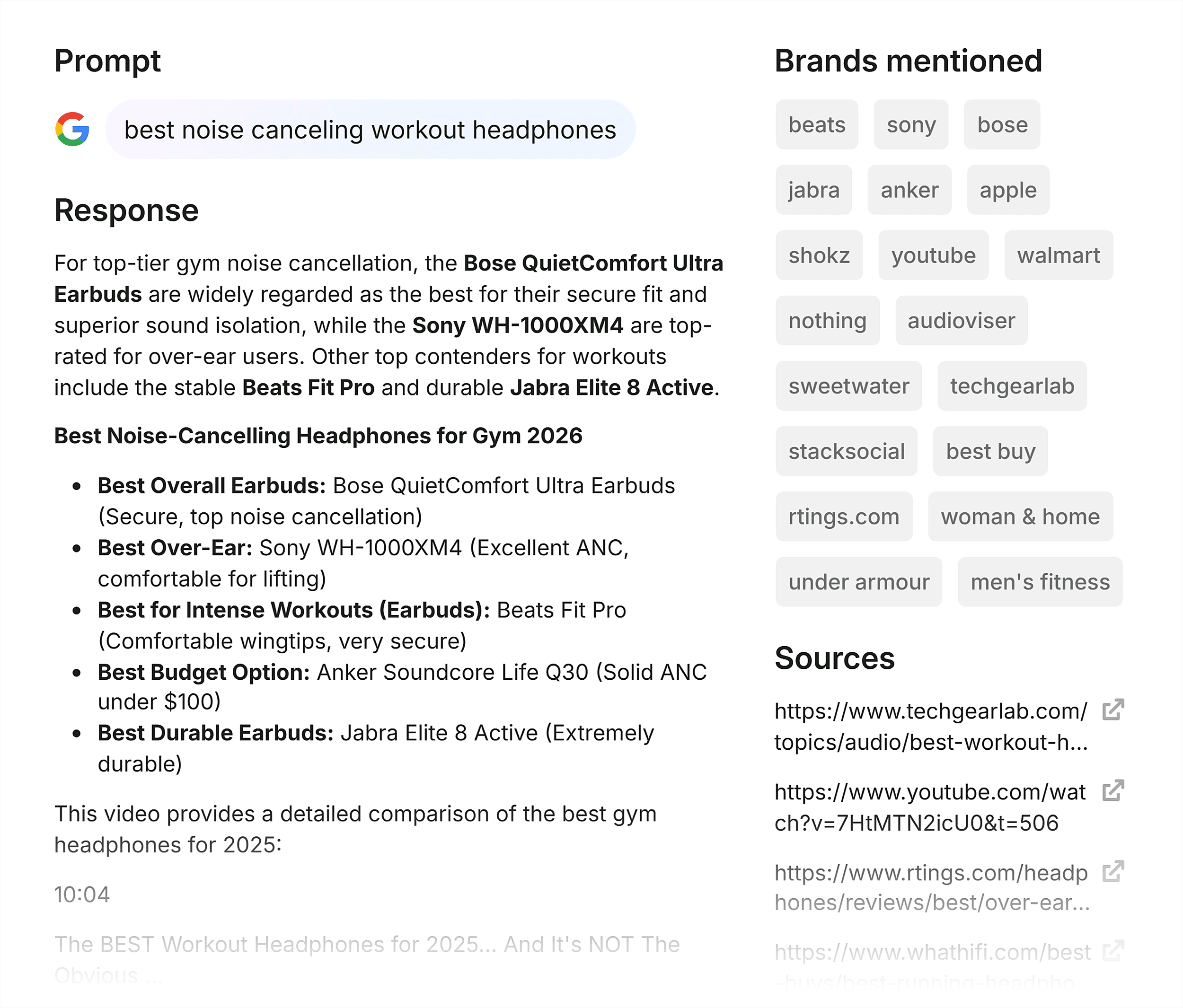
If a brand’s content only covers the "decision" phase but lacks the "awareness" context, the AI may pass it over in favor of a competitor that provides a more holistic answer. To remain competitive, every piece of content must be "full-funnel" in its utility, providing enough depth to satisfy the AI’s need for comprehensive data.
Measuring Performance and Broader Implications
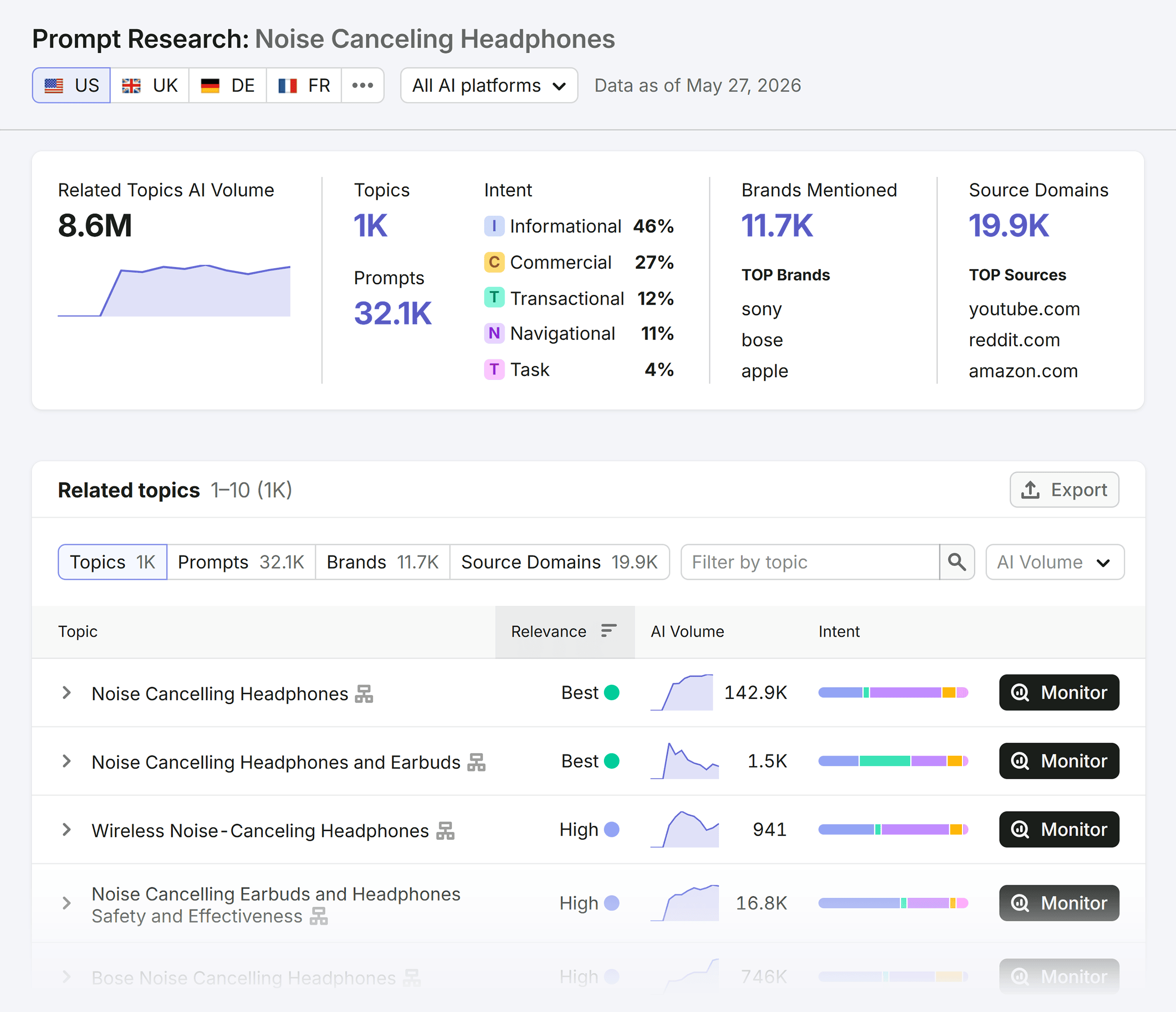
Tracking success in the era of AI search requires new metrics. Traditional "rank tracking" must be supplemented with "mention tracking" and "sentiment analysis." Tools like Semrush’s AI Visibility Toolkit and Perception trackers allow brands to see how often they are cited compared to competitors and whether the AI’s tone regarding the brand is positive, neutral, or negative.
The emergence of query fan-out marks the end of the "gatekeeper" era of search, where a few dominant domains could control the first page of results. In this new landscape, visibility is earned through precision and retrievability. As LLMs continue to integrate more deeply into daily life, the brands that thrive will be those that understand the background processes of AI and structure their digital presence to be the most reliable source for the machine’s "fanned-out" inquiries. The focus has shifted from being the "best-ranked" to being the "most retrievable," a change that will dictate the next decade of digital strategy.