
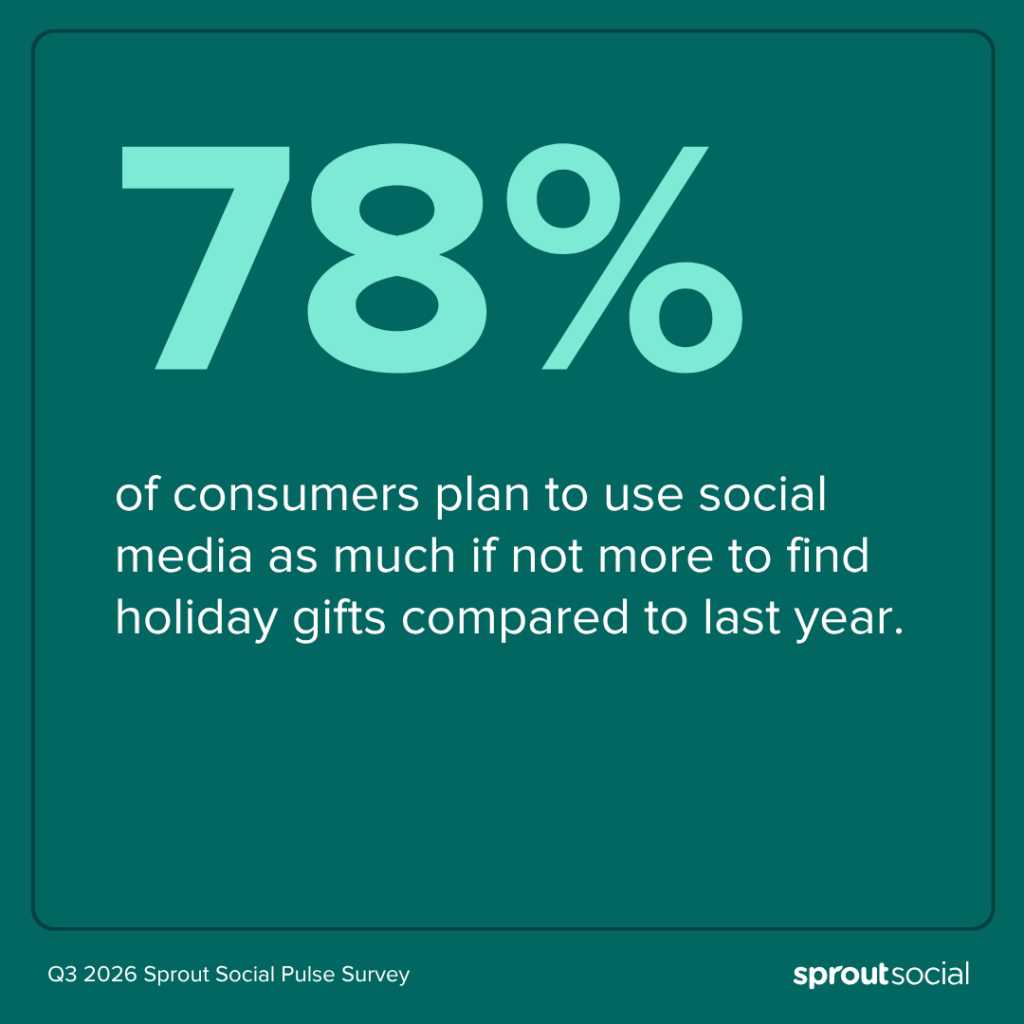
The modern retail calendar has evolved far beyond the traditional post-Thanksgiving rush. As the Q3 2026 Sprout Social Pulse Survey reveals, the intersection of digital media, macroeconomic pressures, and changing consumer psychology has transformed social platforms into the ultimate holiday shopping command center. More than three-quarters of consumers—specifically 78%—plan to use social media just as much, if not more, to find holiday gifts compared to previous years. This reliance is no longer accidental; social networks have matured into multifaceted marketplaces functioning simultaneously as discovery engines, customer service hubs, and direct points of purchase.
This comprehensive report examines the data, economic realities, and strategic shifts defining the 2026 holiday shopping season, offering a detailed look at how brands and consumers are navigating an increasingly complex digital retail landscape.

The Disconnect Between Campaign Timing and Consumer Purchasing Behavior
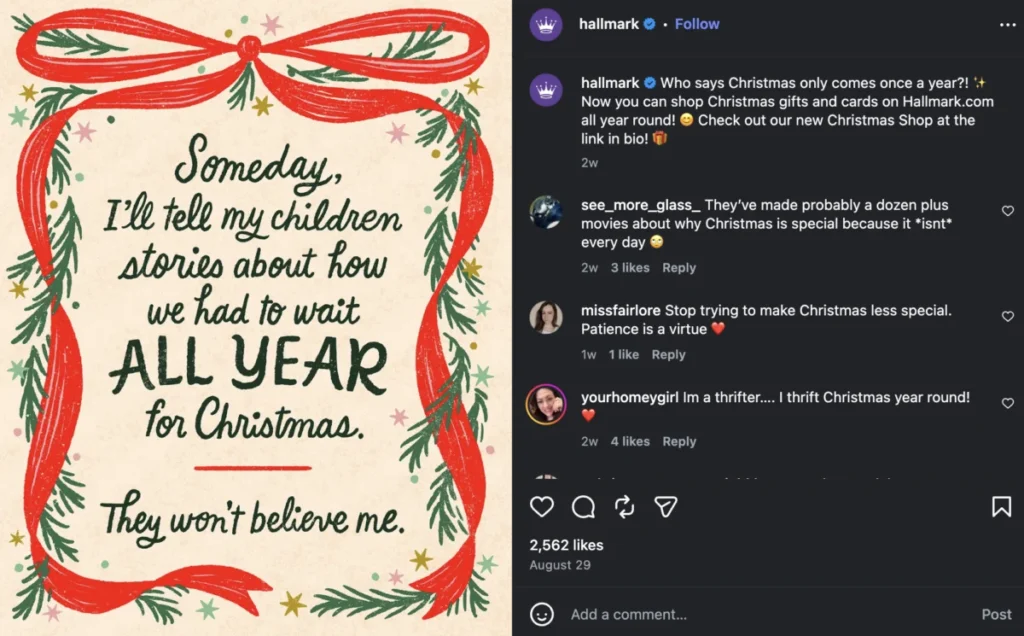
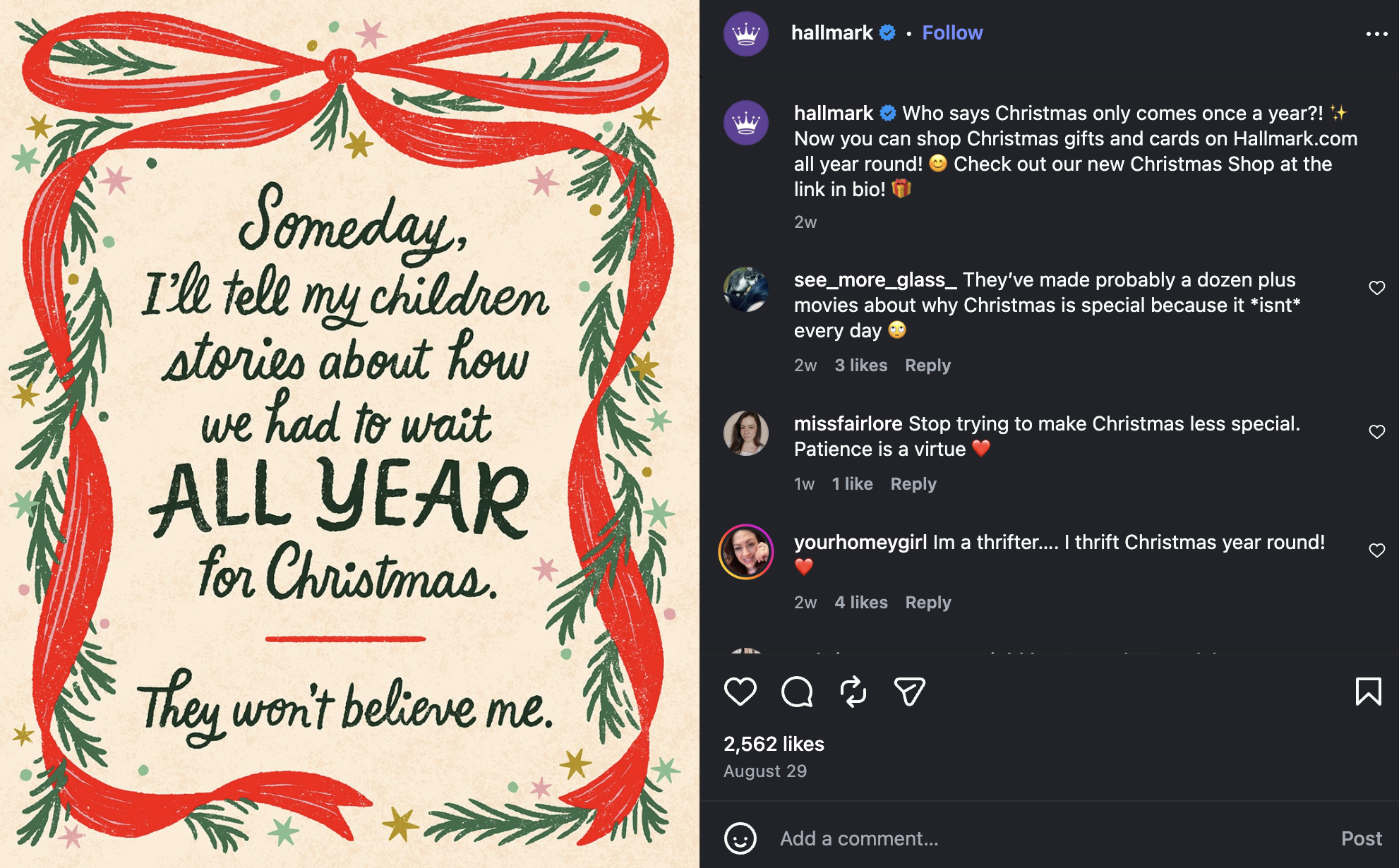
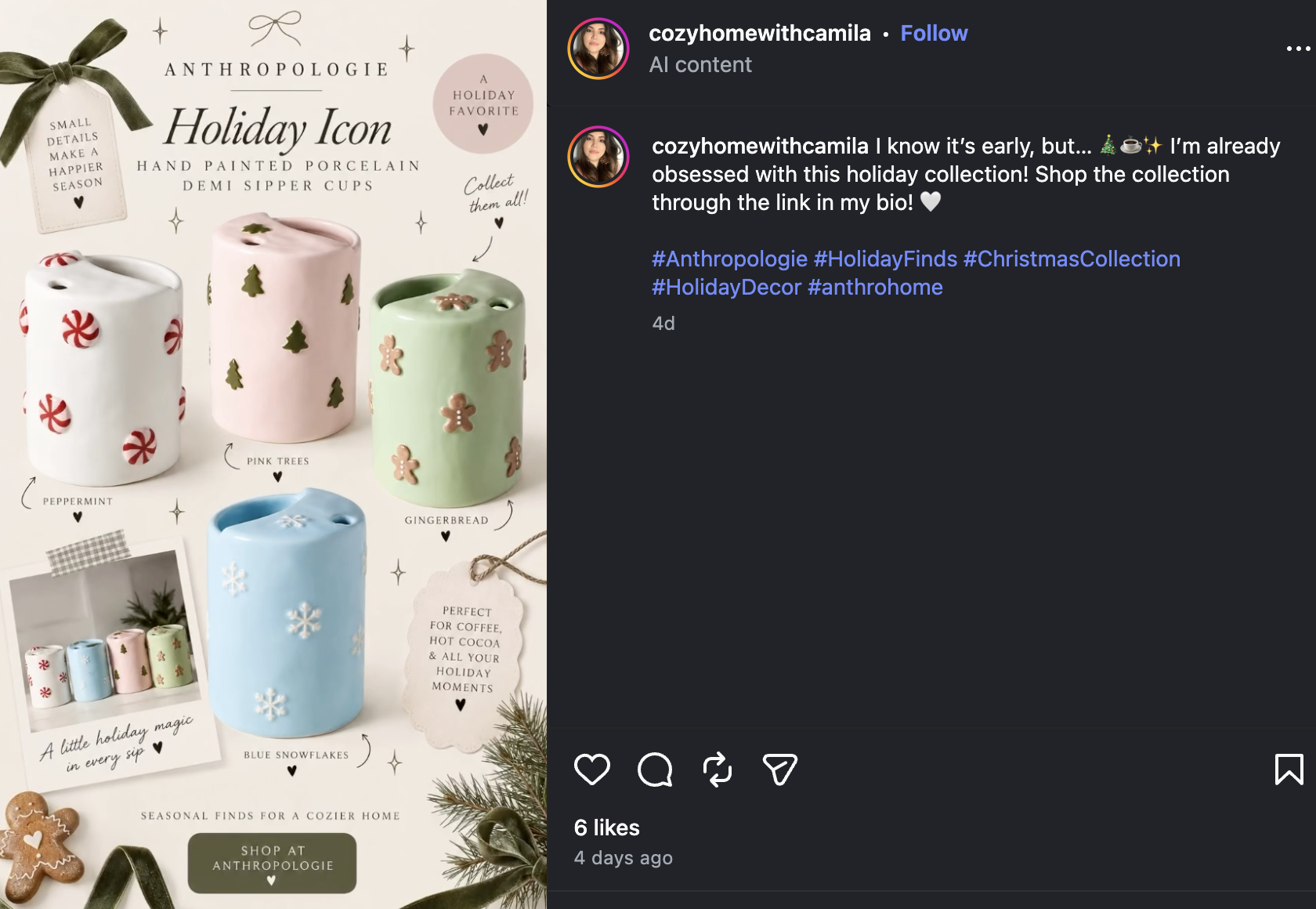
For years, retail analysts have tracked a phenomenon known as "holiday creep," where seasonal marketing campaigns push earlier and earlier into the calendar year. By mid-2026, consumers were greeted with "Summerween" celebrations in June, pumpkin spice product rollouts by August, and early holiday shop promotions from major retailers like Hallmark.
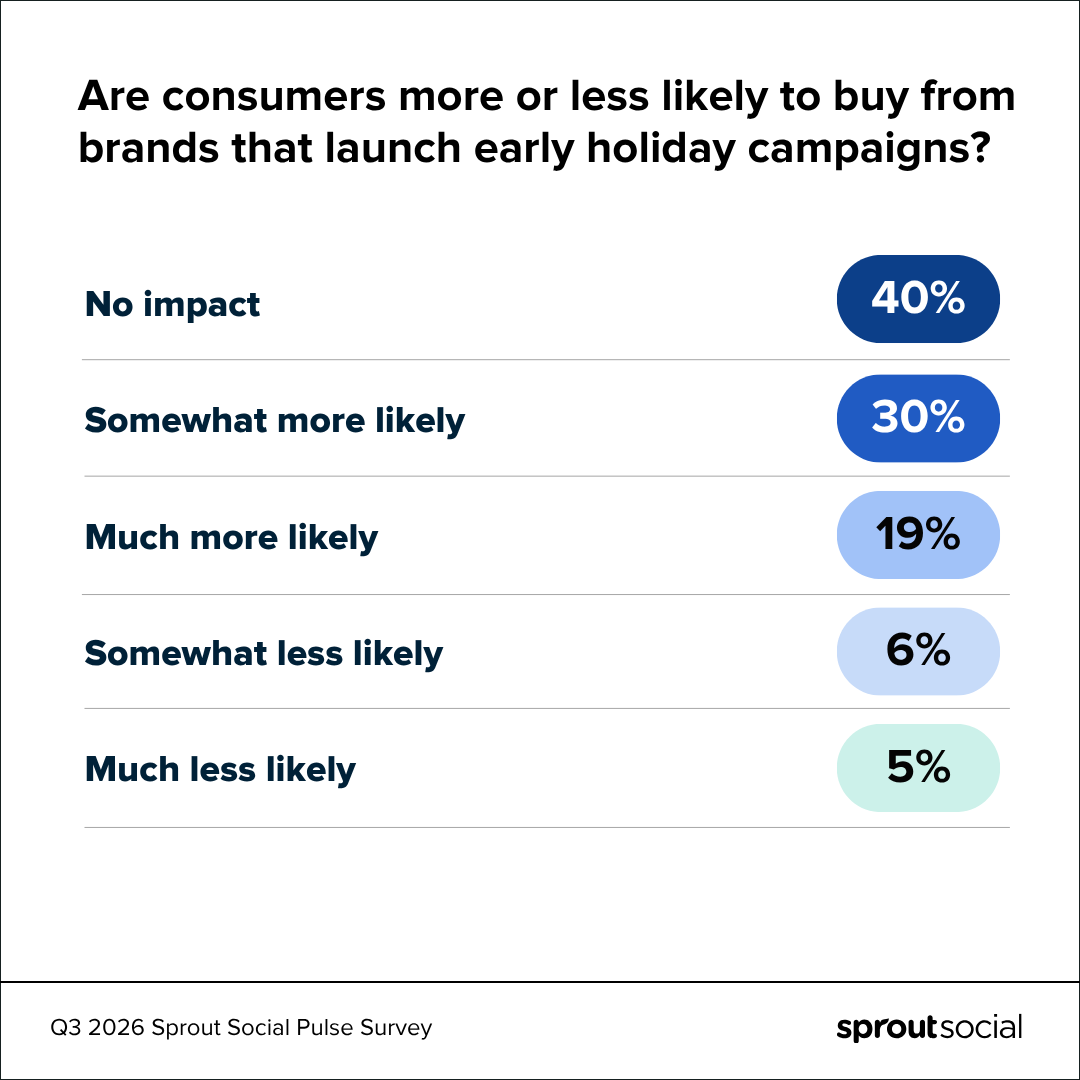
However, consumer sentiment regarding these early rollouts reveals a fascinating paradox. Data from the Q3 survey indicates that 50% of consumers believe brands should ideally begin their holiday advertising campaigns in October—a notable step back from the late-summer preferences observed in 2025. Despite this stated preference for an October kickoff, actual buying behavior tells a different story.
When surveyed about early August campaigns, 40% of respondents stated that early advertising had no impact on their decision to purchase from a brand. Conversely, nearly 50% reported that they were either somewhat more likely or much more likely to buy from companies that advertise as early as August.
Retail analysts note that ideal campaign timing is rarely a core motivator for modern shoppers. Posting a holiday-themed advertisement early or late rarely serves as a dealbreaker for consumers. Instead, brand success is increasingly dictated by the resonance of the campaign content and the tangible value offered, rather than the calendar month in which the marketing debut occurs.
Economic Pressures, Tariffs, and the Shift Toward Value-Driven Shopping
While campaign timing preferences may not heavily influence conversion rates, broader macroeconomic factors and trade policies are exerting profound pressure on consumer habits. Throughout 2026, concerns surrounding potential tariffs and tightening household budgets have forced shoppers to rethink their financial strategies for the year-end holidays.
According to survey findings, 69% of consumers harbor concerns regarding potential price increases driven by tariffs. In response to these financial anxieties, 56% of shoppers plan to reduce their overall holiday spending compared to previous years. Furthermore, 36% of consumers intend to begin their shopping earlier than usual specifically to outrun anticipated price hikes.
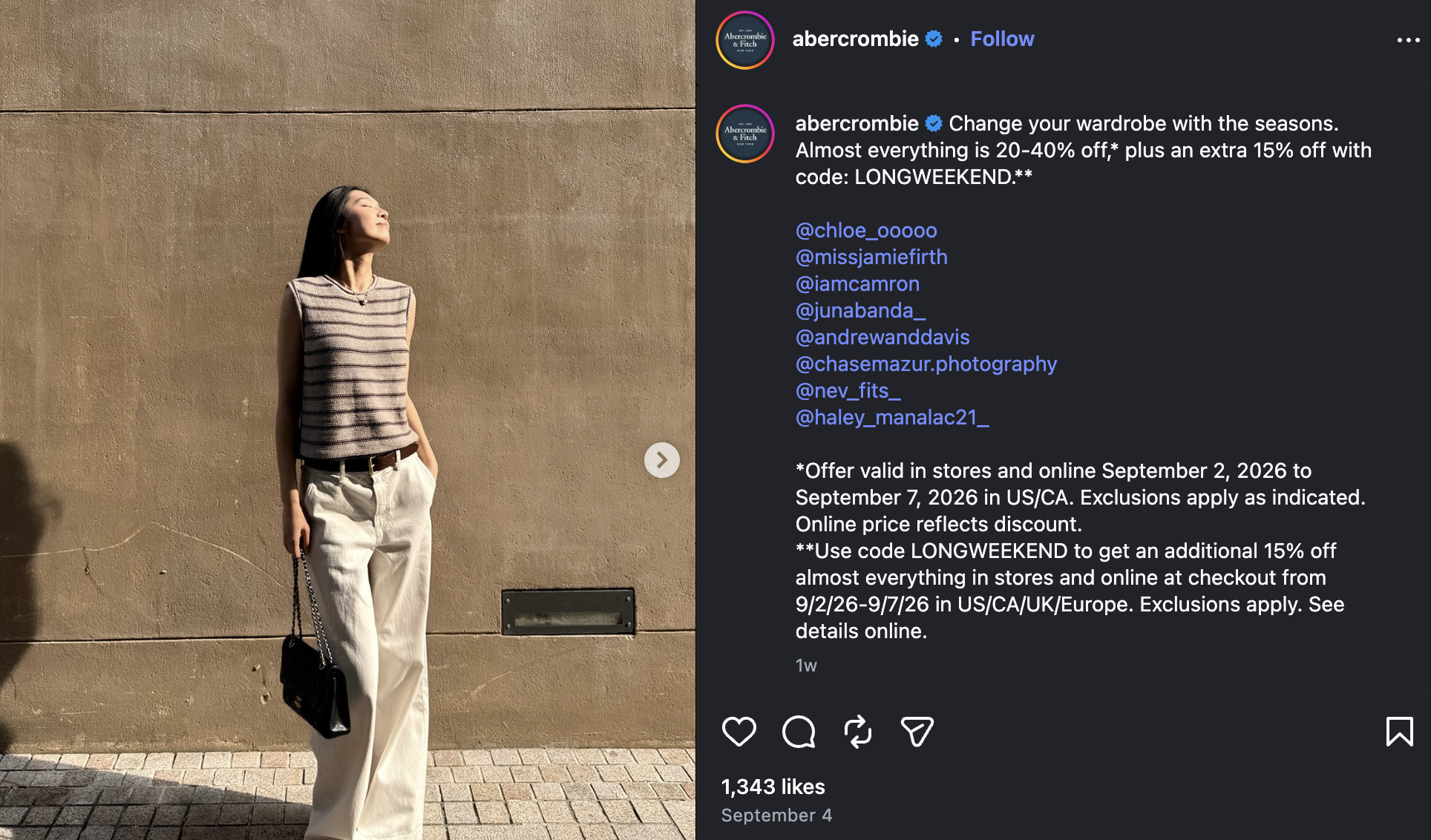
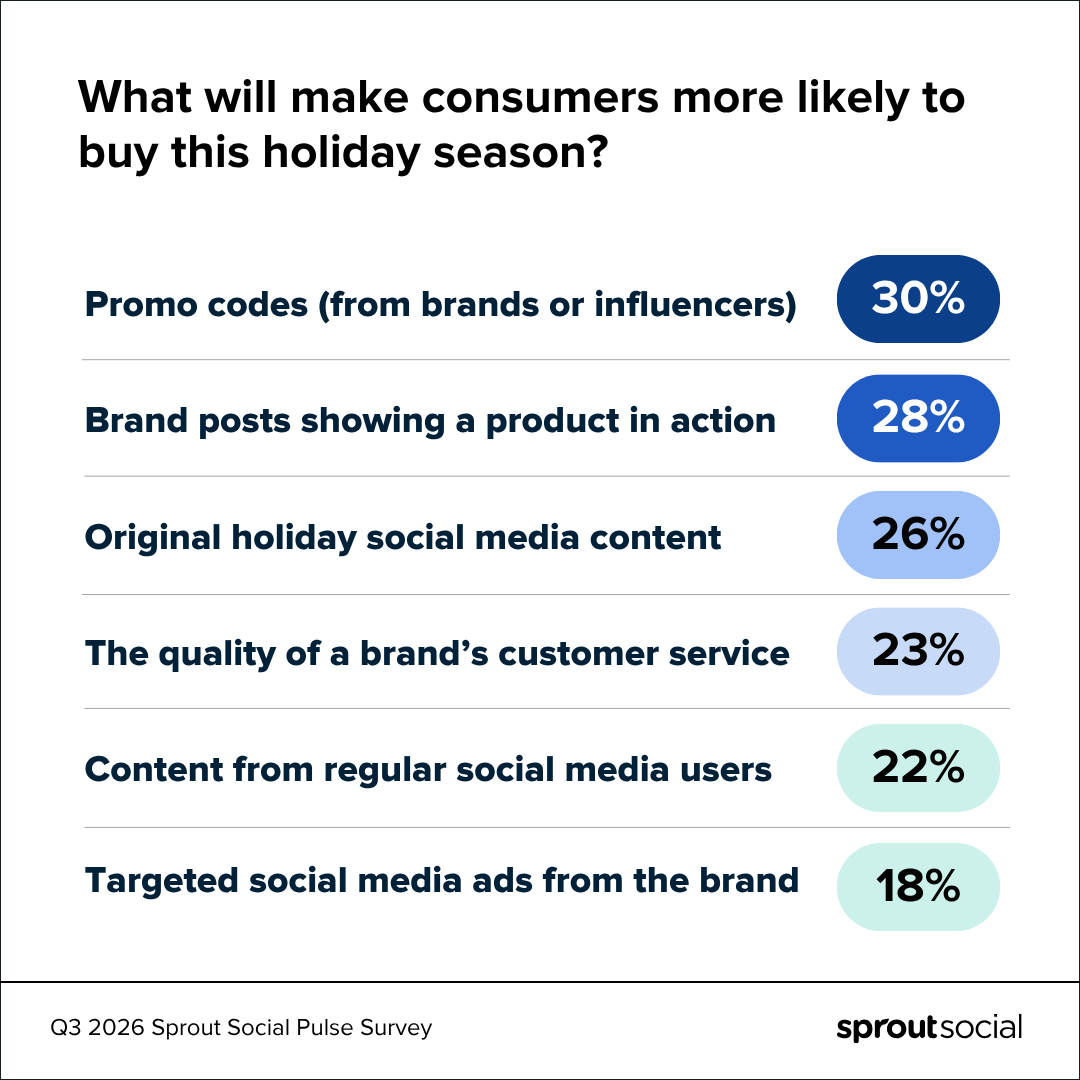
To capture the attention of these budget-conscious buyers, brands must pivot their messaging toward demonstrable value. Promo codes have emerged as the single most effective tool for driving conversions, with 30% of consumers stating that a discount code—whether issued directly by a brand or through an influencer partnership—would successfully persuade them to make a purchase.
This emphasis on utility extends to content creation. Approximately 28% of consumers report that they are more likely to buy when brands demonstrate their products in action, while 23% are swayed by original, holiday-specific creative content. This represents a distinct evolution from 2025, when customer service track records and user-generated content held primary influence over purchase intent.
Social Media as the Primary Discovery and Purchase Engine
The migration of search behavior from traditional search engines to social platforms has permanently altered product discovery. Earlier data from the Q2 2026 Sprout Pulse Survey demonstrated that social search is frequently preferred over traditional web search for experiential, visual, and peer-led recommendations, such as locating local venues or reading product reviews.
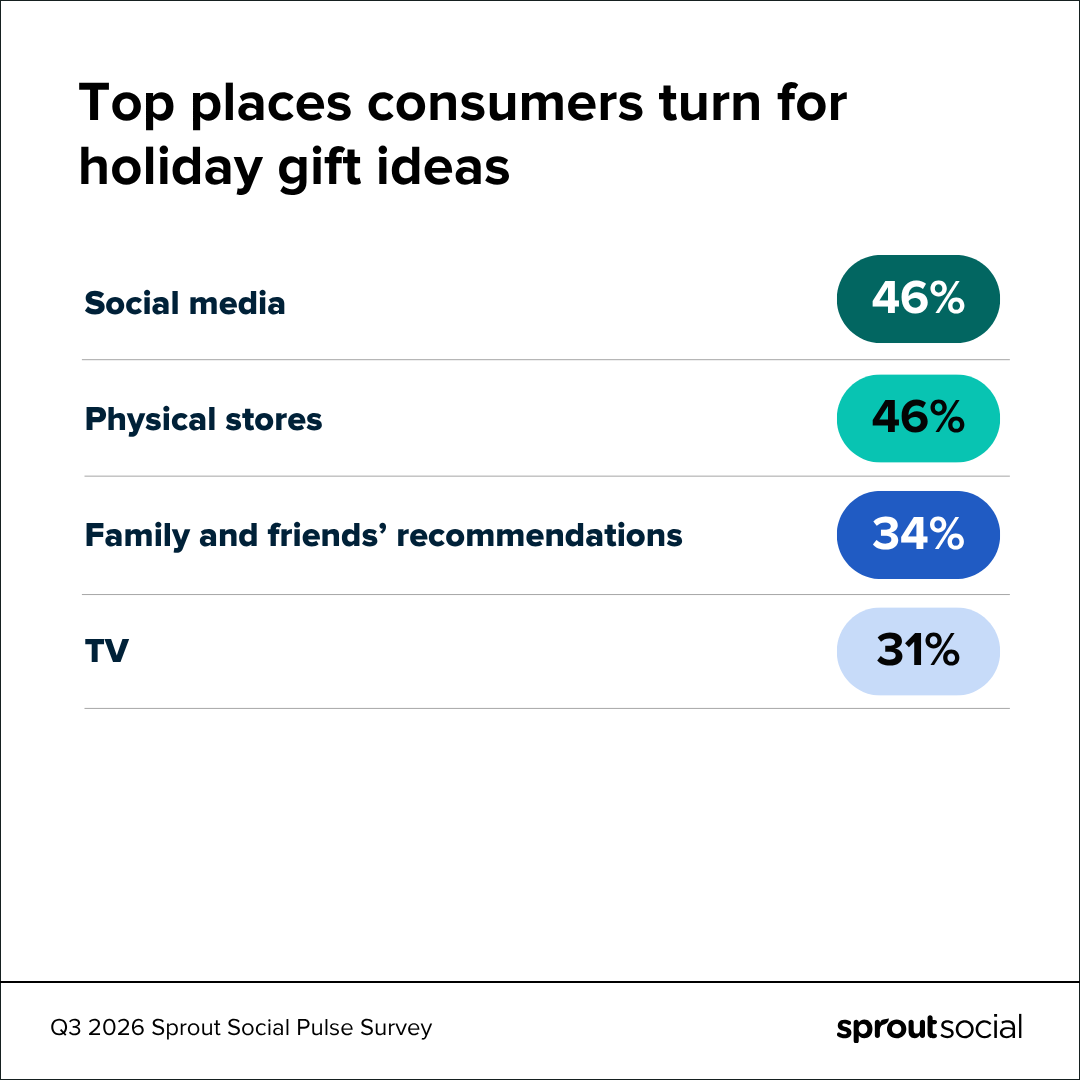
During the 2026 holiday season, these habits have translated directly into gift shopping. Social media is now tied with physical retail stores as the top destination for holiday gift discovery, with 46% of consumers relying on social feeds for gift inspiration. Among younger demographics—specifically Gen Z and Millennials—social media claims the undisputed top spot, with at least half of these cohorts utilizing social platforms to curate their holiday shopping lists.
Crucially, consumer engagement on social media no longer terminates at discovery. More than half of surveyed consumers express a willingness to complete purchases directly within social media applications. The integration of native commerce ecosystems such as TikTok Shop, Facebook Shops, and Instagram Checkout has streamlined the buyer journey, enabling brands to capture impulse purchases and reduce friction during the critical fourth-quarter sales window.
The Evolution of Social Customer Service and the Role of AI
As social platforms increasingly function as digital storefronts, consumer expectations regarding post-purchase support have escalated proportionally. Compared to the 2025 holiday season, 86% of users plan to utilize social media just as much, if not more, to resolve customer service inquiries.
Consumers direct their service requests primarily toward TikTok (50%), Facebook (46%), and Instagram (44%), with secondary volume occurring on platforms like X (28%) and WhatsApp (17%). Direct messages remain the preferred channel for 55% of consumers across all generations, but public interactions are on the rise; nearly one-third of shoppers (31%) intend to seek assistance directly within public comment sections.
Speed is paramount in maintaining customer satisfaction in the social sphere. Seventy percent of consumers expect a response from a brand within a single day of reaching out. Given the sheer volume of incoming inquiries during the holiday rush, retailers are increasingly turning to artificial intelligence to bridge service gaps. AI tools assist support teams by prioritizing incoming messages, analyzing customer sentiment, and drafting initial response templates.
Consumer receptivity to automation is surprisingly high. Seventy percent of consumers express comfort with brands utilizing AI to expedite customer service tasks, a figure that rises to 77% among Gen Z respondents. Industry experts caution, however, that technological efficiency must be balanced with human oversight. Because 89% of consumers state that response times directly influence their brand loyalty, and public comments expose support interactions to a broader audience, maintaining a human-in-the-loop framework is vital for preserving brand reputation and personalization.
Strategic Implications for Retailers Heading into the New Year
The 2026 holiday shopping data underscores a fundamental truth for modern retail: social media is no longer an ancillary marketing channel, but the foundational architecture of the consumer shopping experience.
With economic pressures encouraging early planning and price-sensitive behaviors, brands that successfully harmonize promotional value, transparent product demonstrations, and responsive customer care are positioned to outperform their competitors. By treating social media as an end-to-end journey—spanning from initial search and influencer-driven discovery to native checkout and AI-assisted customer support—retailers can insulate themselves against economic headwinds and establish strong consumer relationships that extend well into the new year.
Methodology Note
Unless otherwise specified, statistical insights and data points referenced in this report derive from the Q3 2026 Pulse Survey administered by Panoplai on behalf of Sprout Social. The research surveyed 2,286 consumers across the United States, the United Kingdom, and Australia via an online methodology conducted between August 11 and August 18, 2026.