
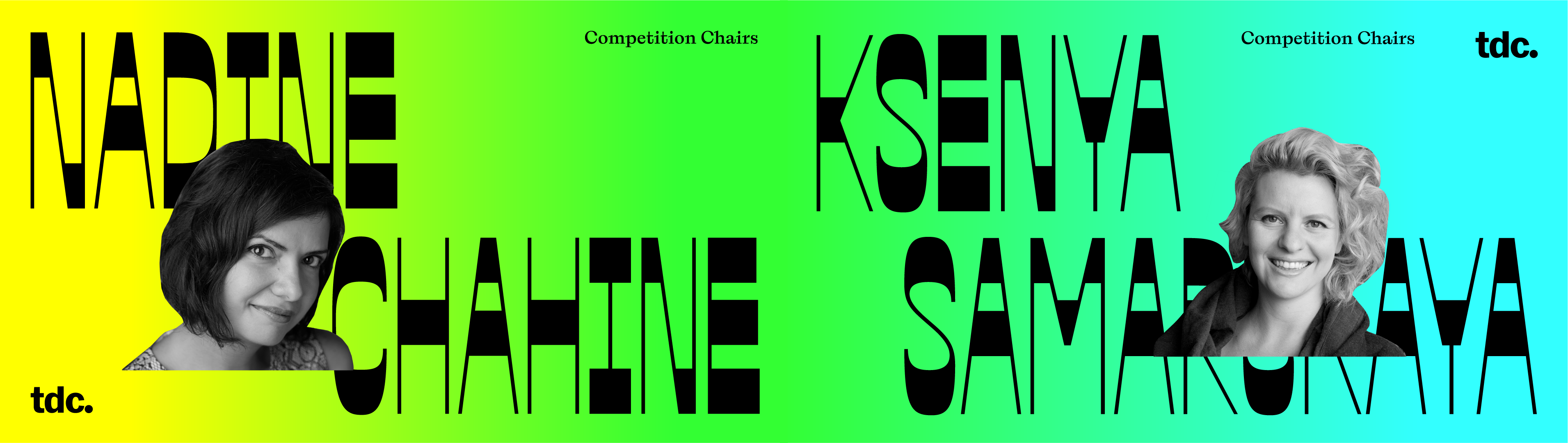
The Type Directors Club (TDC), a venerable institution in the world of typography and design, is undergoing a profound structural and philosophical shift, marked by the expansion of its annual Typeface Design Competition to better reflect the diverse, global nature of modern communication. Led by co-chairs Nadine Chahine and Ksenya Samarskaya, the 25th edition of the competition represents a deliberate departure from historically Western-centric design standards. By introducing dedicated categories for global scripts—including Arabic, Indic, and CJK (Chinese, Japanese, and Korean)—the organization is actively working to dismantle the geographic and financial barriers that have long defined prestige in the type design industry.

A Legacy of Change and Institutional Resilience
Founded in 1946, the TDC has served as a central hub for professional typography for over seven decades. However, the organization’s recent history has been characterized by significant turbulence. In 2020, the TDC faced intense public scrutiny, including allegations of systemic racism and severe financial instability. These challenges led to a period of deep introspection. Rather than folding under the weight of these criticisms, the organization initiated an "Anti-Racism Pledge" and undertook a comprehensive review of its operations.
For the current leadership, this evolution is not merely a reaction to past controversies but a necessary alignment with the realities of a globalized design landscape. Nadine Chahine, a board member and distinguished type designer, notes that the expansion of categories was already a logical progression, given the increasing volume and maturity of non-Latin typeface entries over the last decade. The transition from a club-based model to a truly global institution is a central mission for the current board, which now includes diverse representation from Lebanon, Afghanistan, South America, and Zimbabwe.
Restructuring the Competition for Inclusivity
The 25th TDC competition introduces a specialized judging framework designed to move away from the "Latin-centric" hierarchies that have dominated the industry. In previous years, the TDC relied on a Script Advisory Board (ScrAB), led by experts like Maxim Zhukov, to review submissions. While this system was considered advanced compared to many other design contests, the sheer volume and nuance of contemporary global scripts necessitated a more robust approach.
This year’s competition features dedicated panels of experts for Arabic, Indic, and CJK scripts. According to Ksenya Samarskaya, the inclusion of multiple experts within a single script category is crucial. "When it’s one expert, or none directly in the room, the safer, more traditional designs tend to win," Samarskaya explains. By facilitating debate between multiple experts with contrasting viewpoints, the TDC aims to reward innovation and cultural nuance rather than just conventional, "error-free" design. This shift is designed to ensure that scripts like Indic, which involve complex reordering and technical behaviors, are judged by those who truly understand their functional and aesthetic requirements.

Economic Accessibility and Global Participation
A recurring criticism of international design competitions is the prohibitive cost of entry, which often excludes designers from developing economies. The TDC has responded by implementing a tiered pricing structure that includes a $35 flat fee for students and significant discounts for designers from approximately 138 countries identified as having lower per capita GDPs.
Furthermore, the organization has streamlined the submission process to remove physical barriers. In prior years, winners were often required to pay additional "hanging fees" for the inclusion of their work in physical exhibitions. The current leadership has eliminated these costs, simplifying the financial commitment for participants. These measures underscore the organization’s goal of becoming a more accessible, democratic platform for global talent. While the TDC remains a nonprofit that relies on entry fees to fund its operations—including its traveling exhibitions and extensive archives—the leadership emphasizes that these fees are a means to maintain editorial and professional independence, shielding the organization from the influence of corporate sponsors.

The Role of Technology and Future-Proofing
As the industry grapples with the rapid adoption of variable font technology, the TDC is also looking toward the future of digital typography. While variable fonts represent a technological shift, the core of typeface design—the creation of coherent systems and letterforms—remains constant. The competition currently accepts video submissions and digital assets, allowing for a broader demonstration of how these fonts function in interactive environments.
The organization’s leadership views the competition as a "living, breathing" entity. Future-proofing, in this context, does not mean establishing rigid rules, but rather ensuring the infrastructure of the competition remains flexible enough to evolve with the designers it serves. The current plan involves annual reviews of categories to ensure they remain reflective of how type is being used in contemporary digital and print media.
Broader Implications for the Design Industry
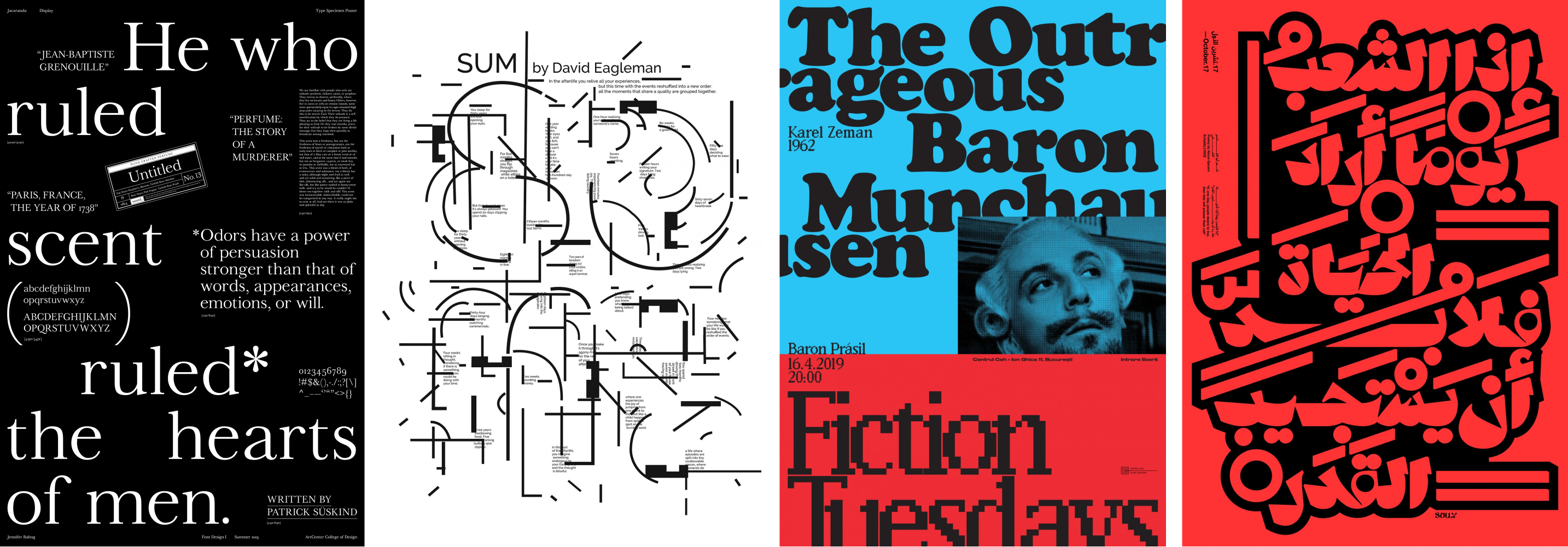
The implications of these changes extend far beyond the TDC itself. The competition serves as a bellwether for the industry, influencing what is considered "excellent" or "award-worthy." By validating scripts that have historically been sidelined, the TDC is signaling to major corporations and design studios that global typography is not a secondary concern, but a primary area of innovation and cultural expression.
The push for global representation also addresses a critical void in professional recognition. For many designers in regions like India or the Middle East, winning a TDC medal provides a level of professional credibility that can open doors to international commissions. It serves as a form of cultural advocacy, asserting that non-Latin scripts are not just functional tools for communication, but rich, complex art forms that deserve a global stage.

Conclusion: A Path Forward
The TDC’s pivot toward inclusivity and global engagement represents a significant milestone in the history of design organizations. By shifting from a position of authority to one of collaboration, the institution is attempting to bridge the gap between its New York-based origins and the reality of a global design community.
As Nadine Chahine and Ksenya Samarskaya move forward with the 25th competition, the focus remains on facilitating conversations that were previously impossible in a more restrictive environment. Whether this experiment will successfully decentralize the power dynamics of the design world remains to be seen, but the commitment to "sharing abundance" rather than merely selecting winners suggests a new, more sustainable trajectory for the organization. For the design industry at large, the TDC’s transformation serves as a case study in how established institutions can successfully adapt, reform, and thrive in an increasingly interconnected world.