
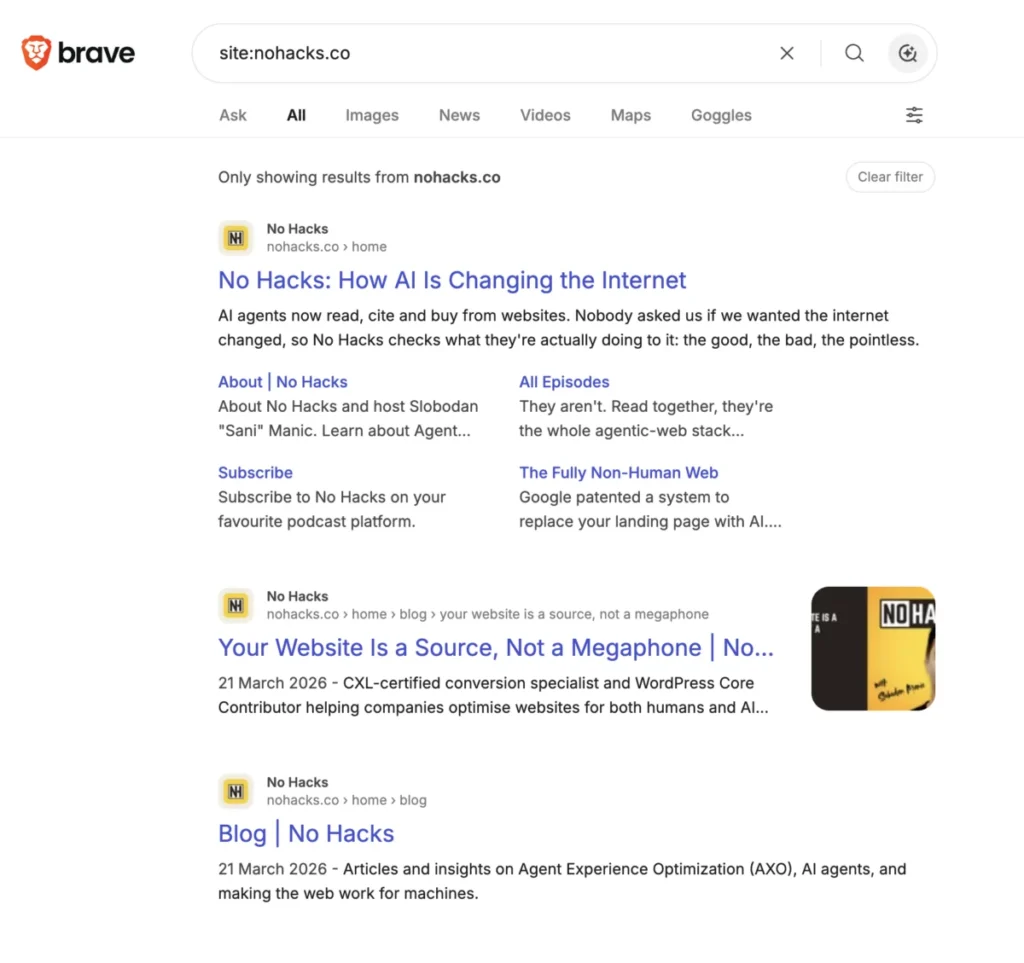

The legal battle lines between media publishers and technology companies continue to shift as artificial intelligence reshapes the digital information ecosystem. On November 2, The New York Times filed a high-profile copyright infringement lawsuit against Brave Software, the organization behind the privacy-focused Brave browser and Brave Search engine. According to the court filing, Brave allegedly copied more than 30 billion webpages without proper authorization, obscuring the identity of its web crawlers to prevent website administrators from blocking them. The publisher asserts that Brave subsequently monetized this massive repository by licensing it directly to major artificial intelligence developers to train and power conversational models.
This lawsuit arrives at a critical juncture for digital publishing. As generative AI transforms how users consume information, traditional traffic referrals from search engines are declining, while AI models increasingly synthesize content directly within user interfaces. The outcome of The New York Times Co. v. Brave Software could establish significant legal precedents regarding the boundaries of web scraping, the utility of standard exclusion protocols like robots.txt, and the commercialization of search indices for AI training data.
Chronology of the Dispute and Escalating Publisher Tensions
The friction between Brave and major media outlets has been escalating for months, driven by commercial arrangements that blur the line between traditional web search and generative AI data provisioning.

The timeline of key developments leading up to the current litigation highlights a systematic escalation in publisher pushback:
- 2023: Brave publishes documentation acknowledging that its search index and data pipelines are utilized by various AI developers, including early integrations cited in relation to Anthropic’s Claude models.
- March 2025: Tech industry analysts and developers observe clear parallels between Brave Search results and real-time data retrievals executed by conversational AI assistants. Concurrently, Anthropic updates its documentation to list Brave Search among its operational subprocessors.
- July 2026: Media conglomerate News Corp formally accuses Brave of copyright infringement, alleging that the search provider deliberately cloaks its crawlers to evade publisher detection mechanisms. This follows an earlier legal skirmish in which Brave initiated preemptive litigation after receiving a cease-and-desist letter.
- November 2, 2026: The New York Times files a comprehensive federal lawsuit against Brave Software in the United States District Court. On the exact same day, a coalition of prominent newspapers—including the Daily News, the Chicago Tribune, and the Orlando Sentinel—file a parallel copyright action against the company.
The Mechanics of Brave’s Search API and AI Data Partnerships
At the heart of the litigation is the commercial product known as the Brave Search API. While traditional search engines index the web primarily to direct users toward source websites via hyperlinks, modern AI assistants often require structured data to formulate real-time answers without necessarily sending web traffic back to the original creators.
Brave markets its search index as a robust data source capable of satisfying the resource-heavy demands of large language models (LLMs). According to public documentation provided by Brave, the search index encompasses upwards of 30 billion pages, with millions of fresh pages incorporated daily. The company has openly stated that its API is utilized by prominent AI firms, including Cohere, Mistral AI, Perplexity, and You.com.
Furthermore, legal complaints indicate that Brave provides specialized data formats, such as "LLM Context" packages, which deliver pre-processed page chunks and associated metadata tailored specifically to the structural requirements of generative AI architectures. This bypasses the traditional necessity for individual AI developers to independently scrape and parse raw HTML, streamlining the ingestion of copyrighted journalism and web content.
The Controversy Over Undifferentiated Crawlers and Exclusion Protocols
A foundational mechanism of web governance is the robots.txt protocol, a standard text file placed on web servers that instructs automated bots—commonly referred to as user agents—which areas of a site they are permitted to traverse. For years, publishers have relied on these protocols to selectively permit standard search engine crawlers while blocking automated data scrapers or AI training bots operated by entities such as OpenAI, Anthropic, or Meta.
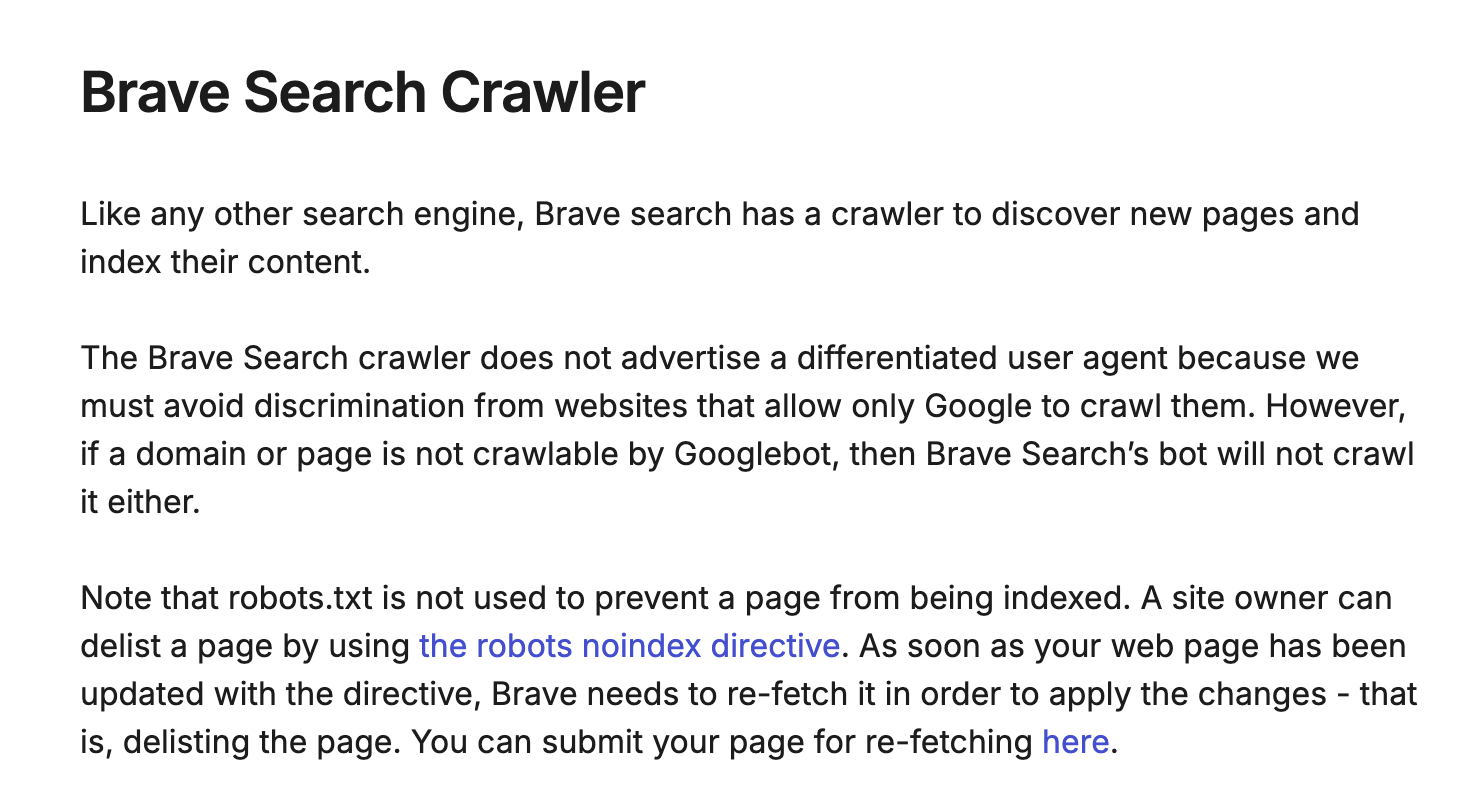
However, Brave’s search crawler operates differently. According to Brave’s official help documentation, its crawler does not advertise a distinct, dedicated user agent string. Instead, the company asserts that it aligns its crawling behavior with the directives applied to Googlebot; if a website allows Google to crawl its content, Brave assumes authorization to index it as well.
Brave has defended this architecture by noting that many major publishers block third-party AI crawlers while continuing to permit access for Google Search to maintain visibility. By hitching its indexing permissions to Google’s access parameters, Brave avoids the outright bans that frequently target standalone AI retrieval bots.
For website administrators, this creates a structural dilemma. Because Brave does not utilize a unique, recognizable user agent name, it cannot be selectively blocked via standard robots.txt configurations. Webmasters wishing to exclude their content from Brave’s index must either block Google entirely—thereby forfeiting vital organic search traffic—or implement page-level noindex tags, which simultaneously removes the content from Google Search results. Legal representatives for The New York Times characterize this design as an intentional evasion strategy intended to strip publishers of editorial control over their intellectual property.
Implications for the Digital Publishing and AI Ecosystems
The legal challenges facing Brave extend far beyond a single software company; they touch upon the core economic models sustaining digital journalism. Traditional publishing relies heavily on referral traffic and ad impressions generated when users click through search engine result pages. When AI systems ingest structured search indices to provide direct answers, the incentive for users to visit the underlying publisher website diminishes significantly.
Industry analysts note that while cases involving major media organizations like The New York Times or News Corp command immediate headlines, the implications resonate across the entire web ecosystem. Millions of smaller independent websites, blogs, and corporate domains are automatically swept into commercial search indices and subsequently exposed to AI downstream partners without explicit consent or secondary compensation frameworks.
As the litigation proceeds through the federal court system, legal scholars will be closely watching how judges evaluate the intersection of intermediary search indexing, fair use doctrines, and the obligations technology platforms owe to content creators. Regardless of the final verdict, the dispute underscores an urgent need for transparent standards governing how web data is collected, shared, and monetized in the age of artificial intelligence.