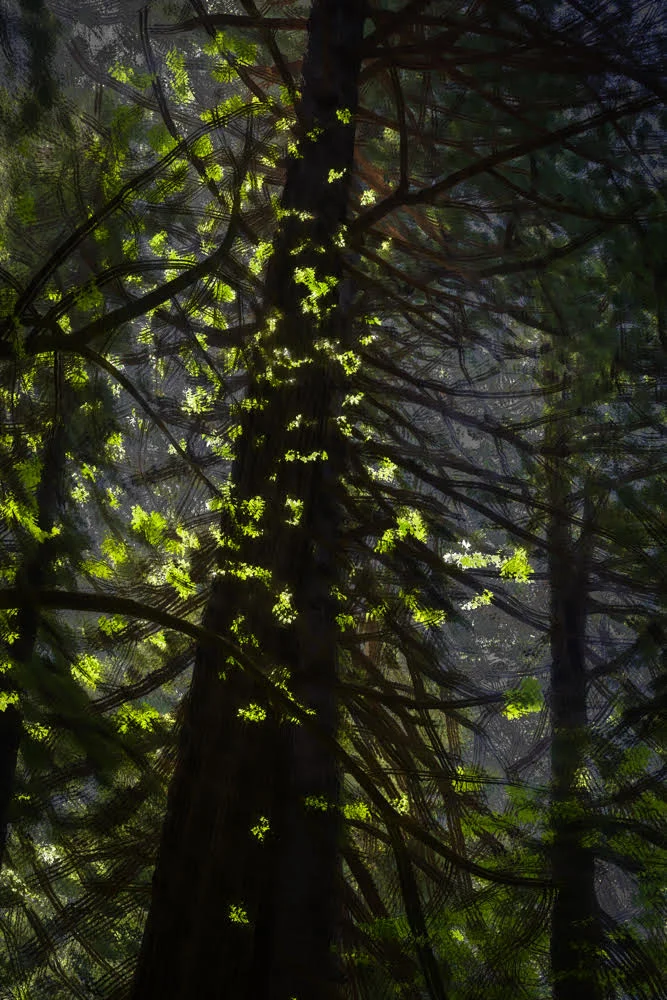

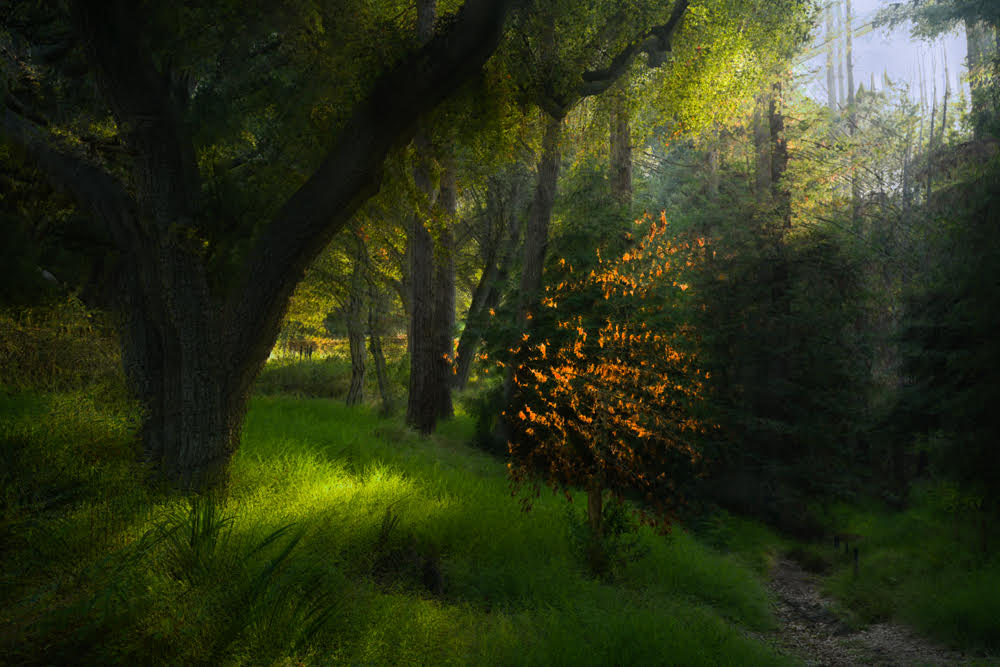
The intersection of spirituality, nature, and contemporary visual arts has increasingly captured the public imagination, largely driven by the work of acclaimed photographer and film and television director Lev L. Spiro. Known for his evocative depictions of natural landscapes that appear suspended between the ordinary and the otherworldly, Spiro has popularized the ancient Celtic concept of "thin places"—locations where the boundary between the material and the spiritual world is perceived to dissolve. Through his ongoing photographic series, including "Thin Places" and his latest project, "Elemental," Spiro examines how environmental immersion and heightened perception can be translated into powerful visual narratives. This artistic exploration has not only redefined his own body of work but has also struck a resonant chord within the broader photographic community, as evidenced by the widespread popularity of his educational workshops.
Origins of the Concept and Artistic Background
The terminology and philosophical foundation of "thin places" trace their roots directly to Celtic spiritual traditions, where certain geographical locations—often remote wildernesses, islands, or ancient groves—were believed to foster a closer proximity to the divine or the sacred. For Spiro, the encounter with these spaces began long before he adopted the formal terminology. Growing up, he spent his formative summers between the ages of 11 and 13 at a wilderness camp in Vermont modeled after the Outward Bound philosophy. During these extended immersions in nature, far removed from urban and suburban environments, he experienced profound feelings of awe on mountaintops and within deep forests. Although he lacked the vocabulary to articulate the phenomenon at the time, these formative wilderness experiences laid the groundwork for his future artistic pursuits.

Transitioning from a distinguished career in film and television direction to fine-art photography, Spiro brought a director’s eye for mood, pacing, and narrative depth to the medium. Rather than merely documenting physical geography, his photographic practice seeks to evoke an experiential resonance. This philosophy aligns closely with the teachings of mid-20th-century photographic masters such as Minor White and Paul Caponigro, both of whom emphasized receptivity, heightened awareness, and allowing the subject to reveal itself to the observer. By encouraging a deliberate slowing down of the creative process, Spiro trains himself and his students to look beyond surface appearances and engage with the subtle interplay of light, form, texture, and time.
Methodology and Photographic Philosophy

The creation of images that capture the essence of a "thin place" requires a departure from traditional, highly calculated landscape photography. According to Spiro, while intentional planning plays a role—particularly in long-exposure projects like "Elemental," which relies on moving water and dynamic cloud formations—the most compelling encounters are frequently accidental.
Drawing inspiration from renowned photographer Sam Abell, Spiro emphasizes the discipline of allowing oneself to be "stopped" by the environment. This perceptual readiness involves recognizing fleeting visual cues—such as a shaft of sunlight cutting through a dense canopy, a distant waterfall framed by dark foliage, or the momentary dance of wind-blown leaves—before natural conditions shift and the moment vanishes.

This approach demands technical adaptability. Spiro often finds himself abandoning rigorous pre-planned setups, such as heavy tripods and specialized neutral density (ND) filters configured for long-exposure series, when an unexpected visual stimulus presents itself. This fluidity between structured intent and spontaneous observation forms the core of his instructional philosophy, teaching practitioners to remain receptive to the environment rather than forcing a preconceived outcome.
Educational Impact and the Santa Fe Workshops

The growing fascination with Spiro’s methodology is reflected in the unprecedented demand for his educational programs. His specialized workshop, titled "Thin Places: Photography and the Sacred in Nature," conducted in partnership with Santa Fe Workshops, has achieved notable success, selling out multiple iterations and maintaining a substantial waiting list.
Industry analysts and workshop coordinators attribute this popularity to a significant shift among contemporary photographers. While many landscape practitioners have achieved a high degree of technical proficiency, a growing segment seeks to elevate their work from mere descriptive documentation into the realm of emotional and psychological expression. By moving beyond technical perfection to convey the subjective feeling of a space, photographers can forge a deeper, more resonant connection with viewers.

The primary takeaway for students enrolled in Spiro’s courses is that the sacred is not a geographic rarity hidden in inaccessible locations; rather, it emerges through deliberate attention, unhurried curiosity, deep presence, and an emotional openness to the natural world.
Broader Implications and Environmental Respect

As interest in contemplative and nature-based arts continues to grow, discussions surrounding environmental ethics and stewardship have become increasingly prominent. Spiro’s work underscores a critical dialogue regarding humanity’s relationship with the natural landscape. In his practice, the documentation of "thin places" is inextricably linked to a strict adherence to "leave no trace" principles.
Spiro emphasizes that true engagement with these environments requires active respect—not only for the physical integrity of the ecosystem but also for the cultural and spiritual significance that certain locations may hold for Indigenous communities and local populations. By treating the environment as an interactive dialogue between the observer and the surroundings, his photography promotes a sustainable ethos that values preservation alongside artistic expression.

Looking forward, the influence of Spiro’s work suggests a continuing evolution in fine-art nature photography. As digital technologies and rapid image consumption dominate modern visual culture, artistic movements that advocate for stillness, mindfulness, and a deeper psychological connection to the physical world offer a counterbalance, reinforcing the enduring power of the natural landscape to inspire, challenge, and transform the human perspective.