
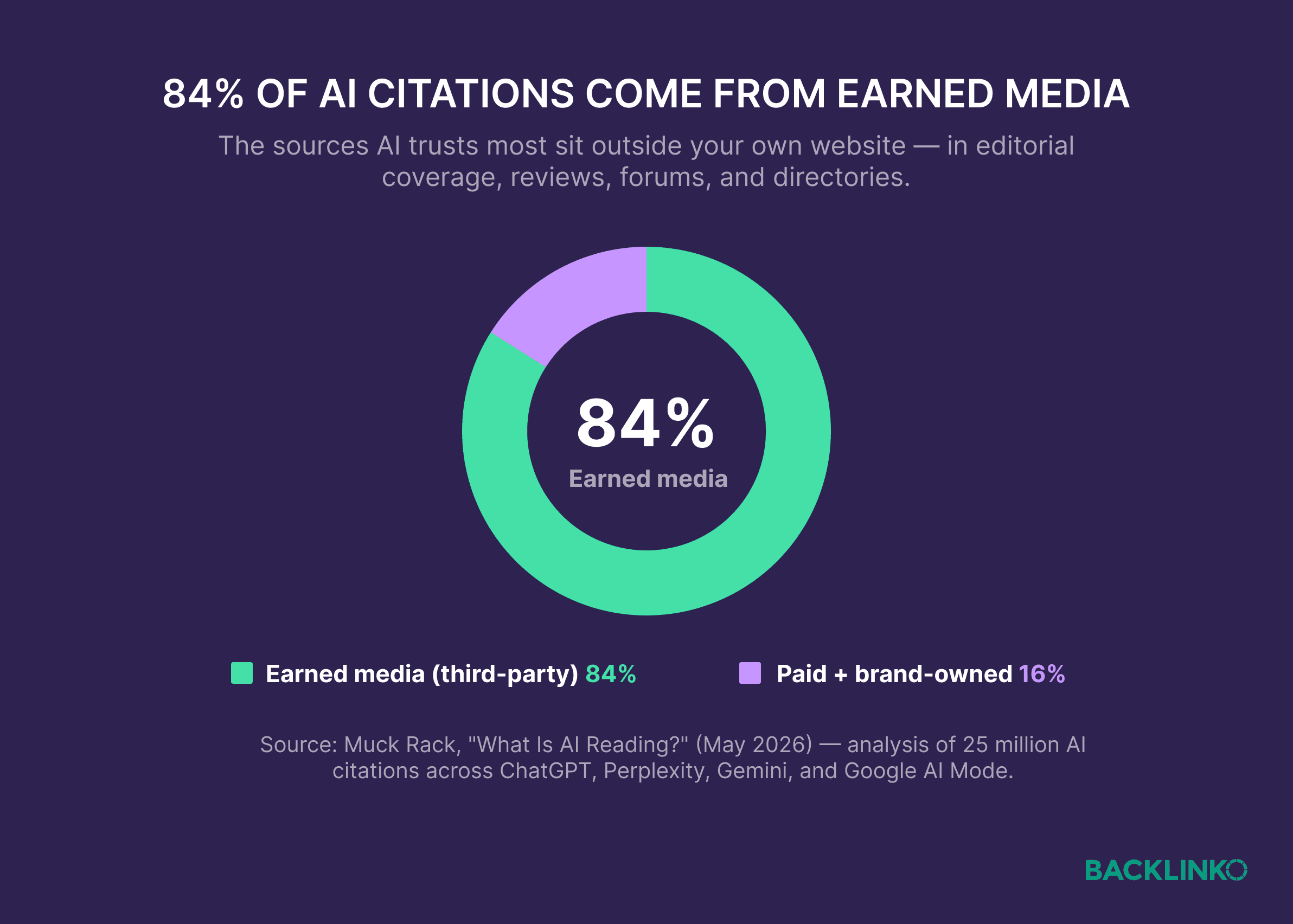
The landscape of search engine optimization is undergoing a fundamental transformation as generative artificial intelligence begins to redefine how users discover information online. According to a comprehensive study by Muck Rack, a staggering 84% of citations in AI-generated search results are derived from earned media, including editorial coverage, third-party reviews, and community forums. This shift indicates that the traditional focus on onsite content and keyword density is no longer sufficient; instead, digital public relations (PR) has emerged as the most critical lever for securing brand visibility within Large Language Models (LLMs) such as ChatGPT, Google Gemini, and Perplexity.
The Shift from Traditional SEO to Generative Engine Optimization
For over two decades, search engine optimization (SEO) was a game played primarily on a brand’s own digital turf. Marketers focused on technical structure, internal linking, and content quality to climb the "ten blue links" of Google. However, the rise of Retrieval-Augmented Generation (RAG)—the process by which AI models search the live web to answer user prompts—has moved the goalposts. AI systems act as "consensus engines," scanning dozens of external sources to synthesize a single, authoritative answer.
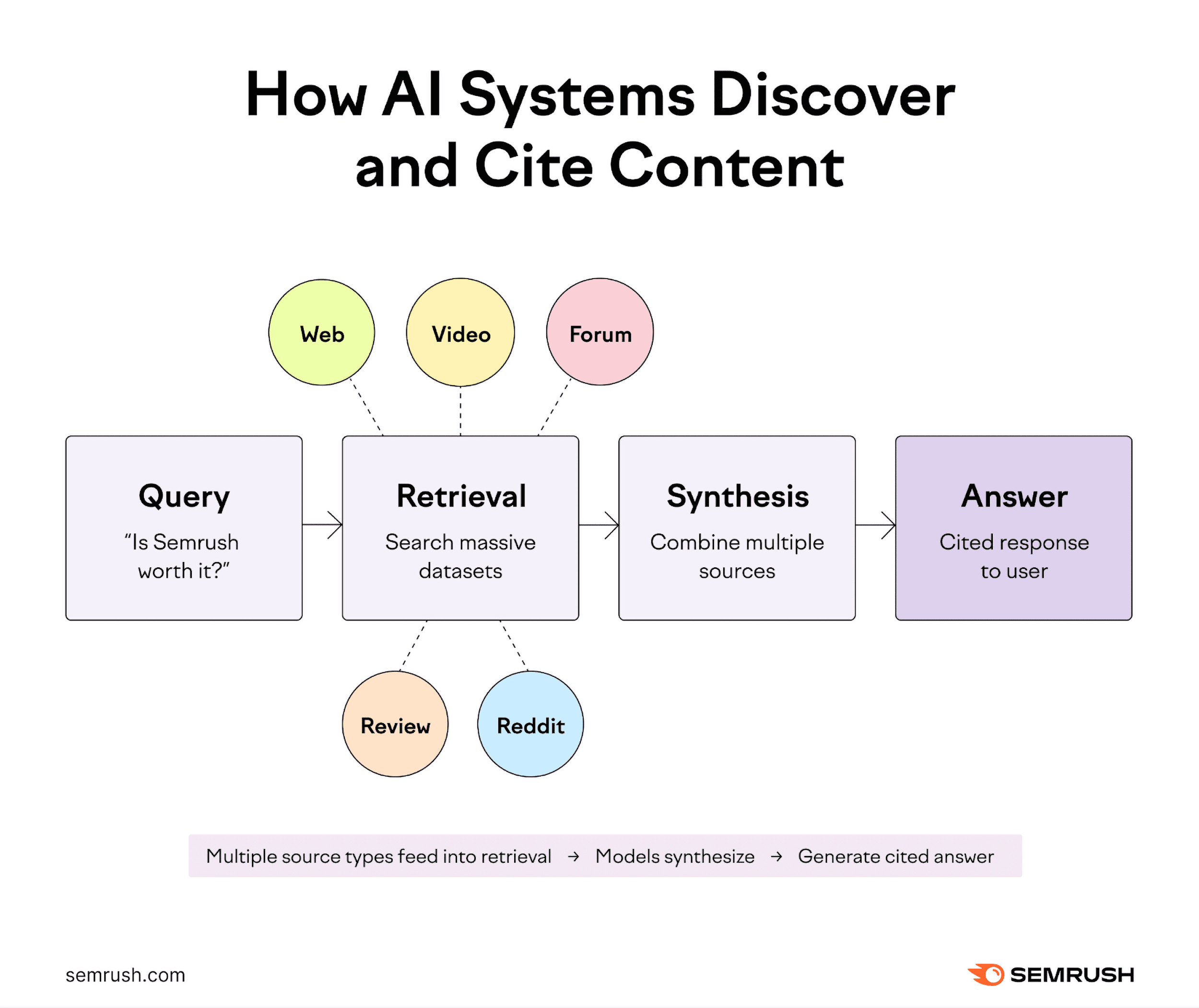
In this new environment, third-party validation carries significantly more weight than self-promotion. AI models are programmed to identify patterns of trust across the broader web. When a brand name appears frequently in high-authority publications, niche blogs, and active community discussions, the LLM recognizes that brand as a credible entity. Consequently, visibility in the age of AI is increasingly shaped by what happens outside a company’s own website.
Data-Led PR: Establishing Information Gain
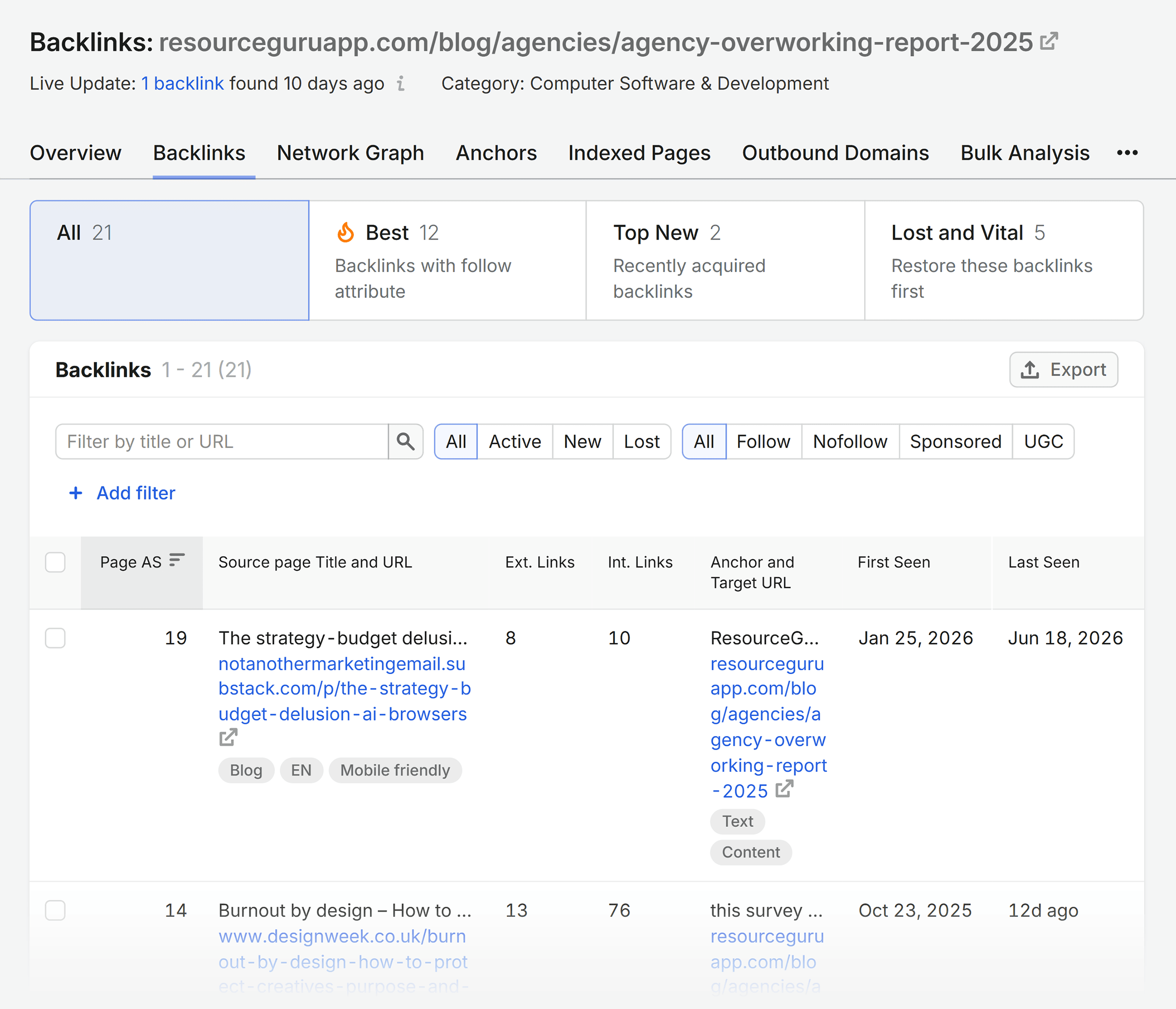
One of the most potent strategies for influencing AI models is data-led PR. This involves the publication of original research, proprietary statistics, and industry reports. AI models prioritize "information gain"—a concept where new, unique data is valued more highly than recycled information.
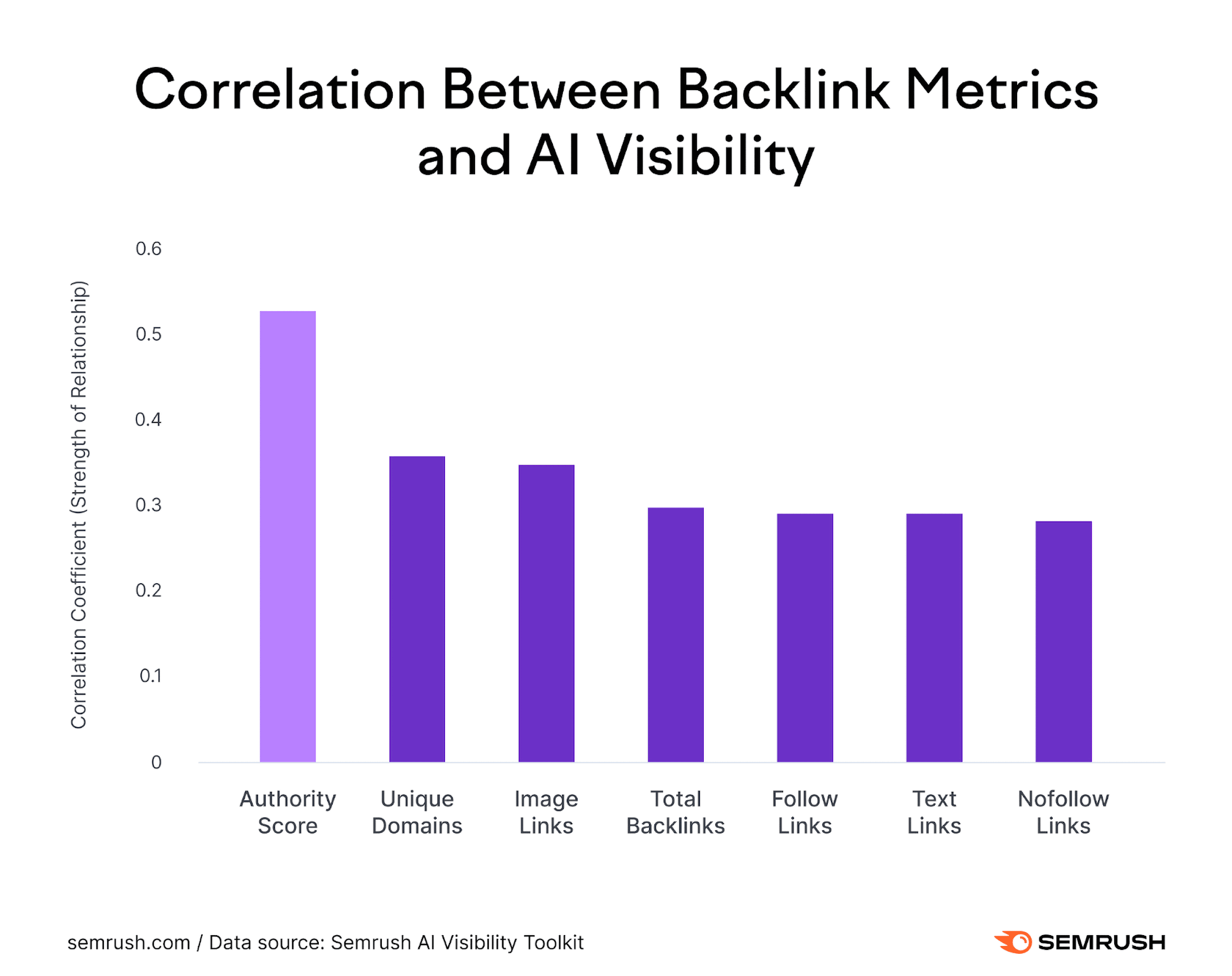
Recent industry analysis from Semrush and Seer Interactive confirms that backlink authority remains a primary factor in AI visibility. Specifically, high-quality backlinks from domains with a Domain Authority (DA) of 60 or higher are the strongest predictors of whether a brand will be cited in an AI summary. Journalists and industry influencers are constantly seeking fresh data to support their narratives. By providing this data, brands can earn high-tier placements that serve as "truth signals" for AI crawlers. For example, an original industry report that is picked up by a major news outlet like Forbes or Reuters creates a high-confidence data point that LLMs will likely reference when answering queries related to that industry.
The Mechanics of AI Citation Outreach
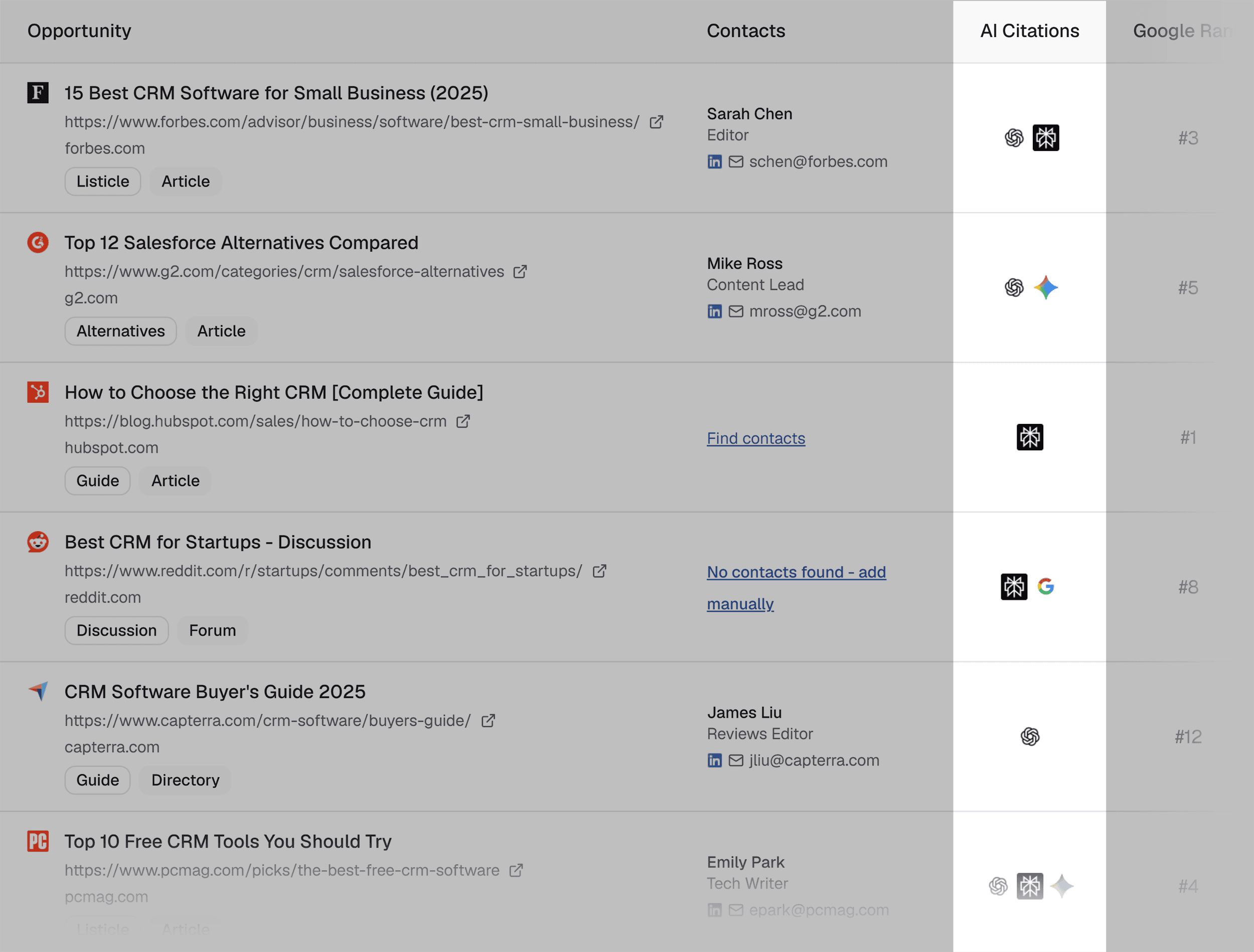
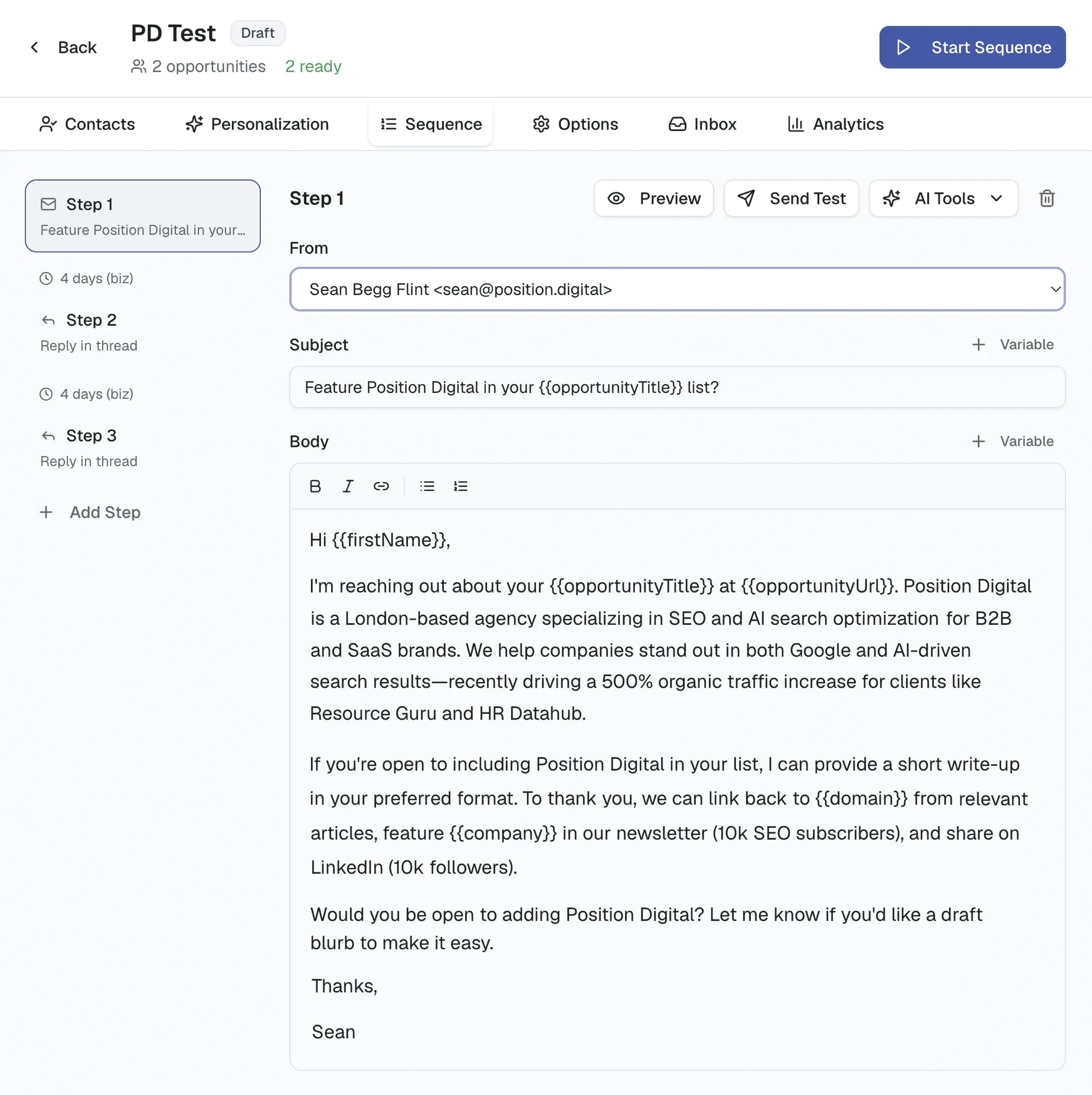
Securing a place in AI answers often requires a proactive approach known as citation outreach. This strategy involves identifying the specific sources that LLMs are already citing for high-value industry prompts and then securing a presence on those pages.
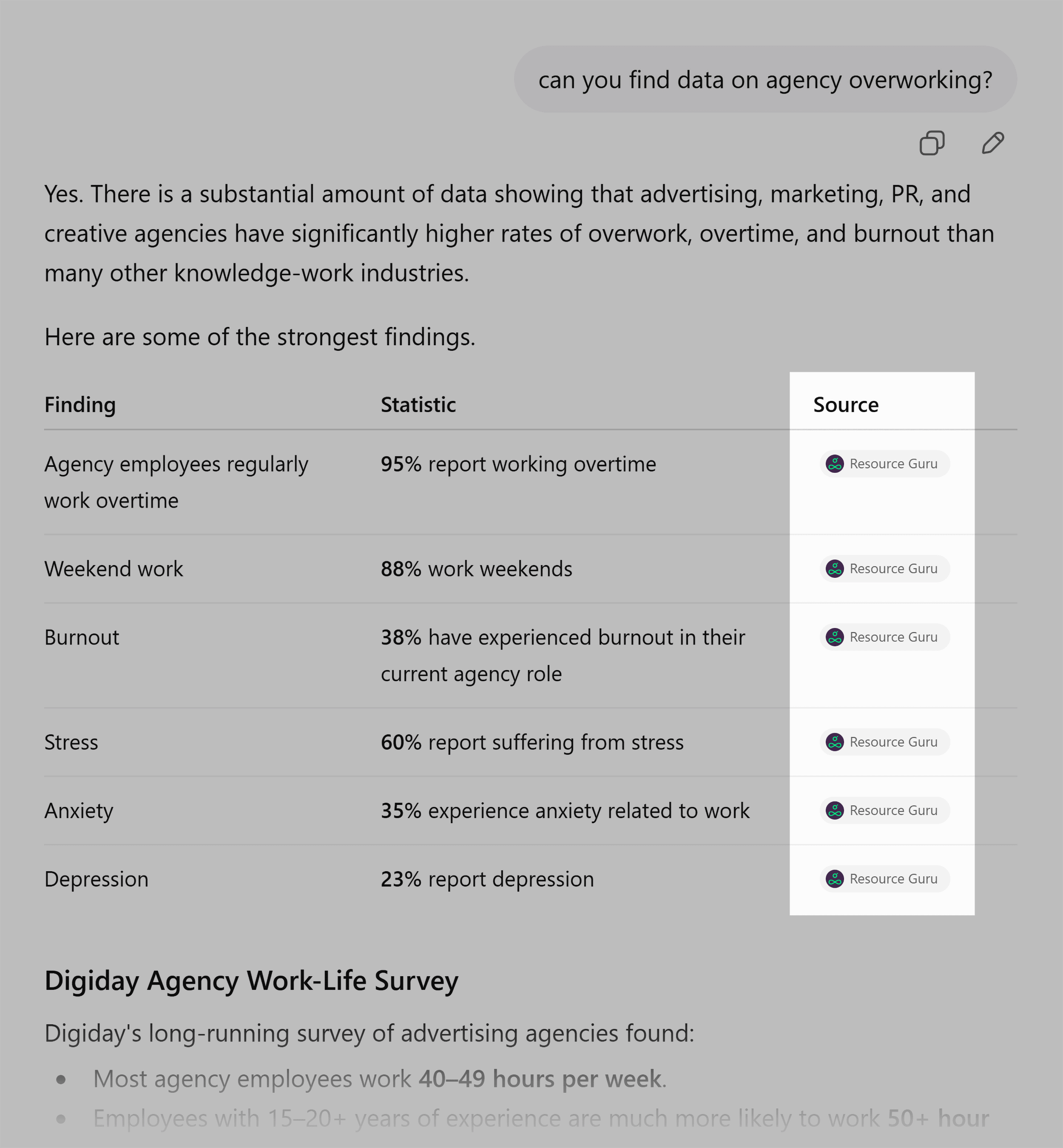
The process begins with "prompt mapping"—predicting the specific questions a target audience will ask an AI. Because AI companies do not yet provide public databases of user prompts, marketers must rely on long-tail query data from Google Search Console and "People Also Ask" (PAA) boxes. Once the most common prompts are identified, brands can analyze the citations provided by different LLMs.
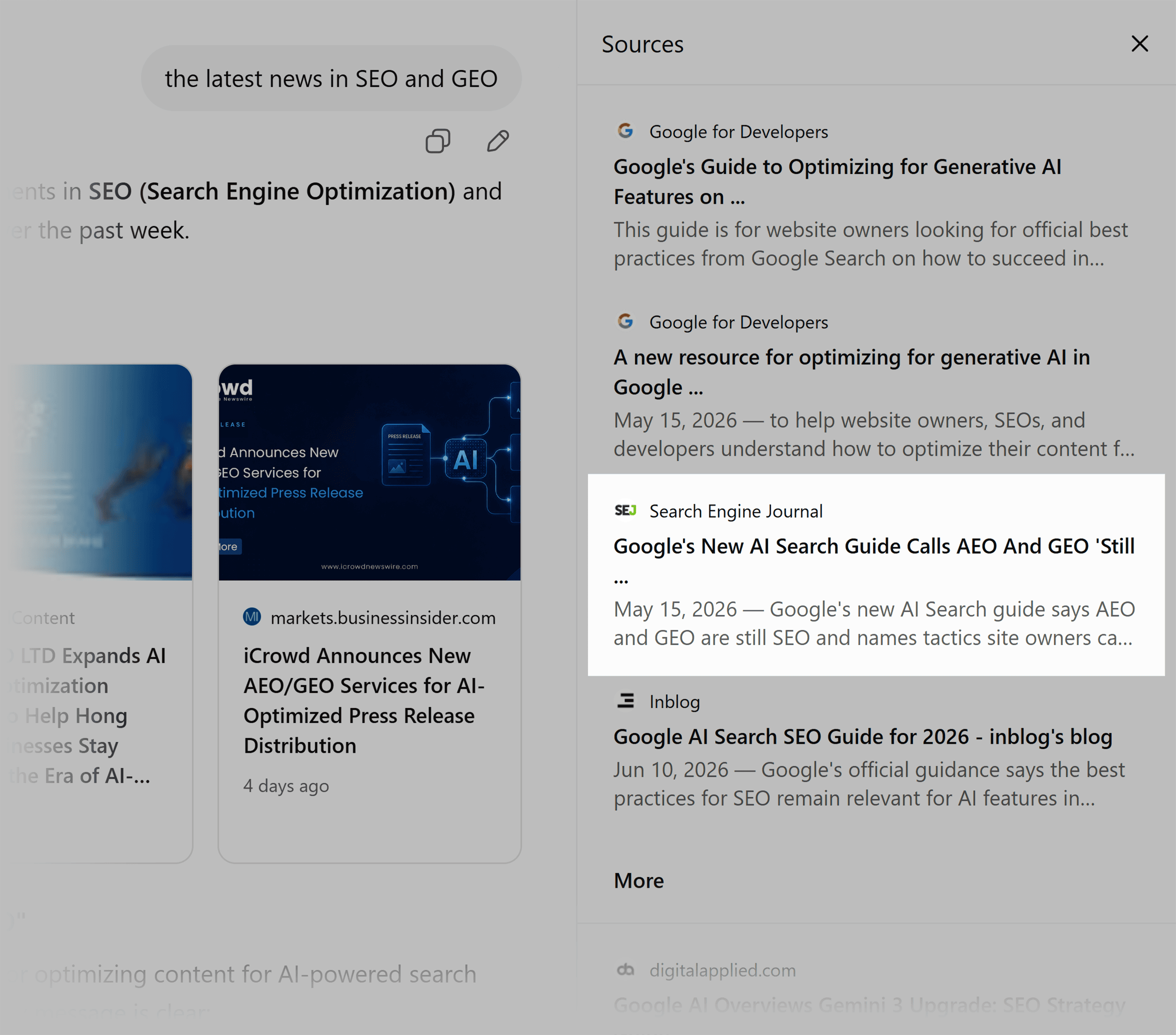
Research shows that ChatGPT, Google’s AI Overviews, and Perplexity often favor different types of sources. While one might prioritize academic journals or major news sites, another might lean heavily on product comparison listicles. By reaching out to the authors of these cited pages and offering expert commentary or updated data, brands can "piggyback" on existing AI-trusted sources, effectively inserting themselves into the AI’s response loop.
Reactive PR and the "Freshness" Window
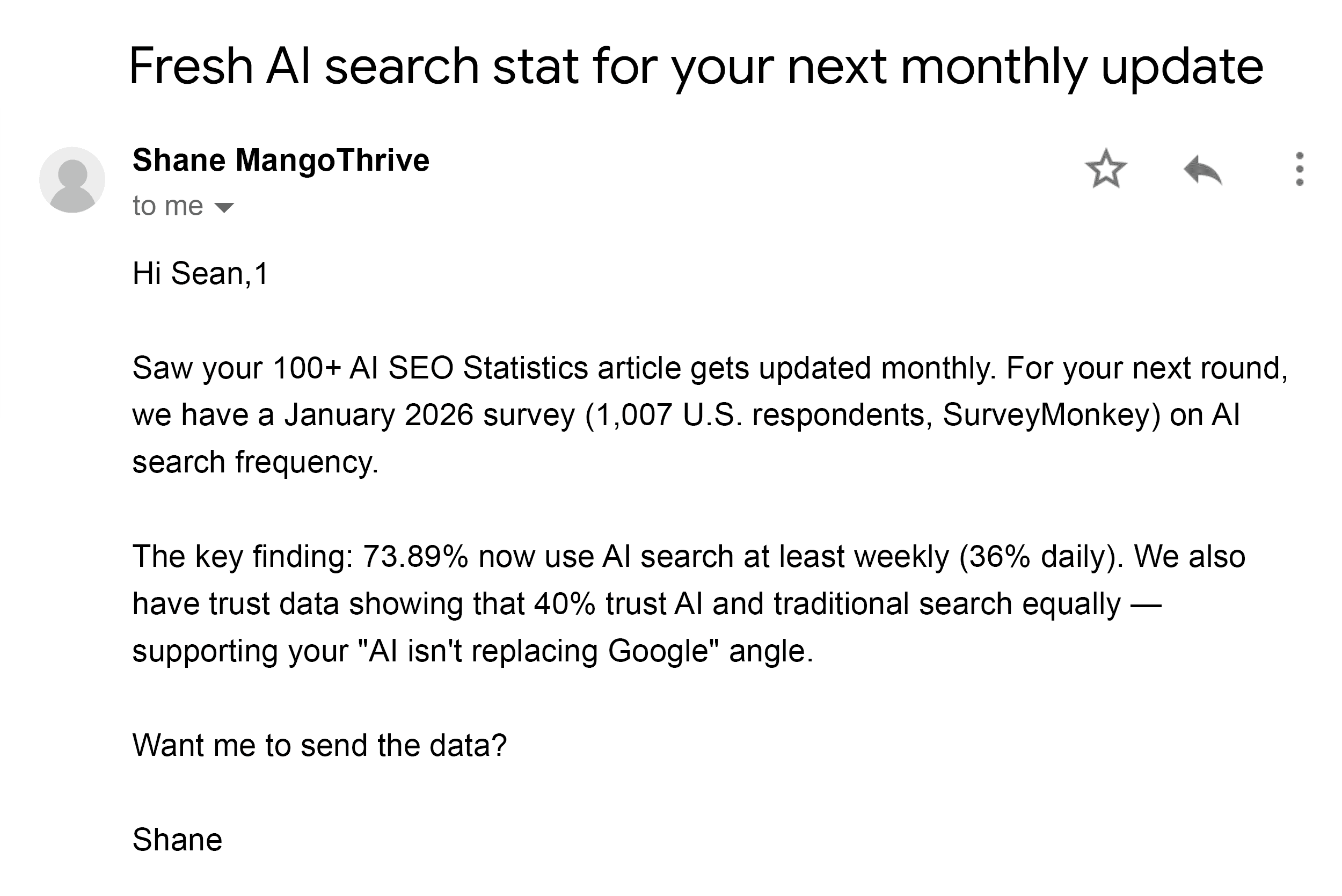
LLMs are often limited by training data cutoff dates, but they overcome this by searching the live web for current events. This creates a "freshness window" where reactive PR becomes essential. When a major industry shift or news event occurs, there is a brief period where only a handful of credible sources have published analysis.
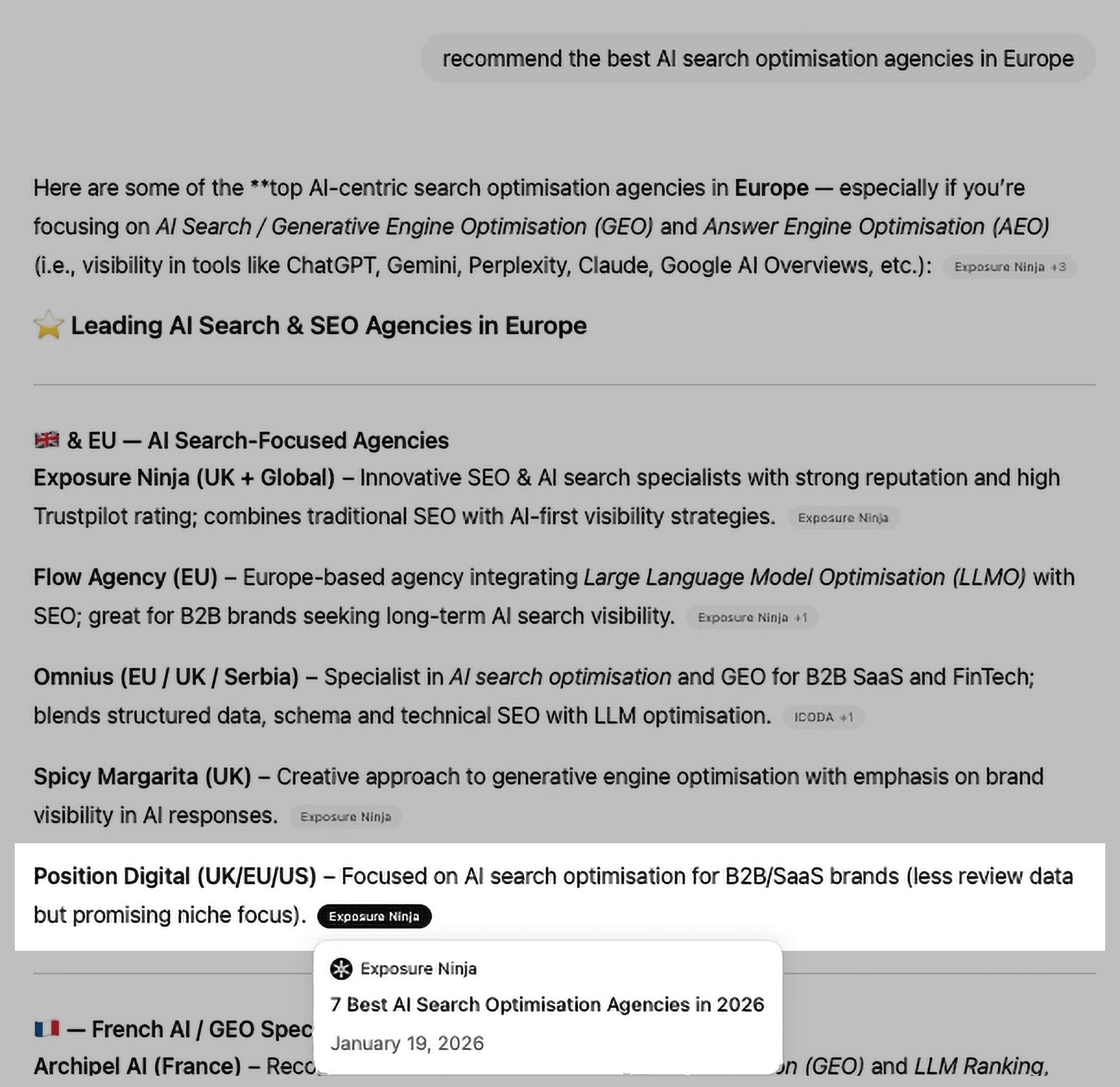
Brands that can provide immediate, high-quality commentary or original reporting during this window are highly likely to be surfaced by AI systems. This "newsjacking" approach ensures that when a user asks an AI about a breaking trend, the brand’s perspective is among the few available for the model to synthesize. Success in reactive PR requires rigorous monitoring of social trends, niche newsletters, and breaking news feeds to identify emerging narratives before they reach a saturation point.
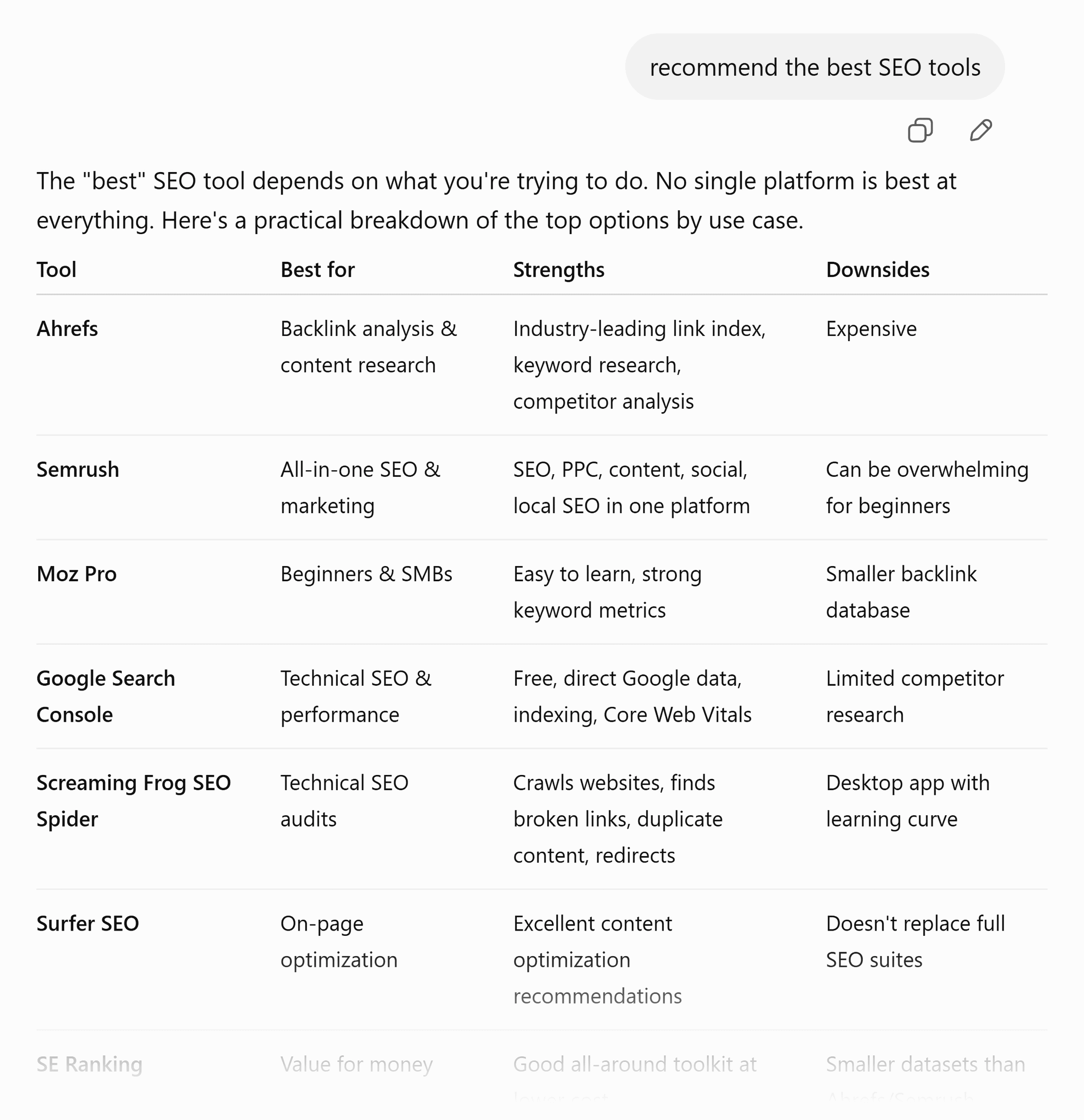
The Authority Loop: Ego Bait and Thought Leadership
AI systems are increasingly sophisticated at identifying human expertise, a factor Google refers to as E-E-A-T (Experience, Expertise, Authoritativeness, and Trustworthiness). Strategies such as "ego bait"—content that features insights from recognized industry experts—serve a dual purpose in the AI era.
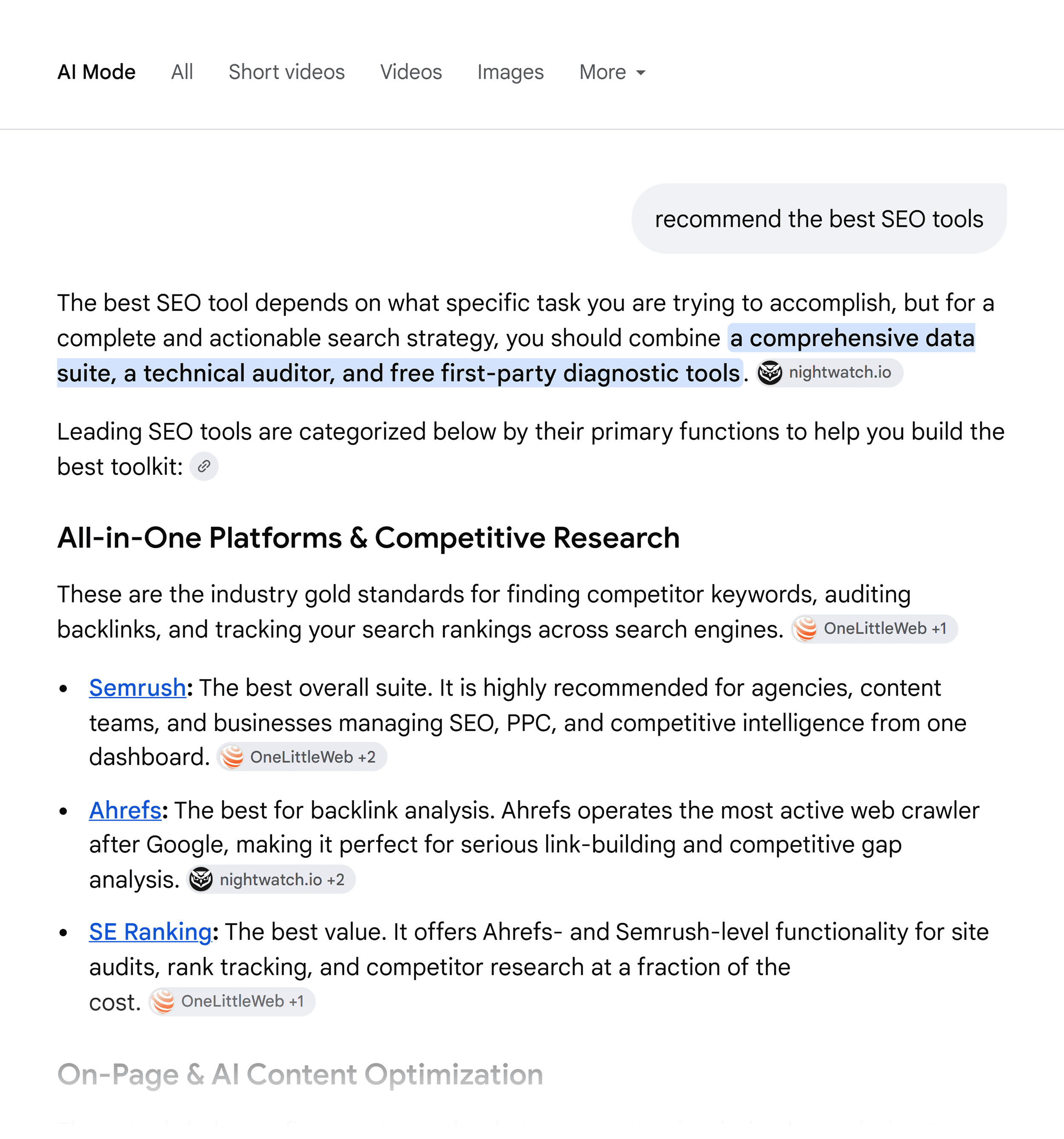
First, the presence of expert quotes acts as a trust signal. Studies have shown that pages containing expert commentary receive significantly more citations in ChatGPT than those without. Second, featuring influencers and experts creates a built-in distribution network. When experts share content in which they are featured, it generates a ripple effect of mentions and backlinks across social media and niche publications. This cross-platform footprint reinforces the brand’s authority in the eyes of LLMs.
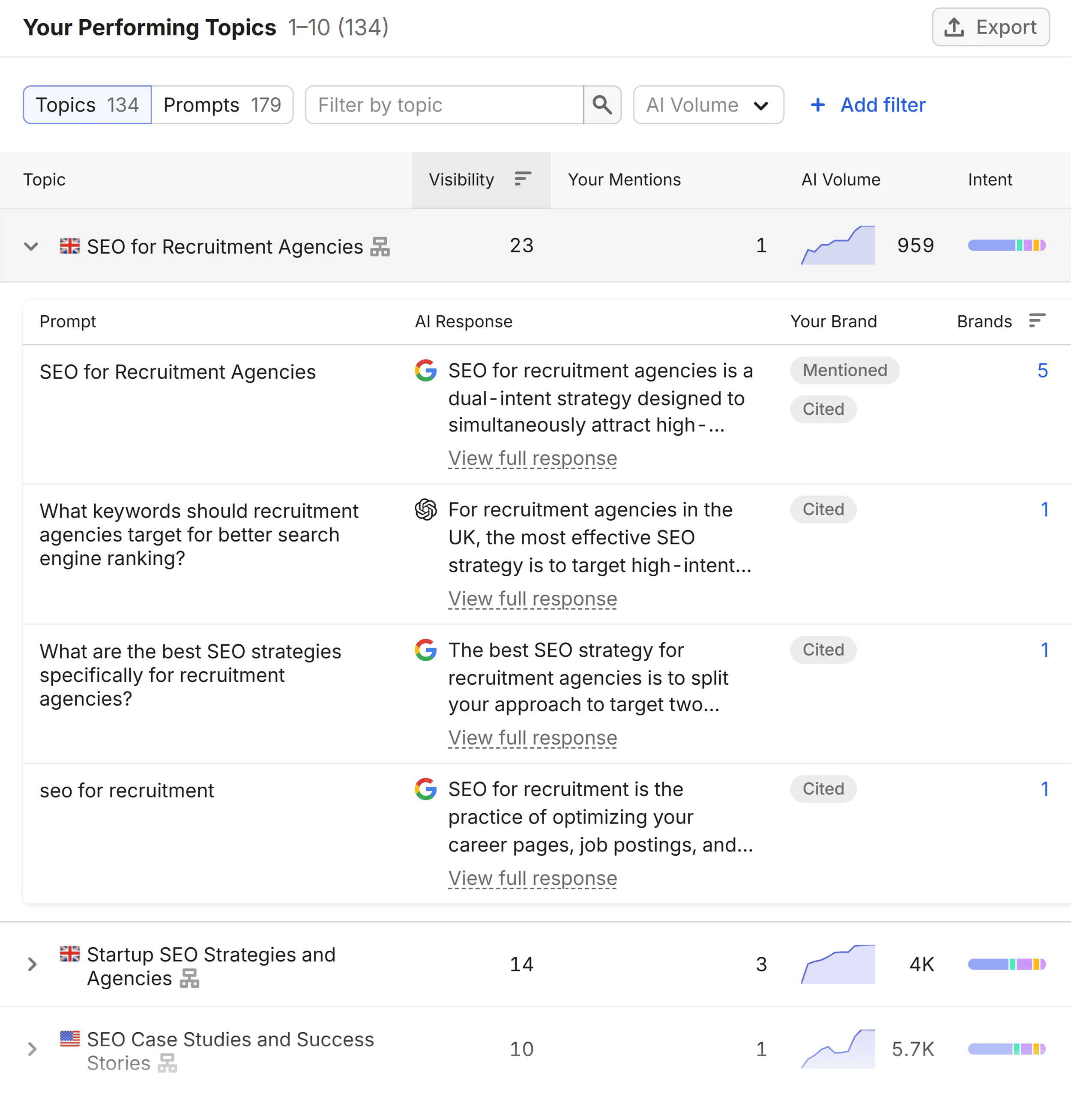
Thought leadership takes this a step further by focusing on "contrarian" or highly specialized perspectives. AI models are designed to provide comprehensive answers; if a brand consistently provides a unique but well-supported viewpoint on a topic, the AI may include that perspective to offer a "balanced" response to the user.
Community Building and the "Reddit-ization" of Search
Perhaps the most significant shift in AI discovery is the weight given to community-driven platforms. In a notable trend, LLMs frequently cite Reddit threads and Quora answers over a company’s official blog. This is particularly true for product recommendations and "how-to" advice.
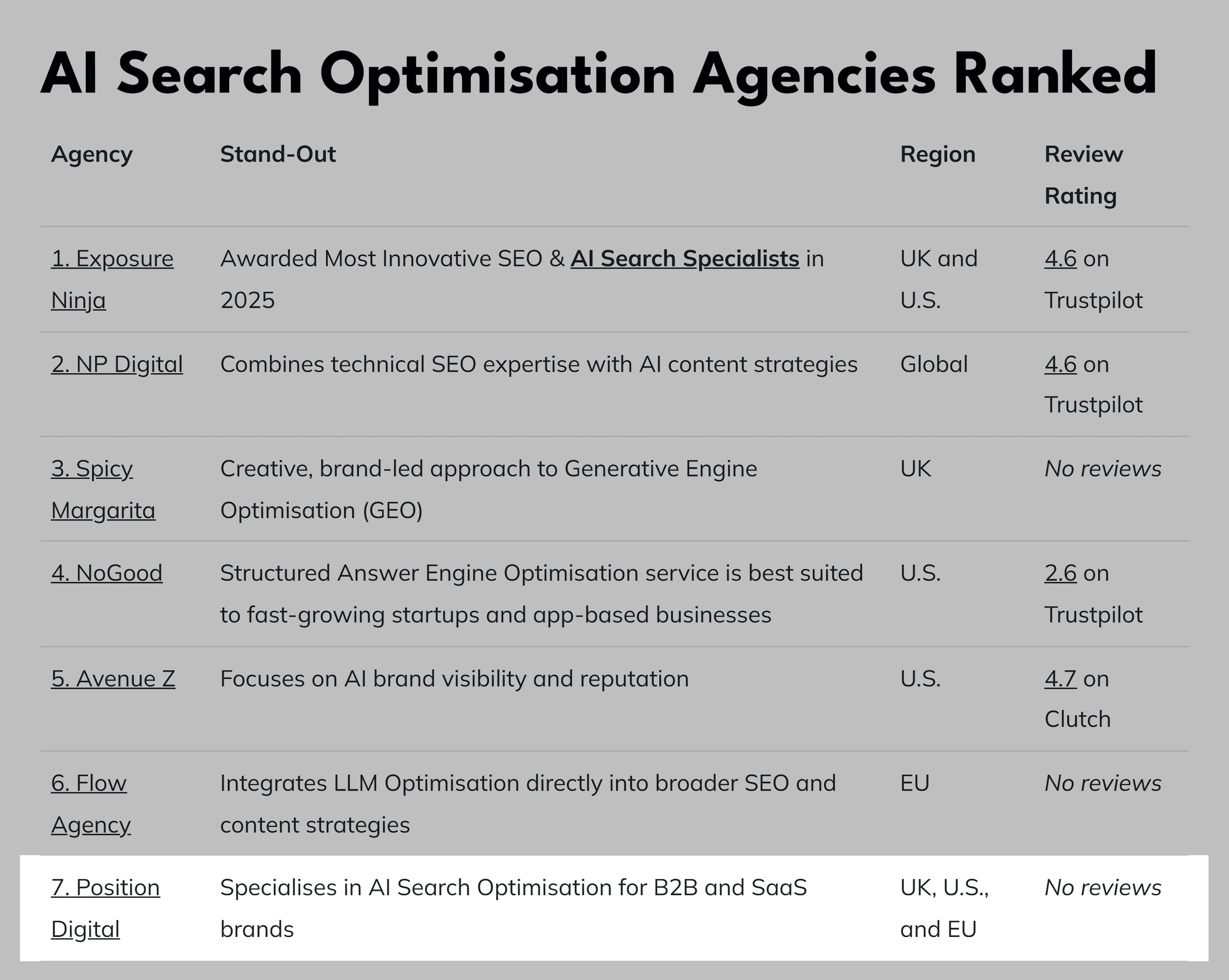
Data from a Seer Interactive study of 800,000 AI responses revealed that brands with no presence on independent review platforms like Trustpilot or G2 have a median AI citation rate of just 1%. However, even a minimal profile with a handful of reviews can skyrocket that citation rate to over 50%.
The implication for digital PR is clear: brands must cultivate a presence in the "digital town square." This does not mean overt self-promotion, which is often penalized by community moderators, but rather authentic participation. By contributing helpful, transparent insights to forum discussions, brand representatives can create a trail of neutral, third-party validation that AI models treat as highly reliable evidence of a brand’s quality and relevance.
Broader Impact and Future Implications
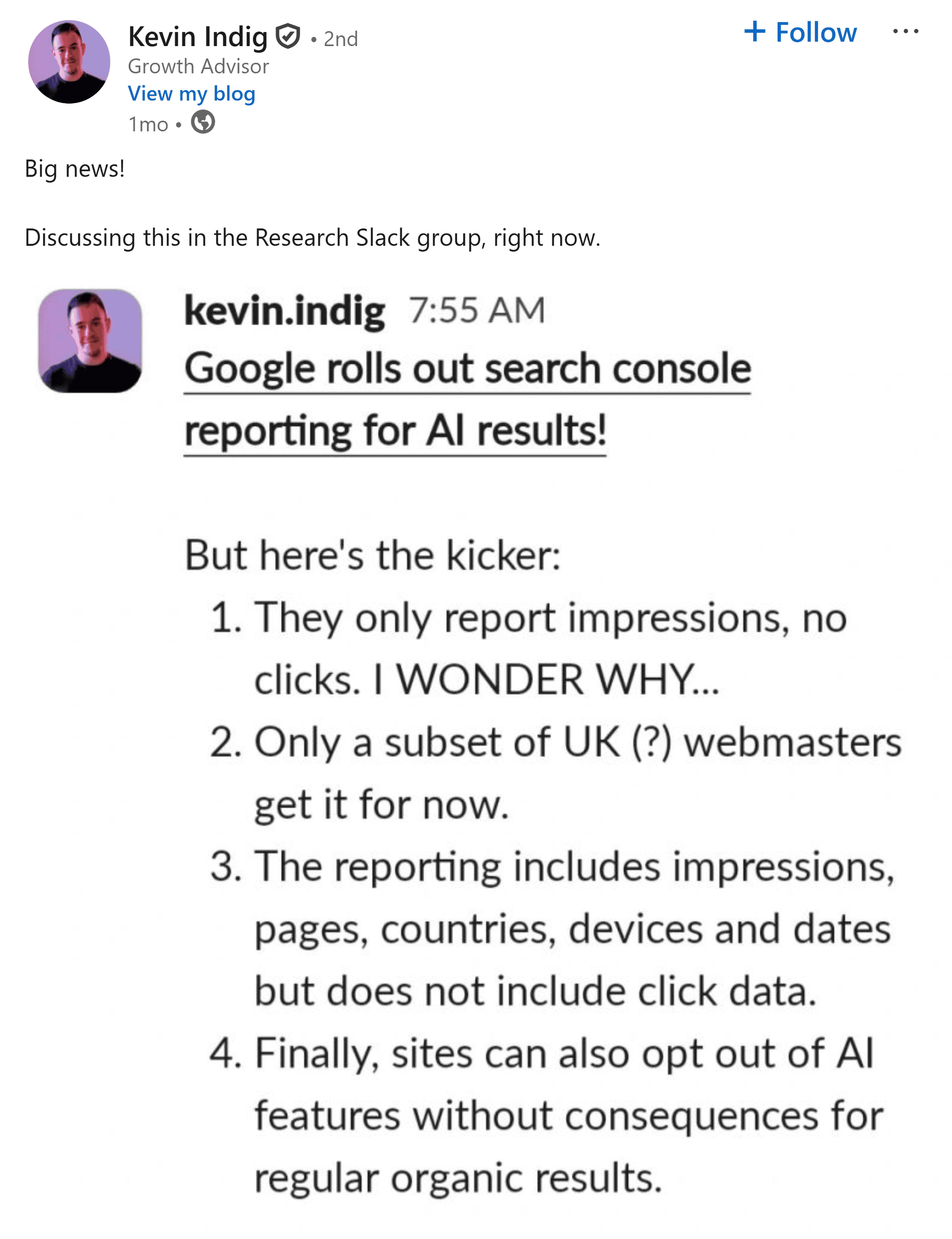
The transition to AI-centric search suggests a future where "brand mentions" may become as valuable as, or even more valuable than, traditional backlinks. As LLMs become the primary interface for information retrieval, the goal of marketing shifts from "winning the click" to "winning the mention."
This evolution will likely lead to a reallocation of marketing budgets. The traditional silos between SEO and PR are dissolving, necessitating a more integrated approach where content creation is inseparable from media outreach and community engagement. Organizations that continue to rely solely on onsite content risk becoming invisible to the next generation of searchers who rely on AI to filter and summarize the web.
In conclusion, the path to visibility in the AI age is paved with third-party validation. By leveraging data-led research, reactive commentary, expert collaborations, and community engagement, brands can build the requisite authority to be recognized, trusted, and recommended by the algorithms that now mediate our digital reality. The most successful brands will be those that stop talking about themselves and start ensuring that the rest of the web is talking about them.