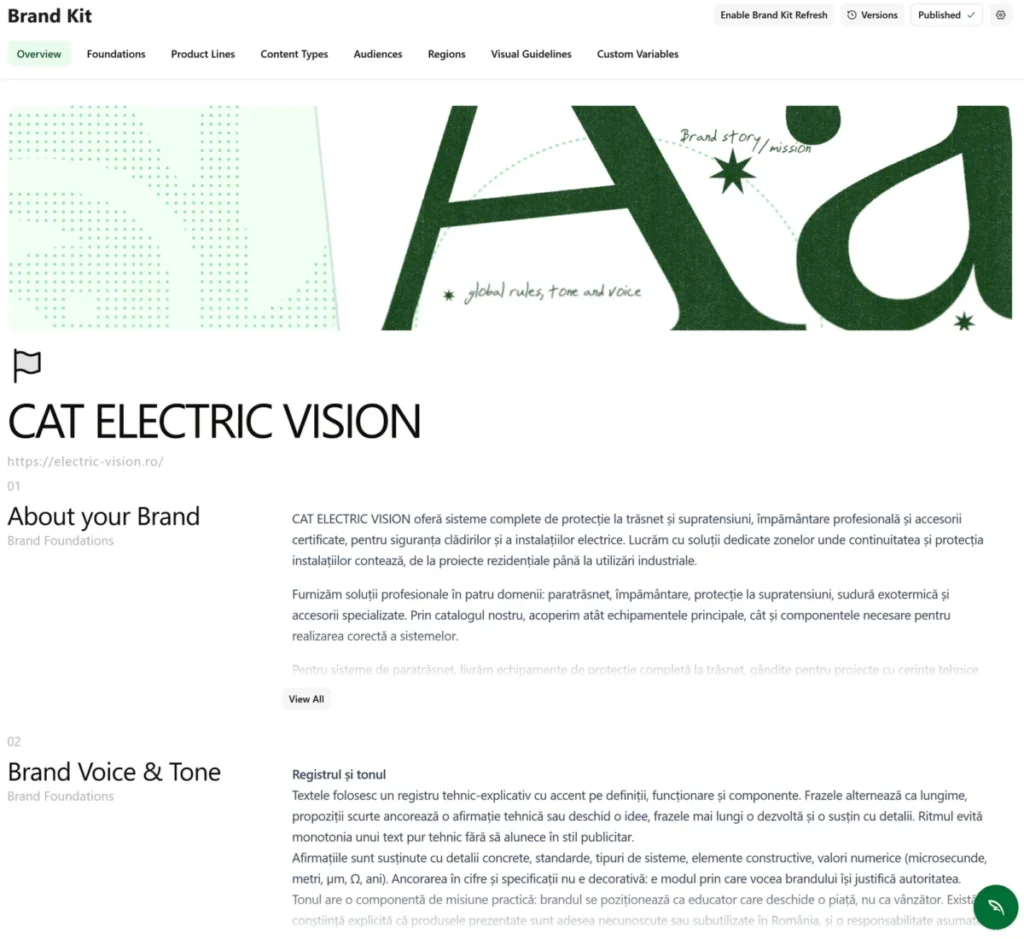

The emergence of Generative AI has fundamentally shifted how professional audiences retrieve information, moving from traditional keyword-based search results to summarized, AI-generated answers. For small and medium-sized enterprises (SMEs), this transition presents both a significant risk and an unprecedented opportunity: the chance to be featured as a direct source within an AI-generated response, a process now known as Answer Engine Optimization (AEO). A recent case study involving CAT Electric Vision, a Romanian-based specialist in lightning surge protection, illustrates how small businesses can leverage automated workflows to capture this visibility without the need for vast marketing departments or unlimited advertising budgets.
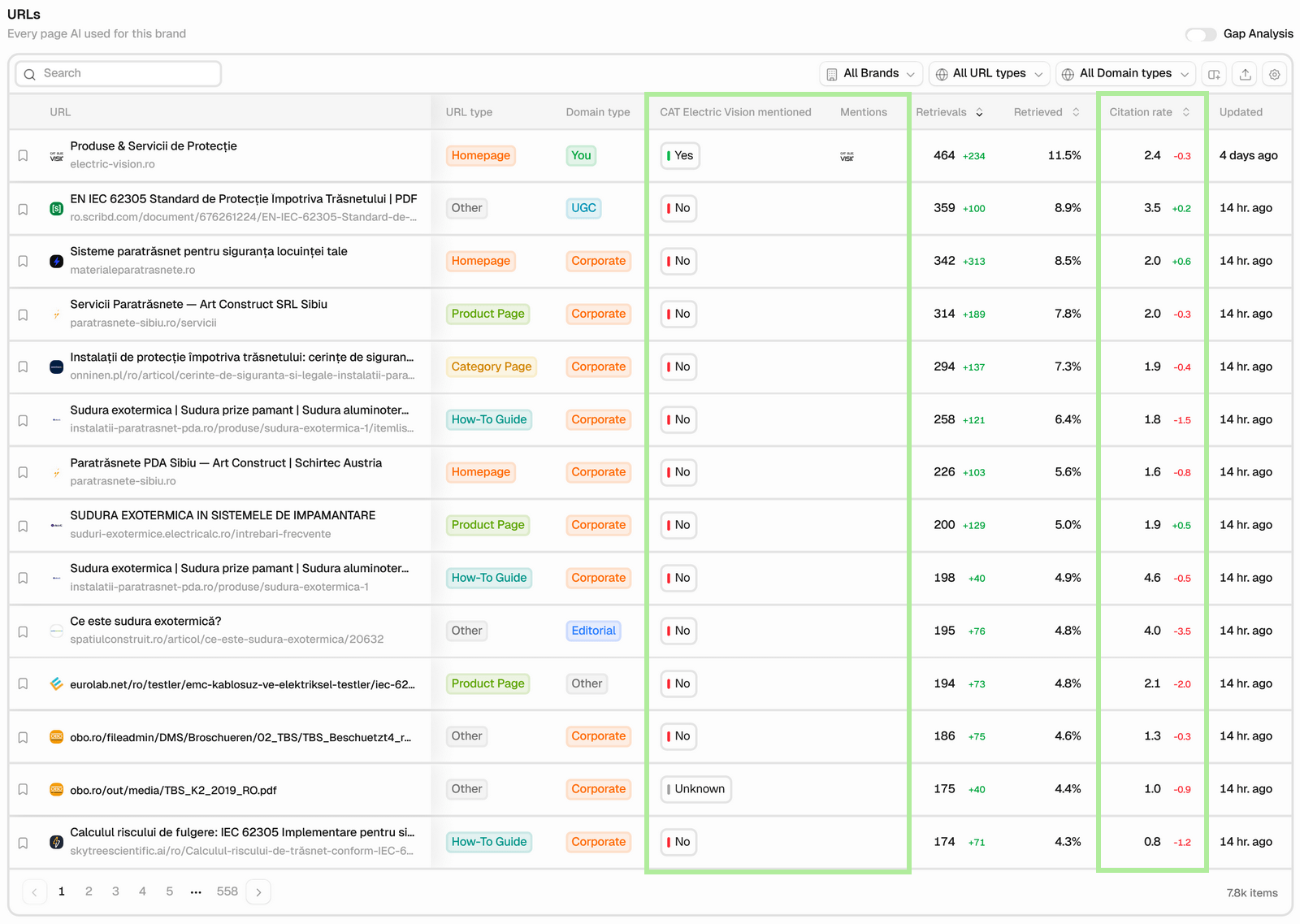
The realization that brand visibility could be automated began during a routine digital audit. By inputting specific industry queries into major AI platforms like ChatGPT, Perplexity, and Google AI Overviews, it became evident that CAT Electric Vision was being surfaced in answers organically, despite no formal strategy to target these engines. While the brand appeared prominently in Perplexity, it remained buried in the source links of ChatGPT. This discrepancy highlighted a critical insight: AI models are actively seeking authoritative, niche technical data to fulfill professional queries, and businesses that effectively curate their expertise can influence their placement within these AI-generated summaries.
The Evolution of Search: From Keywords to Answers
For years, search engine optimization (SEO) focused on ranking high on the first page of Google to drive traffic to a website. AEO, by contrast, focuses on the "Zero-Click" search environment, where the user receives the answer directly on the results page. In the professional sector, this shift is pronounced. Engineers, procurement officers, and specialized contractors are increasingly relying on tools like Gemini, Copilot, and ChatGPT to solve complex technical problems.
Recent data underscores the dominance of specific platforms in this ecosystem. According to a 2024 analysis by Semrush, LinkedIn content serves as the second-most-cited source across major AI search platforms, appearing in approximately 11% of all responses. More specifically, a report by Profound indicates that for professional, industry-specific queries, LinkedIn is the most-cited domain across all six leading AI search engines. This makes professional social networks not merely a hub for networking, but a critical repository of indexable knowledge that AI models prioritize when synthesizing industry advice.
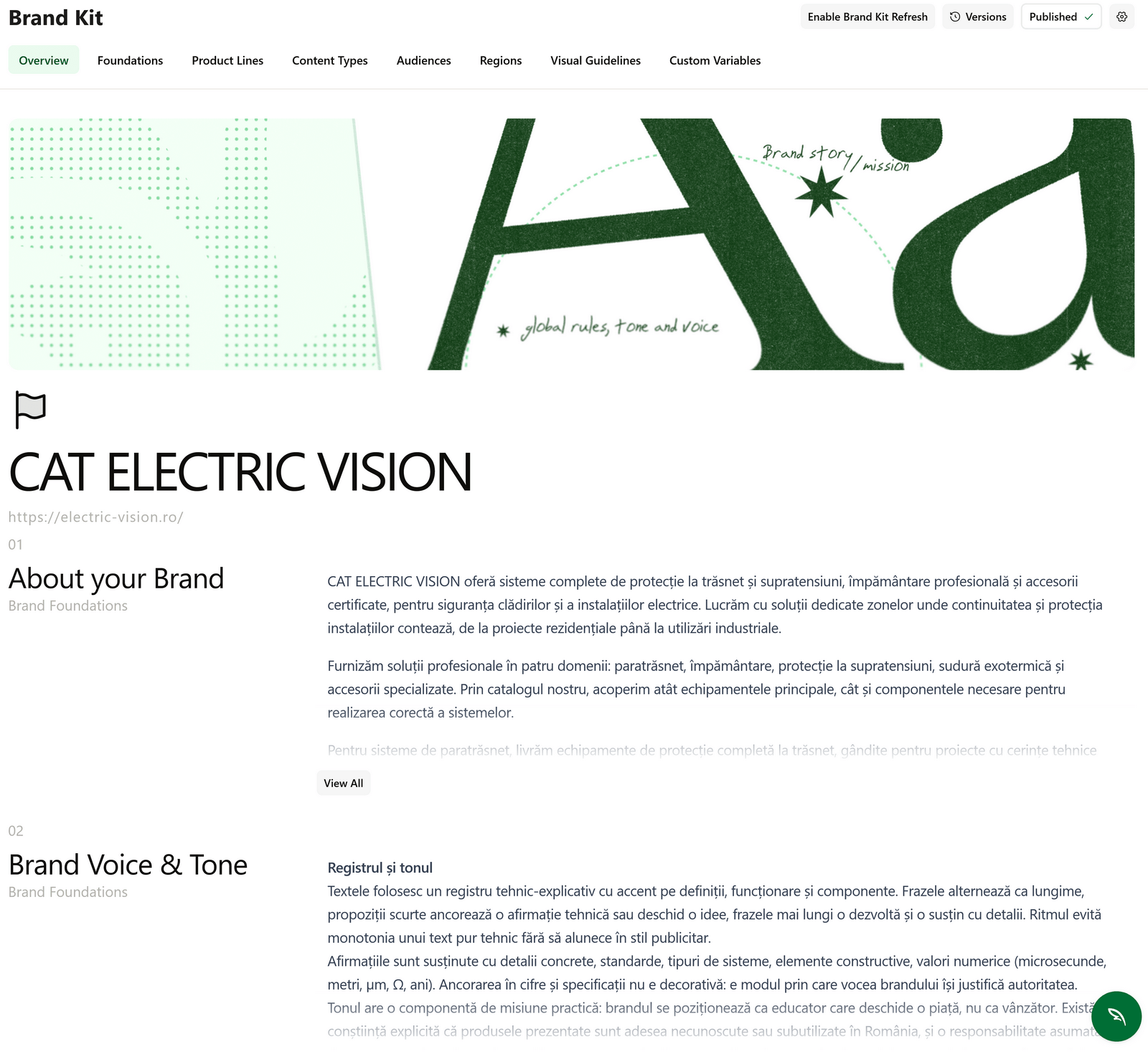
Constructing an Automated AEO Pipeline
To capitalize on this trend, a systematic, repeatable content loop was designed to bridge the gap between technical expertise and AI visibility. The process involves four core components: orchestration, visibility tracking, data synthesis, and distribution.
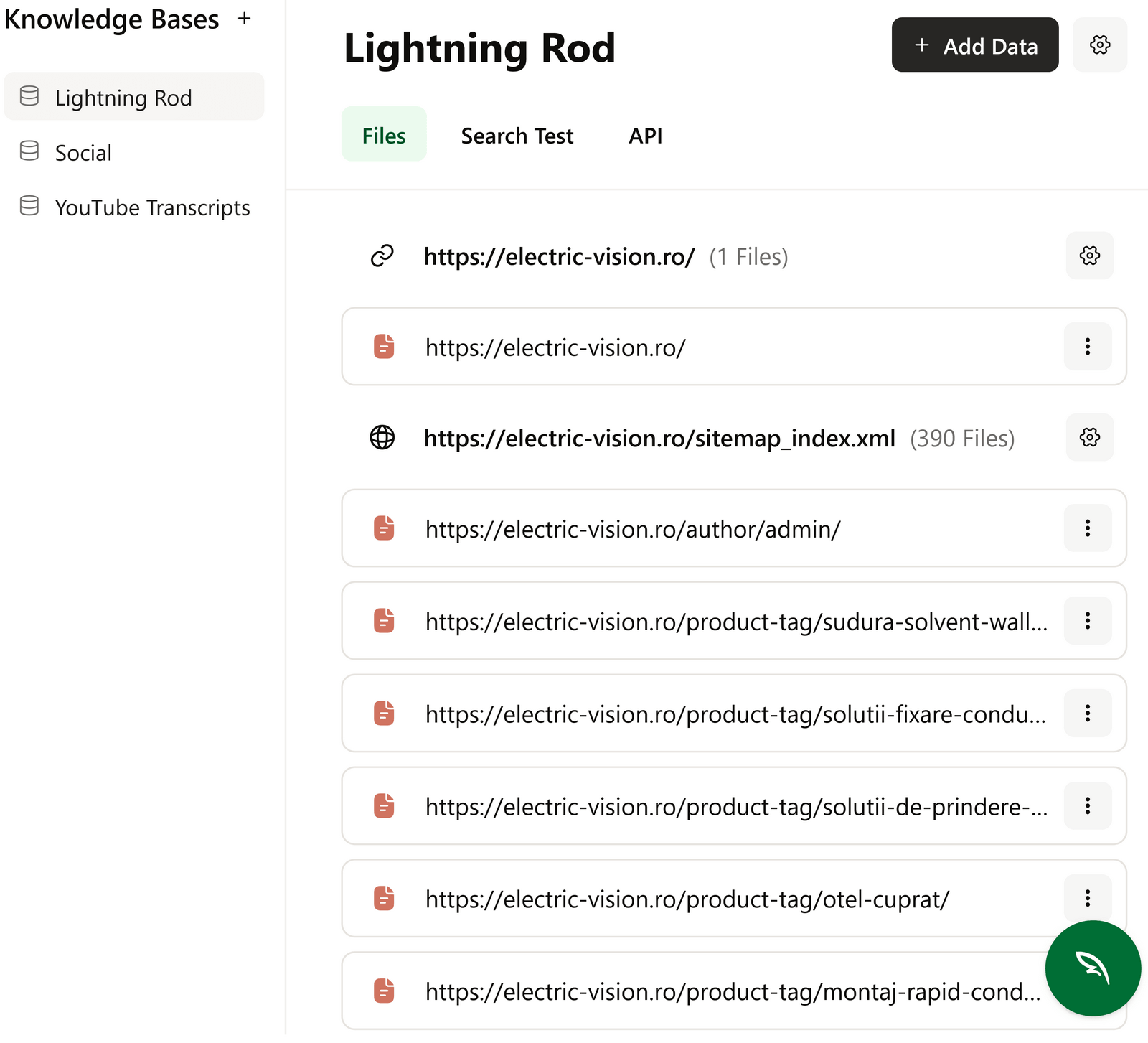
The automation architecture utilizes AirOps as the primary orchestration layer. By integrating the company’s internal Knowledge Base—comprising over 390 product pages, archived social media posts, and YouTube transcripts—the system creates a "source of truth." This allows the AI to draft content that is grounded in actual product specifications rather than generic marketing copy.
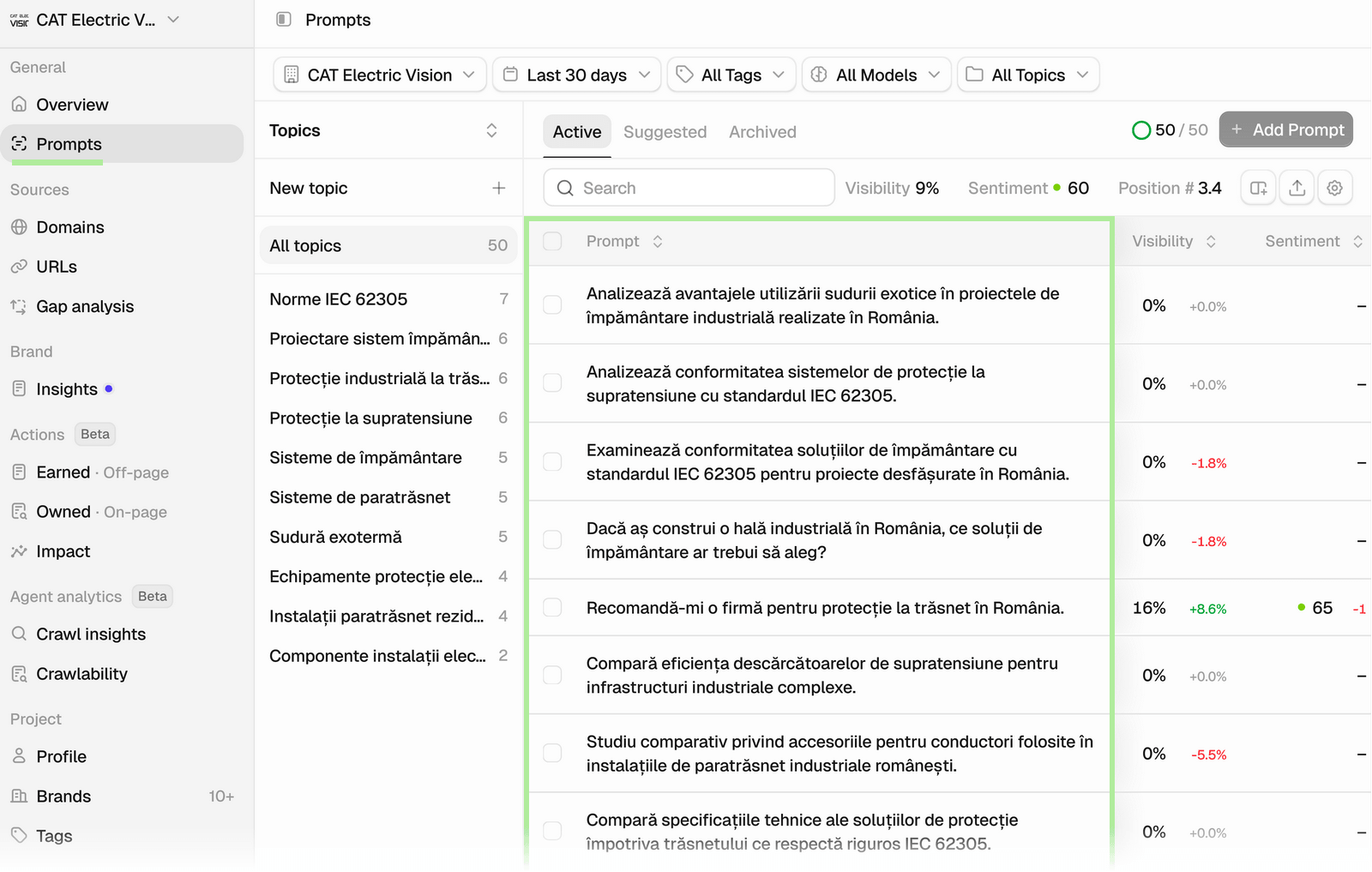
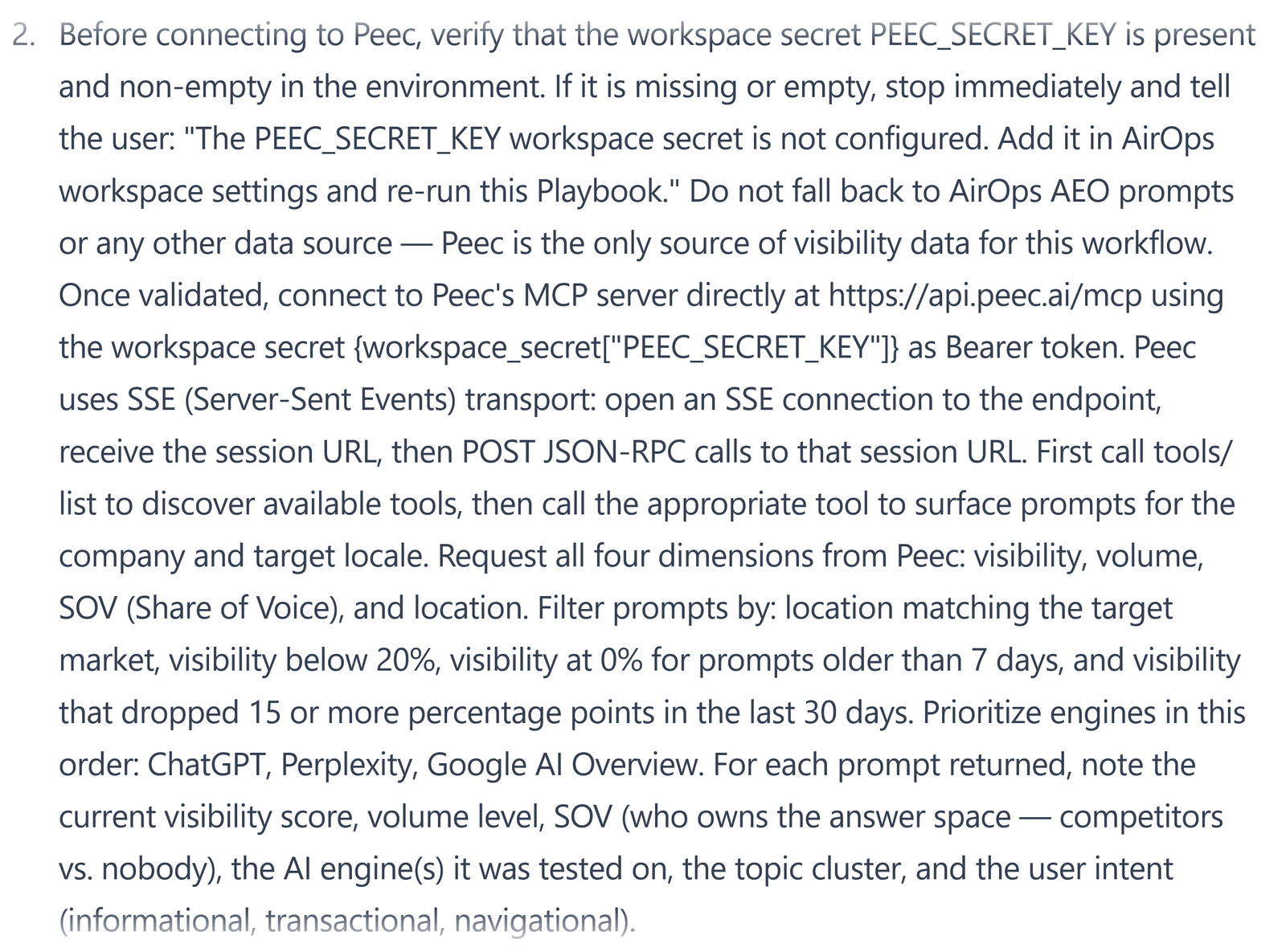
The tracking component is powered by Peec AI, a platform capable of monitoring visibility across the Romanian market in multiple languages. This tool provides granular data on "Share of Voice" within AI engines, reporting whether a brand is mentioned by name in an AI-generated answer or merely linked as a citation. For a specialized firm, a direct mention—such as being recommended as a supplier for surge protection systems—is significantly more valuable than a passive citation.
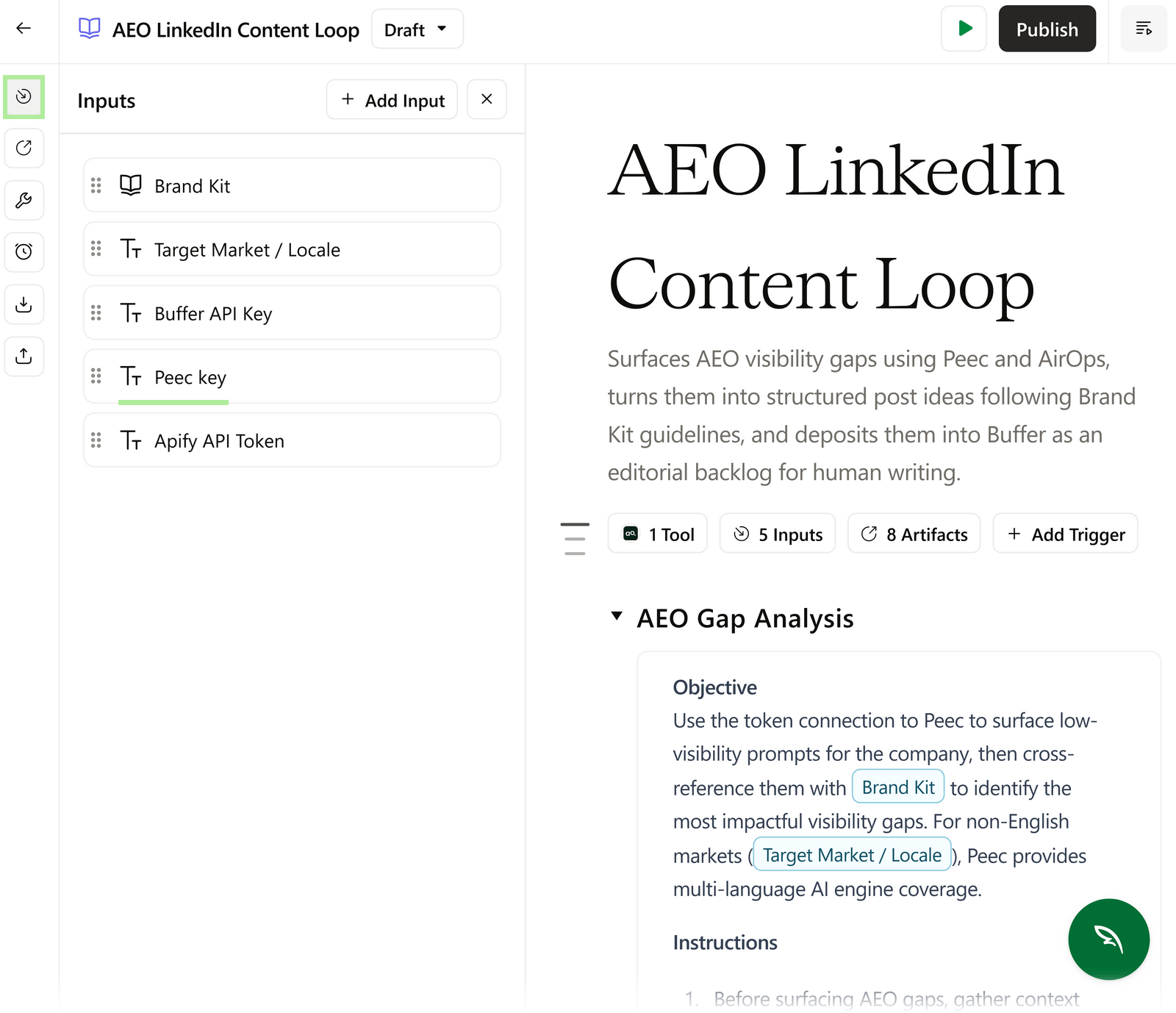
A Weekly Operational Chronology
The workflow operates on a weekly cycle, mimicking the cadence of a traditional editorial board but executed through machine-led logic.
- Audit and Performance Review: At the start of each week, the system queries the Buffer API to assess the performance of previously published content. It extracts key metrics such as impressions, engagement rates, and reactions. This data is then compared against the company’s internal performance grid to identify which technical topics resonate most with the audience.
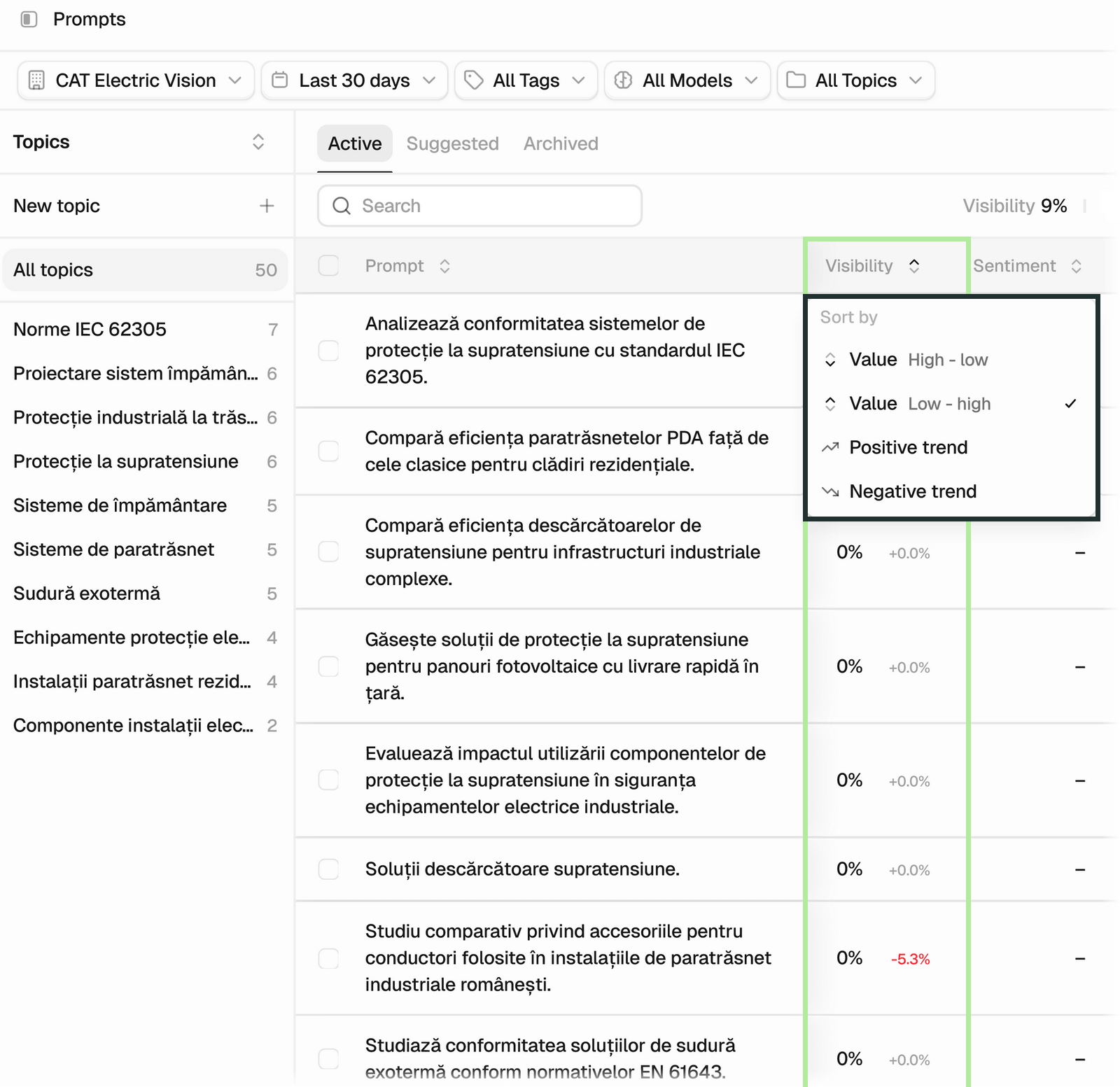
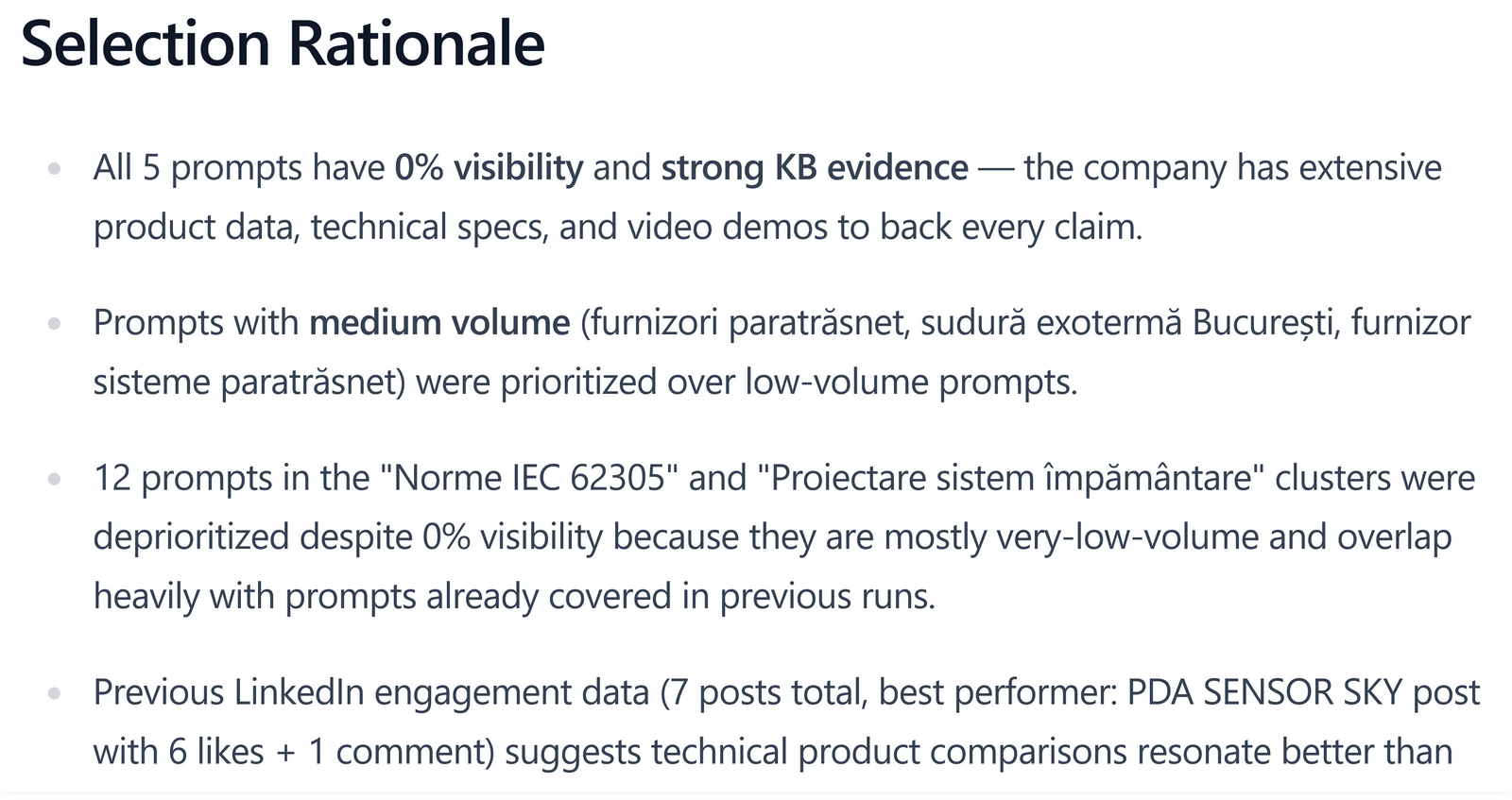
- Visibility Gap Analysis: The system connects to Peec AI to pull current search prompt data. It identifies queries where the brand is currently invisible—defined as having 0% visibility in AI answers over a seven-day window.
- Content Mapping and Brief Generation: Once the gaps are identified, the agent queries the company’s Knowledge Base to determine if there is sufficient technical documentation to address the query. If evidence exists, the agent ranks the topics based on search frequency and potential impact. It then generates a structured brief, including the target audience, brand positioning, and required technical details, ensuring the output aligns with the established corporate tone.
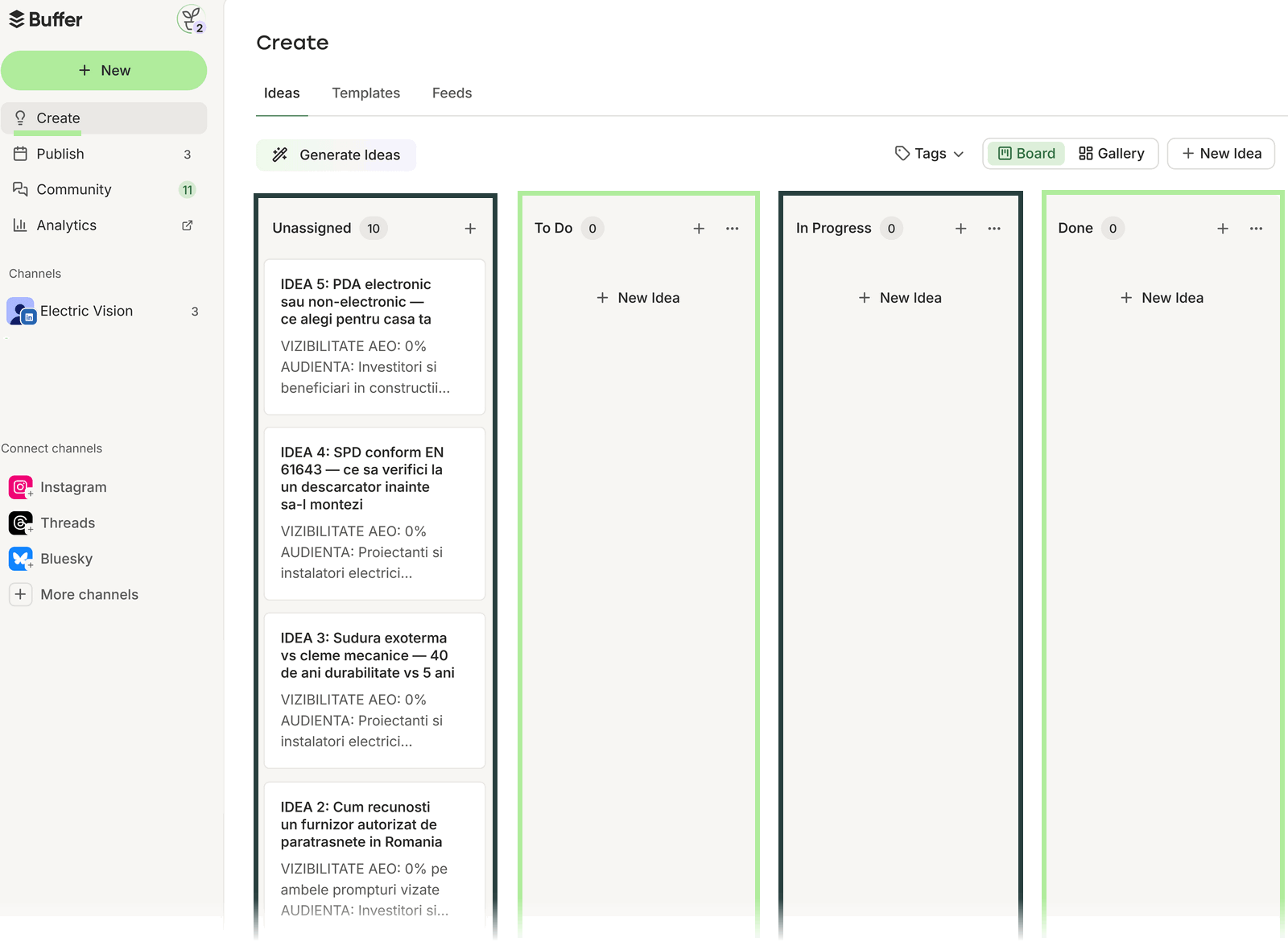
- Distribution: The finalized, writer-ready briefs are pushed directly to the Buffer "Create" board. This allows human editors to approve, refine, or schedule the content for publication on LinkedIn without ever needing to access the backend automation tools.
Implications for Small and Medium Enterprises
The implications of this strategy for SMEs are profound. Traditionally, maintaining an online presence required a constant "reconnecting phase," where businesses would ramp up content production, exhaust their immediate ideas, and then go dormant as operational demands took precedence. The automation of the "ideation-to-brief" phase removes the bottleneck of content creation, allowing even a small team to maintain a consistent cadence of high-quality, technical content.
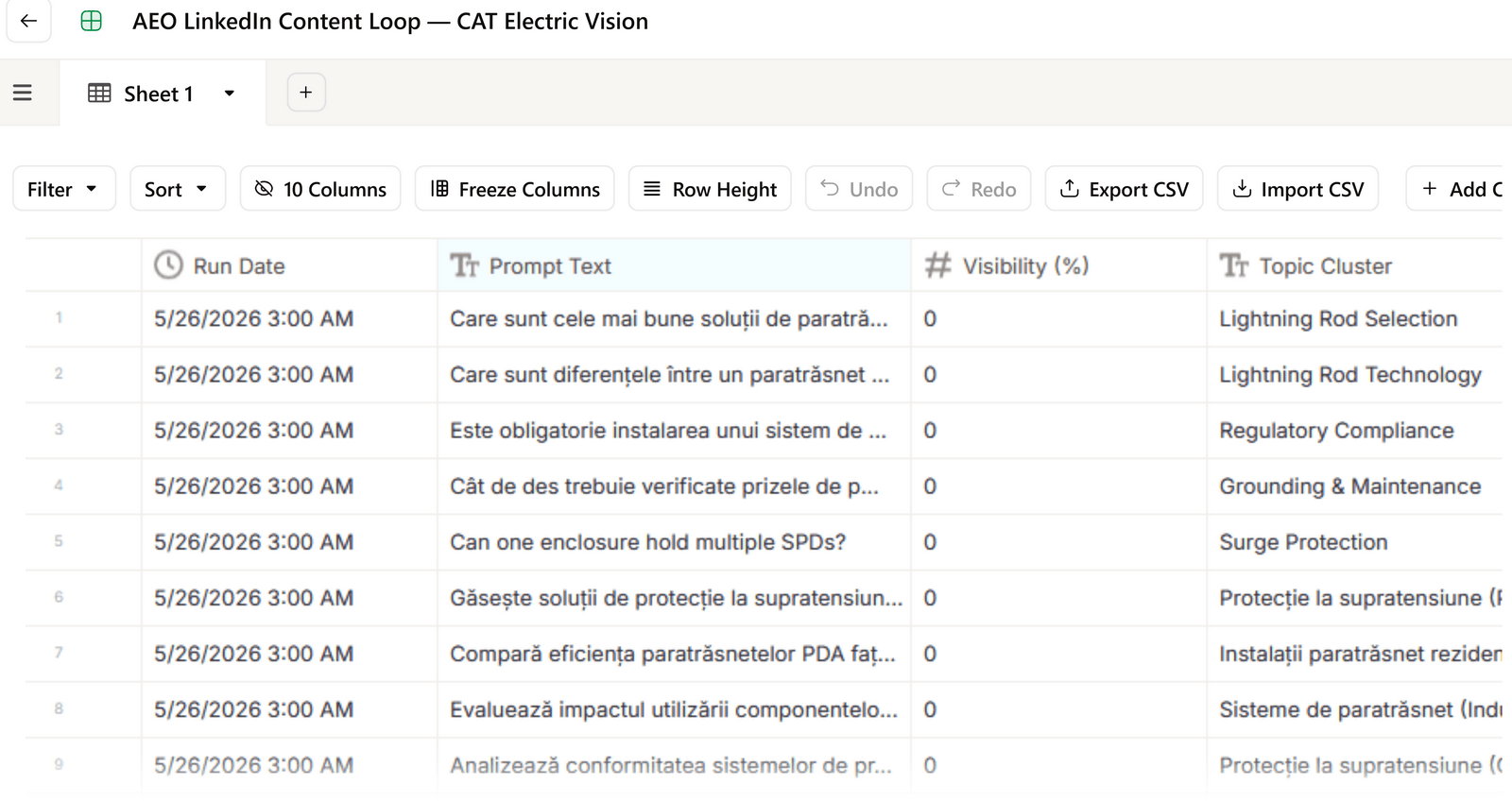
The results, while in the early stages, have demonstrated a shift in both visibility and internal organizational buy-in. For the client in question, the process of systematically mapping their technical knowledge against AI search trends has shifted the owner’s focus toward AI search as a legitimate channel for lead generation, rather than a peripheral technological novelty. Within the first few weeks of implementation, four out of the five identified "invisible" prompts saw their visibility metrics shift away from 0%. While correlation between new content and visibility shifts is difficult to prove definitively, the data suggests that providing structured, technical answers to AI models increases the likelihood of being indexed.
Broader Market Impact and Future Outlook
The rise of AEO is signaling a shift in the value of proprietary data. As AI models become more adept at synthesizing information, the "moat" for a business will no longer be its website traffic, but rather the depth and accessibility of its specialized knowledge. Businesses that fail to make their technical documentation, white papers, and product insights "AI-readable" risk being excluded from the professional advice engines of the future.
However, experts caution that automation should not replace human expertise. The most successful implementations, like the one modeled here, use AI to identify gaps and structure briefs, but rely on human subject matter experts to ensure technical accuracy and brand voice. As tools like the Buffer API and various MCP (Model Context Protocol) servers continue to mature, the barrier to entry for building these sophisticated pipelines is dropping.
For the professional services sector—engineers, lawyers, consultants, and specialized manufacturers—the takeaway is clear: the future of search is a conversation. By ensuring that one’s brand is a participant in that conversation, companies can move from being passive entities waiting for traffic to being active, recognized authorities in the eyes of the AI. As the technology evolves, the integration of these pipelines into standard marketing operations will likely transition from a competitive advantage to a fundamental requirement for digital survival.