
A Chronology of the Xtra Muse 2 Pro Launch
The trajectory of the Muse 2 Pro began with significant anticipation in late May 2026, when Xtra launched its "100 Creators" program. The initiative invited photographers and videographers to demonstrate their technical proficiency and aesthetic sensibility through social media submissions. Selected participants, designated as "Xtra Aesthetic Masters," were promised early access to the company’s flagship dual-lens gimbal camera.
The original commercial roadmap aimed for a late July 2026 launch, supported by an "Early Bird" program that accepted $20 refundable deposits from eager consumers. However, this timeline collapsed within weeks. By mid-July, Xtra abruptly suspended the deposit program and initiated a full refund process for all prospective buyers. The company cited an inability to confirm a viable U.S. launch date, a pivot that coincided with escalating scrutiny from federal regulators regarding the company’s supply chain and technological provenance.
The Regulatory Landscape and FCC Intervention
The primary factor influencing the unavailability of the Muse 2 Pro in the U.S. is an ongoing investigation by the Federal Communications Commission. The commission has been conducting a broader inquiry into several companies accused of importing or utilizing technology linked to restricted entities—specifically those involved in the manufacture of drones and imaging equipment under federal sanctions.
In July 2026, the FCC proposed a $25,000 forfeiture against Xtra, alleging violations related to the importation and marketing of equipment. Furthermore, the agency proposed a prohibition on the future importation of specific Xtra product lines. While the FCC’s action does not constitute a total ban on every device bearing the Xtra brand, it has created a chilling effect on the retail distribution of newer, unvetted models like the Muse 2 Pro.
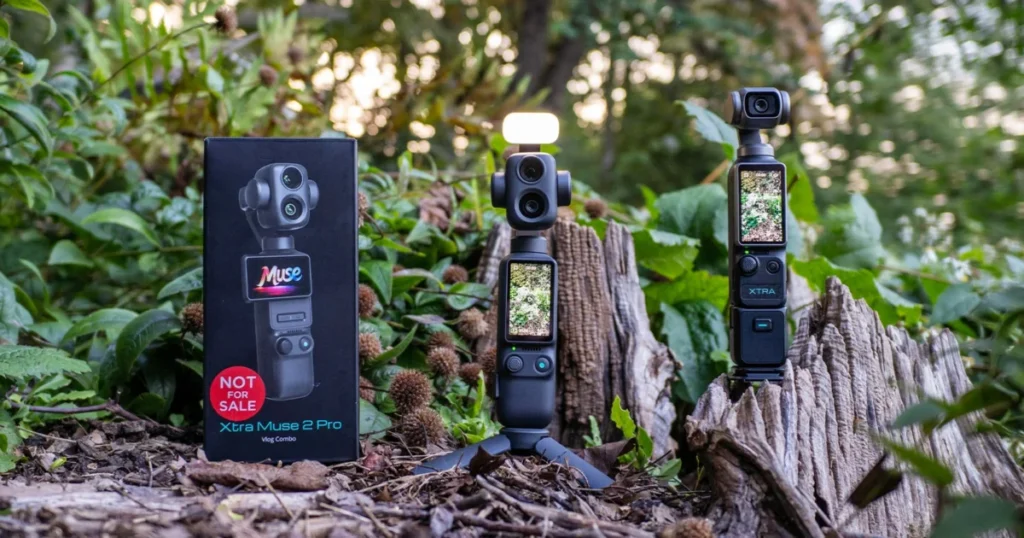
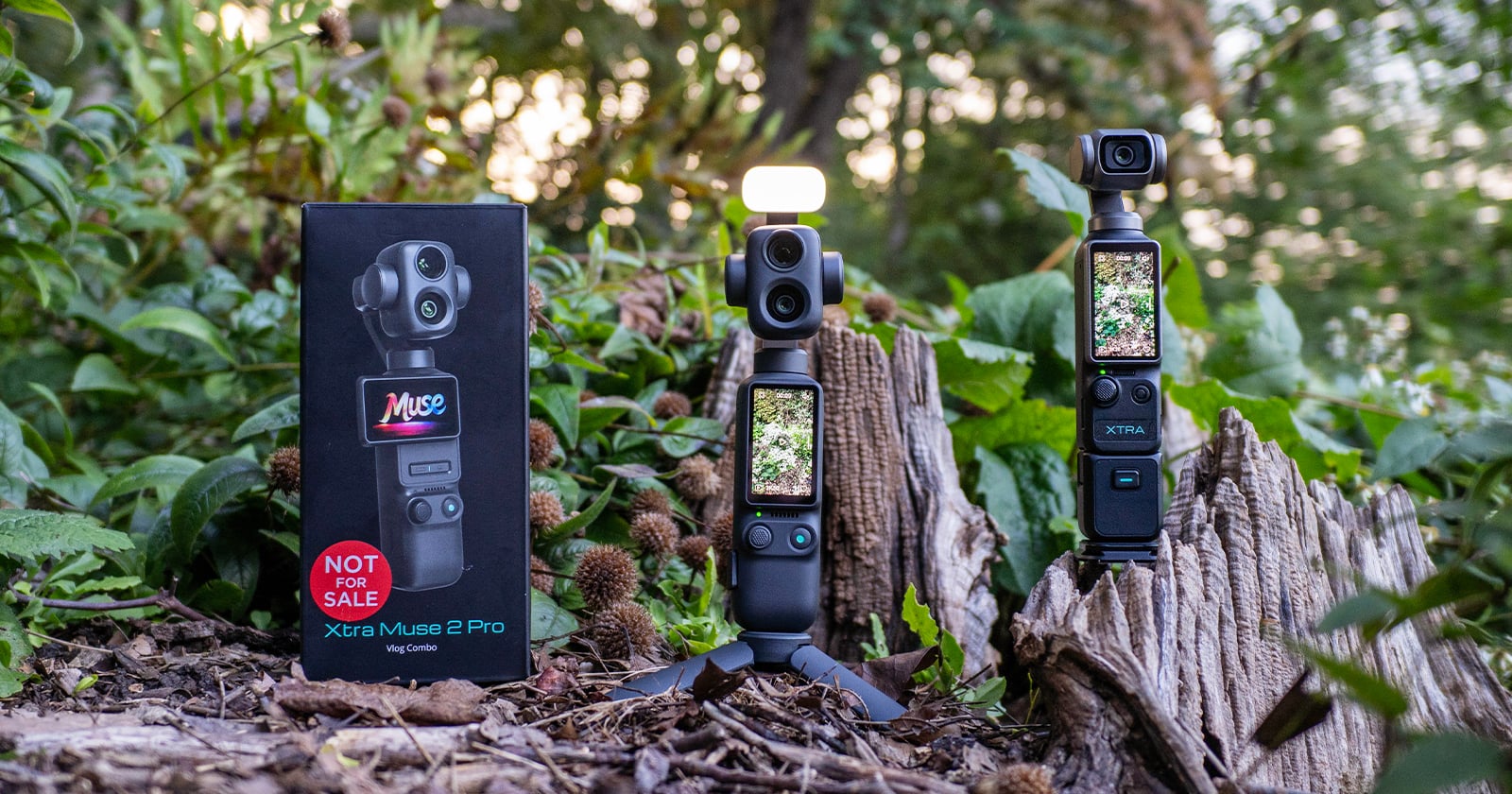
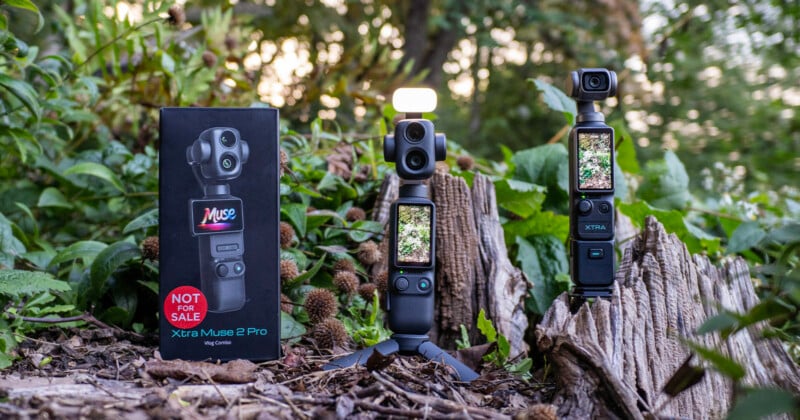
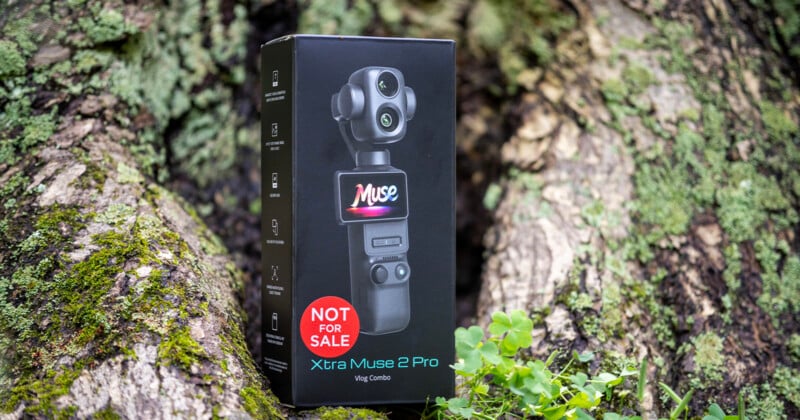
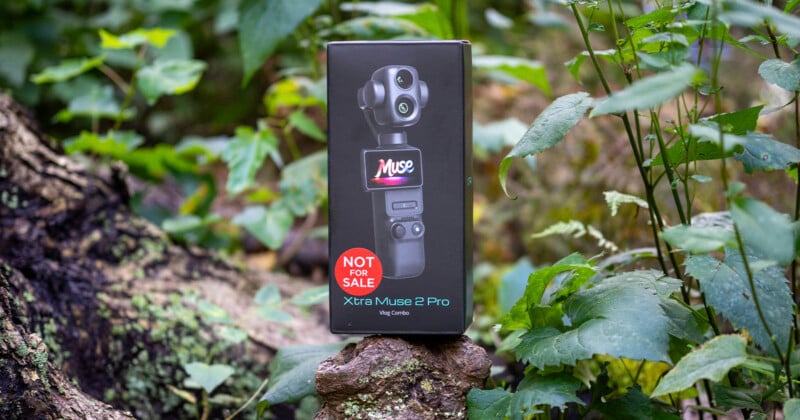
Interestingly, the Muse 2 Pro had successfully obtained FCC equipment authorization in June 2026. The filing included formal attestations from Xtra asserting that the device was not among the "covered equipment" prohibited from receiving such certification. Despite this, the subsequent administrative and regulatory friction has prevented the product from reaching retail shelves, rendering the "Not For Sale" stickers found on influencer-received units a literal, rather than figurative, reality.
Technical Specifications and Market Positioning
The Muse 2 Pro is designed as a direct competitor in the growing "vlog-camera" segment, a category currently dominated by established players like DJI. The device features a three-axis mechanical gimbal, a 1-inch CMOS sensor, and a dual-camera system. The primary lens is a 20mm-equivalent wide-angle optic, paired with a 60mm-equivalent telephoto lens. This dual-perspective capability represents a significant departure from standard single-lens pocket cameras, offering creators greater versatility without the need for additional modular equipment.
Internal hardware specifications suggest a high-performance profile: the device supports 4K recording at up to 240 frames per second, features a 10-bit X-Log 3 profile for advanced color grading, and boasts 103GB of integrated storage. These features are targeted at professional creators who require high dynamic range—up to 17 stops, according to the manufacturer—in a compact, stabilized package. The inclusion of mechanical gimbal stabilization provides a distinct advantage over the digital-only stabilization found in most modern smartphones, allowing for smoother cinematic movement.
Comparative Analysis: Is the Hype Justified?
When compared to the landscape of traditional compact cameras, such as the legacy Canon PowerShot G7 X series, the Muse 2 Pro offers a marked evolution in both software and hardware integration. The device’s subject-tracking capabilities, which allow for autonomous framing, are optimized for solo creators who must act as both subject and operator.
Early testing indicates that the Muse 2 Pro’s 1-inch sensor performs exceptionally well in low-light conditions, maintaining color fidelity and reducing noise more effectively than typical smartphone sensors of similar physical dimensions. The bokeh, or background blur, produced by the device appears natural, avoiding the sometimes jarring digital artifacts often seen in software-processed smartphone portraits. While the autofocus system shows minor limitations in near-total darkness, it remains highly capable in standard outdoor and studio environments.
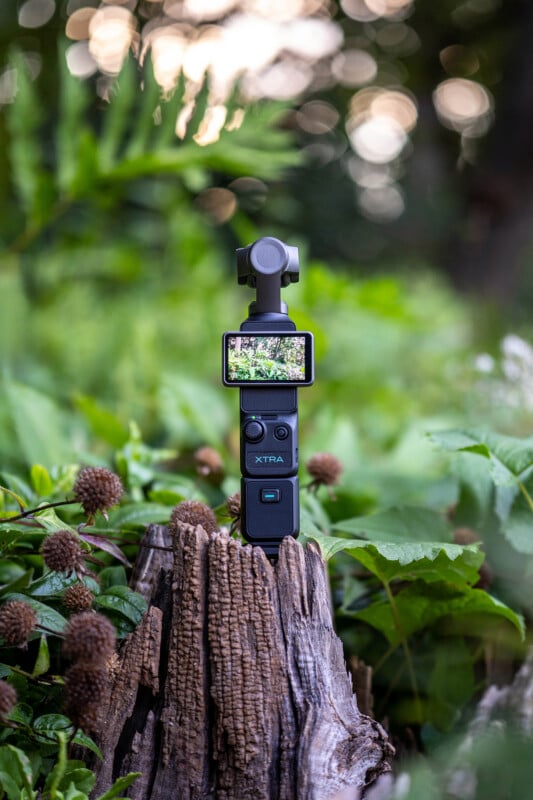
However, the hardware is not without its limitations. The device’s reliance on complex firmware for its tracking and stabilization means that user experience is heavily dependent on software stability. Furthermore, for users accustomed to the granular control of an interchangeable-lens mirrorless system, the Muse 2 Pro serves as a secondary or auxiliary tool rather than a primary workhorse. It lacks the depth of field control and focal length variety required for professional wildlife or architectural photography, yet it excels as a specialized tool for documentary-style vlogging and content creation.
Implications for the Creator Economy
The scarcity of the Muse 2 Pro in the U.S. has created a unique, albeit frustrating, dynamic for the creator community. For the small cohort of individuals who received units through the "Aesthetic Master" program, the camera is a versatile asset. For the average consumer, it is a testament to the volatility of the global electronics market.

The situation highlights the increasing tension between high-tech, fast-to-market electronics and the rigid, often slow-moving machinery of federal trade regulation. As companies strive to pack professional-grade imaging tech into increasingly smaller form factors, they are simultaneously navigating a complex web of geopolitical and legal requirements.
For Xtra, the path forward remains uncertain. The company maintains that it is in active communication with the FCC, working toward a resolution that would allow for a standard commercial release. Until such time as these regulatory hurdles are cleared, the Muse 2 Pro remains an anomaly—a sophisticated piece of hardware that is technically capable but commercially barred.

Future Outlook and Industry Impact
The broader industry impact of the Muse 2 Pro’s limbo status is significant. It signals a shift in how manufacturers engage with the influencer economy. By distributing units to creators before a product is legally available for retail, companies can generate hype and create a perceived scarcity that elevates the brand’s profile. However, when regulatory hurdles delay or derail these launches, it can lead to public relations challenges and a loss of consumer trust.
Furthermore, the technology packed into the Muse 2 Pro confirms that the gap between professional cinematography tools and consumer pocket cameras is narrowing. The shift toward mechanical stabilization combined with 10-bit log profiles and dual-focal-length systems suggests that the future of mobile content creation is moving away from the smartphone as the sole capture device.

As of September 2026, the Muse 2 Pro serves as a bridge between current action-camera technology and the next generation of professional-grade portable imaging. Whether this specific device ever receives the green light for U.S. distribution is secondary to the fact that the underlying technology has proven both viable and highly desirable to the target market. The regulatory landscape will ultimately determine if the Xtra Muse 2 Pro becomes a standard tool in the creator’s arsenal or remains a curiosity, a "not for sale" footnote in the history of compact camera development.