
The modern digital marketplace has transformed Facebook from a secondary social networking site into a primary growth engine for small and medium-sized businesses (SMBs), with over two billion daily active users relying on the platform to discover local services, evaluate products through reviews, and engage directly with brands. However, for many entrepreneurs, the abundance of data available through the platform remains an untapped or misunderstood resource. The challenge for the modern SMB is moving beyond "vanity metrics"—such as likes and follower counts—and transitioning toward a sophisticated, data-backed strategy that prioritizes return on investment (ROI) and tangible business outcomes.
The Paradigm Shift: From Vanity Metrics to Tangible ROI
For years, the success of a Facebook marketing strategy was often measured by the volume of "likes" or "reactions" a post received. While these indicators suggest brand awareness, they frequently fail to correlate with actual sales or customer retention. Industry analysts now emphasize that for small businesses with limited marketing budgets, every action on social media must be tied to a specific business goal.
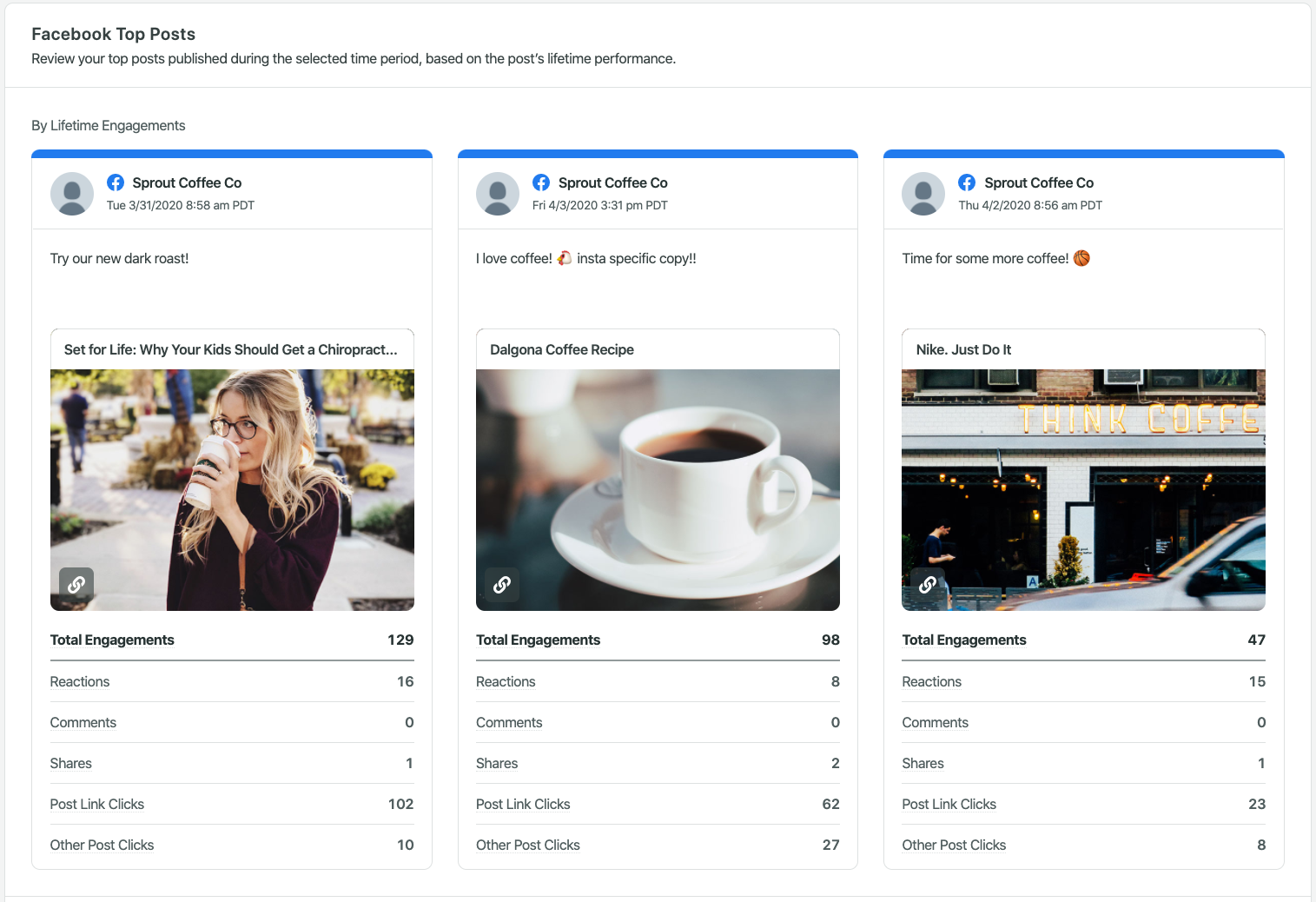
The core of this shift lies in understanding "algorithmic weight." Facebook’s current algorithm prioritizes meaningful interactions over passive consumption. A link click or a share carries significantly more weight than a "thumbs up" because it requires a higher level of user intent. For an SMB, a post that receives ten link clicks to a product page is objectively more valuable than a post that receives 100 likes but zero traffic. By focusing on metrics that reflect buying intent, businesses can move from guessing what their audience wants to making decisions based on historical performance.
A Chronology of Facebook Business Evolution
The path to current Facebook analytics has been marked by significant shifts in how the platform treats business content. In the early 2010s, organic reach was high, allowing businesses to reach the majority of their followers without financial investment. However, as the platform became saturated, Meta (then Facebook Inc.) shifted toward a "pay-to-play" model, necessitating a clearer distinction between organic and paid performance.
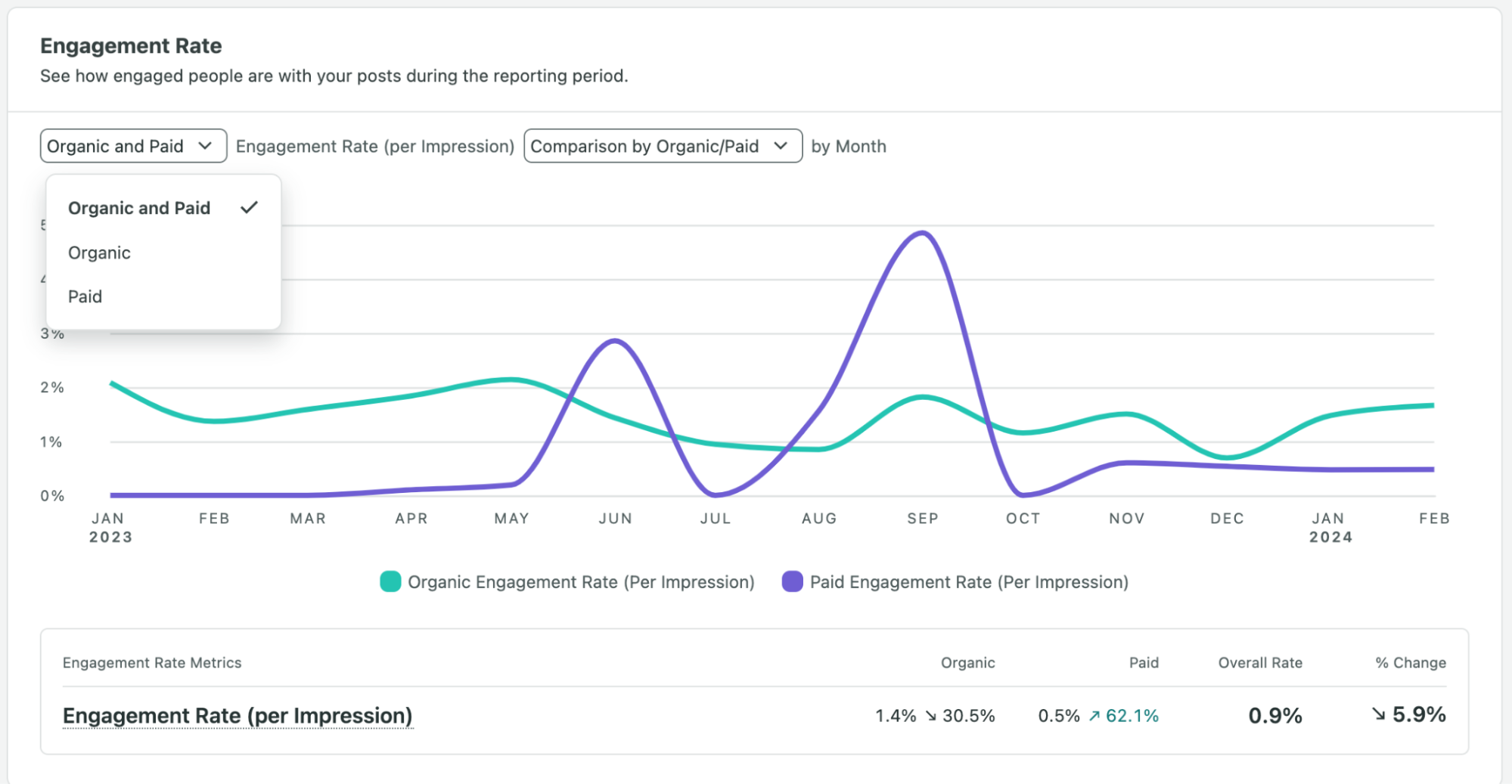
By 2020, the rise of short-form video, spurred by global competition, led to the introduction of Reels, which fundamentally changed how "reach" is calculated. Most recently, Meta has refined its data reporting, including the scheduled deprecation of the "3-second video view" metric by June 2026. This move signals a transition toward measuring "Watch Time" and "Average View Duration," forcing businesses to focus on the quality and retention of their video content rather than just initial impressions. This evolution reflects a broader industry trend: the move away from superficial data toward deep engagement analysis.
Identifying High-Value Metrics for Small Business Success
To navigate the complexities of digital marketing, SMBs must categorize their metrics into actionable buckets: engagement, reach, audience demographics, and conversion.
1. Link Clicks and Referral Traffic
The most direct path to revenue on Facebook is the clickable URL. Unlike other platforms that restrict link-sharing, Facebook allows URLs in posts, Reels, and Page descriptions. By utilizing trackable, shortened links (such as those provided by Bitly or Sprout Social), businesses can bridge the gap between social activity and website conversions. Monitoring these clicks allows a boutique or local service provider to see exactly how many shoppers moved from a social post to a "Book Now" or "Add to Cart" page.
2. Video Performance and Retention
As Reels become the dominant format for brand discovery, "Watch Time" has emerged as a critical KPI. If a video has a high view count but a low average watch time, it indicates that the "hook" is working, but the content fails to deliver value. Conversely, a high watch time with low views suggests that while the content is excellent, the initial thumbnail or headline needs optimization to attract more viewers.
3. Geographic and Demographic Alignment
For local businesses, reach is only valuable if it is concentrated within their service area. Analytics allow SMBs to verify if their followers match their target customer profile in terms of age, gender, and location. If a local bakery in Chicago finds that 60% of its engagement comes from users in another country, its strategy is failing to reach the local buyers who drive revenue.
4. Growth Spikes and Content Attribution
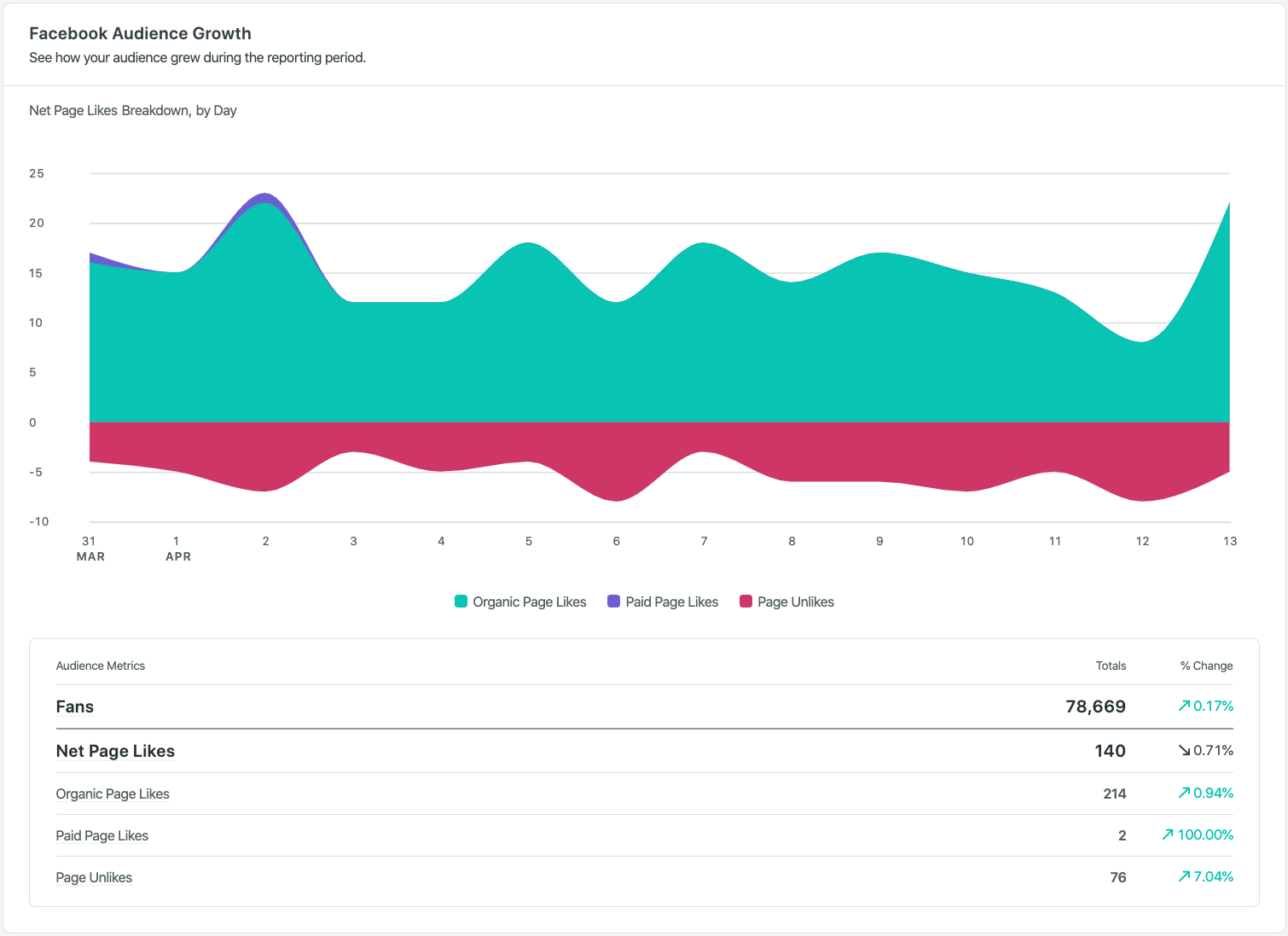
Understanding when and why a follower count increases is more important than the total number itself. By tracing growth spikes back to specific campaigns or "viral" posts, businesses can identify winning formulas. This requires a side-by-side comparison of publishing schedules and follower acquisition charts to determine which creative formats resonate most deeply with the community.
The Role of Social Proof: Reviews and Recommendations
For the modern consumer, a Facebook Page serves as a digital storefront. It is often the first place a potential customer looks for social proof. Metrics related to Page recommendations and review sentiment are vital indicators of brand health.
According to recent consumer behavior studies, over 80% of users trust online reviews as much as personal recommendations. SMBs must monitor the frequency and sentiment of these reviews. A proactive approach—responding to both positive and negative feedback—not only improves the business’s reputation but also signals to the Facebook algorithm that the Page is an active, helpful member of the local community.
Navigating the Technical Landscape: Native vs. Third-Party Tools
Currently, small businesses have three primary ways to access their data: Facebook Page Insights, the Meta Business Suite, and third-party social media management platforms.
The Limitations of Native Tools
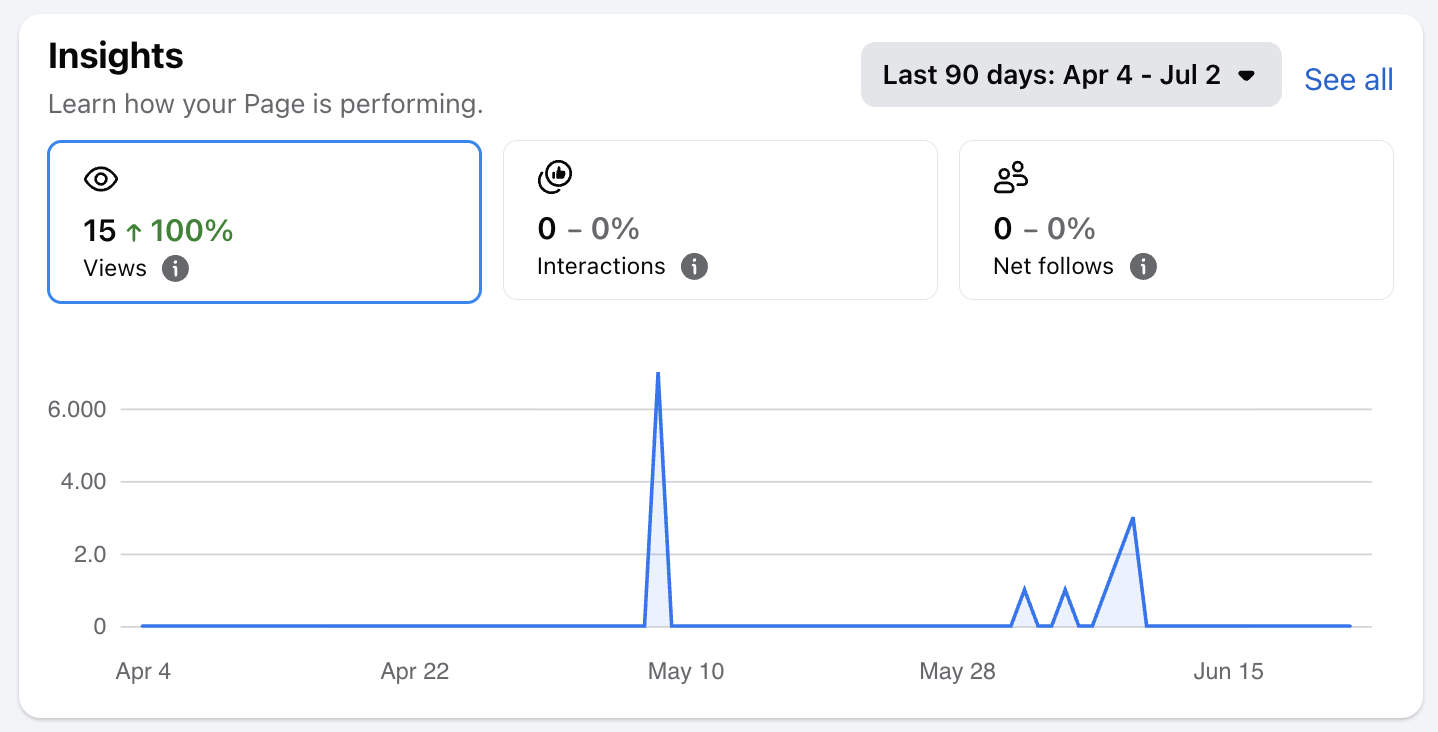
While Meta Business Suite is a powerful, free tool, it often presents a fragmented view of data. For a business owner or a small marketing team, "tab-hopping" between Ads Manager, Messenger, and organic insights can lead to "dashboard fatigue." Furthermore, native tools make it difficult to compare Facebook’s performance against other platforms like Instagram, TikTok, or LinkedIn. As a business scales, the manual labor required to export data into spreadsheets and create cohesive reports often becomes a significant drain on resources.
The Case for Integrated Platforms
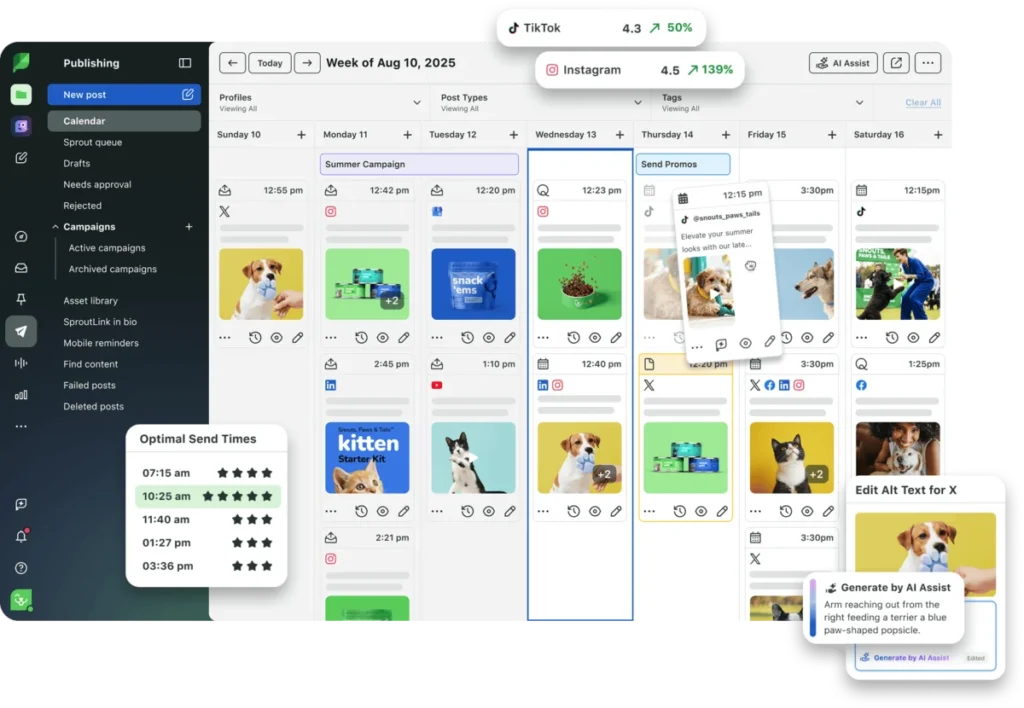
The transition to a third-party platform, such as Sprout Social, typically occurs when a business realizes that "time is money." These platforms offer unified views, allowing teams to see paid and organic data in a single dashboard. For a lean team, the ability to automate weekly reports and use AI-driven tools to determine "Optimal Send Times" can save hours of administrative work. The strategic value of these tools lies in their ability to turn raw numbers into a narrative, answering the critical question: "What should we post tomorrow to maximize our return?"
Strategic Implications and Expert Analysis
The broader impact of sophisticated Facebook analytics for SMBs is the democratization of market intelligence. In the past, only large corporations with massive research budgets could perform deep audience analysis. Today, a local hardware store can use Facebook data to see that their audience is most active at 7:00 PM on Tuesdays and prefers "How-To" videos over promotional sales posts.
However, this data is only useful if it leads to iteration. A "set it and forget it" approach to social media is no longer viable. Experts suggest a monthly "audit" where businesses review their top-performing posts and identify common themes. If educational content consistently outperforms "salesy" content, the business must pivot its strategy to provide more value-driven posts.
Furthermore, the separation of paid and organic data is essential for budget optimization. By identifying posts that perform well organically, businesses can "boost" content that is already proven to resonate, ensuring that their ad spend is not wasted on unengaging creative. This "data-first" mindset transforms social media from a chore into a calculated investment.
Conclusion: Data as the Foundation of Digital Longevity
As the digital landscape continues to evolve, the small businesses that thrive will be those that view Facebook analytics not as a set of confusing charts, but as a roadmap for customer engagement. By prioritizing link clicks, watch time, and audience demographics over superficial metrics, SMBs can build a sustainable online presence that drives real-world growth.
The move from manual tracking to automated, integrated reporting represents a "graduation" for small businesses, allowing them to spend less time on data entry and more time on the creative and strategic work that defines their brand. In an era where 2 billion people are looking for their next favorite local company, the data provided by Facebook is the most powerful tool an SMB has to ensure they are the ones being found.