
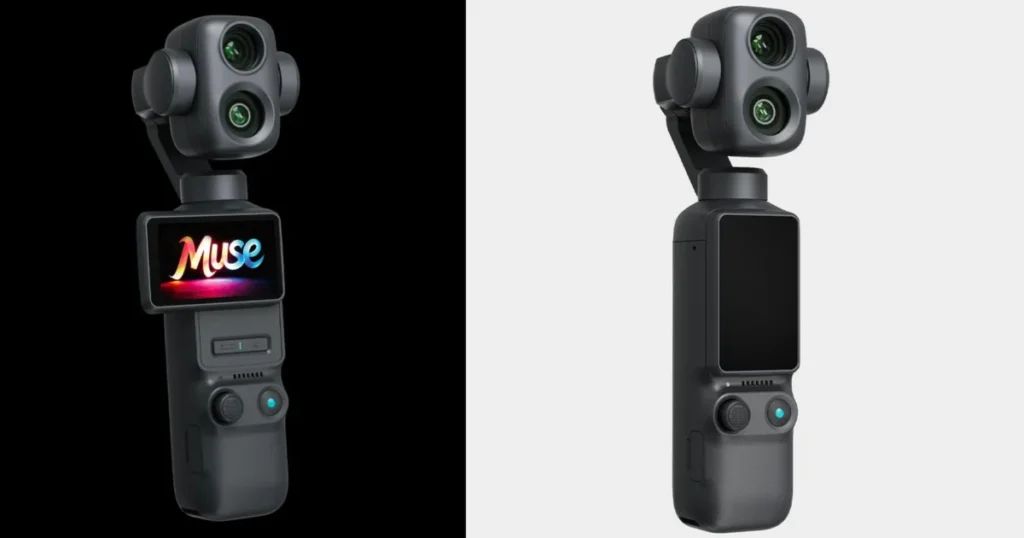

The Federal Communications Commission (FCC) has initiated a sweeping regulatory action aimed at banning several technology companies suspected of acting as fronts for the Chinese drone giant DJI. This move marks a significant escalation in the United States government’s efforts to purge the domestic market of technology that it deems a threat to national security. By invoking newly granted powers, the FCC is seeking to retroactively revoke equipment authorizations for devices already in circulation, a move that could potentially disrupt the supply chains of various handheld gimbal cameras and drone technologies marketed under secondary brand names.
The decision follows a period of intense scrutiny regarding "white-labeling" practices, where products manufactured by restricted entities are rebranded and sold by third-party companies to bypass federal bans. The companies currently facing these retroactive bans include Cogito, Fikaxo, Lyno Dynamics, Skyhigh Tech, Spatial Hover, SZ Knowact, WaveGo, Xtra, and XAG. According to the FCC, these brands pose an "unacceptable risk" to U.S. national security, echoing long-standing concerns regarding data privacy and the potential for foreign surveillance through Chinese-manufactured hardware and software.
The Shift Toward Retroactive Regulatory Enforcement
Historically, the FCC’s equipment authorization process was largely prospective; once a device was approved for sale in the U.S. market, that approval was rarely rescinded unless the device was found to cause harmful interference with radio communications. However, in October 2024, the commission voted to grant itself the authority to retroactively ban gadgets if they are found to be produced by entities on the "Covered List"—a registry of communications equipment and services deemed to pose a threat to national security.
This current action represents the first time the FCC has exercised this retroactive power. The move is seen as a closing of the "rebranding loophole," which allowed companies to import technology that was essentially identical to banned DJI products by simply changing the logo and model name. The enforcement action comes just one week after the FCC issued $25,000 fines to eight of these companies for failing to respond to official inquiries regarding their ownership structures and manufacturing partnerships.
A Targeted Crackdown on "White-Label" Rebranding
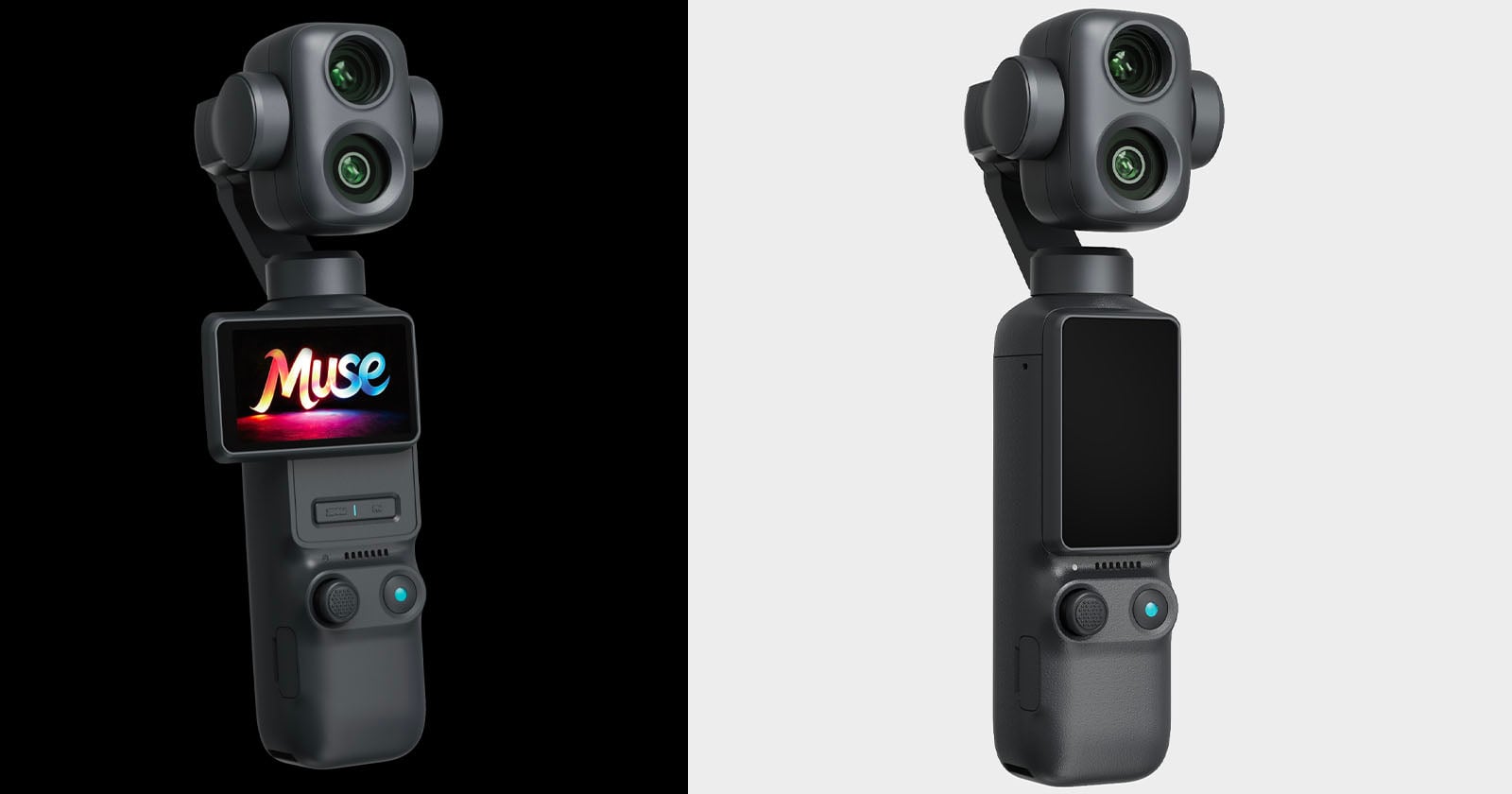
Central to the FCC’s investigation is the degree of technical overlap between products sold by these secondary brands and those produced by DJI. Industry analysts and photography experts have pointed to the Xtra Muse 2 Pro as a primary example of this phenomenon. The handheld gimbal camera is virtually indistinguishable from the DJI Osmo Pocket 4, a device that is currently unavailable for direct purchase in the United States due to ongoing regulatory hurdles.
The Xtra Muse 2 Pro has gained significant traction in the U.S. market, largely due to its aggressive pricing. Retailing at nearly $700 less than its primary competitor, the Insta360 Luna Ultra, the Muse 2 Pro offered consumers high-end DJI-tier technology under a different moniker. The FCC’s stance is that such products are not merely "inspired" by DJI designs but are likely manufactured on the same assembly lines or utilize identical proprietary software and transmission protocols, thereby inheriting the same security vulnerabilities associated with DJI.
Chronology of Regulatory Friction (2024–2026)
The tension between DJI and U.S. regulatory bodies has been building for several years, characterized by a series of audits, legislative proposals, and failed negotiations.
- Late 2024: DJI was officially placed on a list requiring a comprehensive security audit of its products and data-handling practices to maintain its legal status in the U.S. market.
- Early 2025: DJI representatives repeatedly petitioned U.S. agencies to begin the mandated audit, expressing a willingness to provide full transparency into their source code and data storage methods.
- Mid-2025: Despite DJI’s requests, the audit remained stalled, with federal agencies citing bureaucratic delays and evolving security criteria.
- May 2026: Reports began to surface of "clone" devices, such as the Xtra Muse 2, appearing on major e-commerce platforms like Amazon, offering next-day delivery for tech that mirrored DJI’s restricted catalog.
- June 2026: The FCC issued fines to nine companies for non-compliance with inquiries. Shortly thereafter, the commission announced its intent to implement retroactive bans.
This timeline suggests a deliberate pivot by the FCC from waiting for a formal audit of DJI to actively targeting the ecosystem of resellers and rebranding partners that sustain the manufacturer’s presence in the U.S. market.
Integrity of the Certification Pipeline: The SGS-CSTC Lab Disqualification
A critical component of the FCC’s new enforcement strategy involves the disqualification of testing laboratories used to certify electronics for the U.S. market. The FCC has announced it is withdrawing recognition of SGS-CSTC Shenzhen, a prominent Chinese test lab. Under U.S. regulations, any entity with more than a 10% stake owned by a foreign government is considered to be under that government’s control.
SGS-CSTC Shenzhen admitted that the Chinese state owns approximately 15% of its laboratory operations. By disqualifying this lab, the FCC effectively invalidates the certifications of any products tested there, forcing manufacturers to seek recertification from independent, non-adversarial labs—a process that is both costly and time-consuming. This move serves as a systemic barrier, making it significantly harder for companies suspected of having ties to the Chinese government to bring new products to the American consumer.
Market Consequences and Consumer Impact
The immediate impact of the FCC’s decision is felt most acutely by the retailers and distributors holding inventory of the targeted brands. While the ban does not currently criminalize the possession or use of these devices by individual consumers who have already purchased them, it places a "stop-sale" order on future transactions.
Devices currently housed in domestic warehouses, such as those utilized by Amazon for its fulfillment services, may have to be written off as "dead stock." For companies like Xtra, which had positioned itself as a high-value alternative to Insta360, the ban represents a total loss of their primary market. The $700 price advantage previously enjoyed by the Muse 2 Pro is now moot, as the product faces removal from digital storefronts.
Furthermore, the legal landscape is complicated by ongoing litigation between the manufacturers themselves. DJI is currently engaged in a high-profile legal battle with Insta360, alleging patent infringements related to the Osmo Pocket series. The FCC’s intervention adds a layer of regulatory pressure that could influence the outcome of these commercial disputes, as the availability of "clone" hardware is curtailed.
Official Responses and Public Sentiment
The FCC has opened a 30-day window for public comment regarding the proposed bans, allowing stakeholders to submit feedback via the agency’s electronic filing system. However, historical trends suggest that the FCC often proceeds with national security-based restrictions regardless of public sentiment or consumer demand for lower-priced electronics.
Critics of the ban argue that the FCC has yet to provide specific, publicly available evidence demonstrating that these specific handheld cameras or drones have been used for espionage or unauthorized data harvesting. DJI has consistently denied all allegations of security risks, maintaining that its products are designed for commercial and recreational use with robust user-controlled privacy settings.
In a statement following the announcement, a spokesperson for one of the affected resellers characterized the FCC’s move as "protectionist," arguing that it unfairly targets small businesses that are simply meeting consumer demand for affordable technology. Conversely, proponents of the ban, including several members of Congress, have lauded the FCC for taking "decisive action to protect the American digital infrastructure from foreign interference."
Broader Impact and Implications for the Tech Industry
The FCC’s use of retroactive banning power signals a new era in the "tech cold war" between the United States and China. It establishes a precedent where the provenance of a product is just as important as its technical specifications. For global manufacturers, this means that supply chain transparency is no longer optional; any ambiguity regarding the origin of components or the ownership of testing facilities could lead to a total market lockout.
As the 30-day comment period progresses, the industry will be watching closely to see if other brands are added to the list or if the FCC expands its scope to include other categories of consumer electronics. For now, the message to companies attempting to bypass U.S. restrictions via rebranding is clear: the federal government is no longer looking just at the label on the box, but at the circuitry and corporate lineage beneath it. The potential "write-off" of millions of dollars in inventory serves as a stark warning to the e-commerce sector regarding the risks of carrying hardware from entities under federal scrutiny.