
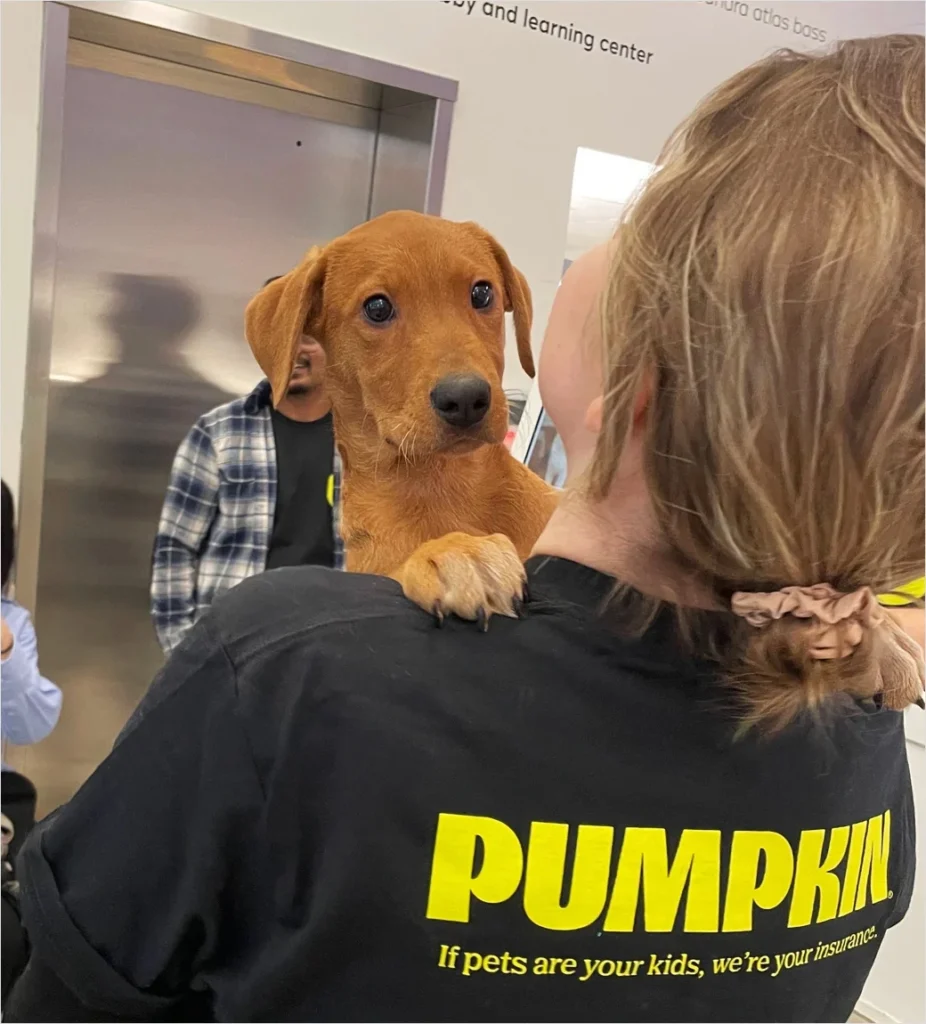
Pumpkin Pet Insurance has officially launched a significant rebranding initiative, introducing a new logo and a revitalized brand identity designed to resonate with a modern demographic of pet owners. This strategic overhaul signifies a deeper commitment to positioning the company as a leader in pet healthcare solutions, particularly for a generation that views their pets as integral family members. The rebrand, revealed on April 14, 2026, by the American company, marks a pivotal moment in Pumpkin’s journey to address the growing needs of devoted pet parents.

The Evolving Landscape of Pet Parenthood and Insurance
The rebrand is meticulously crafted to connect with what Pumpkin terms "pet parents," a descriptor highlighting the profound emotional bond and parental responsibilities many individuals now feel towards their animal companions. This sentiment is underscored by recent research indicating a significant shift in societal attitudes. A striking statistic from Pumpkin’s own findings reveals that nearly half of pet owners, specifically 46%, consider their four-legged companions to be as important as their human children. This escalating level of integration into family life necessitates a parallel evolution in the services and products available to support pet well-being.
Despite a notable surge in pet ownership across the United States, a stark disparity exists in the adoption of pet insurance. Data suggests that less than 4% of pets in the U.S. are currently insured. This underinsurance gap presents a considerable challenge and opportunity for companies like Pumpkin. The company’s rebrand is strategically positioned to bridge this divide by emphasizing the value and necessity of comprehensive pet healthcare coverage, thereby encouraging more owners to secure financial protection for their pets’ medical needs.

A Thoughtful Design Philosophy: Connecting with Pets and Parents
The core of Pumpkin’s rebranding effort lies in a thoughtfully conceived visual and verbal identity. Central to this is the introduction of a distinct color palette. The brand prominently features "Tennis Ball Yellow," a vibrant hue chosen to symbolize the boundless energy and joy that pets infuse into their owners’ lives. Complementing this is "Scrubs Blue," described as a "calm periwinkle," which aims to convey the professionalism, expertise, and reassuring presence of veterinary care.
An innovative aspect of this new design strategy, as explained by Molly Shaw, Creative Director at Pumpkin, is the intentional selection of colors perceivable by both humans and animals. "We chose yellow and blue intentionally because they’re colors dogs and cats can actually see," Shaw stated. "Most brands design for humans alone. We wanted to design for pets, too." This inclusive design approach underscores Pumpkin’s commitment to a holistic understanding of pet care, recognizing that the well-being of the pet is paramount.

Beyond the color scheme, the brand’s visual identity is further enhanced by hand-drawn illustrations, adding a touch of warmth and personality. A custom typeface, christened "Pumpkin Serif," has been developed to provide a unique and recognizable typographic signature for the brand. These elements collectively contribute to a visual language that is both modern and deeply empathetic.
Evolving the Brand Voice: Clarity, Confidence, and Emotional Honesty
The rebrand extends beyond visual elements to encompass a significant shift in the brand’s tone of voice. Moving away from what was perceived as potentially trite, "cutesy, pun-filled language," Pumpkin is adopting a more direct, confident, and emotionally honest communication style. This evolution is intended to foster greater clarity for consumers navigating the complexities of pet insurance and to build trust through transparent and genuine engagement. The new voice aims to empower pet parents by providing them with the information and assurance they need to make informed decisions about their pets’ health and financial security.

Strategic Partnerships Driving the Rebrand
The comprehensive rebranding was meticulously executed in collaboration with key strategic partners. Triptk, Pumpkin’s brand strategy partner, played a crucial role in defining the overarching vision and strategic direction. Concurrently, Kuba&Friends, the company’s creative agency, was instrumental in translating this strategy into tangible visual and verbal assets. This synergistic approach ensured that the rebrand was not merely an aesthetic update but a deeply integrated transformation aligned with Pumpkin’s core mission and market objectives.
Chronology of the Rebrand
While the exact timeline of the rebranding process is not fully detailed in the initial announcement, the unveiling on April 14, 2026, marks the culmination of extensive research, strategic planning, and creative development. It is highly probable that the project began at least 12-18 months prior, involving market analysis, consumer insights gathering, and iterative design and testing phases. The choice of this specific date suggests a strategic launch timed to coincide with key industry events or seasonal marketing opportunities.

Supporting Data and Market Context
The decision to invest in a significant rebrand by Pumpkin Pet Insurance is supported by several key market trends and data points:
- Growing Pet Humanization: The trend of pets being treated as family members is well-documented. Reports from the American Pet Products Association (APPA) consistently show increasing spending on pets, with a significant portion allocated to health and wellness. This indicates a consumer base willing to invest more in their pets’ well-being, including preventative care and insurance.
- Underinsurance Gap: As previously mentioned, the low penetration rate of pet insurance, particularly in the U.S., signifies a substantial untapped market. This gap is often attributed to a lack of awareness, perceived cost, or a misunderstanding of the benefits. Pumpkin’s rebrand aims to directly address these barriers.
- Veterinary Care Costs: The cost of veterinary care has been steadily rising. According to the U.S. Bureau of Labor Statistics, veterinary services have seen a consistent increase in consumer prices. Pet insurance can help mitigate these escalating expenses, making it a more attractive proposition for pet owners facing unexpected medical bills.
- Digital Adoption: The target demographic of "new generation" pet parents is highly digitally native. This suggests that Pumpkin’s refreshed brand identity, likely to be prominently featured across digital platforms, social media, and online advertising, will be well-received by its intended audience.
Official Statements and Strategic Intent
Matt Sherman, Chief Marketing Officer at Pumpkin, articulated the strategic imperative behind the rebrand: "This rebrand isn’t just a new look or voice. It’s us saying out loud what our customers and veterinary partners have always known. We built Pumpkin for parents who expect care without compromise." This statement emphasizes that the rebrand is not merely a superficial change but a reinforcement of the company’s foundational values and a clearer articulation of its commitment to providing high-quality pet healthcare solutions.

The emphasis on "care without compromise" suggests a strategic intent to differentiate Pumpkin from competitors by highlighting its dedication to comprehensive coverage, excellent customer service, and a deep understanding of the emotional investment pet owners have in their animals. By aligning its brand identity with the expressed needs and desires of its target audience, Pumpkin aims to foster deeper customer loyalty and attract new clients.
Broader Implications for the Pet Insurance Market
Pumpkin’s comprehensive rebrand carries several potential implications for the broader pet insurance industry:

- Elevated Brand Expectations: By focusing on a sophisticated and emotionally resonant brand identity, Pumpkin may set a new standard for how pet insurance companies communicate and engage with their customers. This could pressure competitors to similarly refine their branding and messaging.
- Increased Awareness and Adoption: A well-executed rebrand, coupled with targeted marketing efforts, can significantly boost consumer awareness of pet insurance. This may contribute to a higher adoption rate across the industry as more pet owners understand the value proposition.
- Focus on Pet-Centric Design: The innovative approach of designing with pets’ sensory perceptions in mind could inspire other brands to adopt more inclusive and thoughtful design strategies, recognizing the dual nature of their customer base – the human owner and the animal companion.
- Shift in Communication Strategies: The move away from "cutesy" language towards a more direct and emotionally honest tone might signal a broader industry shift towards more mature and trust-building communication, especially concerning financial products like insurance.
In conclusion, Pumpkin Pet Insurance’s extensive rebrand signifies a strategic evolution designed to meet the changing needs of modern pet owners. By integrating a thoughtful visual identity, an empathetic brand voice, and a clear commitment to quality care, Pumpkin aims to solidify its position in the growing pet insurance market and become the preferred choice for devoted pet parents seeking comprehensive protection for their beloved companions. The success of this rebrand will likely hinge on its ability to translate its new identity into tangible benefits and exceptional service for its customers, further contributing to the ongoing professionalization and growth of the pet insurance sector.
