
Tag: unaids

  • Africa Creative & UNAIDS Brazil Reach Gen Z with HIV Protection in Spotify’s Funk Proibidão

    Africa Creative & UNAIDS Brazil Reach Gen Z with HIV Protection in Spotify’s Funk Proibidão

    April 18, 2026 – In a groundbreaking initiative designed to address a critical public health challenge, Africa Creative and UNAIDS Brazil have joined forces to engage Generation Z with vital HIV protection messages, strategically leveraging the immersive power of music and the ubiquitous reach of Spotify. The campaign zeroes in on "funk proibidão," a potent subgenre of Brazilian funk music, transforming its raw lyrical content into a dynamic platform for public service announcements, aiming to curb rising HIV infection rates among young people.

    The Growing HIV Challenge Among Brazilian Youth

    The initiative arrives at a crucial juncture, as epidemiological data reveals a concerning concentration of new HIV cases within the younger demographic. According to the Brazilian Ministry of Health, individuals aged 15 to 29 accounted for a staggering 48.7% of new infections recorded in 2024. This alarming trend is further underscored by the National School Health Survey (PENSE), conducted by the Brazilian Statistical Institute (IBGE). The PENSE survey indicated a significant decline in condom use among adolescents aged 13 to 17, dropping from a high of 72.5% in 2009 to a worrying 57.2% in 2024. This decline suggests a potential disconnect between awareness and proactive prevention behaviors among a generation that has not experienced the same level of fear and urgency surrounding HIV/AIDS as previous generations.

    Funk Proibidão: A Cultural Nexus for Communication

    Recognizing that traditional public health campaigns may not resonate with this demographic, Africa Creative and UNAIDS Brazil have strategically identified music, specifically funk carioca, as a primary vehicle for communication. Funk carioca, born in the vibrant favelas of Rio de Janeiro, has evolved into Brazil’s most dominant youth subculture, deeply embedded in the daily lives and cultural expressions of young Brazilians. The campaign’s focus on "funk proibidão," a subgenre characterized by its explicit lyrics often reflecting street life, sexuality, and social commentary, presents a unique opportunity. This genre, while controversial, possesses an undeniable cultural currency and an extensive listenership among the target demographic.

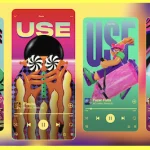
    The campaign ingeniously utilizes Spotify’s Canvas tool, a feature that provides eight-second looping videos accompanying each track. By replacing the original visuals of selected "funk proibidão" tracks with animations promoting condom use and HIV prevention, the initiative seamlessly integrates crucial health information into a familiar and engaging entertainment format. The selected tracks, featuring prominent artists such as MC Livinho, MC Mari, and MC Pikachu, collectively garner an estimated 300 million views on the Spotify platform. This massive reach ensures that the HIV protection messages are exposed to a vast audience of Brazilian adolescents and young adults.

    Bridging Culture and Public Health

    The decision by UNAIDS Brazil to embrace funk as a communication platform represents a significant acknowledgment of the genre’s pervasive influence on youth culture. By strategically inserting prevention messages into the visual space of "funk proibidão" tracks, UNAIDS Brazil effectively meets young people where they are, within a context where sexuality is already openly discussed. This approach aims to bridge the gap between cultural expression and the dissemination of essential information, empowering individuals to make informed decisions about their sexual health.

    Thainá Kedzierski, communications and advocacy officer at UNAIDS Brazil, articulated the strategic imperative behind this approach. "Adapting language and promoting HIV prevention communication based on autonomy and choice is part of the necessary shift for an equitable HIV response," Kedzierski stated. "It must meet the specific needs of groups, especially the youth population, which remains the most affected by new infections." This sentiment highlights a broader shift in public health messaging, moving towards empowerment and tailored communication rather than prescriptive directives.

    Rogerio Chaves, co-CCO of Africa Creative, elaborated on the innovative use of the digital platform. "When we noticed that funk artists with explicit sexual lyrics weren’t using Spotify Canvas, we immediately saw an emerging media space," Chaves explained. "The meeting of entertainment and education in the same place." This observation underscores the campaign’s core strategy: to leverage existing cultural touchpoints and technological tools to deliver impactful public health messages in a novel and engaging manner.

    A Timeline of Engagement and Reach

    The conceptualization and execution of this campaign can be traced back to the growing concern over HIV infection rates among young Brazilians. While specific dates for the campaign’s inception are not detailed, its launch in April 2026 signifies a response to escalating trends observed in recent years.

    • Pre-2024: Rising HIV infection rates among youth in Brazil are identified as a significant public health concern. Studies like the PENSE survey begin to indicate a decline in condom use among adolescents.
    • 2024: Brazilian Ministry of Health data highlights that nearly half of new HIV infections occur in the 15-29 age group. The PENSE survey confirms a continued downward trend in condom use among 13-17 year olds.
    • Late 2024 – Early 2025: Africa Creative and UNAIDS Brazil initiate discussions to develop innovative strategies for reaching Gen Z with HIV prevention messages. The potential of leveraging popular music genres and digital platforms is explored.
    • Mid-2025: The strategic focus narrows to funk carioca, particularly the "funk proibidão" subgenre, due to its immense popularity and cultural relevance among youth. The potential of Spotify Canvas is identified as a key tool.
    • Late 2025: Partnerships are solidified with participating artists and UNAIDS Brazil. Creative development for the animated visuals begins, ensuring messages are impactful yet culturally sensitive.
    • Early 2026: The campaign is launched on Spotify, with animated visuals integrated into selected funk proibidão tracks.
    • April 18, 2026: The initiative is publicly announced, with detailed information on its strategy, objectives, and the data supporting its necessity.

    Featured Tracks and Artist Collaboration

    The campaign strategically selected tracks from artists who command significant influence within the funk scene and whose music is widely consumed by the target audience. These include:

    • MC Livinho’s "Fazer Falta": A popular track that provides a prominent platform for the prevention message.
    • MC Davi’s "Vínculo Nenhum": Another track selected for its broad appeal among young listeners.
    • MC Mari’s "Flauta": Featuring a female artist, this choice broadens the campaign’s inclusivity and reach across different segments of the youth demographic.
    • MC Pikachu’s "Lá no Meu Barraco": This track further amplifies the campaign’s presence within the genre’s most popular offerings.

    The inclusion of these artists signifies a collaborative effort to use their platform for social good, demonstrating a commitment beyond pure entertainment to address critical societal issues.

    Broader Implications and Future Outlook

    The Africa Creative and UNAIDS Brazil initiative represents a forward-thinking approach to public health communication, recognizing the evolving media consumption habits of young people. By embedding messages within culturally resonant content, the campaign has the potential to significantly impact HIV prevention behaviors.

    Key implications of this strategy include:

    • Increased Awareness: The sheer volume of views on the featured tracks suggests that millions of young Brazilians will be exposed to HIV prevention messages in a context they actively choose to engage with.
    • Destigmatization: By integrating health messages into a genre that openly discusses sexuality, the campaign may contribute to destigmatizing conversations around HIV and sexual health.
    • Empowerment: The emphasis on "autonomy and choice" in messaging, as highlighted by UNAIDS Brazil, promotes a sense of personal responsibility and empowers individuals to take control of their sexual well-being.
    • Model for Other Regions: This innovative approach could serve as a blueprint for other public health organizations seeking to reach youth demographics in diverse cultural contexts.

    However, the long-term success of the campaign will depend on sustained engagement, ongoing evaluation of its impact on behavioral change, and the potential for wider adoption of similar strategies. The challenge of combating HIV transmission among young people is multifaceted, requiring a combination of education, access to testing and treatment, and the continuous development of effective communication tools. This initiative, by embracing the power of popular culture and digital innovation, represents a significant step forward in that ongoing effort.

    The campaign’s success will also be measured by its ability to foster open dialogue about sexual health and empower young Brazilians to make informed decisions, ultimately contributing to a healthier and more resilient future for the nation. The collaborative efforts of UNAIDS Brazil and Africa Creative, alongside the participation of influential artists, underscore a unified commitment to tackling this critical public health issue with creativity, cultural sensitivity, and a data-driven approach.

    Credits

    Client: UNAIDS Brazil

    • UNAIDS Team: Andrea Boccardi Vidarte, Bruna Souza, Bruno Kauss, Daniela Dantas, Eduardo Almeida, Gabriel Borba, Gustavo Passos, Manuela de Castro, Pamela Abreu, Thainá Kedzierski

    Agency: Africa Creative

    • CCO: Sergio Gordilho
    • Co-CCOs: Rogério Chaves & Fabricio Pretto
    • Creative Director: Milena Zindeluk
    • Head of Art: Cleber Pereira
    • Copywriters: Helena Passos, Marcel Macedo
    • Art Directors: Sabrina Mesquita, Vinicius Montes
    • VP of Special Projects and Creative Content: Juliana Leite
    • Director of Special Projects: Lica de Souza
    • Project Manager: Lucia Maia
    • Creative Producers: Laís Cattena, Giovanna Lima, Shari Saber, Andrea de Marques
    • Creative Production Assistant: Nadia Sobh

    PR: Pororoca.ag

    Audio Production Company: Sonido Audio

    • Music Director: Lucas Duque
    • Executive Producer: Vanessa Raad
    • Production Coordinator: Anderson Soares
    • Audio Post Production & Mix: Carla Cornea
Grafex Media
Privacy Overview

This website uses cookies so that we can provide you with the best user experience possible. Cookie information is stored in your browser and performs functions such as recognising you when you return to our website and helping our team to understand which sections of the website you find most interesting and useful.