
Managing a multi-platform social media strategy in 2026 has evolved from a simple task of posting updates into a complex operation involving real-time community engagement, granular data analysis, and cross-channel content repurposing. As the digital landscape continues to fragment across short-form video platforms, professional networking sites, and emerging decentralized networks, the need for centralized management software has become a non-negotiable requirement for creators, small businesses, and multinational enterprises alike.

The primary function of a social media management tool is to consolidate planning, publishing, engagement, and reporting into a single dashboard. By eliminating the necessity of toggling between disparate platform interfaces, these tools allow users to maintain consistent brand messaging while significantly reducing operational friction. In the current market, these solutions range from lightweight, entry-level applications designed for individual creators to robust enterprise-grade suites that integrate social listening, customer relationship management (CRM), and advanced influencer discovery.
Industry Context and the Evolution of Social Management
The surge in demand for these tools is rooted in the increasing professionalization of social media. Data from industry analysts indicates that businesses investing in dedicated management software experience an average 30 percent increase in content output efficiency. Furthermore, the rise of "social search"—where platforms like TikTok and Instagram function as primary discovery engines for consumers—has forced brands to adopt more rigorous scheduling and monitoring standards.

Historically, tools were categorized strictly by their primary function: scheduling, analytics, or community management. Today, the lines have blurred. Modern software providers are integrating AI-driven content generation, predictive analytics, and automated response workflows to keep pace with the demands of an "always-on" global audience.
Comparative Analysis of Leading Management Platforms
The following assessment categorizes the top 11 tools currently dominating the market, based on their feature sets, pricing models, and target demographics as of August 2026.
| Tool | Primary Target | Standout Feature | Entry Point |
|---|---|---|---|
| Buffer | Creators & SMBs | Per-channel modular pricing | Free / $6/mo |
| Hootsuite | Large Teams | Talkwalker-powered listening | $199/mo |
| Tailwind | Pinterest Specialists | One-click design automation | $29.99/mo |
| SocialPilot | Digital Agencies | White-label client portals | $30/mo |
| Zoho Social | Zoho Ecosystem Users | Native CRM/Desk integration | $15/mo |
| Sprout Social | Enterprises | Tagger-powered influencer tools | $199/mo |
| Oktopost | B2B Organizations | Buyer-journey tracking | Custom |
| Later | Influencer Marketers | Creator discovery workflows | $25/mo |
| Socialinsider | Analytics Analysts | Competitor KPI benchmarking | $99/mo |
| Manychat | DM Automation Users | 24/7 chatbot workflows | $15/mo |
| Sprinklr | Global Corporations | AI-led CX and governance | Custom |
Deep Dive: Categorical Leaders
For Creators and Small Businesses: Buffer
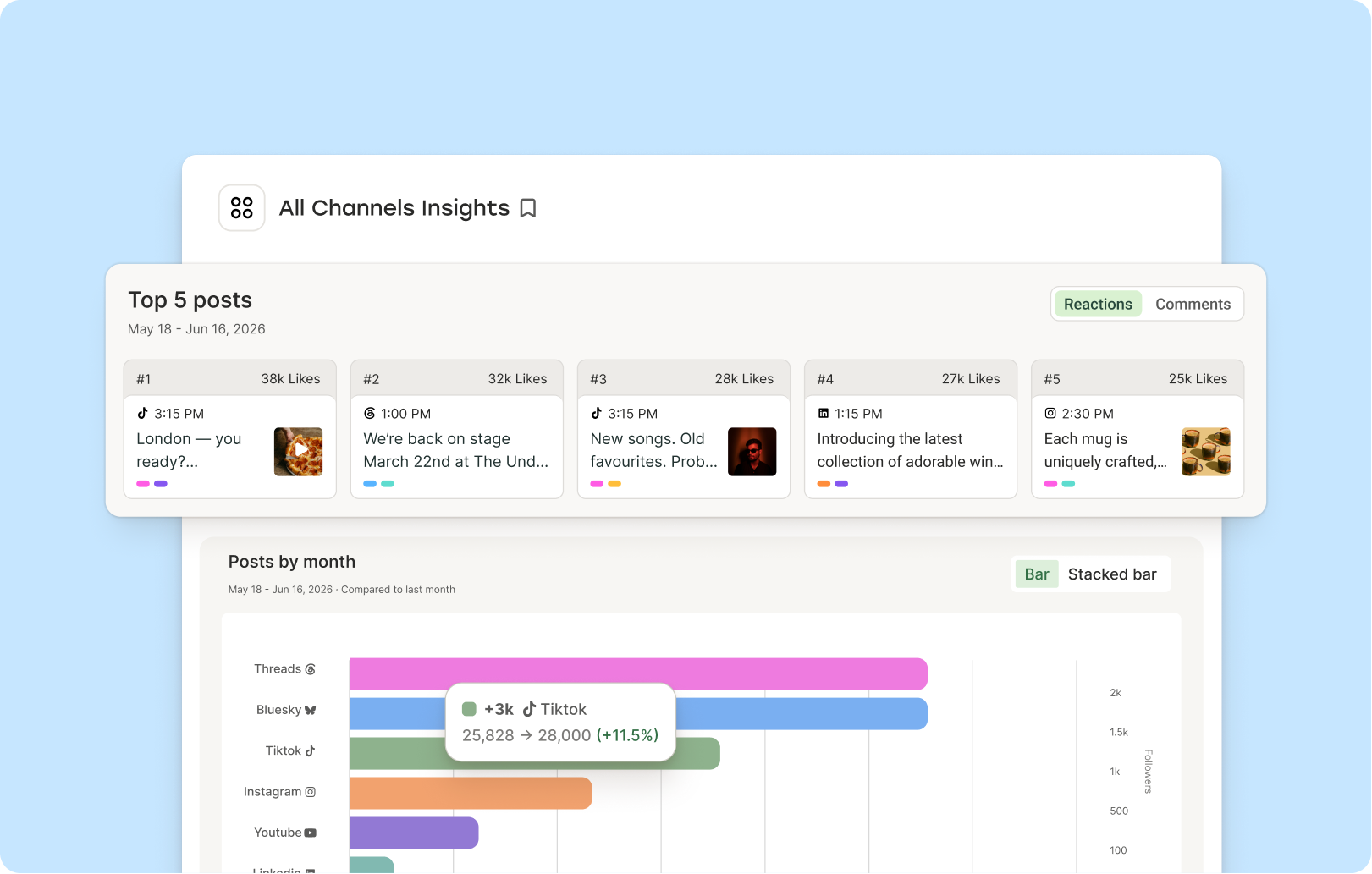
Buffer remains the industry benchmark for simplicity. By utilizing a per-channel pricing model, it allows small businesses to scale their costs incrementally. Its recent integration of AI-assisted drafting and a "Community" inbox—which aggregates comments from various platforms—provides a clean, non-intrusive interface that minimizes the cognitive load often associated with multi-channel management.
For Enterprise-Grade Social Listening: Hootsuite
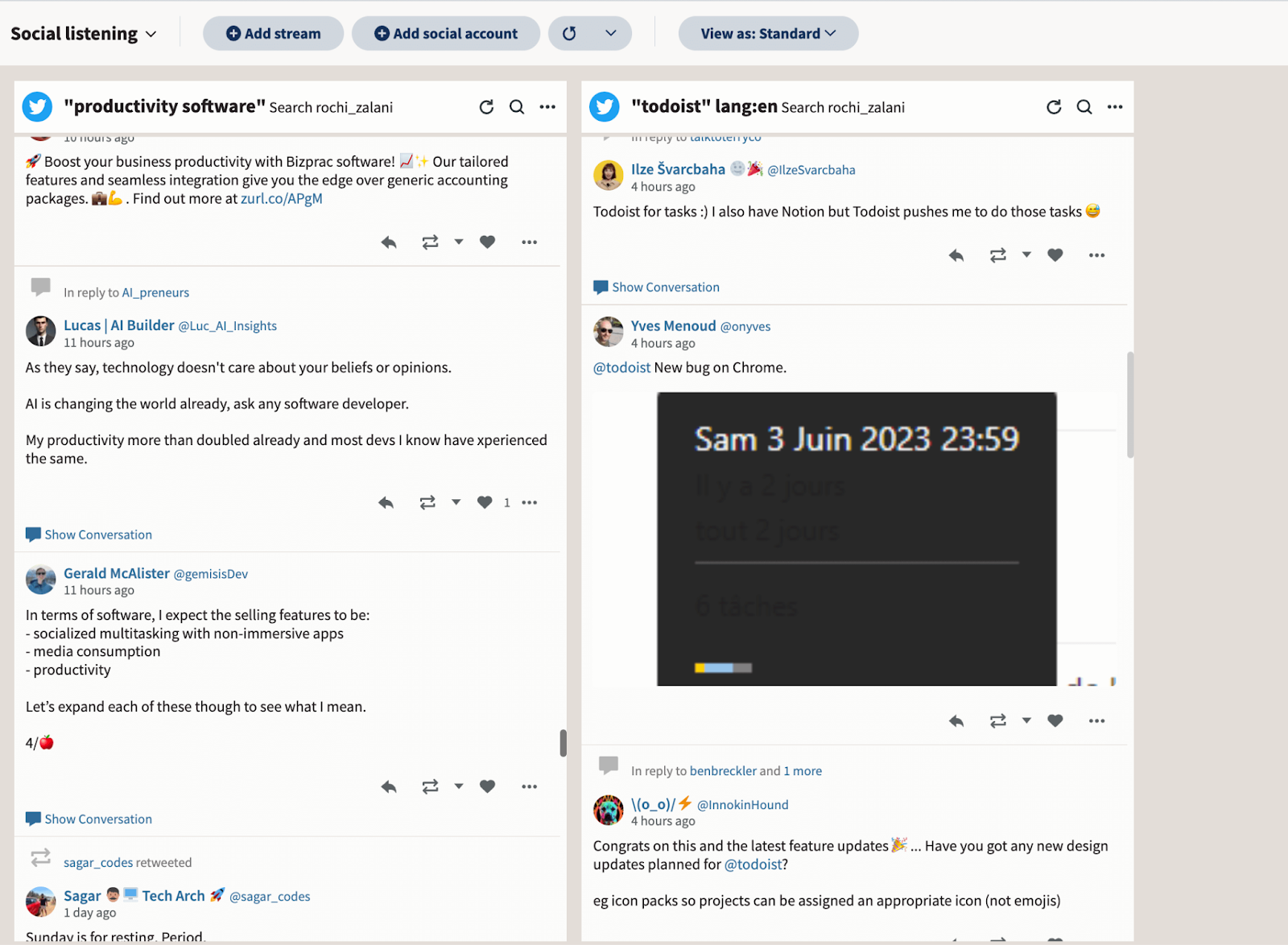
Hootsuite’s acquisition of Talkwalker has fundamentally shifted its market position. The platform now provides high-fidelity social listening, enabling large organizations to monitor brand sentiment and emerging industry trends in real-time. While its pricing remains at the higher end of the spectrum, the depth of its data—specifically its ability to synthesize global conversation patterns—justifies the investment for teams managing large-scale public relations risks.

For B2B Revenue Attribution: Oktopost
Unlike general-purpose tools, Oktopost is engineered to align social activity with sales pipelines. By mandating UTM tagging and campaign-based post grouping, it allows B2B marketing teams to track the "buyer journey." This data-first approach bridges the gap between marketing effort and bottom-line revenue, a metric that remains elusive for many traditional management tools.
For Advanced Analytics: Socialinsider
For teams that have already solidified their scheduling workflows but lack granular reporting, Socialinsider serves as a specialized analytics layer. It excels in competitor benchmarking, allowing users to compare their engagement metrics and content pillar performance against industry peers. Its ability to provide deep-dive reports on follower growth and sentiment makes it an essential tool for data-driven decision-making.

Strategic Selection Criteria
Selecting the appropriate tool requires an objective evaluation of internal capabilities and future goals. Experts generally advise assessing platforms against five core pillars:
- Network Compatibility: Does the tool support niche platforms, such as Substack Notes or emerging decentralized networks, in addition to legacy networks like Facebook and X?
- Reporting Depth: Does the platform offer actionable insights into ROI, or does it focus solely on vanity metrics like "likes" and follower counts?
- Collaboration Workflows: Does the software offer multi-layer approval processes that ensure brand safety for larger teams?
- Scalable Cost Structures: Does the pricing model allow for growth, or will the cost of adding team members and accounts become prohibitive within 12 to 18 months?
- Integration Capabilities: Does the tool interface with existing tech stacks, such as CRMs, project management software, or customer support platforms?
The Role of Automation and AI
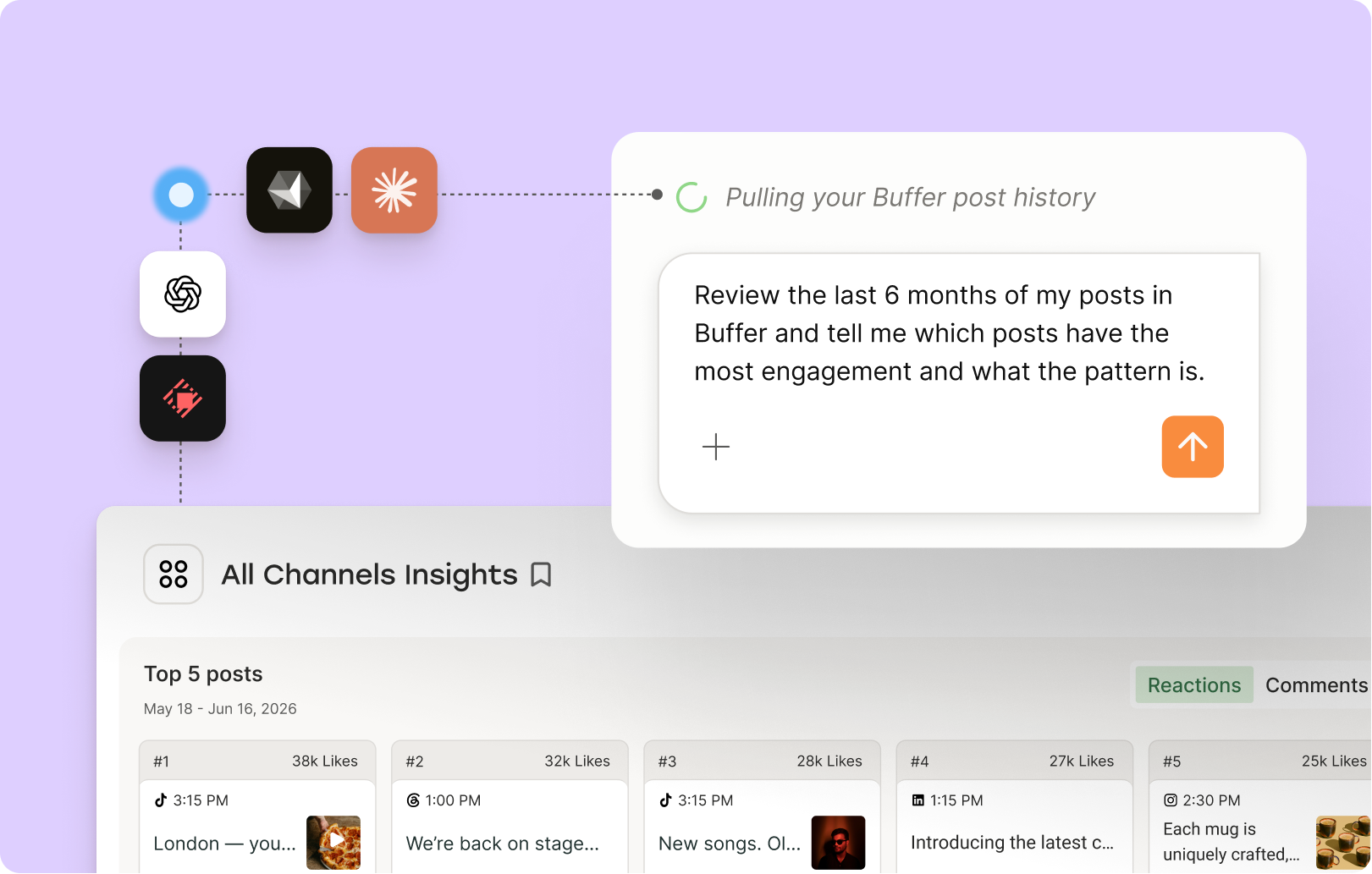
The integration of Artificial Intelligence into these platforms is no longer a luxury; it is a standard expectation. AI-powered tools now assist with caption generation, image detection, and predictive scheduling—determining the precise moment an audience is most likely to engage.
However, industry leaders warn against over-reliance on automated content. While automation is highly effective for administrative tasks, such as responding to common customer queries via Manychat or scheduling routine updates, the "human touch" remains the primary driver of high-performing social content. The most effective strategies utilize tools to handle the logistical "heavy lifting," freeing human creators to focus on high-value creative tasks.
Future Implications for Social Media Management
As we move further into 2026, the industry is trending toward "platform consolidation." Companies are increasingly seeking single-pane-of-glass solutions that handle not just social media, but the entire digital customer experience.
For the average user, the takeaway is clear: the best social media management tool is not necessarily the one with the most features, but the one that ensures consistency. Data consistently shows that posting frequency and audience responsiveness are the most reliable predictors of organic reach. Therefore, when selecting a tool, prioritize usability. If the interface is too cumbersome, the tool will likely fall into disuse, rendering its advanced features obsolete.
Before committing to a long-term contract, organizations should leverage free trials to test the software under real-world conditions. Many platforms offer 14 to 30-day windows that provide full access to professional-tier features. By running a test campaign during this period, teams can identify which workflow bottlenecks remain and which tools effectively resolve them.

Ultimately, the goal of these platforms is to transform the chaotic nature of social media into a manageable, measurable, and repeatable process. By selecting the right technology, businesses can ensure their digital presence remains a stable foundation for growth rather than a source of operational exhaustion.